




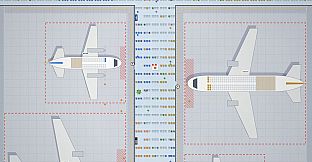
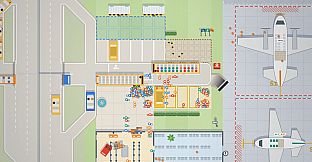
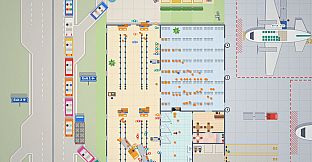
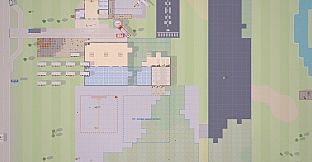
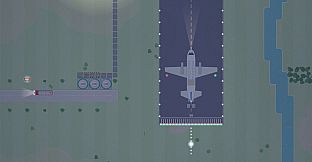
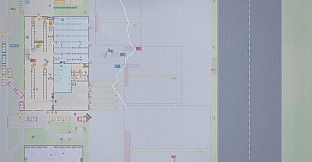
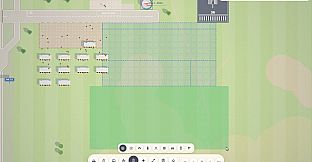
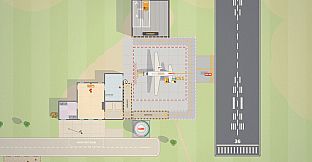
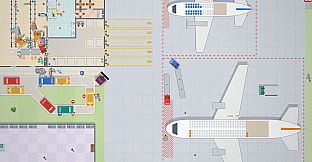
Tarmac Tycoon is a strategy and simulation game focused on airport management. Players begin with a small airfield and expand it into a major international hub through careful planning of facilities, logistics, and operations.
Gameplay
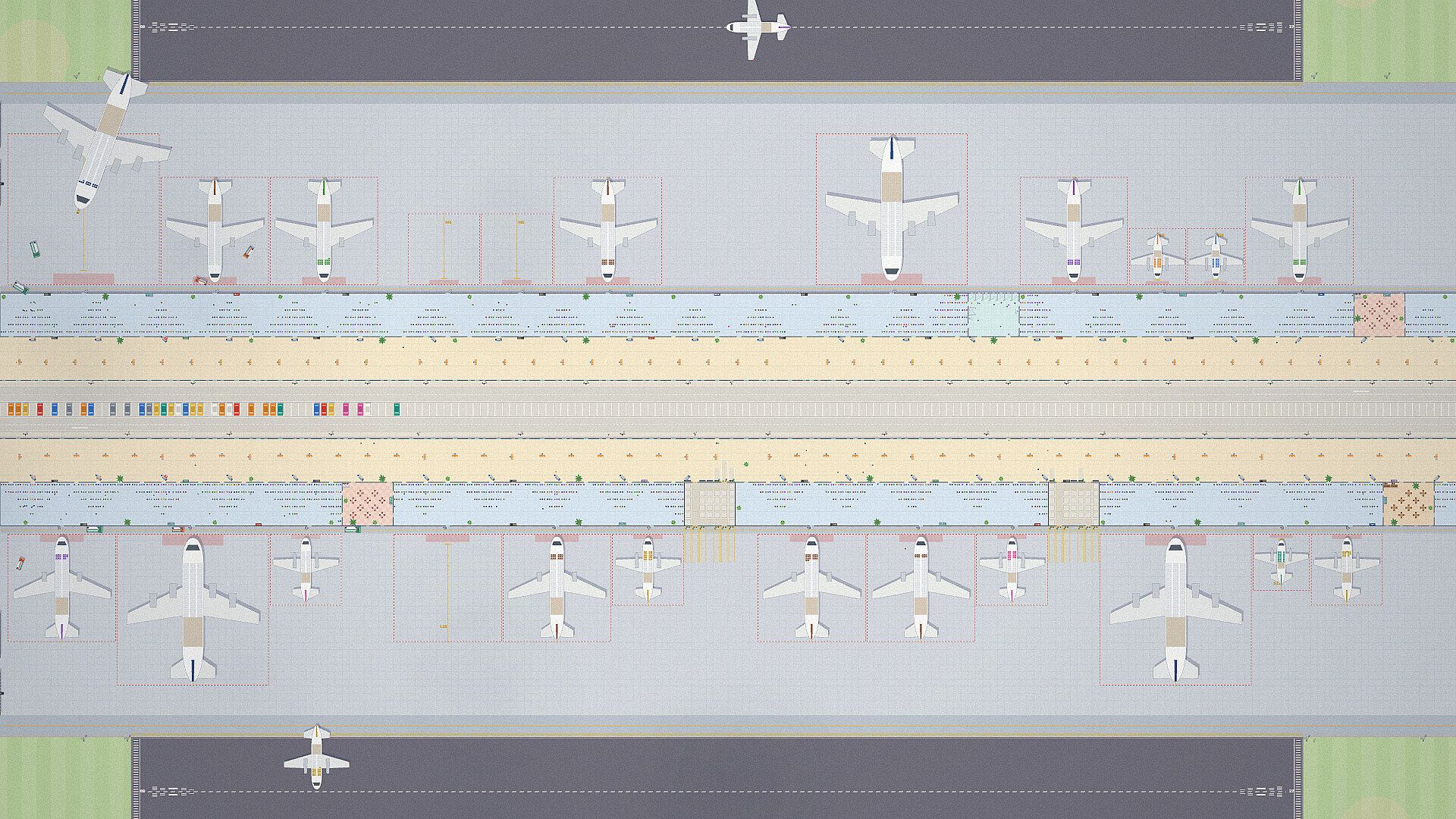
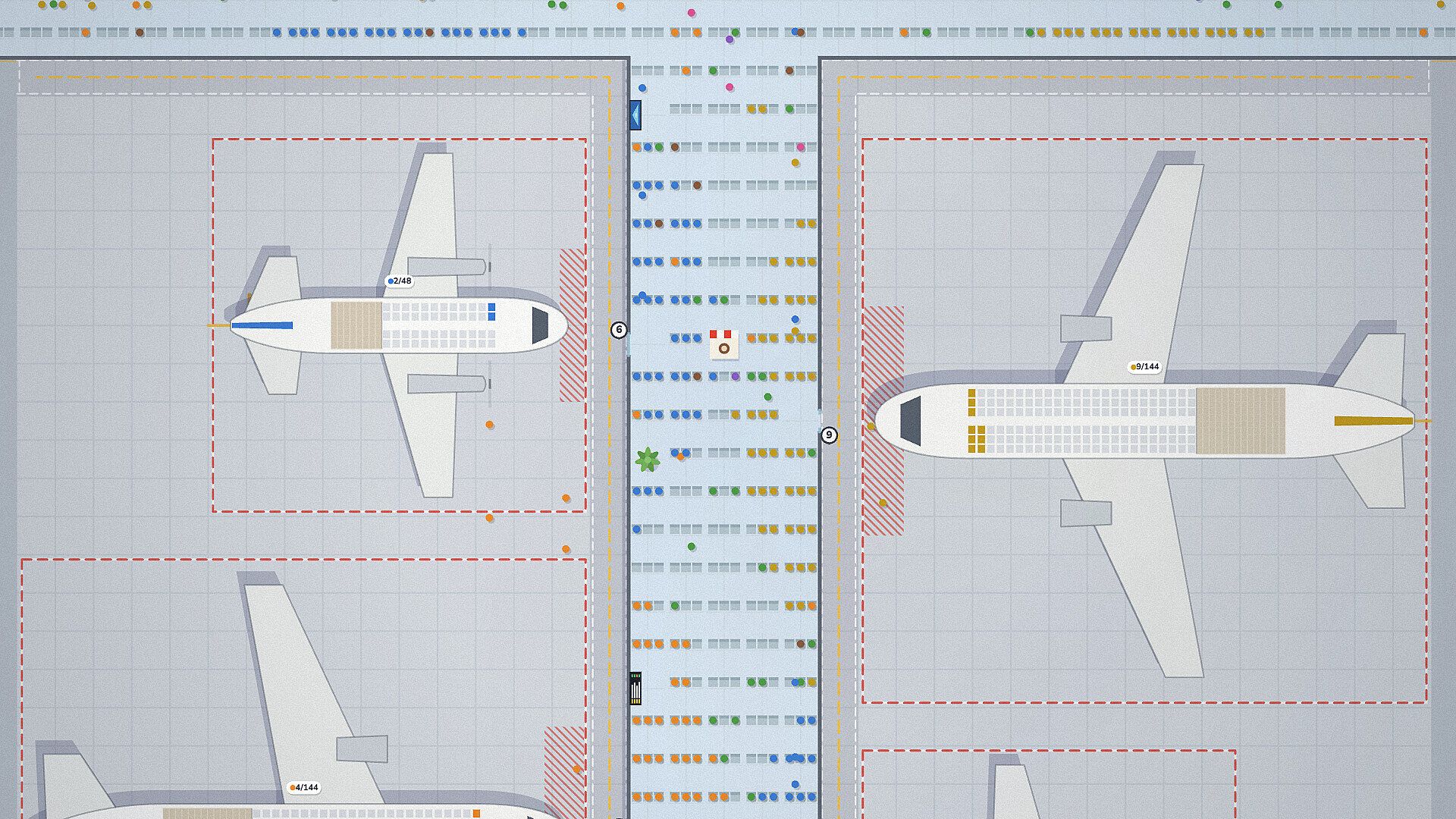
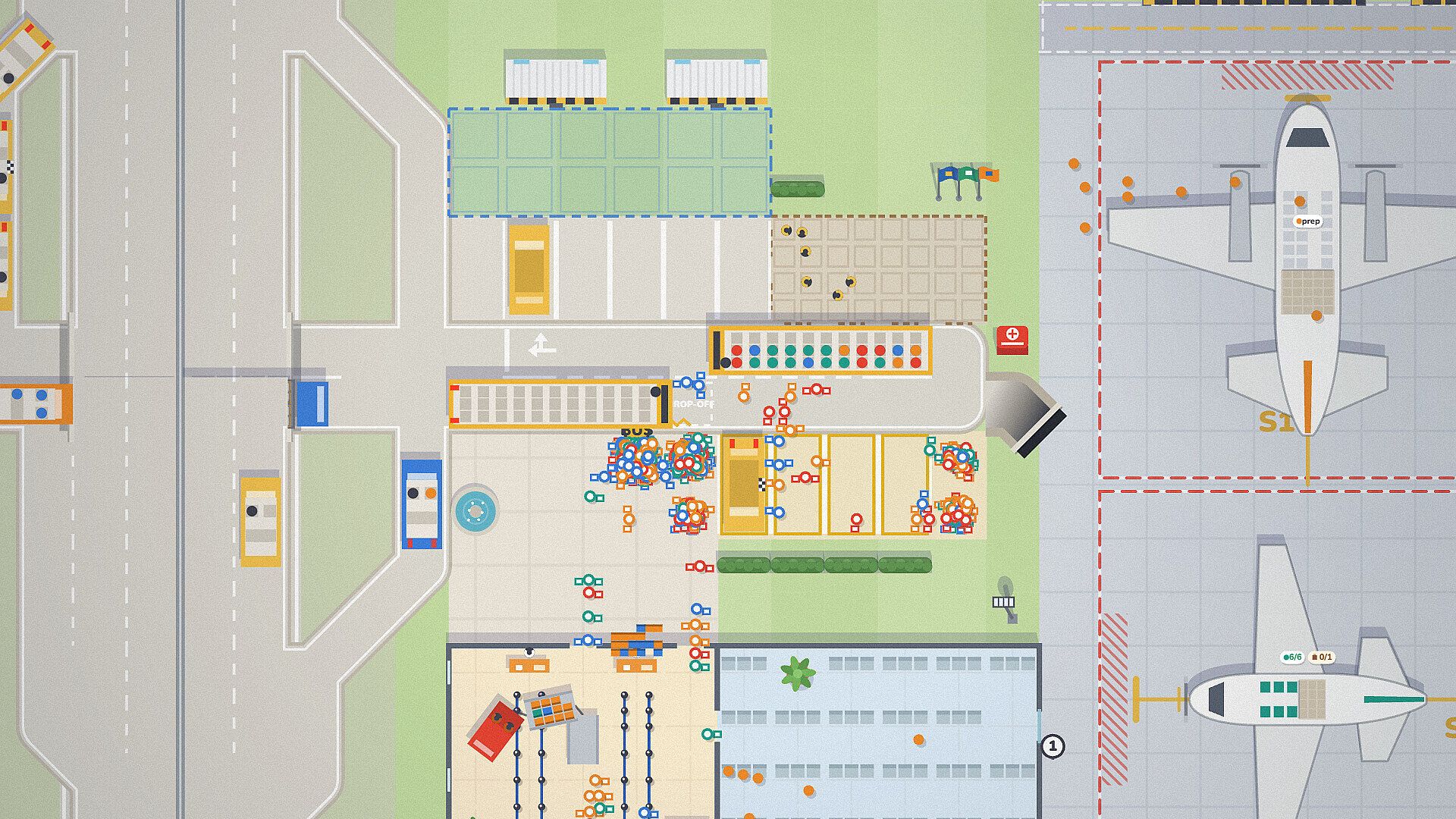
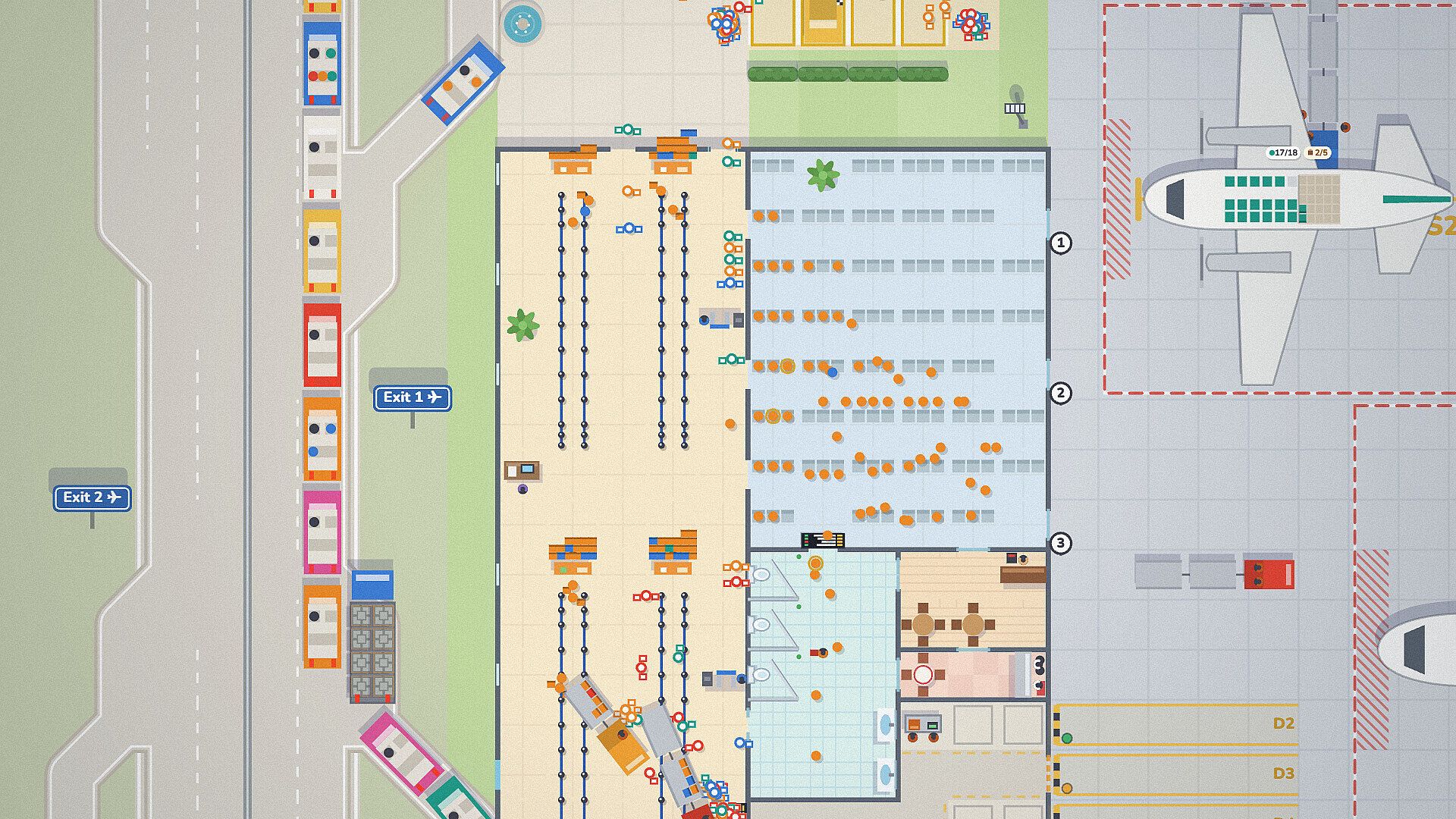
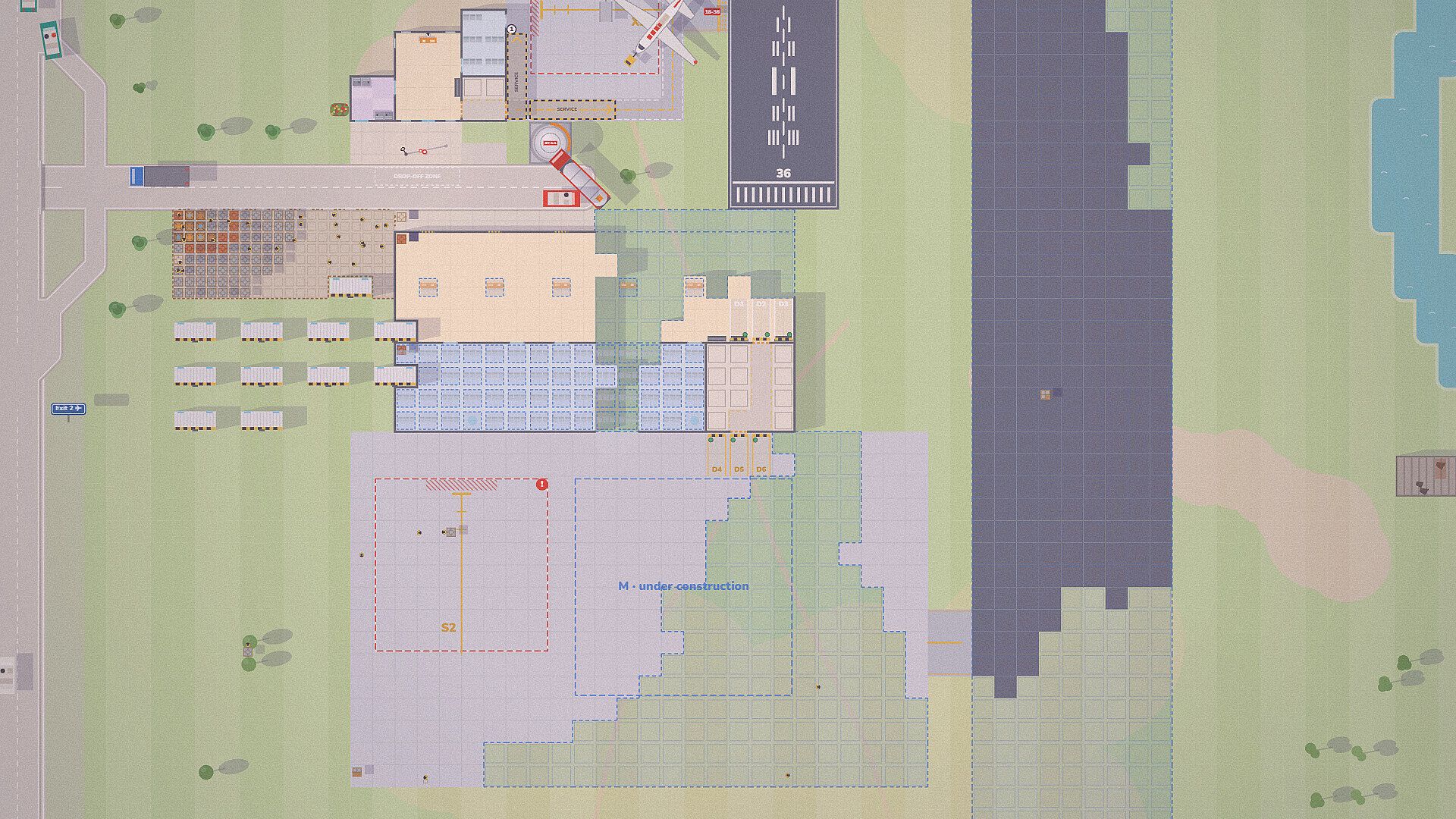
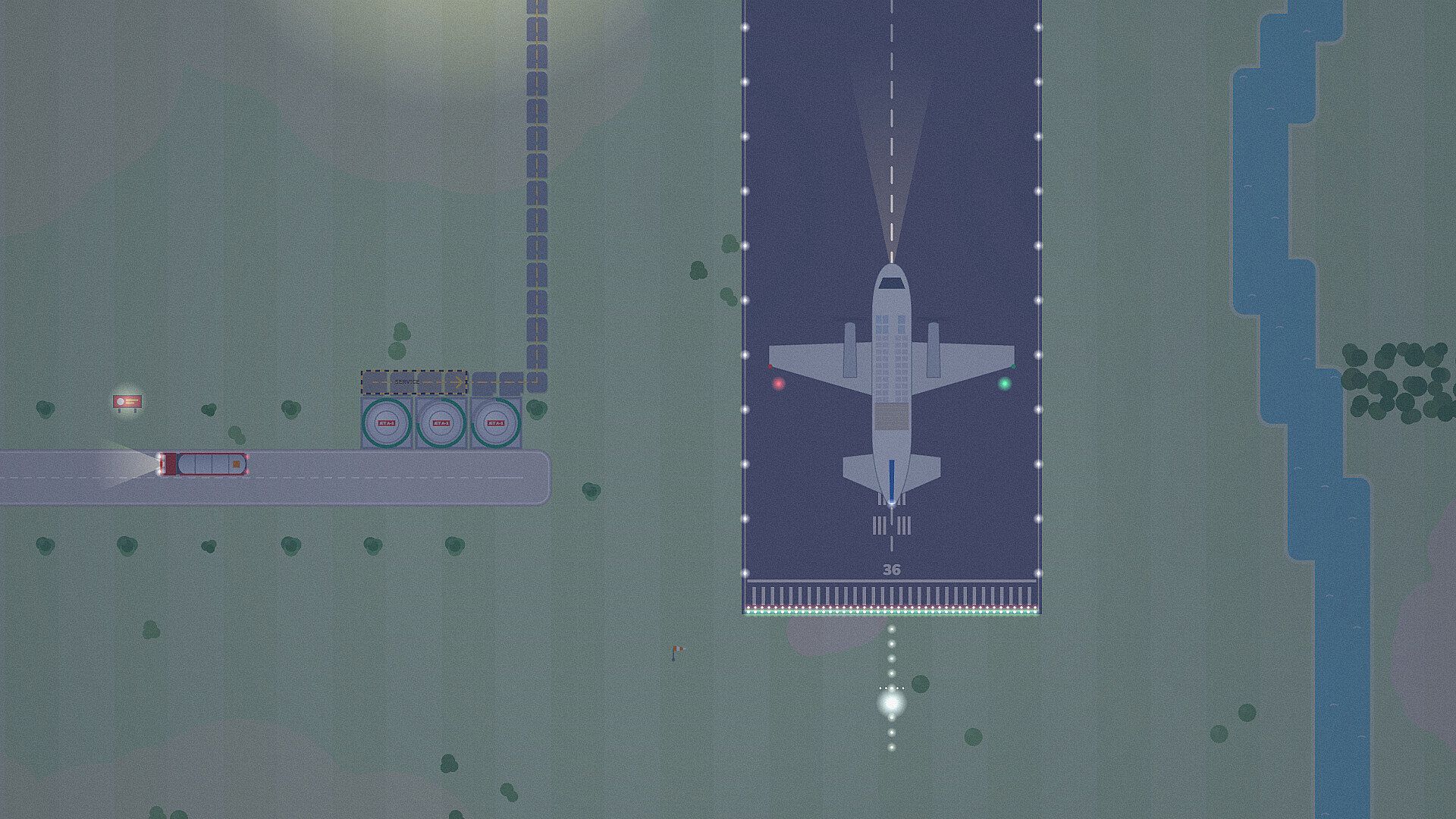
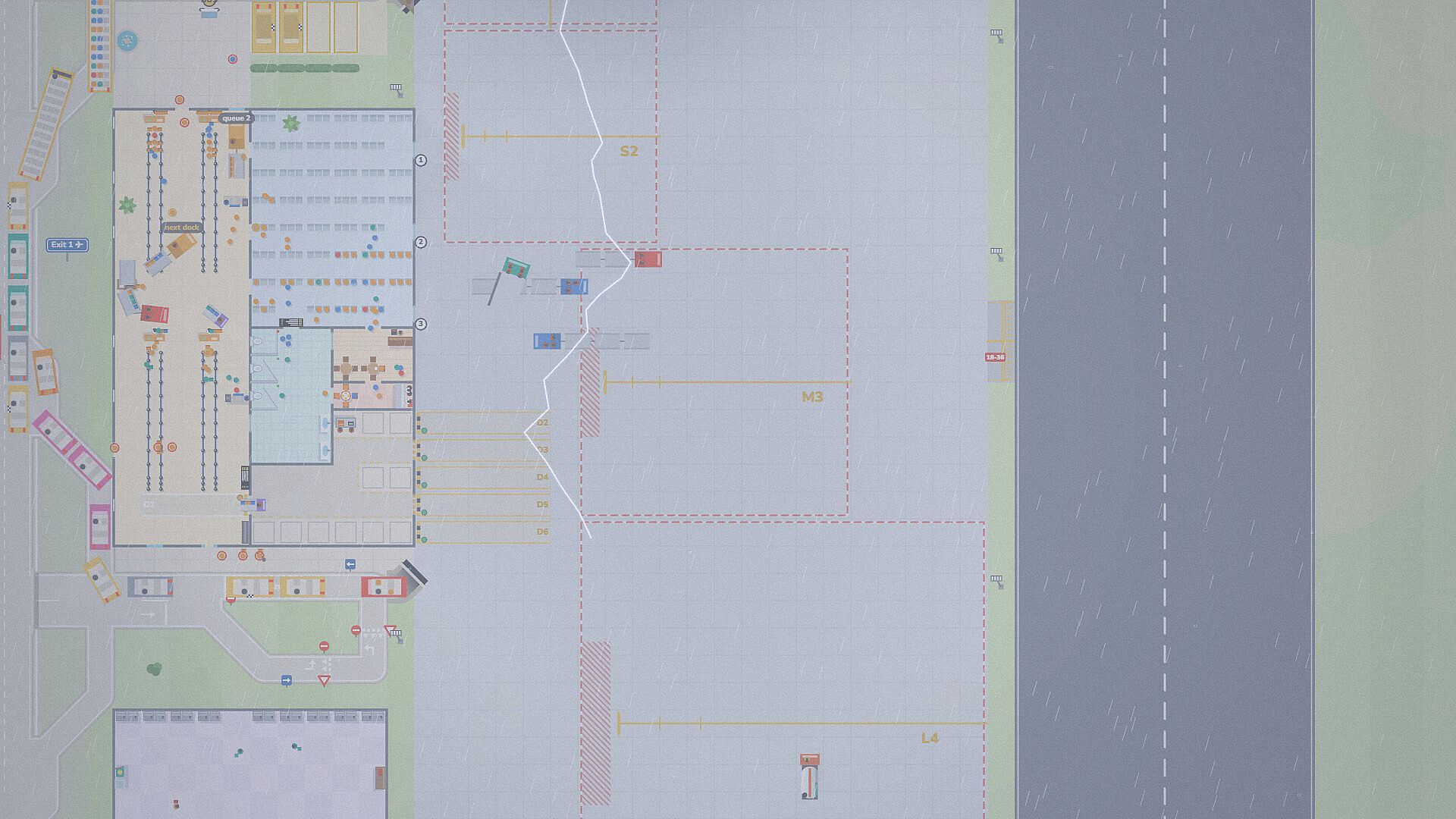
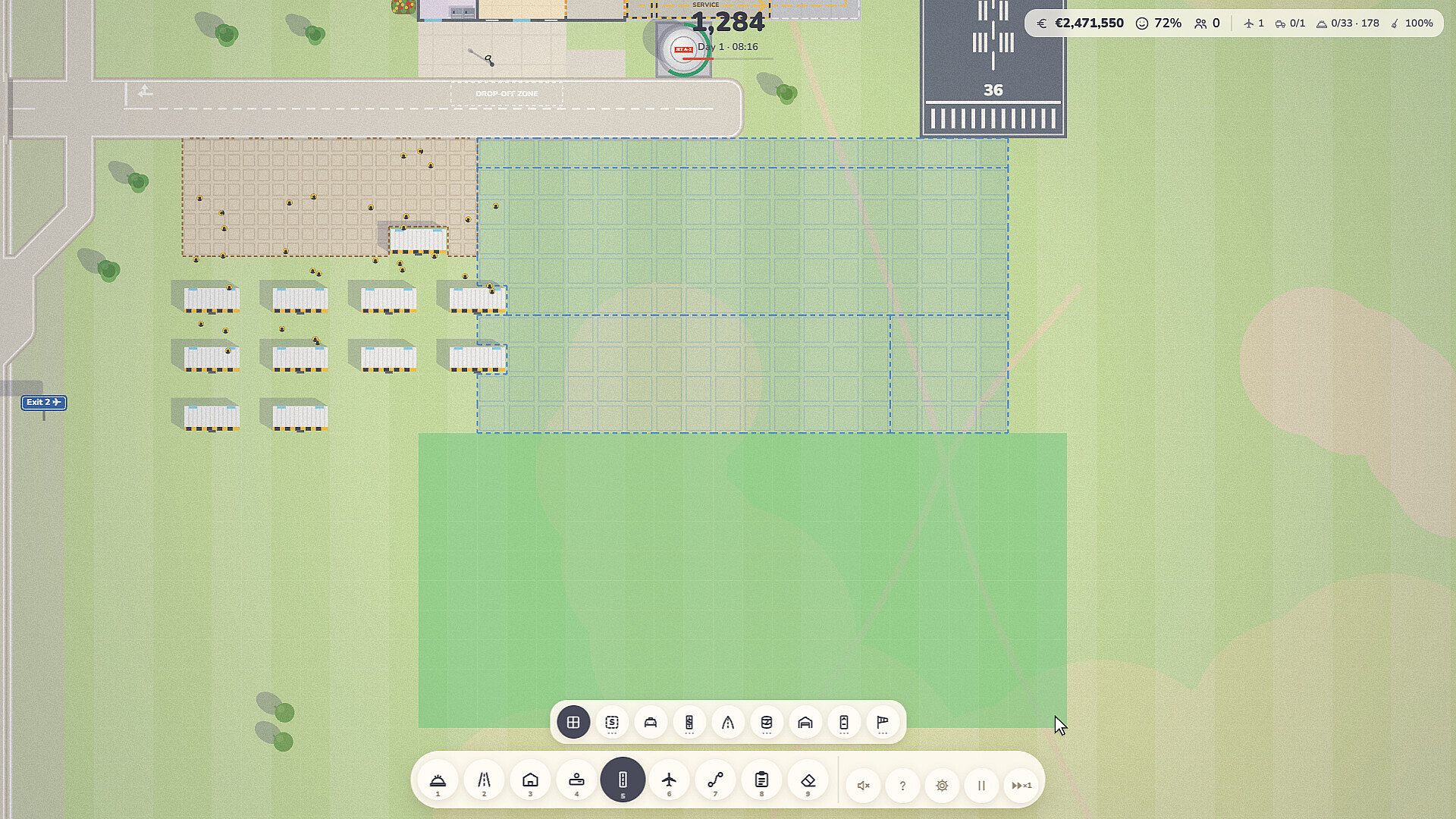
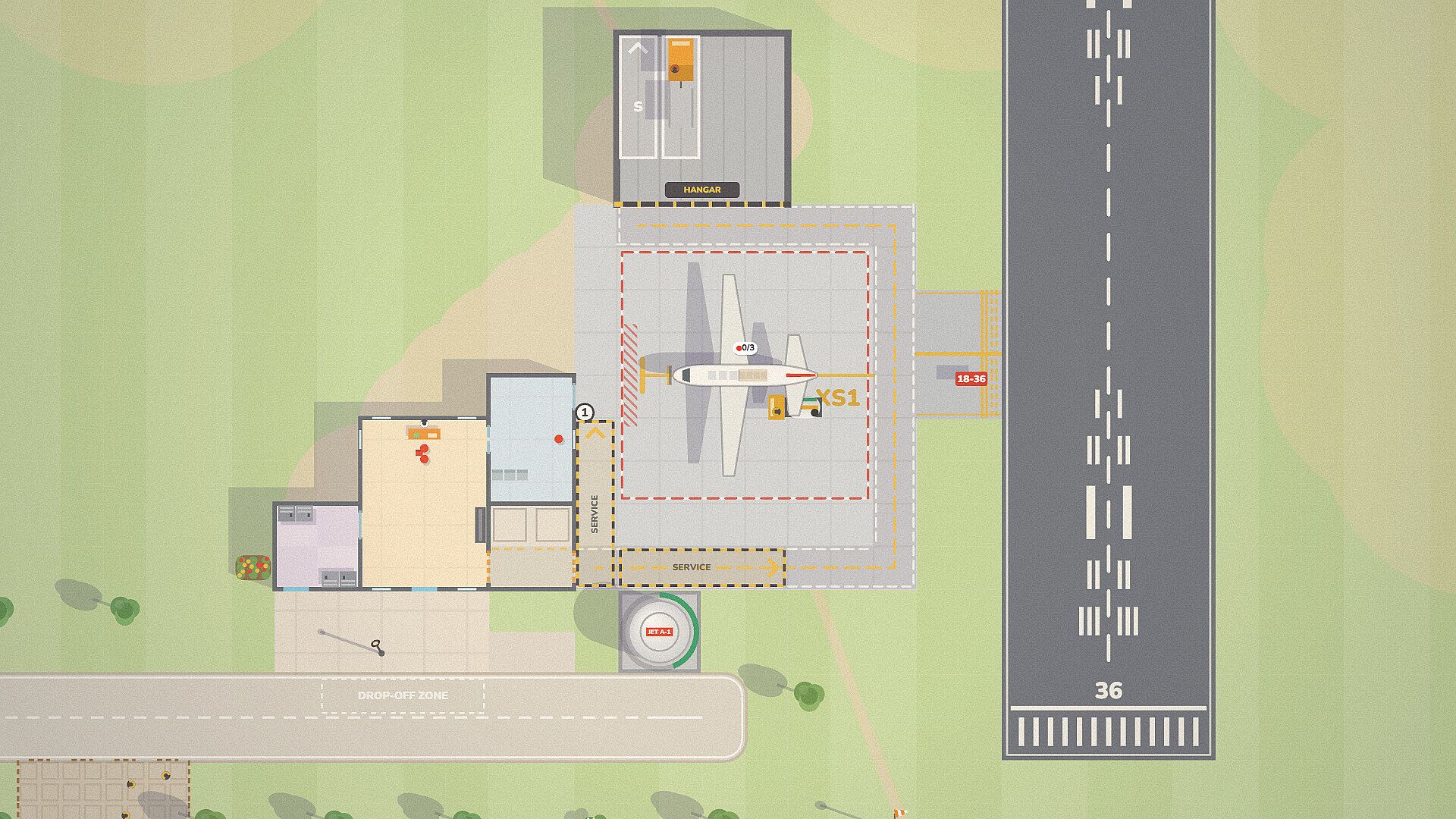
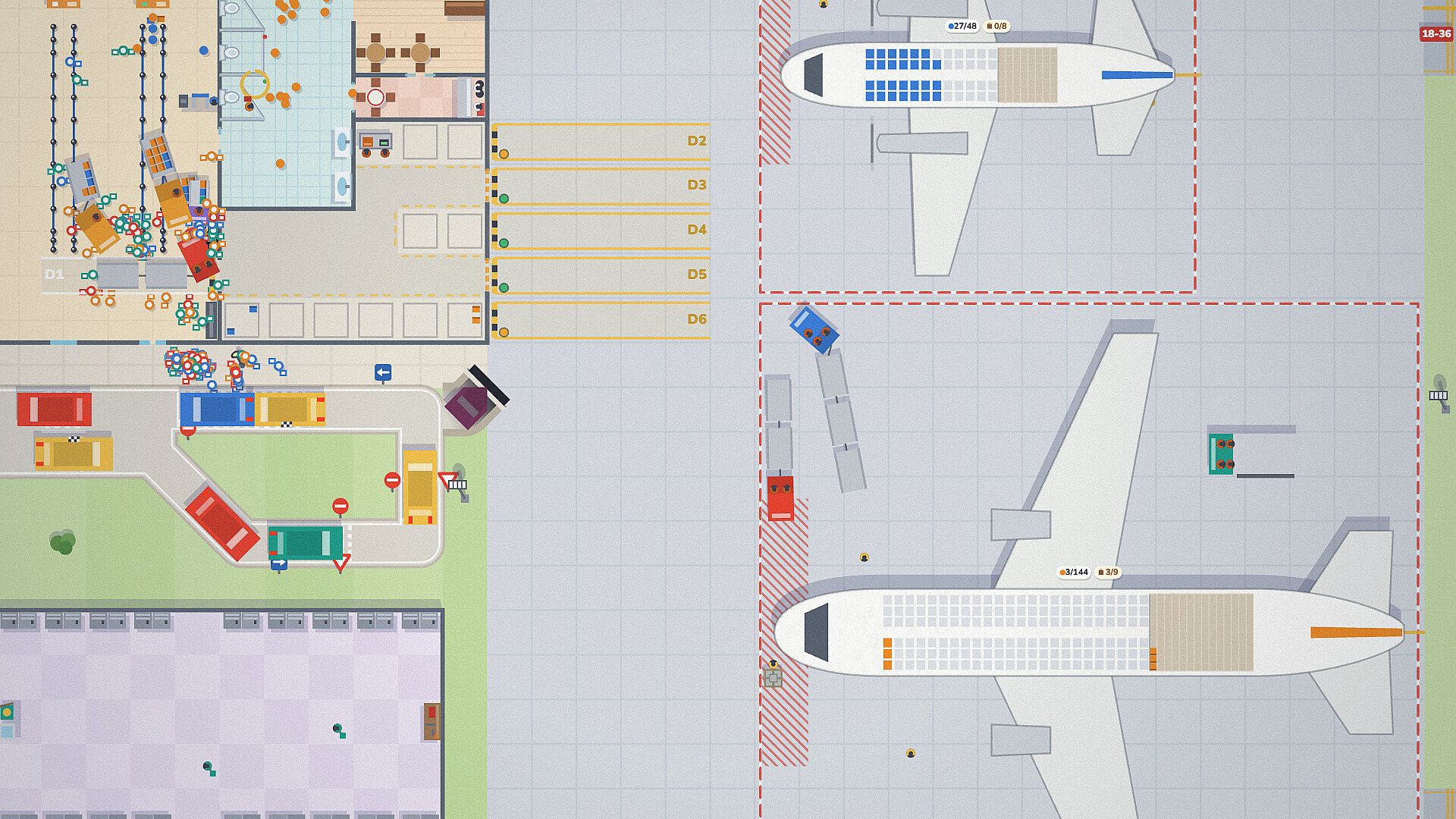
The core loop centers on incremental growth and detailed operational oversight. Construction uses a blueprint system where materials arrive by truck and crews build structures tile by tile, including halls, lounges, aprons, and runways. Workers require nearby bungalows, and furniture is placed only after rooms are complete. Aircraft scale to passenger capacity, with seats matching lounge benches and luggage loaded row by row into holds. Ground operations involve baggage carts, tractors, trains, and belt loaders that queue at numbered docks with status lights. Refueling requires fuel farms, tanker trucks, and vehicles of varying sizes that service planes under the left wing. Roads are drawn freehand with diagonals, one-way loops, parking, taxi ranks, bus stops, and tunnels to manage vehicle flow without backups onto highways. Day and night cycles feature 2D lighting that casts shadows, while weather events like rain, fog, and thunderstorms affect operations and can close runways. Staff management includes hiring janitors and technicians to handle messes and repairs, with every employee needing a locker before clocking in. Cafes, dining rooms, and admin projects add services, and the airport can be divided into terminals A through D for route organization. Random events such as holiday rushes, strikes, breakdowns, urgent freight, and inspections introduce variability.
Game Modes
The primary experience follows a career progression through seven ranks: Airfield, Regional, National, International, Hub, Continental hub, and Global hub. Each promotion delivers a bonus while raising requirements for passenger numbers, traveler satisfaction, cleanliness, and route types. Unlocks include larger stands, longer runways, bigger aircraft, security checkpoints, cafes, buses, baggage trains, and full terminals. Route contracts cover ten destinations across regional, European, and long-haul categories, each with size limits, fees, and minimum flight counts. Fares are set manually or via departure rules, and flights can be dispatched by hand or automated. Six aircraft types range from the three-seat Bee to the 270-seat Albatross, with cabins configurable in First, Business, Premium, and Economy sections. No separate multiplayer or alternative modes appear in the available details; the focus remains on this single-player career structure with escalating challenges.
Key Systems and Progression
Baggage handling forms a complete chain from check-in counters through sorting rooms to plane holds, with arrivals using baggage claim before exiting. Fuel logistics tie into vehicle bays and hangars. Real traffic simulation includes cars braking, merging, and reversing, demanding careful road layouts. Night lighting and weather add atmospheric layers that influence timing and safety. Player decisions on layout, staffing, and contracts directly affect efficiency and promotion eligibility. The system rewards balanced expansion while penalizing poor planning through queues, breakdowns, and event complications.
Is It Worth Playing?
Tarmac Tycoon suits players who enjoy methodical simulation and strategy titles centered on logistics and incremental building. The detailed systems for construction, baggage, fueling, traffic, and staffing create a hands-on management experience that rewards observation and adjustment. Progression through career ranks provides clear goals and unlocks, while random events add replay interest within the single-player framework. As an indie title still in the wishlist phase ahead of launch, its appeal depends on how well the tile-based building and vehicle choreography hold up in practice. Those drawn to airport operations and realistic flow management will find the described mechanics align closely with that interest.












