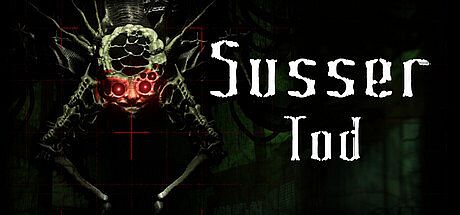



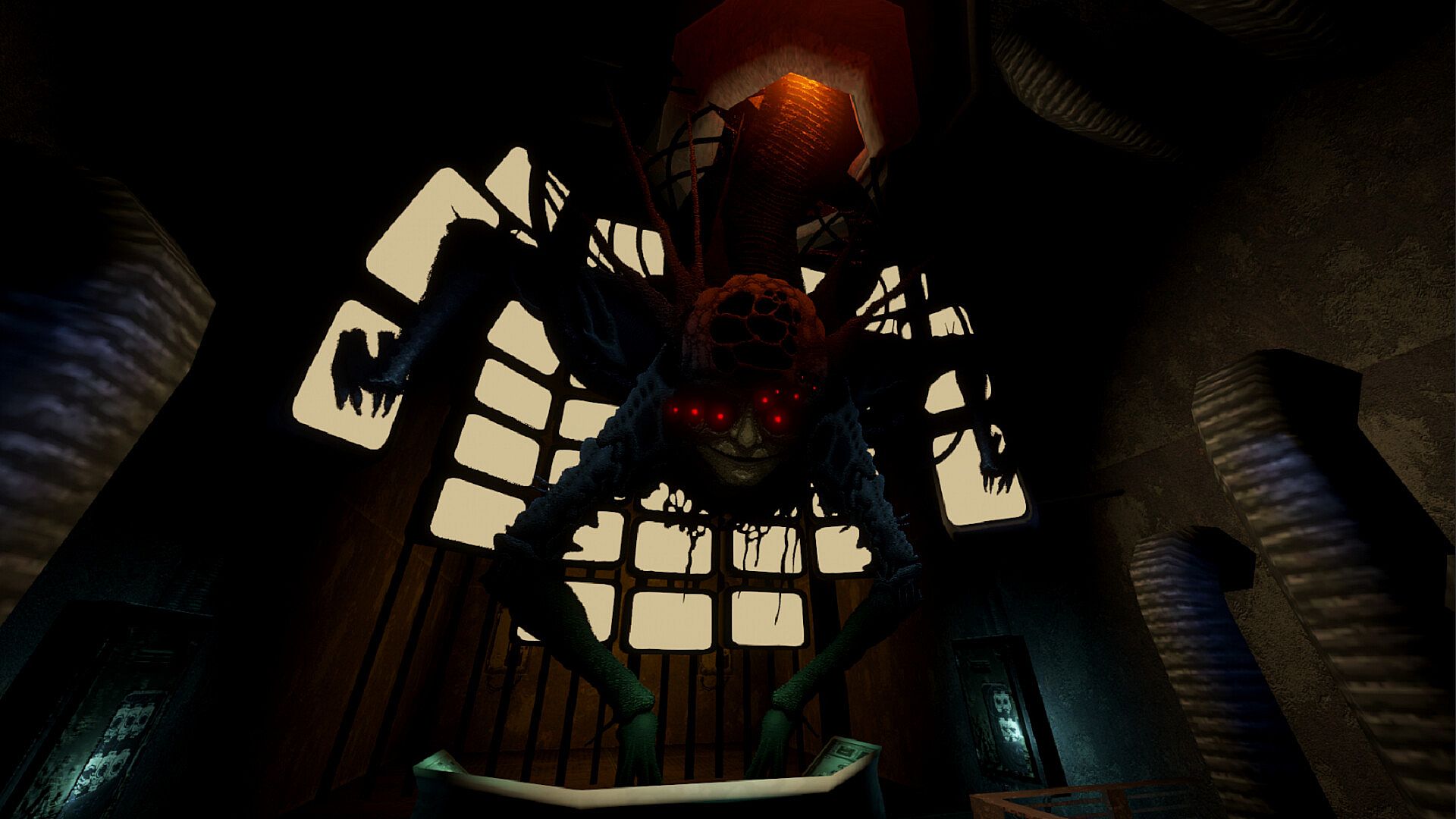
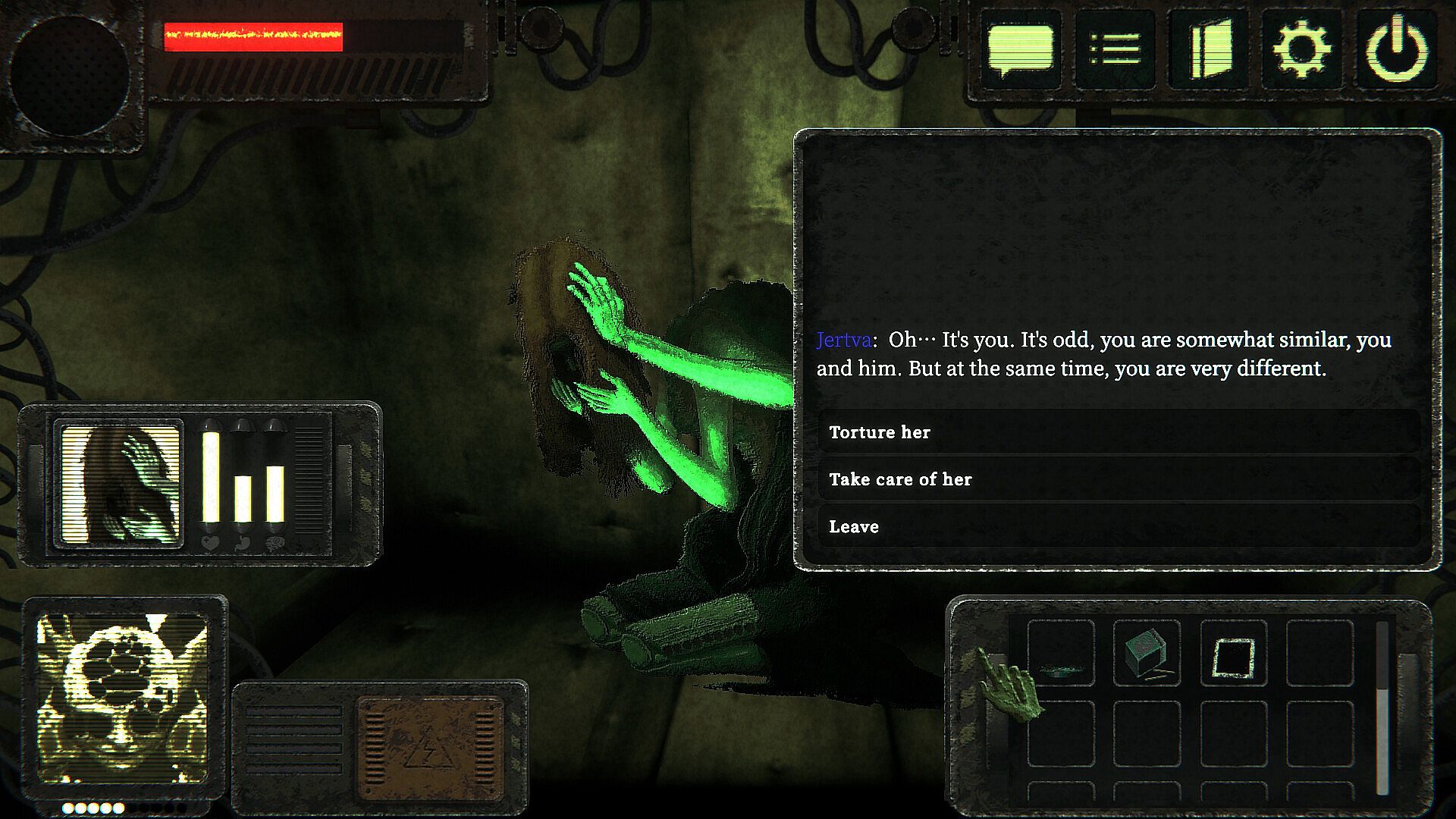
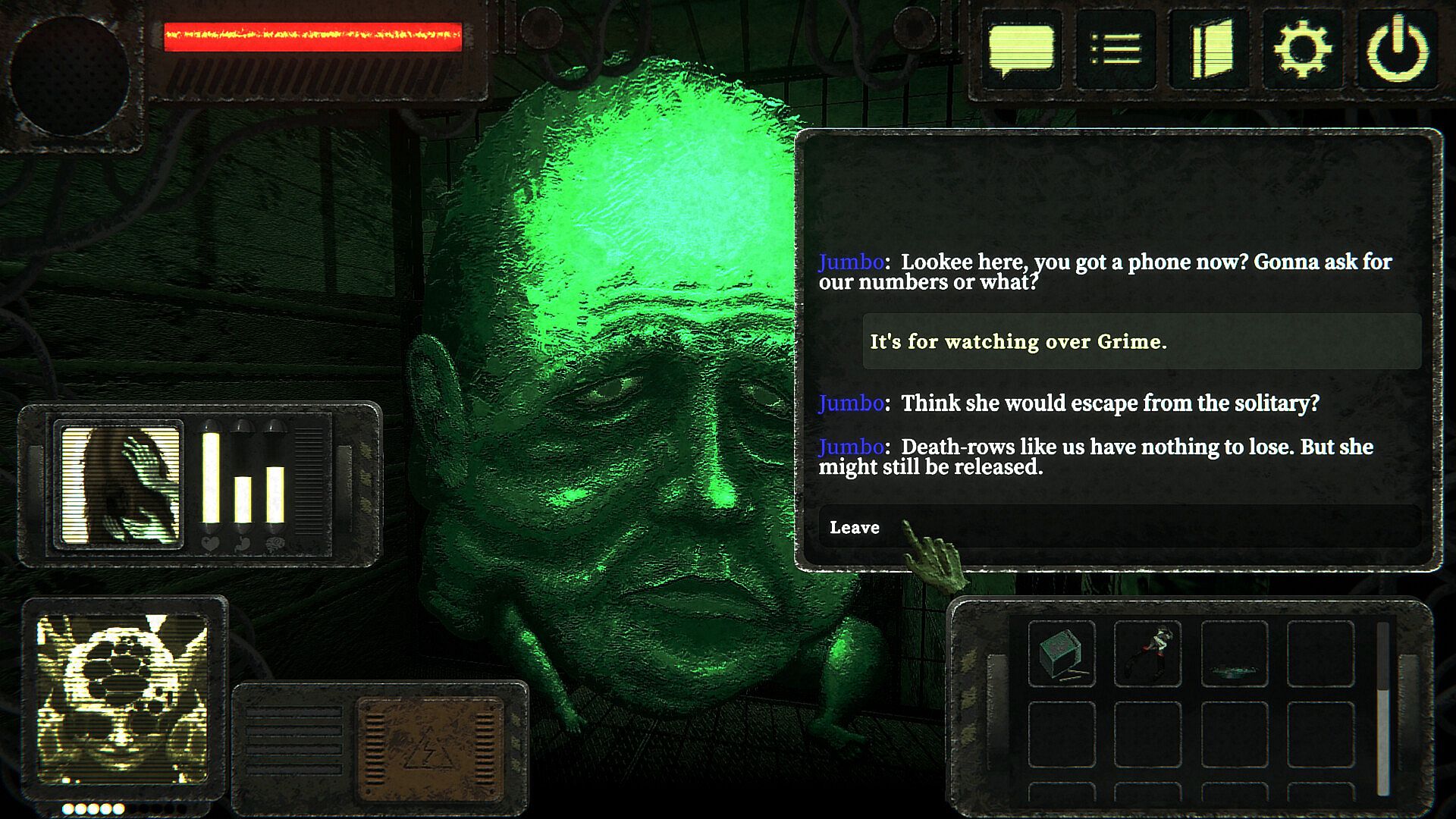
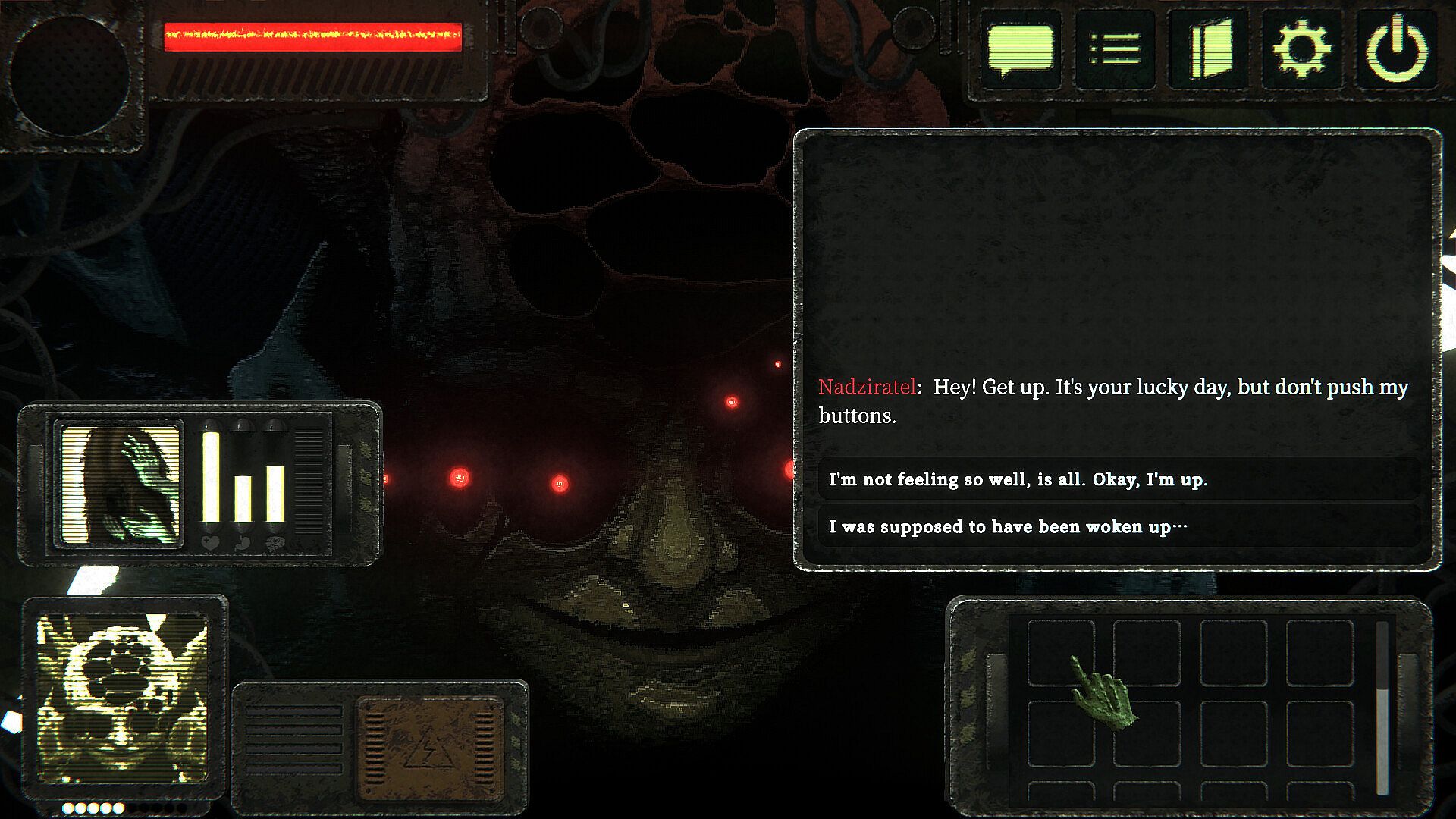
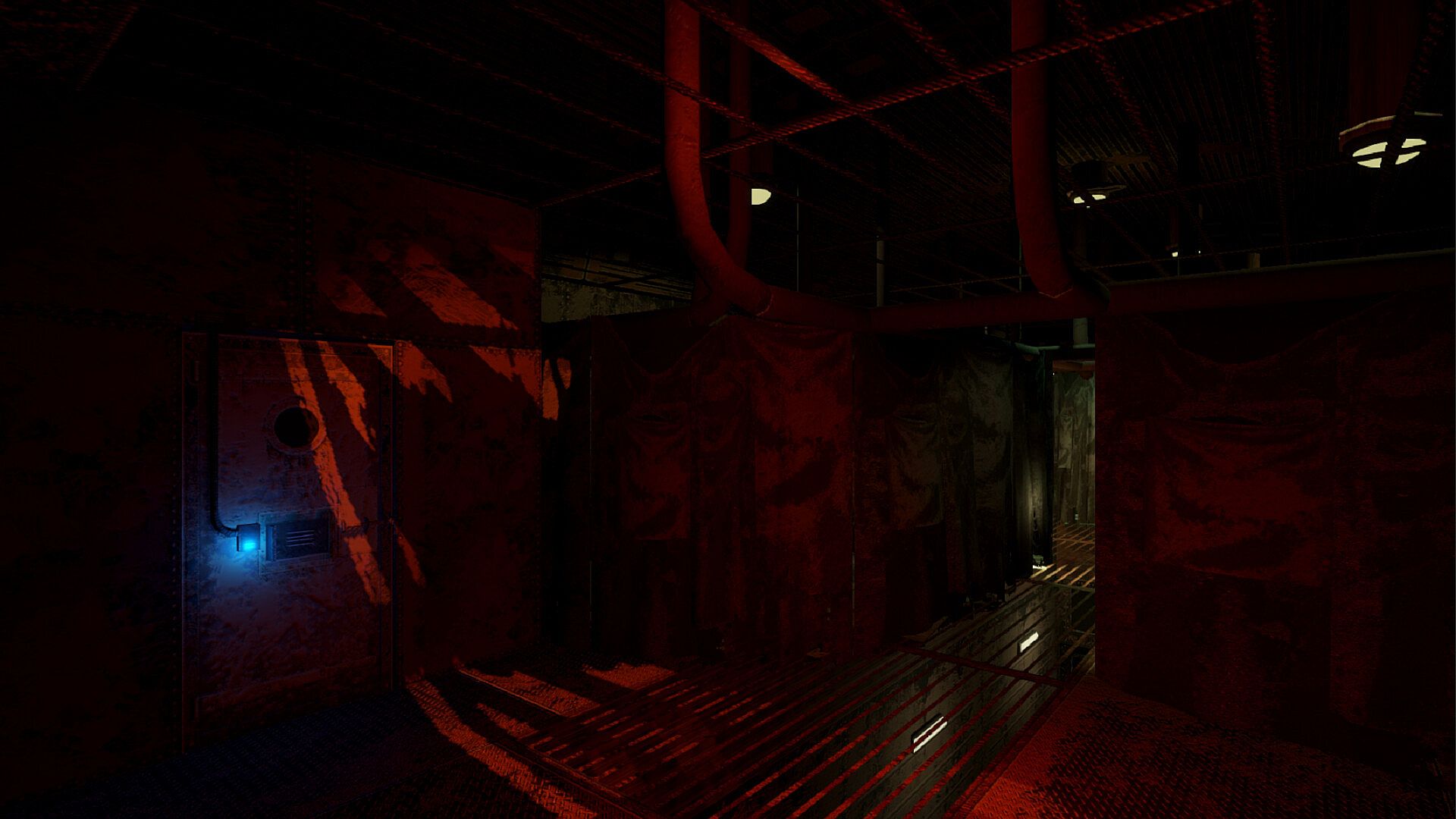
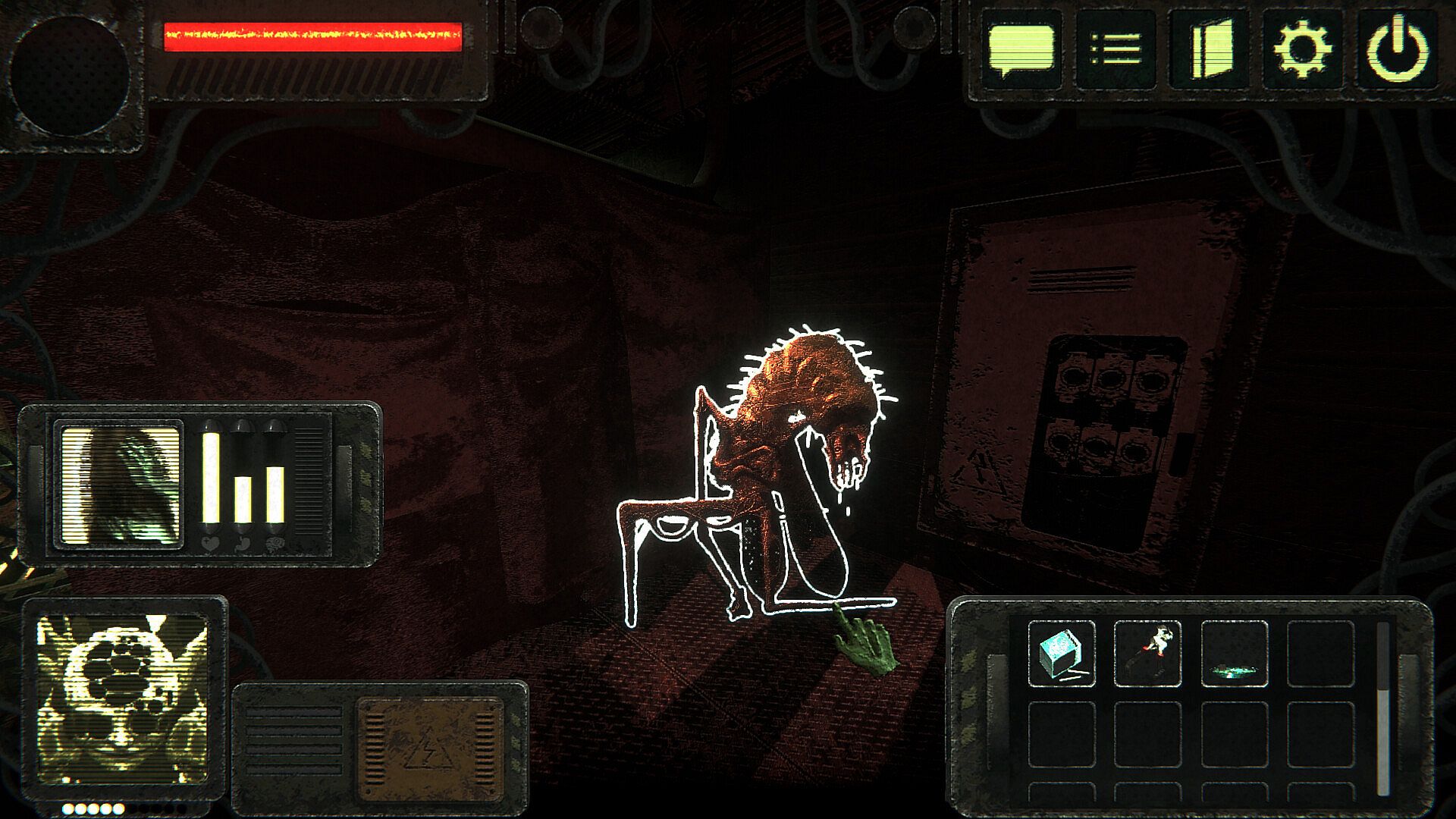
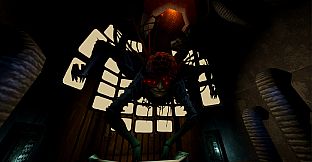
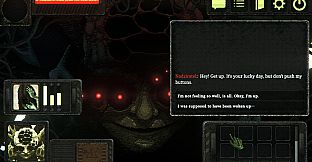
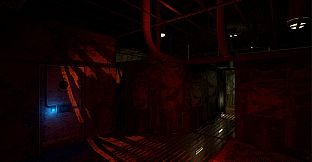
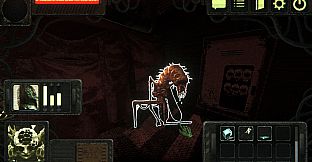
Susser Tod is a free to play indie simulation game set on a moving prison train that travels through abandoned cities. Players take on the role of a guard tasked with watching over a single Victim while managing the demands of a deranged Warden and interacting with other inmates who have lost their sanity after prolonged captivity.
Gameplay
The core loop centers on daily routines inside the train cars. Players must clean cells, carry out direct orders from the Warden, and monitor the Victim's hunger, mental state, and physical condition. Keeping the Victim alive requires balancing her needs against the player's own resources, as every action is reported back to the Warden. Neglect or excessive punishment can lead to consequences that affect the overall situation on the train.
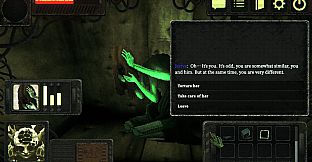
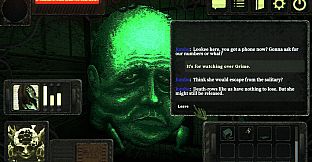
Progress comes through conversations rather than combat. Players approach fellow prisoners to gather information that might help free the Victim. These exchanges involve fulfilling small requests or making choices that test the line between self preservation and empathy. The environment itself adds pressure through constant filth, smoke, and the unsettling presence of inmates who no longer resemble their former selves.
The simulation elements emphasize resource management and observation. Hunger levels, mental stability, and physical health must be tracked in real time, forcing decisions about whether to prioritize the Victim or conserve supplies for survival. The train's perpetual motion through desolate landscapes reinforces a sense of isolation and inevitability.
Game Modes
Susser Tod operates as a single player experience focused on narrative progression and personal decision making. There are no separate competitive or cooperative modes. The entire game unfolds through the ongoing management of the prison train and the relationships formed within it.
Player choices shape the direction of the story without relying on traditional branching paths or multiple endings that are explicitly labeled. Instead, the simulation tracks cumulative effects from actions taken toward the Victim and other inmates, leading to different outcomes based on how well the guard maintains control and gathers information.
Atmosphere and Themes
The game draws from the developer's personal experiences to create a persistent feeling of anxiety and moral tension. The world is presented as bizarre and forsaken, with inmates who have devolved into grotesque forms after years of imprisonment. Visual and auditory details emphasize decay, smoke filled corridors, and the mechanical rhythm of the train itself.
Dialogue and interactions serve as the primary tools for advancement. Players must navigate conversations carefully because the Warden enforces rules that the inmates do not always follow. This creates constant risk when attempting to build alliances or extract useful details about the Victim's situation.
Is It Worth Playing?
Susser Tod targets players interested in psychological simulation and choice driven narratives rather than action or combat. The free to play model removes any upfront cost barrier, allowing anyone curious about its themes of conscience, control, and survival to try it once it launches.
Those who enjoy managing limited resources while making difficult decisions under pressure will find the core systems engaging. The emphasis on talking through problems and the unsettling prison train setting provide a distinct tone that stands apart from more conventional horror or simulation titles. Players who prefer direct confrontation or fast paced gameplay may find the deliberate pace and lack of combat less appealing.
Because the game is built around personal experience and moral ambiguity, it suits those willing to sit with uncomfortable situations and reflect on the consequences of their choices. The upcoming release as a free title means the only real requirement is an interest in its specific blend of simulation management and psychological tension.