


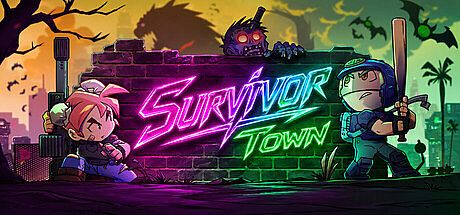


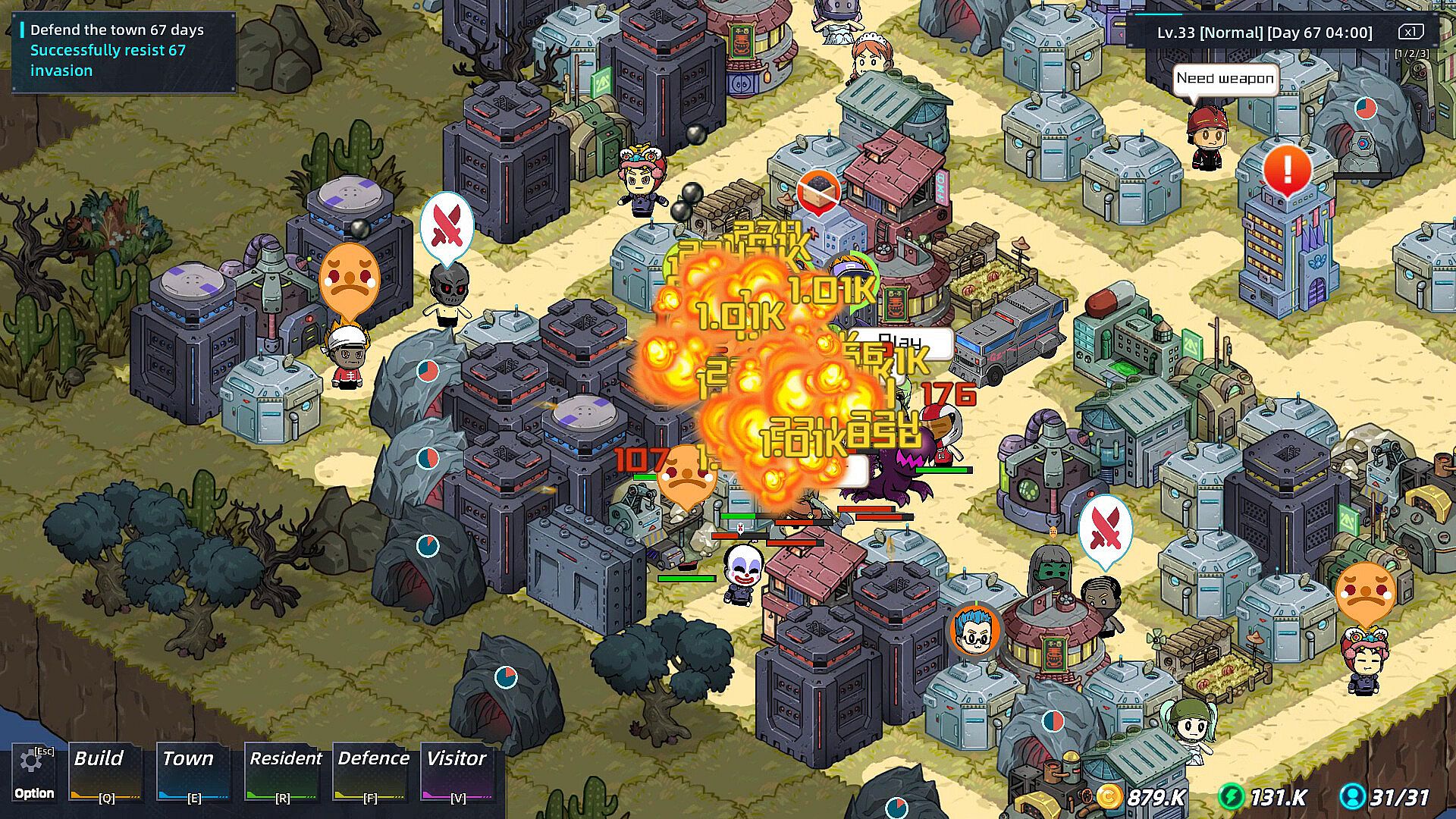
Survivor Town is a single-player strategy, indie, and simulation game for PC that blends colony management with survivor simulation, survival strategy, and tower defense elements in a post-apocalyptic setting. Players begin with a small group of survivors on limited land and work to expand into a self-sufficient settlement while managing daily needs and nightly threats.
Gameplay
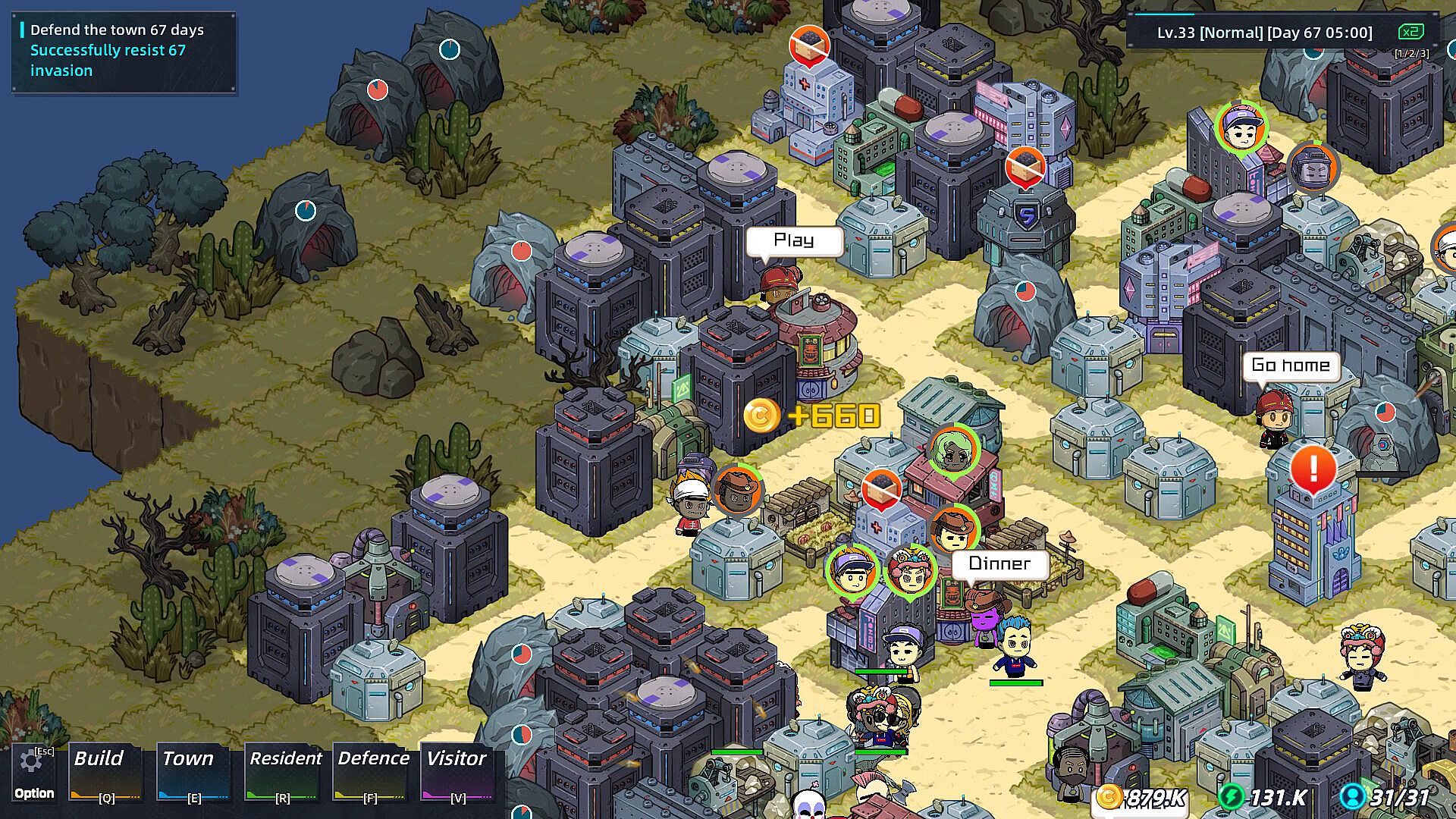
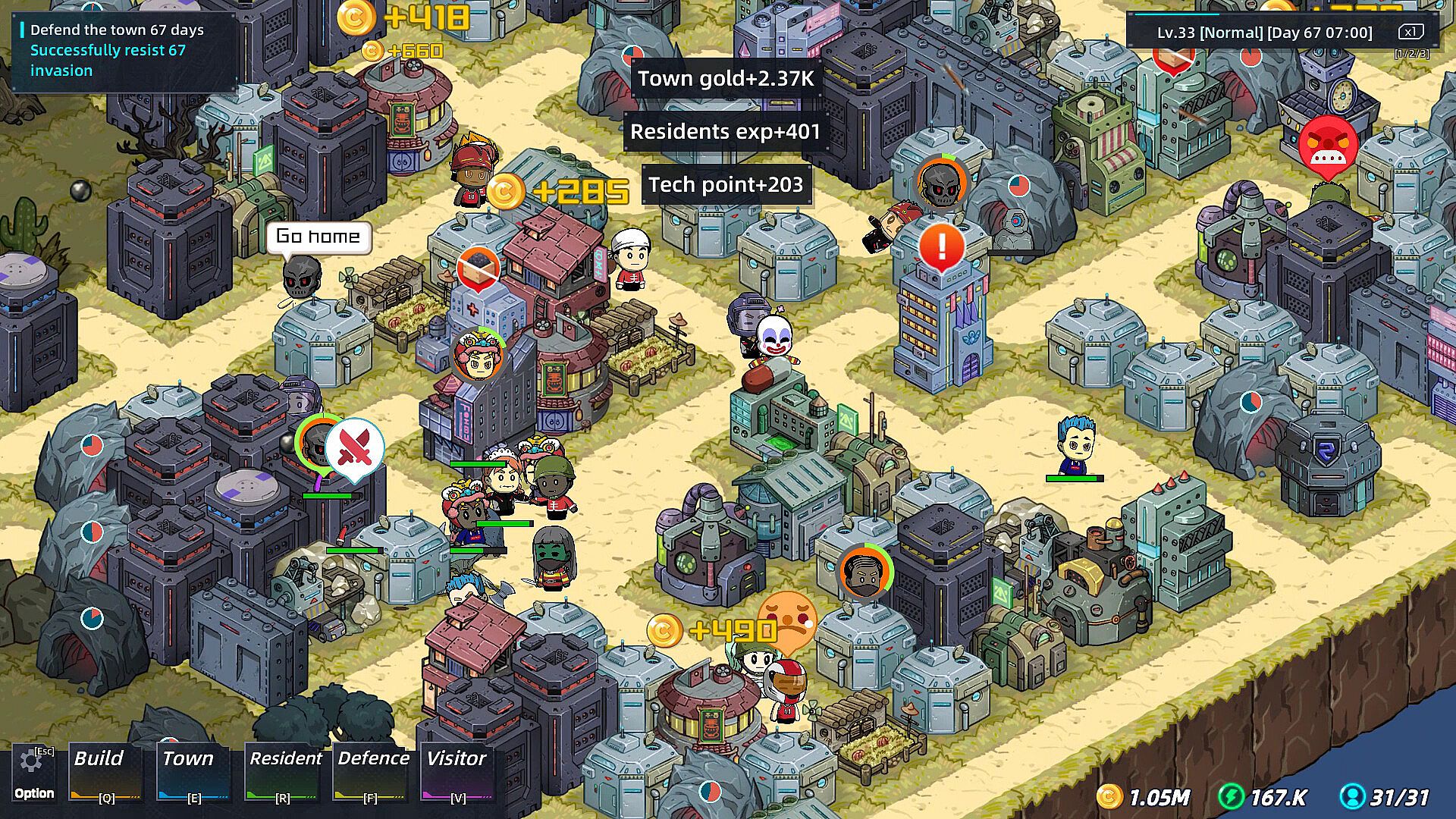
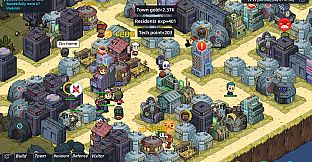
The core loop revolves around daytime building and resource management paired with nighttime defense. Survivors handle their own routines, seeking food, rest, medical care, jobs, and shopping without constant direct commands. Players plan roads, construct houses, farms, factories, hospitals, shops, and defensive structures while organizing production chains from raw gathering through processing and manufacturing. Industries cover food, medical supplies, entertainment, and equipment, requiring ongoing balance of resources, workers, inventories, and maintenance costs.
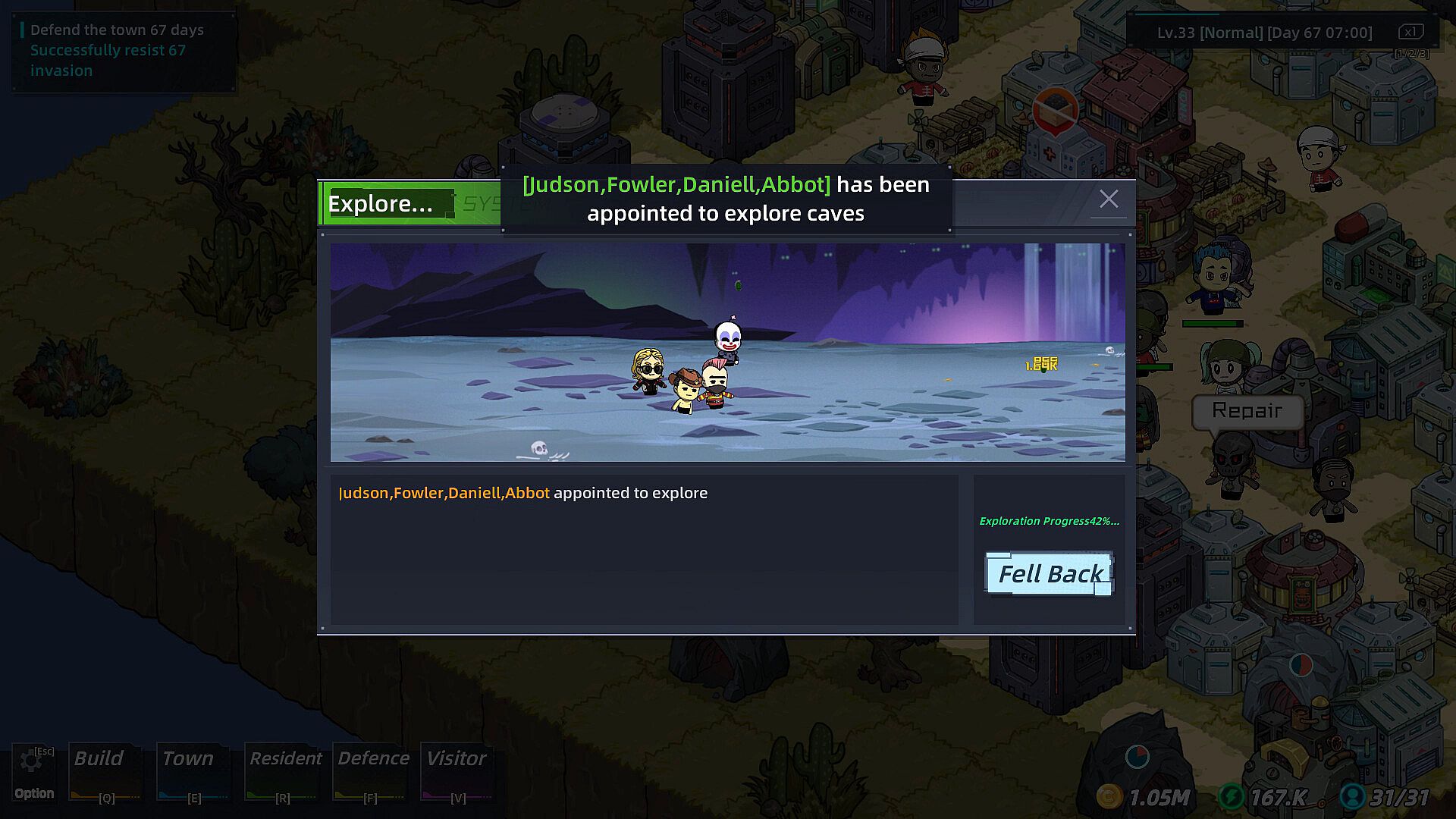
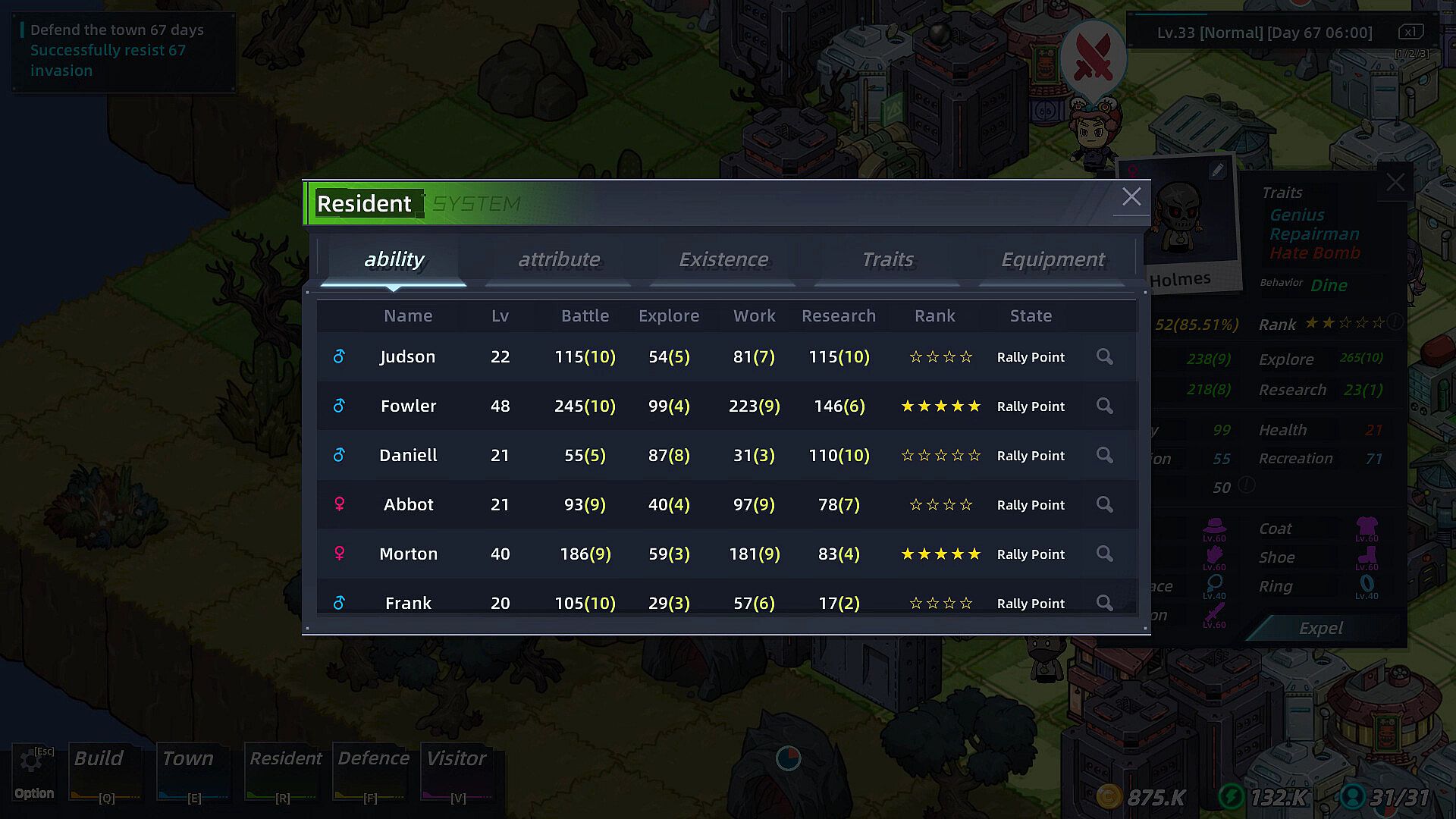
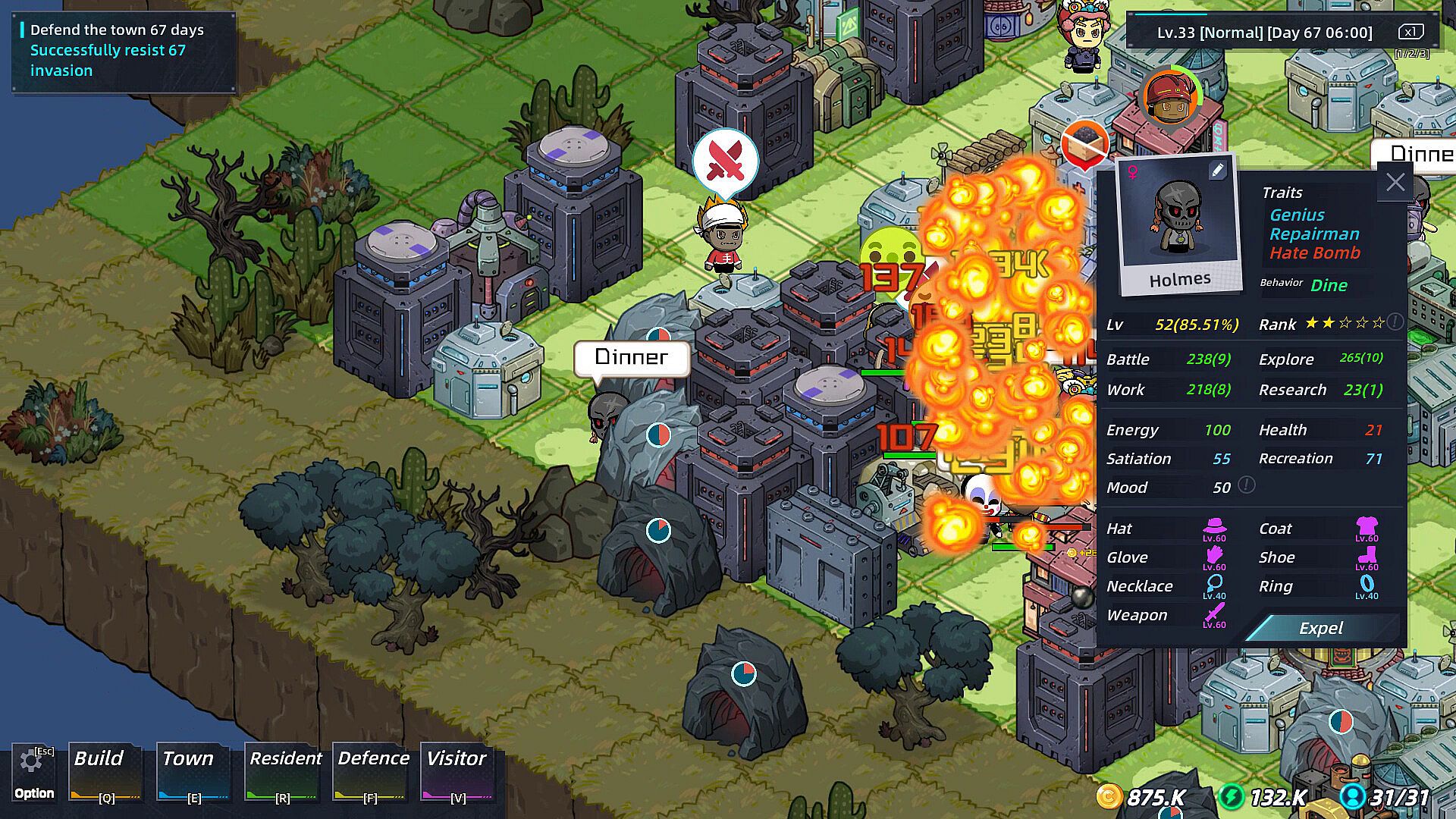
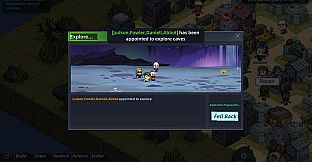
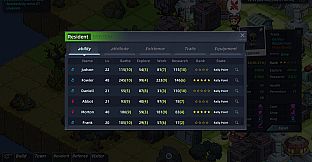
Survivors possess unique ability combinations in combat, work efficiency, exploration, and research. They gain experience on the job, earn military ranks through fighting, and automatically equip better gear as they progress. Research unlocks new buildings, recipes, upgrades, and defensive options. Expeditions send teams into unexplored areas and caves to expand territory, gather materials, and unlock further opportunities, though each trip consumes time and supplies.
Game Modes
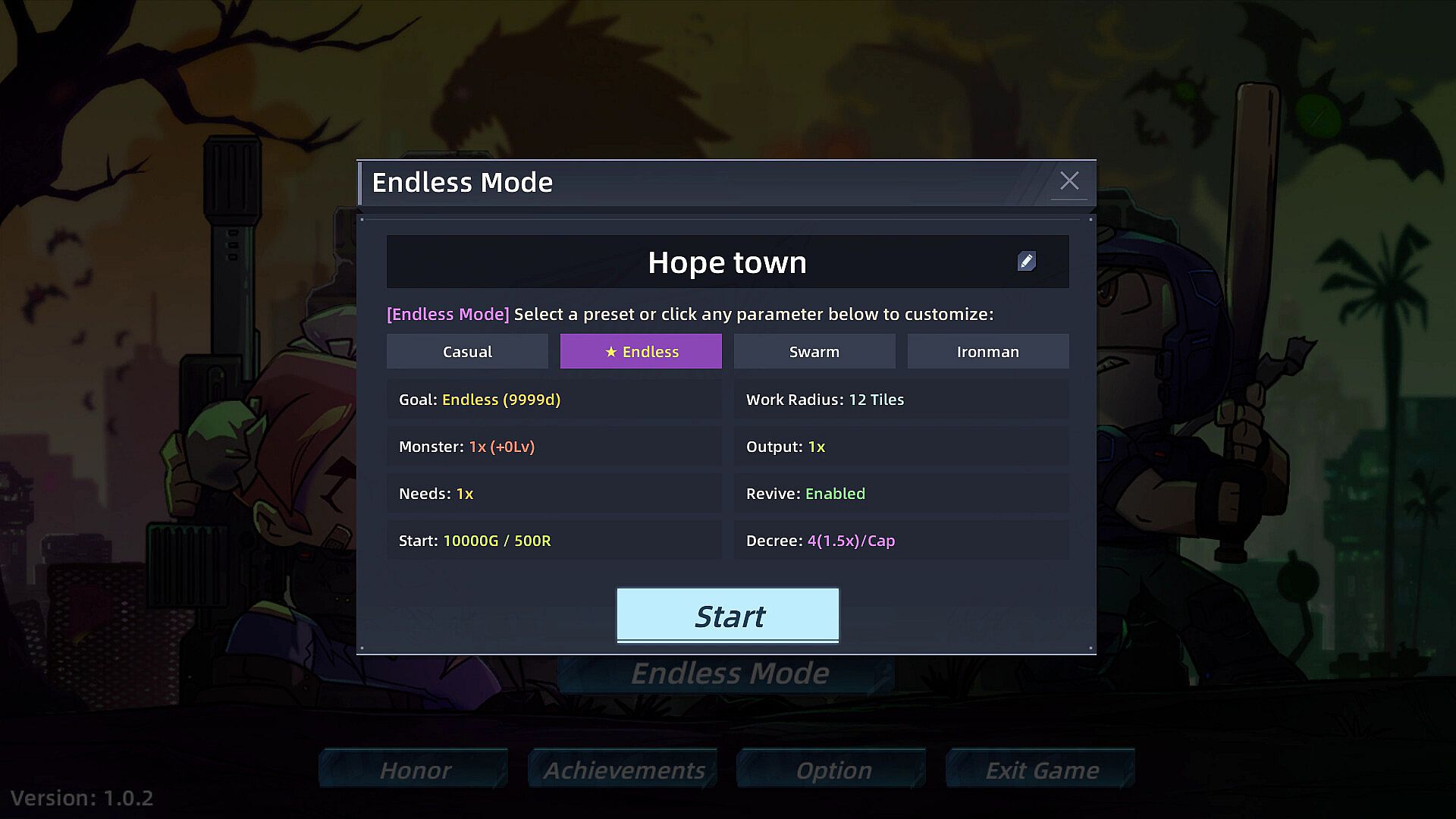
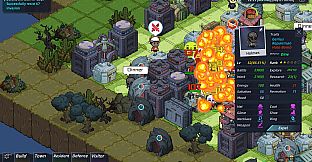
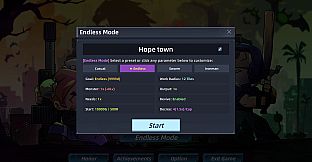
Survivor Town operates as a single-player experience with no separate multiplayer or co-op options. The gameplay centers on one continuous settlement-building campaign where progress carries forward across in-game days. Daily enemy attacks occur every night, with a powerful boss wave arriving every ten days. Seven distinct boss types introduce varied combat challenges that test fortifications and survivor capabilities. Players experiment with different development paths, from emphasizing economy and industry to focusing on military training or exploration, all within the same overarching single-player structure.
Building and Managing the Settlement
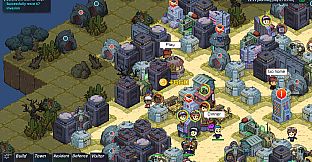
Efficient neighborhood design and industry connections prove essential as the population grows. Players can assign specific jobs or allow survivors to select suitable work independently. Production chains link farming and gathering to higher-level manufacturing, and technology research expands available options while improving efficiency. Balancing population growth against resource demands, money flow, and defensive readiness shapes long-term viability. Expeditions provide a way to increase available building space and recover rare materials that support further expansion.
Surviving Daily Threats
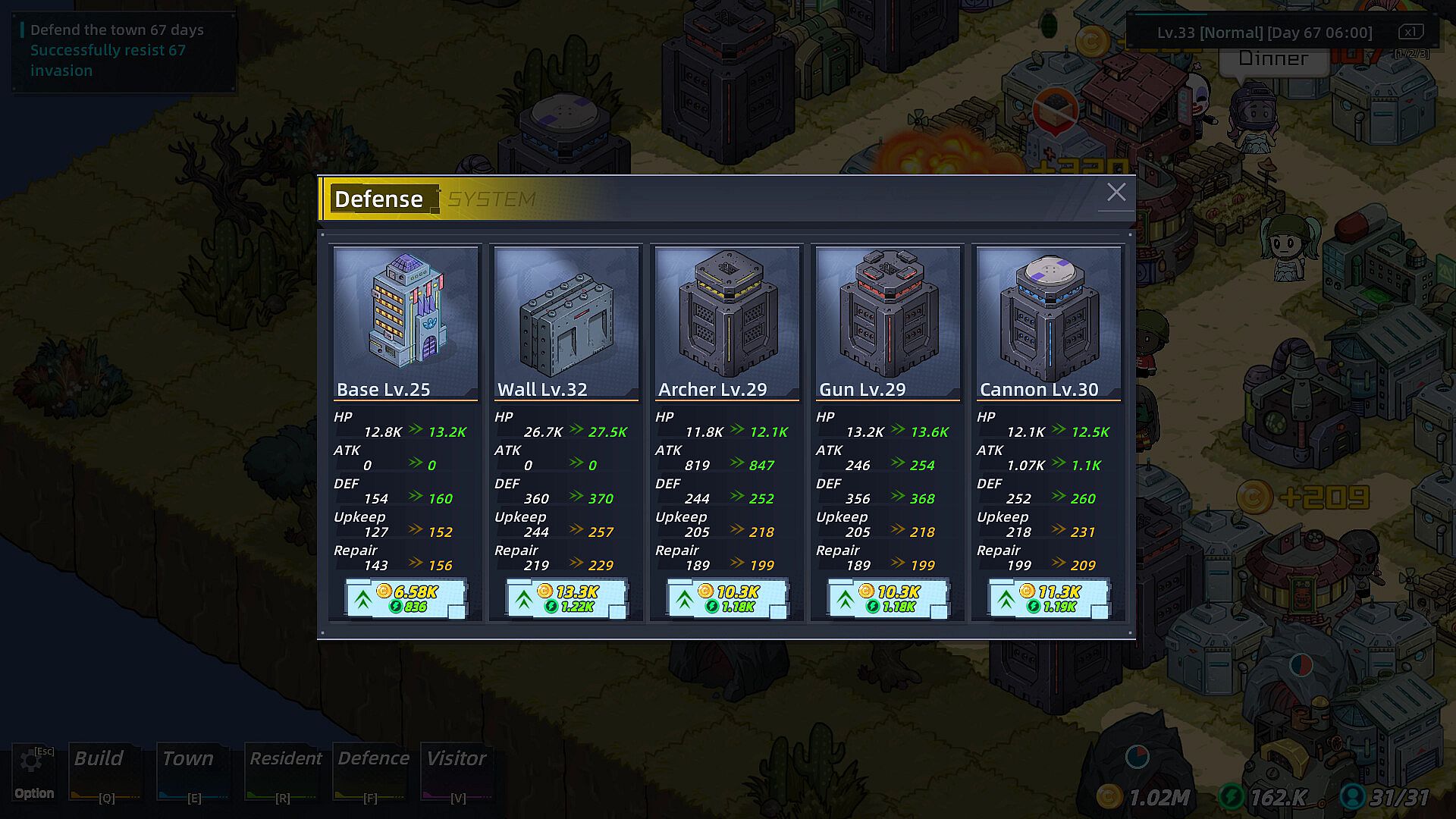
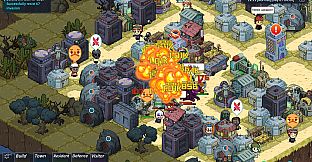
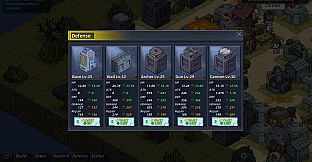
Defense relies on walls, arrow towers, machine-gun turrets, and cannons positioned strategically around the settlement. Skilled survivors can participate directly in combat, gaining ranks and better equipment over time. The combination of strong economic foundations, reliable gear, capable residents, and layered defensive networks offers the most robust protection against escalating nightly assaults and periodic boss encounters. Every choice in resource allocation and building placement influences whether the town endures another sunrise.
Is It Worth Playing?
Survivor Town appeals to players who enjoy detailed colony simulation games that incorporate survival pressures and defensive strategy. The autonomous survivor behaviors and interconnected production systems create a living settlement that responds to player decisions without requiring micromanagement of every action. Those interested in single-player experiences focused on long-term planning, resource chains, character development, and wave-based defense will find the described mechanics align with that style. As the game remains in a coming-soon state with no released version yet available, potential players can monitor official channels for launch details and future updates. The emphasis on combining economic growth with nightly survival creates a distinct loop suited to fans of thoughtful strategy simulations rather than fast-paced action titles.











