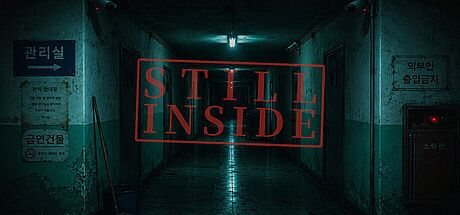


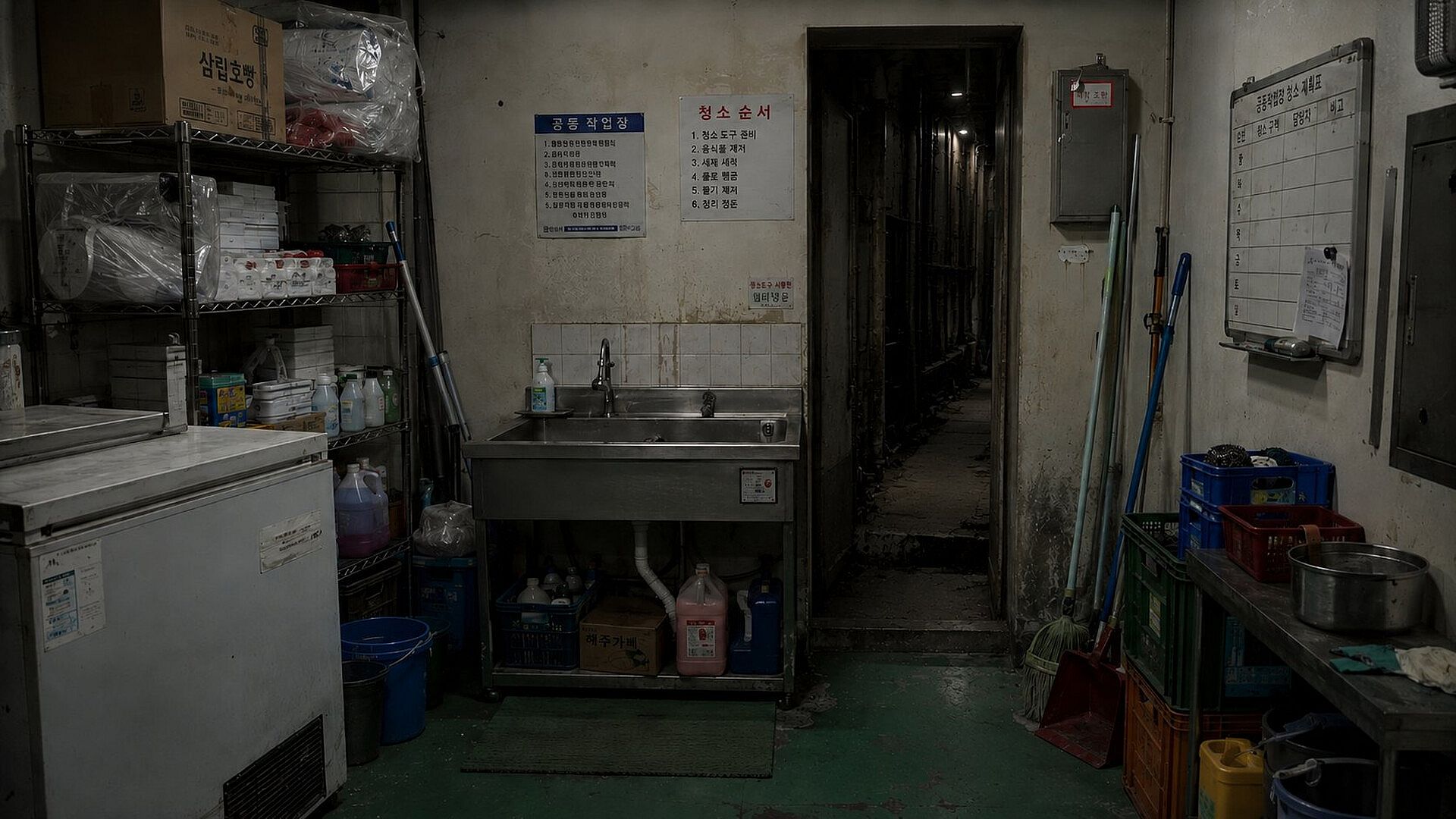
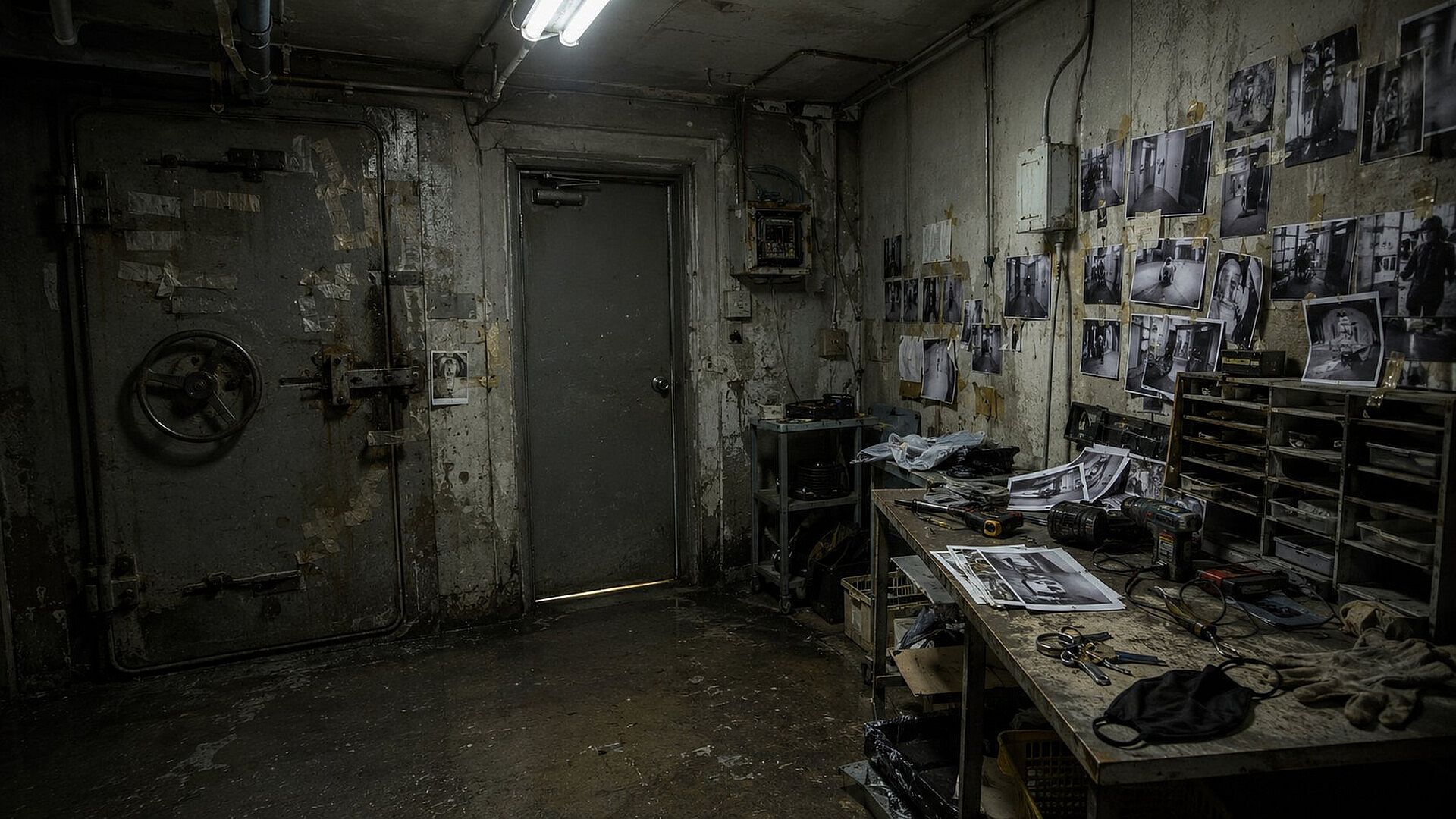
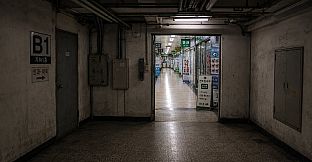
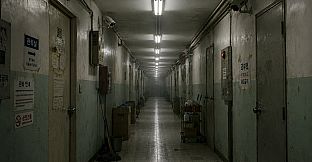


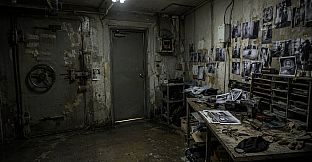
Still Inside is an indie adventure game built around first-person point and click exploration in a single-player setting. Players take on the role of a building surveyor named Lee Doyoon who arrives at an aging 1990s Korean shopping complex to compare floor plans with the actual structure and file a routine report. What begins as a straightforward inspection quickly shifts as the building reveals inconsistencies that do not match any official records.
Gameplay
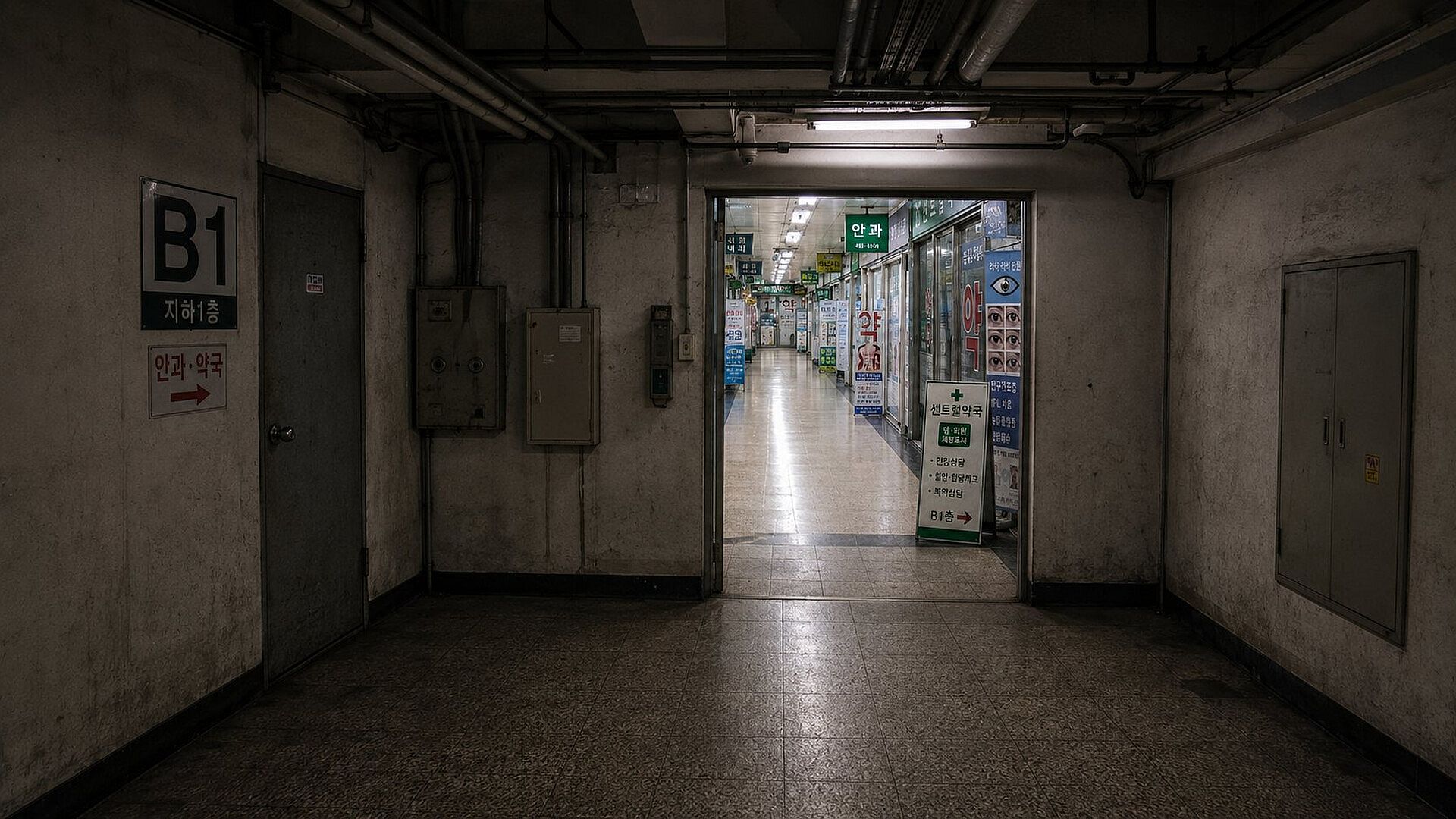
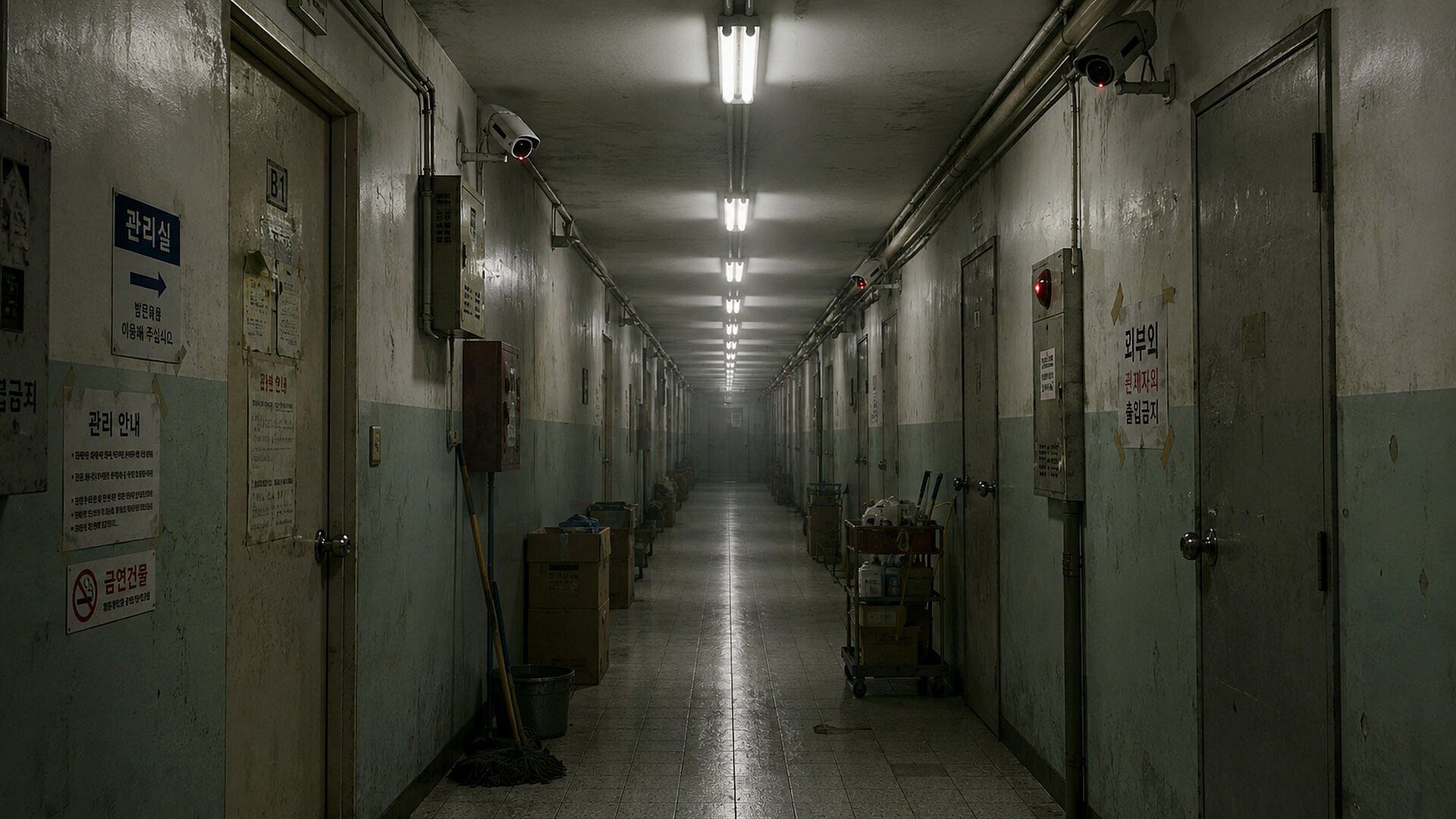
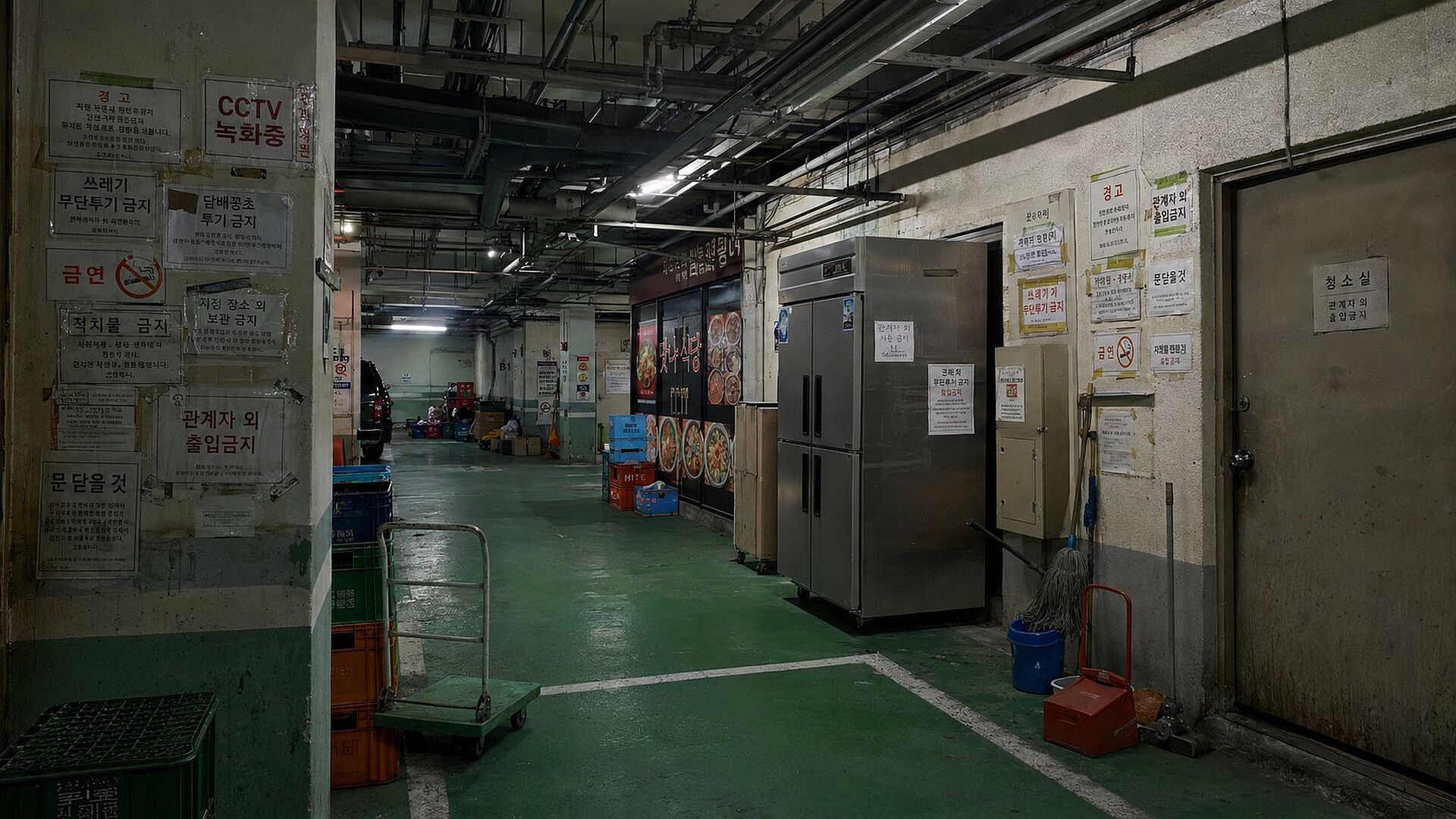
The core loop centers on careful observation and interaction with the environment. Players move through corridors, medical arcades, cram school hallways, and maintenance zones while clicking on elements that appear out of place. Items such as floor plans, logbooks, and personal belongings left behind provide clues about previous visitors. The experience emphasizes noticing small discrepancies rather than combat or timed challenges. Sound plays a key role, with repeated audio cues signaling that something has shifted between visits. The game avoids sudden jump scares in favor of a slow buildup of unease as layers of past and present spaces overlap.
Progression follows a linear path through the demo, which lasts roughly thirty to forty-five minutes. The session concludes when the player looks down over a particular railing, at which point the record of entry is complete and the demo ends. Controls remain simple and focused on movement and clicking, allowing attention to stay on the details of the architecture and the objects scattered throughout.
Game Modes
Still Inside offers a single-player narrative experience without separate game modes or multiplayer options. The entire title revolves around one continuous investigation that players complete at their own pace. There are no branching campaigns, competitive elements, or cooperative features. The structure stays consistent from start to finish, with the demo serving as the initial record of entry into the building.
Atmosphere and Setting
The game draws its tension from liminal spaces inside a familiar yet distorted 1990s Korean shopping building. Medical arcades appear where underground parking should exist, doors vanish upon turning away, and wet dragging sounds echo from below. These elements create a sense that the structure remembers every version of itself that ever existed, allowing older layers to bleed into the present. The result is a setting that feels both ordinary and increasingly wrong as players continue their survey.
Environmental storytelling carries the weight of the narrative. Abandoned belongings and incomplete records hint at people who entered but never left. The absence of explicit explanations encourages players to piece together the history through what they find and the inconsistencies they document.
Is It Worth Playing?
Still Inside suits players who enjoy short, atmospheric horror experiences that reward close attention to detail over action or complex systems. The demo provides a self-contained taste of the investigation, ending at a natural point that leaves the full story open for those who wishlist the title. Reception for similar short indie horror titles often highlights the strength of their focused atmosphere, and this game follows that pattern with its emphasis on discrepancies and layered spaces rather than traditional scares. If the premise of surveying a building that refuses to stay consistent appeals, the available demo offers a direct way to test whether the style matches personal preferences before committing further.