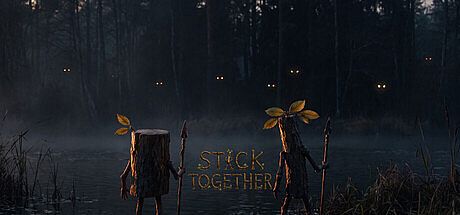


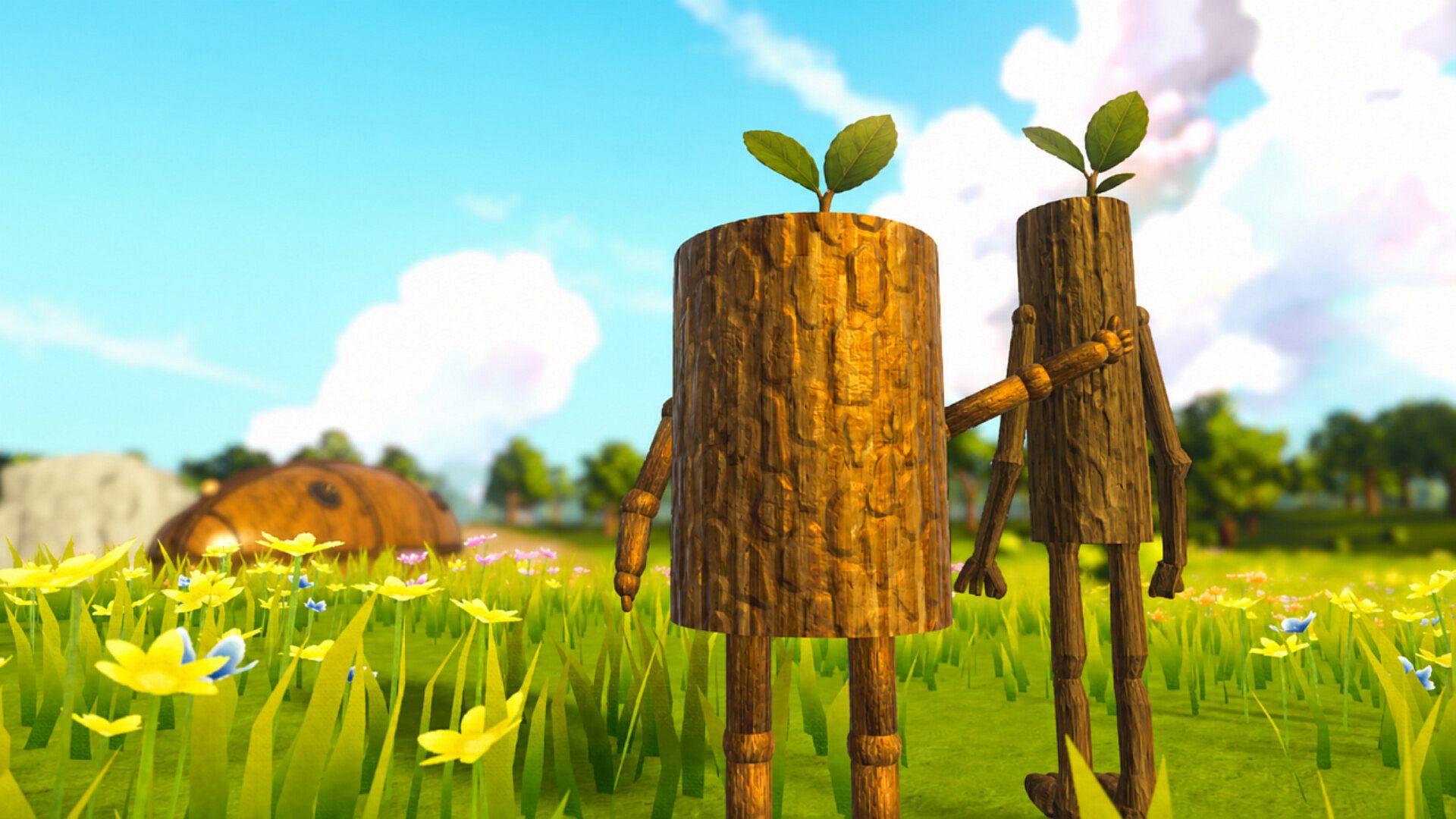
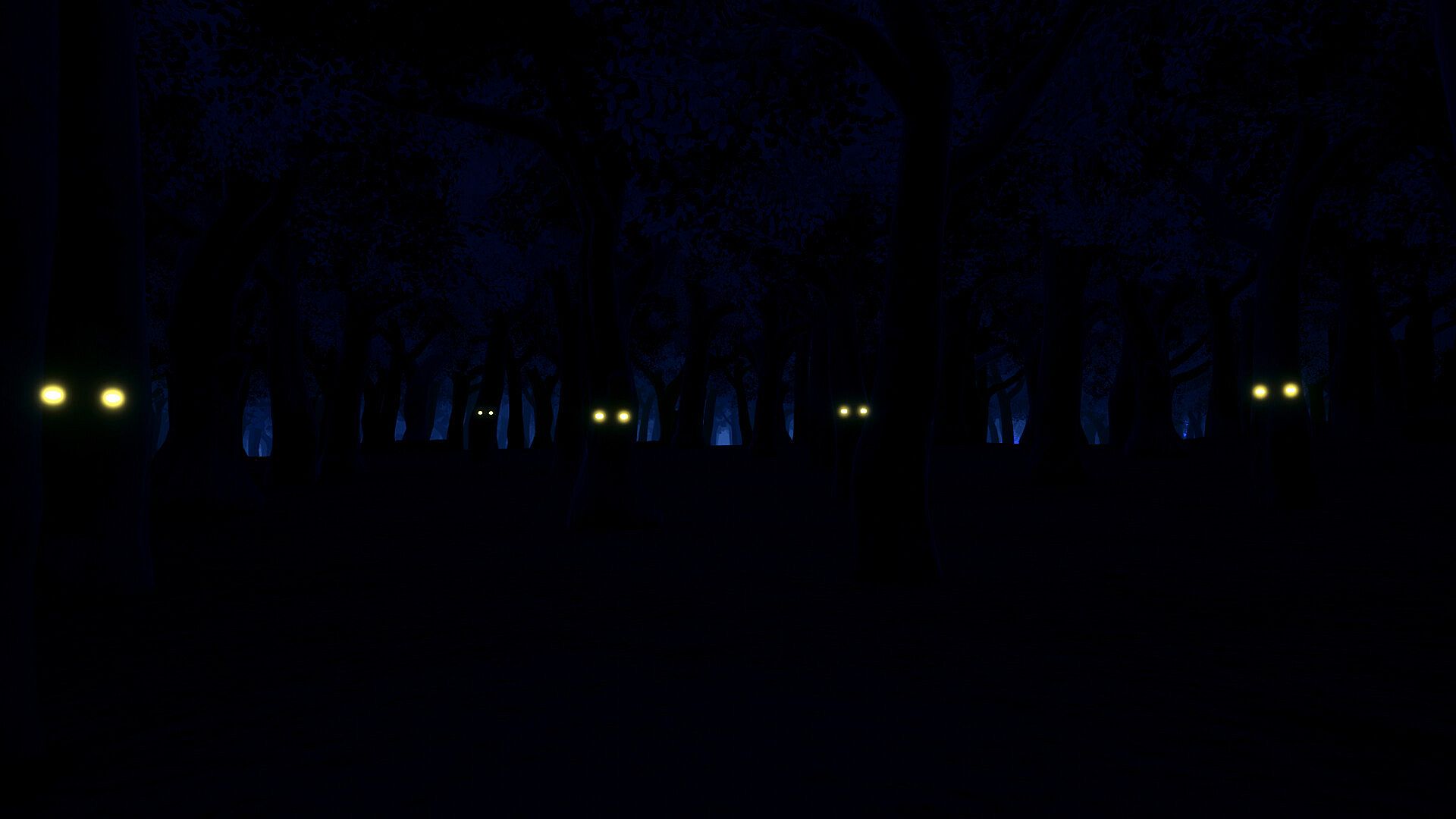

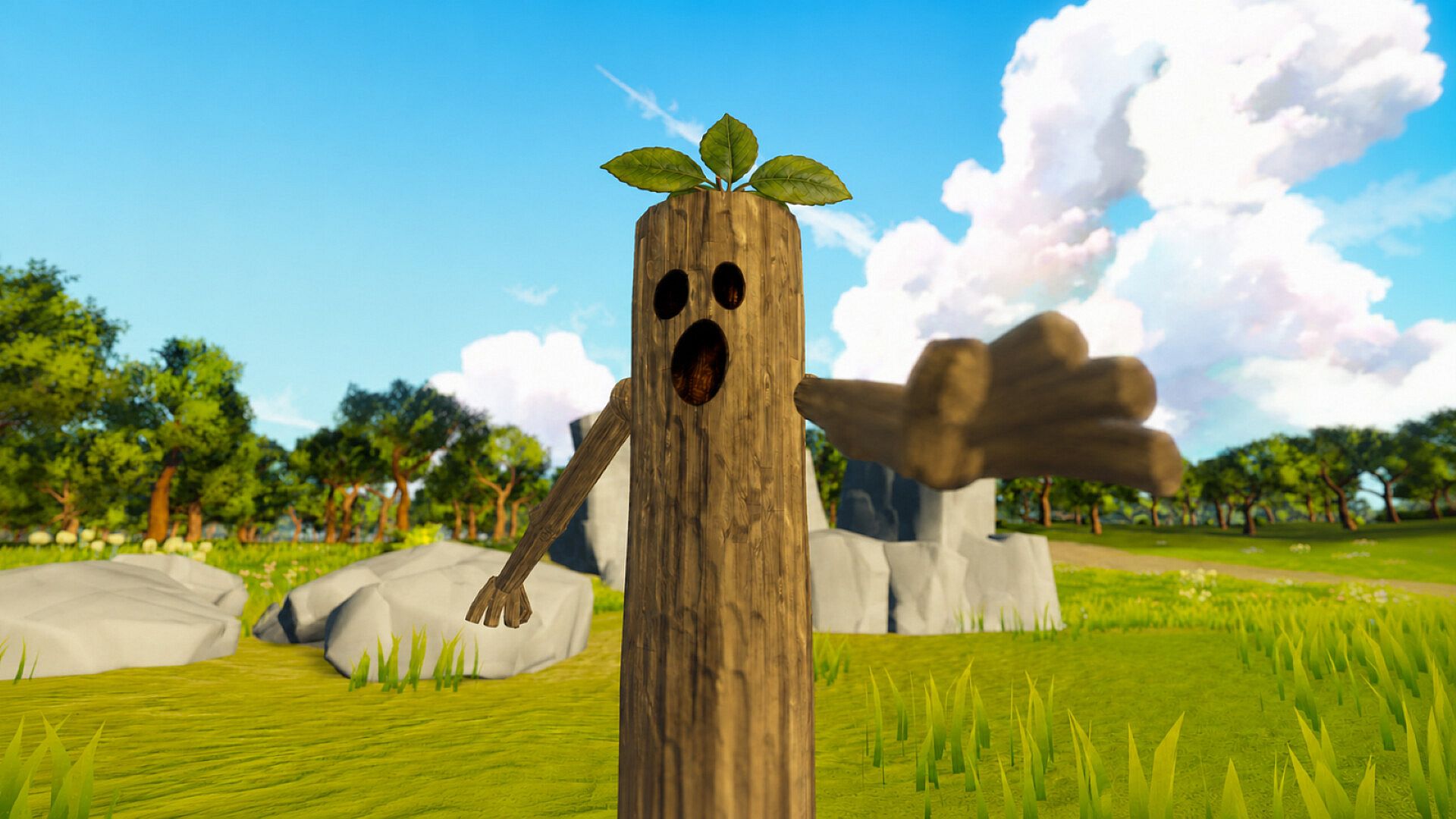
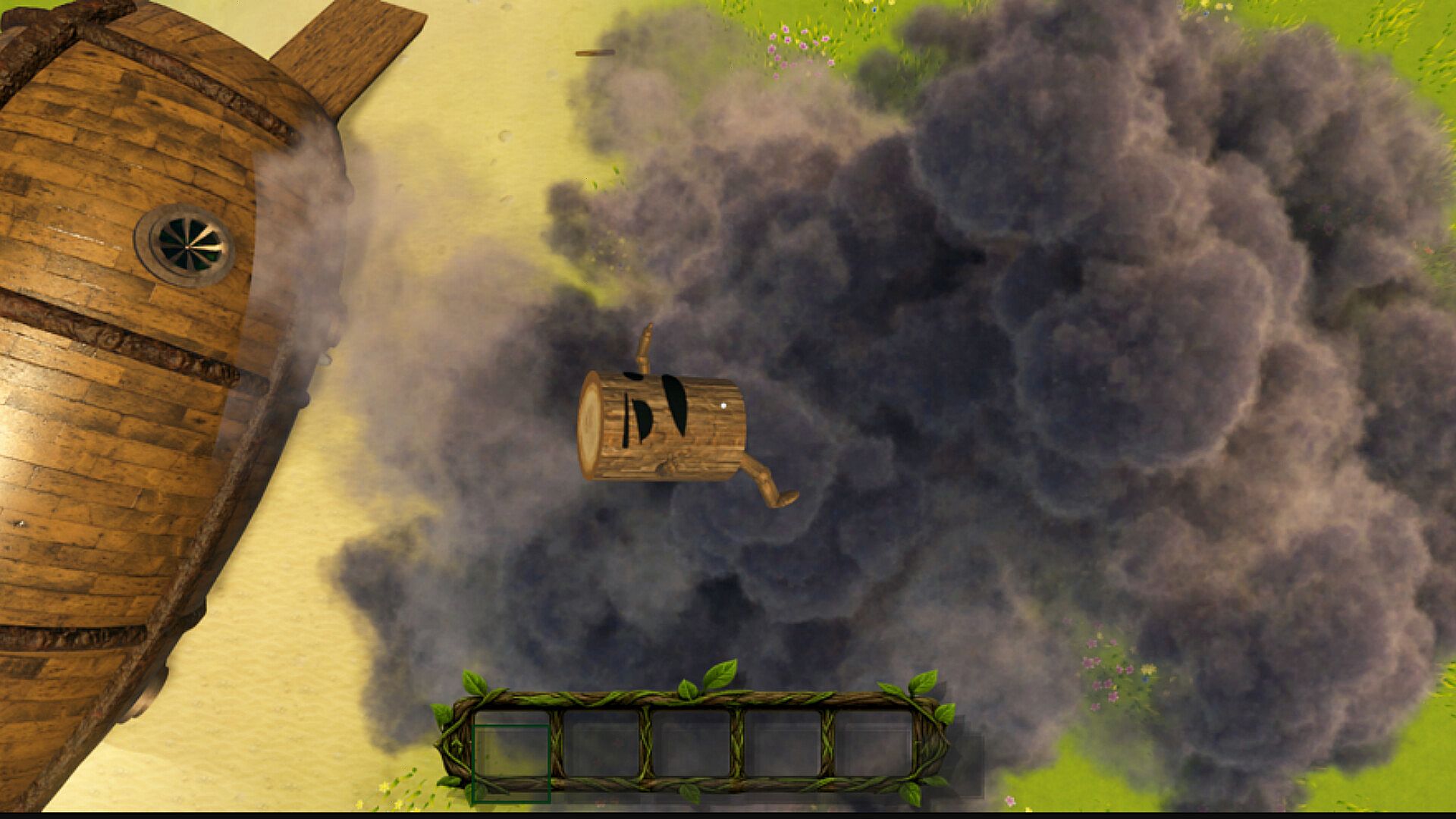
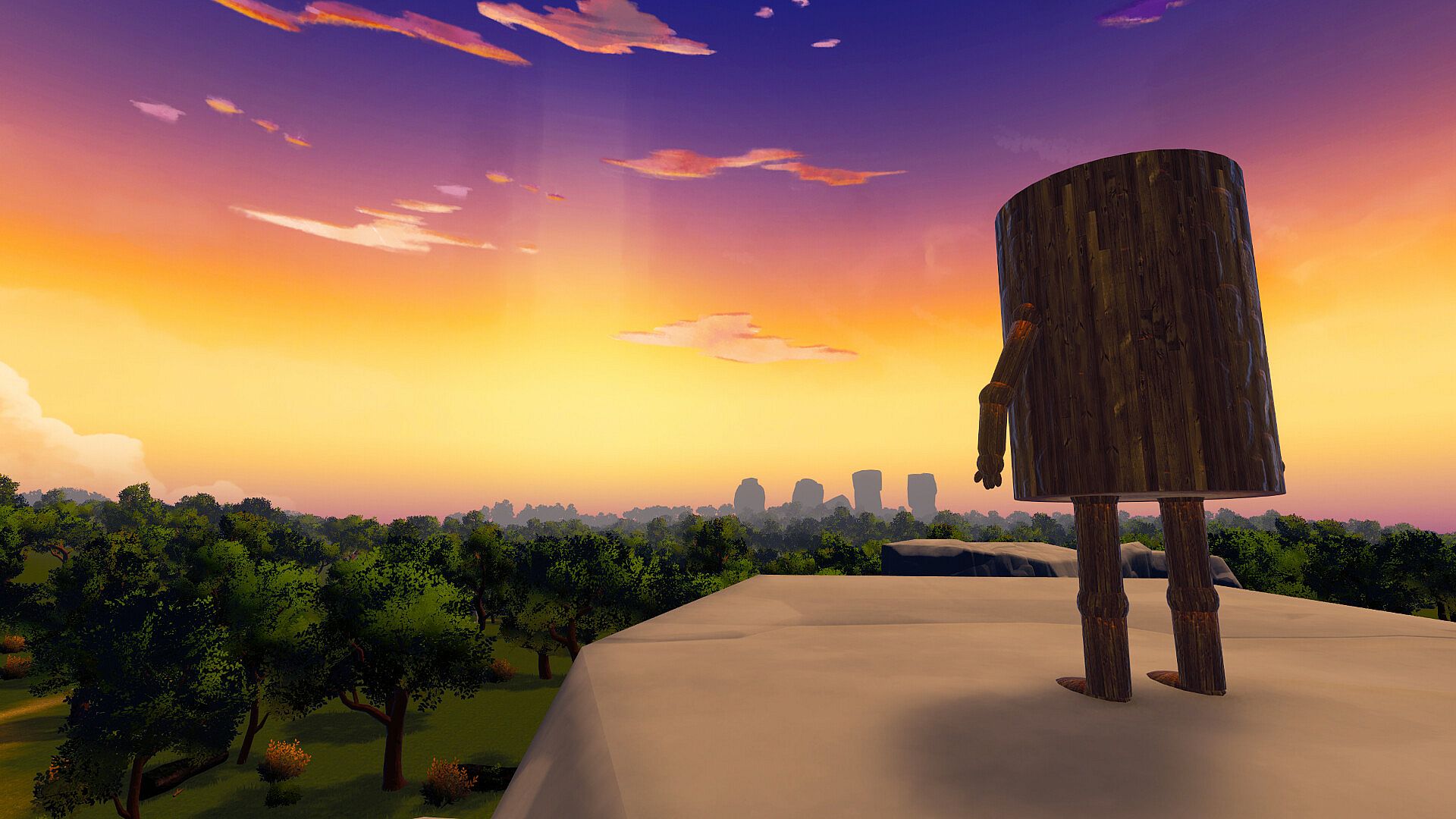


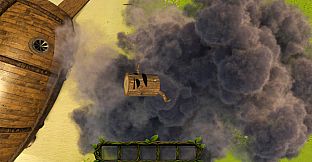

Stick Together è un gioco di sopravvivenza open world che unisce azione, indie, casual e avventura. Disponibile su PC in Early Access, mette i giocatori al comando di bastoncini che devono sopravvivere su un pianeta alieno. L'idea di base ruota attorno a esplorazione, difesa, costruzione e resistenza a lungo termine in un ambiente ostile. Il gioco è pensato per essere affrontato in gruppo: la cooperazione multiplayer è fondamentale, perché unire le forze aumenta notevolmente le possibilità di farcela.
Gameplay
Il ciclo di gioco si concentra sulla gestione di risorse e minacce mentre si cerca di espandersi sulla superficie aliena. I giocatori raccolgono materiali per costruire rifugi e utensili, poi li usano per proteggere il gruppo da pericoli ambientali e nemici. Muoversi nel territorio aperto richiede attenzione e coordinamento: molti ostacoli sono troppo difficili da affrontare da soli. La costruzione serve sia a creare ripari immediati sia a sviluppare una base stabile nel tempo.
La sopravvivenza dipende da diversi sistemi collegati tra loro. Per resistere bisogna bilanciare cibo, protezione e mobilità, mentre la difesa richiede reazioni rapide ai pericoli che si presentano durante l'esplorazione. Il gioco incentiva il gioco di squadra: decidere ruoli e posizioni è importante, perché un bastoncino isolato corre rischi molto più alti. Il ritmo di gioco alterna ricognizioni, raccolta di risorse e rafforzamento delle difese.
Modalità di gioco
Stick Together supporta sessioni cooperative in cui più giocatori controllano bastoncini diversi all'interno dello stesso mondo. La struttura premia la condivisione di responsabilità su percorsi di esplorazione, difese e progetti di costruzione. Le sessioni possono durare più turni di gioco mentre il gruppo cerca di raggiungere una maggiore stabilità sul pianeta. Non sono previste modalità competitive o per un solo giocatore, perché l'esperienza è pensata per il lavoro di squadra.
I progressi dipendono dalle azioni collettive del gruppo. Man mano che i bastoncini accumulano esperienza attraverso le uscite, sbloccano opzioni migliori per costruzione e difesa. Questo avanzamento condiviso rende essenziale restare vicini e comunicare le strategie, trasformando ogni spedizione in una prova di coordinamento.
Esplorazione e interazione con il mondo
Il pianeta alieno offre terreni diversi che i giocatori devono imparare a conoscere attraverso l'esperienza diretta. Ogni zona presenta risorse e pericoli specifici, spingendo il gruppo a pianificare percorsi che tengano conto sia delle opportunità sia dei rischi. La scoperta è graduale: le nuove aree si rivelano solo dopo che i bastoncini hanno consolidato una presenza nelle vicinanze. In questo modo l'esplorazione rimane legata alle esigenze pratiche della sopravvivenza.
Fattori ambientali influenzano le scelte quotidiane. Clima, tipo di terreno e fauna locale richiedono adattamenti attraverso gli strumenti e le strutture create dal gruppo. Con il tempo queste interazioni determinano come i bastoncini espandono la loro influenza, trasformando i primi accampamenti di fortuna in insediamenti più stabili in grado di resistere a minacce maggiori.
Vale la pena giocarci?
Stick Together è adatto a chi cerca un'esperienza di sopravvivenza cooperativa incentrata su costruzione e coordinamento di gruppo, piuttosto che su combattimenti frenetici. Essendo in Early Access, il titolo continua a ricevere aggiornamenti che migliorano i meccanismi e aggiungono contenuti, un aspetto interessante per chi ama partecipare allo sviluppo di un gioco. La disponibilità su PC rende l'accesso semplice per gruppi già abituati ad altri survival indie.
Le recensioni mettono in risalto l'idea originale di controllare bastoncini e la soddisfazione che deriva dal successo ottenuto insieme. Chi cerca un'avventura multiplayer rilassata ma allo stesso tempo concreta troverà coinvolgente il ciclo di esplorazione, difesa e costruzione. Chi preferisce campagne single-player rifinite o titoli già completi potrebbe invece aspettare ulteriori aggiornamenti prima di provarlo. Il gioco premia soprattutto le sessioni regolari con gli amici, in linea con il suo tema centrale: restare uniti per aumentare le probabilità di sopravvivenza a lungo termine.