




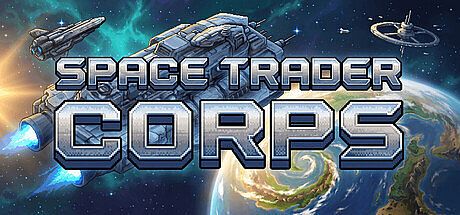












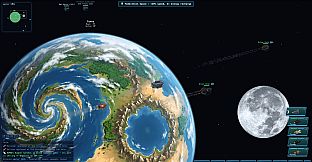
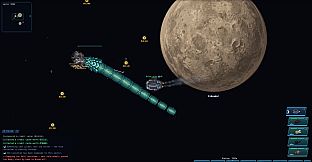
Space Trader Corps is a massively multiplayer action and adventure game set in a persistent shared galaxy where players engage in real-time space trading, fleet management, planetary conquest, and combat on PC. The core experience revolves around a living economy driven by supply and demand across thousands of ports and ten commodities, with every transaction influencing market prices in real time.
Gameplay
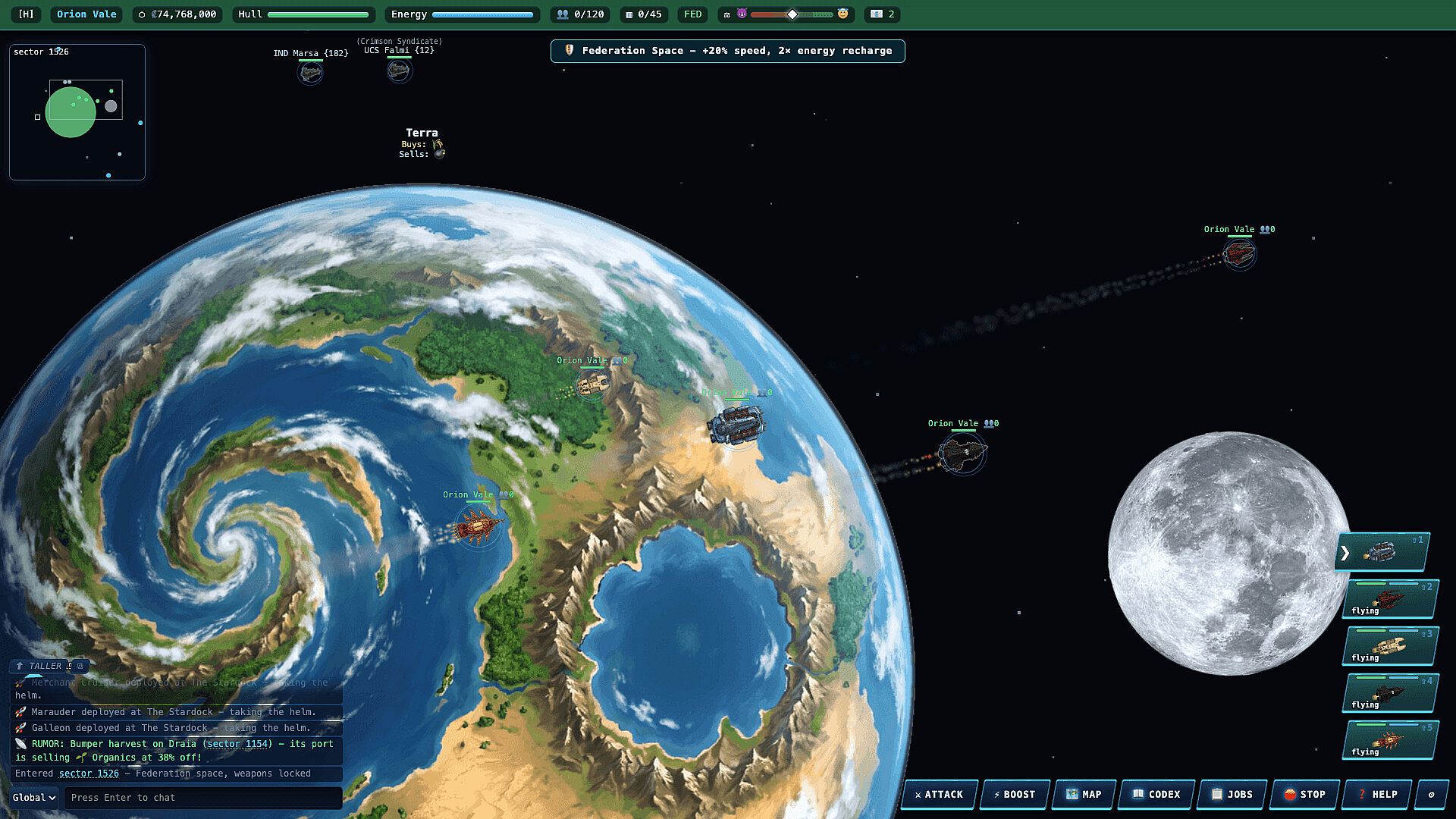
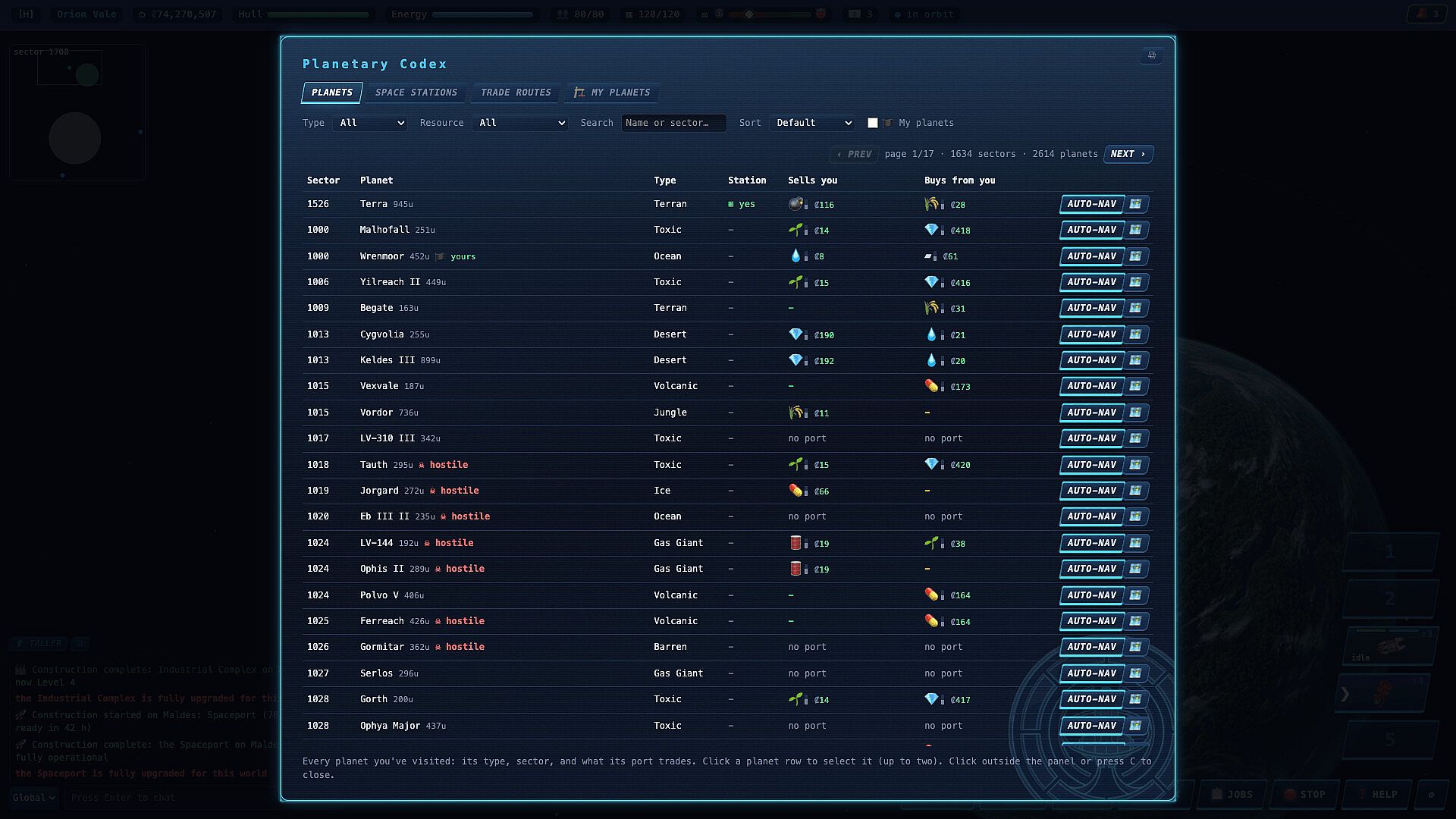
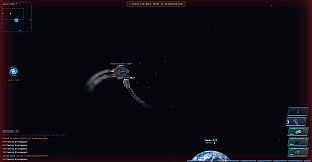
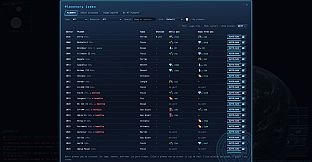
Players begin with a basic scout ship and progress through a range of hulls from freighters to warships and capital-class dreadnoughts. The one-click flight system allows seamless movement across the map while managing multiple vessels simultaneously. One ship might follow an automated trade route, another could mine asteroids, and a third explores uncharted areas, all controllable from any location. A personal codex tracks visited ports and profitable routes, which can then be automated for passive income generation.
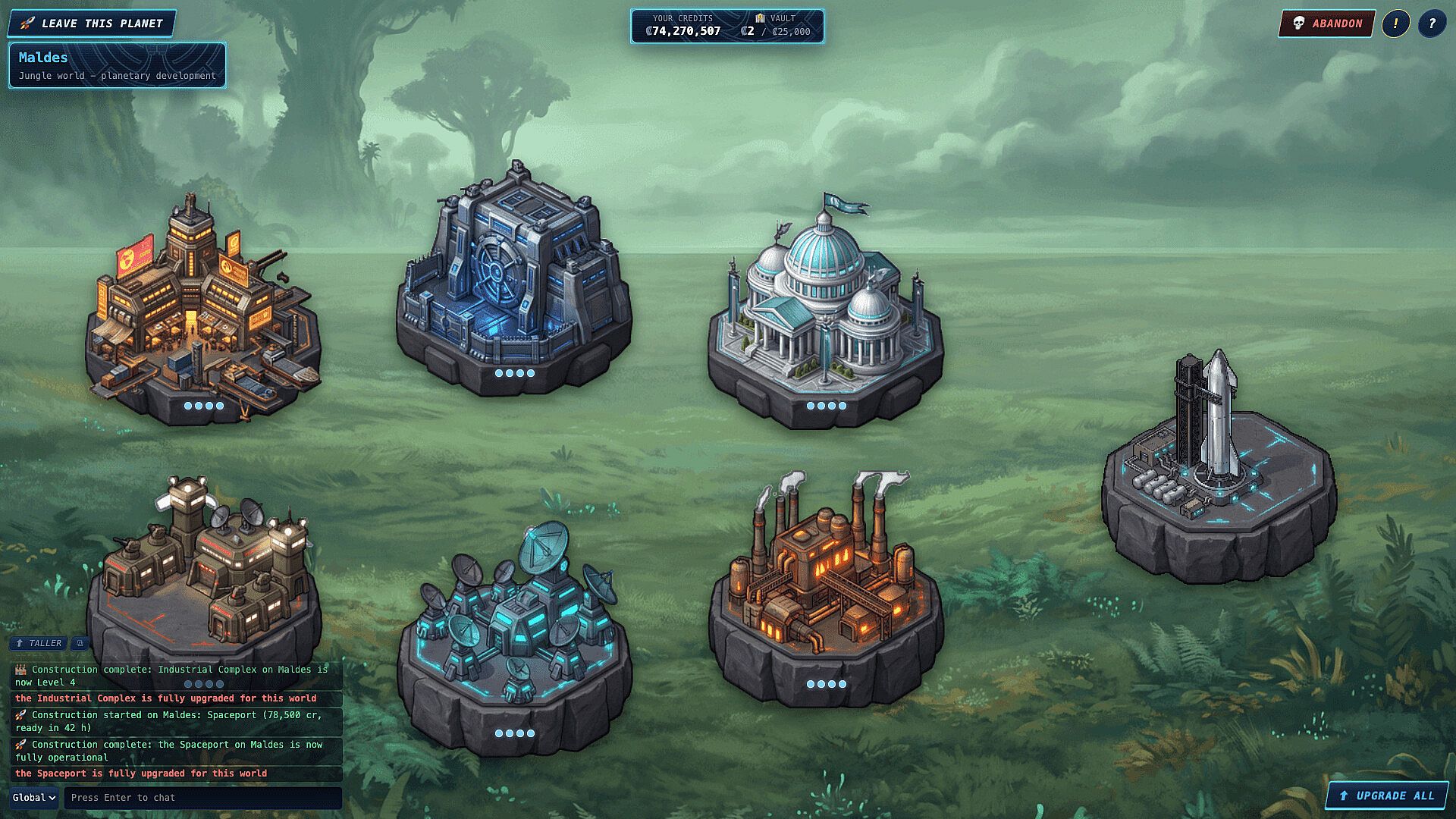
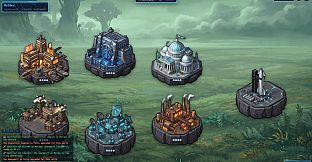
The economy operates on genuine supply and demand principles. Ports sell goods cheaply when overstocked and offer high payouts when supplies run low. Planet types provide clues about likely demand before docking occurs. Every player trade shifts prices across the shared galaxy, creating dynamic opportunities that persist even when offline. Colonization adds another layer, as empty worlds can be claimed by landing settlers, then developed with mines, factories, defense systems, and eventually a spaceport to support further expansion and tax collection.
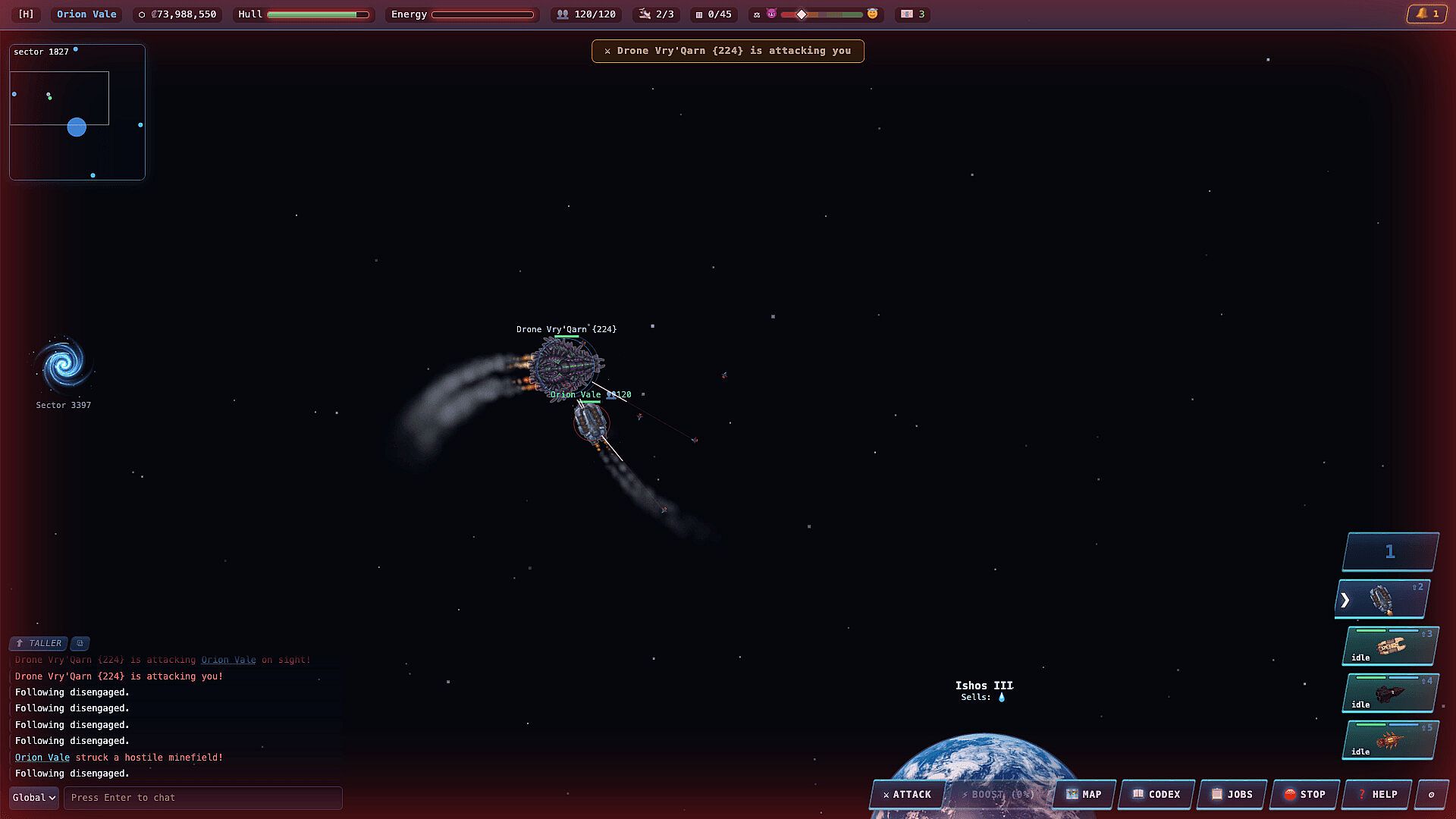
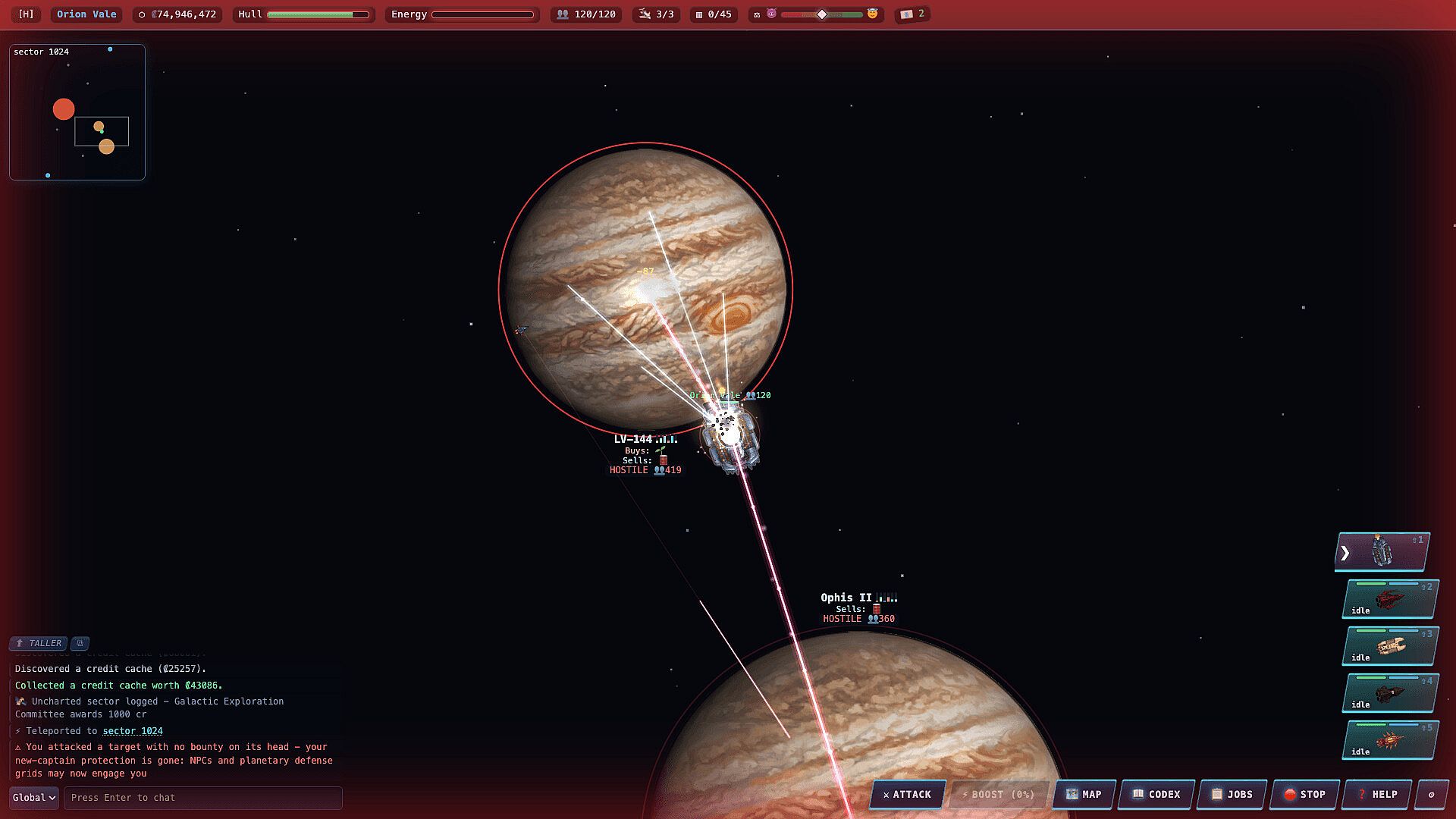
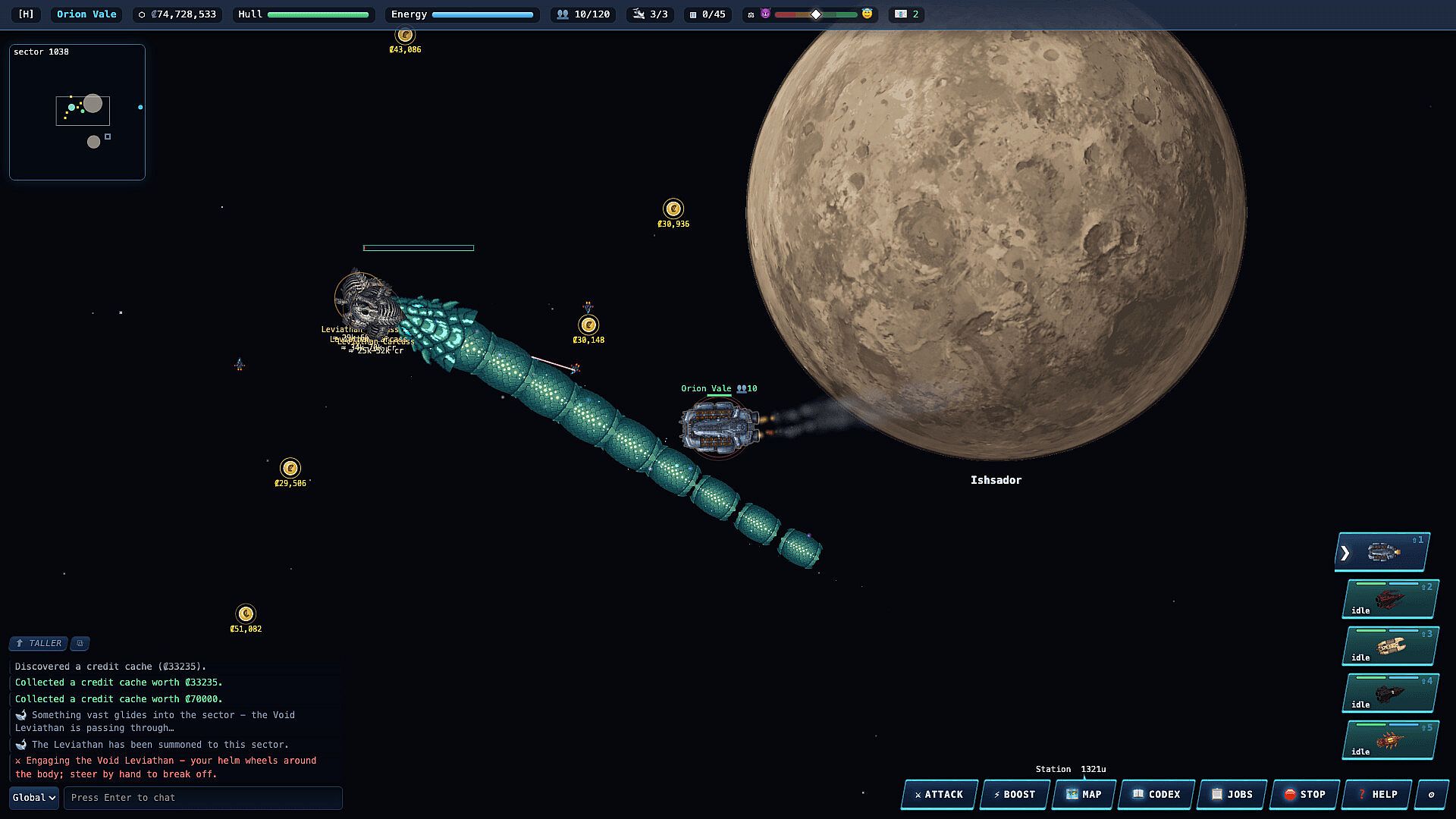
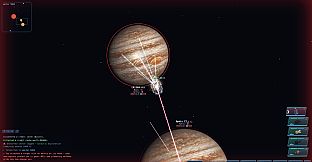
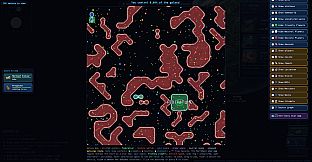
Combat integrates directly into trading and exploration. Drone flights target pirates, rival players, and alien threats, while escorts and point-defense systems protect convoys. Proximity mines can secure lanes or clear ambushes, and planetary grids activate in defense of owned worlds. Outlaw activities draw responses from the broader galaxy. Exploration features warp gates for connected regions and violet rifts for long-distance jumps, with the frontier offering fresh territory for charting and selling survey data.
Game Modes
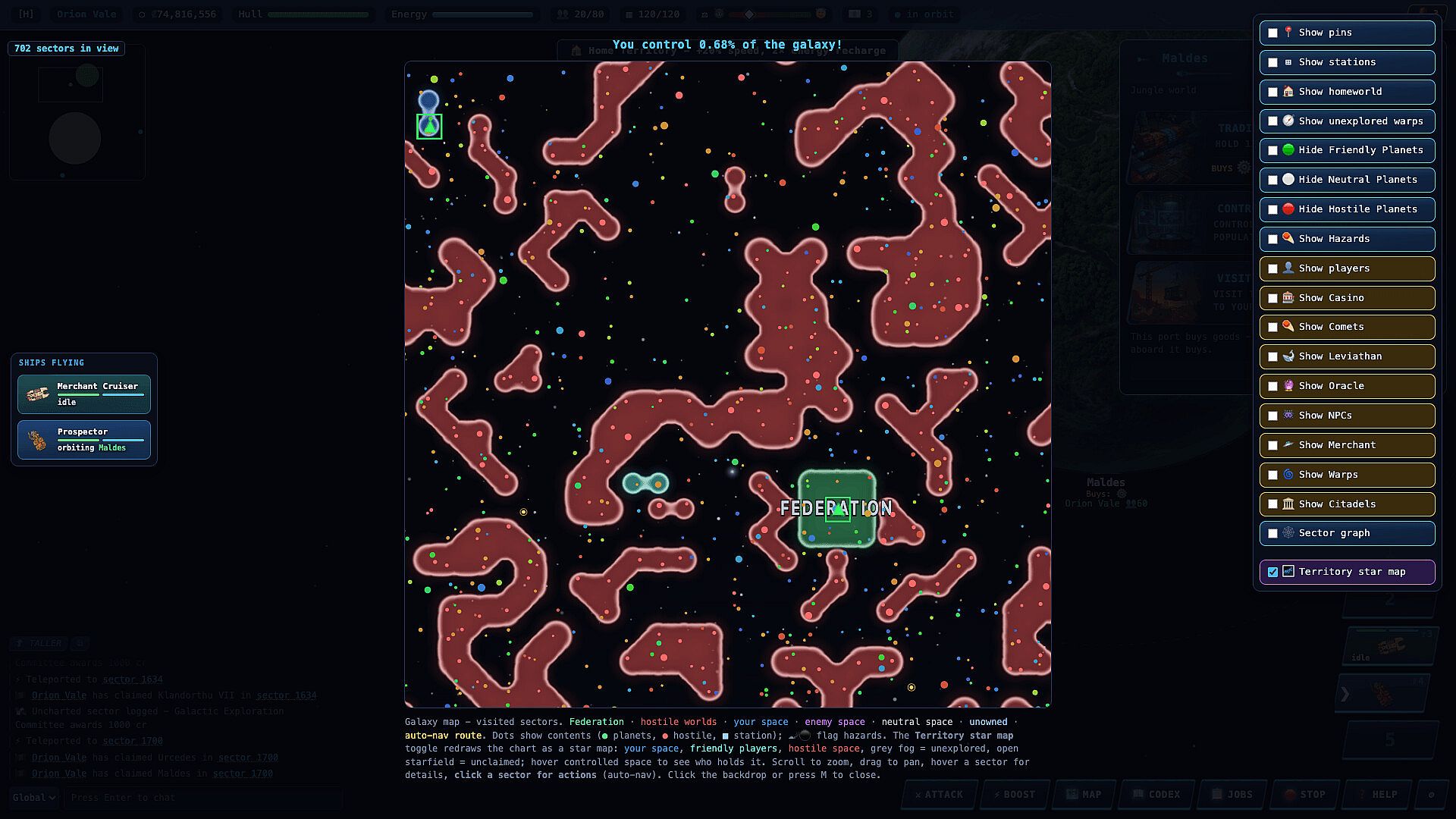
The game emphasizes a single persistent multiplayer environment rather than separate modes. All players share the same galaxy that continues evolving regardless of individual login status. Trading forms the foundation, supported by fleet automation and route management for those focused on commerce. Empire building occurs through world claiming and development, visible to others and open to competition. Combat arises naturally during cargo runs or territorial disputes, involving direct ship control alongside automated defenses.
Social and progression elements activate upon docking at stations. Guilds enable coordinated route running with others. Additional activities include casino games, pet raising for supplemental profits, rescue contracts, salvage operations, and rank progression from entry-level positions to high-status titles. Steam achievements track overall advancement across these interconnected systems.
Exploration and Progression
Frontier regions remain unvisited until charted, providing opportunities to sell mapping information alongside trade goods. Multiple galaxy areas ensure ongoing discovery even after initial sectors stabilize. Ship progression unlocks specialized roles, from efficient haulers to combat-focused vessels capable of engaging threats or securing salvage. Personal codex tools help optimize long-term strategies by logging prices and routes for repeated use.
Empire management scales from single-planet holdings to broader networks, with taxes funding further growth and spaceports facilitating colonist transport. Rival interactions add risk, as successful developments attract attention from other captains seeking to claim or disrupt them.
Is It Worth Playing?
Space Trader Corps suits players interested in space trading simulations combined with multiplayer persistence, fleet oversight, and light empire-building elements. The real-time economy and shared world create ongoing market shifts that reward observation and adaptation. Fleet command and automation features allow both active piloting and background operations, while combat and exploration provide variety without requiring constant engagement.
Those who enjoy managing multiple assets, responding to supply variations, and competing for territory in a living environment will find the systems align closely with classic trading game concepts updated for modern multiplayer. The game remains in an early state following its recent addition to the platform, with core mechanics centered on the described trading, command, and conquest loops. Potential players should assess their preference for open-ended progression over structured single-player campaigns before committing.












