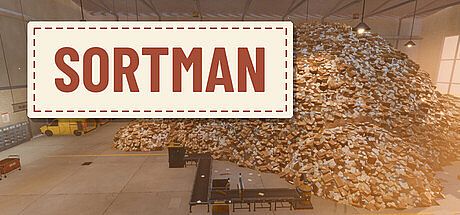


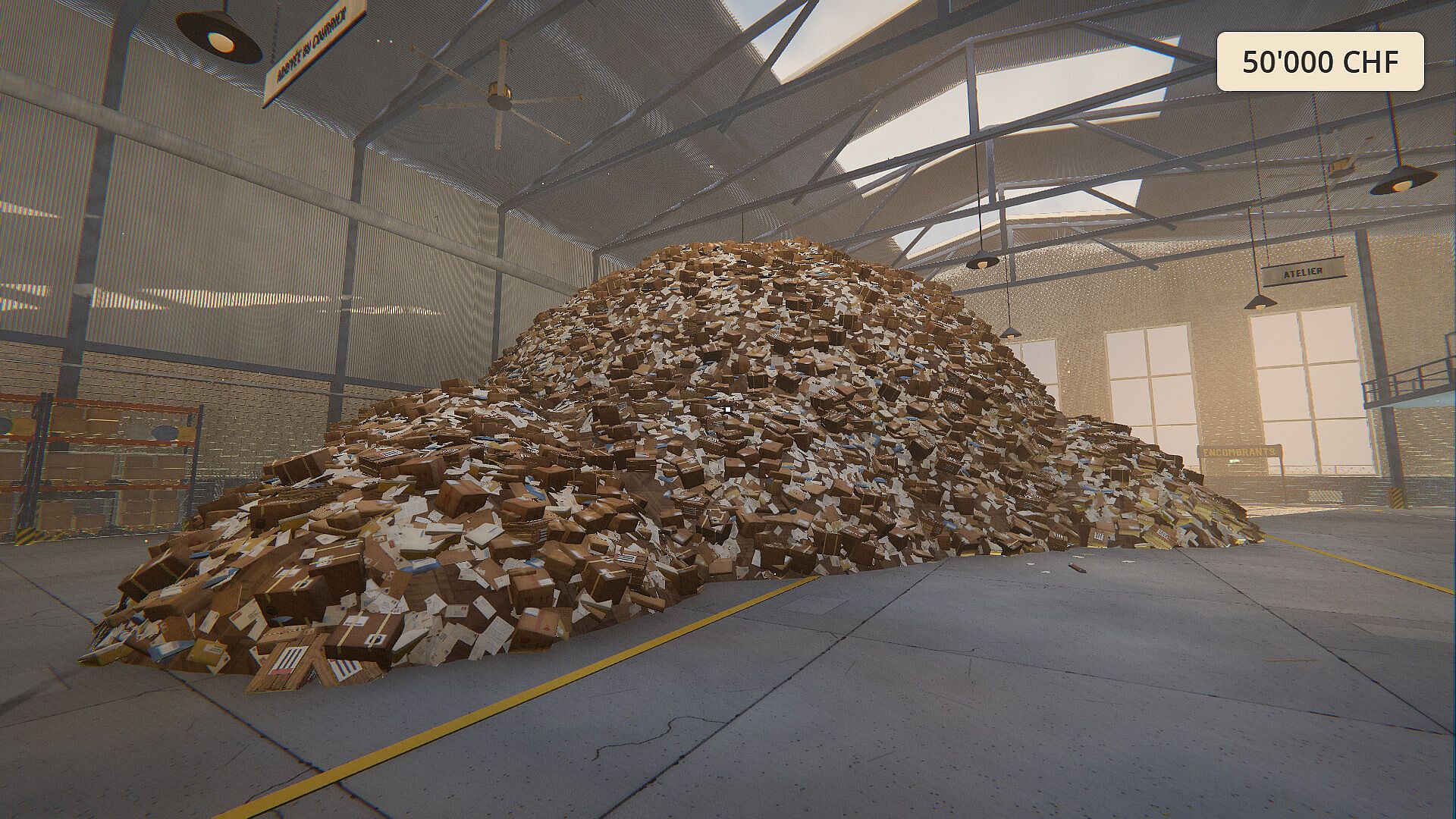
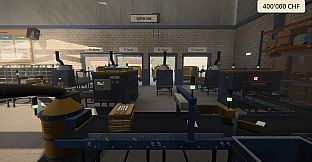
Sortman is an indie simulation game that places players in charge of clearing a massive backlog of mail in a sprawling sorting hall. The core experience revolves around organizing letters and parcels by hand at first, then gradually introducing automation to handle the workload more efficiently. Set on PC, this casual title emphasizes methodical task management and incremental upgrades in a relaxed environment without timers or failure states.
Gameplay
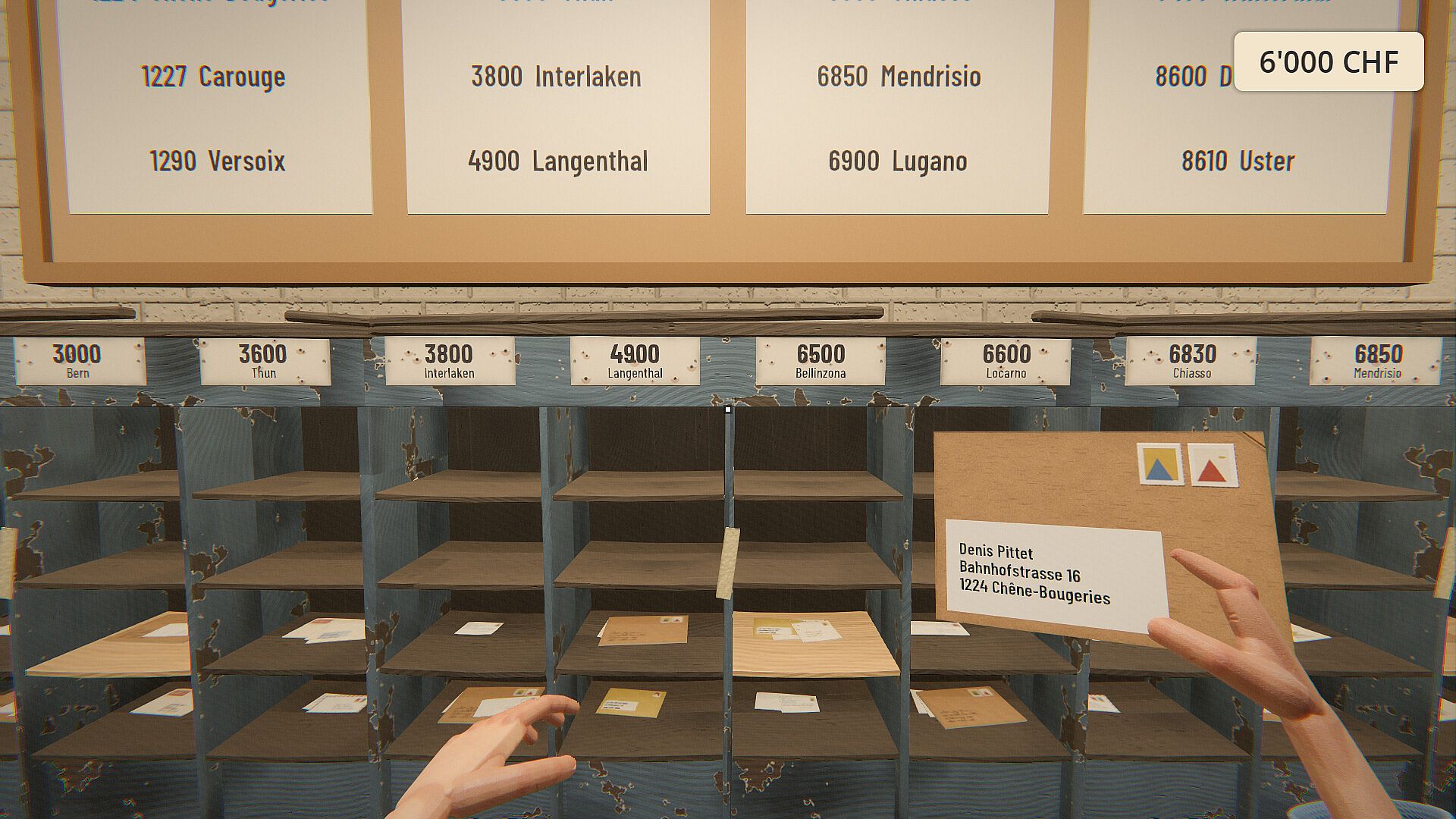
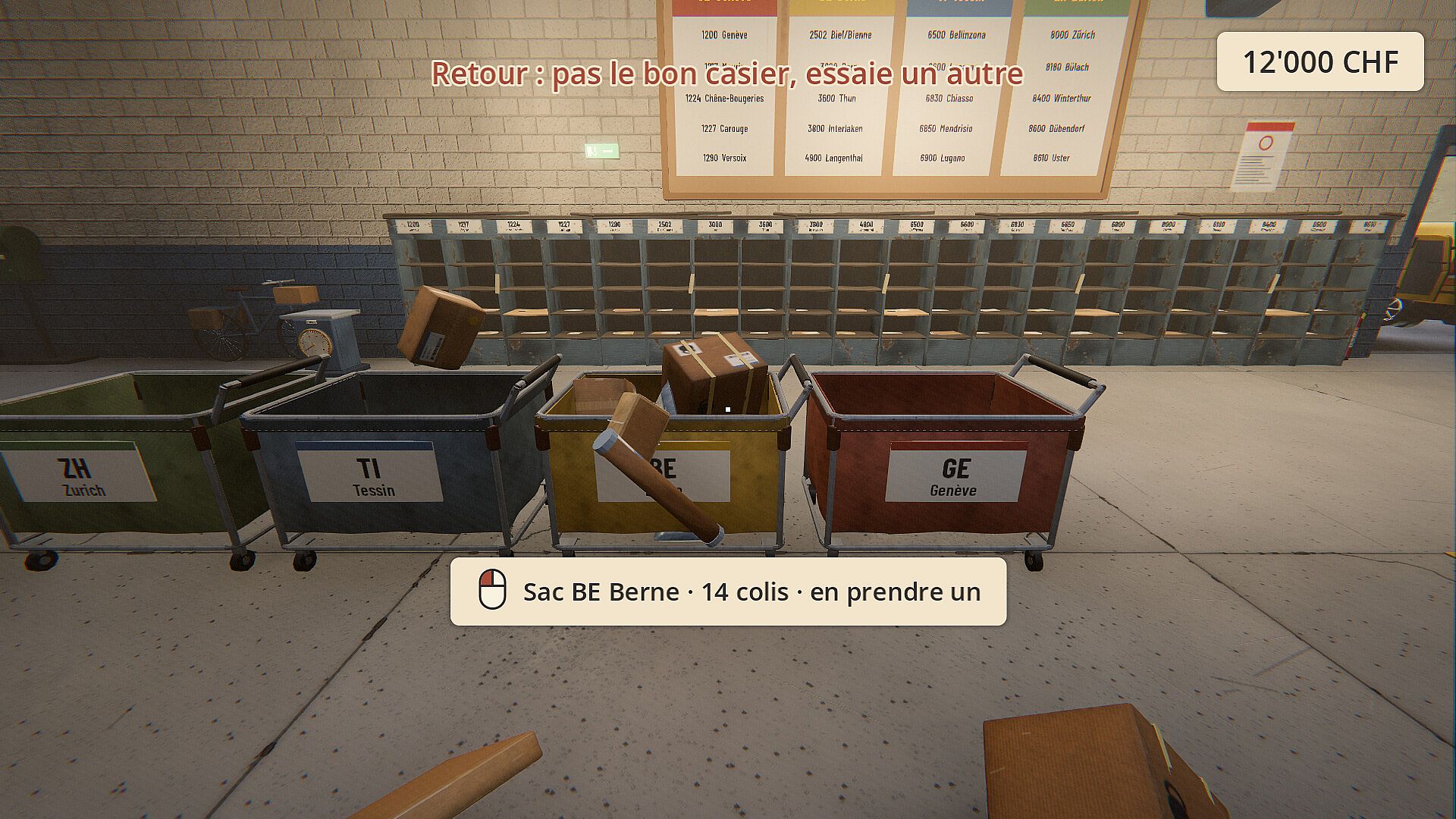
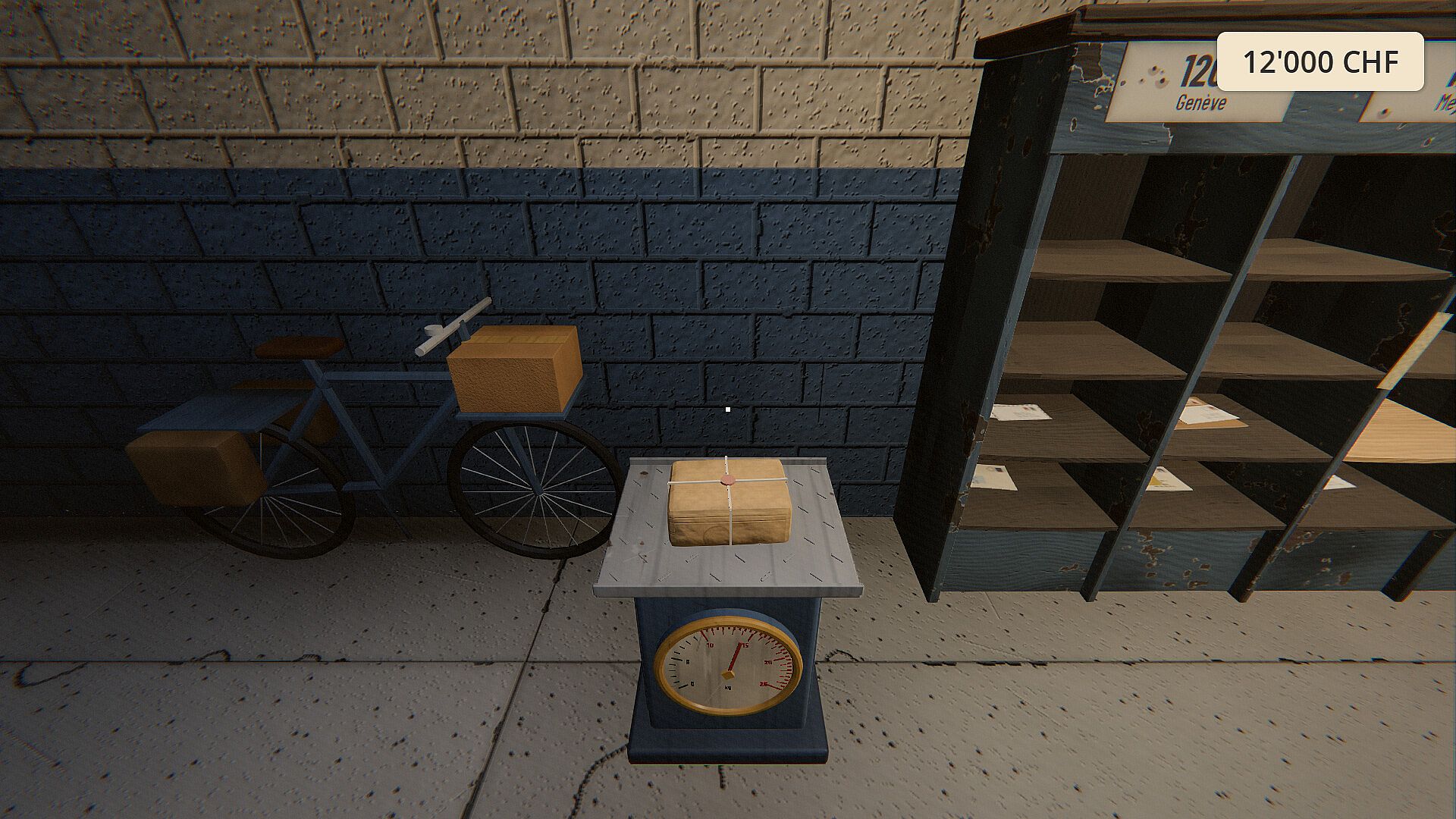
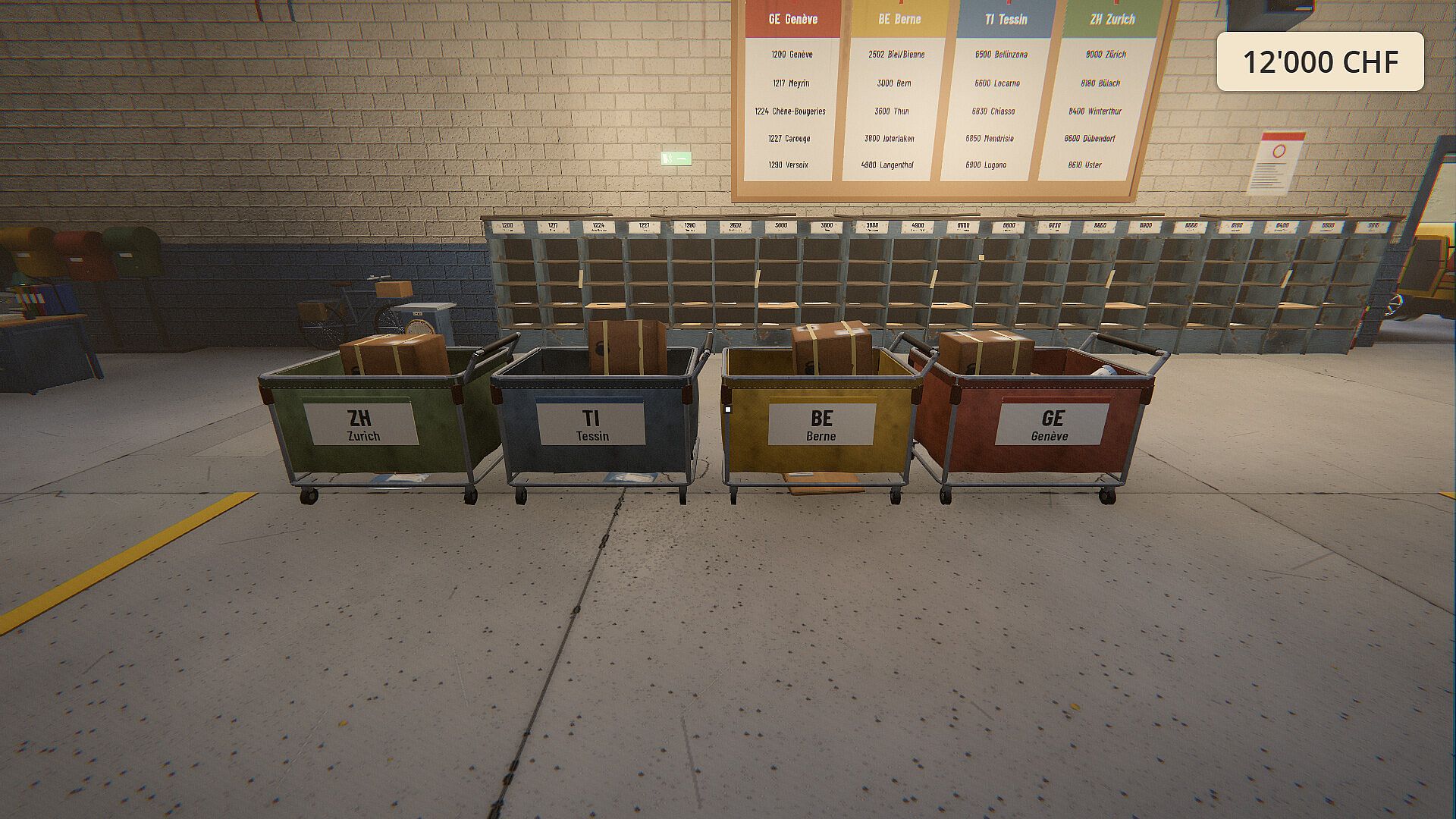
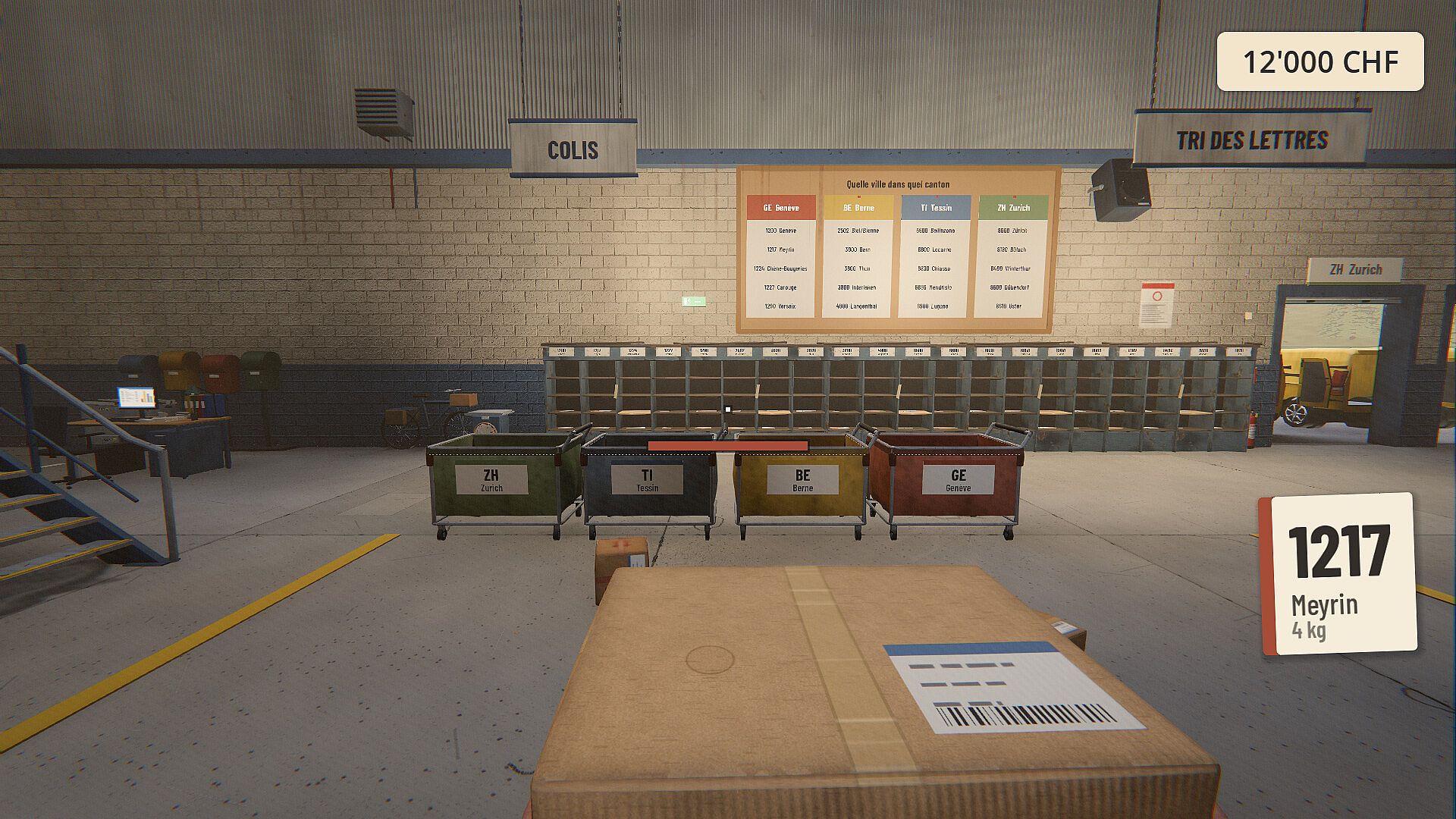
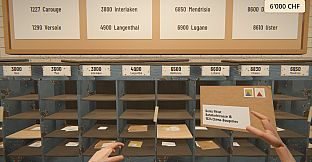
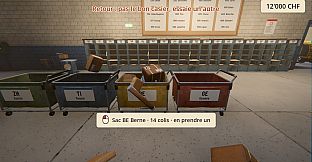
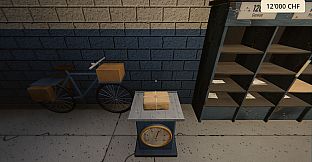
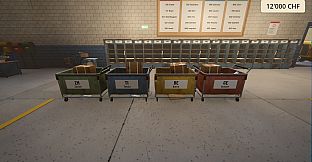
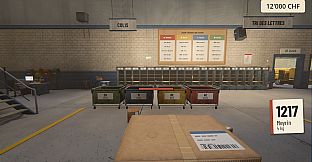
Players begin each day by tackling a mountain of mail that arrives via truck. Sorting starts manually, with letters examined for addresses and placed into the correct sections of an old cabinet. Errors result in items returning stamped for return, while parcels require weighing before being tossed into the appropriate canton hamper. Accuracy matters, as misses leave items on the floor and overflows cause spills.
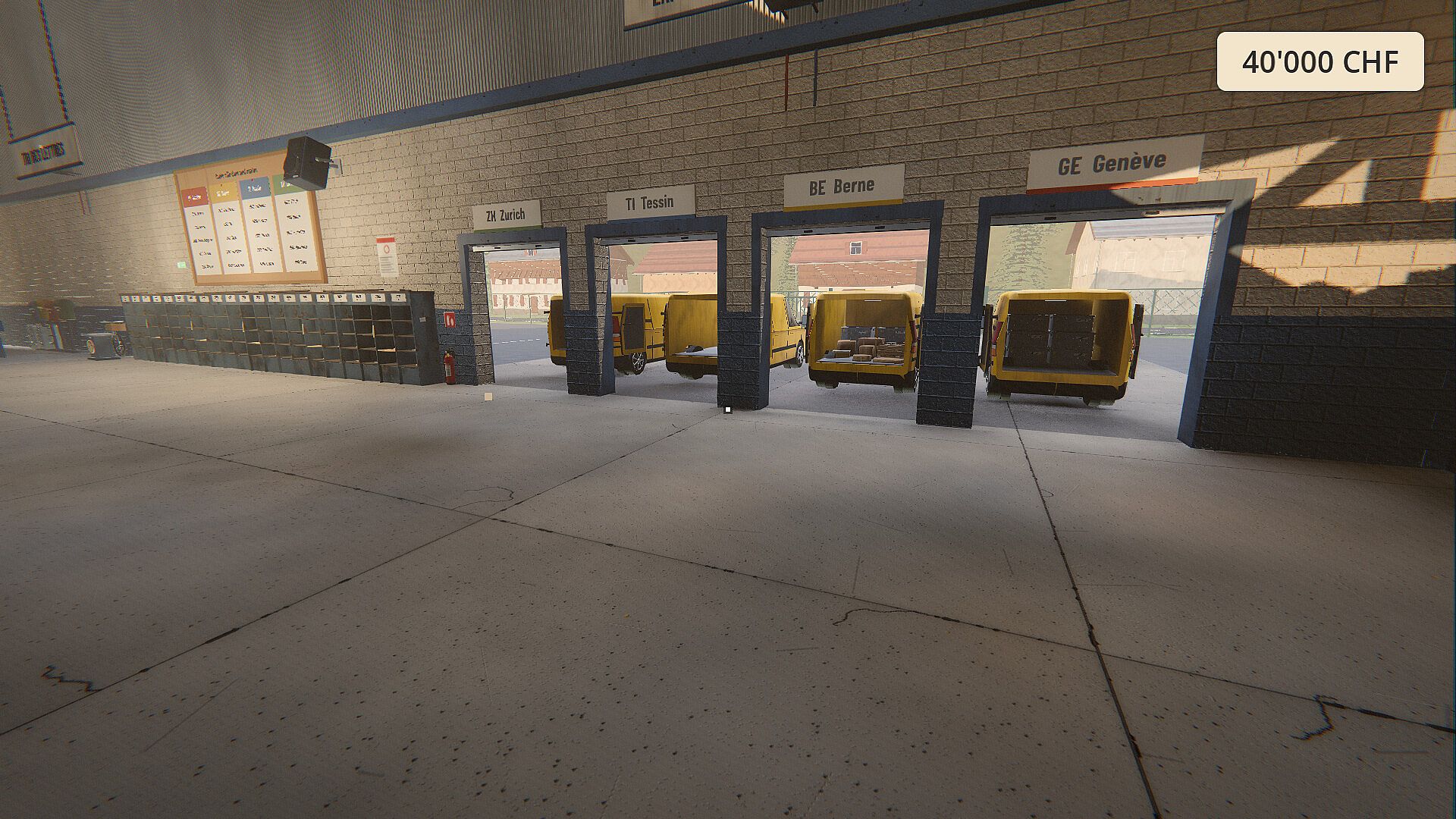
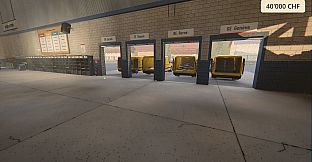
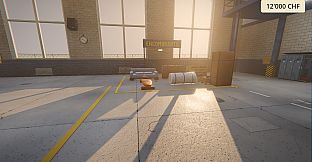
Once sorted, the focus shifts to loading crates and parcels into docked vans for delivery. Payment arrives only after successful departures. Customer complaints arrive on a back-room computer, covering lost letters or misplaced bulky items. Resolving these involves timely shipping or goodwill gestures to maintain reputation and earnings.
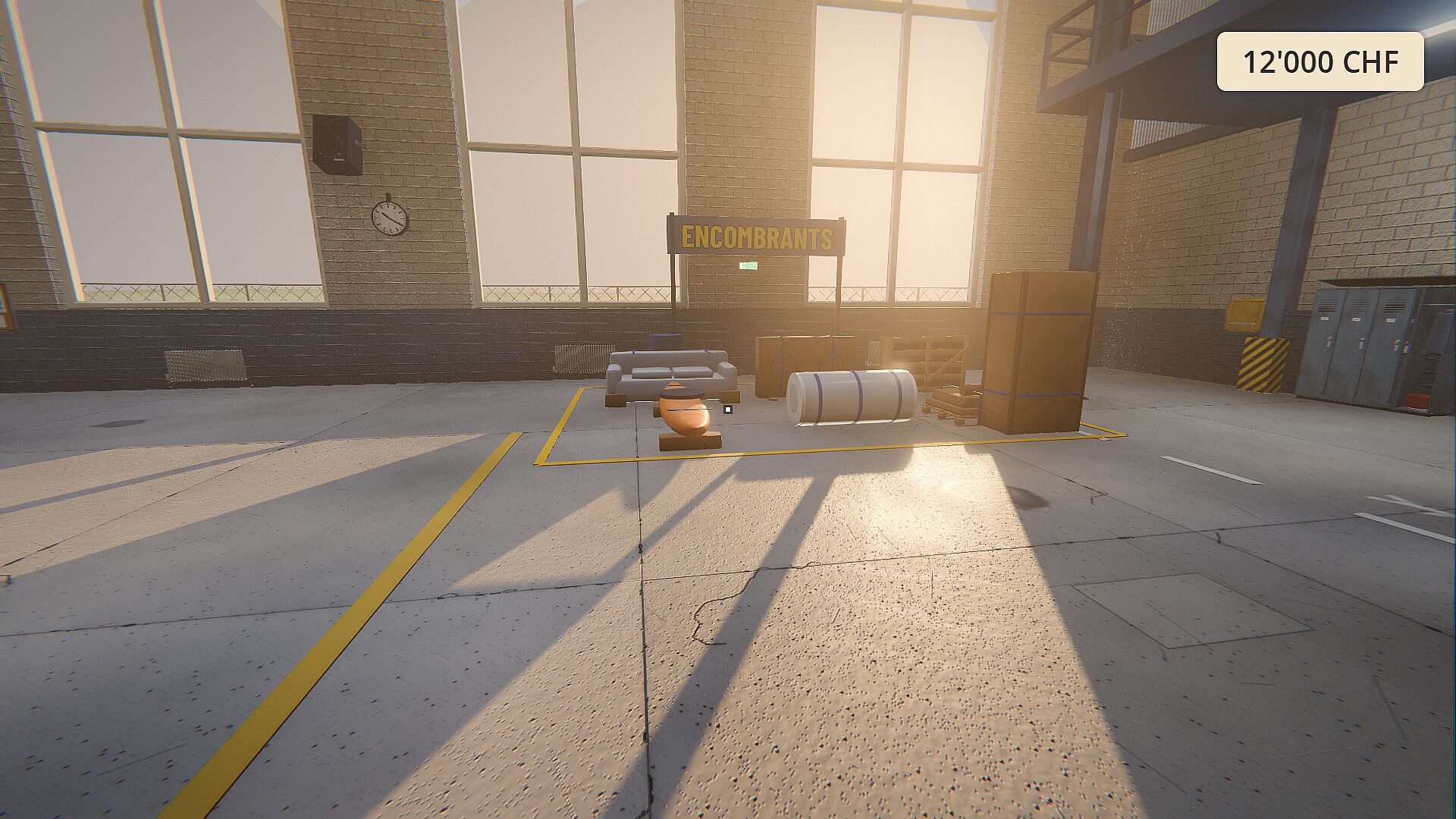
Bulky objects like sofas, fridges, steel drums, and kayaks demand special handling. These heavy pieces move slowly when carried alone, so players can acquire a pallet jack or invite a friend for assistance. Progression comes through earned francs spent on equipment and a build tool that introduces conveyors, address readers, canton gates, sorters, packers, and dock loaders. Advanced setups create near-complete factories, with end-game options including specialized devices for automated letter filing.
Game Modes
The game supports solo play focused on personal efficiency and system building. A separate co-op mode allows up to four players to work together in the same hall, forming chains to pass items or dividing tasks across the sorting, loading, and complaint-handling processes. Both approaches share the same core loop of clearing the daily influx without pressure from time limits or game-over conditions.
Singleplayer encourages experimentation with automation layouts to minimize direct intervention. Co-op emphasizes coordination, such as one player sorting while others manage loading or customer responses. The shared mountain of mail scales naturally with additional participants, keeping the experience collaborative rather than competitive.
Progression and Automation
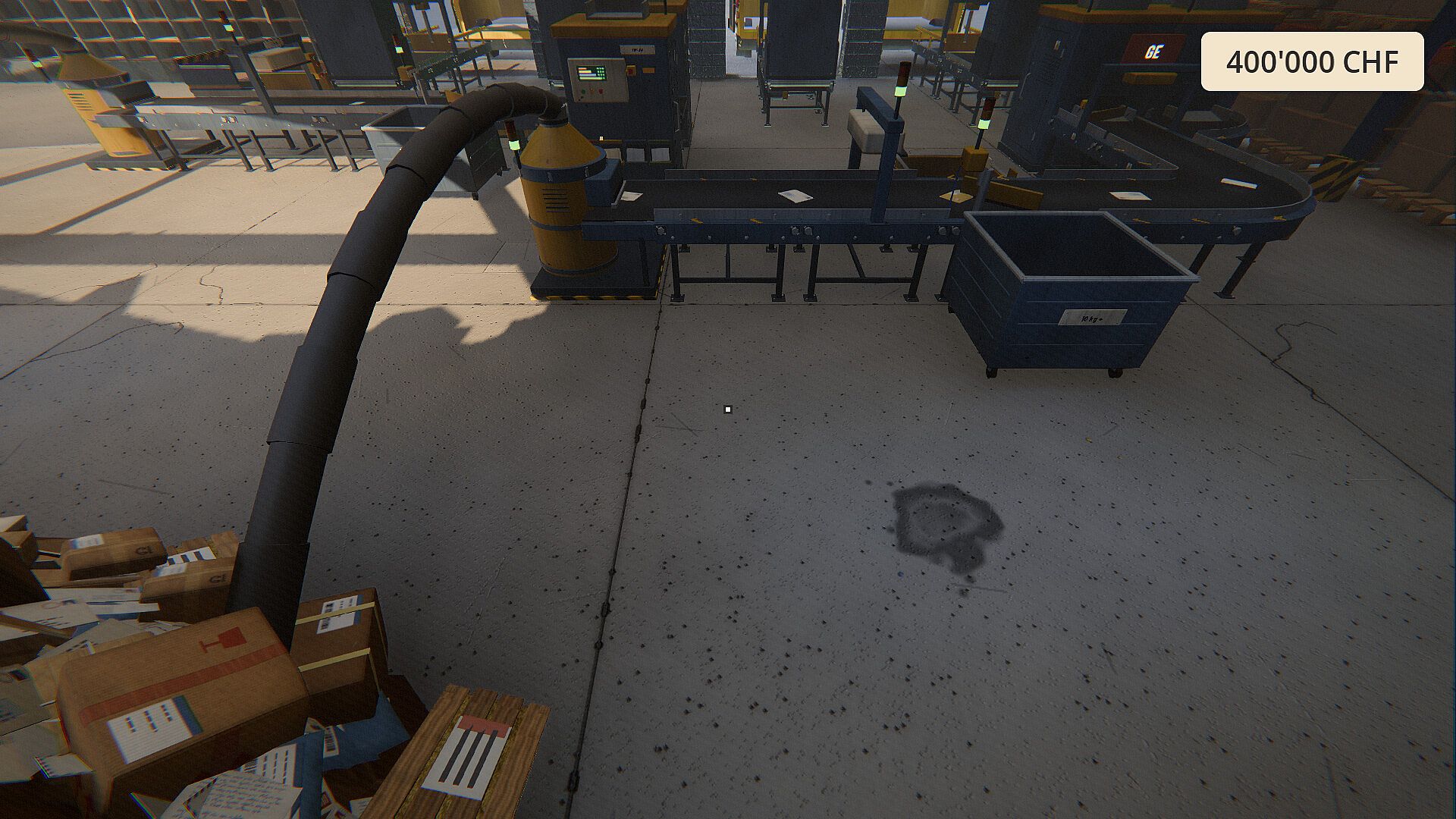
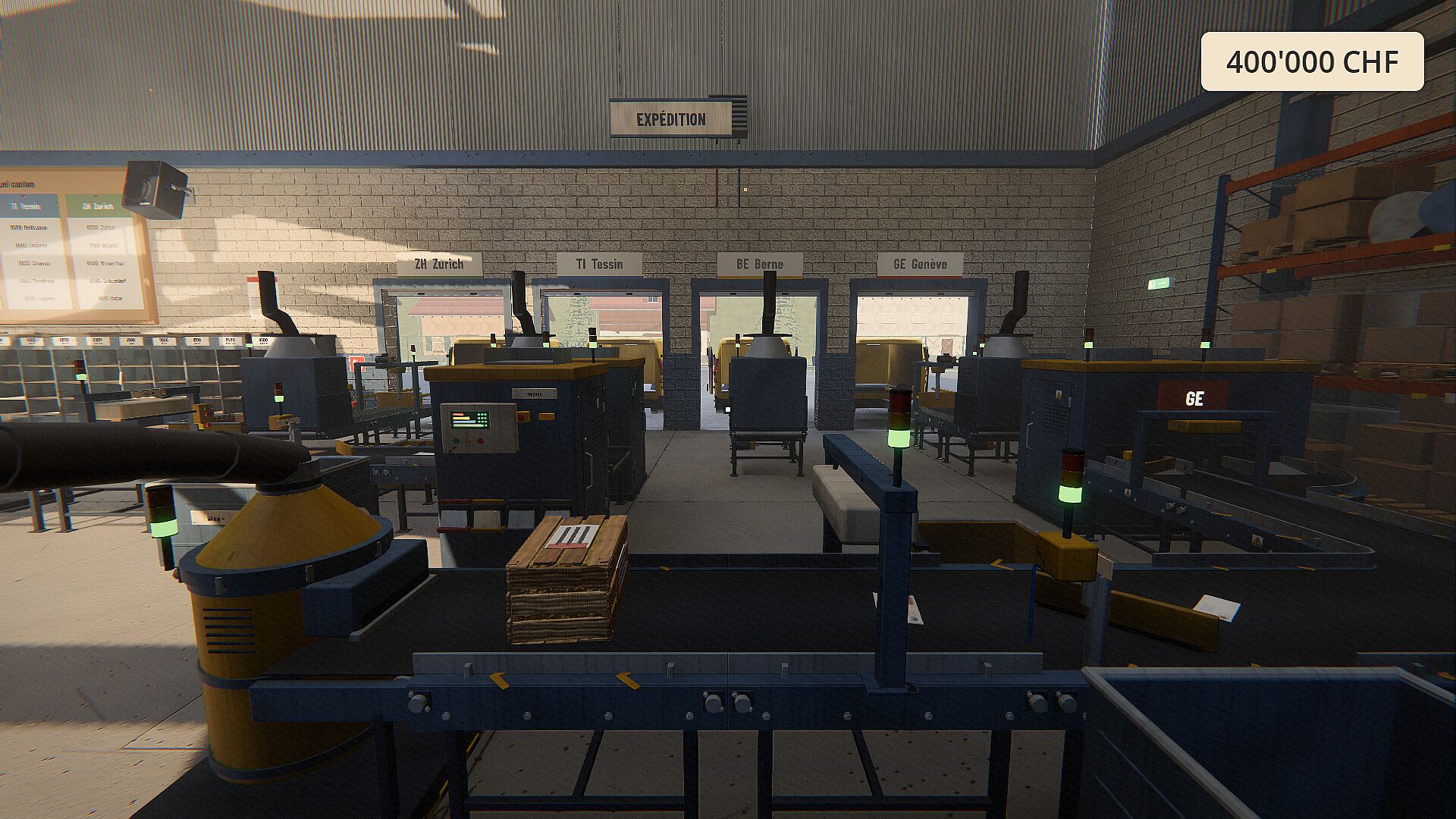
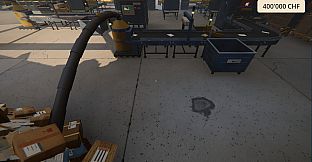
Early sessions rely entirely on manual effort, building familiarity with addresses, weights, and delivery routes. As funds accumulate, players unlock tools that transform the hall into an automated facility. Belts route items around corners, readers identify destinations, and gates direct parcels to the right areas. Full automation eventually handles most tasks, leaving players to oversee or expand the system.
The build tool allows creative placement of vacuums, packers, and loaders to optimize flow from the central pile to the vans. This layer adds depth for those who enjoy optimization, turning repetitive sorting into a satisfying engineering challenge. The absence of a strict end goal means players can refine setups over multiple sessions.
Is It Worth Playing?
Sortman suits players who enjoy deliberate, low-stakes simulation experiences centered on organization and incremental improvement. The co-op option adds a social dimension for groups interested in shared task management, while solo play rewards methodical planning and automation design. With roughly a dozen hours needed to address the initial backlog and no risk of failure, the game appeals to those seeking a calm, productive loop in the indie casual simulation genre. Its focus on tangible progression through equipment and layout changes provides consistent engagement for fans of similar management titles.