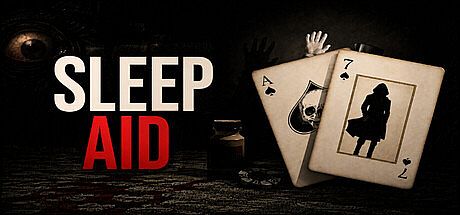



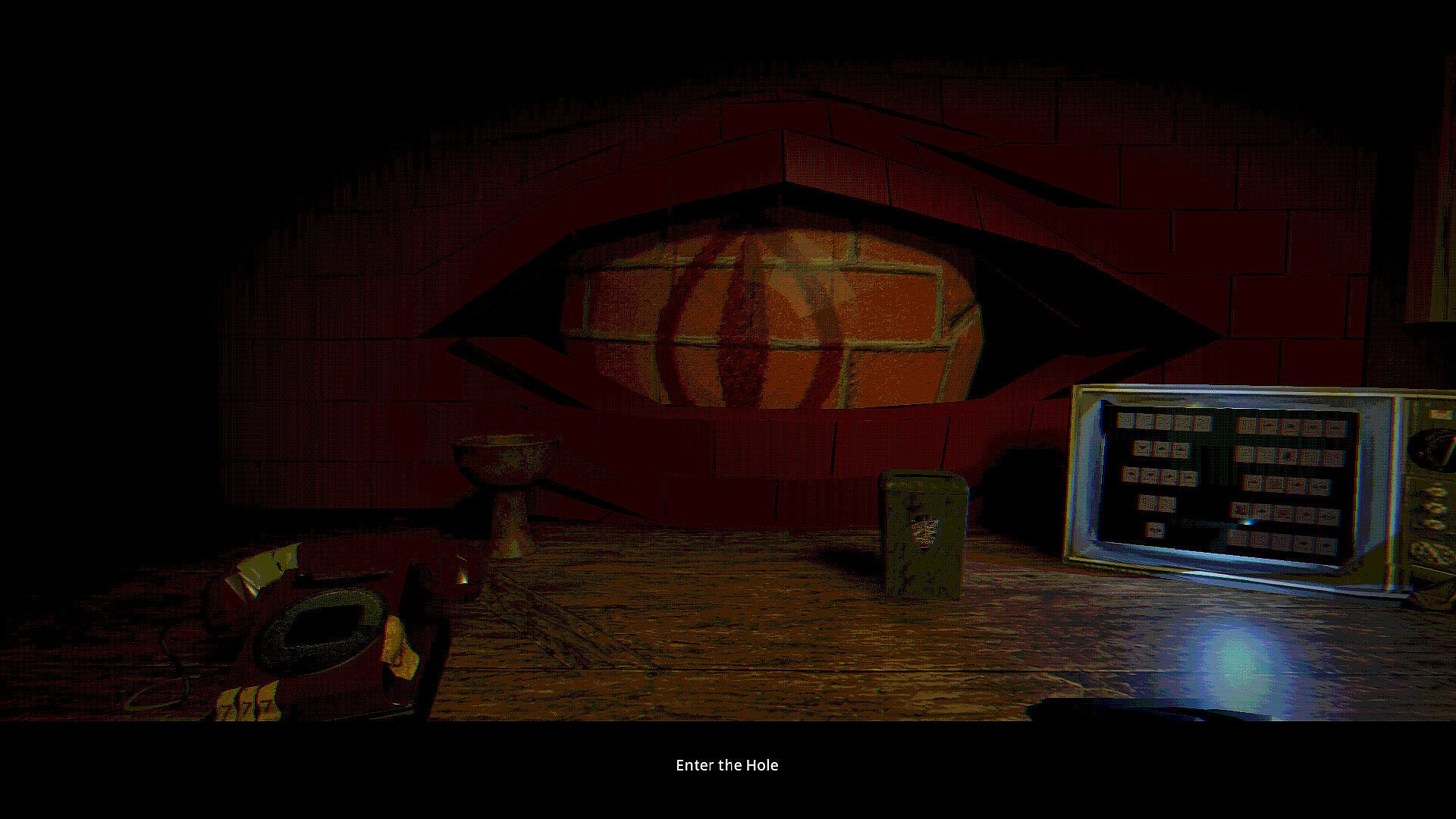
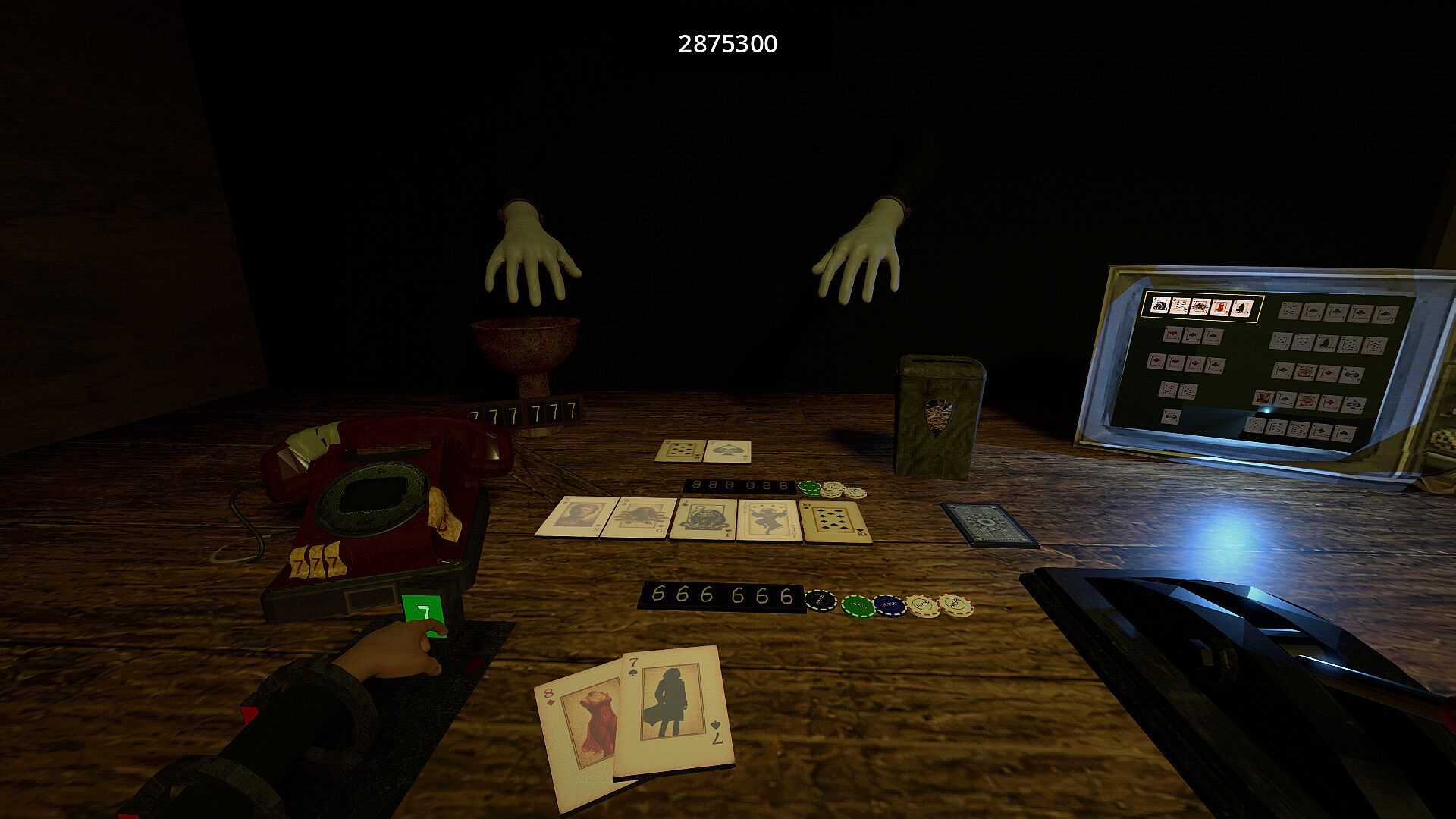
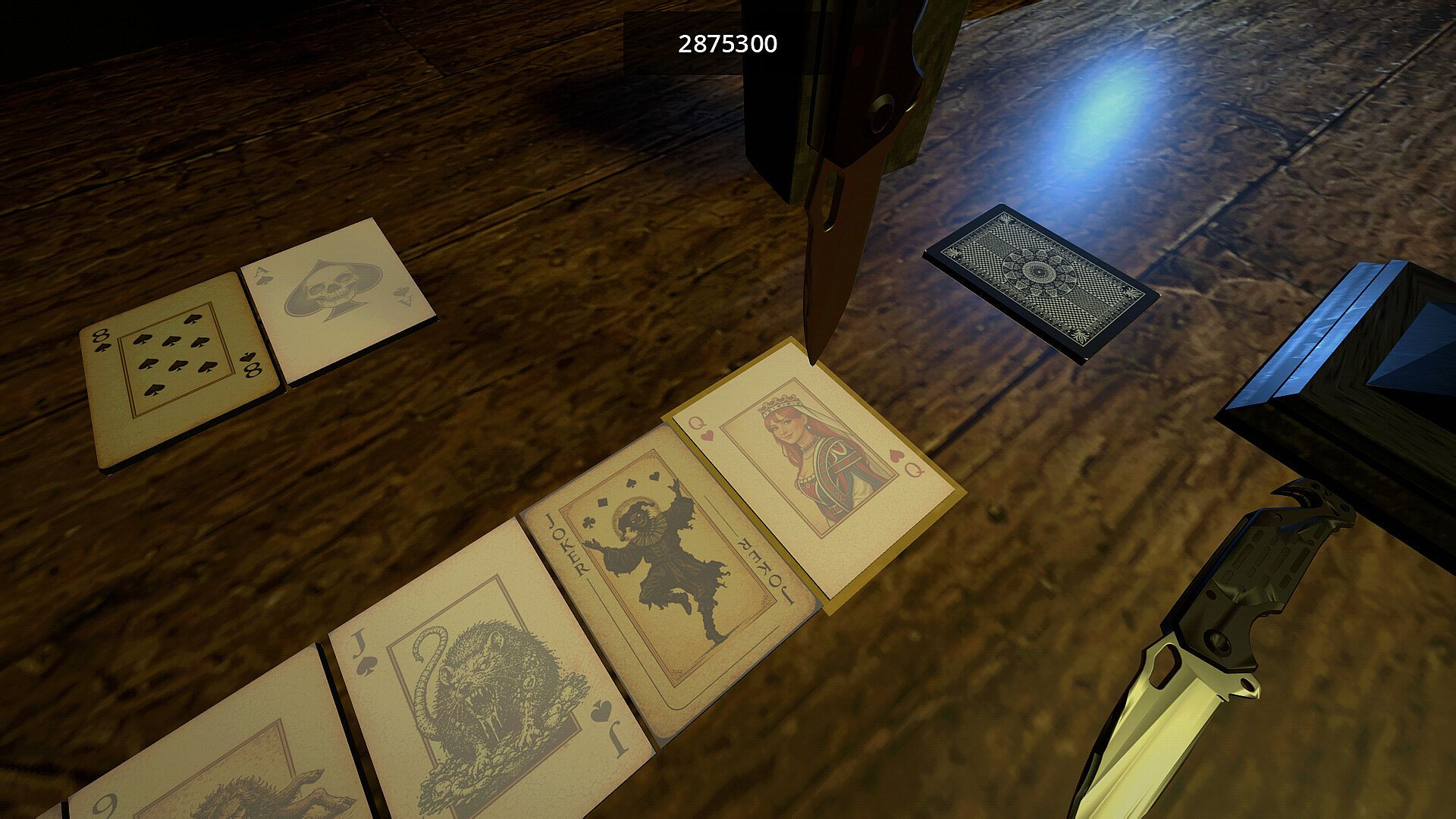
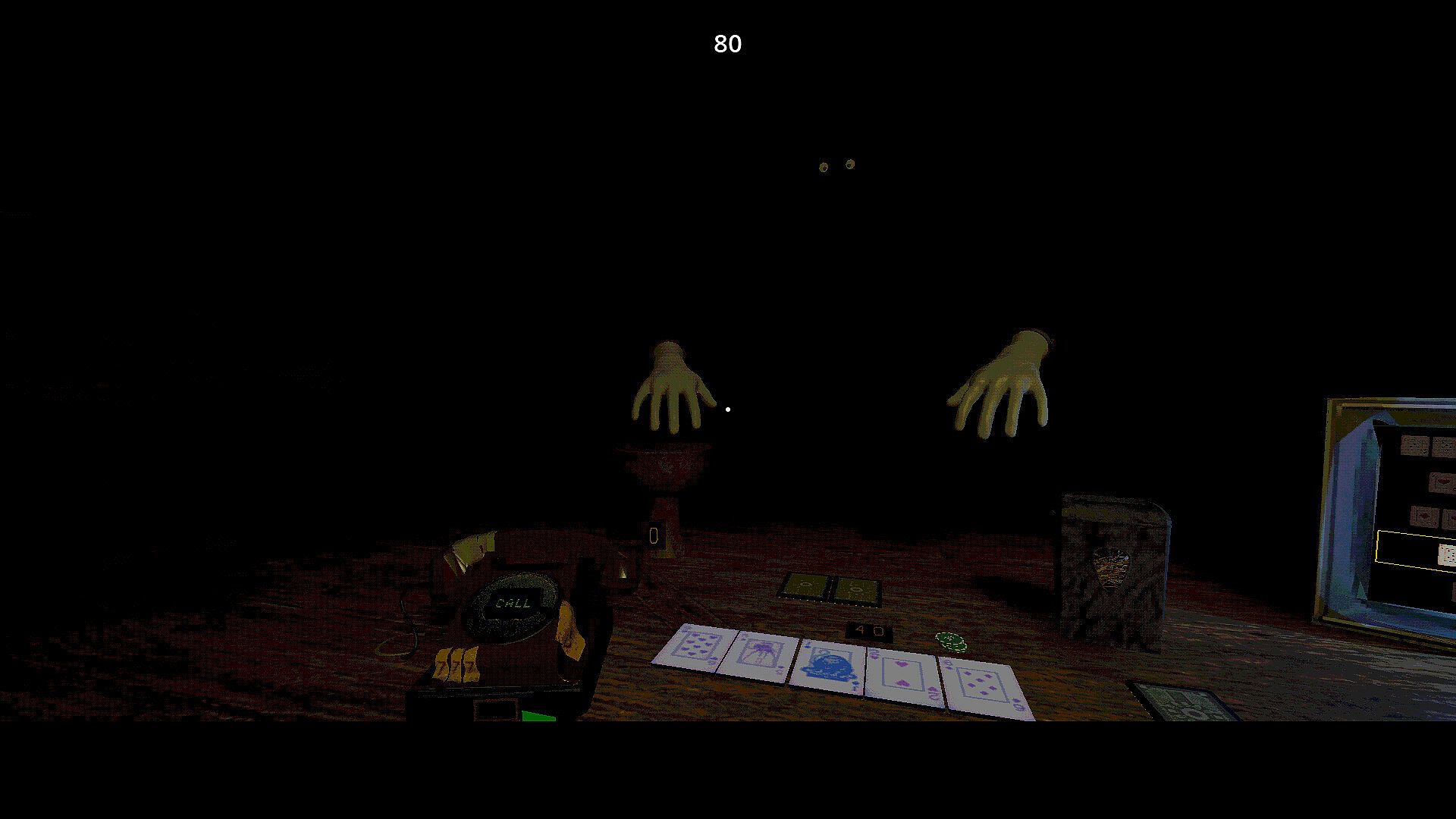
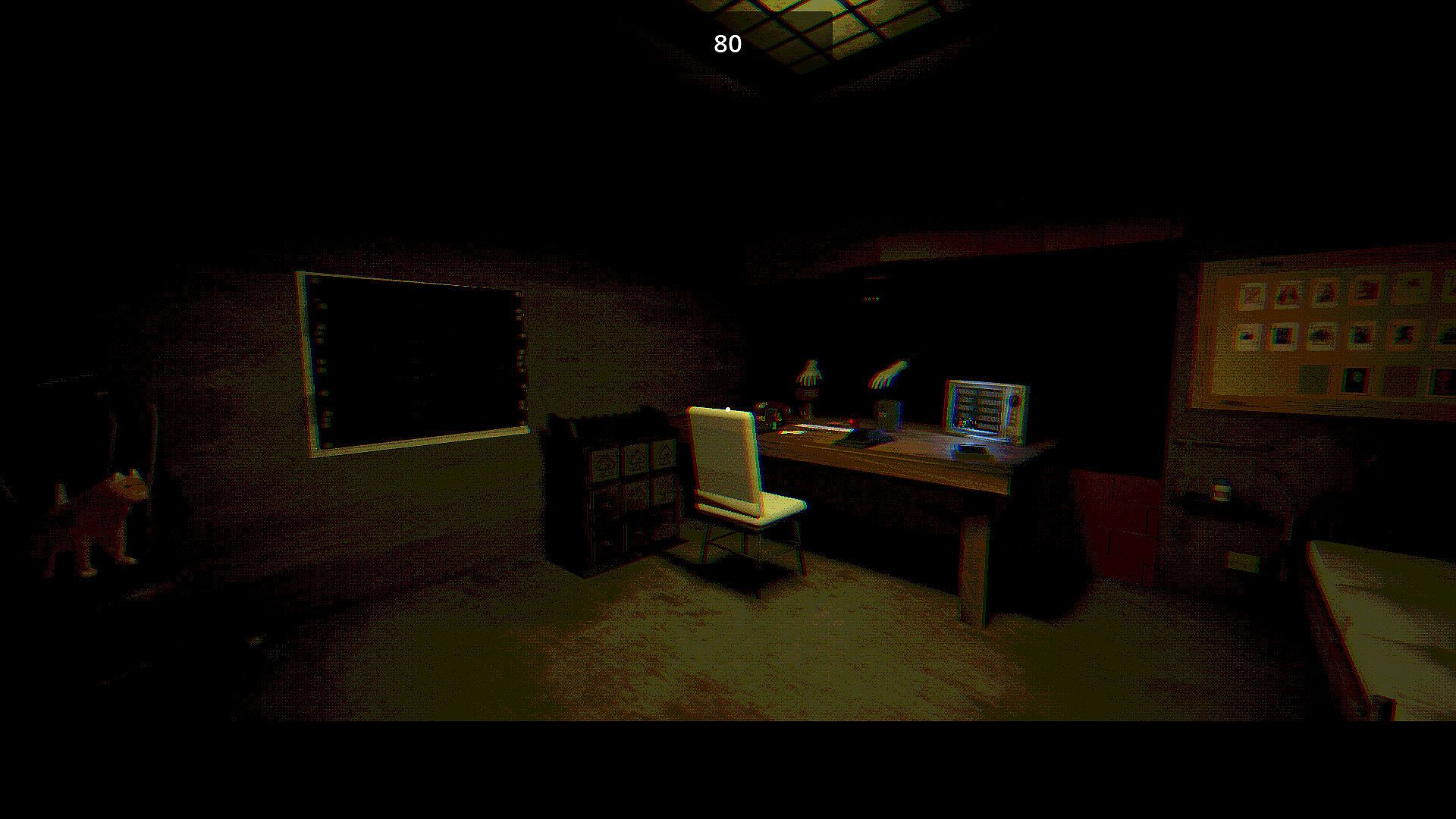
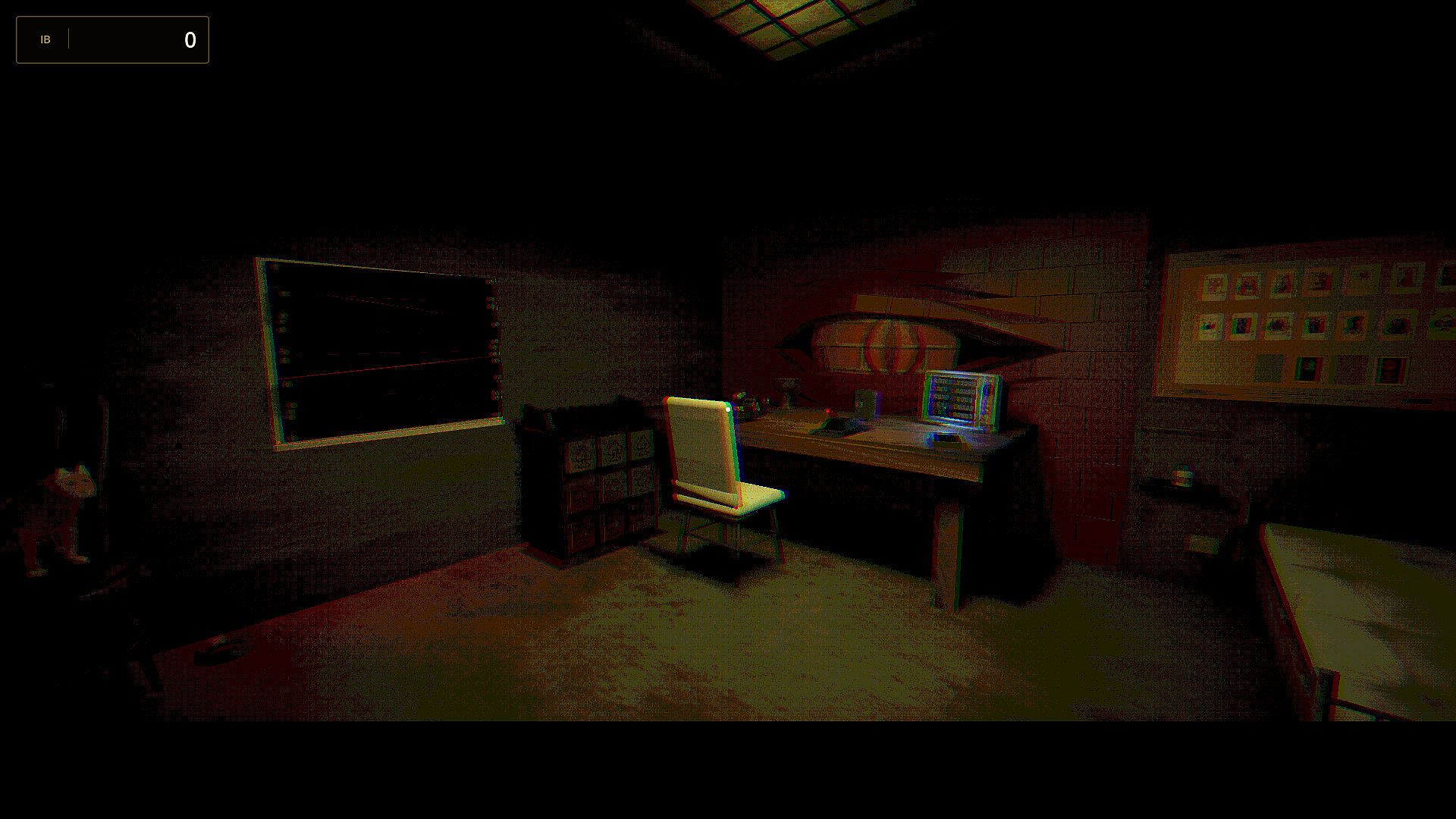
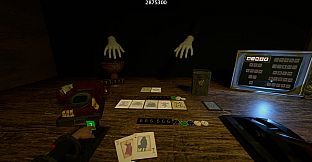
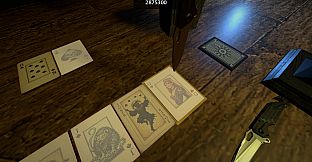
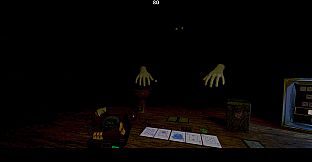
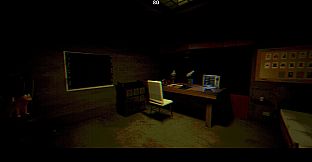
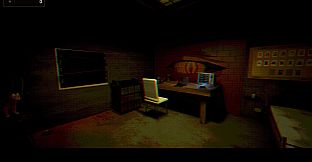
Sleep Aid è un horror psicologico in prima persona con elementi roguelike incentrato su poker, strategia e meccaniche di sopravvivenza. L'esperienza si svolge in un periodo rigorosamente limitato a quattordici giorni e confina il giocatore in una sola stanza, dove deve resistere a un enigmatico Dealer affrontandolo a poker ripetutamente, gestendo al contempo le proprie esigenze e scoprendo dettagli nascosti sulla propria situazione.
Gameplay
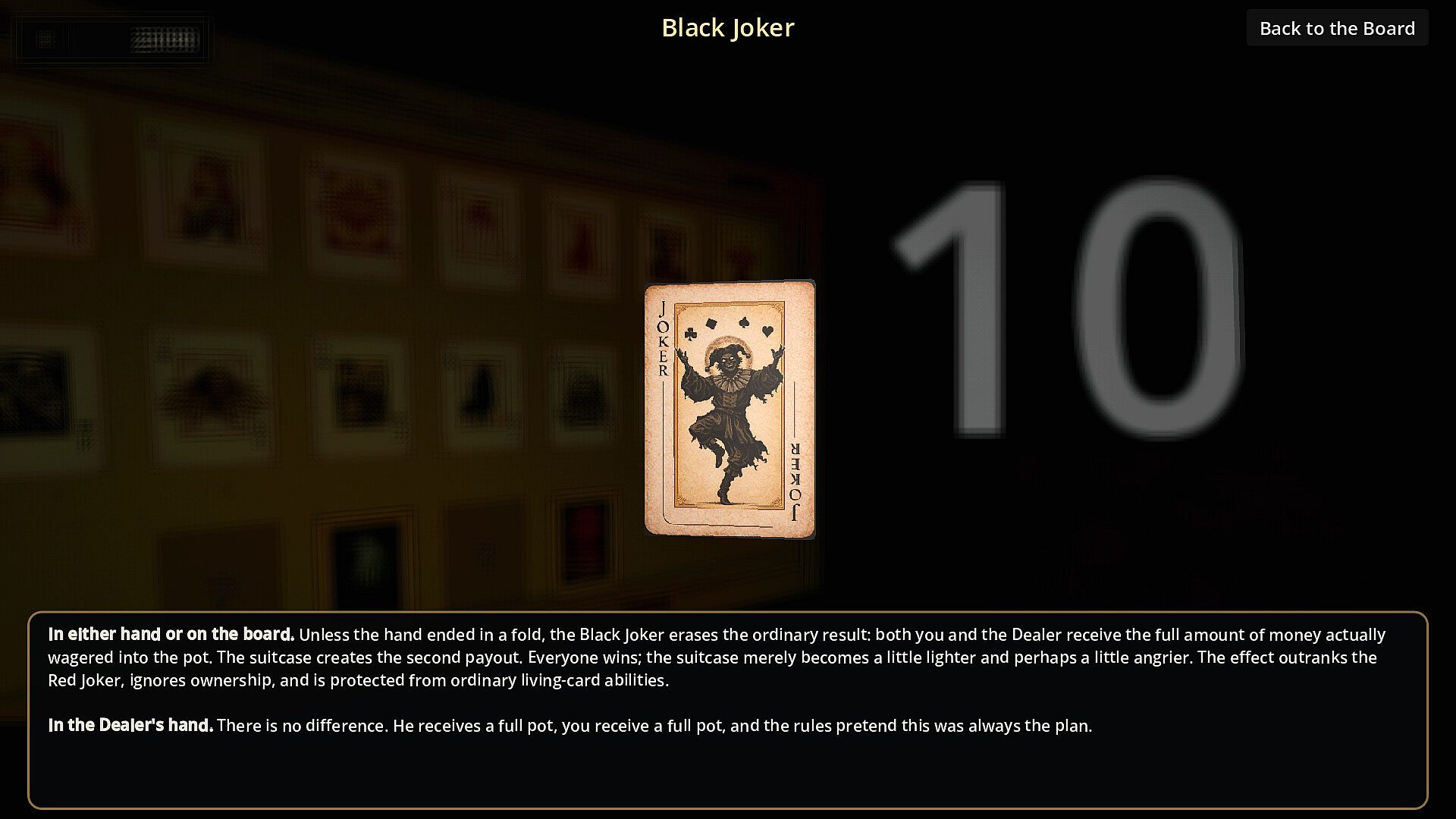
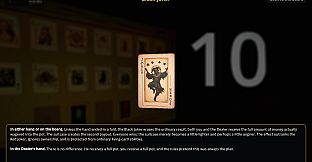
Il ciclo di gioco ruota attorno a partite di poker che seguono le regole classiche ma introducono carte viventi dotate di pensiero e memoria. Il giocatore costruisce strategie tra scelte prudenti o aggressive, sapendo che entrambi gli approcci possono portare allo stesso risultato a seconda delle circostanze. Gli oggetti utilizzabili modificano le probabilità in modi imprevedibili, generando talvolta nuovi problemi oltre alle soluzioni. Le Drawn Cards permanenti si conservano tra un tentativo e l'altro, mentre i Totem fungono da reliquie capaci di cambiare radicalmente il modo di affrontare le partite.
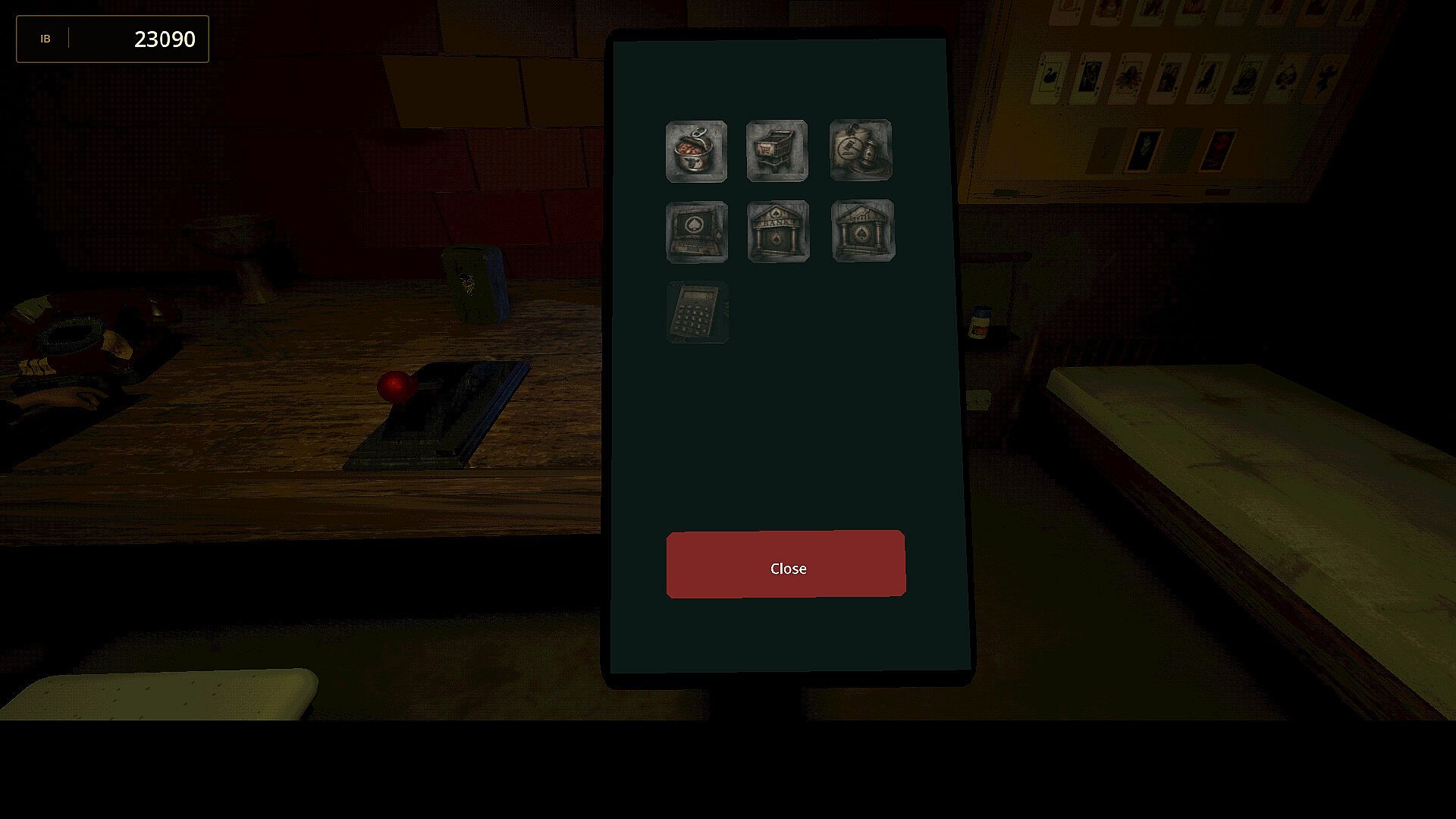
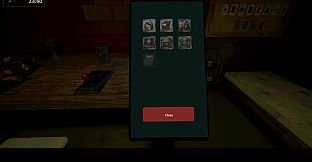
Tra una mano e l'altra l'attenzione si sposta su un'economia vivente in cui i prezzi variano e gli investimenti comportano un reale rischio di perdita. La sopravvivenza richiede di soddisfare bisogni essenziali come mangiare, nutrire un gatto e dormire, con conseguenze dirette in caso di trascuratezza. La stanza contiene indizi e sistemi opzionali che premiano l'osservazione attenta, senza mai evidenziare gli stessi elementi due volte. La sperimentazione rivela strati aggiuntivi oltre alle regole iniziali, spingendo a ripetere le partite per testare combinazioni diverse di decisioni e scoperte.
Game Modes
Il gioco è un'esperienza roguelike single-player senza modalità competitive o cooperative separate. Ogni run si sviluppa all'interno della finestra fissa di quattordici giorni e il successo dipende dal resistere abbastanza a lungo da affrontare il Dealer. La progressione si basa sull'accumulo di risorse, sul perfezionamento delle tattiche di poker e sulla gestione dei sistemi interconnessi di economia e manutenzione quotidiana. Il fallimento conclude il tentativo, ma le Drawn Cards raccolte restano disponibili per le run successive, creando un ciclo incentrato sull'adattamento piuttosto che su un avanzamento lineare.
Key Mechanics and Systems
Il poker è l'attività centrale, ma l'aggiunta di carte pensanti, oggetti fragili e Totem trasforma ogni mano in un rompicapo strategico. L'economia funziona in modo dinamico, con opportunità che appaiono e scompaiono in base al tempismo e alle scelte precedenti. Le esigenze quotidiane, come la gestione della fame e la cura del gatto, introducono una pressione temporale che compete con le prestazioni al poker. I segreti sparsi nell'ambiente forniscono contesto alla narrazione senza indicazioni esplicite, premiando chi esplora con cura in più tentativi.
Tutti gli elementi si integrano in una struttura roguelike che enfatizza gli sblocchi permanenti e la necessità di padroneggiare condizioni variabili. Non sono presenti transazioni con denaro reale, mantenendo l'attenzione esclusivamente sulle poste in gioco interne al gioco.
Is It Worth Playing?
Sleep Aid si rivolge a chi apprezza l'horror psicologico unito alla ripetizione roguelike e alla gestione delle risorse. Il poker riceve sostanziali variazioni grazie alle meccaniche viventi e agli strati di sopravvivenza, generando esiti diversi in base allo stile di gioco individuale piuttosto che a un unico percorso ottimale. Poiché il titolo non è ancora uscito e non sono disponibili recensioni, il suo appeal si basa sui sistemi descritti di strategia, economia e manutenzione quotidiana all'interno di uno spazio ristretto ricco di indizi. Chi è attratto da decisioni tese sotto pressione e dalla soddisfazione di scoprire interazioni nascoste potrebbe trovare la struttura a quattordici giorni interessante una volta che il gioco sarà disponibile.