


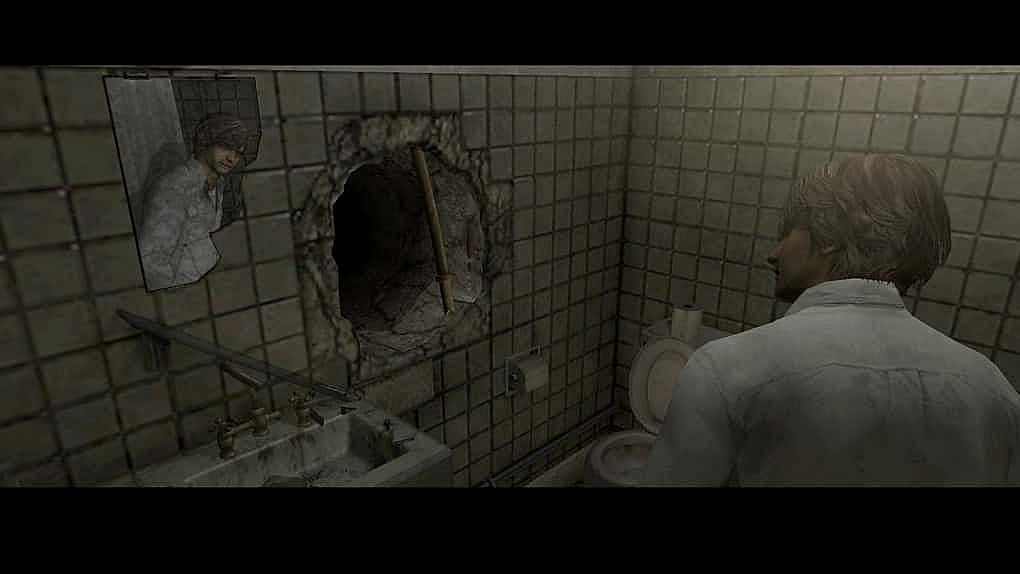
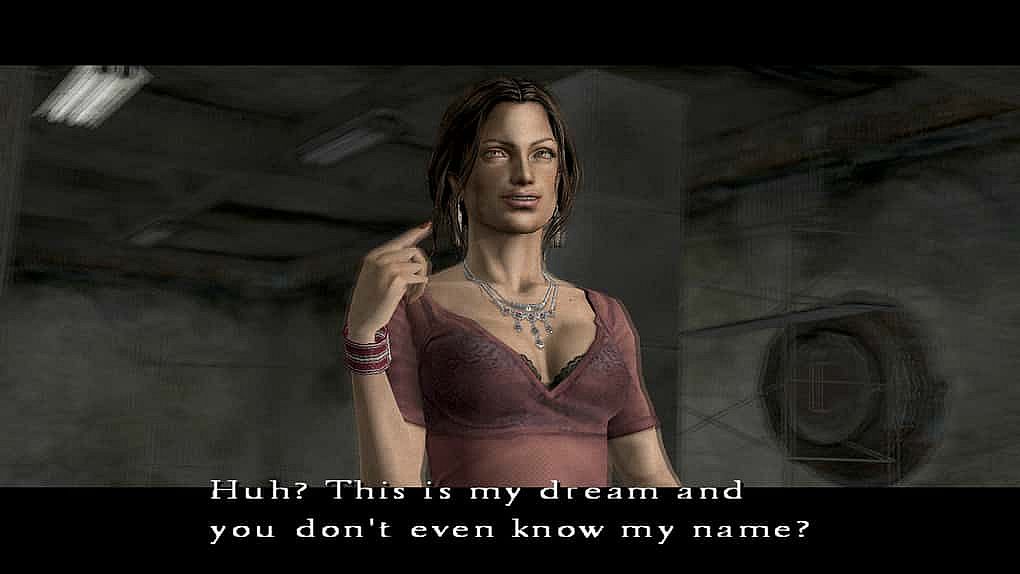
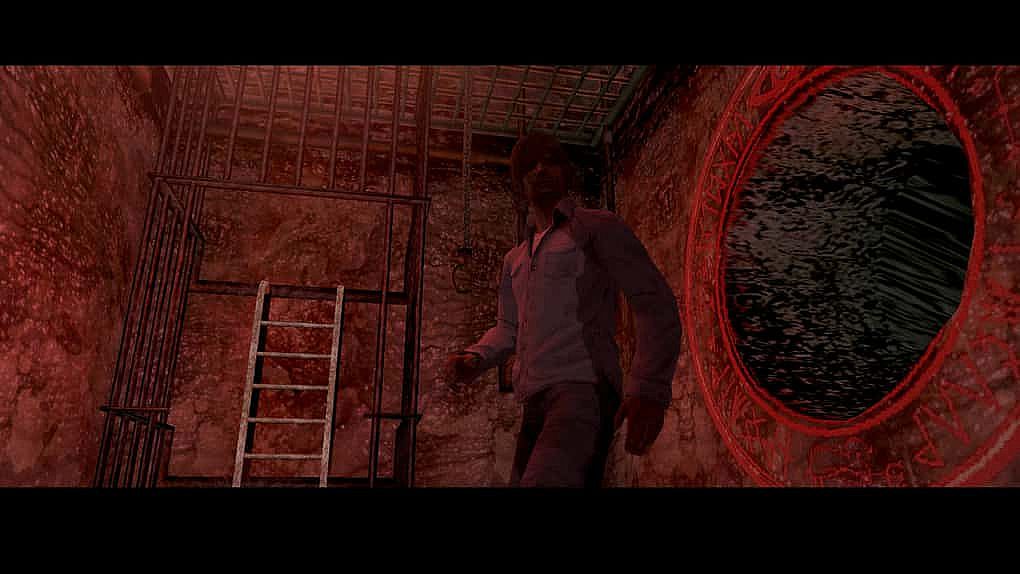
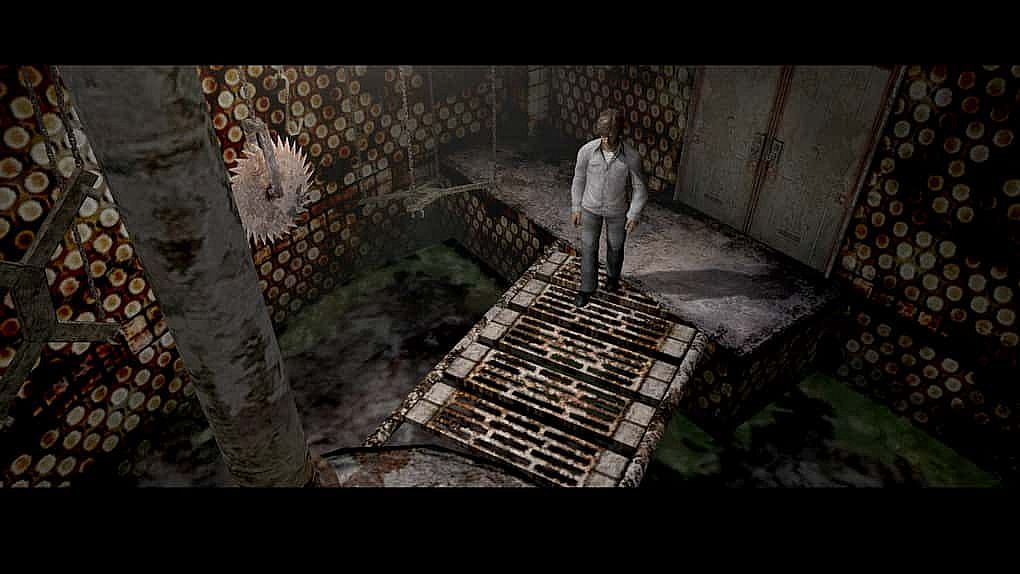
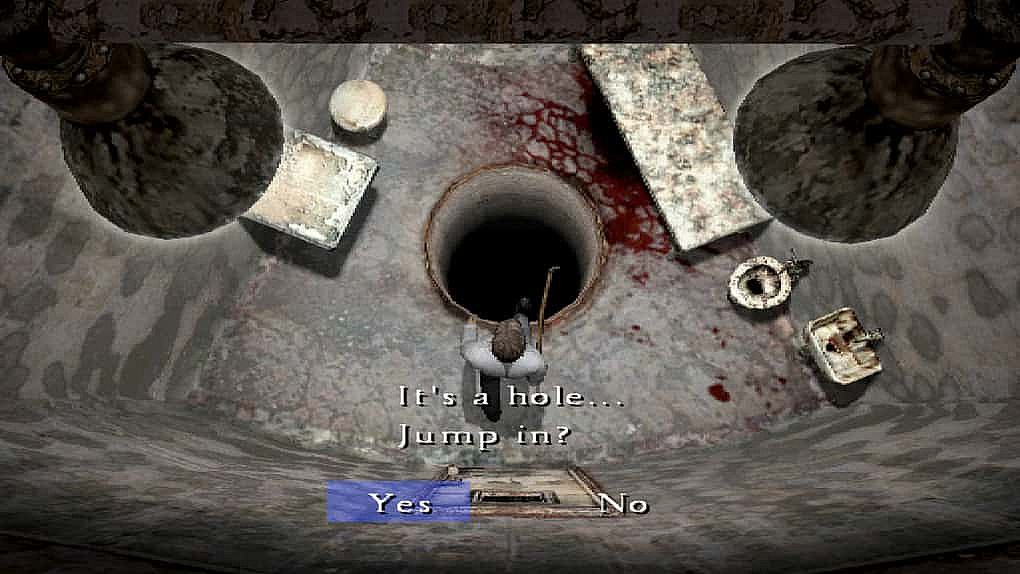
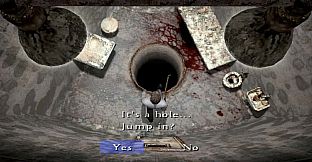
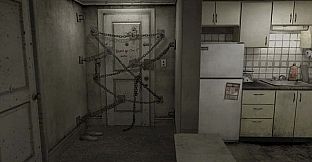
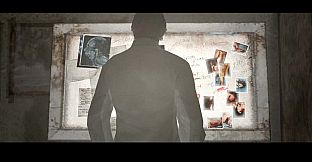
Silent Hill 4: The Room is a single-player survival horror action adventure game that places players in the role of Henry Townshend, a man confined to his apartment with no clear way out except through strange portals. The story unfolds as Henry navigates between his familiar living space and disturbing alternate realities filled with grotesque creatures and unsettling revelations. This entry emphasizes psychological tension through its central hub mechanic and a shift toward more direct combat encounters compared to earlier titles in the series.
Gameplay
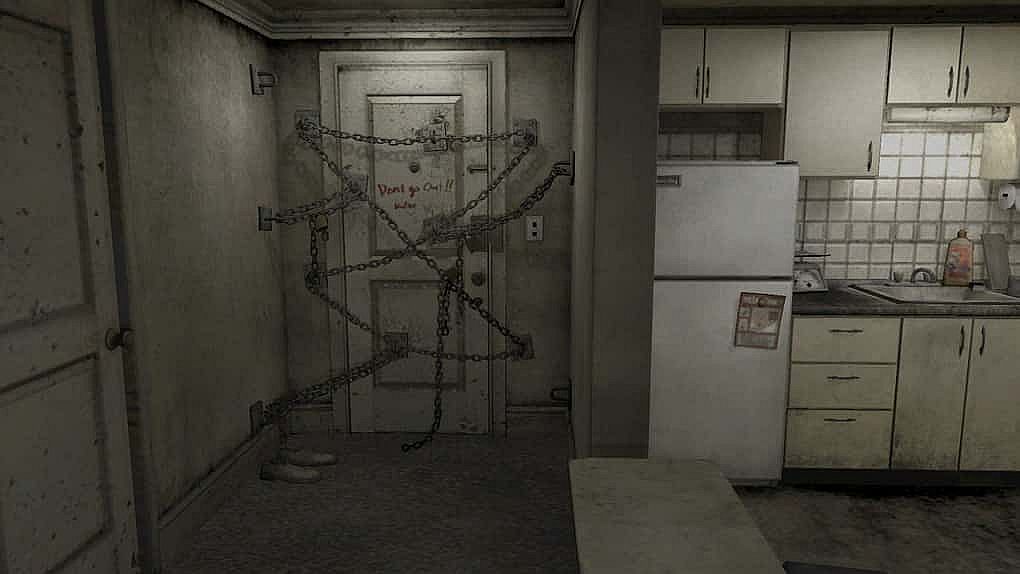
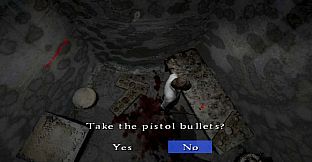
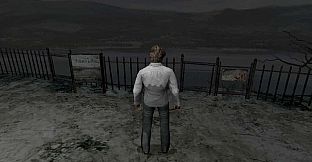
The core loop revolves around exploration, limited resource management, and survival against threats that range from physical monsters to intangible spirits. Henry moves through third-person sections in various nightmarish locations while returning frequently to his apartment, which serves as the only save point and inventory hub. Inside the apartment the view switches to first person, allowing close inspection of objects and management of a restricted inventory that does not allow stacking of similar items. Excess belongings must be stored in a chest, forcing careful decisions about what to carry into dangerous areas.
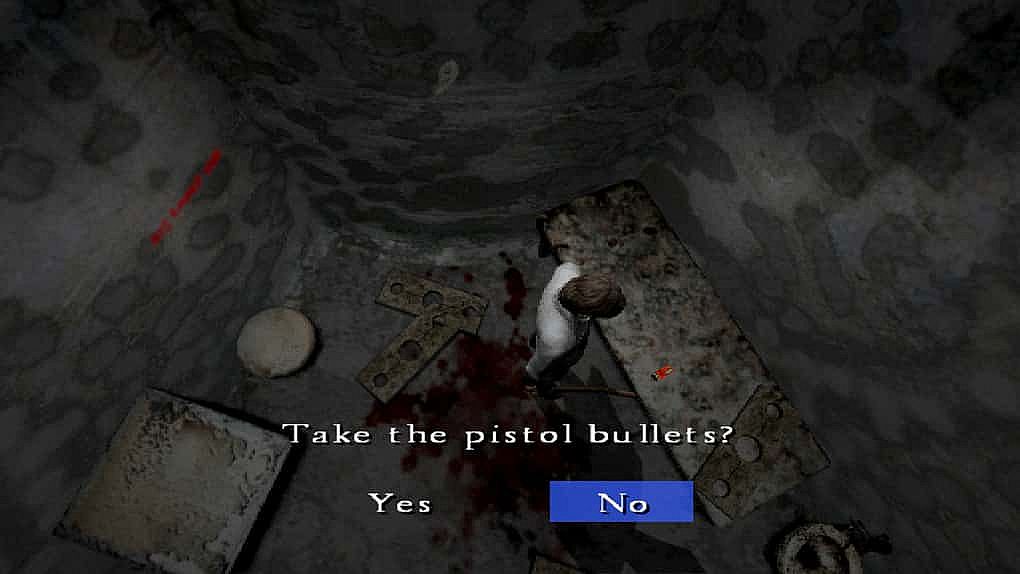
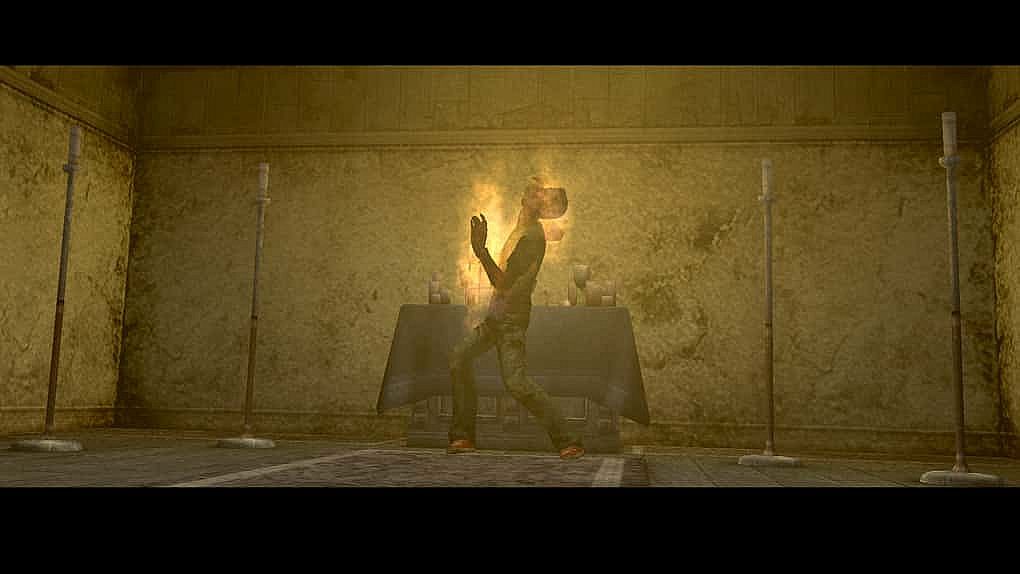
Combat focuses on melee weapons that can break after repeated use, supplemented by just two firearms. Players can charge attacks for greater impact, and a stamina gauge limits how aggressively Henry can fight. New threats include ghosts that cannot be destroyed by conventional means and instead inflict damage through an aura effect. These entities require specific protective or exorcism items to counter effectively. In the later stages an escort companion joins Henry, adding layers to both combat and navigation as her safety becomes a factor.
Health behaves differently across the game's two halves. Early on the apartment restores vitality between excursions, but later it becomes a source of draining hauntings that must be addressed with consumables. Puzzles lean toward straightforward item collection and use rather than complex riddles, with difficulty settings affecting enemy density, resource scarcity, and the clarity of clues.
Game Modes
The game offers three difficulty levels that scale enemy behavior, damage output, and the detail level of puzzle hints while keeping the core structure intact. There are no separate settings for combat and puzzles. Perspective switching between first-person apartment navigation and third-person exploration forms a fundamental part of progression rather than a selectable mode. Players return to the apartment repeatedly to save, restock, and prepare for the next portal-linked area, creating a consistent rhythm of hub-based preparation followed by linear but atmospheric traversal through alternate worlds.
Story and Atmosphere
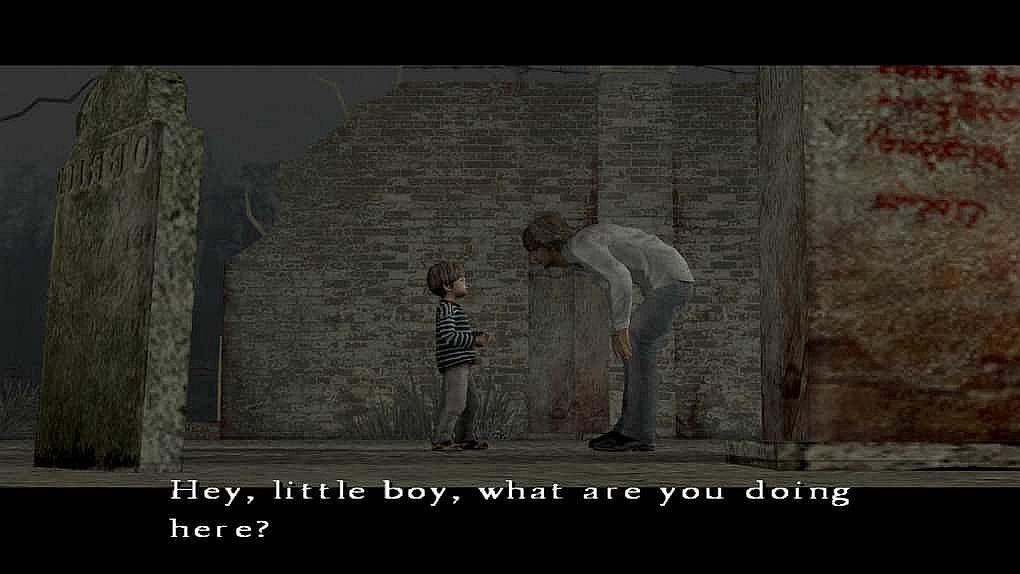
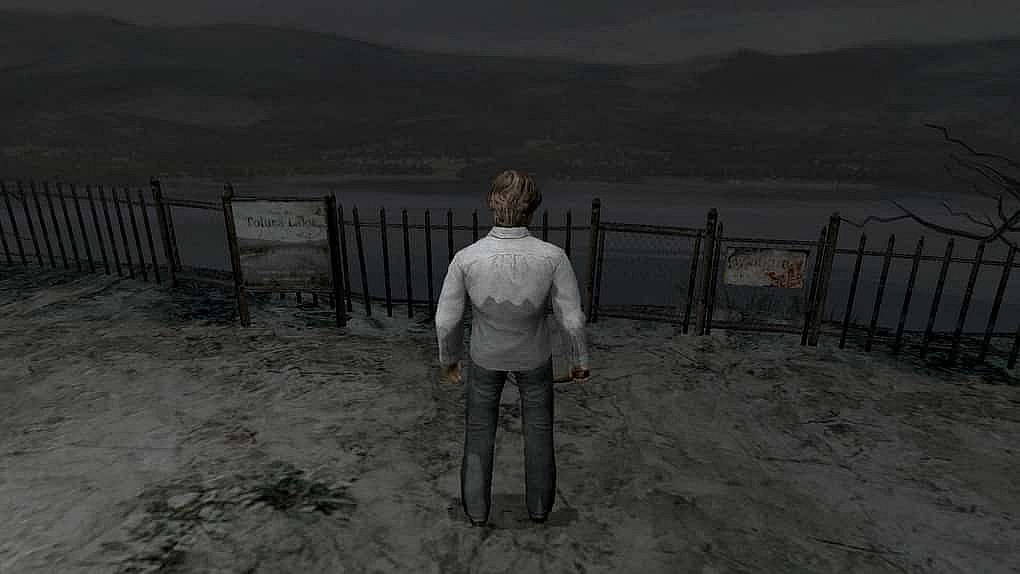
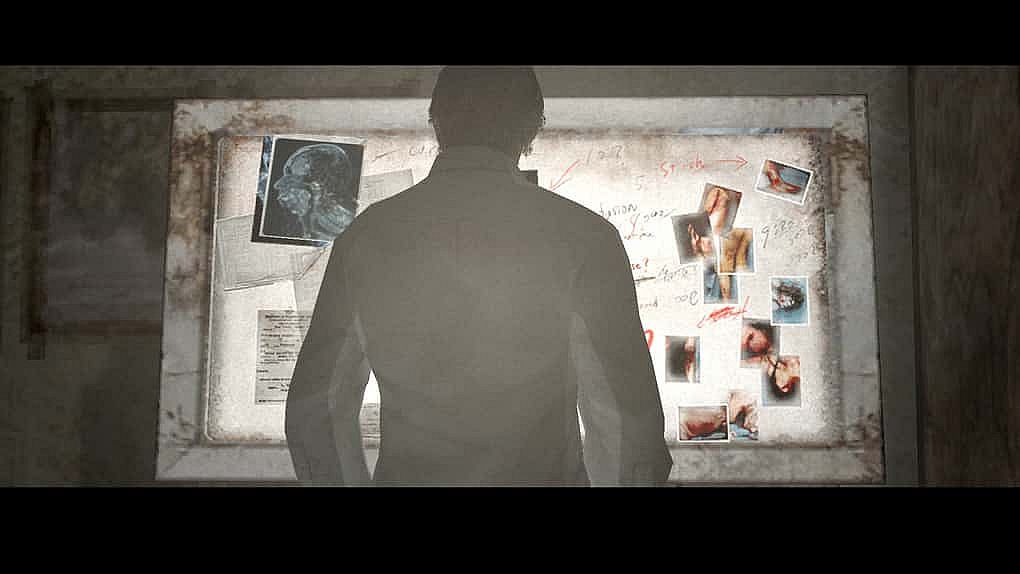
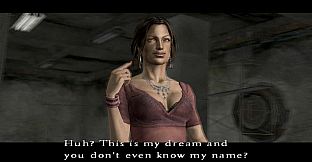
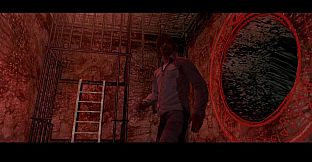
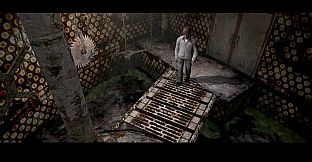
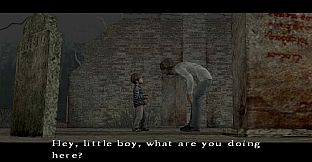
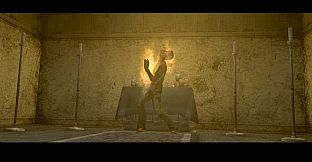
The narrative centers on Henry uncovering the reasons behind his confinement and the connections between his apartment and the horrifying realms beyond the portals. Plot developments introduce unexpected turns through environmental storytelling, notes, and encounters with other characters. Locations such as a decaying forest and a grim prison contribute to a sense of dread that builds across repeated visits to altered versions of spaces. Sound design and visual cues heighten the unease, particularly as the apartment itself transforms from a safe haven into a threatening environment in the second half.
Is It Worth Playing?
Reception highlights the game's distinctive hub system, atmospheric environments, and integration of first- and third-person perspectives as standout features that set it apart within survival horror. Critics and players note strong tension from inventory limits, breakable weapons, and the persistent threat of unkillable ghosts. Some point to pacing issues in later sections and the demands of escort mechanics as drawbacks that can frustrate certain players. The experience suits those who appreciate deliberate exploration, resource scarcity, and psychological horror over fast-paced action or intricate puzzle solving. Availability on PC makes it accessible for modern hardware, and the title remains a notable experiment in the series for fans seeking something different from standard survival horror conventions.