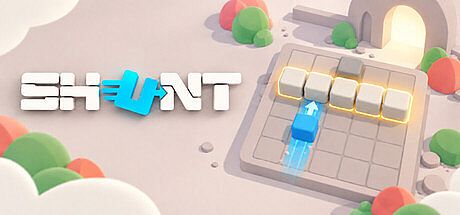


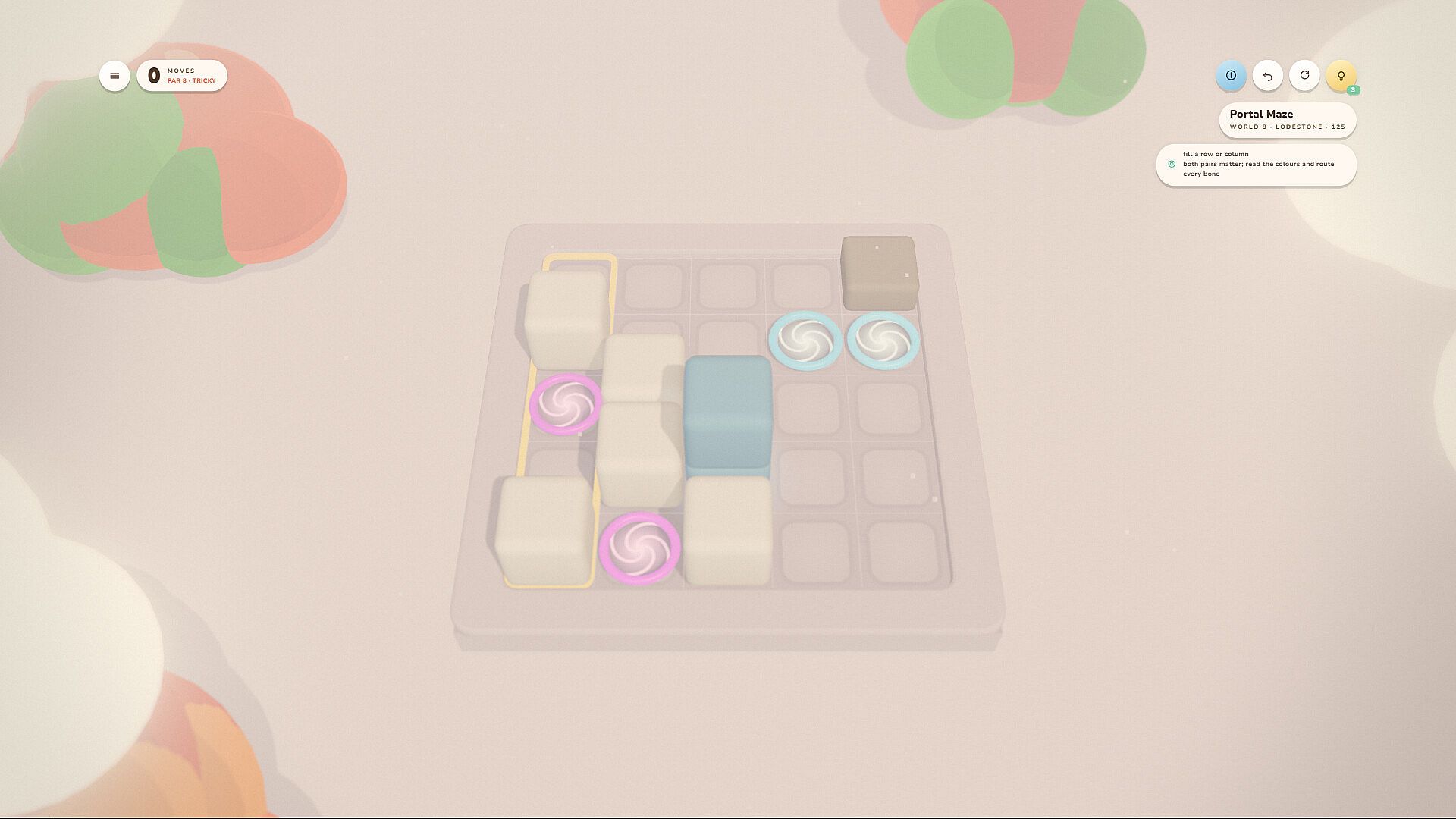
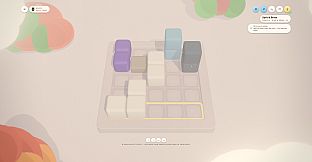
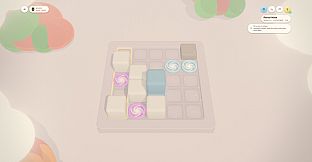
Shunt is a strategy indie casual puzzle game for PC that centers on a single core action: pressing a direction to slide your piece until it collides with something, pushing everything in its path as far as it can travel. Move and push form one inseparable verb, turning positioning and board arrangement into the same decision at every step.
Gameplay
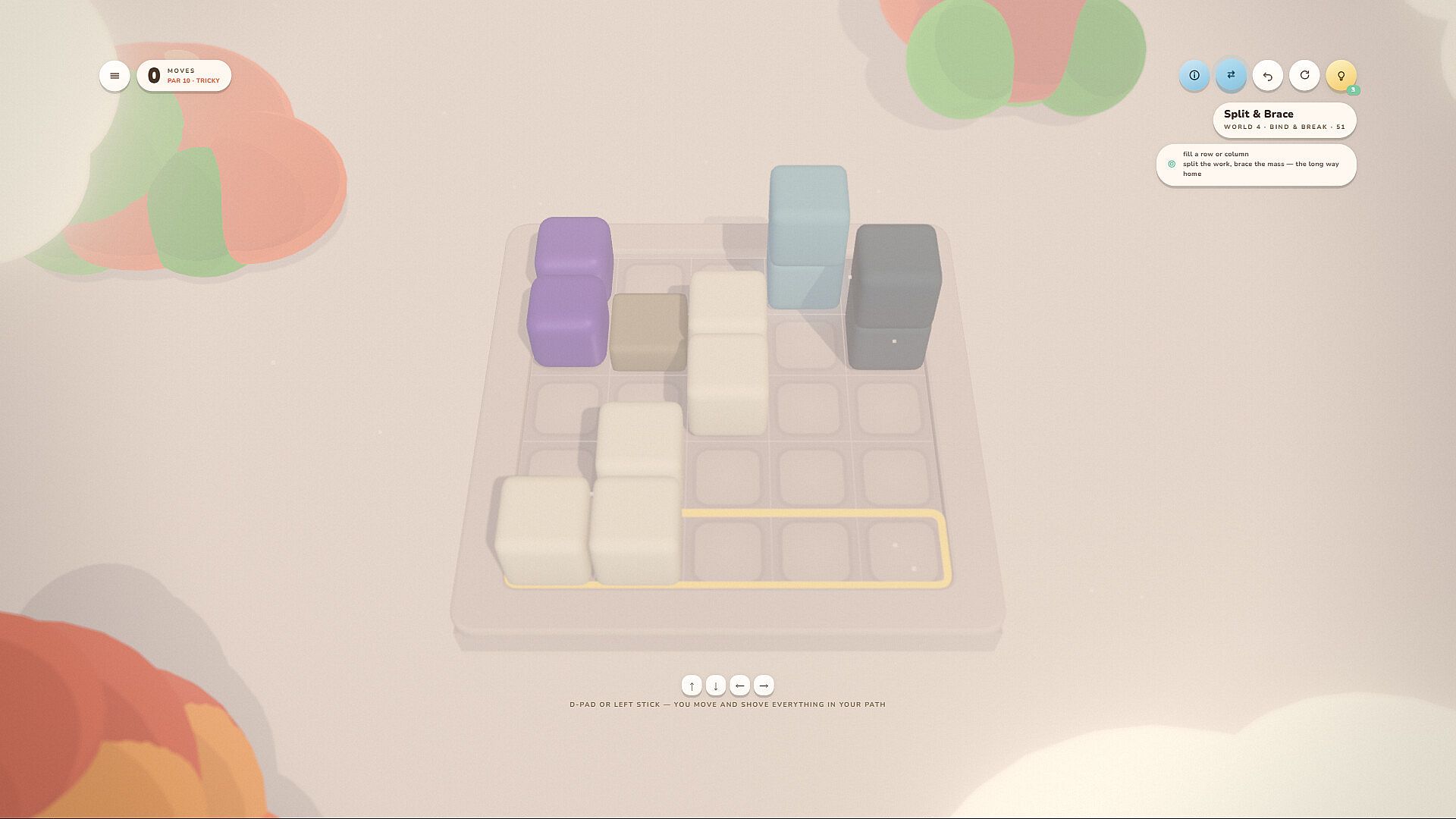
The central loop revolves around sliding and shoving blocks across increasingly complex boards. Each action advances the turn only when the player chooses to act, removing any sense of rush. Boards feature elements that react differently to the same push, such as glass blocks that shatter on impact or ice surfaces that extend slides. Portals allow lines to fold across the layout, while pits accept dropped junk to raise new floor sections for future moves. The final stages introduce recursive elements where a box holds an entire board inside it, requiring the same fundamental push to resolve both small and nested challenges.
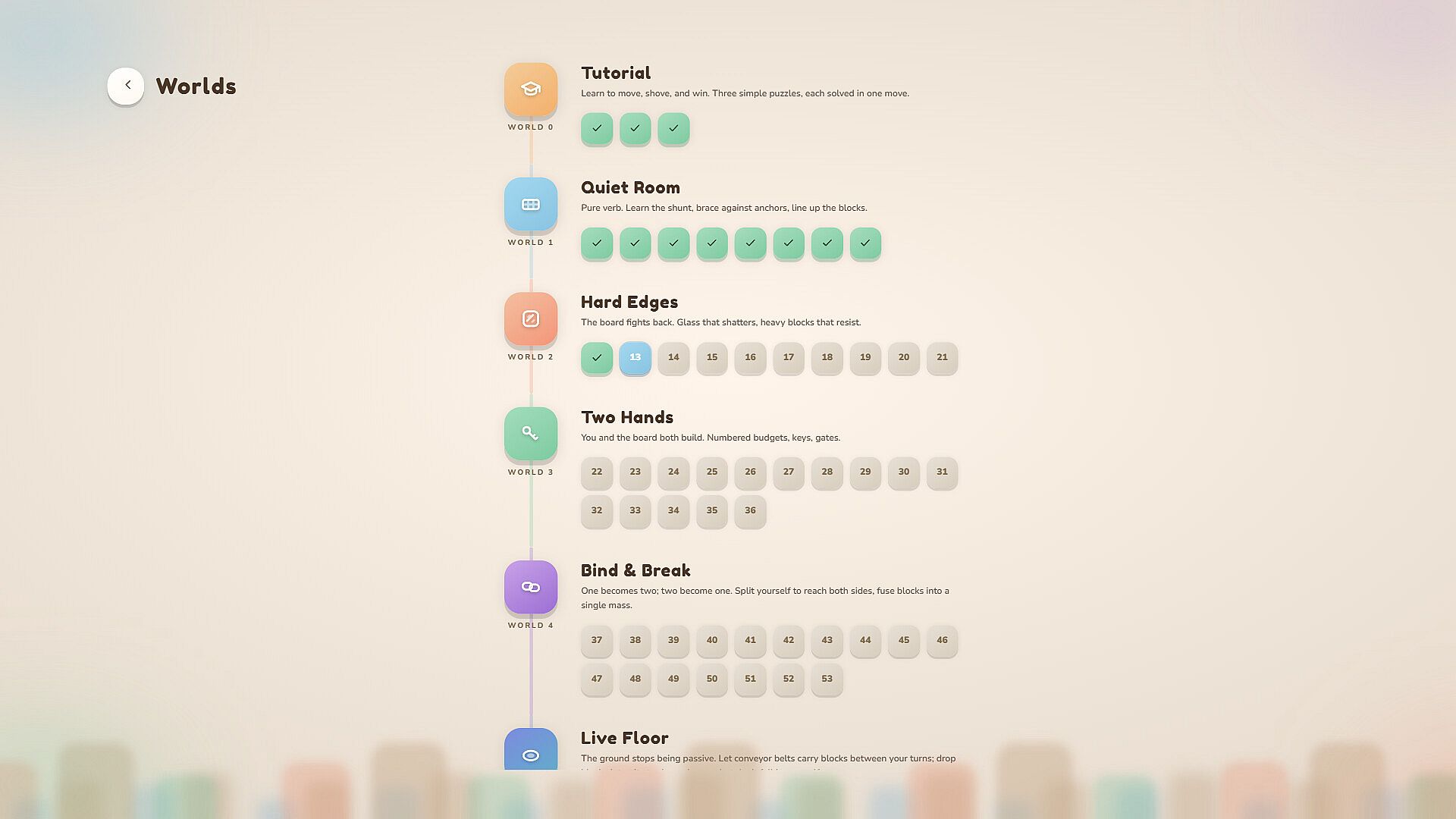
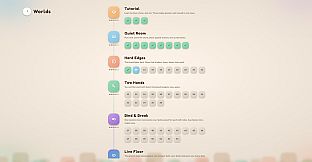
Progression spans fifteen worlds, each with its own visual palette and evolving musical layer. Over three hundred handcrafted puzzles guide players through these shifts without introducing new controls. Colorblind palettes, full key remapping, and controller support ensure accessibility, while unlimited undo and instant rewind encourage free experimentation. Tension builds from the consequences of each placement rather than external pressure, and getting stuck signals a need to reread the current layout.
Game Modes
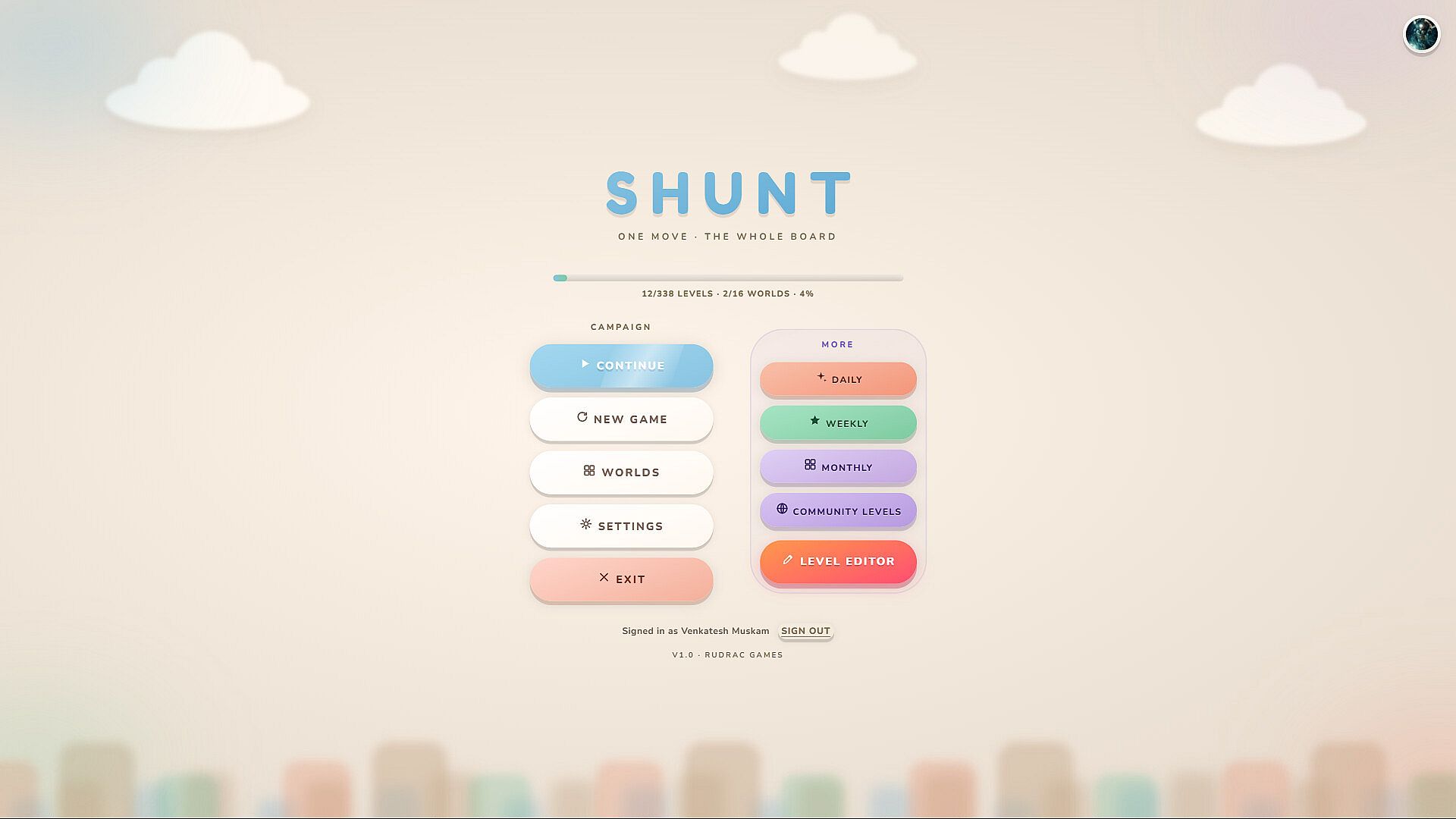
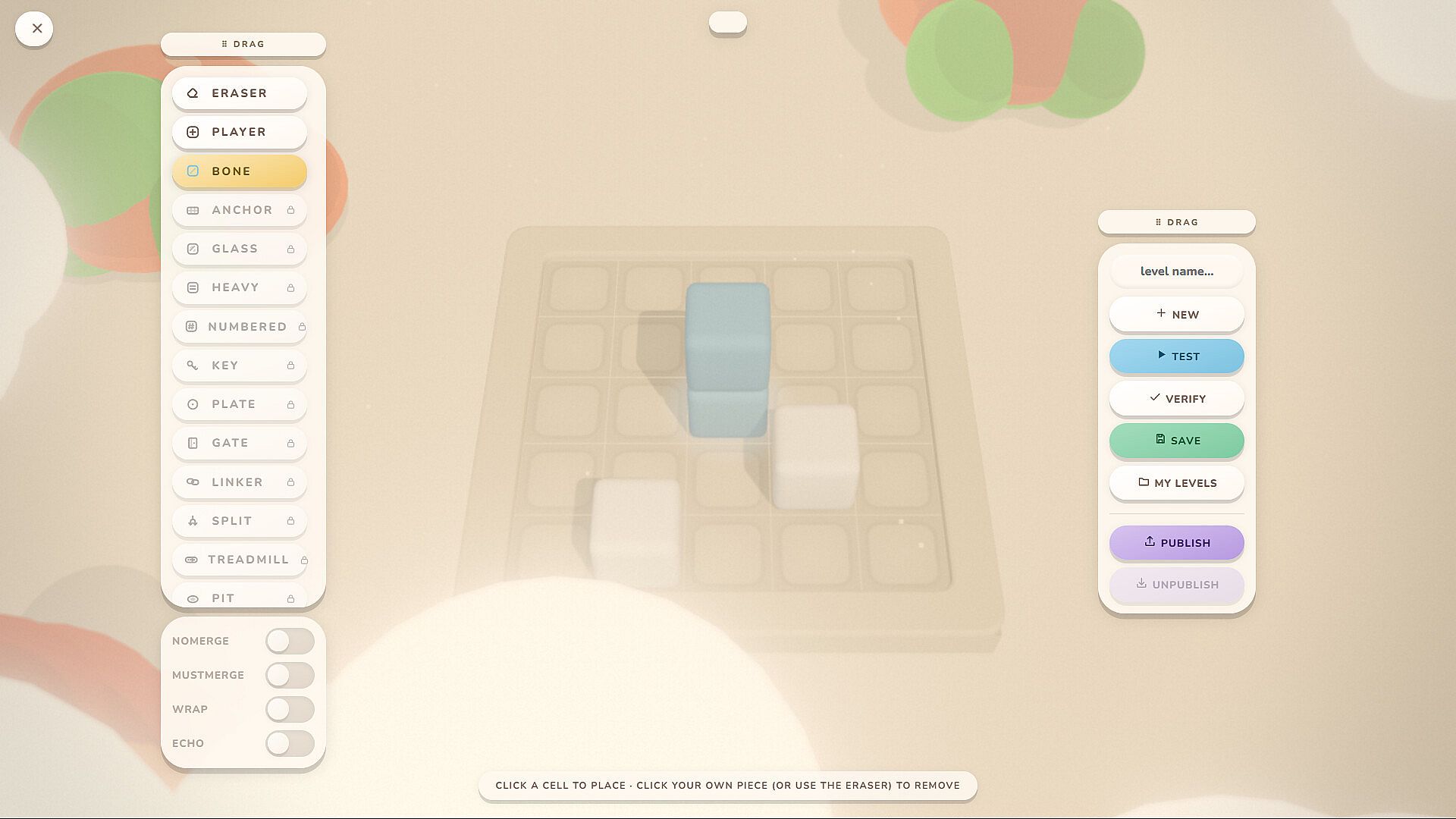
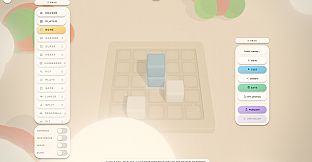
Core play consists of the handcrafted campaign puzzles that introduce new consequences for the push mechanic across the worlds. Community features expand options through a level editor that includes every tile and block type, complete with a one-click solver check to flag unsolvable designs. Steam Workshop integration allows publishing, subscribing, rating, and curating player-created levels. A daily puzzle mode presents one fresh challenge each day alongside a global leaderboard tracking move counts.
These elements keep the single verb fresh without adding buttons or separate control schemes. The editor and workshop turn the game into an ongoing platform for new layouts, while the daily option provides a consistent, bite-sized engagement point separate from the main set of puzzles.
Core Mechanics and Progression
Every puzzle reinforces that the initial move solving the first room remains the same action needed for later recursive challenges. Blocks interact through physics-like rules that stay consistent yet produce fresh outcomes as new elements appear. Ice extends movement, portals redirect paths, and pits become building tools once filled. This design keeps the experience focused on spatial reasoning and consequence rather than memorization or speed.
Worlds build gradually, transforming the meaning of a single push without ever changing the input method. Players advance at their own pace, often spending extended time on a single board to explore possibilities. The absence of timers or failure states beyond misreading the layout supports deliberate, thoughtful play sessions.
Is It Worth Playing?
Shunt suits players who enjoy deliberate strategy puzzles where one mechanic generates variety through context rather than added complexity. The unlimited undo system and lack of time limits remove common sources of frustration, making it approachable for those who like to experiment and backtrack. Community tools add longevity beyond the initial three hundred puzzles, with daily challenges providing ongoing variety and leaderboards for comparison.
Those seeking fast action or multiplayer competition will find little here, as the game stays strictly single-player and turn-based. For fans of indie puzzle experiences that reward careful observation and creative problem solving, the consistent rules and evolving consequences deliver a focused, satisfying loop that continues through player-created content. The emphasis on consequence over speed creates a calm yet engaging atmosphere ideal for extended sessions without external pressure.