






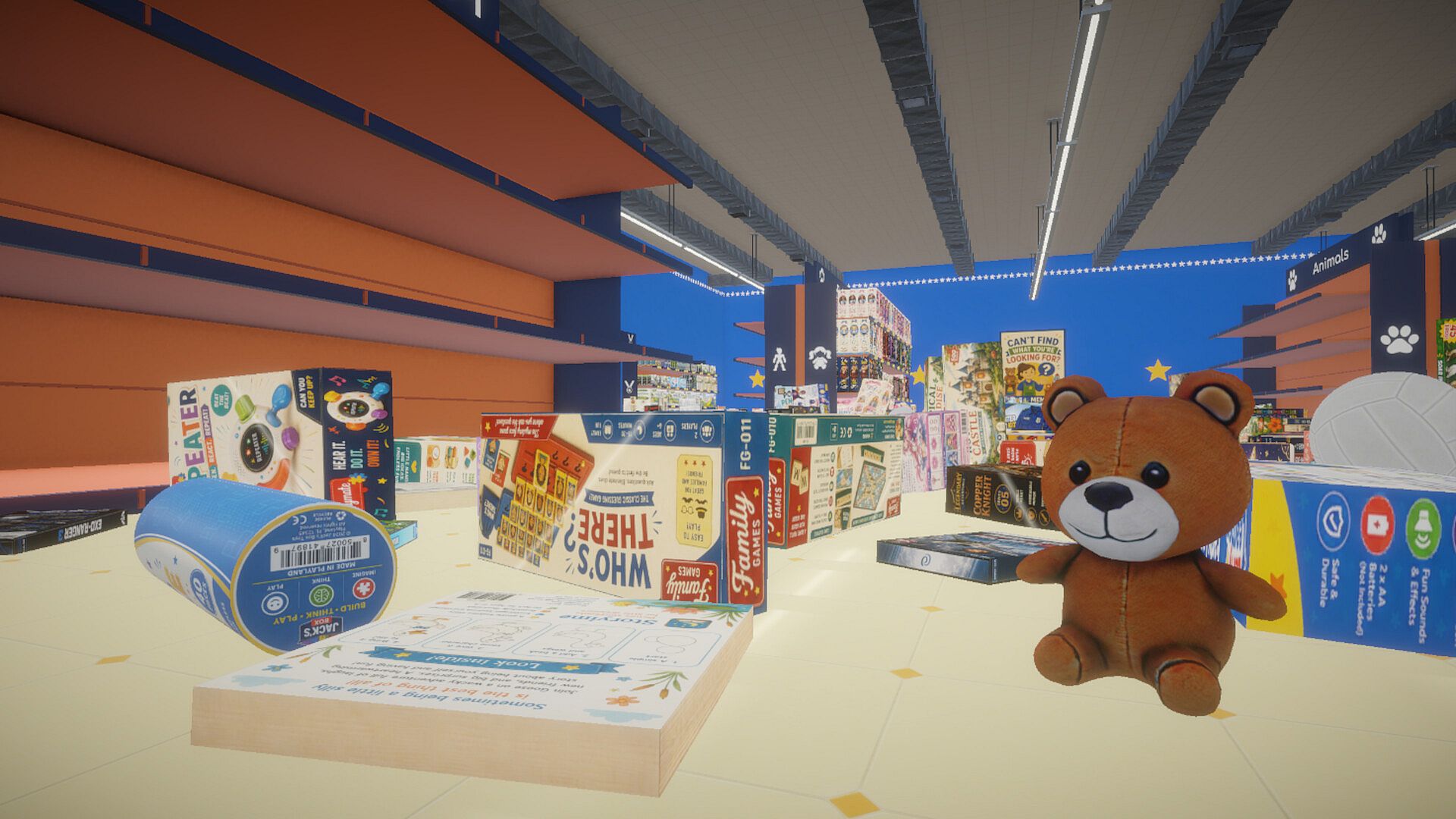
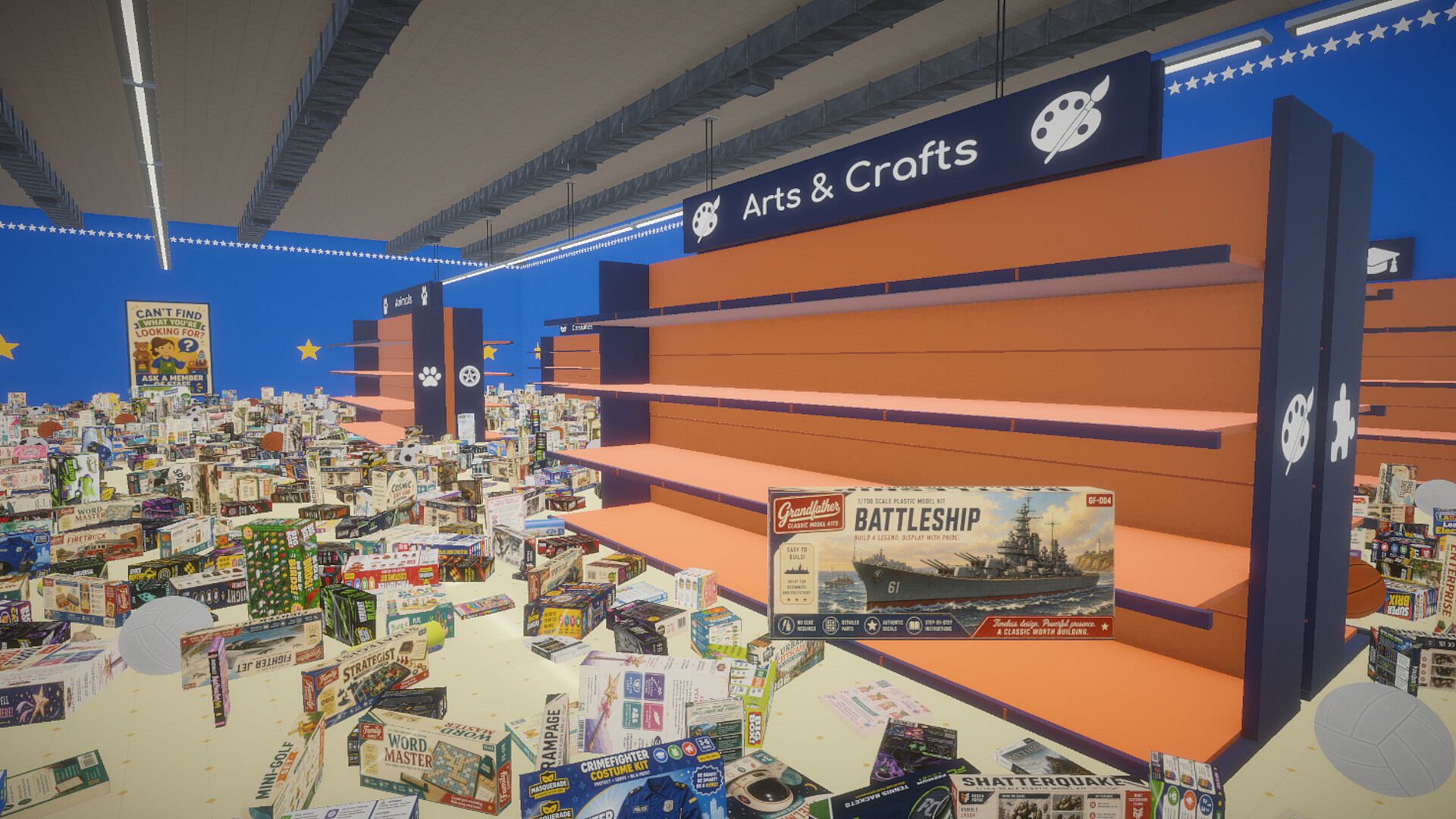
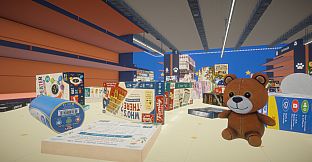
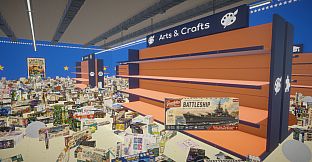
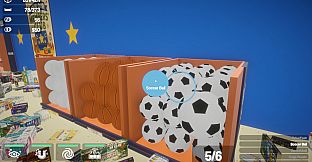
Shelf Stacker: Toy Store is an indie simulation game built around the simple pleasure of restoring order to a messy retail space. Players step into a first-person view of a toy shop filled with scattered goods and work methodically to return every item to its proper place on the shelves. The experience centers on careful observation, efficient movement, and the gradual transformation of chaos into neat, visually appealing displays.
Gameplay
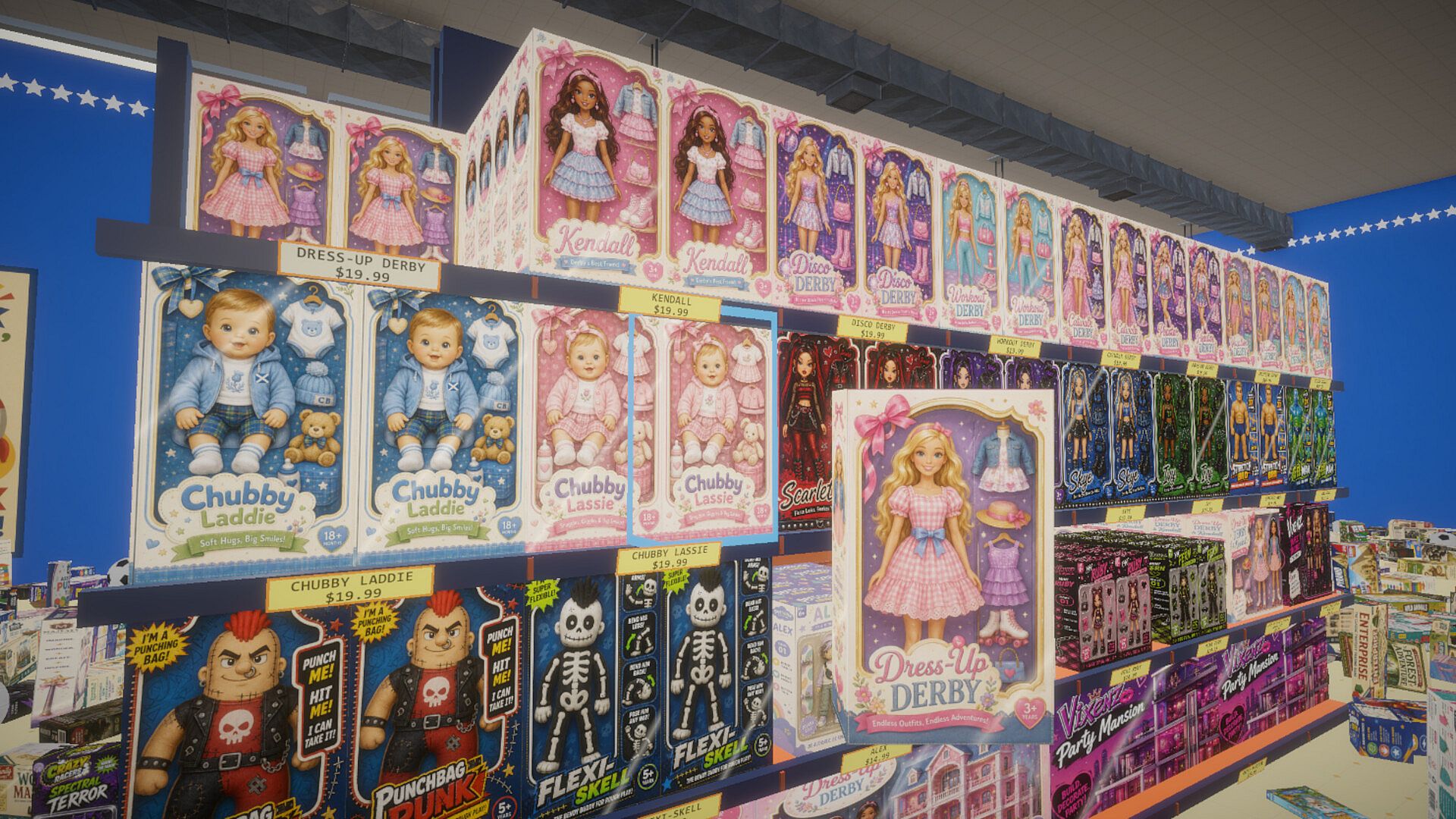
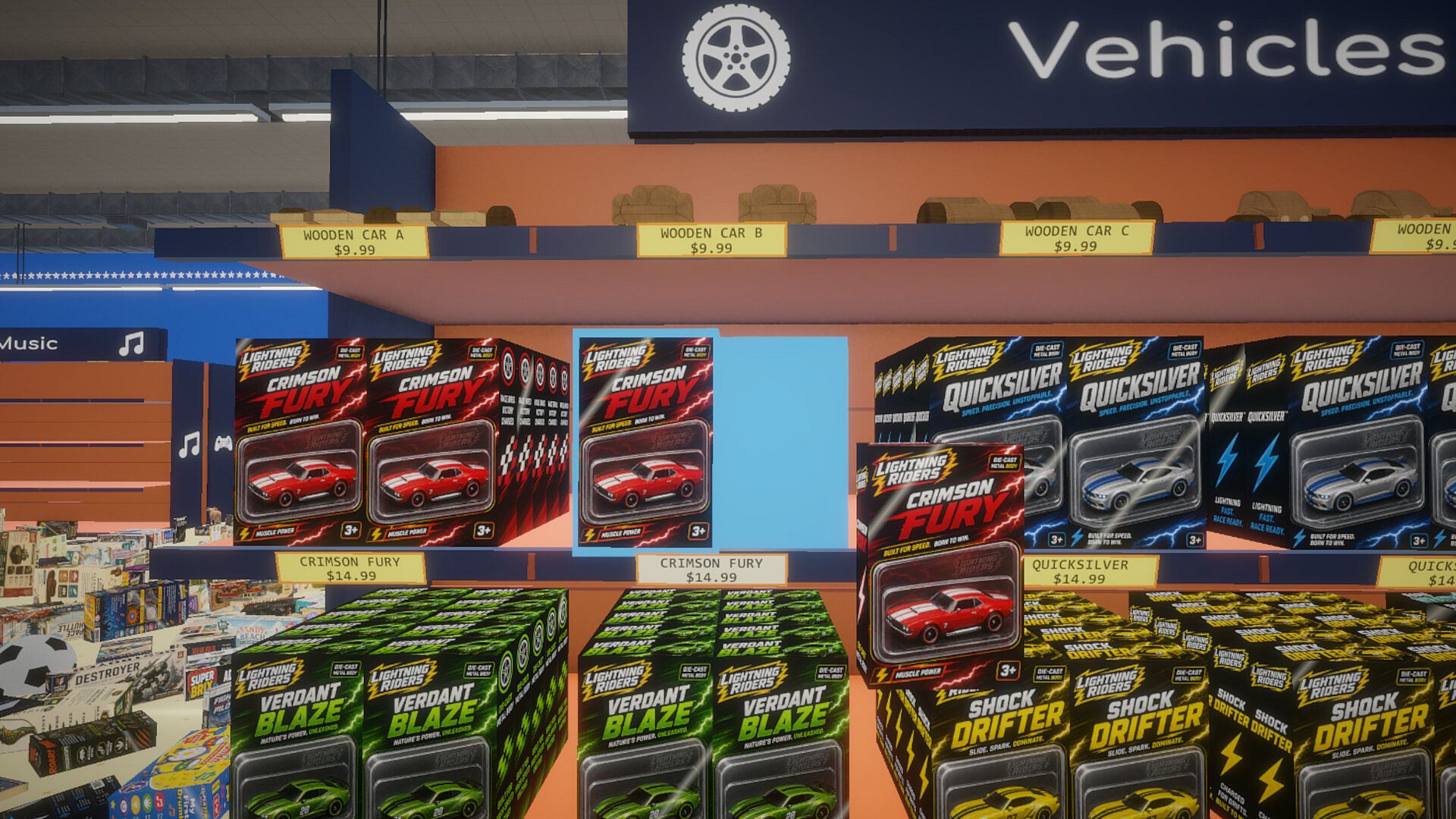
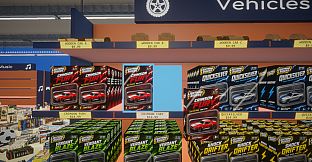
The core loop involves moving through the store, identifying misplaced products, and placing them on the correct shelves. Over 4,200 individual items appear across nearly 300 unique product types, ranging from toys and games to books and sports equipment. Each shelf presents a fresh arrangement of clutter that must be sorted and straightened until the entire space feels organized and complete.
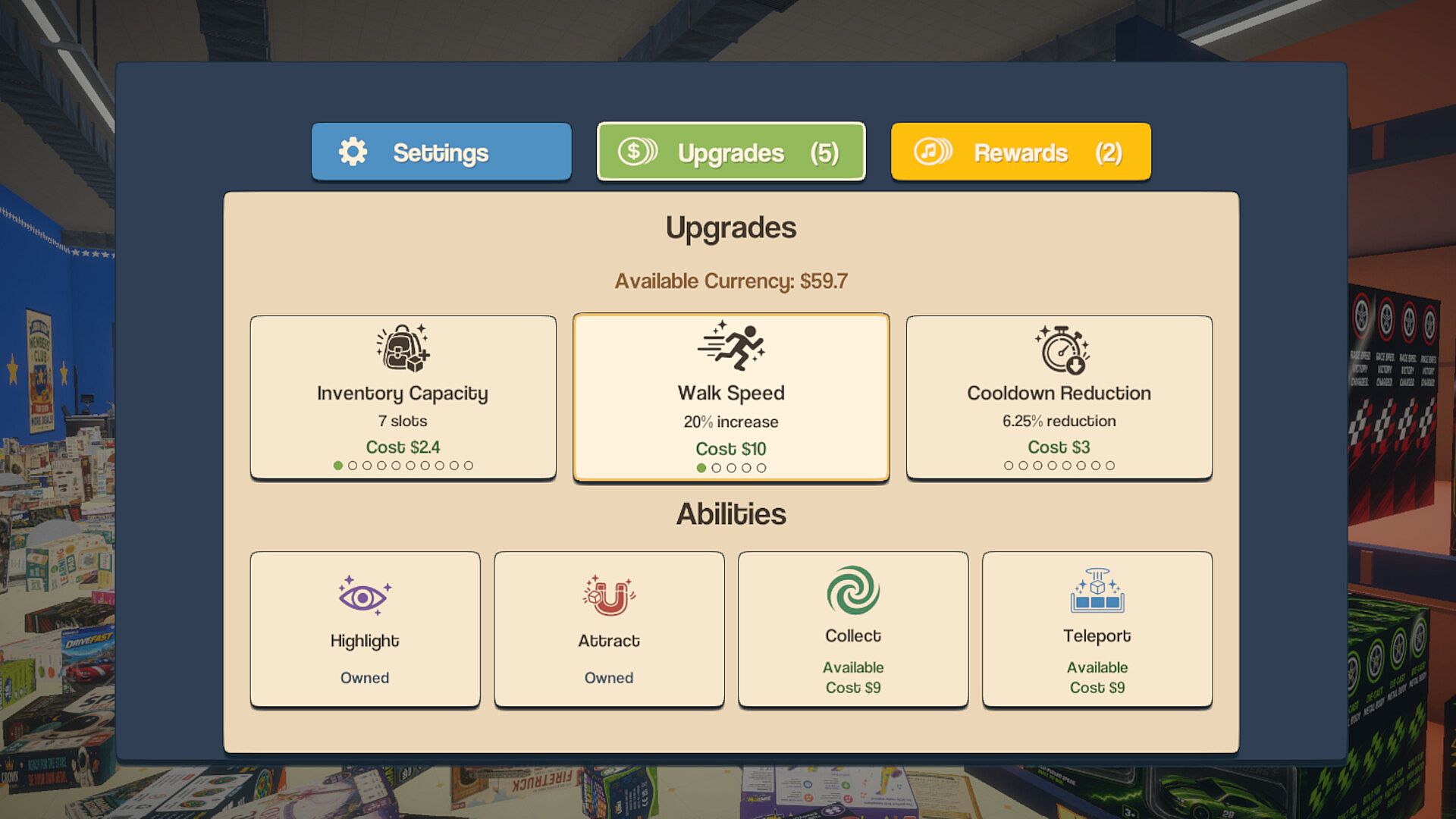
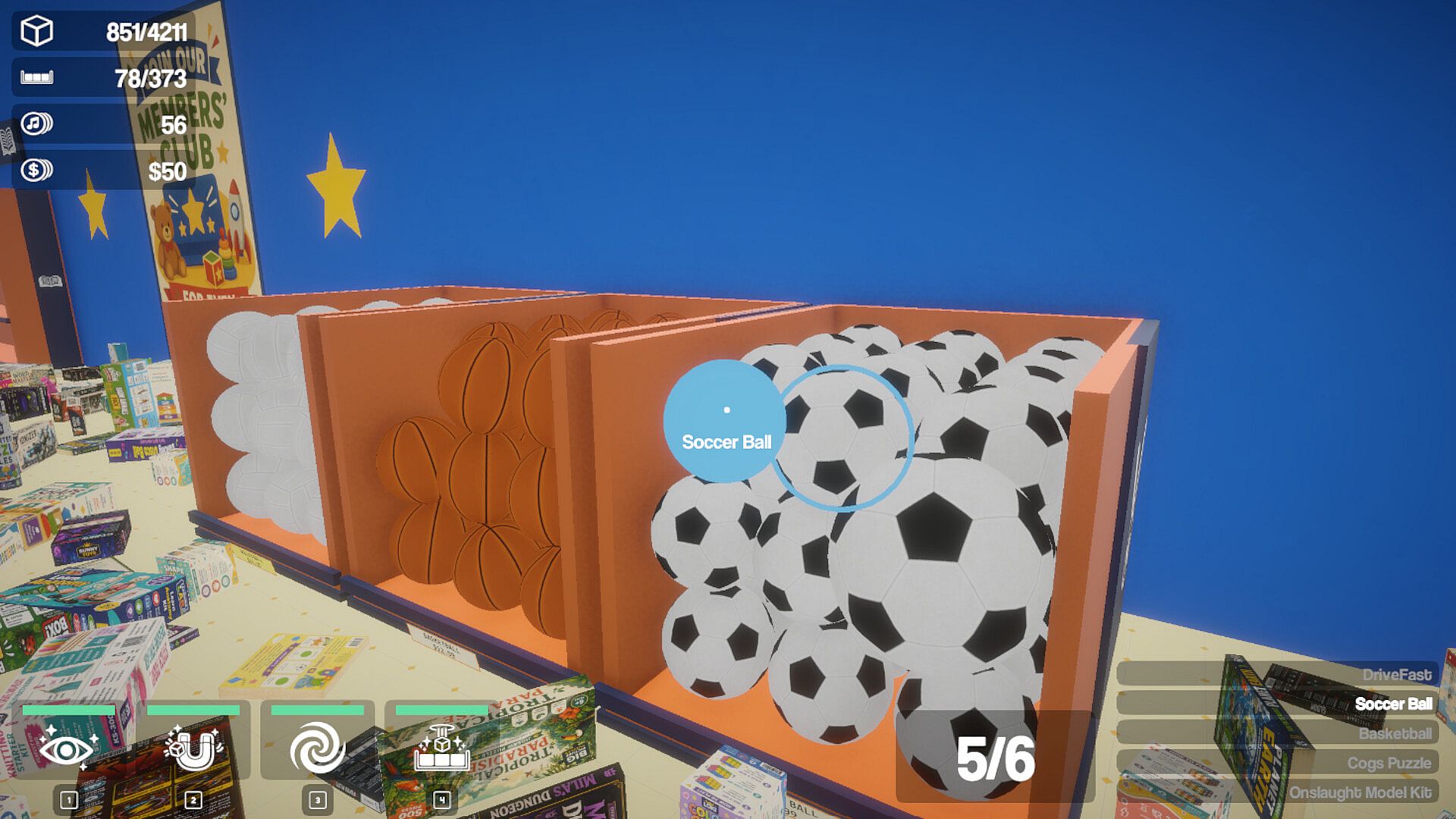
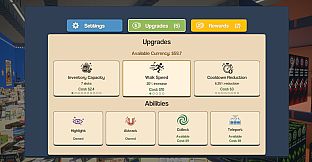
Players gain access to several abilities that streamline the process. Highlight reveals the location of specific items from a distance. Attract pulls objects toward the player while walking. Collect instantly loads items into the backpack. Teleport automatically positions collected goods onto the right shelf once the player is nearby. These tools can be combined in different sequences to speed up larger clean-up tasks and reduce unnecessary backtracking.
Progress feels satisfying because each successful placement contributes to a visible improvement in the store layout. The game encourages experimentation with ability order and movement patterns to handle dense clusters of items more quickly without sacrificing accuracy.
Game Modes
The game supports flexible session lengths that suit different schedules. Shorter play periods focus on tidying a limited section of the store, while longer sessions allow players to tackle multiple areas or complete a full store reset. There are no competitive or multiplayer elements, so every run remains a personal exercise in organization and pacing.
Players can choose how deeply they engage with the abilities during any given session. Some prefer to rely on basic movement and manual placement for a more deliberate pace, while others activate multiple tools in quick succession to clear larger volumes of items efficiently. The structure remains consistent across sessions, with the same core mechanics available regardless of duration.
Soundtrack and Atmosphere
A selection of lo-fi beats plays in the background and can be unlocked progressively. The music creates a calm, repetitive rhythm that matches the steady work of picking up items and returning them to shelves. Players settle into the soundtrack as they move through the store, using it to maintain focus during extended tidy sessions without any pressure from timers or external demands.
The visual style emphasizes clean lines and bright colors once shelves are properly arranged. Before-and-after moments highlight the contrast between the initial disorder and the final orderly state, reinforcing the sense of accomplishment that comes from completing each area.
Is It Worth Playing?
Shelf Stacker: Toy Store appeals most to players who enjoy methodical, low-stakes tasks and the visual reward of turning cluttered spaces into tidy ones. The ability system adds depth without overwhelming the straightforward goal of organization, and the lo-fi soundtrack supports relaxed play at any pace. Those who appreciate cozy simulation experiences focused on completion and order will find consistent satisfaction in working through the store's many items and shelves. The game offers no competitive pressure or complex systems, making it a straightforward choice for short breaks or longer focused sessions centered on the act of tidying itself.











