





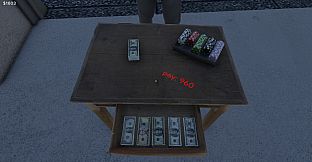
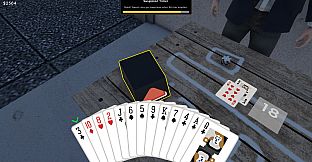
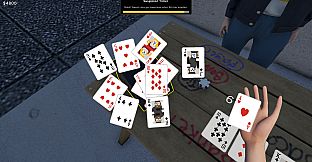

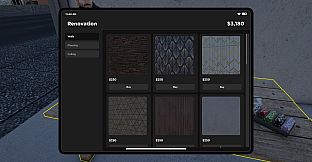


Shady Den Simulator is a first-person casino management simulation for PC that places players in charge of building and operating a gambling den with flexible rules around service and strict focus on profit. The experience combines property design, staff oversight, table operation, and subtle risk management in a single-player format suited to those who enjoy methodical building and decision-making loops.
Gameplay
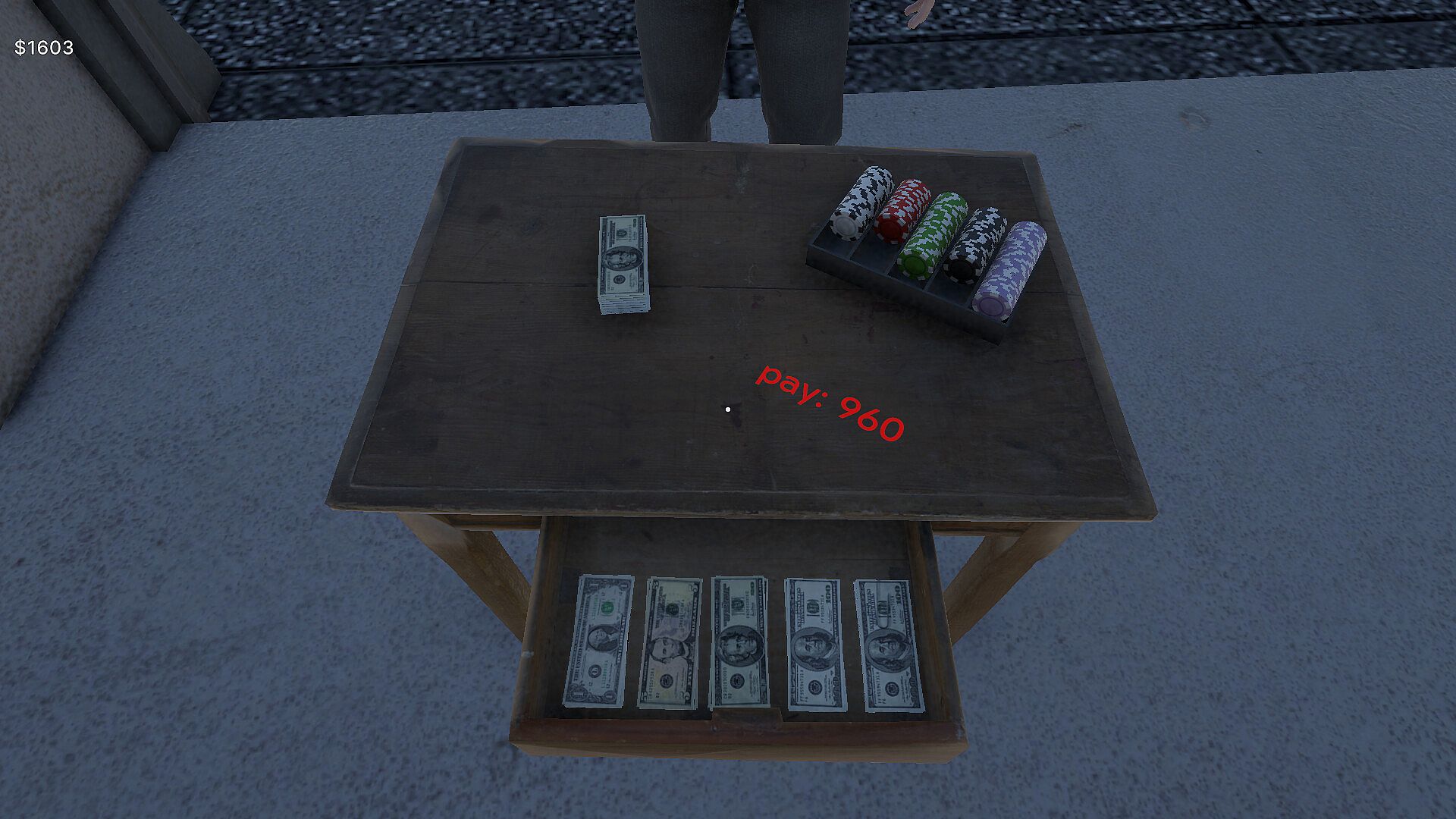
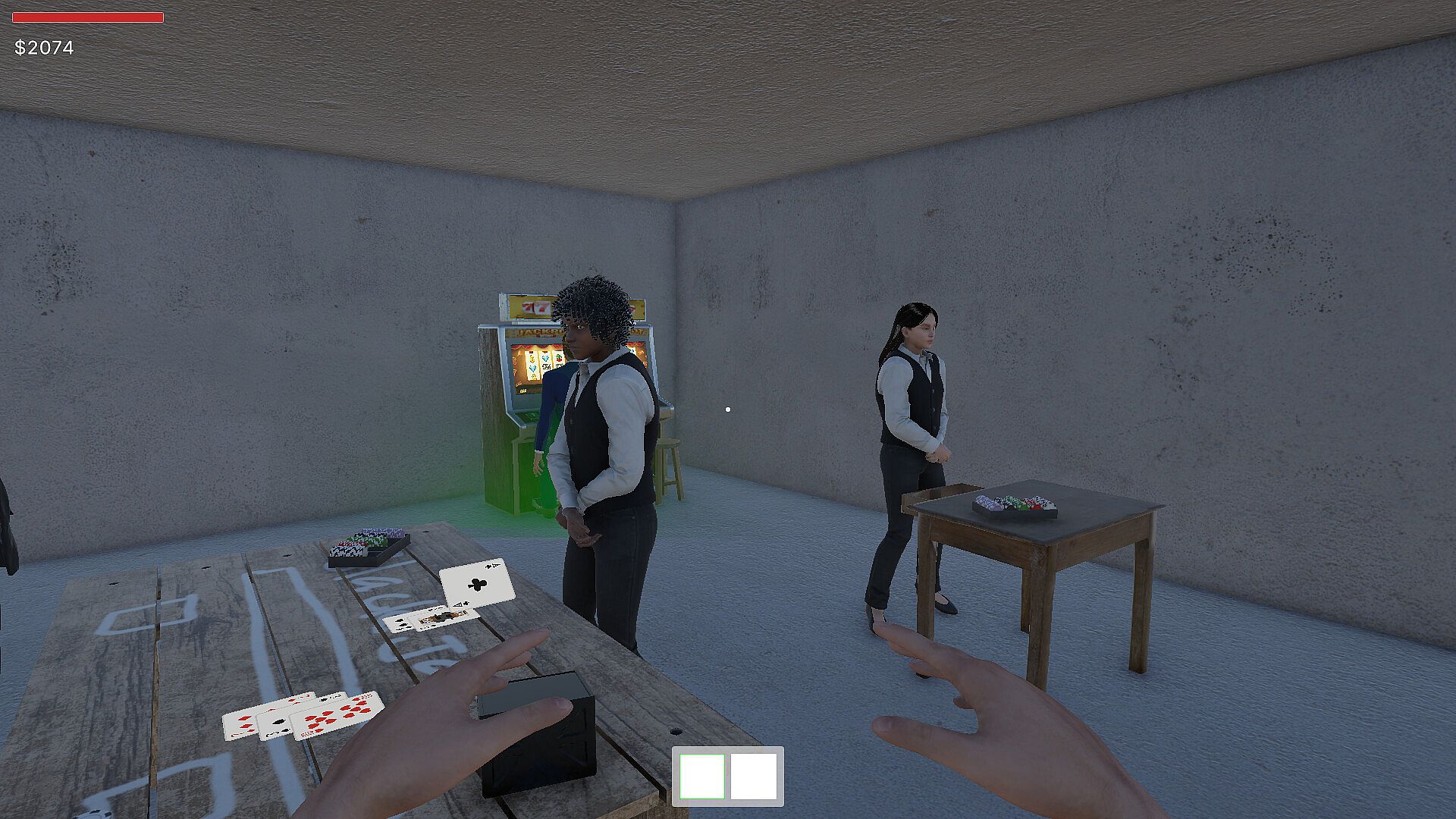
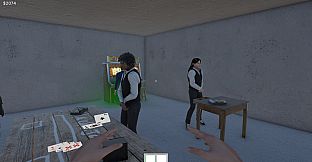
Players begin with an empty property and limited funds, then purchase equipment and set up tables and machines one section at a time. Design choices cover layout, furnishings, and expansion into larger spaces as revenue allows. Core activities include dealing blackjack, baccarat, and roulette directly or assigning those roles to hired staff while monitoring cashier cages and overall floor flow. Salaries must stay paid and queues managed to avoid customer frustration or staff turnover.
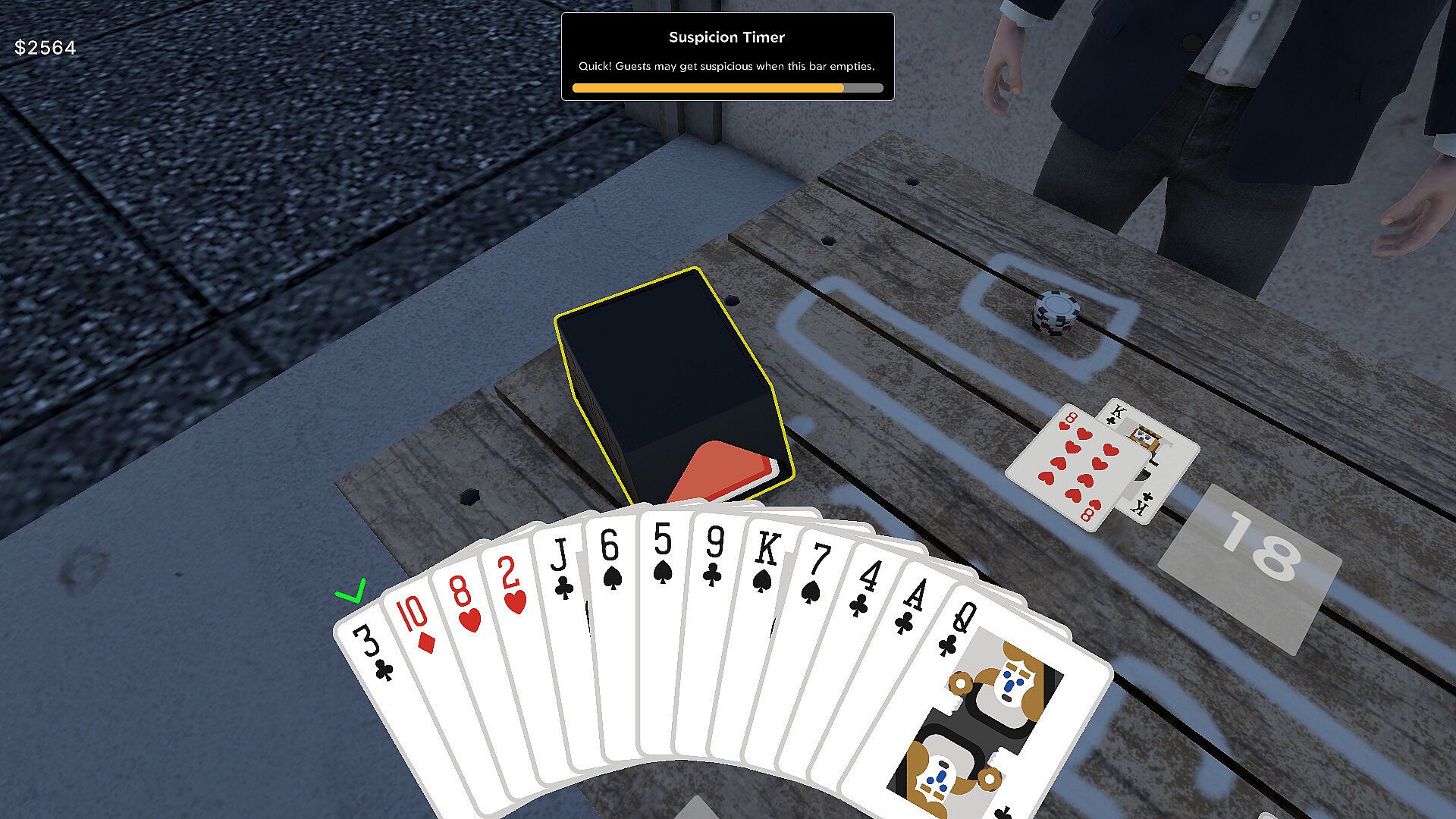
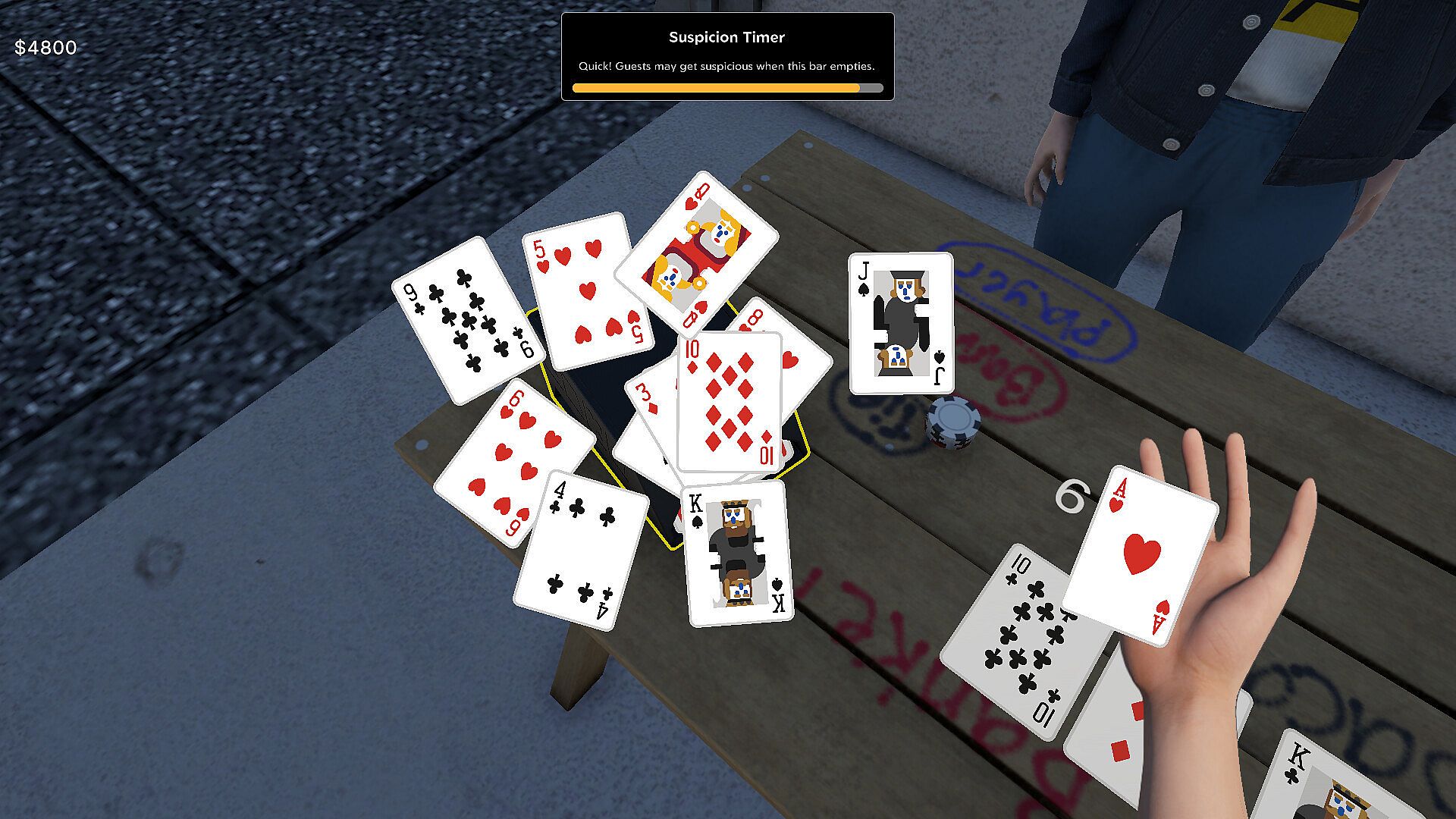
Cheating options add another layer. Players can select upcoming cards, adjust baccarat outcomes, or position magnets under the roulette wheel. Employees can be instructed to apply similar tactics automatically, though increased suspicion from repeated or obvious rigging can trigger fights or negative online feedback. Reputation builds from guest reviews that factor in wait times, dealer availability, bet settings, game fairness, odors, and any visible incidents. Positive ratings draw crowds while poor ones empty the floor.
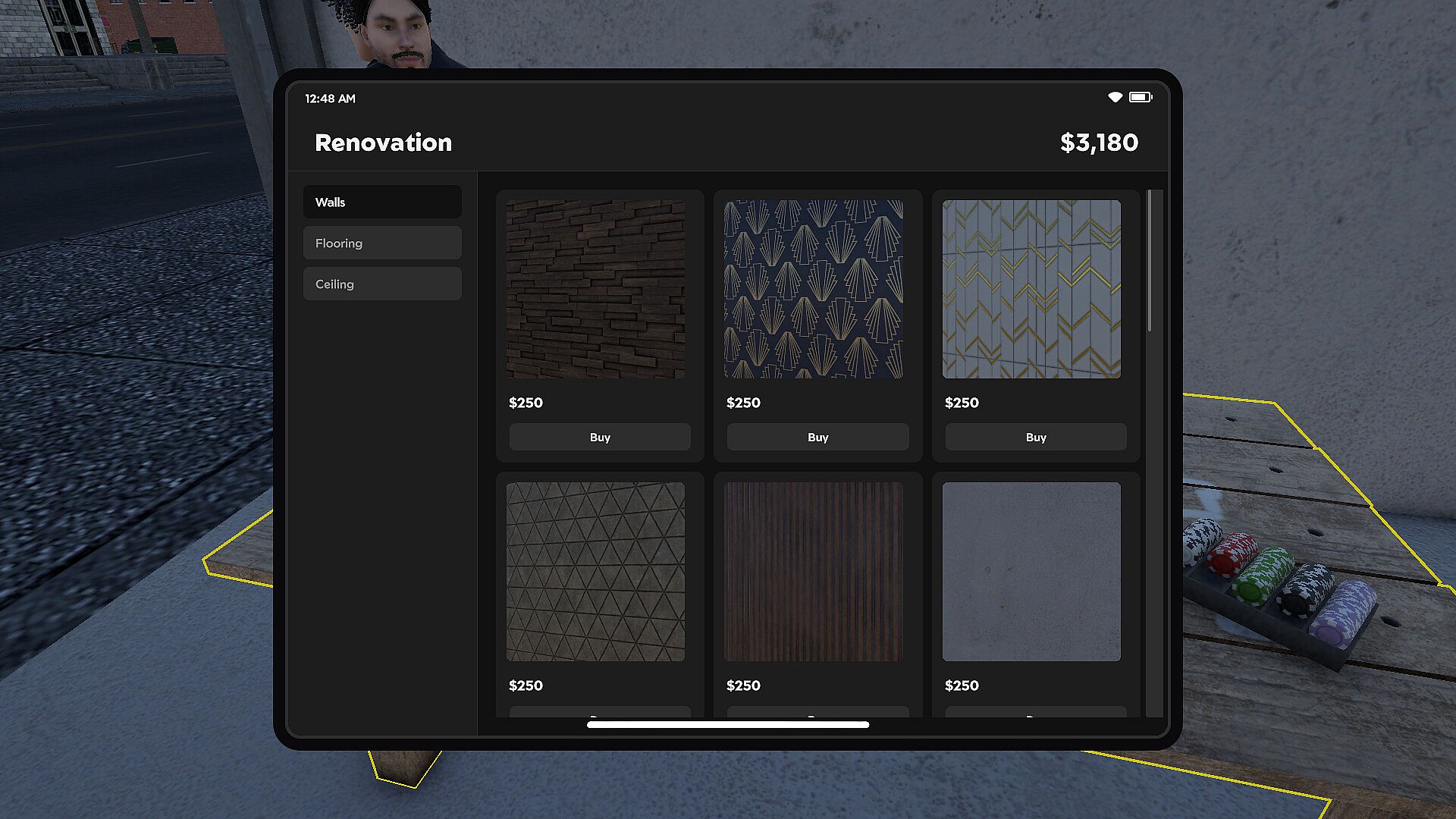
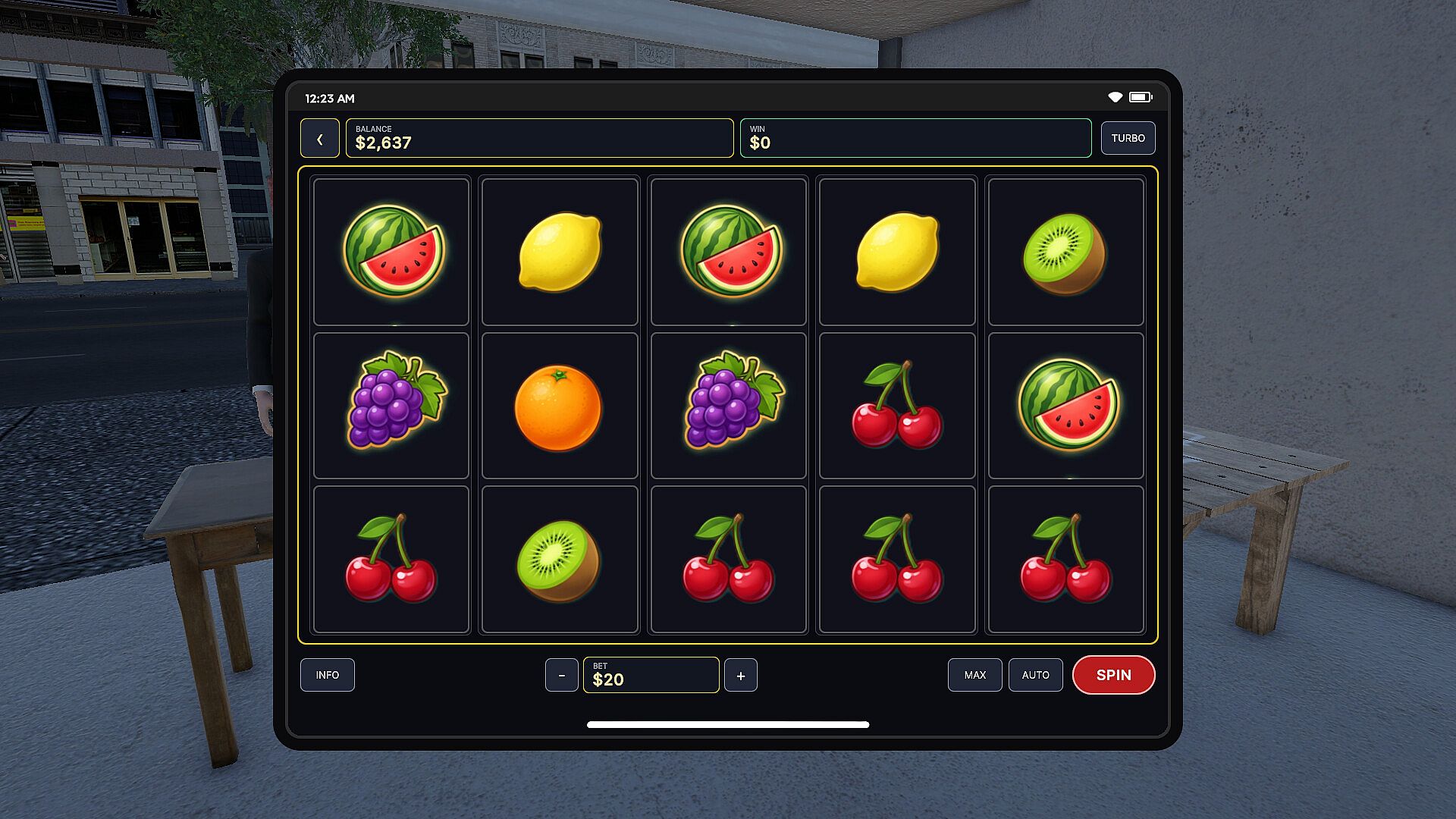
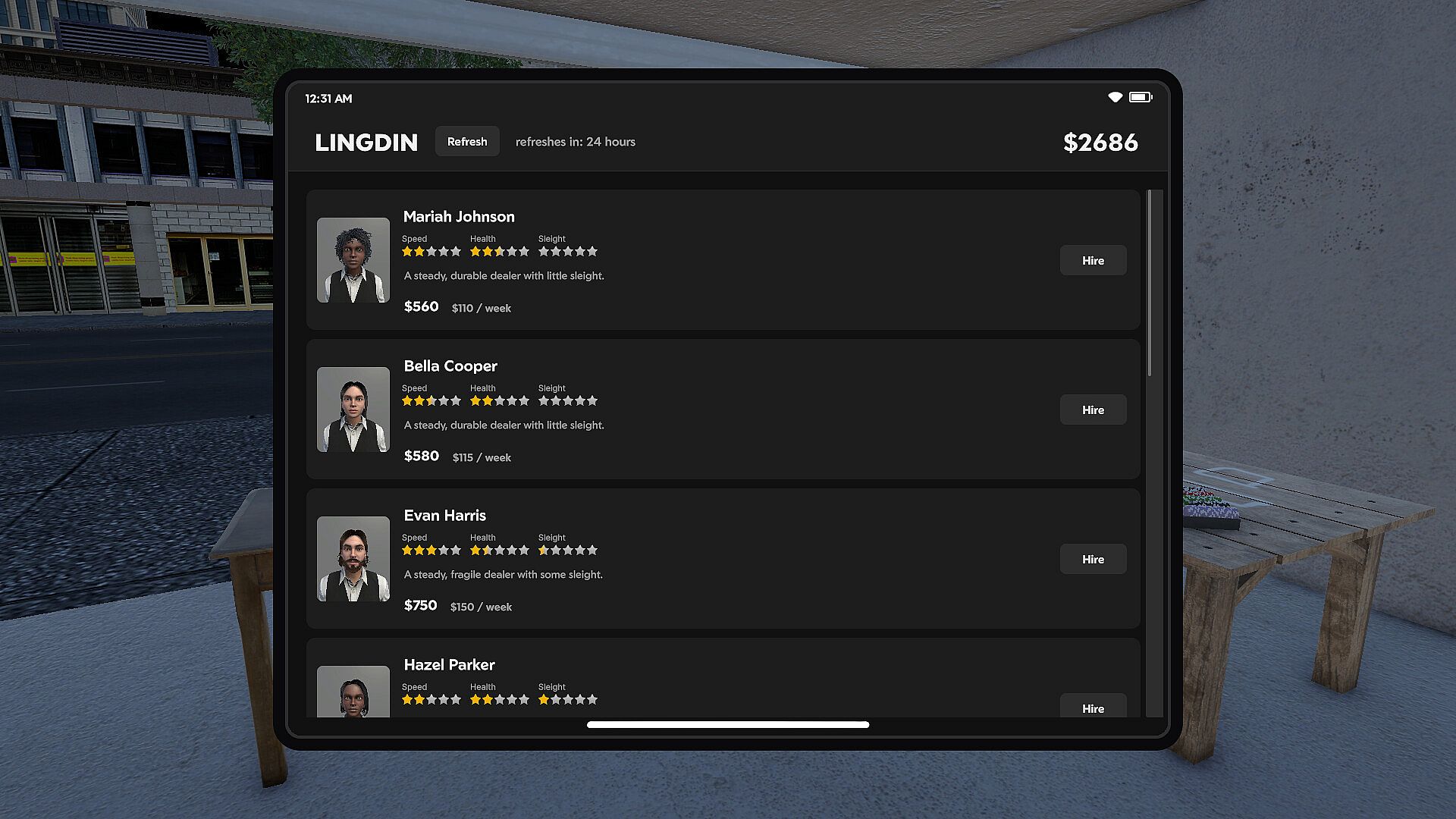
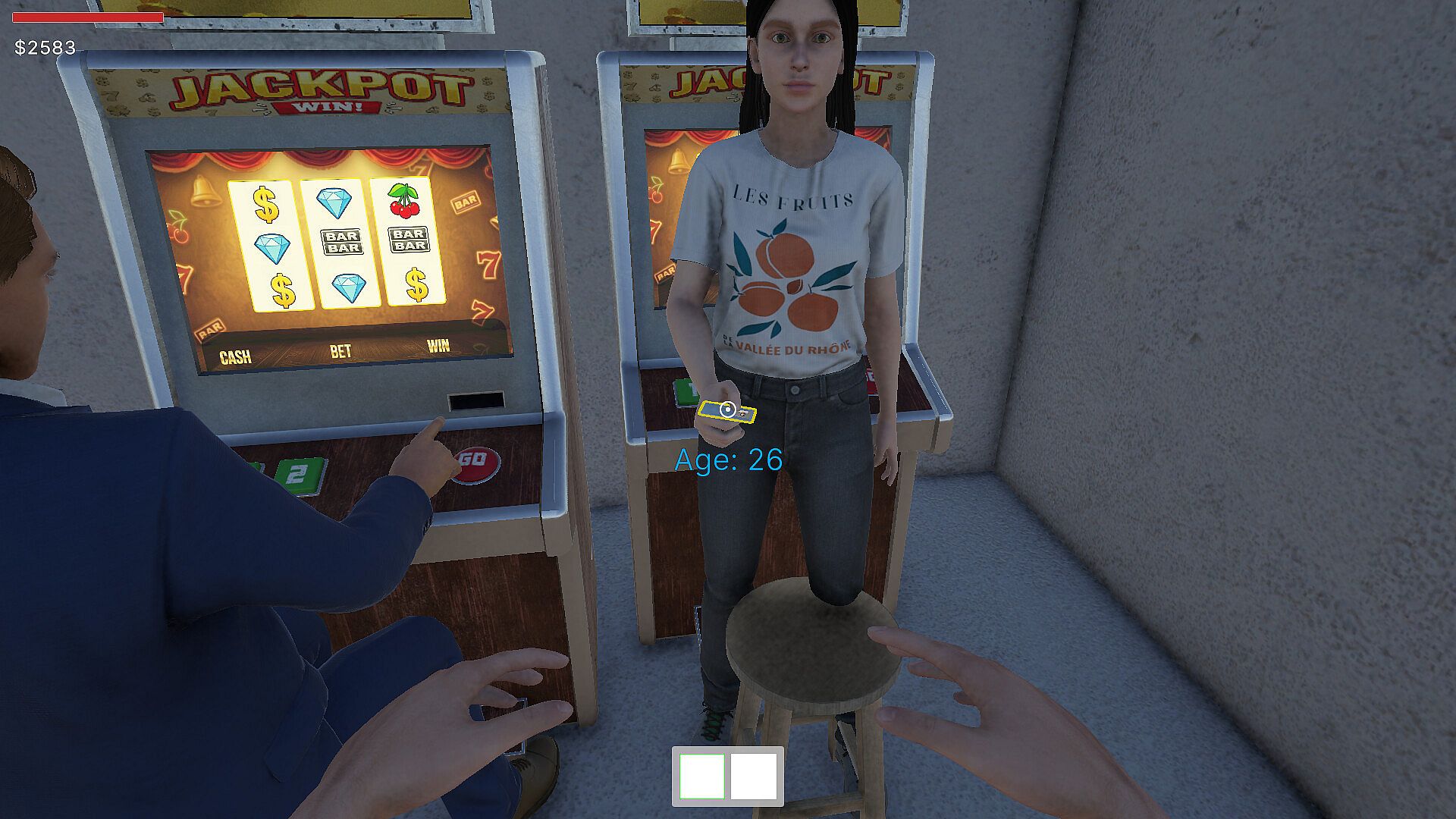
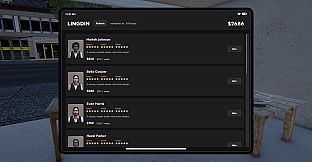
Additional systems cover hiring dealers and cashiers with varying skill levels, tuning minimum bets and slot payouts, handling ID checks and bouncers for problem guests, and resolving conflicts through direct intervention followed by cleanup. Upgrades span personal abilities, social interactions, and cheating efficiency, while renovation unlocks support steady growth from modest starts to larger operations.
Game Modes
The game operates entirely in a single-player management mode with no separate named variants or multiplayer components. Progression centers on iterative building sessions where each run involves starting small, scaling through customer volume and upgrades, and balancing legitimate operations against the temptation of rigged games. The loop repeats across property expansions, with success measured by sustained revenue, reputation stability, and avoidance of major incidents that could halt growth.
Key Mechanics and Progression
Progression rewards careful planning around customer patience, employee wages, and fines. Unlocking larger properties requires consistent earnings and strong reviews, while personal upgrades improve efficiency in dealing, oversight, or discreet manipulation. Social upgrades help with staff retention and guest relations, and cheating upgrades raise the ceiling on rigged outcomes at the cost of higher detection risk. The emphasis stays on incremental improvements rather than sudden windfalls, encouraging repeated adjustments to table configurations and staffing as the den grows.
Is It Worth Playing?
Shady Den Simulator appeals to players who enjoy simulation titles focused on resource allocation, staff coordination, and gradual empire building with an added layer of risk through optional cheating systems. The first-person perspective keeps interactions direct, from operating tables to handling disruptions on the floor. Those drawn to management games that reward attention to detail in layout, pricing, and reputation tracking will find a coherent loop here. Because the title remains in development with no released version yet, potential buyers should watch for launch timing and any post-release patches that refine the balance between service quality and profit-driven shortcuts. The core concept of turning a rundown property into a profitable operation through hands-on and delegated play offers a distinct take within the casual simulation genre.