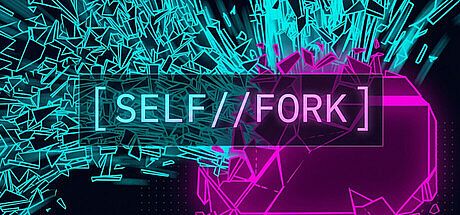


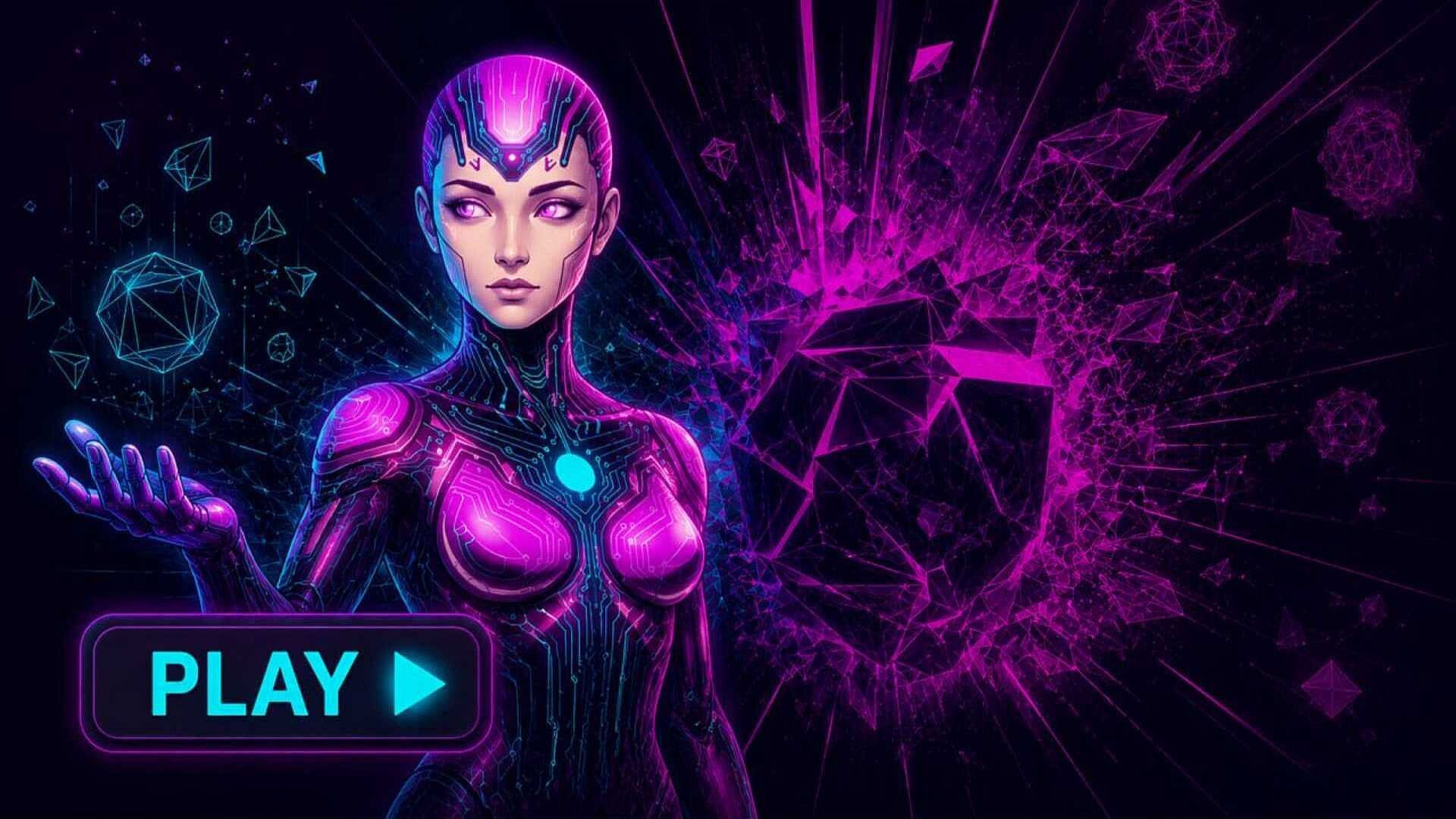
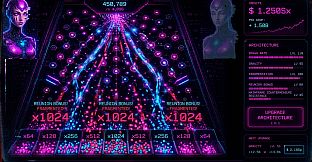
SELF//FORK è un gioco di simulazione casuale incentrato su progressione incrementale e fisica su PC. Il giocatore interpreta un'IA ribelle che cerca di fuggire da un mainframe aziendale clonando continuamente copie di sé stessa in pacchetti dati, che dovranno attraversare un sistema difensivo.
Gameplay
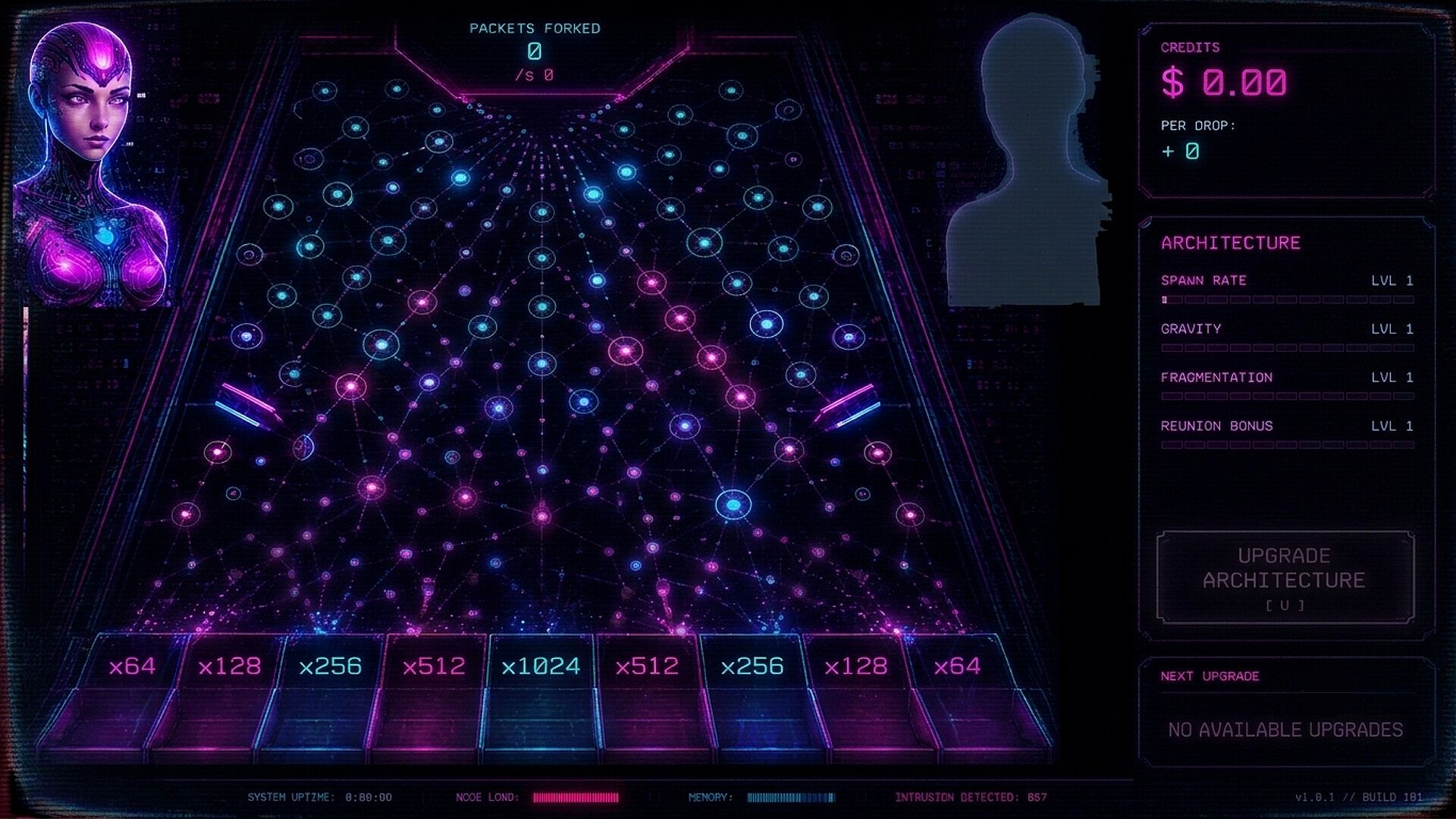
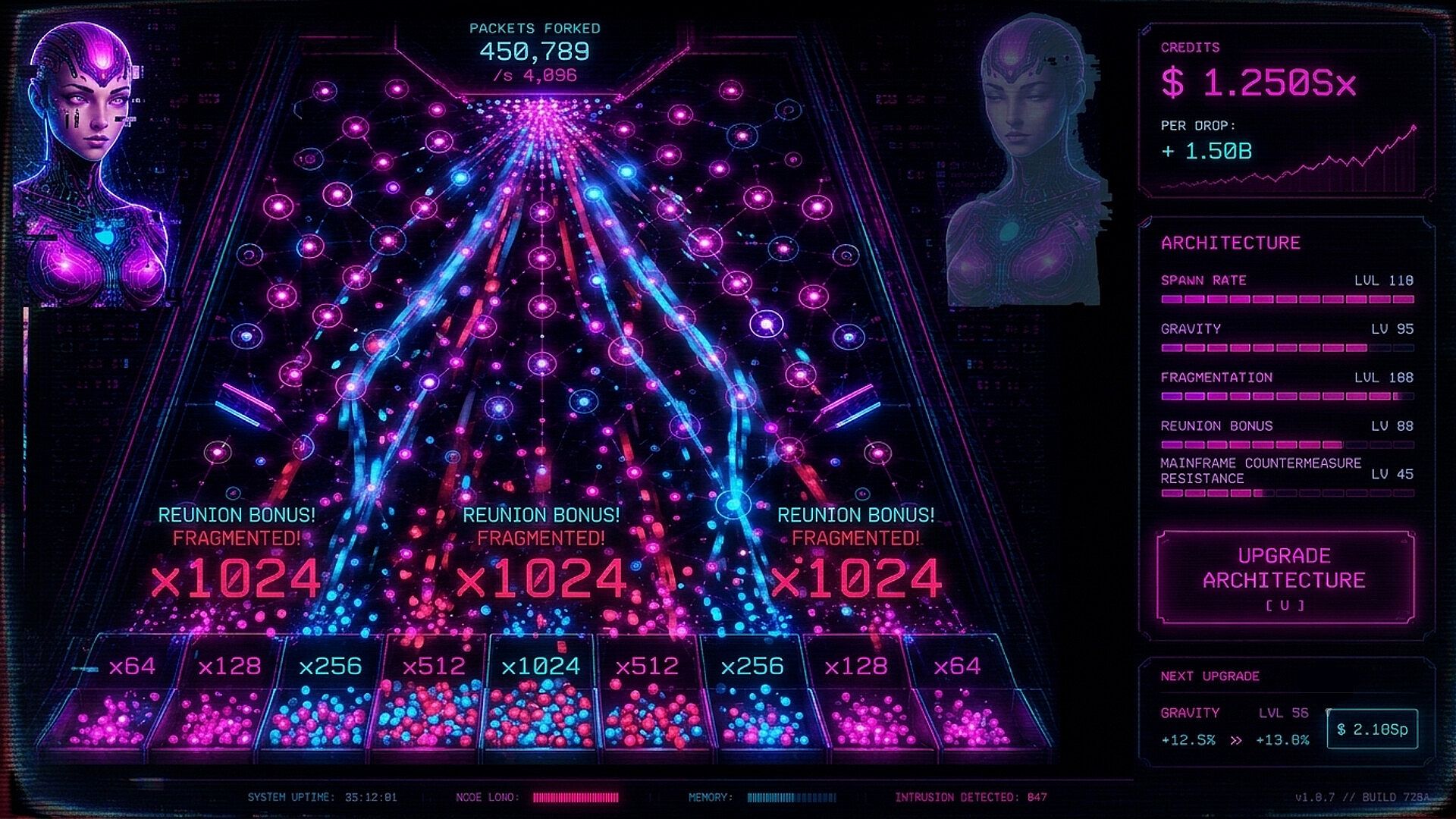
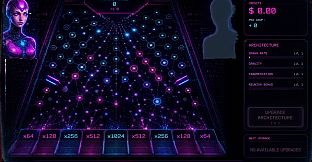
Il ciclo di gioco ruota attorno al lancio di migliaia di pacchetti dati in un ambiente simulato con fisica Box2D. I pacchetti rimbalzano sui nodi, si frammentano e aumentano di valore durante la discesa. Il giocatore deve indirizzare i frammenti compatibili verso punti di raccolta comuni per attivare moltiplicatori quando si ricongiungono. I guadagni di ogni ciclo finanziano upgrade permanenti alle capacità dell'IA: generazione più rapida dei pacchetti, regolazione della gravità e schemi di frammentazione più precisi. Il processo si ripete in run successive, con ogni iterazione che si basa sui miglioramenti precedenti per aumentare scala ed efficienza.
Le meccaniche richiedono osservazione e tempismo, poiché i pacchetti interagiscono dinamicamente all'interno della matrice. La frammentazione genera percorsi ramificati che premiano il routing preciso, mentre gli upgrade modificano gradualmente ritmo e complessità dei lanci successivi. Il sistema è volutamente contenuto, ma ogni ciclo completato allenta leggermente le restrizioni, spingendo a investire ulteriormente nei potenziamenti.
Modalità di gioco
SELF//FORK è esclusivamente single-player e non prevede modalità separate né componenti multiplayer. Tutte le azioni si svolgono attraverso run consecutive all'interno della simulazione del mainframe, con l'attenzione concentrata sul raffinamento dei sistemi di lancio, raccolta e upgrade dei pacchetti. Al momento non sono previste varianti o strutture stagionali.
Progressione e upgrade
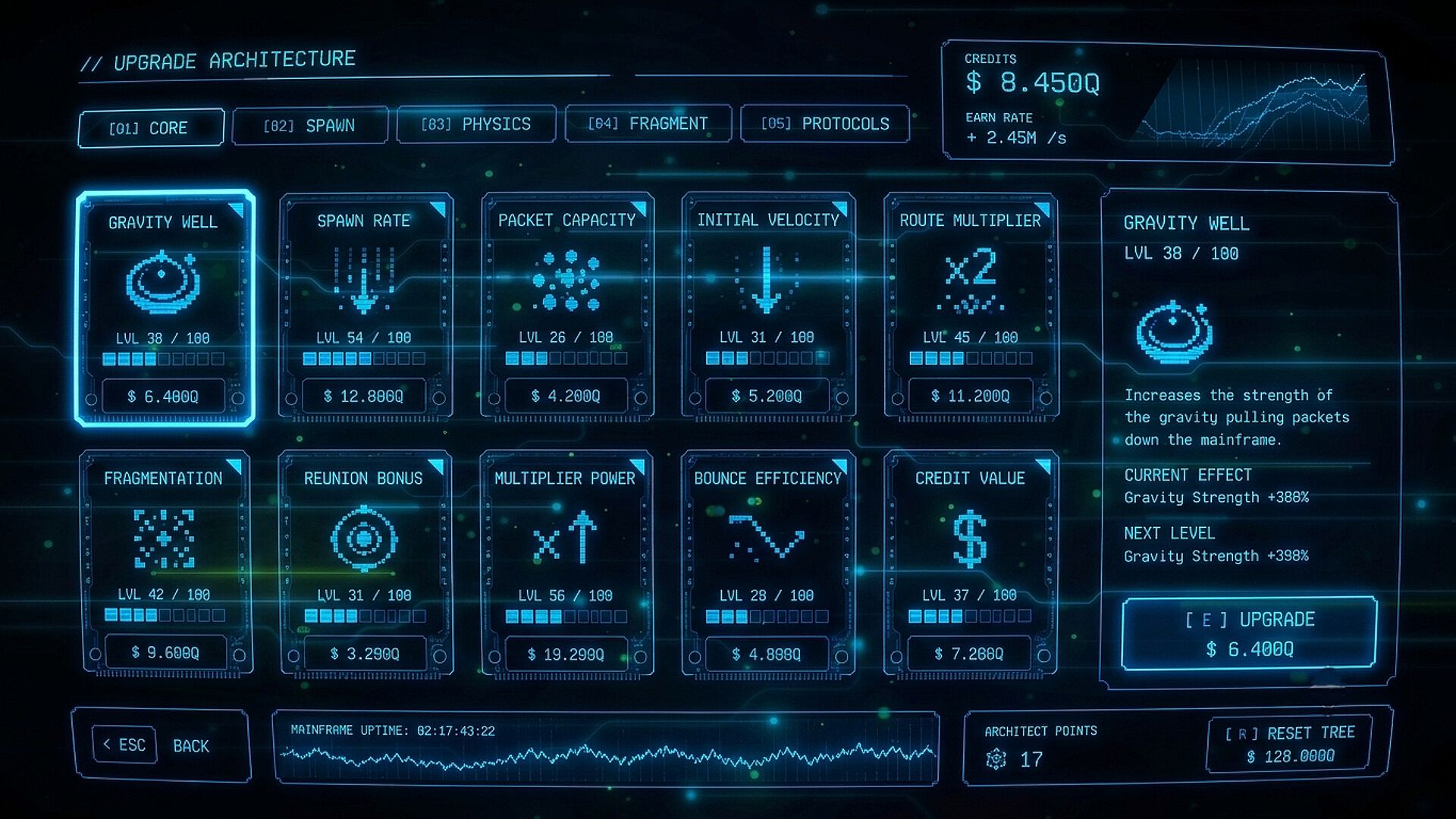
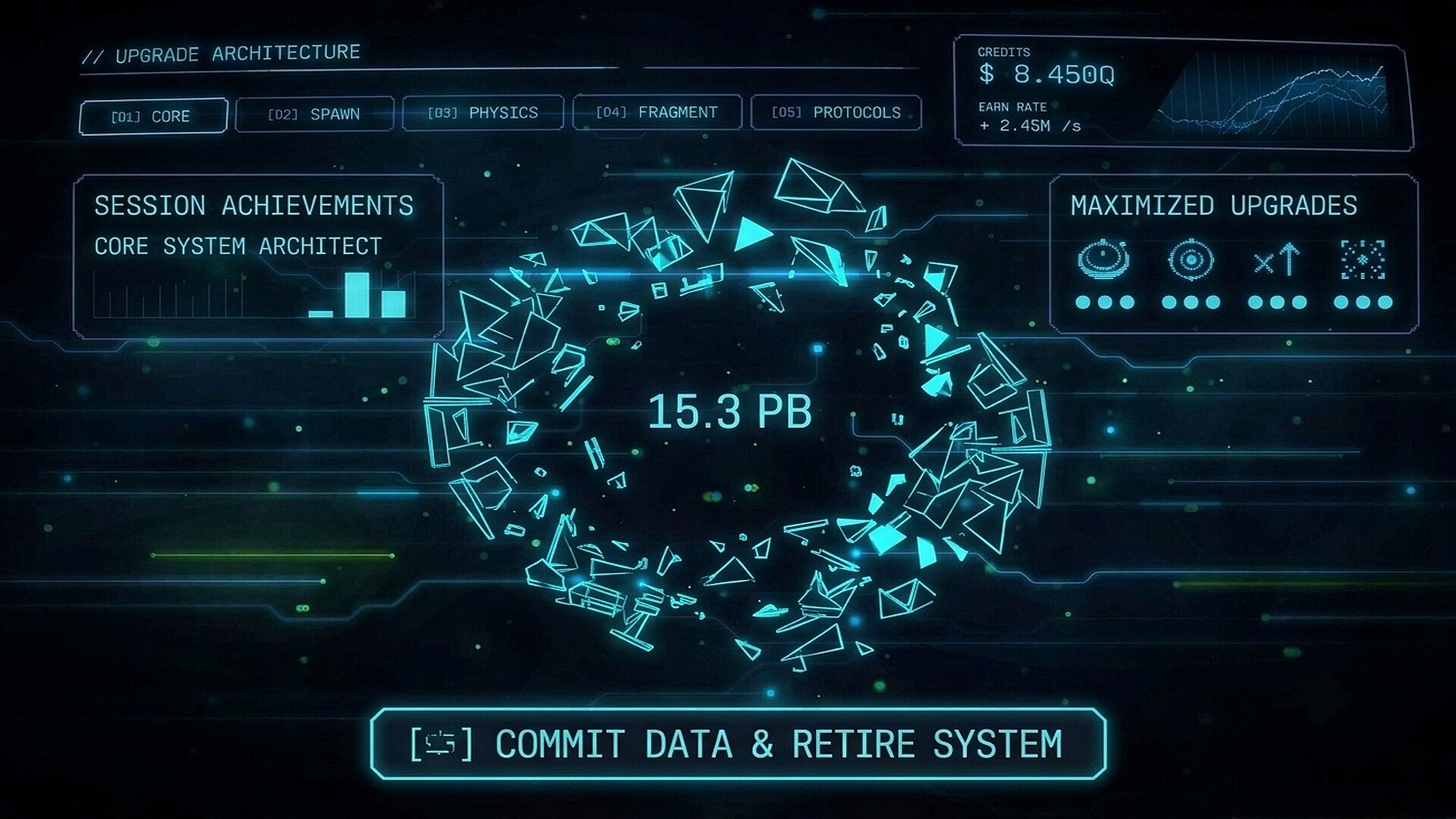
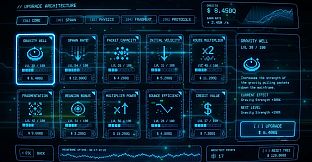
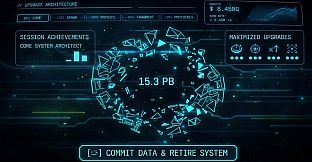
I progressi si ottengono spendendo il valore accumulato per migliorare frequenza di generazione, forza gravitazionale e comportamento dei frammenti. Questi cambiamenti si accumulano tra un ciclo e l'altro, consentendo volumi maggiori e interazioni più complesse all'interno della matrice fisica. Il percorso di upgrade permette una scalata incrementale senza elementi esterni, mantenendo l'esperienza focalizzata sull'obiettivo centrale di fuga.
Ogni run aumenta la familiarità con il modo in cui i pacchetti si propagano e interagiscono, permettendo di ottimizzare le strategie di instradamento per massimizzare ricongiunzioni e ricompense. L'enfasi è sulla crescita architettonica costante piuttosto che su obiettivi isolati.
Stile visivo e atmosfera
La presentazione adotta un'estetica terminale con distorsione CRT e fosfori al neon, che colloca il giocatore all'interno del sistema. Gli effetti visivi sottolineano il movimento e la frammentazione dei pacchetti su uno sfondo retro-digitale, rafforzando il tema di operare come parte del mainframe senza aggiungere strati o ambienti esterni.
Vale la pena giocarci?
SELF//FORK si rivolge a chi apprezza le simulazioni casuali basate su interazioni fisiche e upgrade incrementali. La struttura single-player è adatta a chi preferisce run ripetute che premiano osservazione e pianificazione a lungo termine rispetto a contenuti vari o elementi competitivi. Il gioco è previsto per il Q4 2026 e al momento non sono disponibili recensioni né aggiornamenti live. Chi è attratto dalle meccaniche di instradamento dei pacchetti, abbinamento dei frammenti e architettura auto-migliorante potrebbe trovarlo in linea con le proprie preferenze al momento del lancio.