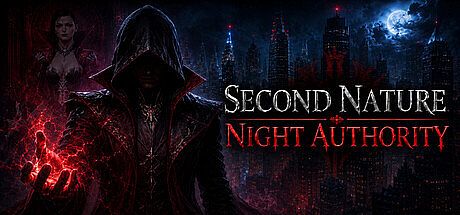



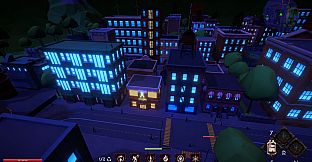
Second Nature: Night Authority è un gioco d'azione in prima persona open-world per un solo giocatore che unisce progressione RPG, elementi di simulazione e poteri soprannaturali in una metropoli moderna avvolta da una notte senza fine. Il giocatore interpreta un vampiro stregone del sangue al servizio di un'autorità nascosta: porta a termine incarichi, gestisce riserve di sangue, salute e segretezza per salire di grado ed estendere la propria influenza.
Gameplay
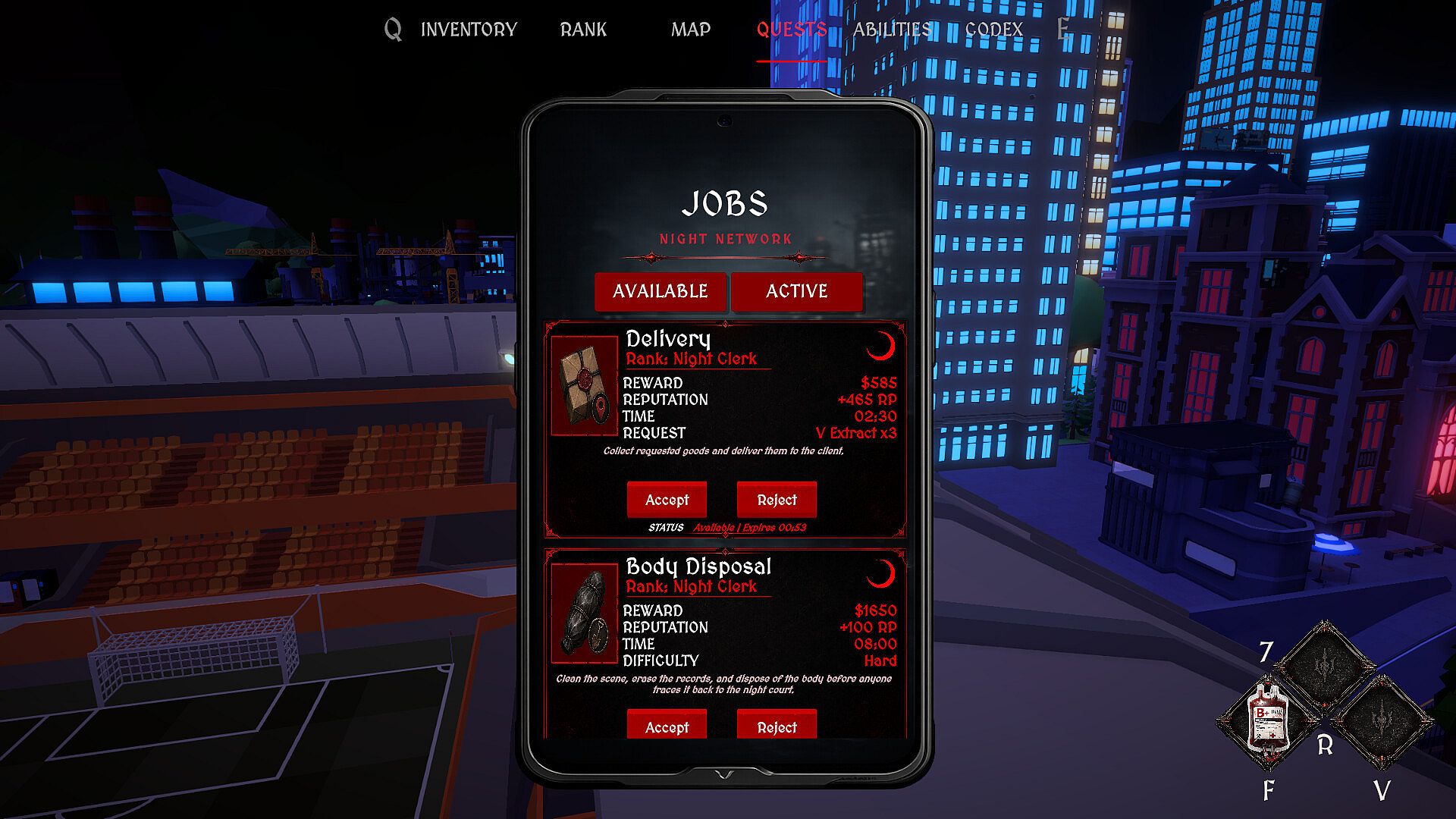
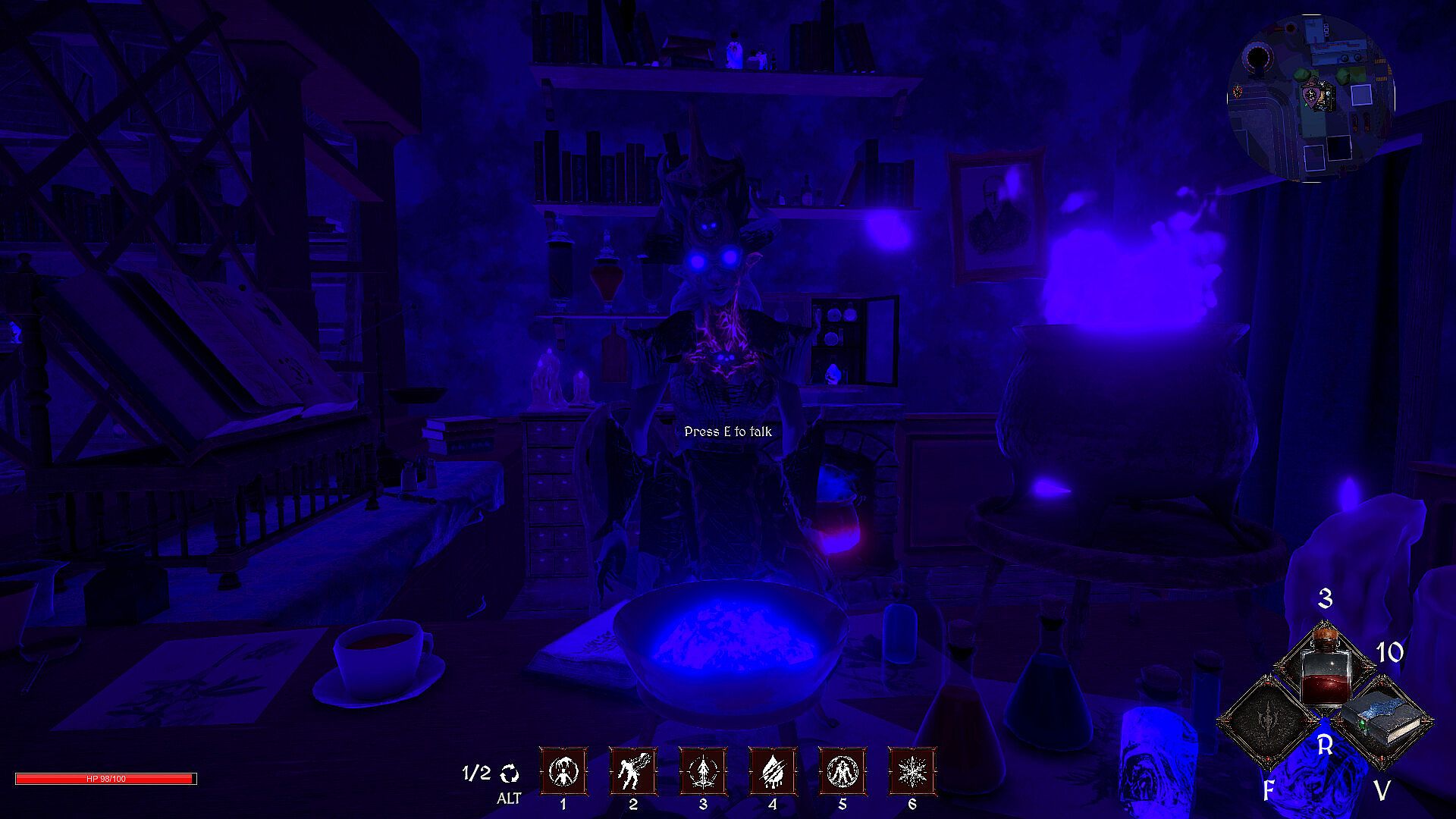
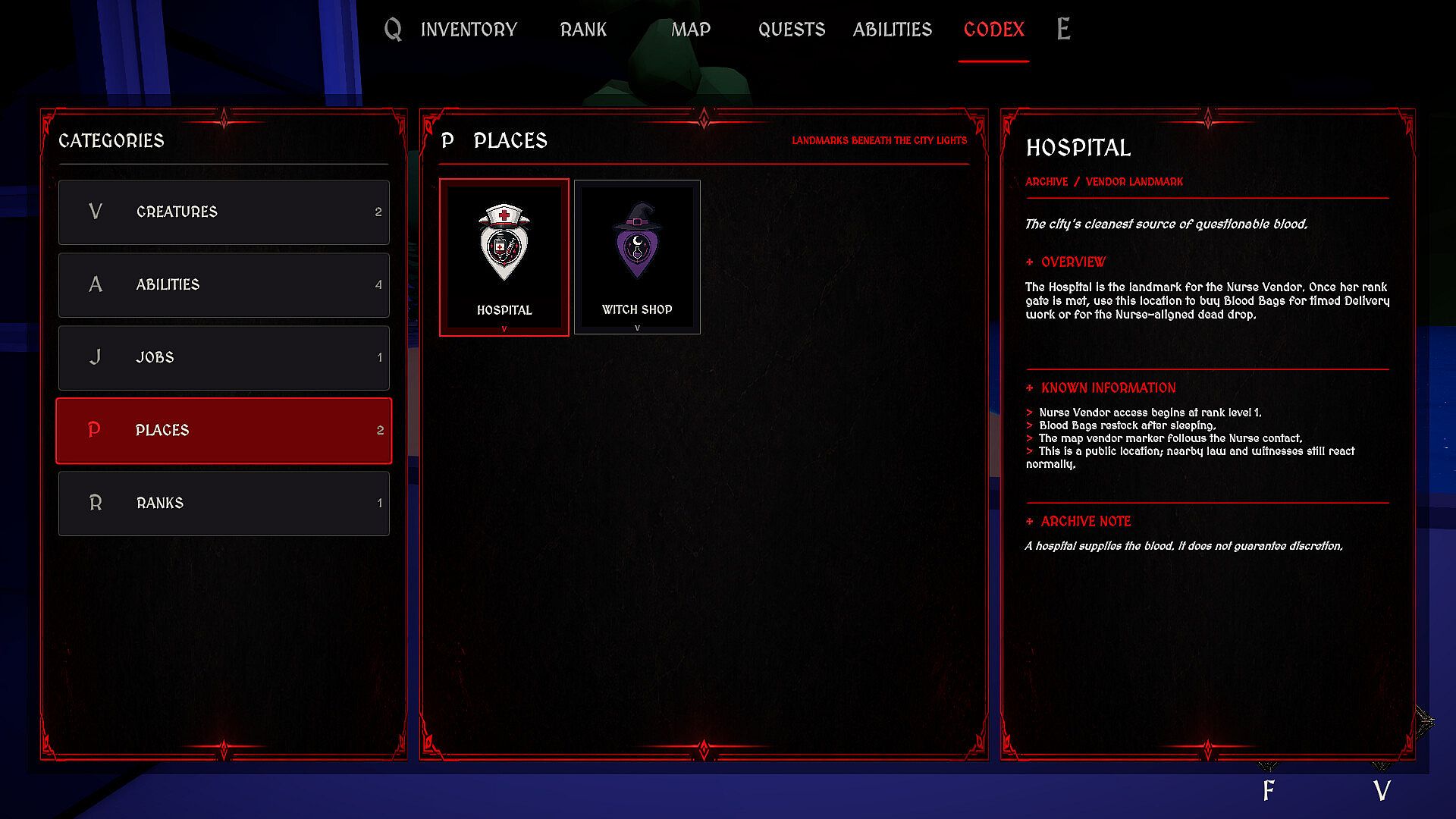
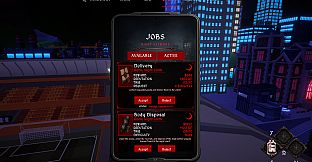
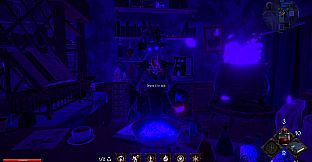
Il ciclo di gioco inizia al risveglio nel rifugio: si scelgono le missioni dal telefono dell'autorità, si preparano le attrezzature e si esce in città per la notte. Completati gli incarichi si guadagnano denaro e punti di rango, poi si torna a dormire per far avanzare il tempo, aggiornare le opportunità e sbloccare nuovi eventi. Missioni guida introducono meccaniche come l'acquisto di rifugi, il potenziamento dei dead drop per un reddito passivo, il miglioramento della bara e l'incontro con i venditori.
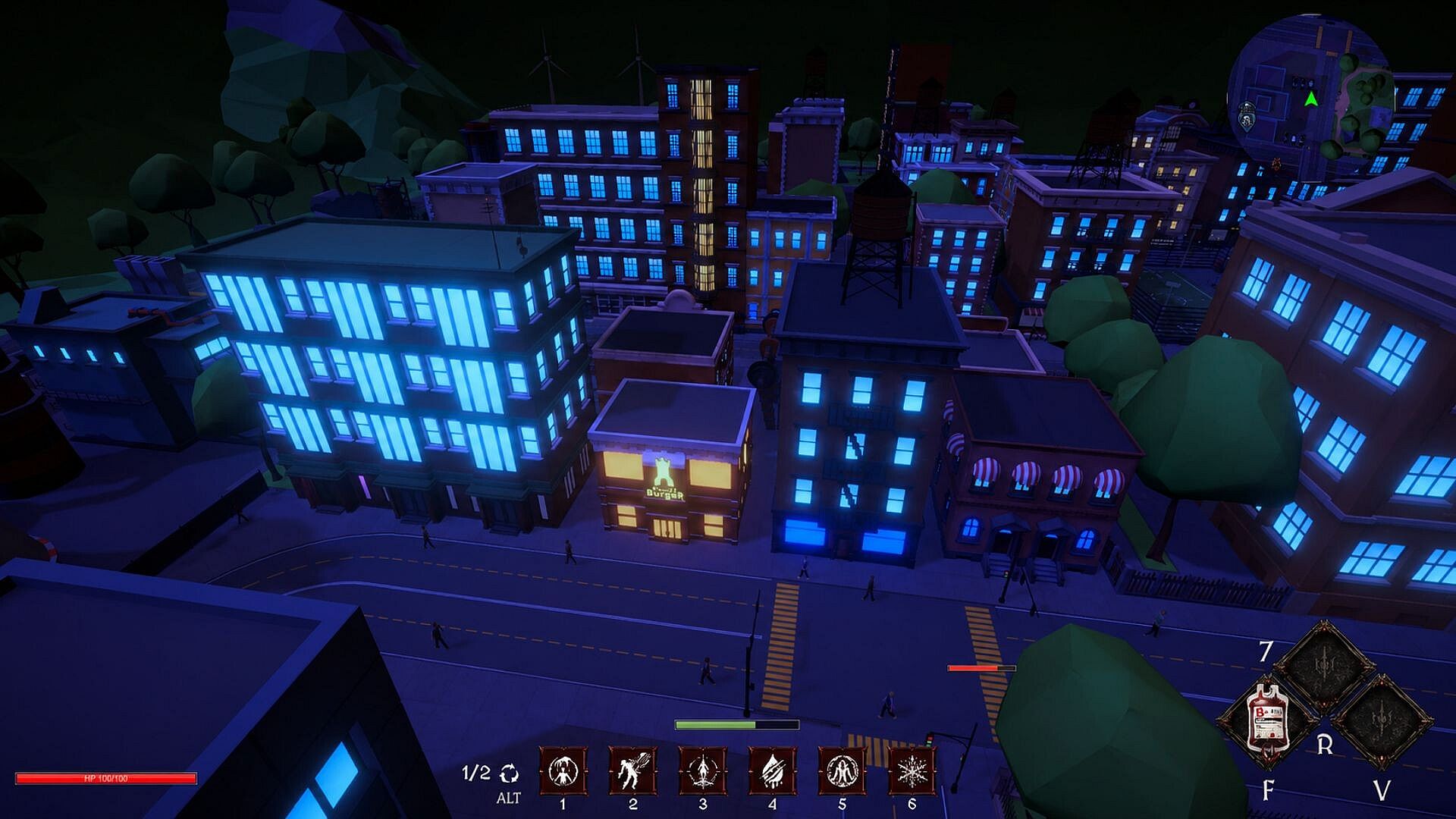
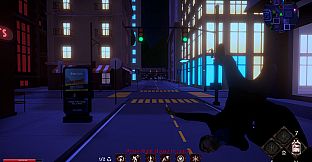
Il movimento sfrutta abilità soprannaturali in un mondo fluido in prima persona: corsa con scalata, doppio salto, scatto aereo concatenabile, planata sui tetti e visione o volo da pipistrello. Questi strumenti permettono di tracciare percorsi personalizzati tra strade e palazzi, sfuggire ai pericoli o raggiungere gli obiettivi più in fretta. La progressione sblocca poteri aggiuntivi che si combinano per una navigazione e un combattimento più fluidi.
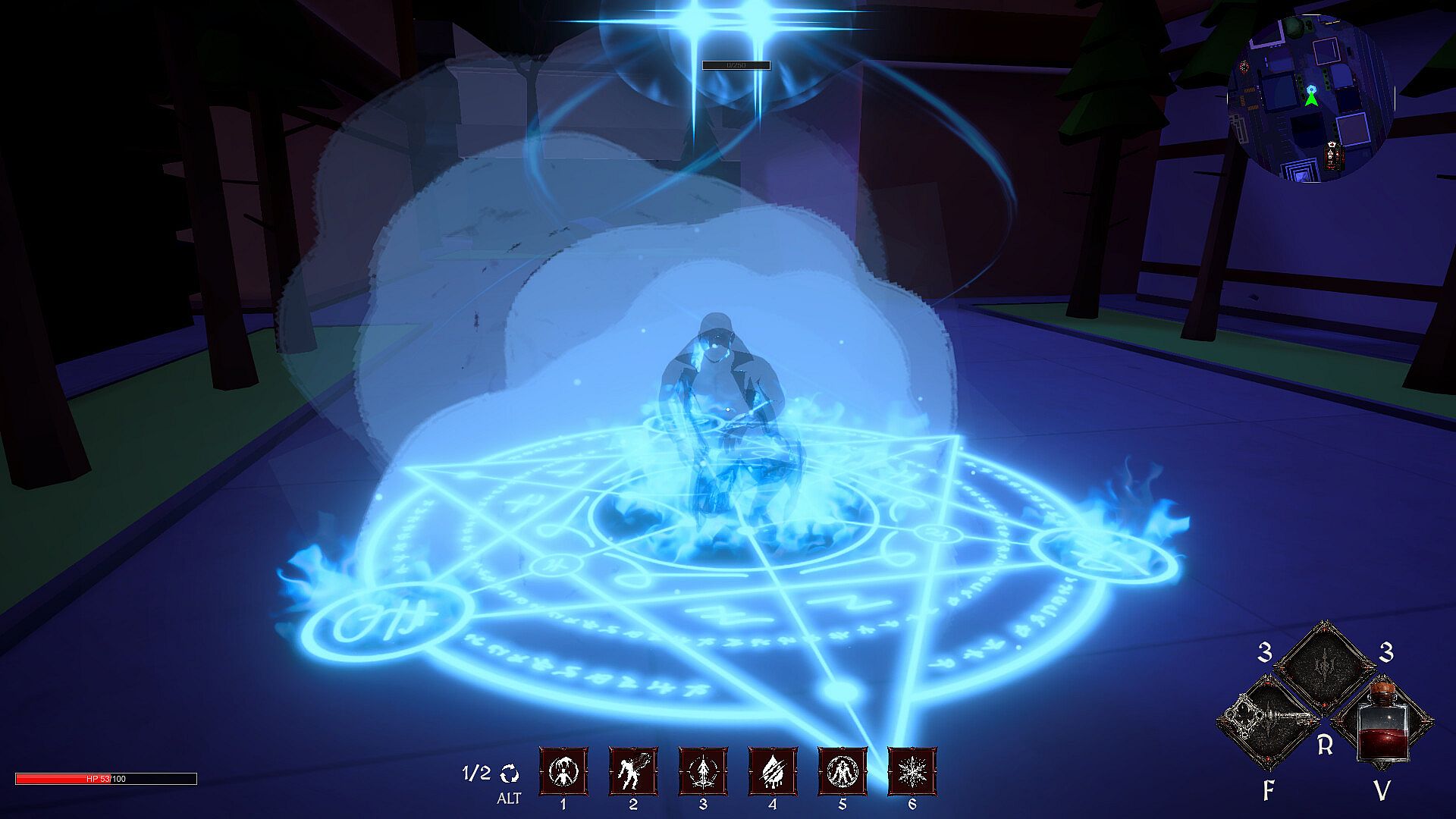
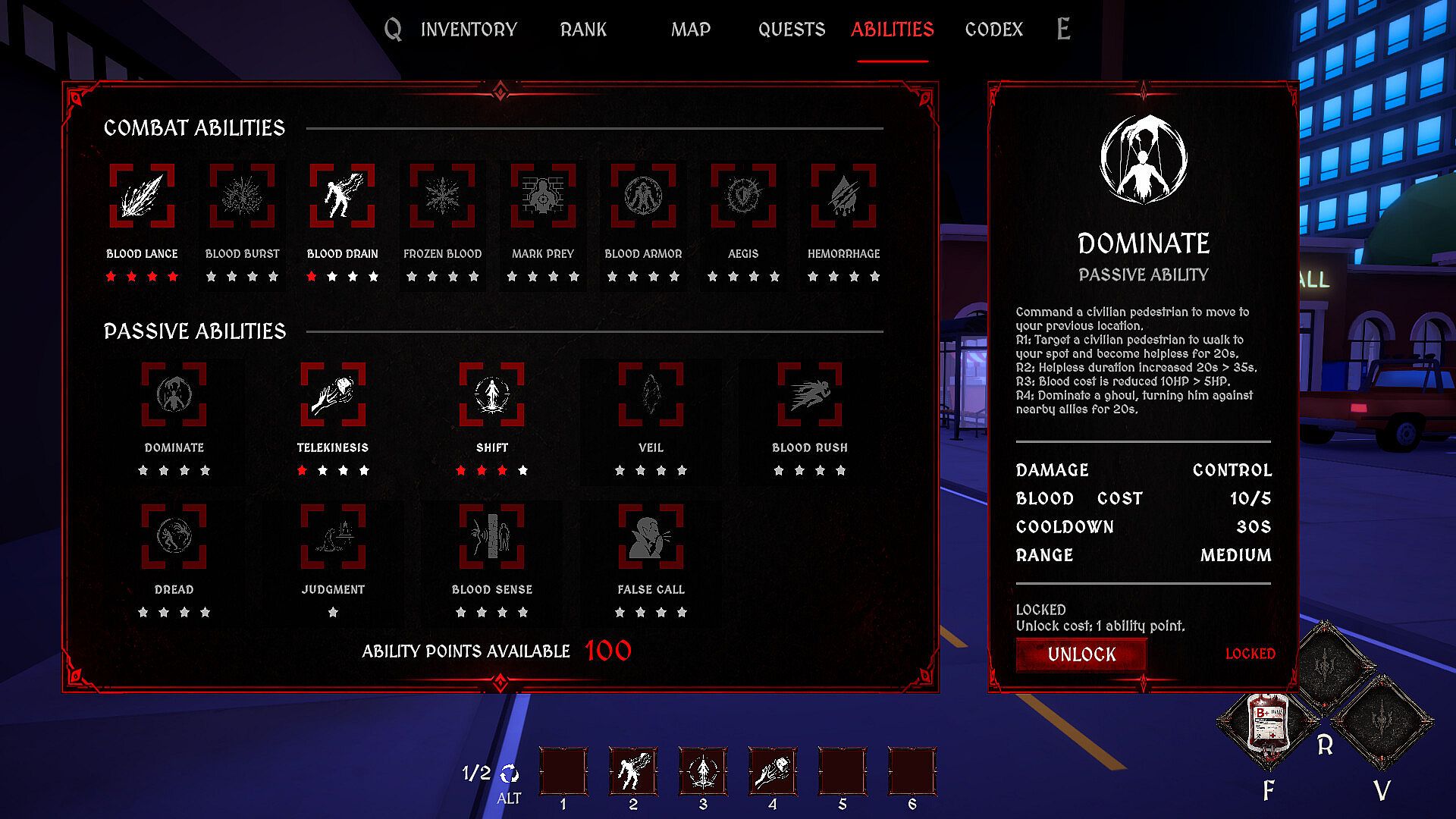
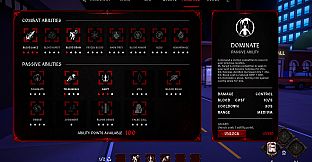
La stregoneria del sangue e le abilità vampiriche costituiscono il livello di combattimento e utilità. Dal menu delle abilità si scelgono liberamente sblocchi e potenziamenti tra opzioni offensive, difensive, di movimento, rilevamento, cura e controllo. Molti poteri consumano salute, quindi bisogna bilanciare alimentazione, fame e costi delle abilità per non diventare vulnerabili. La gestione delle risorse è parte integrante della sopravvivenza durante gli incarichi e l'esplorazione.
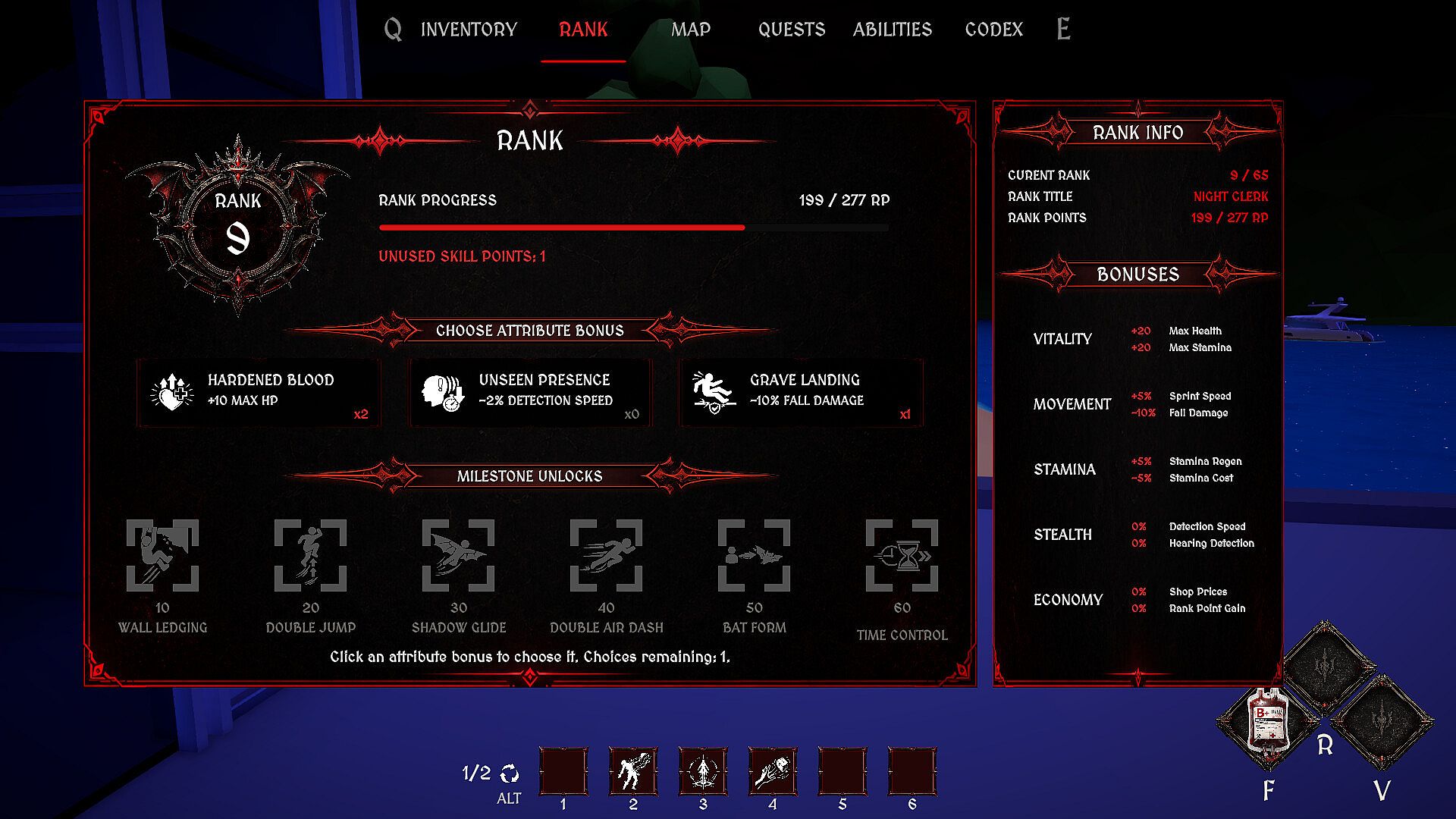
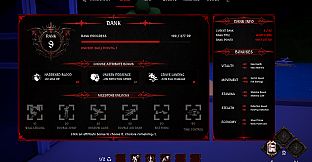
Sessantacinque gradi di autorità si distribuiscono su quattro posizioni: Night Clerk, Enforcer, Hound e Warden. Salire di rango apre nuove abilità, skill maggiori, buff permanenti, nemici più forti e categorie di lavoro ampliate. La città reagisce con sospetti della polizia, rischi civili e minacce vaganti come ghoul, cacciatori e vampiri rivali che compaiono anche fuori dalle missioni per ricompense extra.
Game Modes
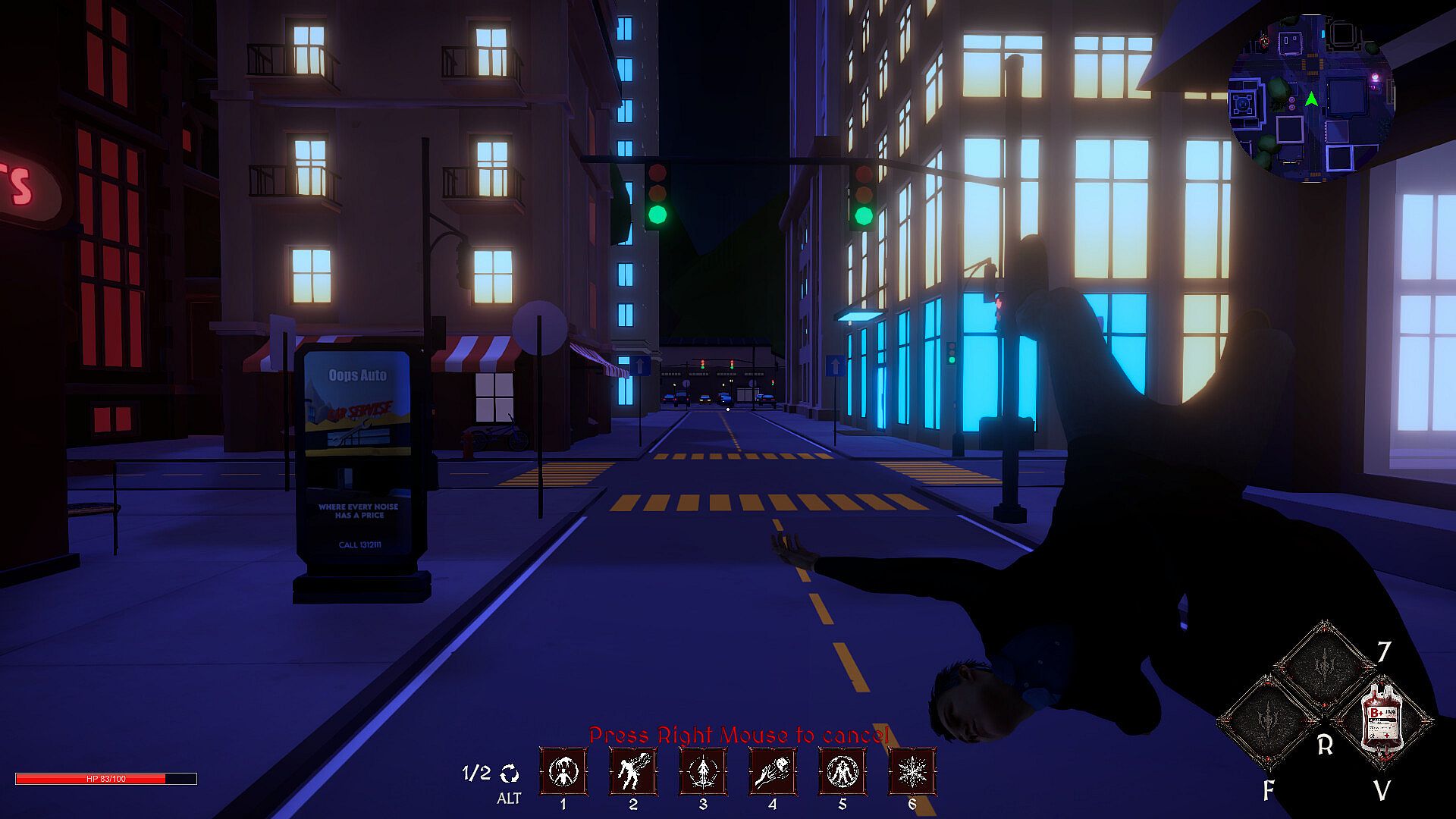
Il gameplay ruota attorno a lavori notturni ripetibili che scalano con il rango. Le consegne richiedono di acquistare merci dai fornitori e consegnarle ai clienti. Il Body Disposal prevede la rimozione di cadaveri per la società nascosta. I Kill Contracts assegnano bersagli marcati. Il Debt Collection porta a recuperare risorse dai debitori. Hunter the Hunter inverte i ruoli dando la caccia ai cacciatori di vampiri. Il Rogue Hunt si rivolge ai vampiri fuorilegge come incarico di alto livello.
Queste categorie alimentano il ciclo principale fornendo denaro, punti di rango e accesso a poteri più forti. L'esplorazione fuori dagli incarichi offre incontri aggiuntivi con umani ostili, polizia e nemici soprannaturali che garantiscono le stesse ricompense, sostenendo una progressione costante nel mondo aperto.
Progressione e economia
Il giocatore costruisce un'economia notturna investendo i guadagni oltre le forniture immediate. Le opzioni includono l'acquisto di rifugi aggiuntivi, l'acquisizione e il potenziamento di dead drop per un reddito passivo maggiore, l'espansione degli inventari dei venditori, l'acquisto di skill maggiori e il miglioramento della bara. Le macchinette distributrici permettono di vendere prodotti immagazzinati. Le scelte determinano se puntare su potenza immediata, accesso alle risorse, luoghi più sicuri o guadagni a lungo termine.
L'Early Access comprende il ciclo completo della campagna single-player, una città continua, tutti i sessantacinque gradi, diversi tipi di incarichi, movimento e combattimento soprannaturali, oltre ai sistemi di sangue, fame, salute, sonno, segretezza e sospetto della polizia. Sono inclusi rifugi acquistabili, bare e dead drop migliorabili, reddito passivo e progressione dei venditori, insieme a dialoghi doppiati, sottotitoli, sei slot di salvataggio manuale, salvataggio automatico, supporto Steam Cloud e gioco completamente offline. Raggiungere il rango massimo richiede in genere quindici-venticinque ore a seconda dello stile di gioco; dopo si può continuare con incarichi, esplorazione e sviluppo dell'economia.
Vale la pena giocarci?
Second Nature: Night Authority è adatto a chi apprezza una progressione metodica in single-player all'interno di un open-world a tema vampiri, con un sistema di movimento e personalizzazione delle abilità molto marcati. La varietà degli incarichi e il sistema di rango creano un ciclo chiaro di lavoro, potenziamenti e ampliamento delle opzioni senza elementi multiplayer. Chi è attratto dall'azione soprannaturale in prima persona, dalla gestione delle risorse e dalla costruzione di sistemi nel tempo troverà profondità nell'economia e nelle scelte di abilità. Come titolo in Early Access offre già il nucleo della campagna e dei sistemi, con margine per ulteriori affinamenti. Chi cerca un'esperienza solitaria focalizzata sul lavoro notturno e sulla navigazione urbana dovrebbe trovarlo in linea con le proprie preferenze.