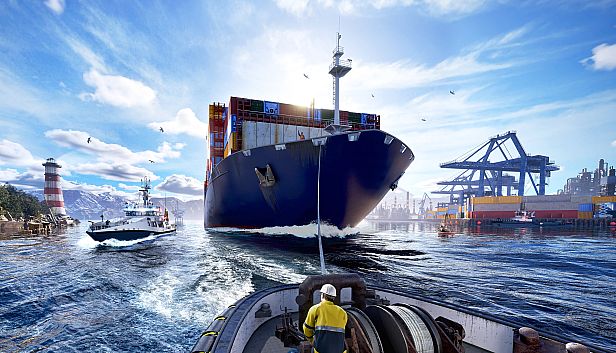


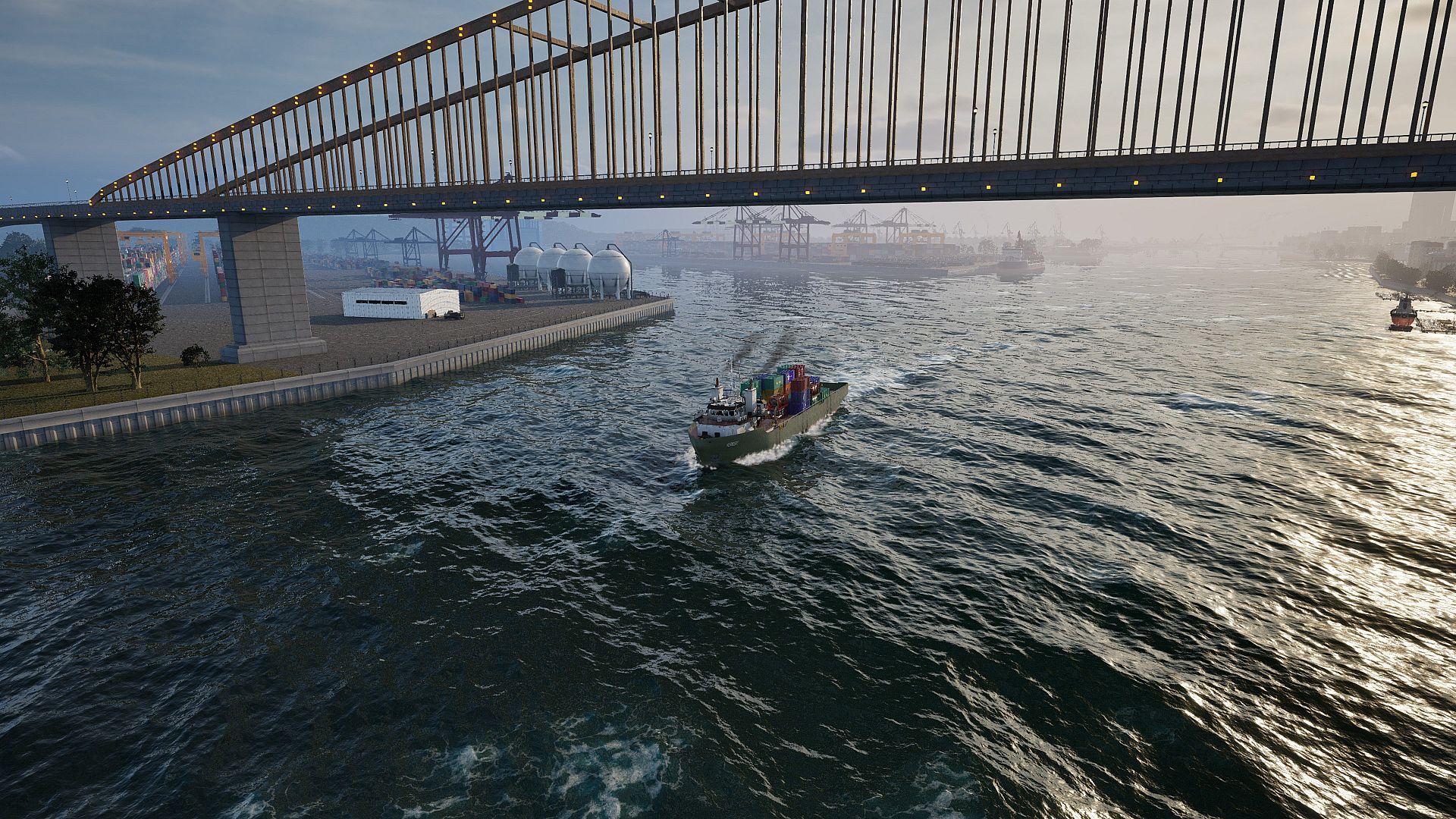
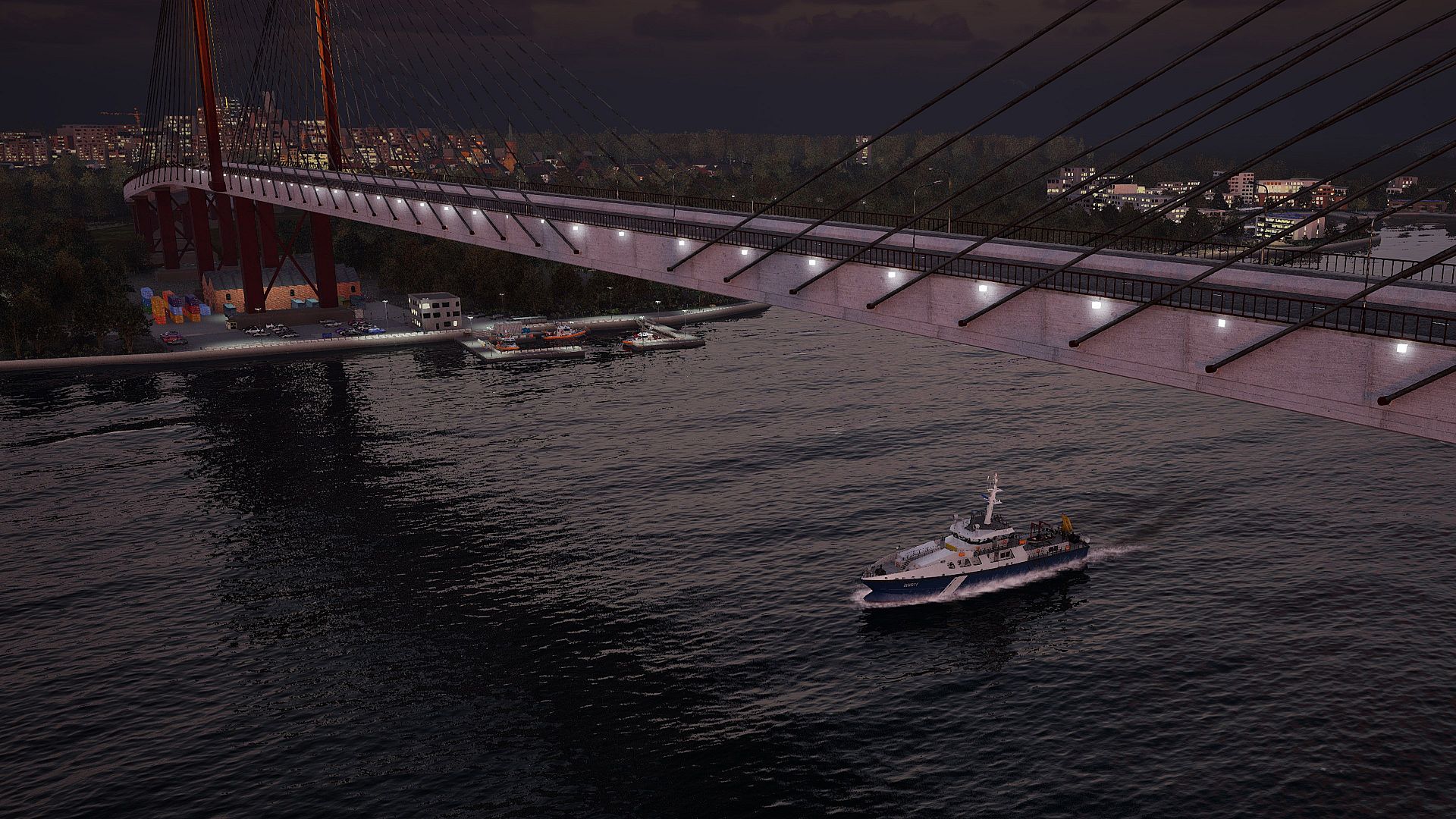
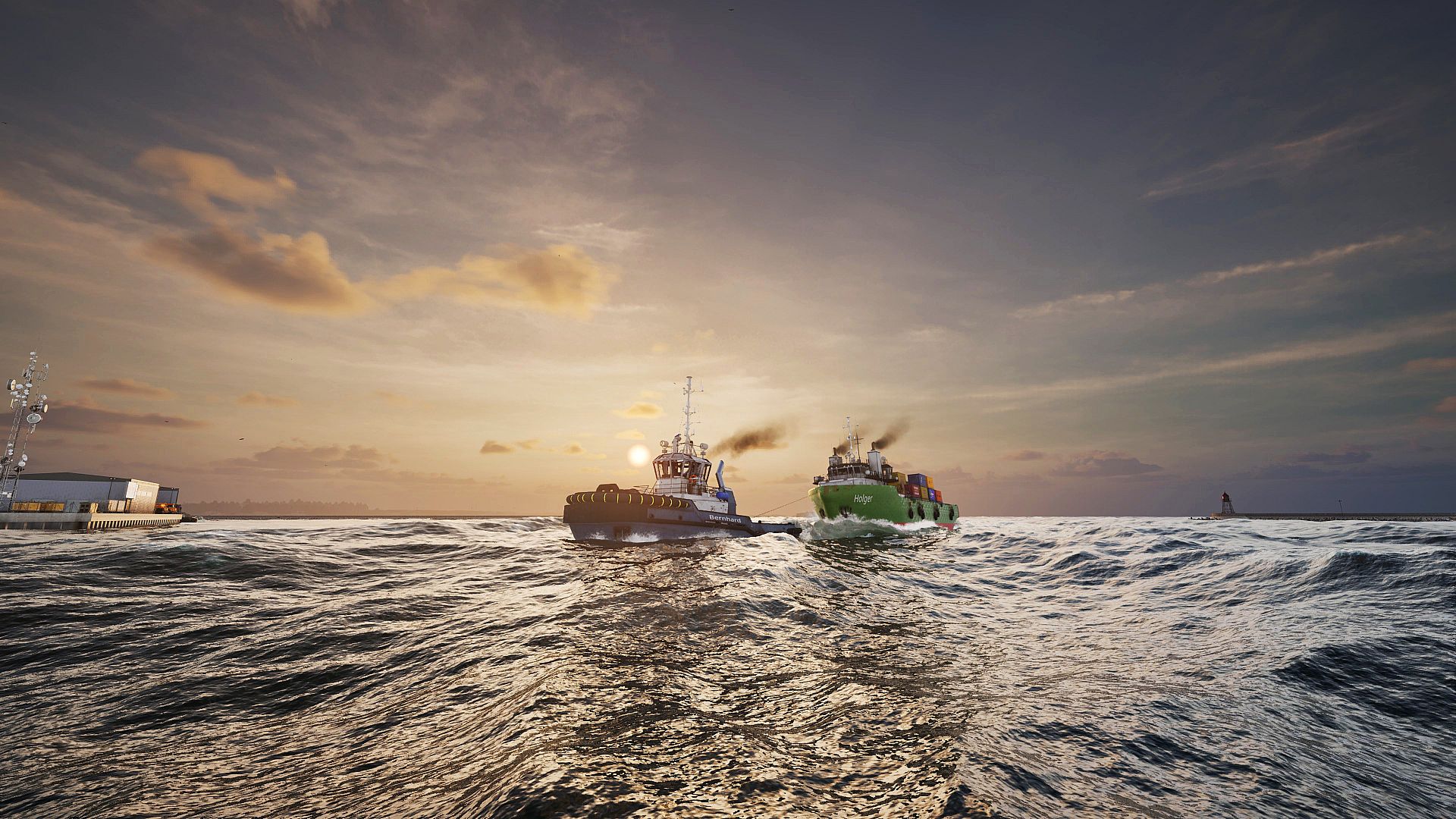
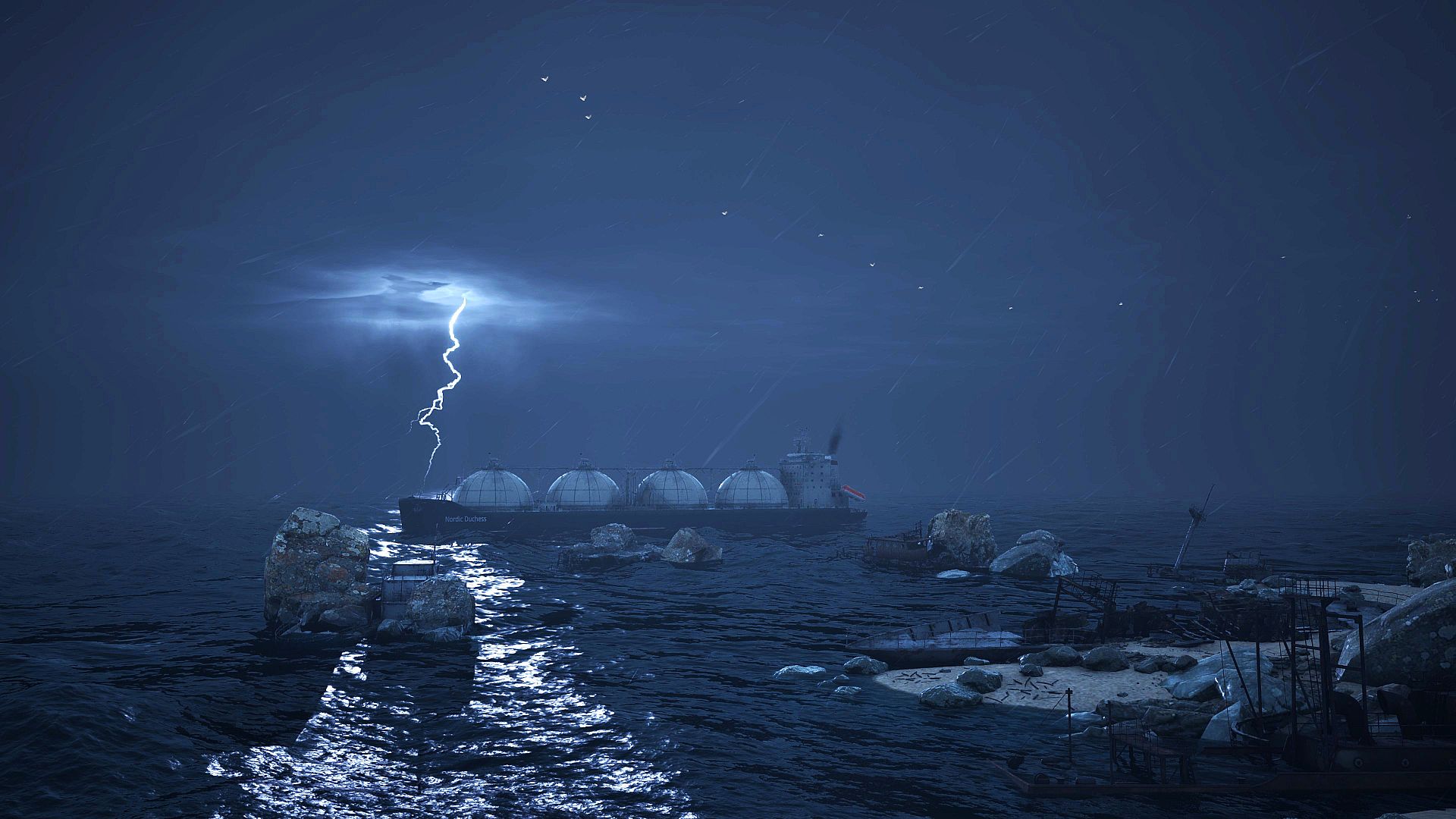
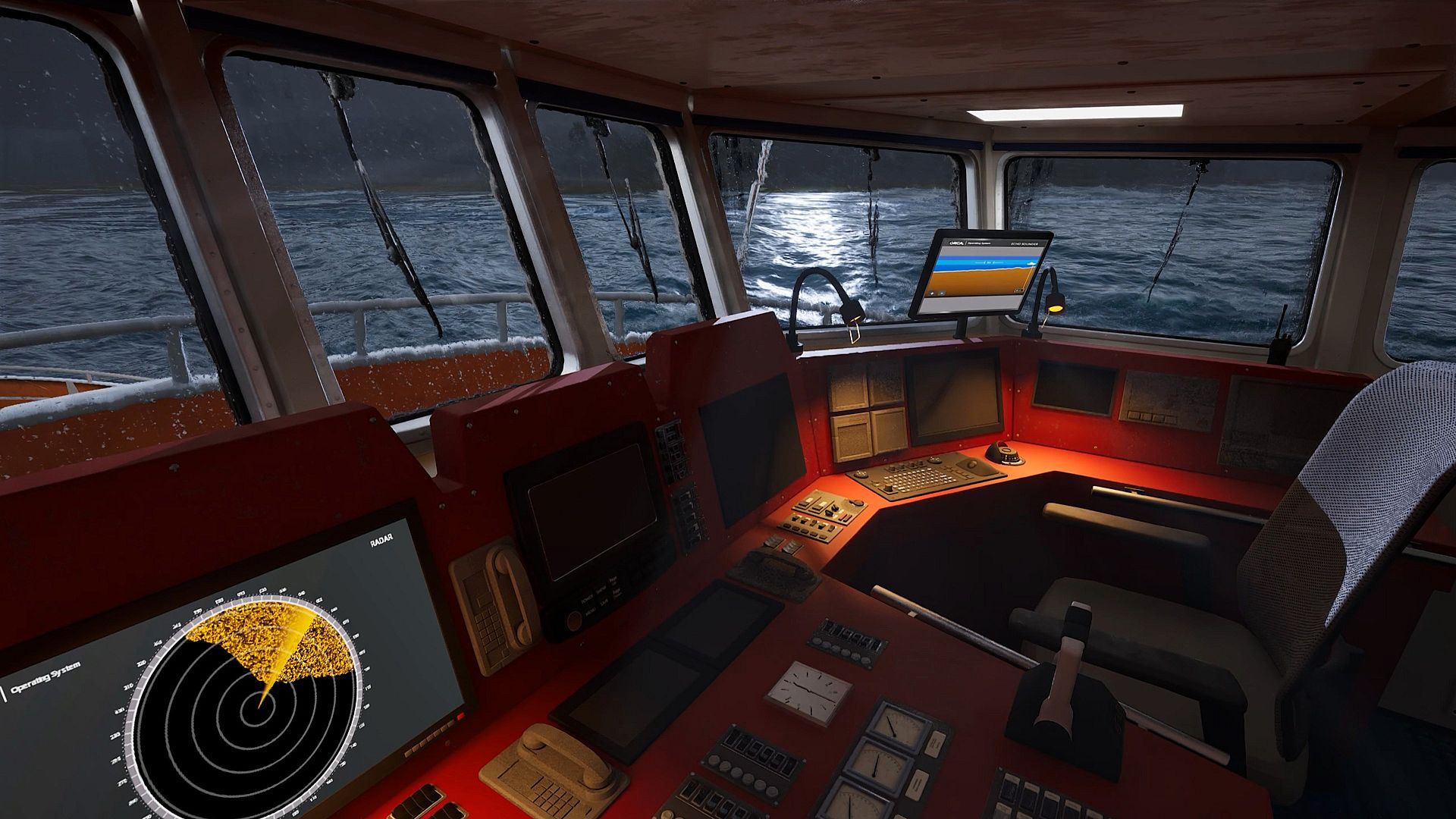
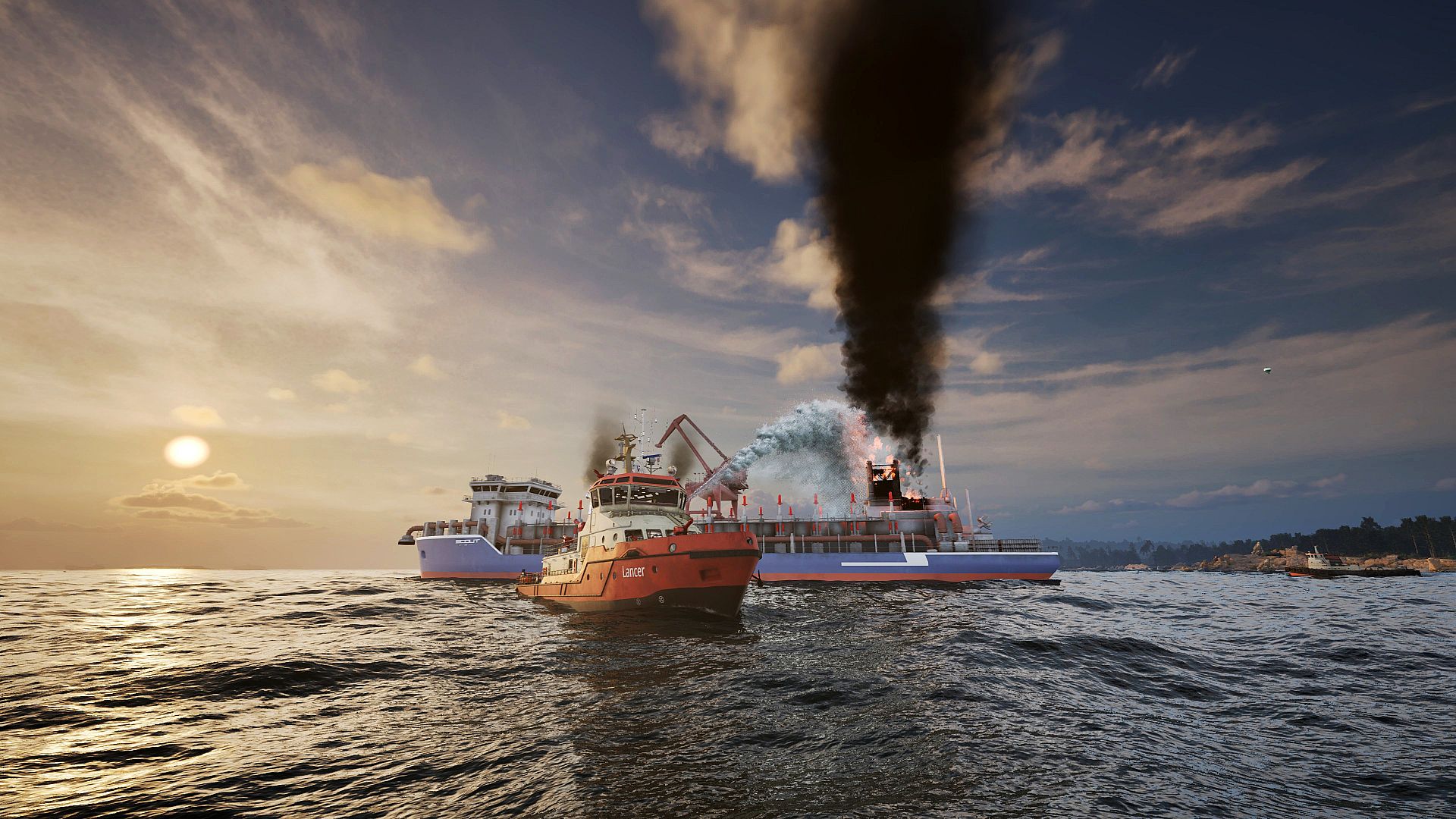
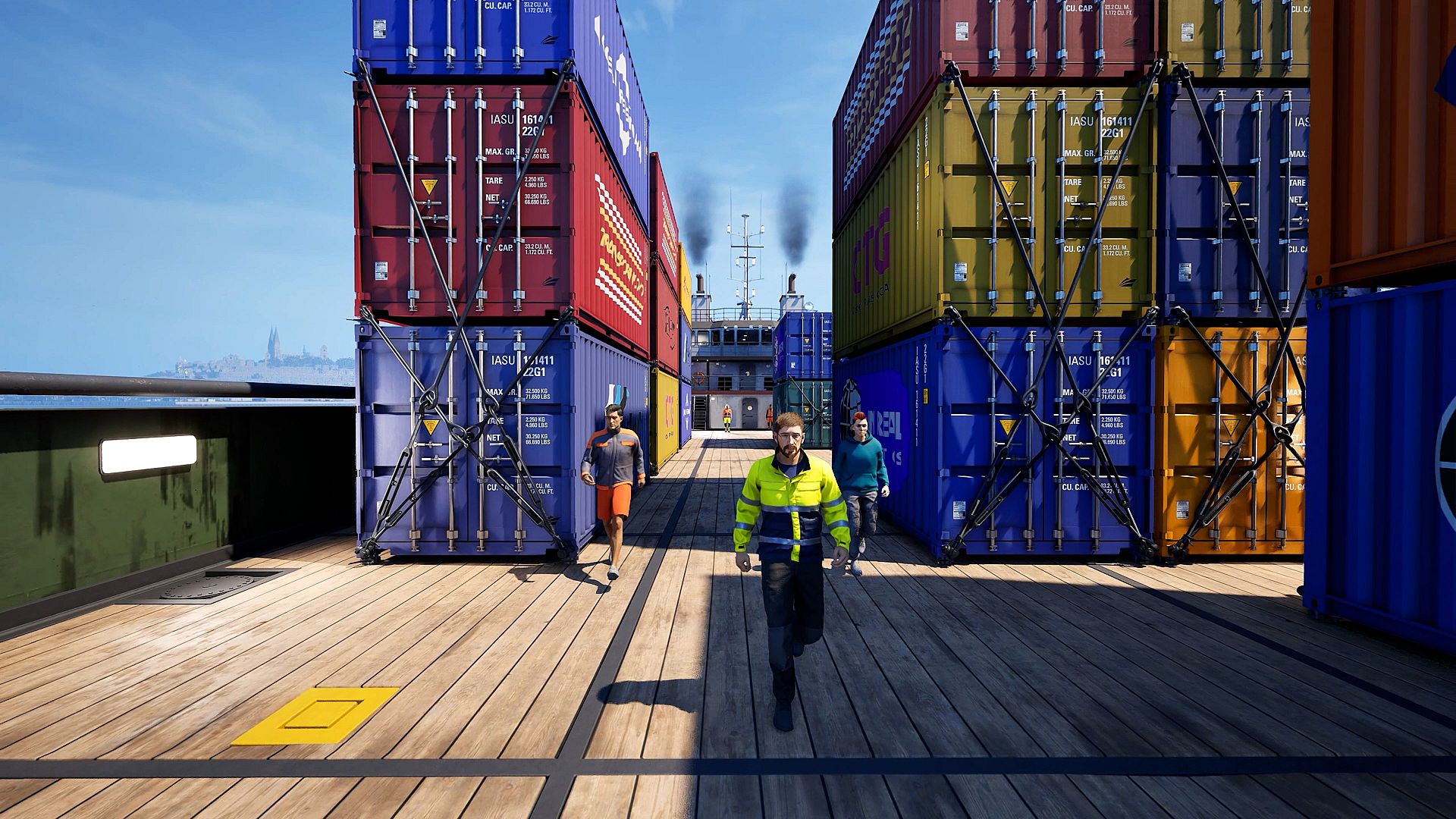
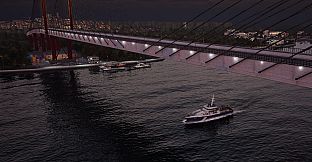
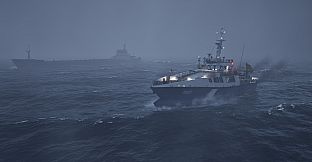
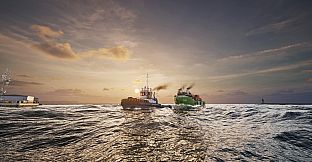
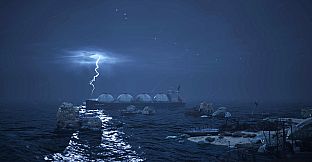
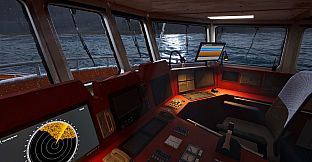
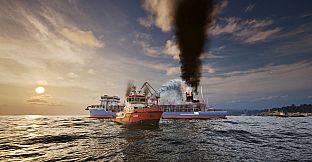
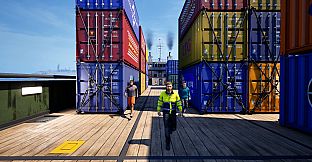
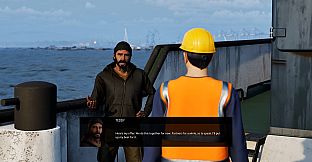
Seafarer: The Ship Sim is a maritime simulation game focused on career building at sea through vessel command, mission variety, and open-world navigation in a Northern Europe-inspired setting. Players take control of different ships to handle cargo runs, emergency responses, and routine patrols while managing progression across harbors and factions.
Gameplay
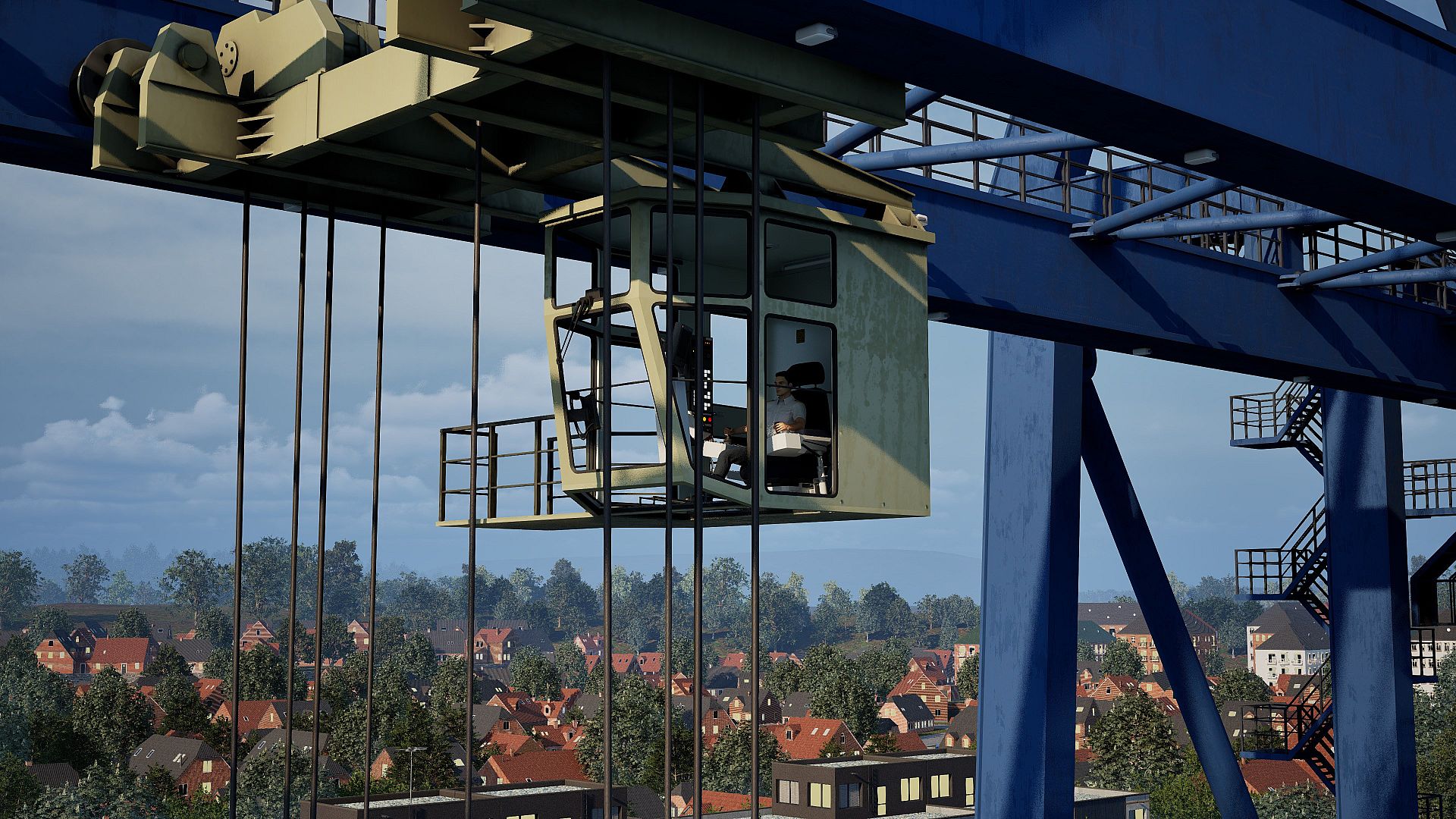
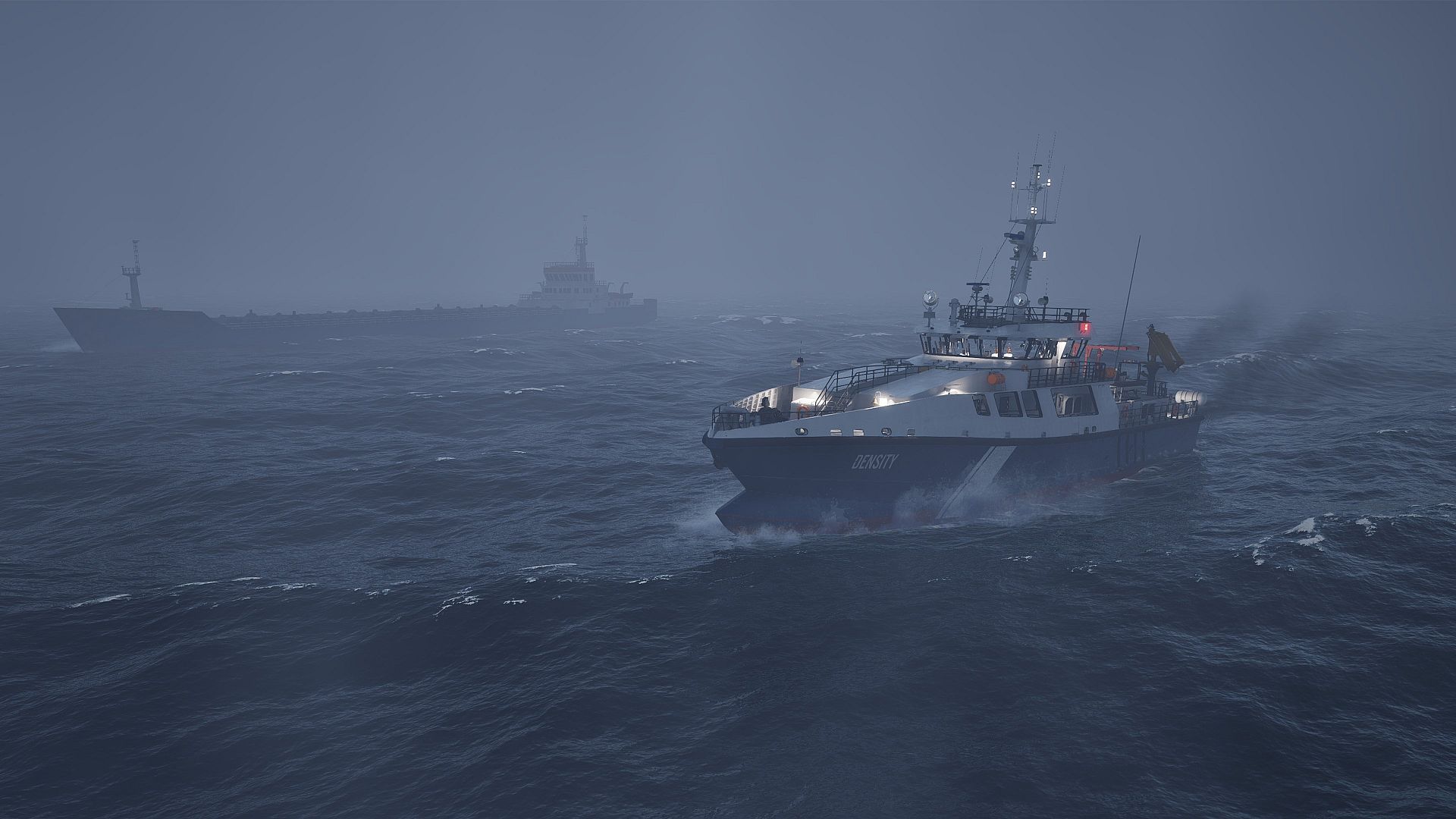
The core loop centers on piloting a range of vessels from small tugs to large cargo ships and tankers. Accessible handling combines with detailed onboard tasks such as operating cranes for loading, using water cannons during fires, deploying drones for scouting, and managing rescue equipment. Dynamic weather, ocean currents, and wave simulation powered by Unreal Engine 5 and NVIDIA WaveWorks 2.0 influence navigation and require adjustments during voyages. Players also perform engine maintenance, inspections involving document checks and safety reviews, and deck cleaning on certain carriers. A reputation system tracks standing at individual ports, unlocking new ships, regions, and opportunities as standing improves through completed jobs and independent trading of goods like containers, bulk cargo, and LNG.
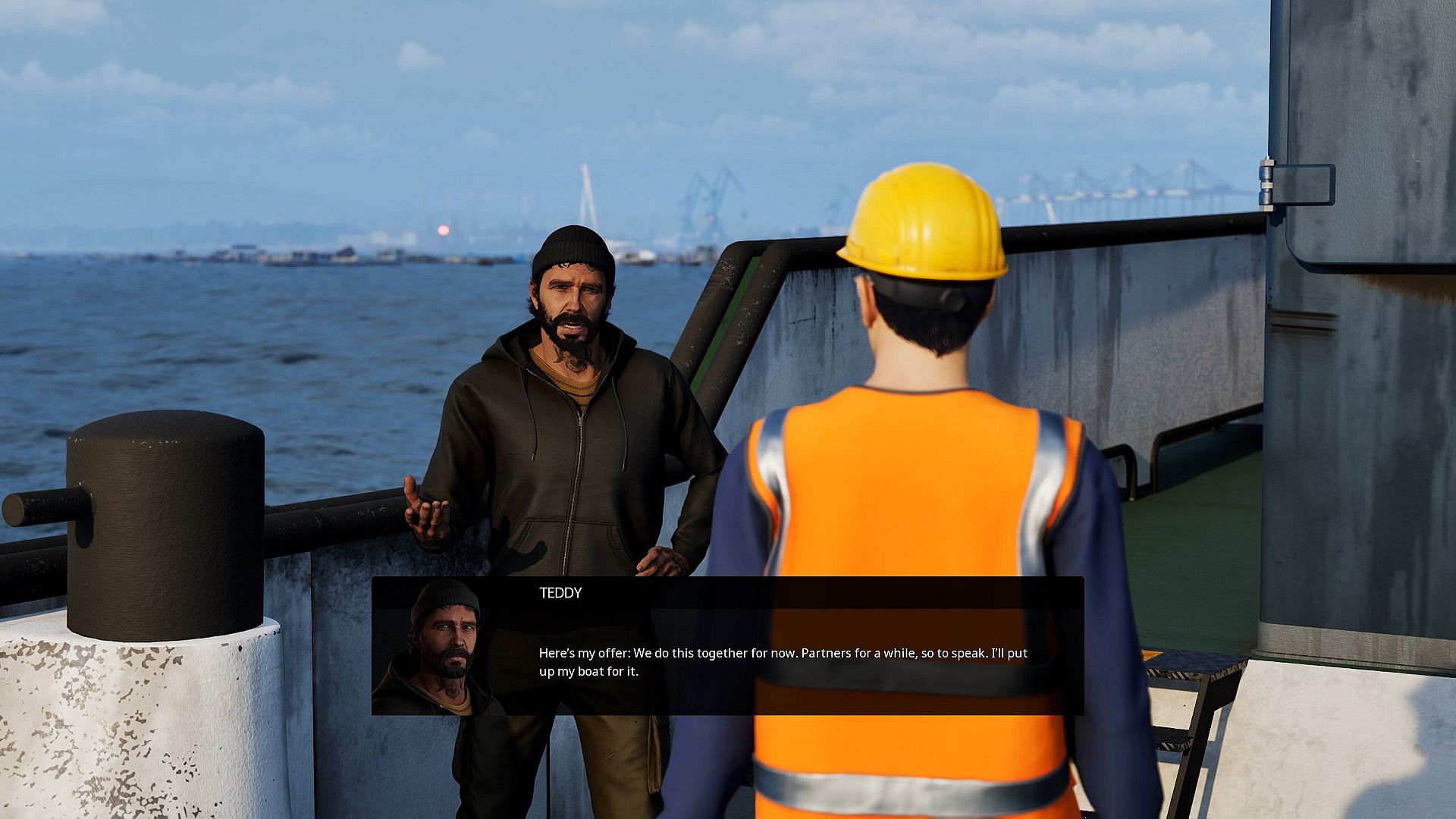
Customization options let captains rename vessels, alter colors, and apply flags or logos. The story campaign follows experienced captain Teddy through a narrative involving sabotage, piracy, and personal redemption, with missions that integrate dramatic rescues, firefighting, and unexpected events. Persistent world elements mean port activities and cargo operations continue over multiple in-game days even without direct player involvement.
Game Modes
My Career serves as the main sandbox progression path where players build an independent maritime business through trading and mission contracts without relying solely on fixed objectives. The story-driven campaign delivers a linear sequence of missions that advance Teddy's arc and conclude with additional chapters added in updates. Multiplayer supports cooperative play for up to four players on the same vessel, allowing shared duties during cargo operations, firefighting, rescues, and patrols. Free Trade expands options for buying and selling across harbors, creating flexible routes that complement contract work.
Progression and Features
Reputation replaces earlier experience systems and governs access to new content at specific ports. Players expand their fleet over time while reacting to radio calls, daily challenges, and dynamic events at sea. Interactive tools and varied job types keep individual voyages distinct, from bulk transport and container logistics to Tide Guard patrols and highjacking responses. Updates have introduced expanded trading for LNG and bulk goods, additional missions, a reworked inspection system, and drones on more ships.
Is It Worth Playing?
Player feedback on Steam shows mixed results with a score around 66 out of 100 from over 2,000 reviews. Strengths include strong visuals, atmospheric sea conditions, and the range of maritime roles available. Some players note repetitive elements and performance inconsistencies in certain conditions, though ongoing updates have added co-op support, new missions, and progression refinements ahead of the planned full release. The game suits those who enjoy simulation experiences centered on ship handling, career advancement, and varied sea-based tasks in a scenic open world. Those seeking deeper physics modeling or highly realistic nautical systems may find the current depth limited. With active development continuing toward the September 2026 launch across platforms, the title offers a solid foundation for fans of the genre who appreciate its mix of solo career building and cooperative options.