






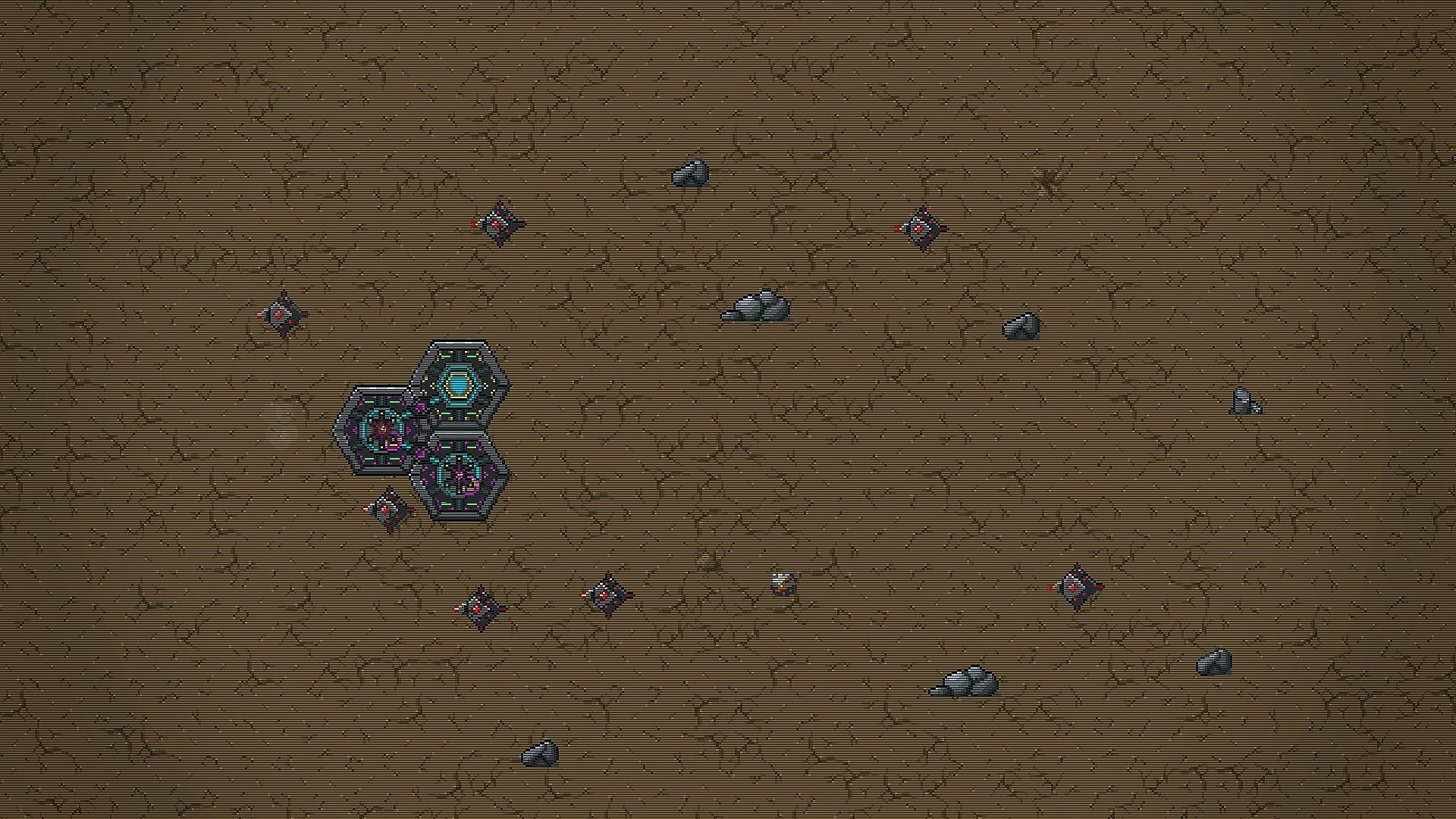
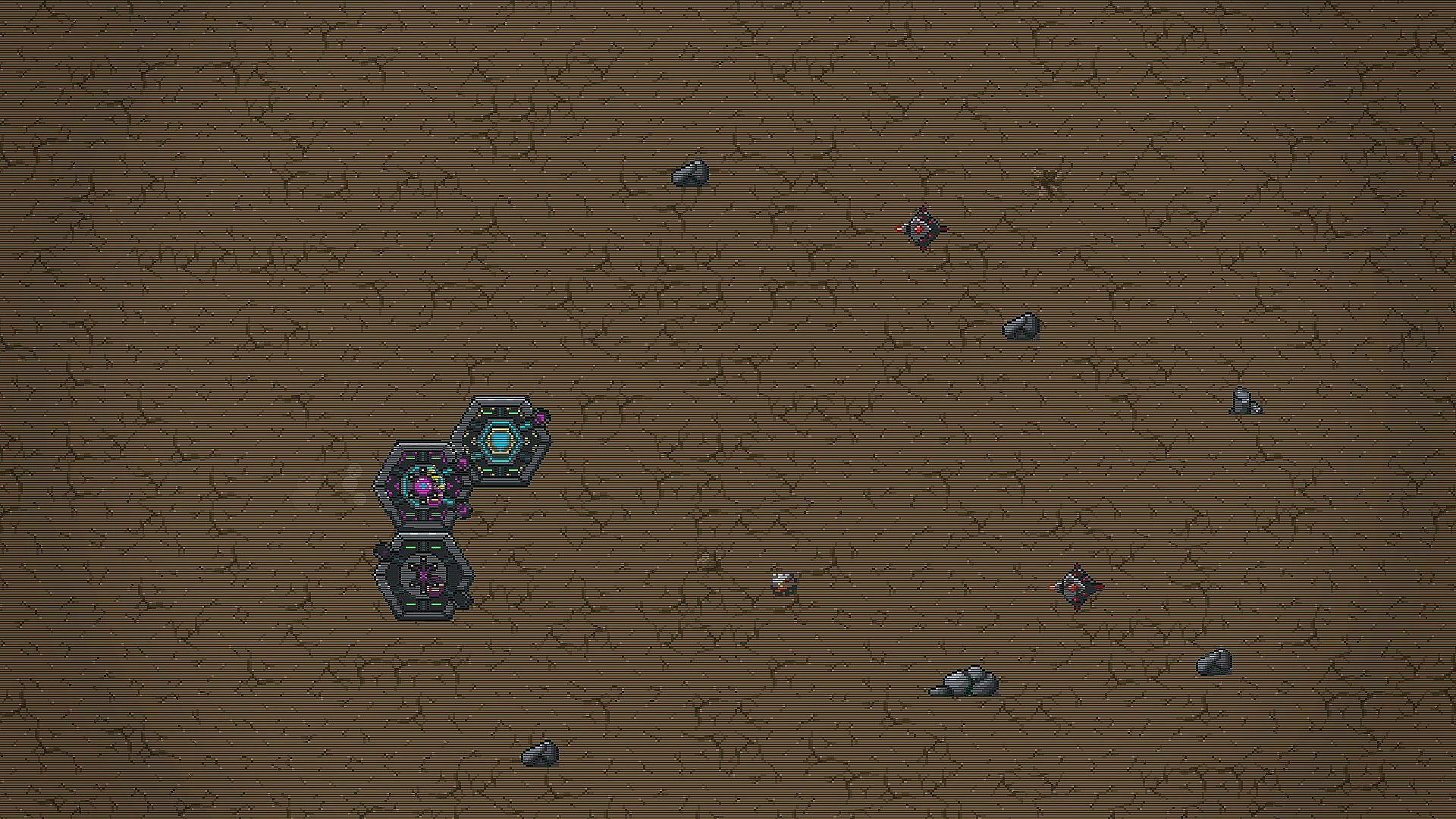
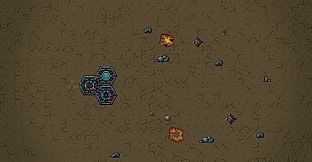
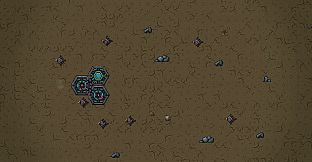
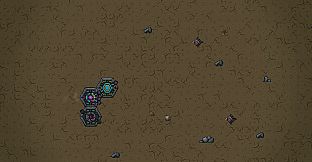
Rush Out Death is a top-down mechanical action game that blends strategy and indie design on PC. Players control a root weapon and expand it into a mobile fortress by attaching hexagonal components in a hostile wasteland. The core loop involves racing rightward while managing connections, routing signals, and salvaging parts from destroyed pursuers to survive longer runs.
Gameplay
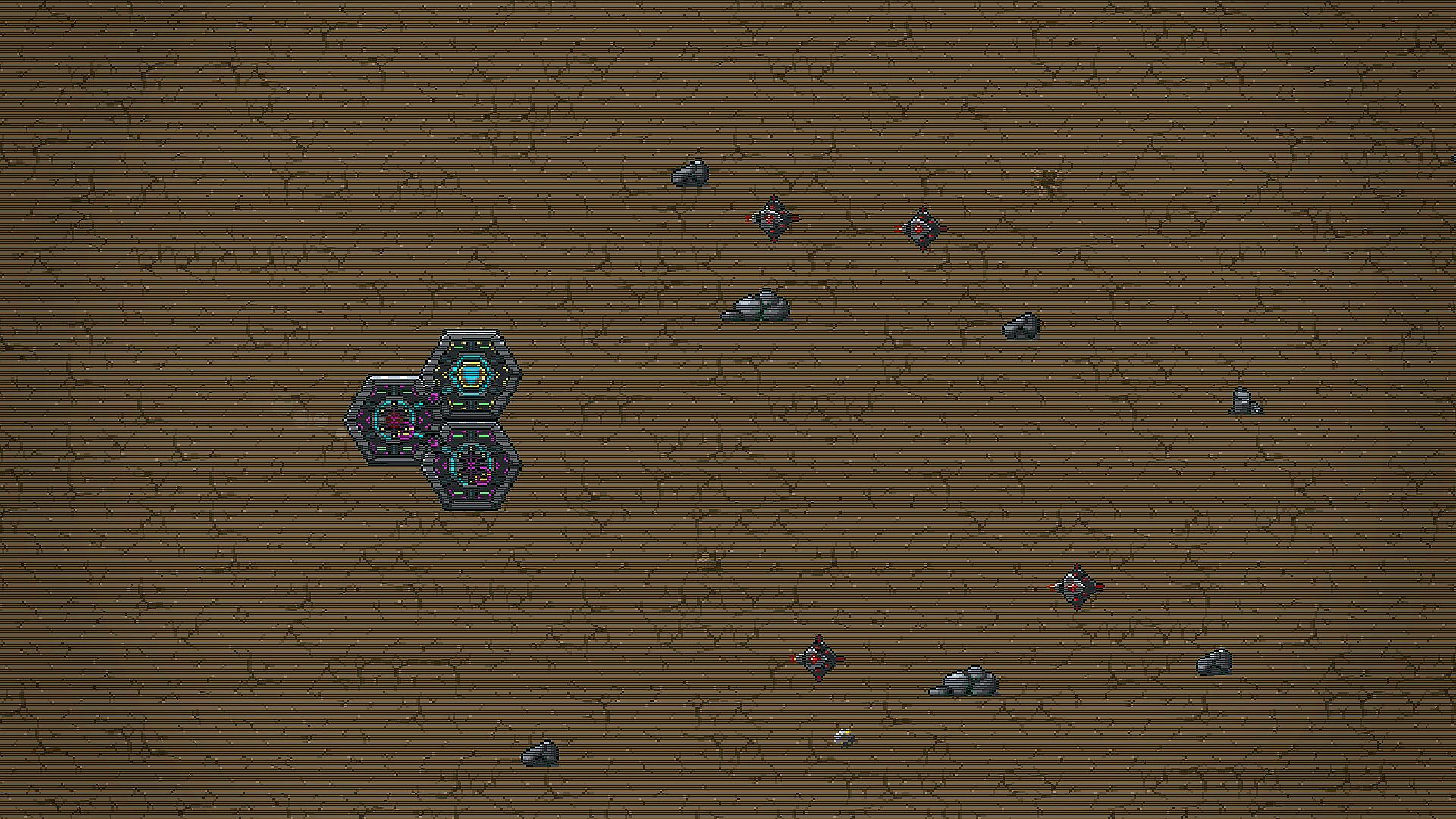
The central system revolves around hexagonal modular construction. Each component attaches edge-to-edge and carries its own inputs, outputs, and durability rating. Players must align interfaces correctly so that signals from the root node reach weapons and support modules in the intended sequence. A pulse travels along the chosen routes, activating machine guns, shields, or other systems at specific moments during movement.
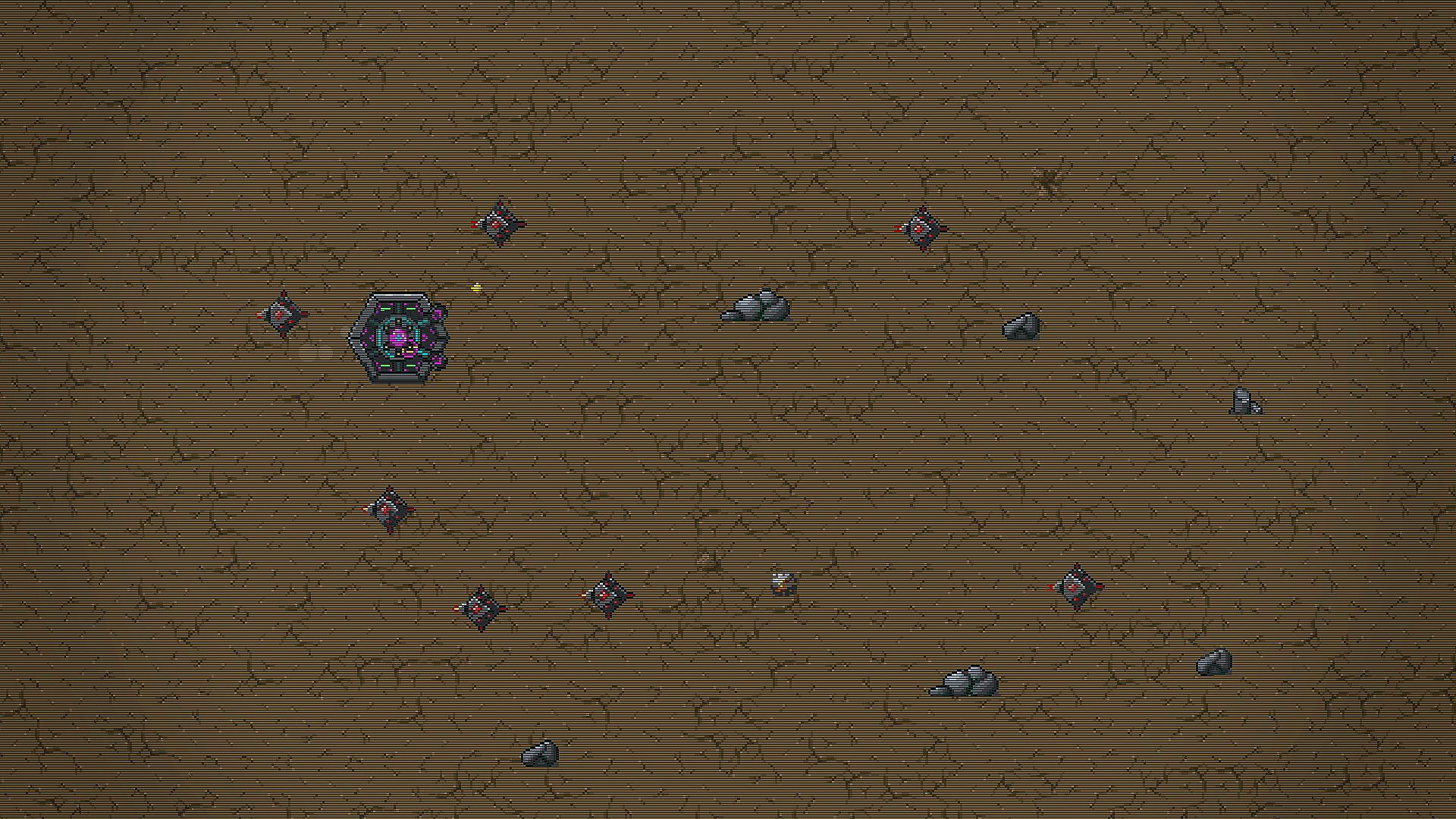
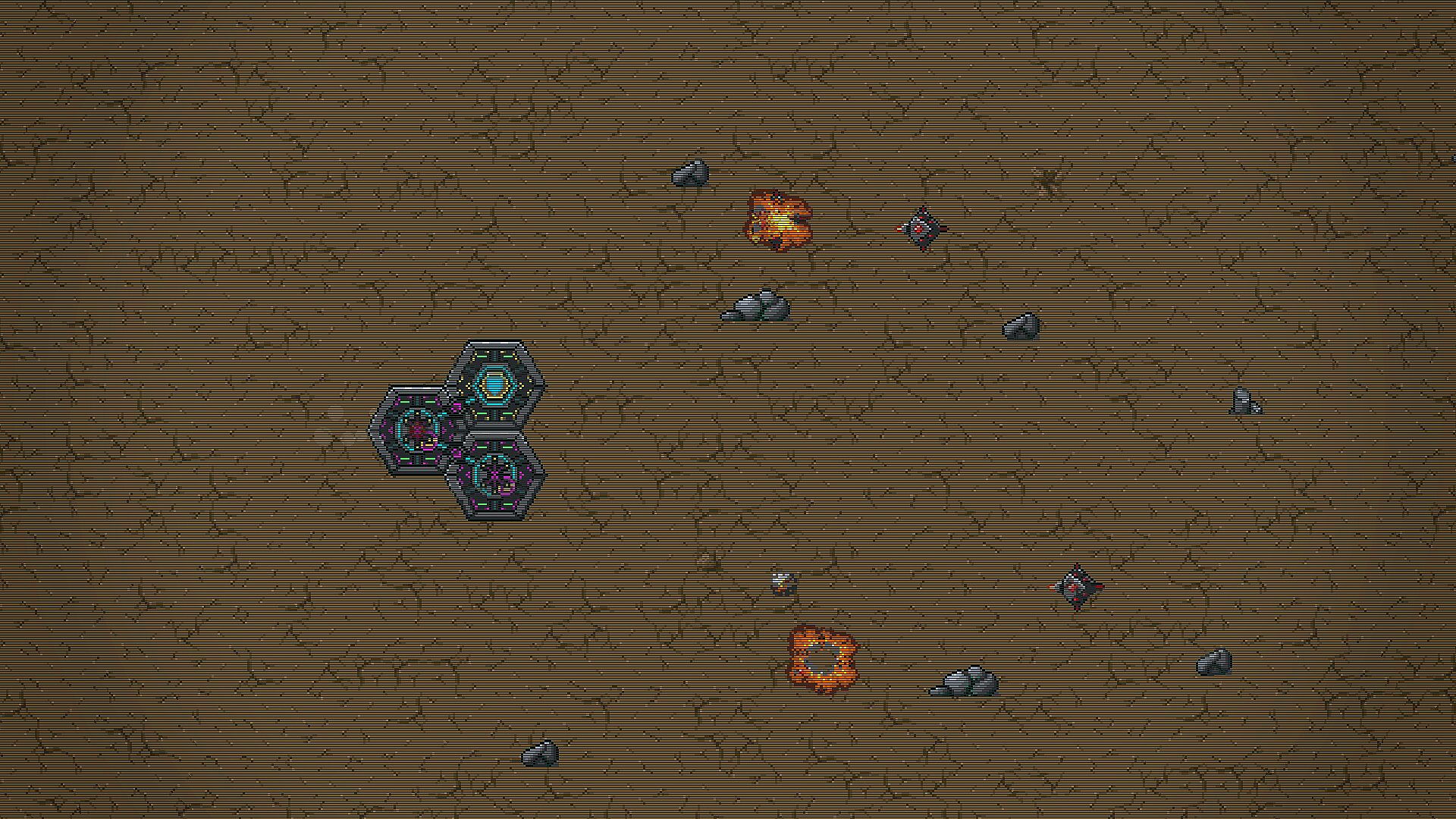
Combat stays constant as mechanical enemies close in from multiple directions. Destroying them yields scrap and fresh components that can be installed, upgraded, repaired, or dismantled on the fly. Damage registers independently on every piece, shown through durability indicators and visible wear. Broken connections force immediate adjustments while the machine continues forward, turning each run into a test of real-time reconfiguration under pressure.
Hand-drawn industrial pixel art and a CRT-inspired atmosphere reinforce the sense of a battered machine pushing through endless wasteland threats. Trade-offs appear naturally between firepower, defensive layers, connection reliability, and overall structural integrity.
Game Modes
Rush Out Death focuses on single-player pursuit and shooting combat. The experience centers on successive rightward runs across procedurally challenging stretches of wasteland, where the goal is to extend survival through better builds and faster adaptation. No separate multiplayer or co-op modes appear in available information, keeping the emphasis on individual mastery of the modular signal network and on-the-run salvage decisions.
Core Mechanics and Progression
Progression ties directly to component collection and network planning. Early runs introduce basic attachments and simple pulse routing. Later attempts reward players who experiment with complex layouts that balance offensive output against defensive coverage and connection stability. Each destroyed pursuer adds new options, but every addition risks overloading the signal paths or exposing weak points to incoming fire.
Visual feedback plays a key role. Durability lights and progressive wear on individual hexes make it clear when a route has failed or a module has gone offline. Players learn to read these cues quickly and reroute signals without stopping momentum, which remains the constant requirement across every attempt.
Is It Worth Playing?
Rush Out Death targets players who enjoy deliberate strategy within fast-paced top-down action. The hexagonal connection rules and pulse sequencing create meaningful decisions that reward careful planning even as enemies press from all sides. Because the game remains in a coming-soon state with no released version or player reviews available, any final judgment depends on how well the modular systems perform once it launches.
Fans of roguelite structure and mechanical customization will find the described loop appealing if they value on-the-fly rebuilding over static loadouts. Those seeking immediate multiplayer options or established review consensus should wait for release and community feedback before committing.











