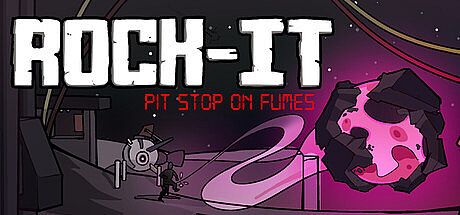


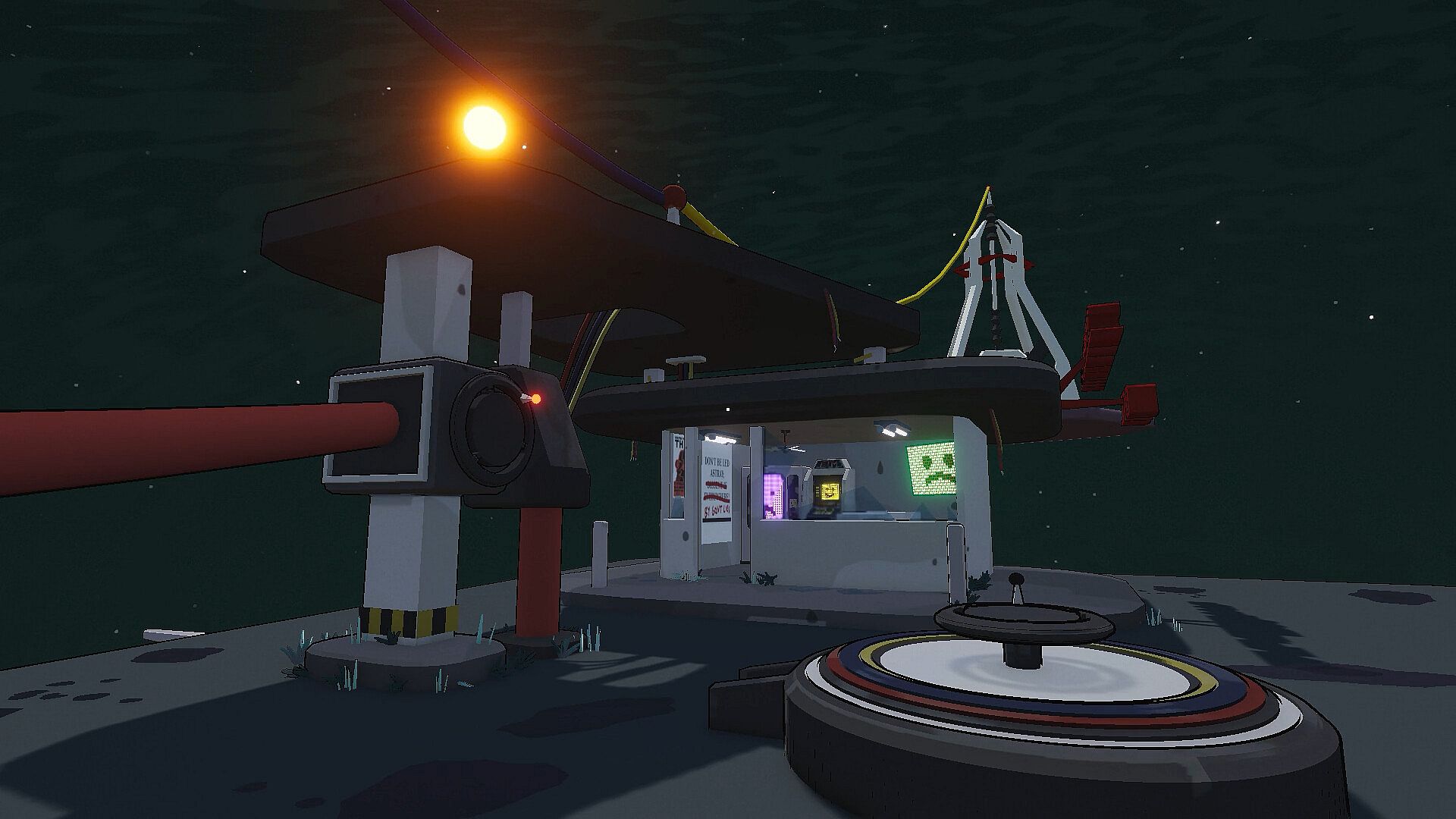
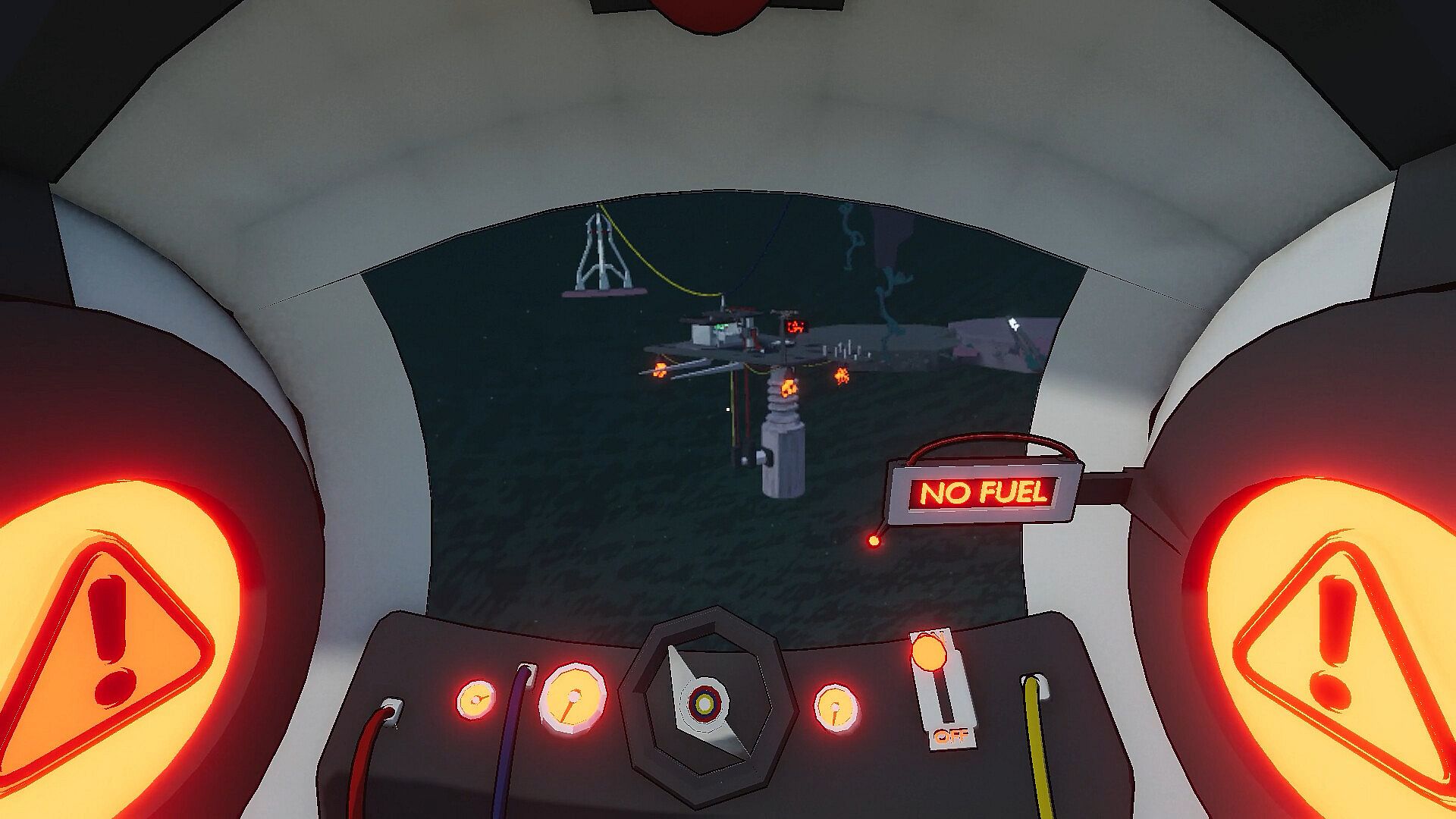
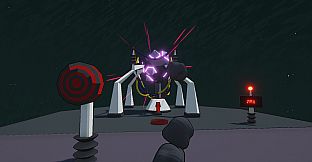
ROCK-IT: Pit Stop On Fumes is an indie casual game for PC that puts players in the role of a stranded astronaut who must extract fuel from moon rocks to escape the cosmos. The core premise revolves around resource gathering in a hostile space environment, where every action ties directly into survival and progression through physical interactions rather than menus or abstract systems.
Gameplay
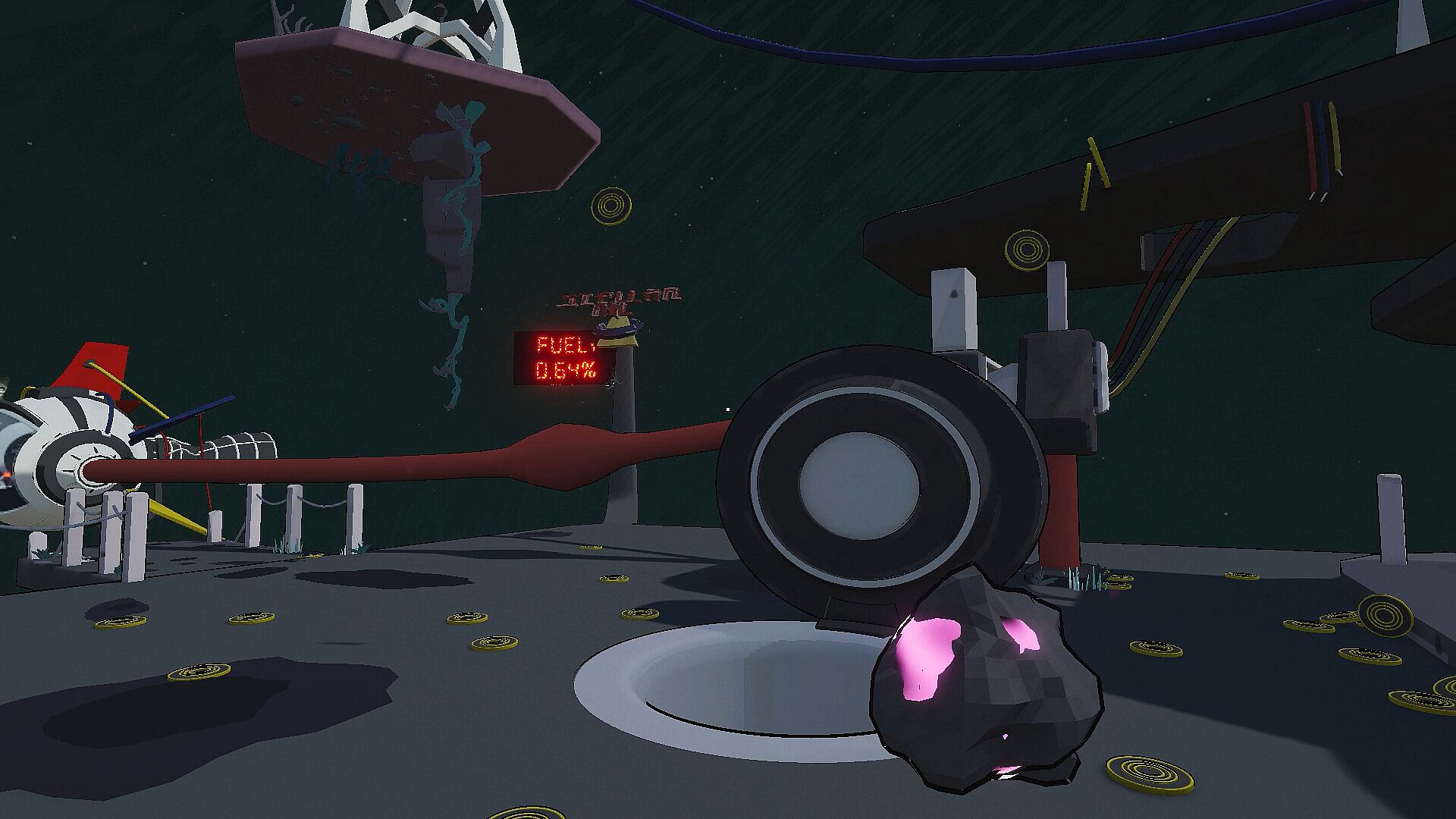
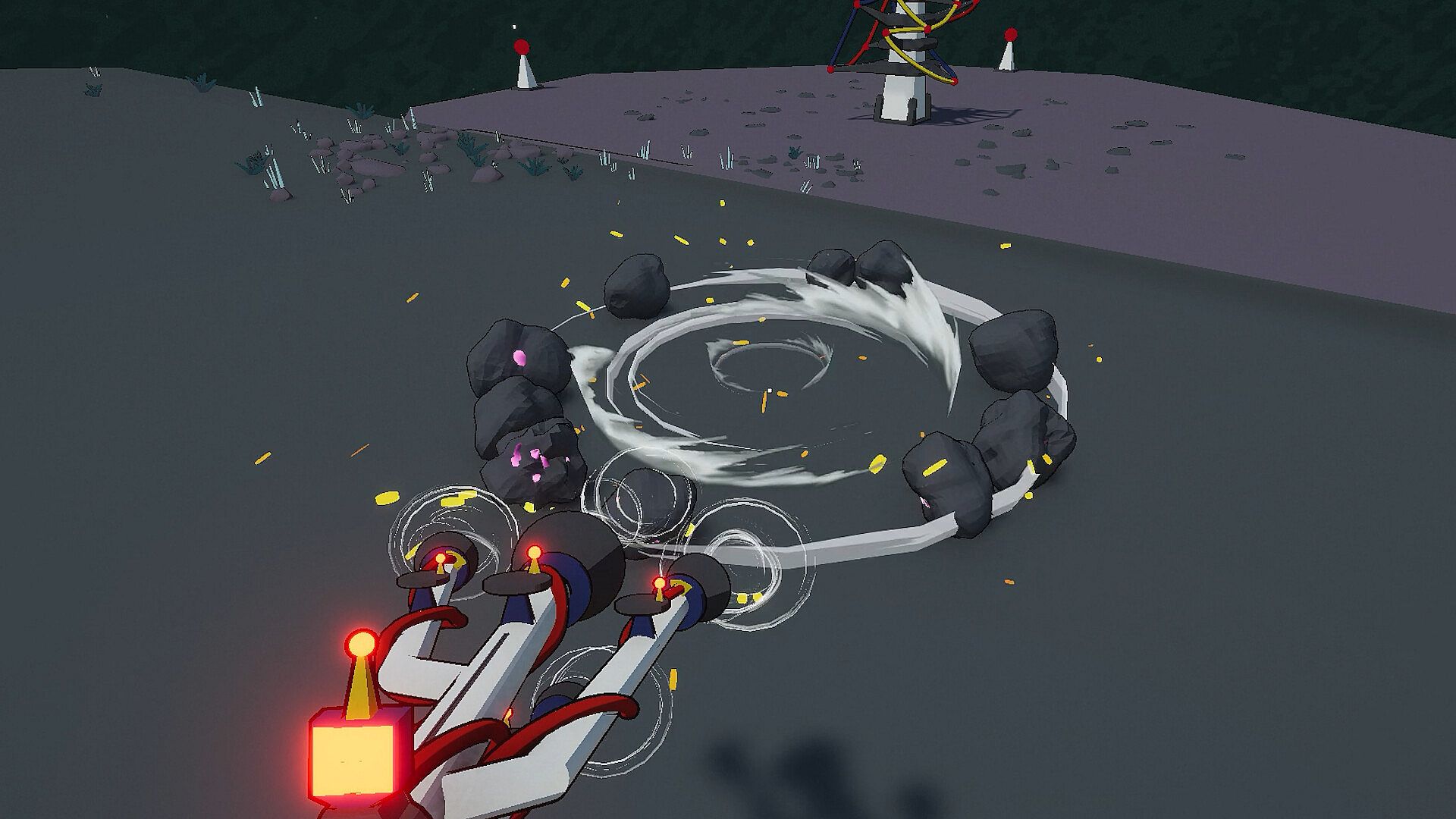
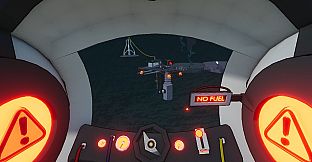
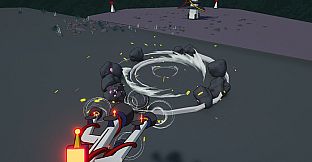
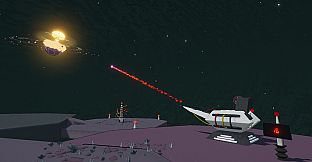
The central loop involves approaching abandoned gas station rocks on a lunar surface and delivering repeated kicks to wear them down. Rocks respond in real time with deformation, sinking, and eventual shattering that releases fuel for collection. Players monitor their personal strength meter closely, as overexertion risks triggering asteroid showers that disrupt operations. Once fuel is secured, it goes straight into the tank to enable departure, with rewards from successful cycles funding new equipment purchases.
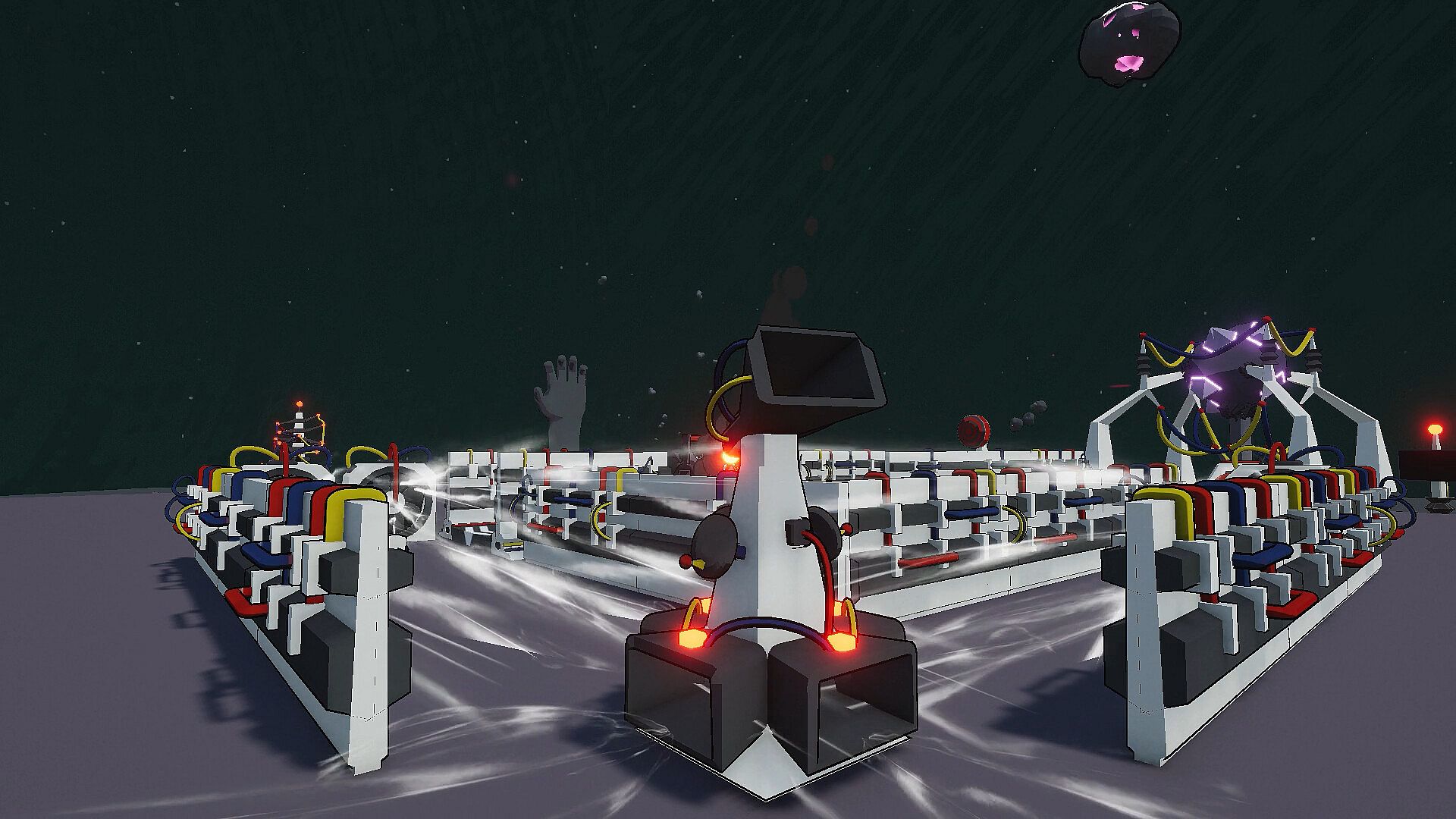
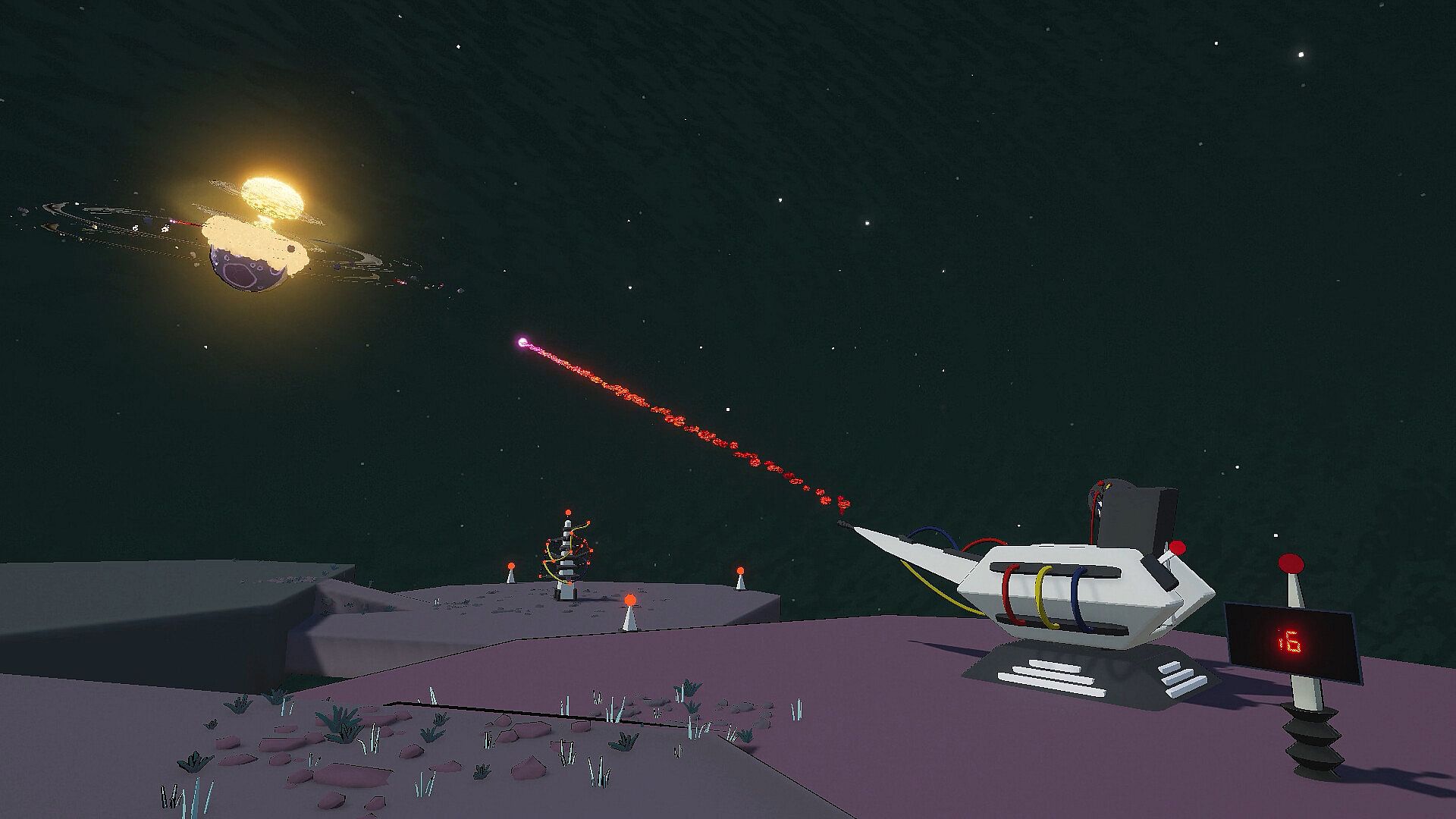
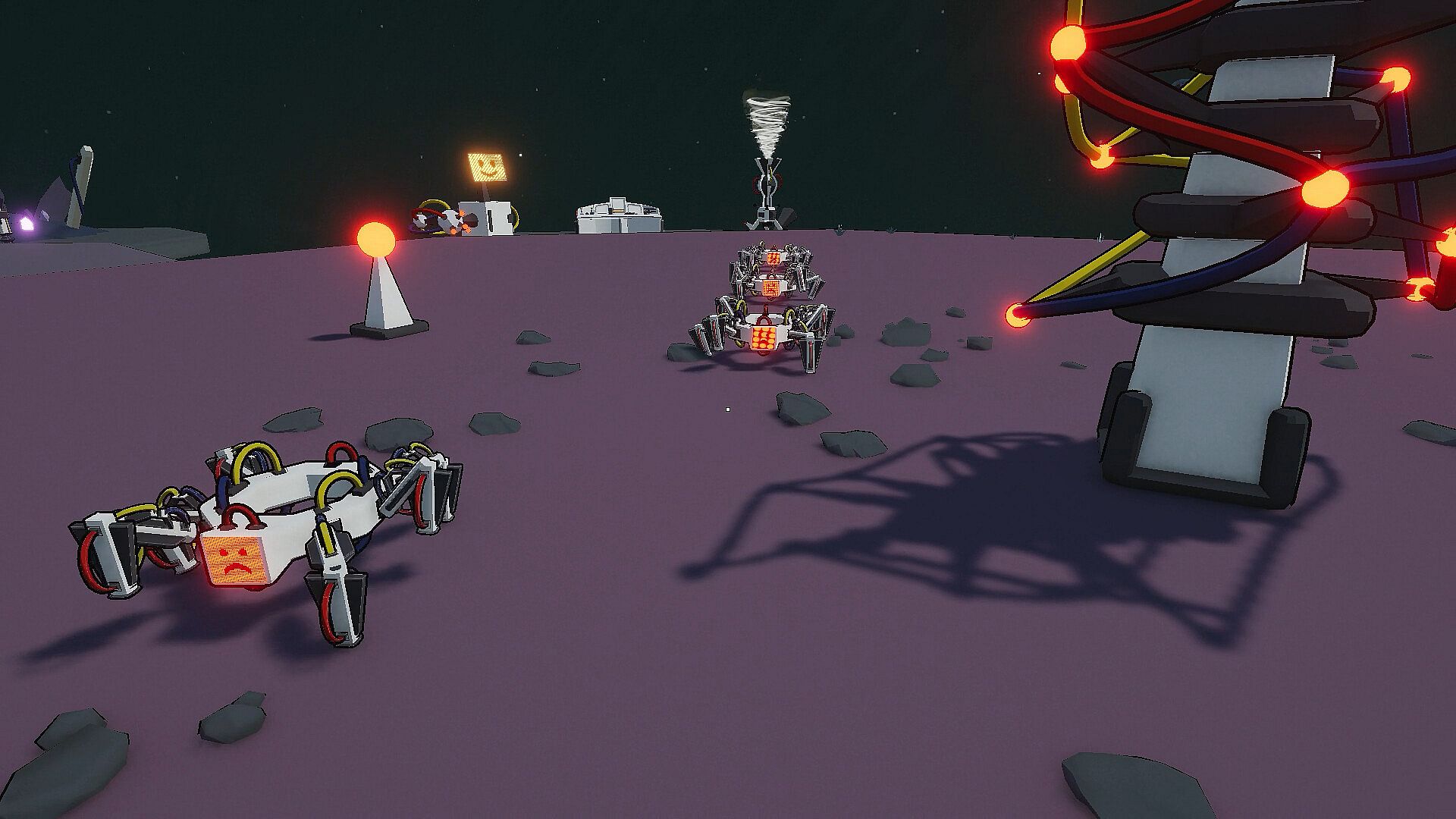
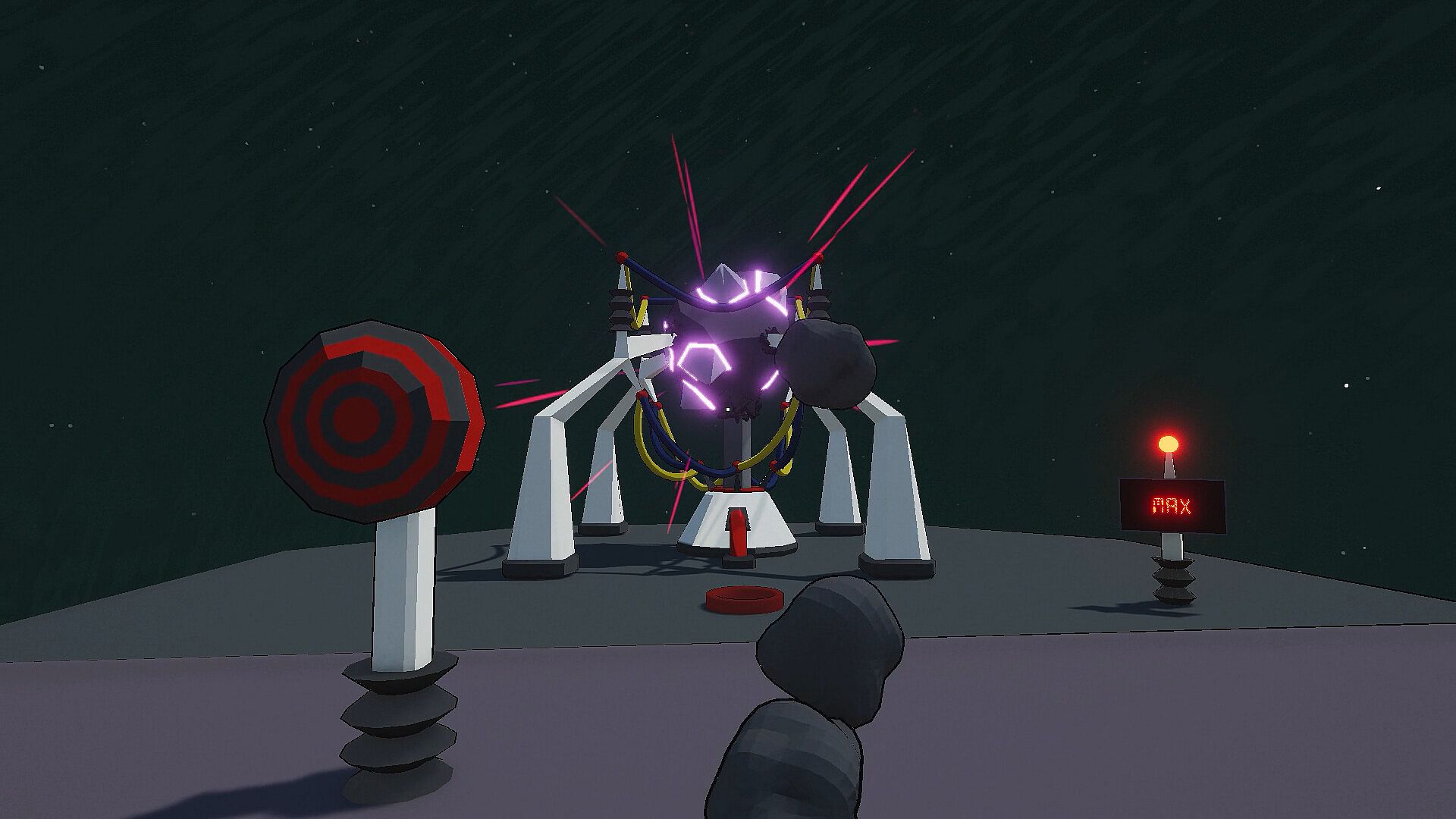
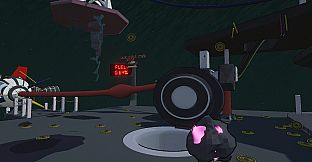
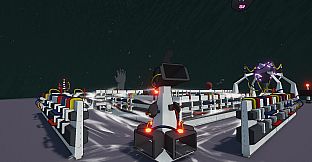
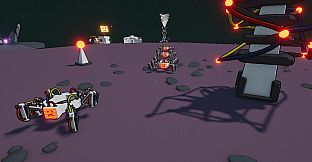
Upgrades shift focus from manual effort to automation. Acquired machines such as lunar vacuum cleaners and robotic spiders handle extraction while players manage connections through physical controls like smashing buttons, pulling levers, and spinning dials. Pipes and fans link into setups that continue working independently, allowing the tank to fill during downtime. All elements operate under consistent physics rules, so positioning and timing determine efficiency and stability.
Game Modes
The experience centers on a single continuous session that blends manual rock processing with gradual automation. No separate competitive or story-driven modes appear in the design. Instead, the flow remains consistent across play sessions, emphasizing repeated cycles of resource extraction, machine integration, and careful resource management to reach escape conditions faster each time.
Progression builds through cumulative upgrades that reduce direct involvement over longer periods. Early stages demand constant kicking and monitoring, while later stages reward thoughtful machine layouts that sustain output with minimal intervention. The absence of branching modes keeps attention on refining the core physical and automation systems within one unified loop.
Key Mechanics and Features
Physics-driven destruction forms the foundation, with every kick producing visible, immediate changes to rock structures. Machines extend this principle into larger operations, where retro-styled cassette-tech devices respond to player adjustments in tangible ways. Strength conservation adds tension, turning each kick into a calculated decision that balances speed against potential hazards from space debris.
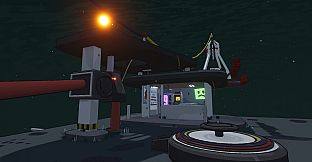
Automation expands naturally once initial rewards accumulate. Players experiment with layouts that connect extractors, transporters, and fillers, creating self-sustaining stations. The system rewards observation and incremental tweaks rather than complex menus, keeping the focus on the physical space station environment.
Is It Worth Playing?
This title suits players who enjoy casual indie experiences built around physics interactions and incremental automation. The loop of kicking rocks, upgrading equipment, and watching machines take over provides steady progression without requiring long sessions or external commitments. Those drawn to single-player resource management with tangible feedback will find the mechanics rewarding through repeated refinement of setups.
Current details confirm a focused PC release centered on the described systems, with no additional verified content layers such as seasons or expansions. The style appeals most to those comfortable with deliberate pacing and experimentation in a contained environment rather than fast-paced action or multiplayer elements. If the combination of physical destruction and hands-off production matches personal preferences, the game delivers a coherent, self-contained session structure.