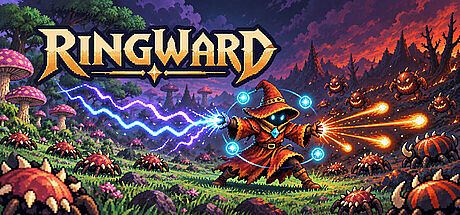


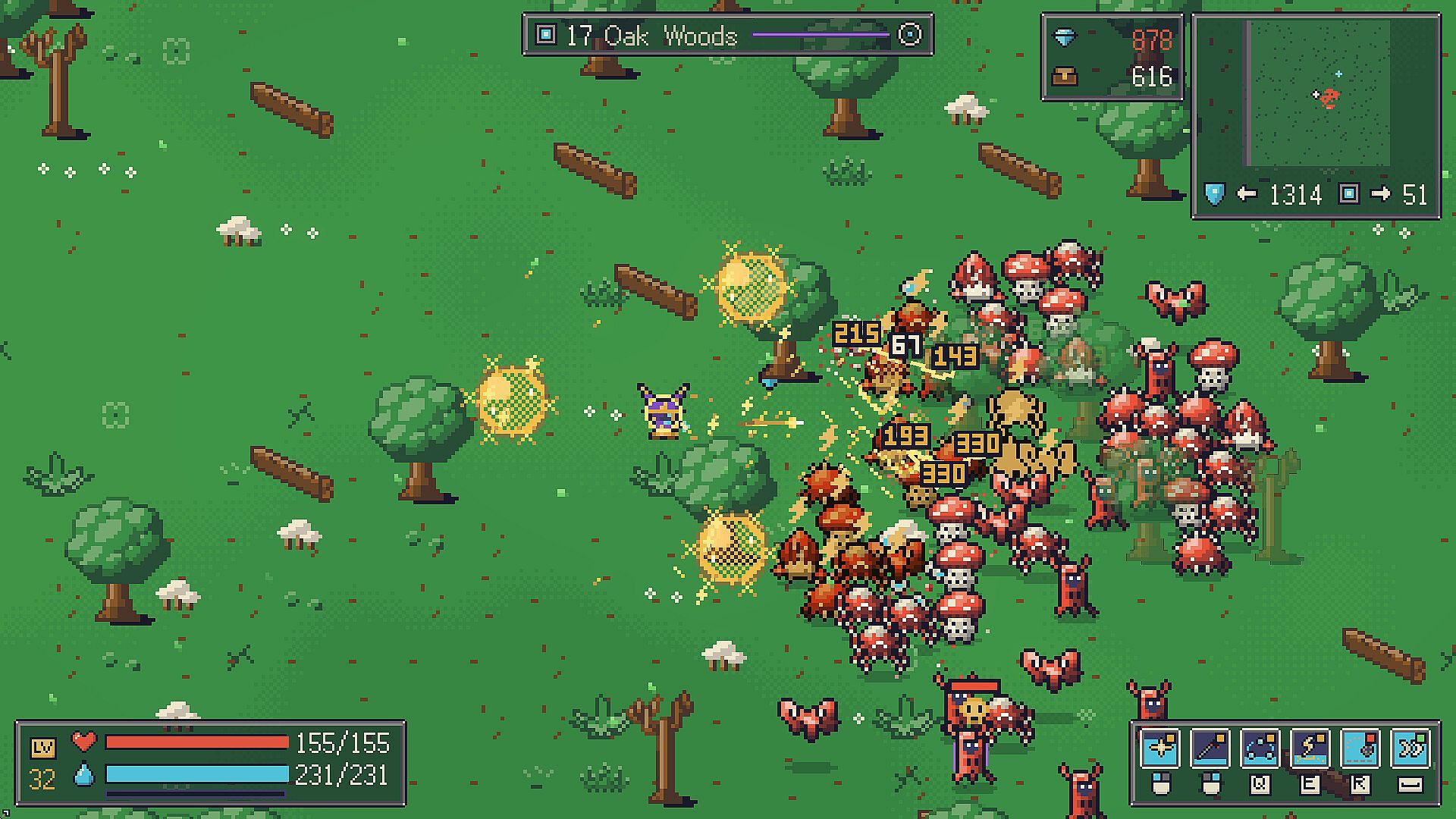
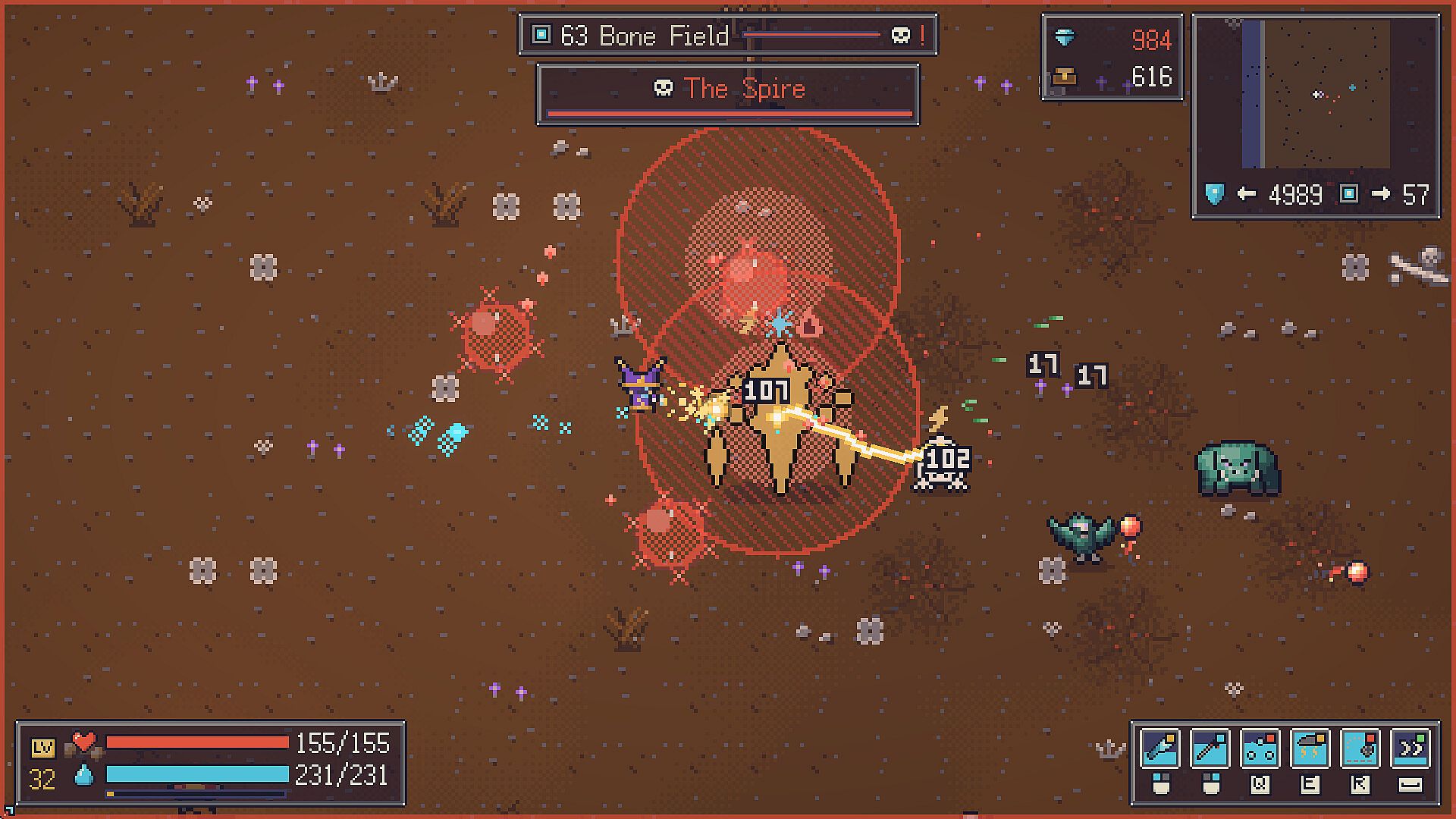
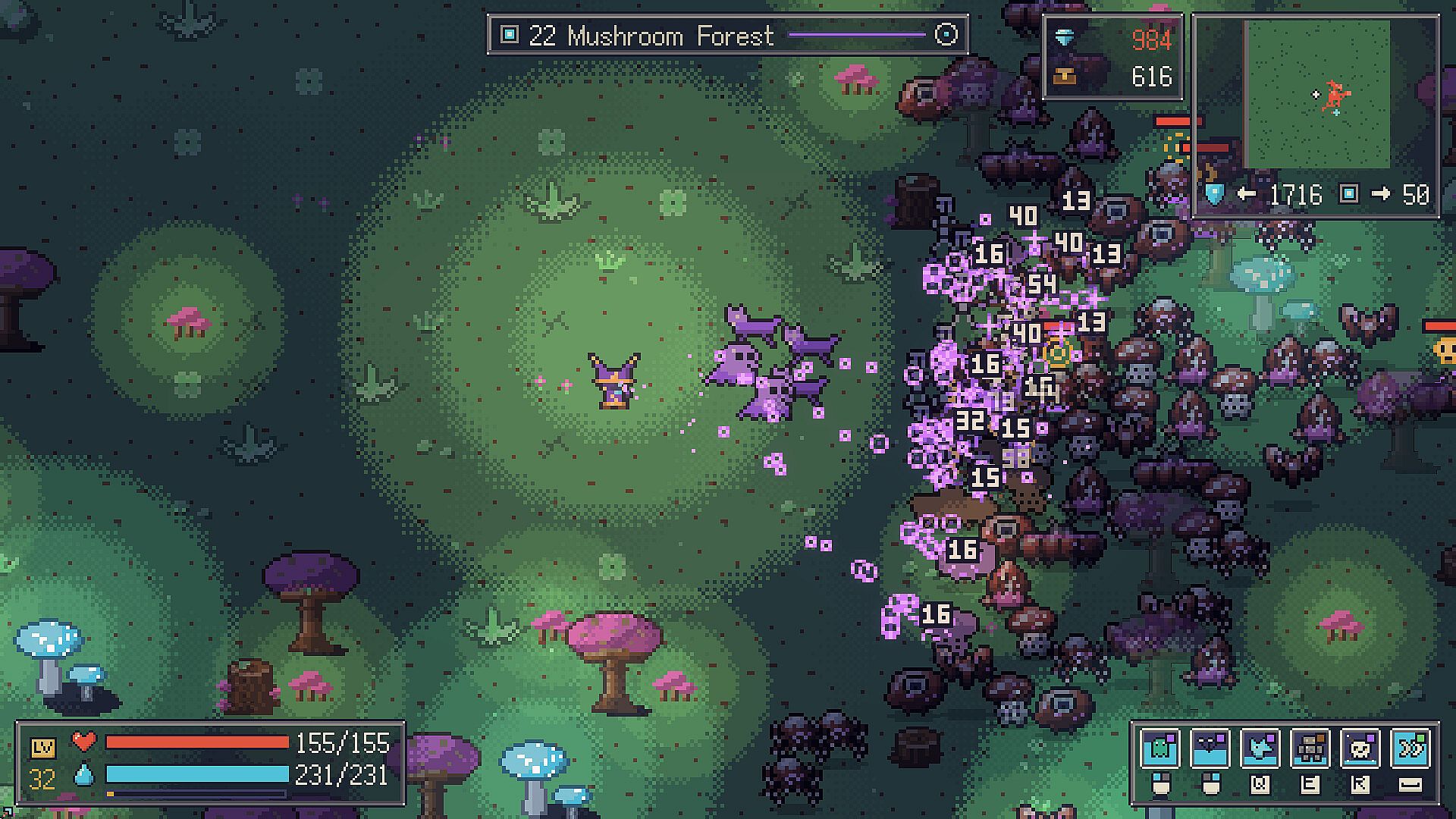
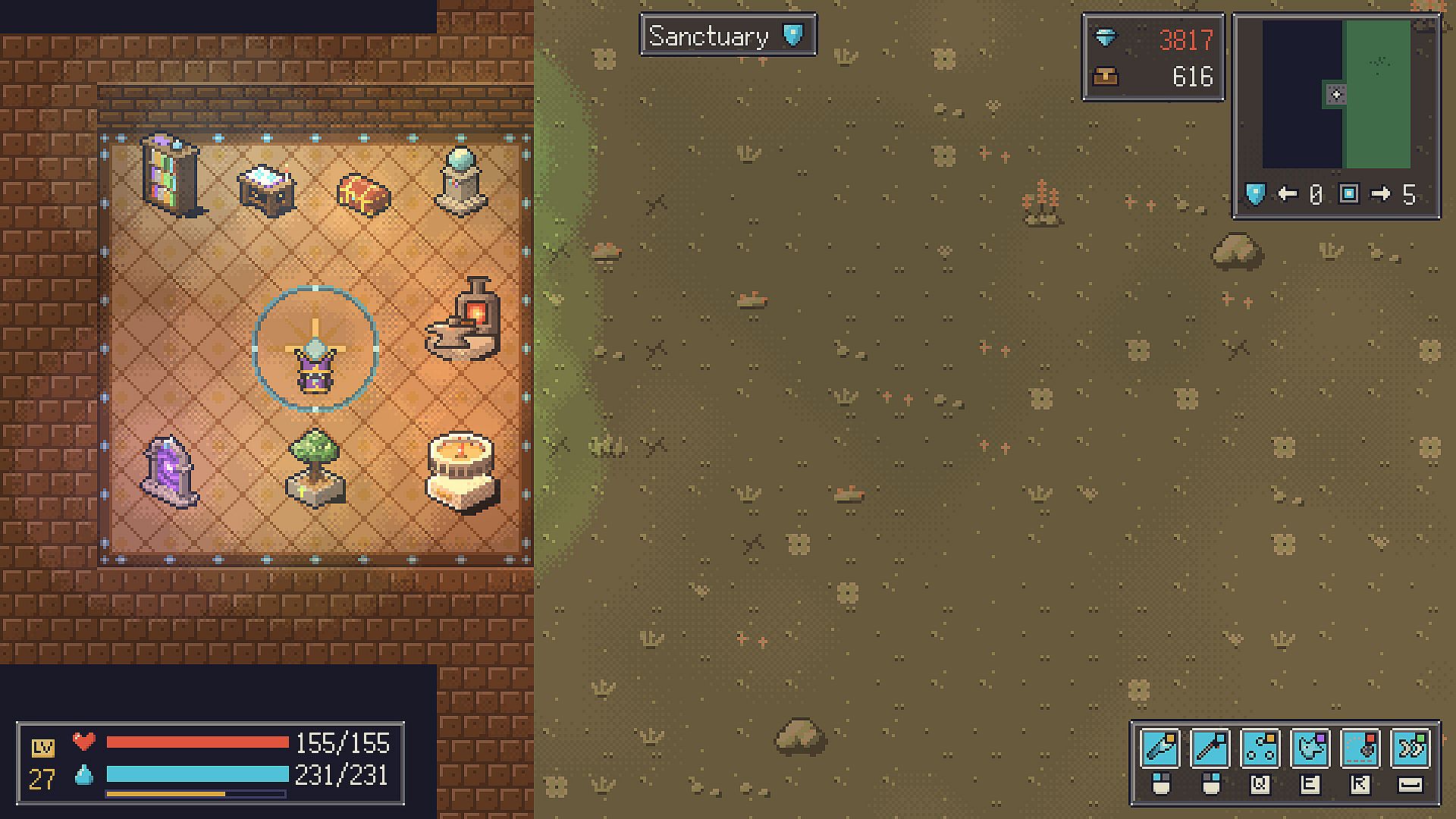
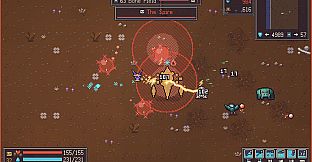
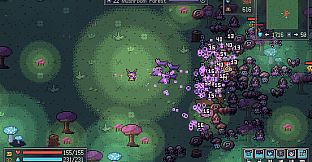
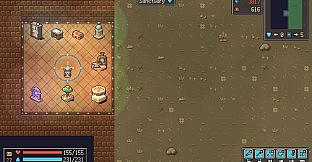
Ringward is a pixel-art action RPG for PC that puts players in control of a wizard fighting through massive groups of monsters without any automated attacks. All six skills must be aimed and cast manually using left click, right click, Q, E, R, and Space. The setting consists of a straight line of 100 rings extending east from the Sanctuary, the sole safe zone. Each ring functions as a distinct biome filled with unique monsters and a dedicated boss. Defeating the boss of one ring unlocks the next, with difficulty and rewards increasing steadily the farther east a player travels.
Gameplay
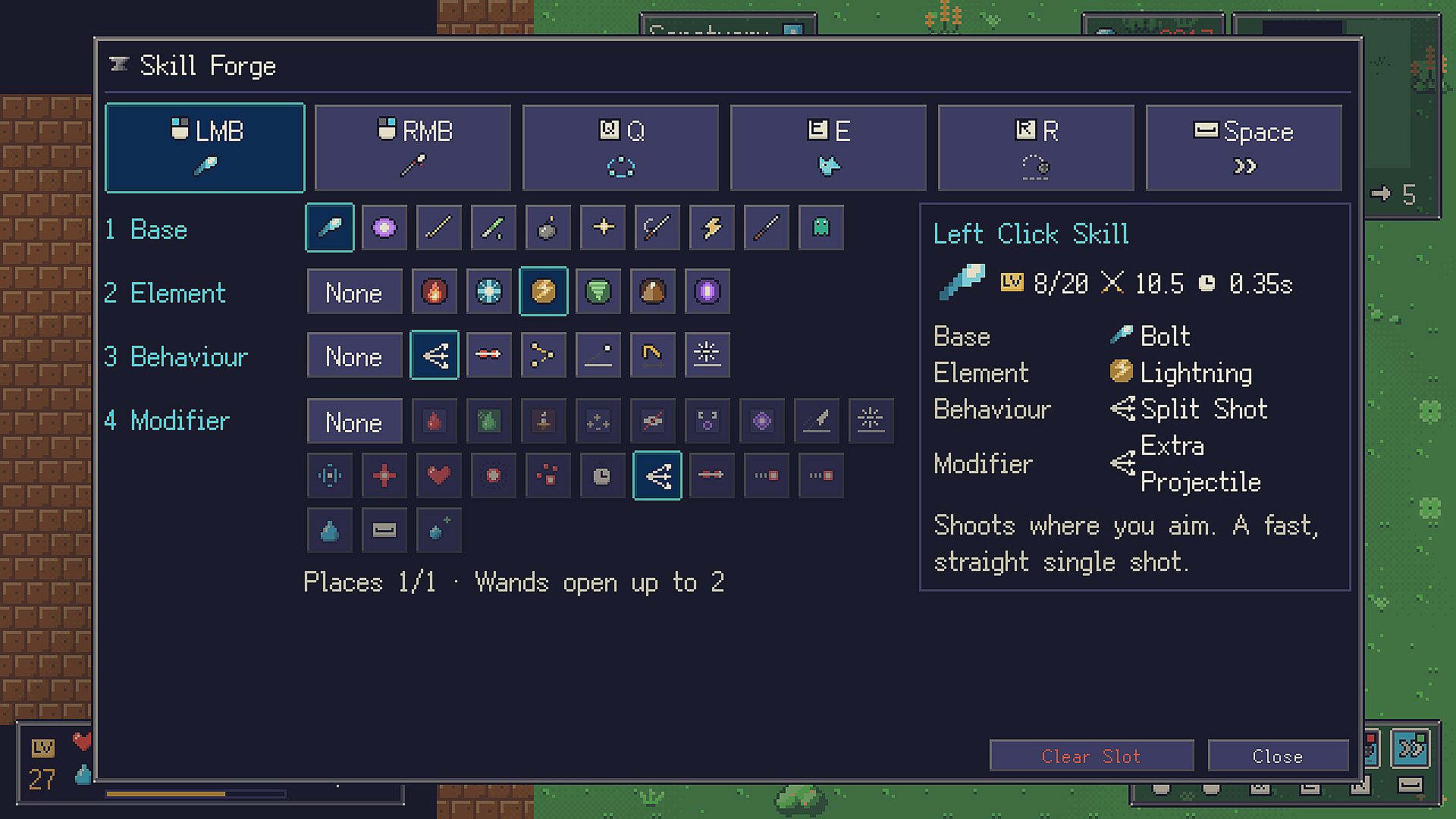
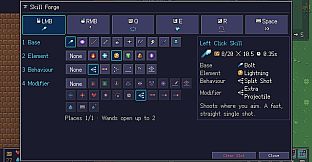
Combat centers on six hand-cast skills where the basic attack generates mana while the other abilities consume it. The dash ability clears a path through enemies in its line of travel. Skill customization happens at the Skill Forge, where players combine one of 60 bases with an element, behavior, and modifiers drawn from dropped skill books. Leveling up a base requires additional books of the same type. Six elements provide different effects: Fire burns over time, Frost freezes targets, Lightning chains between foes, Wind knocks enemies back, Earth weakens and stuns, and Void executes low-health opponents.
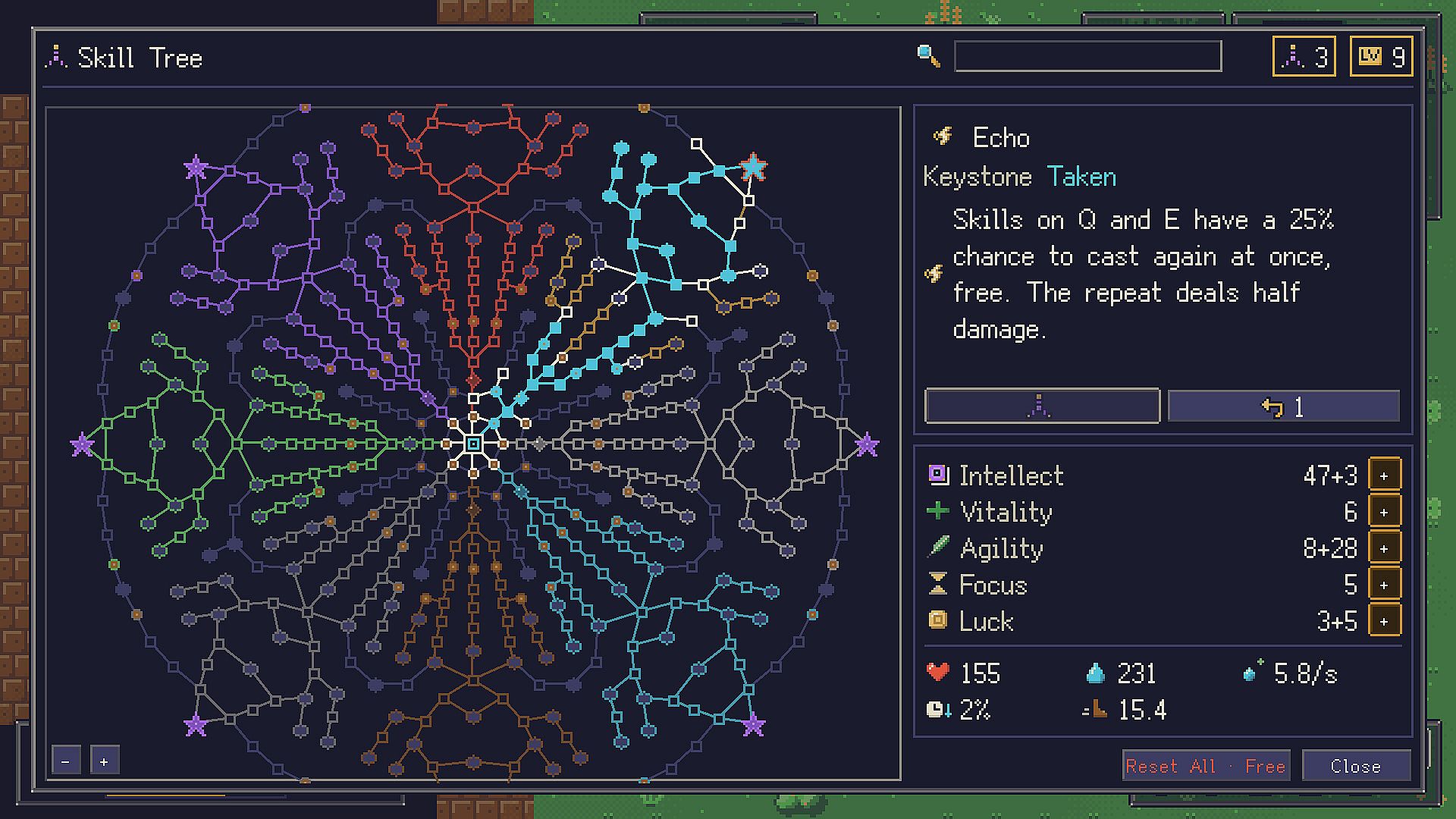
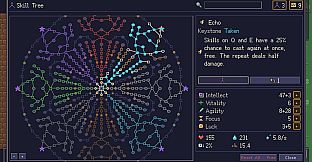
Progression includes a large passive tree containing 571 nodes spread across eight sections. Notables and keystones within the tree alter build playstyles significantly. Respec remains free at the Sanctuary. Gear consists solely of wands, with players equipping four at once. Affixes and aspects can be rolled on wands, and upgrades occur at an anvil. Ten wizard classes exist, beginning with the Ember Adept and unlocking others through ring boss victories. Essence collected from enemies can be banked at the Sanctuary for safety or risked on further rings, with death resulting in a 40 percent loss of carried Essence.
Game Modes
The game operates as a single-player experience focused on sequential ring progression. Players advance ring by ring, clearing monster crowds and learning boss patterns through telegraphed attacks. Deeper rings introduce enraged bosses that fire volleys, summon adds, and split apart. Permanent progression means levels, skills, the passive tree, and gear carry forward without resets or prestige systems. The core loop involves deciding how far to push into the rings while managing risk to carried Essence.
Build Customization and Progression
Skill building encourages experimentation through the combination of bases, elements, behaviors, and modifiers. The passive tree offers extensive options for tailoring playstyles, with keystones providing major shifts in how abilities function. Wand affixes and aspects further refine a build, while the anvil allows targeted upgrades. Starting with the Ember Adept and unlocking additional wizards by defeating specific bosses adds variety to repeated playthroughs.
Is It Worth Playing?
Ringward suits players who enjoy deliberate, skill-based combat in an action RPG format with deep customization. The manual casting of all abilities and the focus on learning boss patterns reward precise play. Permanent progression across rings provides a sense of steady advancement without the frustration of losing everything on death. Those seeking a structured single-player campaign with extensive build options and pixel-art presentation will find the systems align closely with the described features. Availability is limited to PC, and the experience remains self-contained with no additional modes or seasonal content confirmed beyond the core ring structure.