

Reverend Rosary is a casual adventure online party board game for two to six players on PC. Players roll dice, navigate a freshly generated island, and compete to lay the most spirits to rest through a mix of movement, item use, and mini-games that shift genres each round.
Gameplay
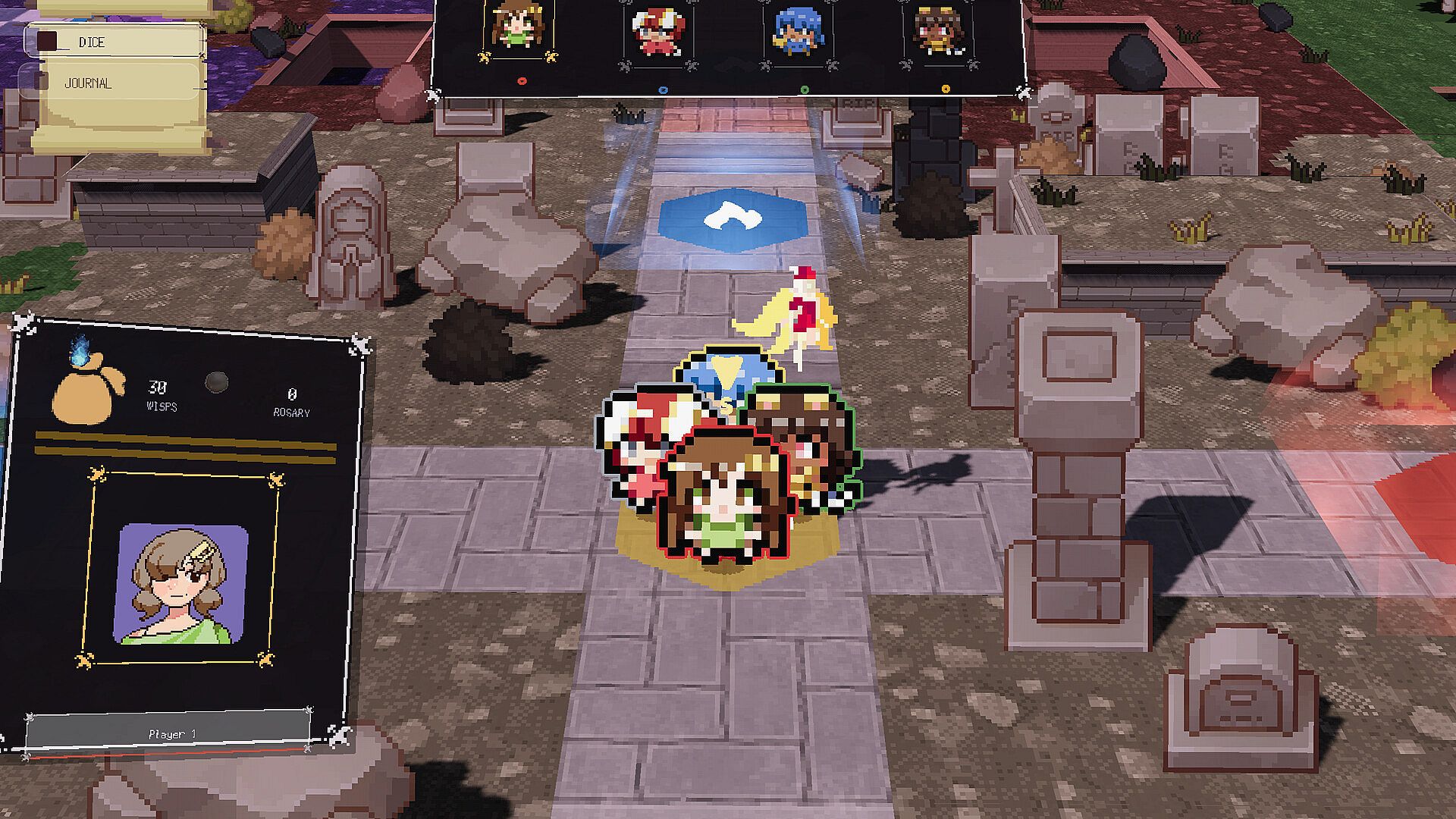
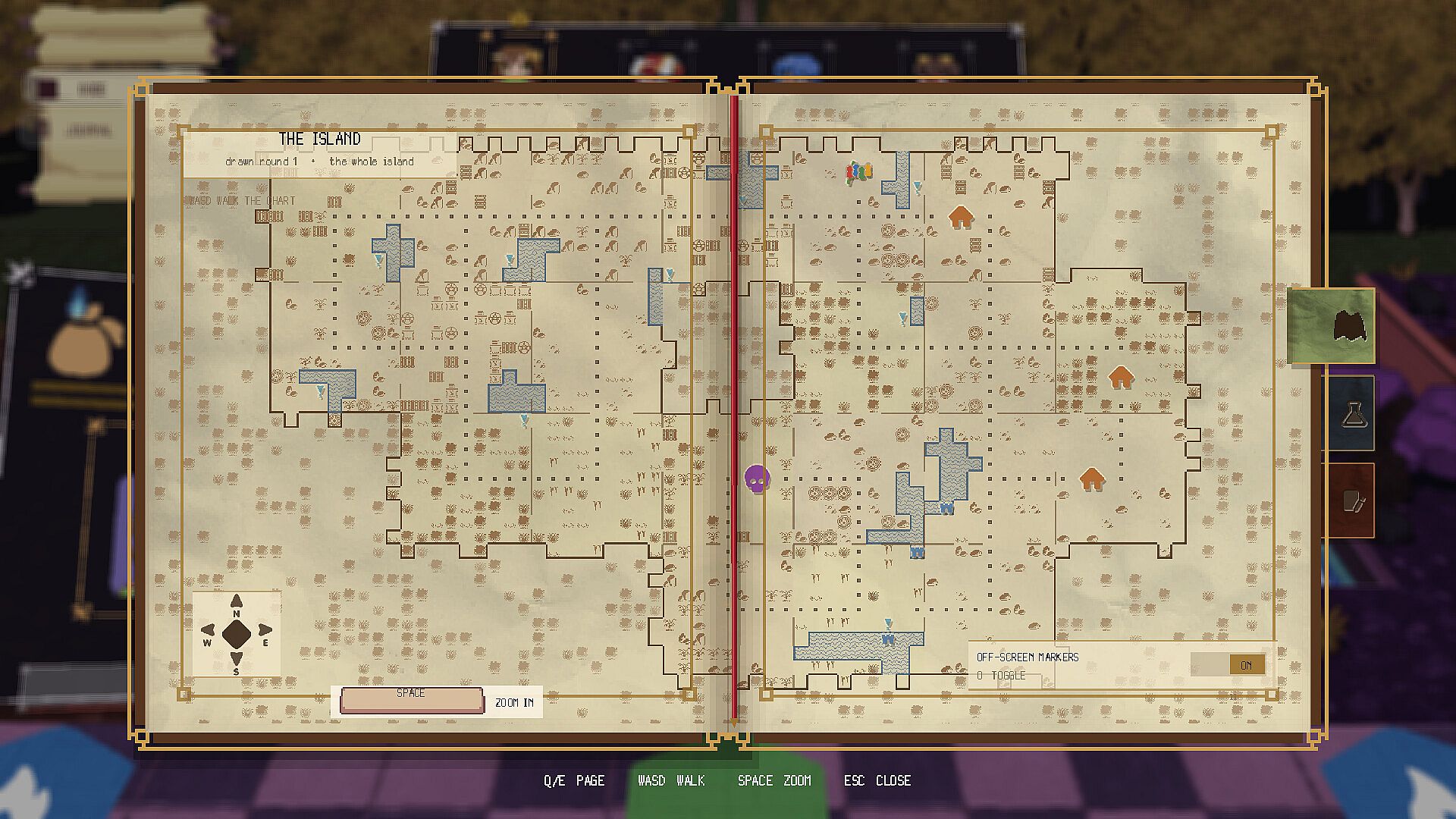
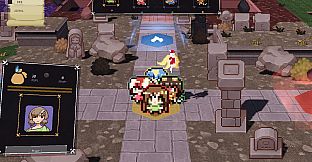
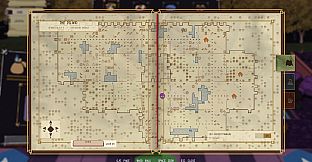
The core loop centers on turns where players roll a die and move along forking roads. At each fork, a choice of direction determines the spaces crossed and potential stops at locations such as shops or the reliquary. Landing on a space triggers an immediate effect before play passes to the next participant. Wisps serve as the shared currency for purchasing items or activating certain features like waking the Requiem. A journal tracks progress with a map that reveals itself as exploration occurs.
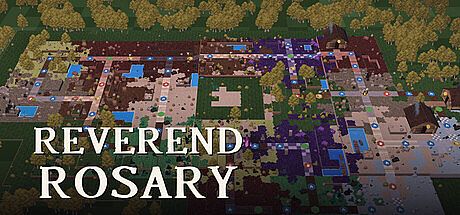
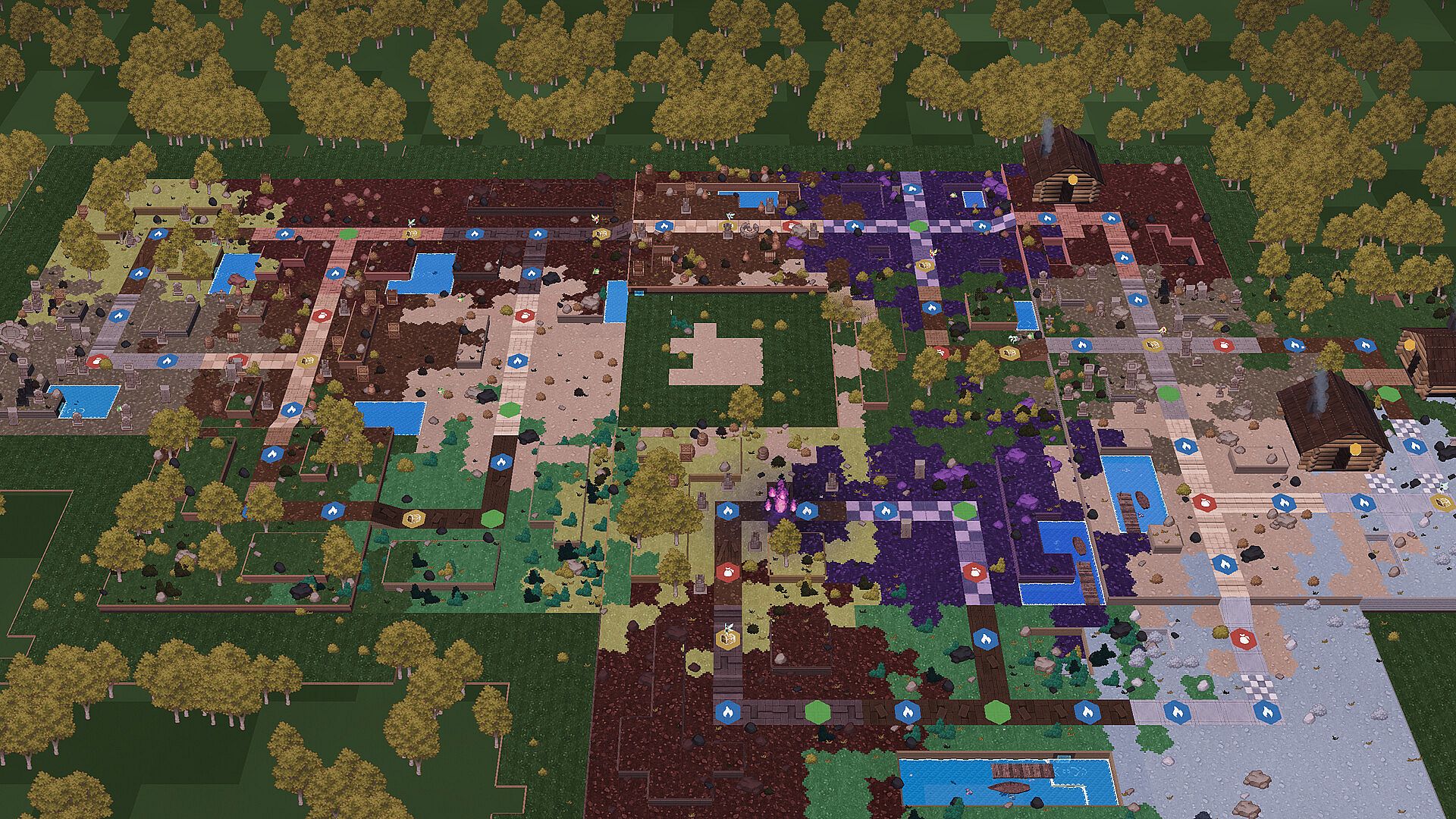
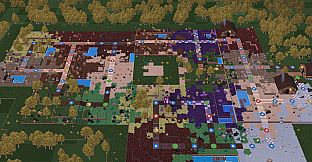
The board itself assembles anew each match from ten distinct biomes, including woods, ruins, town, sands, swamp, camp, ice, lava, crystal, and canyon. These areas connect via roads, lakes, and elevation changes. Lighting evolves from dawn through dusk over the course of a match, casting lengthening shadows and activating lanterns toward the later rounds. Non-player characters such as Traffic Gnomes, shopkeepers, and travellers populate the island and interact according to their own purposes.
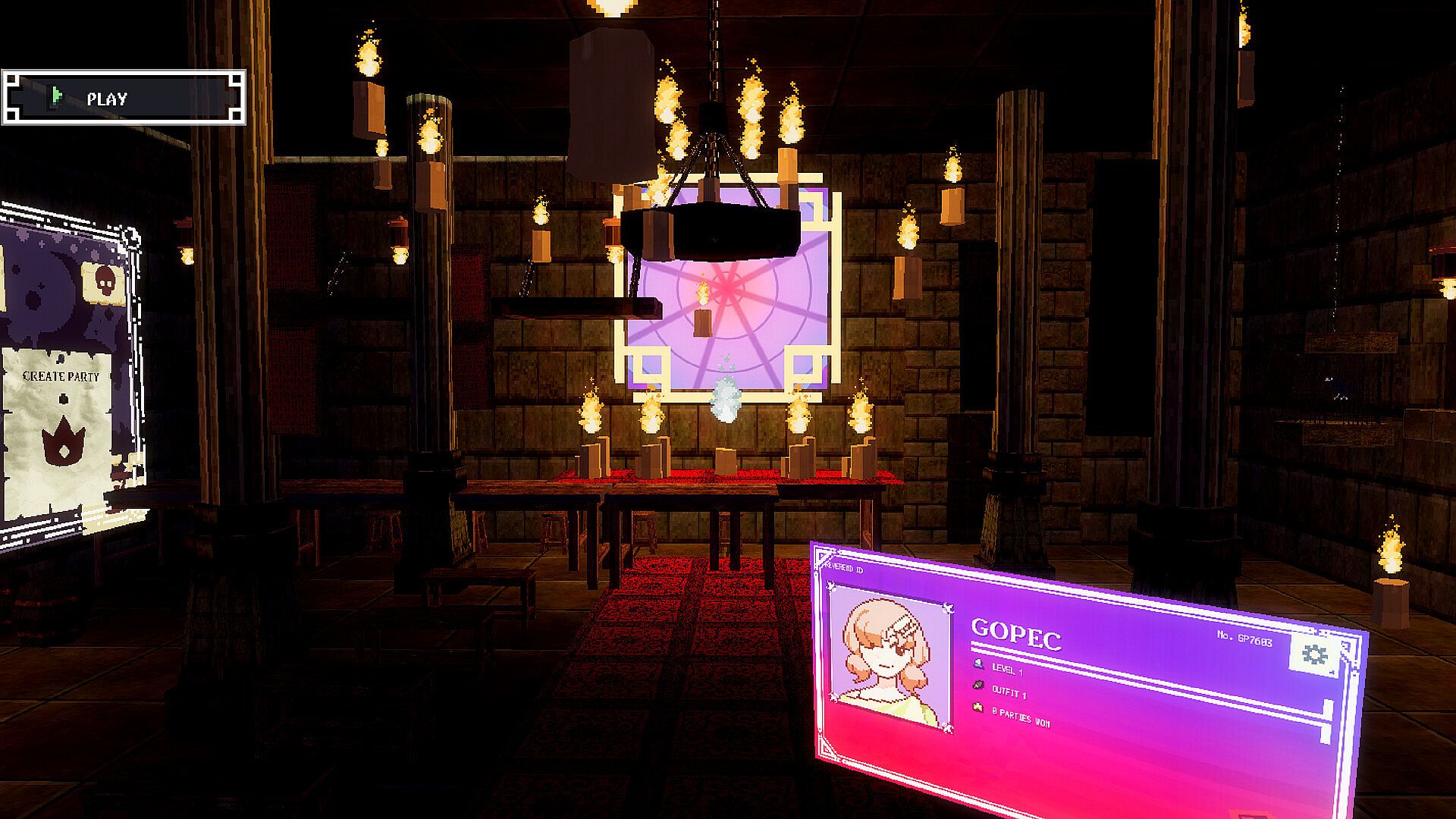
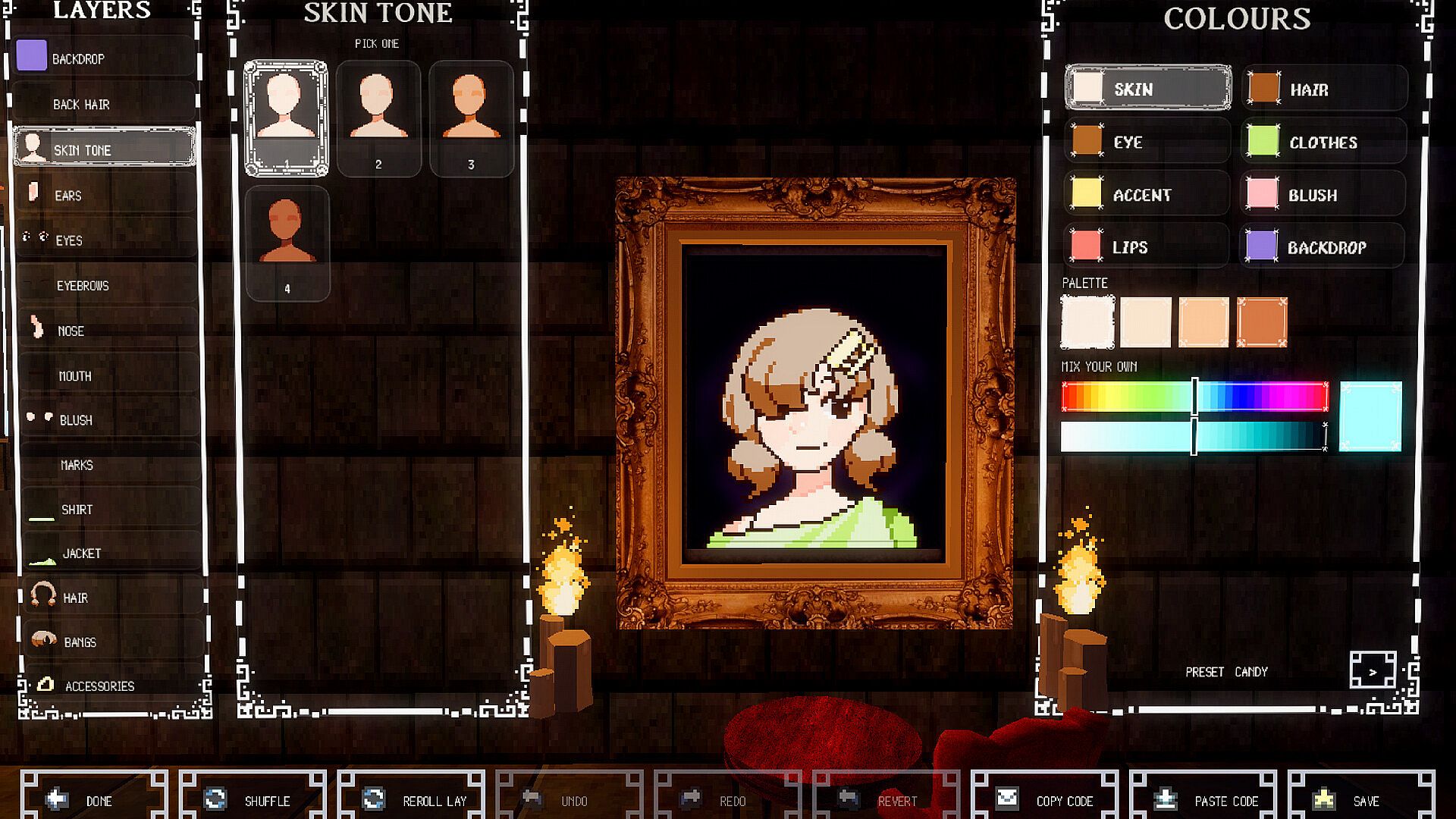
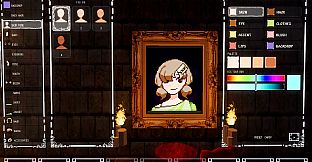
Character creation allows assembly from hundreds of hand-drawn elements covering faces, eyes, hair, bangs, clothing, accessories, colors, and names. The resulting portrait appears on the board, in the HUD, during ready screens, and on results displays. Every spirit laid to rest adds a bead to the Rosary, with the player holding the most beads at the end declared the winner.
Game Modes
Matches follow a consistent party format where all participants share the same board and compete directly. A standard session lasts ten rounds, though this length can be adjusted shorter or longer before starting. Once per round the group enters a mini-game tied to a spirit's dream, with each mini-game shifting to a different genre such as rhythm, racing, or survival. These interruptions break up the board movement and introduce variety without altering the overall competitive structure.
Online support enables both cooperative and player-versus-player sessions for the full player count. The procedural generation ensures no two matches follow identical paths, while the adjustable round count lets groups tailor session length to their preferences.
Character Creation and Progression
The extensive customization system stands out as a key feature. Hundreds of individual drawn parts combine to form unique reverends, with options spanning facial features, hairstyles, outfits, and accessories. These creations carry through the entire match, appearing consistently across multiple interface elements. The journal adds a light progression layer by documenting the map as players traverse new areas, providing a record of each session's layout.
Item interactions and wisp management add strategic depth to movement decisions. Choices at forks and stops can lead toward resource opportunities or encounters that influence the final bead count. The single-day lighting cycle further ties visual changes to match progression, reinforcing the sense of a complete session unfolding in real time.
Is It Worth Playing?
Reverend Rosary targets groups that enjoy party board games with integrated mini-games and procedural variety. Its mechanics emphasize direct competition through movement choices, resource spending, and performance in genre-shifting mini-games, all within sessions that can be shortened or extended as needed. The character creator and biome diversity provide replay incentives for repeated play with different groups.
With support for two to six players in online sessions and a focus on quick-to-learn turns punctuated by varied mini-games, the game suits casual gatherings or regular multiplayer nights. The absence of user reviews at this stage reflects its upcoming release status, yet the described systems align closely with established party game appeal. Players seeking a fresh take on board game competition with customizable avatars and dynamic environments will find the core loop matches those interests directly.