


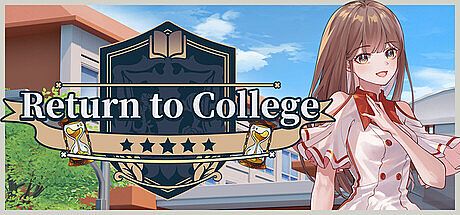


Return to college is a singleplayer RPG, casual, and simulation title set on PC. Players step into the role of a protagonist trapped in a repeating cycle of university life, navigating semesters filled with classes, exams, and personal choices that shape multiple possible outcomes.
Gameplay
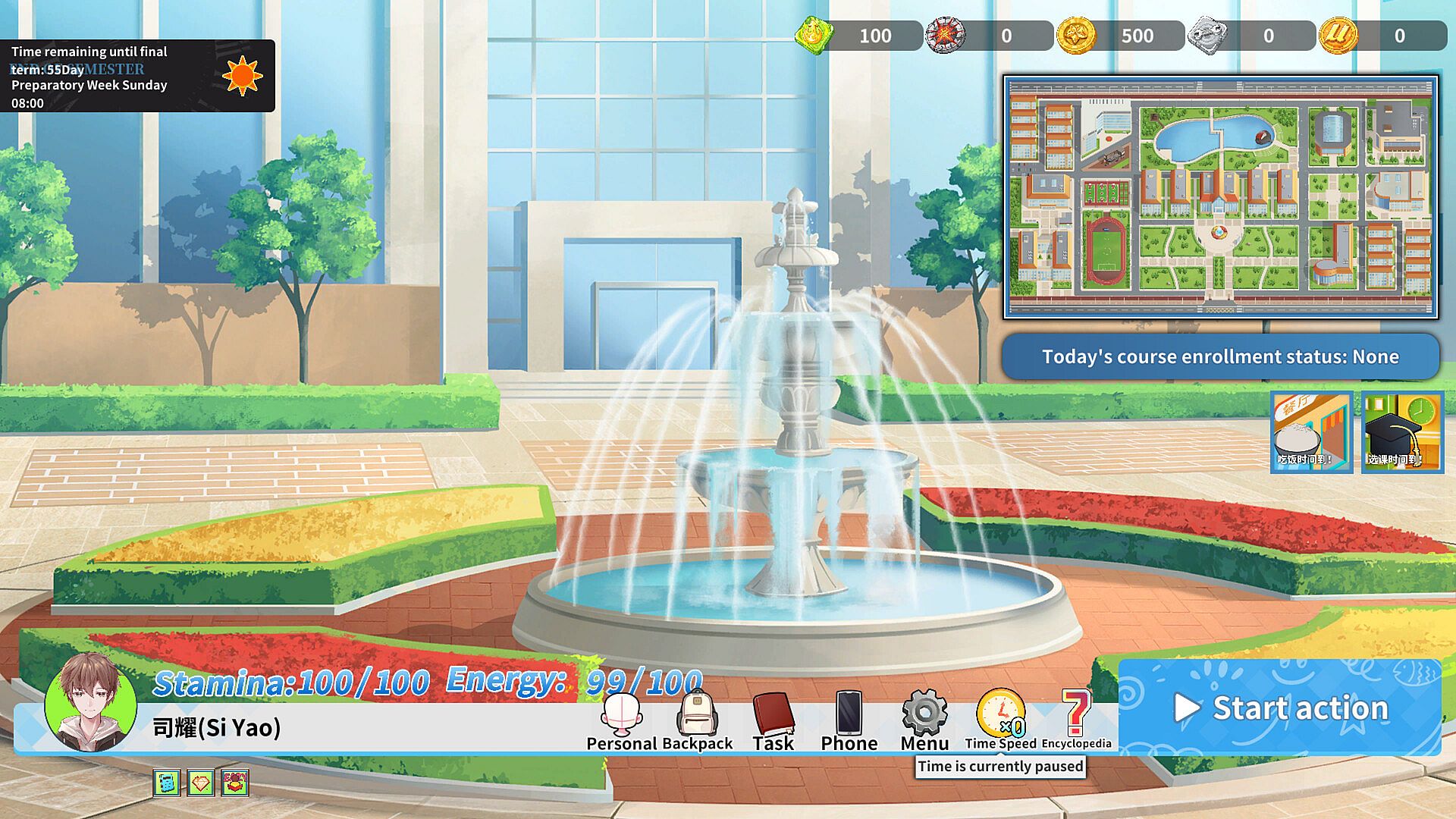
The core experience revolves around managing time across four semesters, each offering eight weeks of free periods alongside required classes. Players select from five course types, including major required courses, electives in social sciences or humanities and arts, and physical education. This structure encourages balancing academic demands with personal development and social interactions.
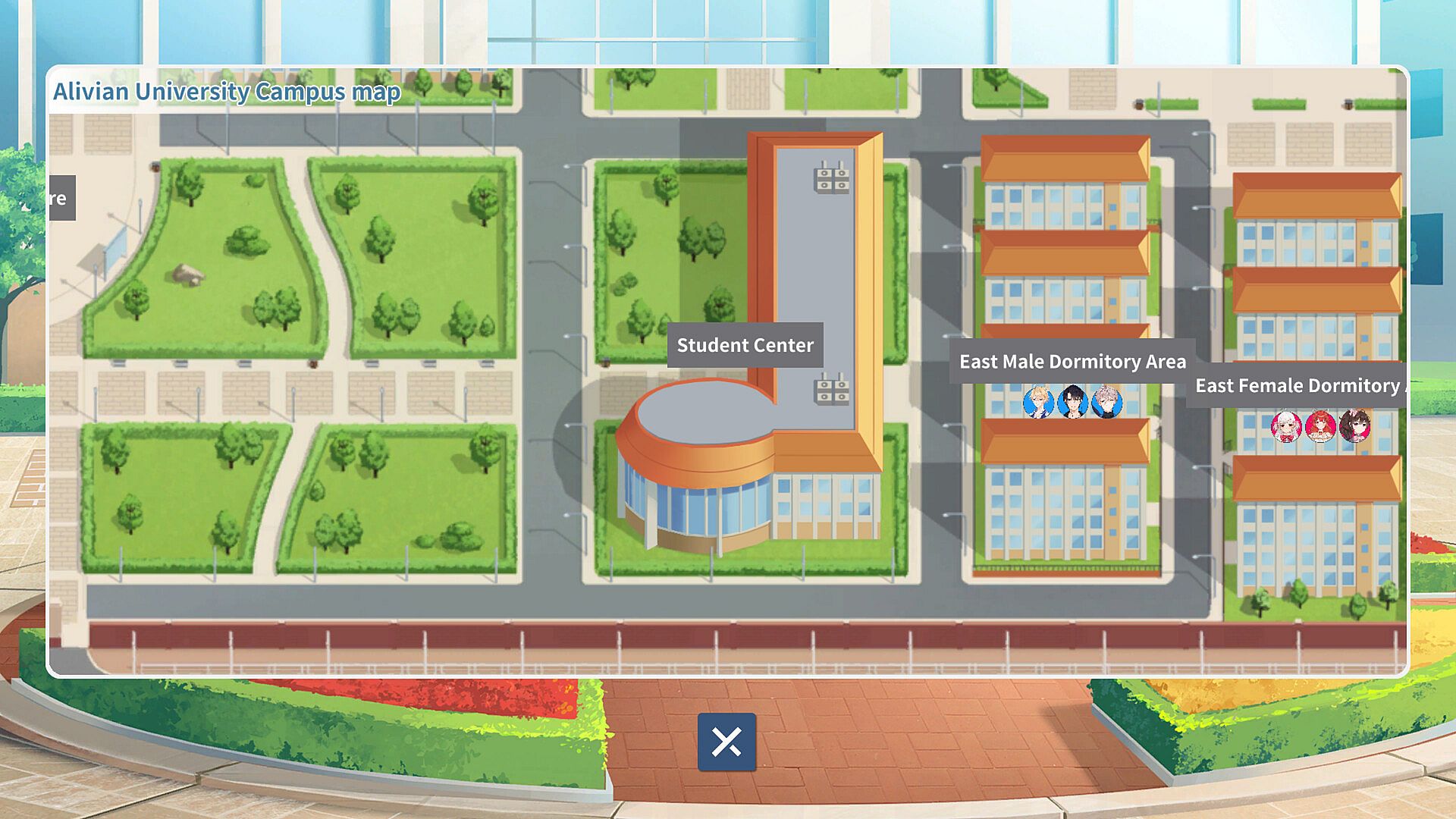
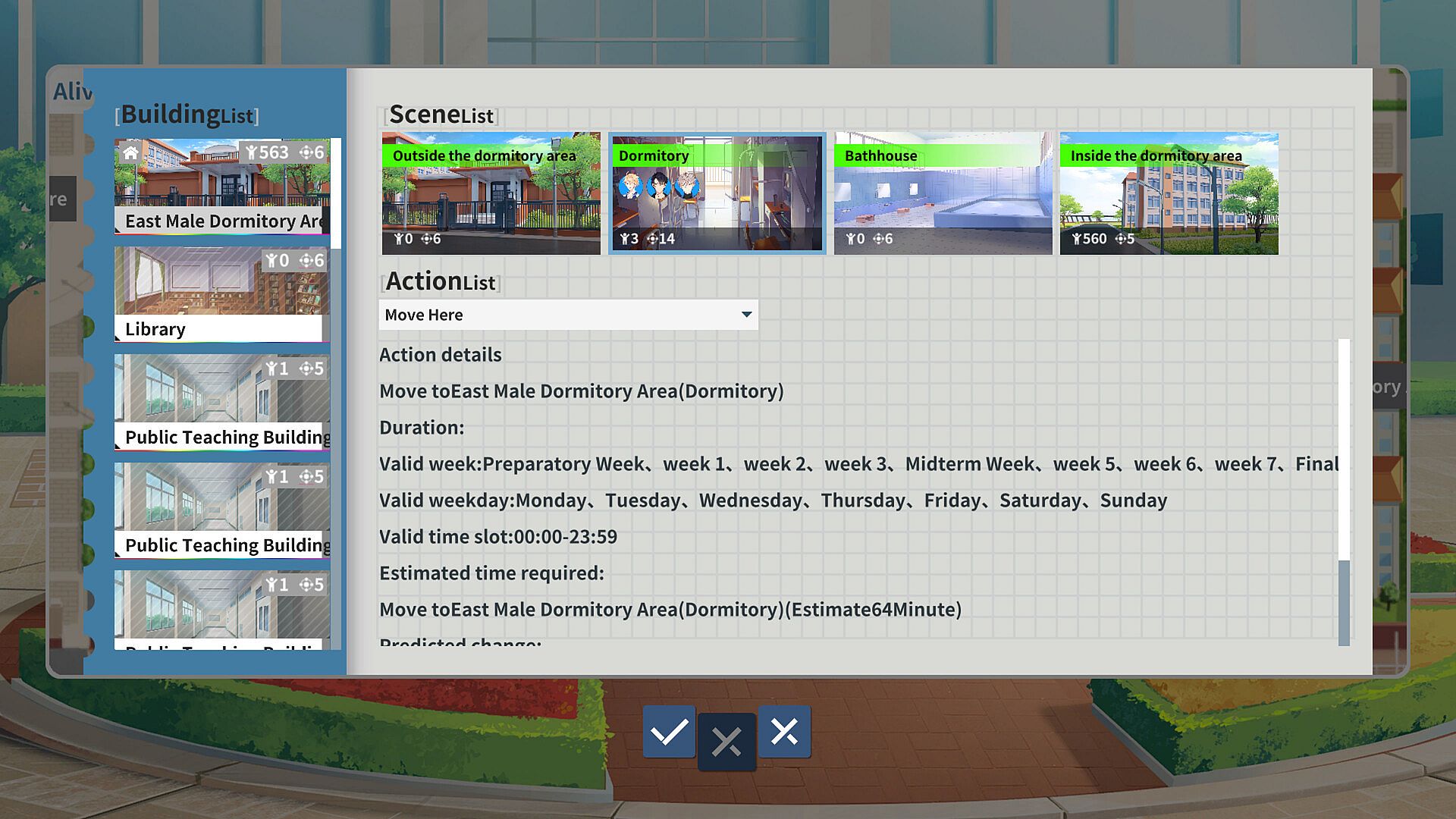
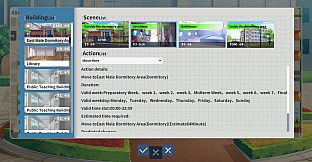
Protagonists can be chosen as male or female at the start. Daily routines include attending lectures, preparing for midterm and final exams, and participating in a range of activities such as borrowing books, reading, exercising, shopping, joining clubs, or taking part-time work. Mini-games appear in four part-time job scenarios and two interaction-focused ones, adding variety to routine tasks. Scenes number twenty-four, with some featuring day and night variations that alter the atmosphere and available options.
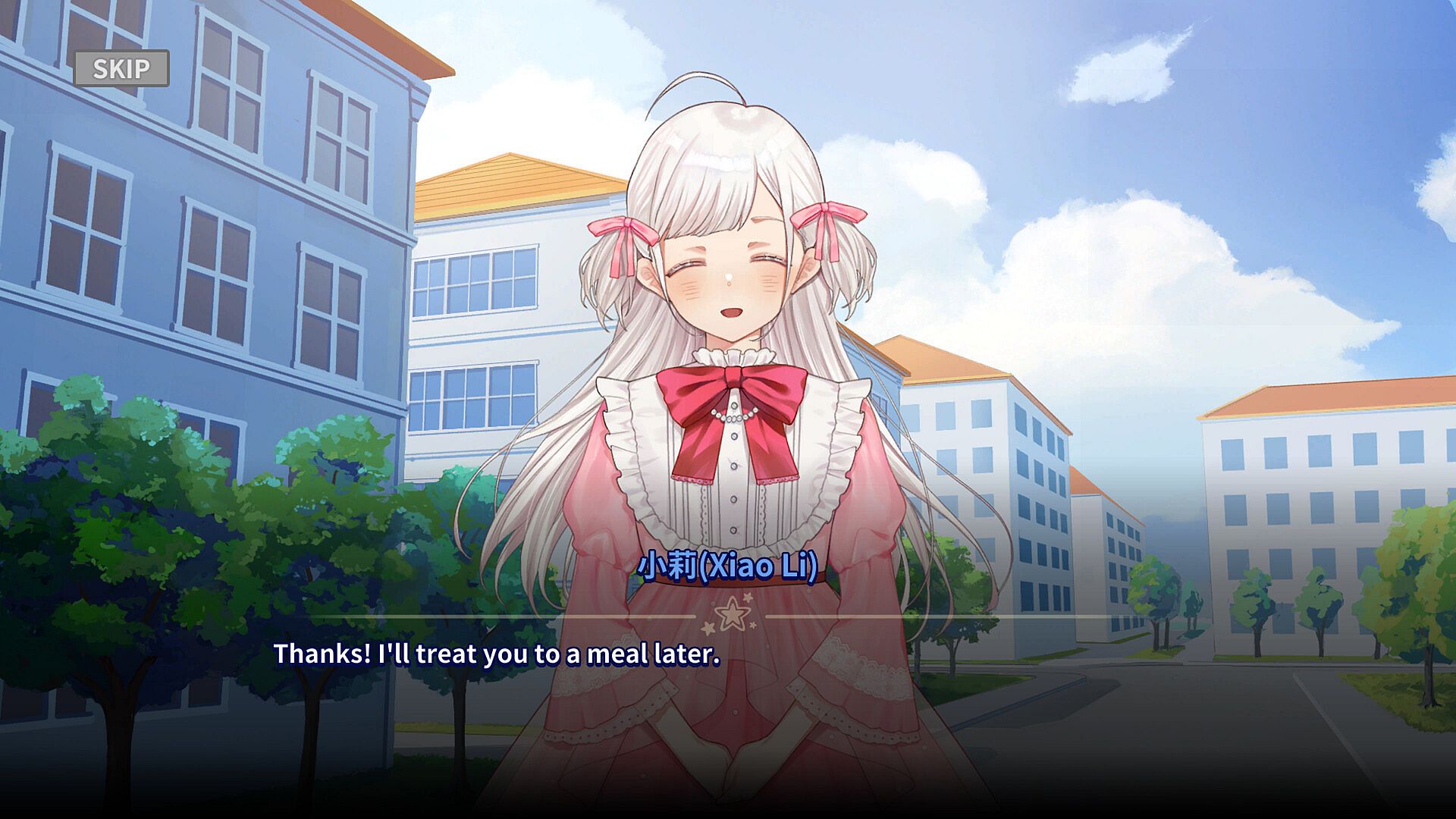
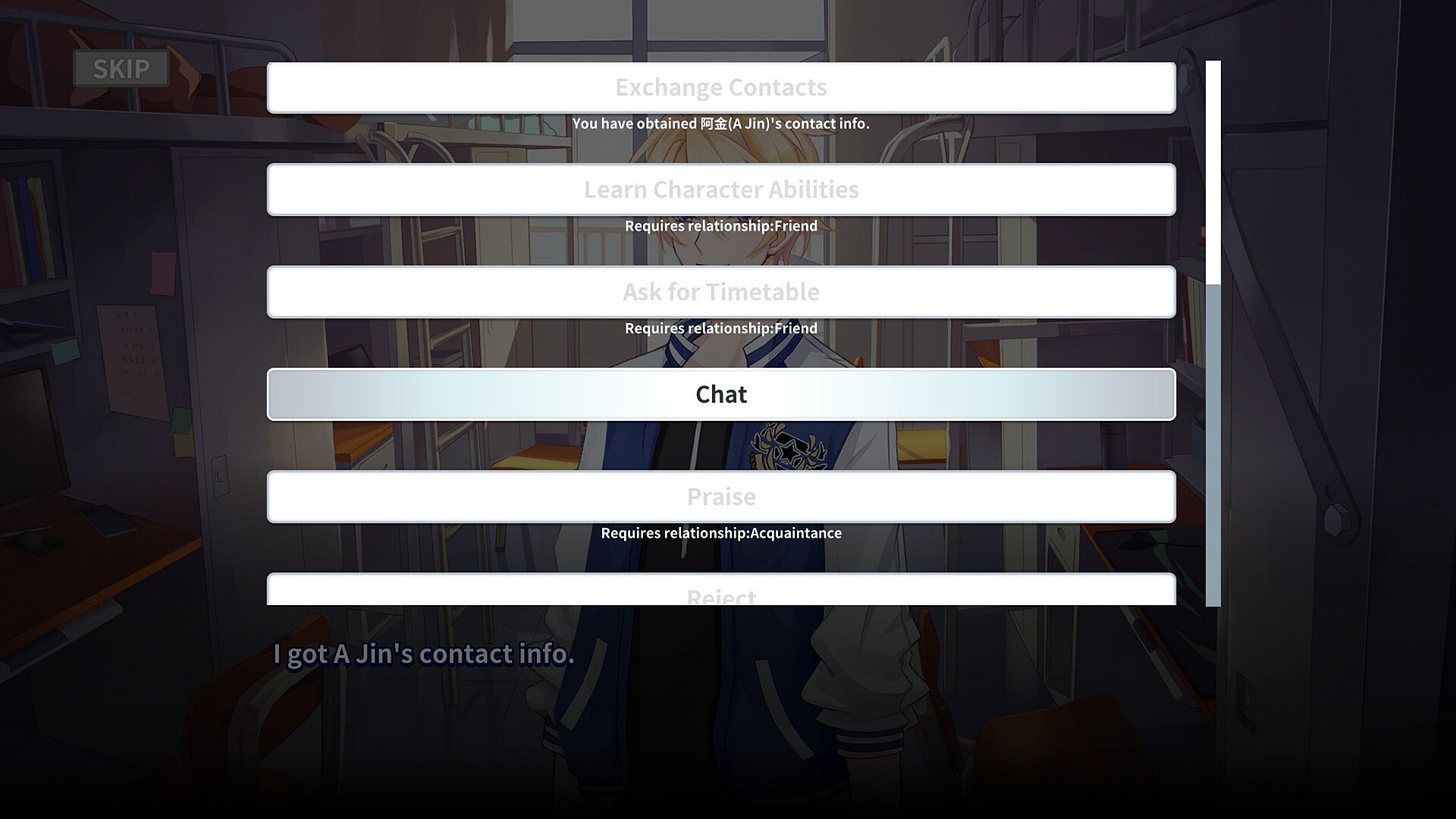
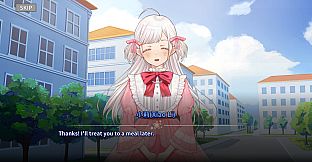
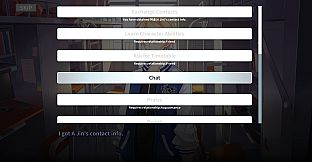
Relationships form a central pillar. Players interact with twelve main characters and numerous others through over twenty activities. Attitudes toward these characters range across six options: normal, friendly, cold, enthusiastic, hostile, or ambiguous. These choices influence twenty-plus relationship states, from acquaintance or roommate to rival, secret crush, or best friend. Confession mechanics allow pursuit of all main characters, leading to varied personal arcs.
Progression carries forward through legacy items. Ten or more such items can be allocated from previous playthroughs to improve starting conditions in new runs. Account systems support card packs purchased with earned Academy Coins, unlocking additional content as play level increases. The game supports five languages: Simplified Chinese, Traditional Chinese, Japanese, English, and Korean.
Game Modes
The experience centers on repeated playthroughs within the time-loop structure. Each run through the four semesters builds toward graduation, where a final score reflects academic performance, relationships, and choices made. Different paths emerge based on how players allocate time between studies, social bonds, and side activities.
Multiple endings per main character provide distinct conclusions that alter the overall graduation outcome. Ten or more selectable endings cover options such as entering a chosen major field, studying abroad, pursuing postgraduate exams, trading stocks, inheriting a family business, freelancing, failing an exam, or taking a leave of absence. These endings encourage experimentation across runs, with legacy items helping new characters begin at higher starting points.
Interaction systems allow flexible pacing. Players decide daily priorities, whether focusing on coursework, building specific relationships, or exploring mini-games and activities. The loop resets opportunities while carrying forward lessons from prior attempts, creating a cycle of refinement and discovery.
Is It Worth Playing?
This title suits players who enjoy life simulation combined with RPG elements focused on personal growth, academic management, and relationship building. The time-loop format rewards careful planning and repeated attempts to uncover different character endings and graduation results.
Features like extensive course selection, attitude-based interactions, and legacy progression add depth for those interested in replayability. Mini-games and varied scenes provide breaks from routine, while the ability to confess to main characters and shape attitudes offers meaningful social layers.
Support for multiple languages and account-based unlocks broadens accessibility. The structure emphasizes choice and consequence without requiring prior knowledge of similar titles. For anyone seeking a focused university life simulation with branching narratives and incremental improvement across playthroughs, the game delivers a self-contained experience centered on those systems.












