




REMM: Space Adjutant is a strategy, indie, and simulation game set in a procedurally generated space sector where players manage a mercenary company amid ongoing empire conflicts, pirate raids, and wildlife activity. The title emphasizes real-time fleet command, trading, and long-term progression from small-scale contracts to colony establishment on PC.
Gameplay
The core loop revolves around running a mercenary operation in a living sector that evolves independently. Players accept contracts for cargo hauling, bounties, and private jobs while navigating a finite physical economy with seventeen commodities. Ports maintain actual stock levels, so purchases affect prices and shortages, and deliveries restore supply. Colony industries consume resources and produce outputs, creating opportunities for profit through careful management.
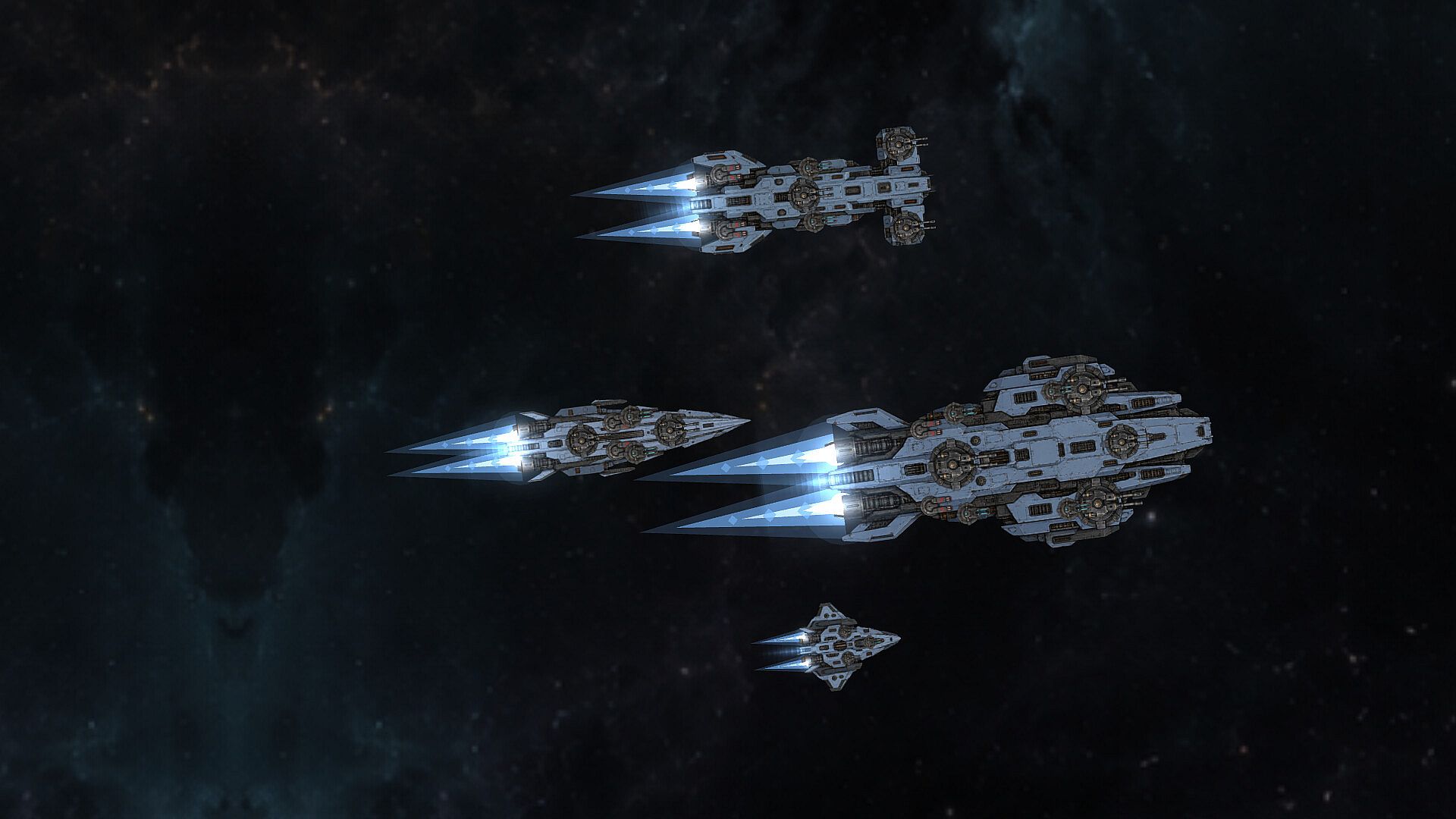
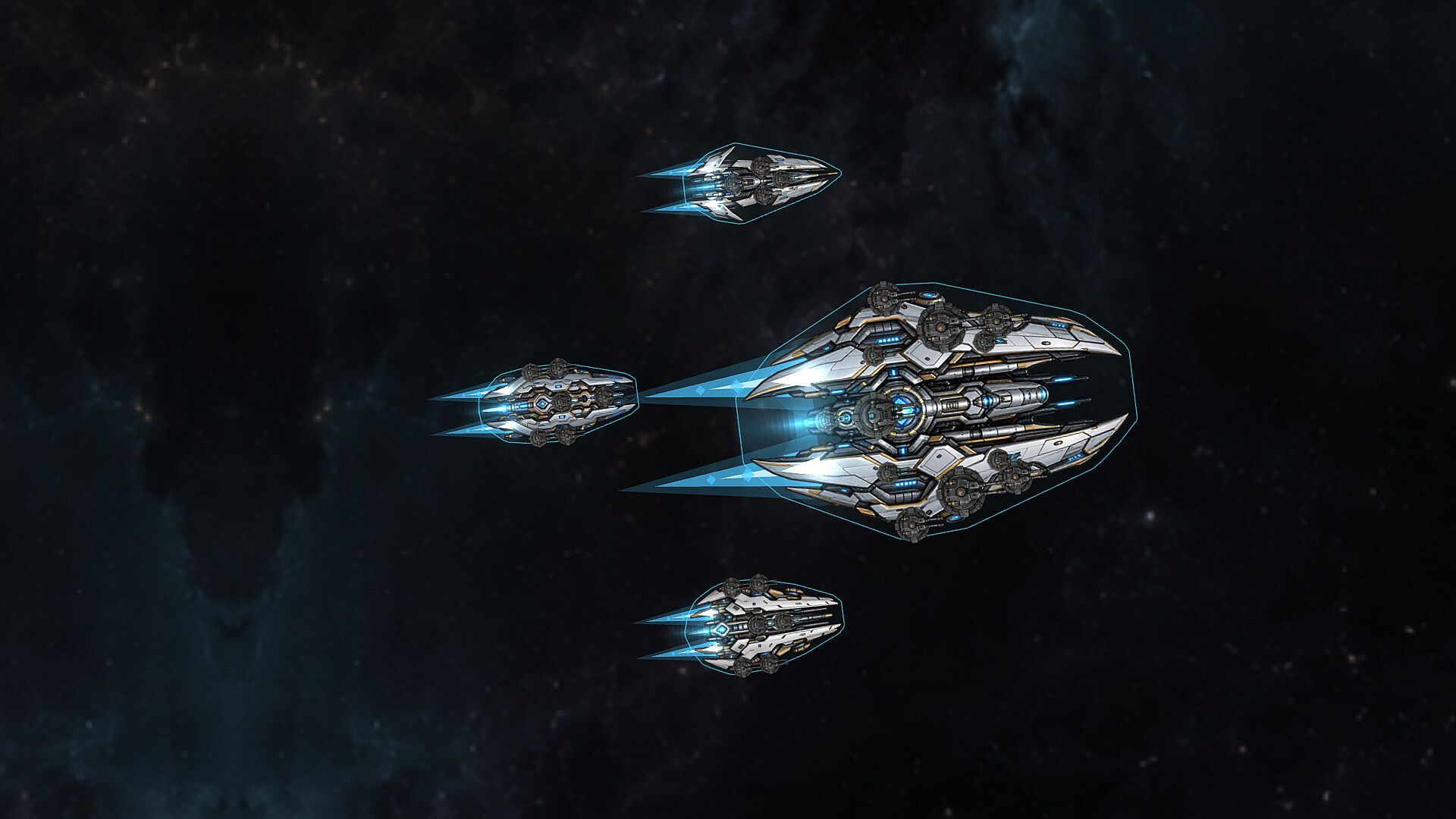
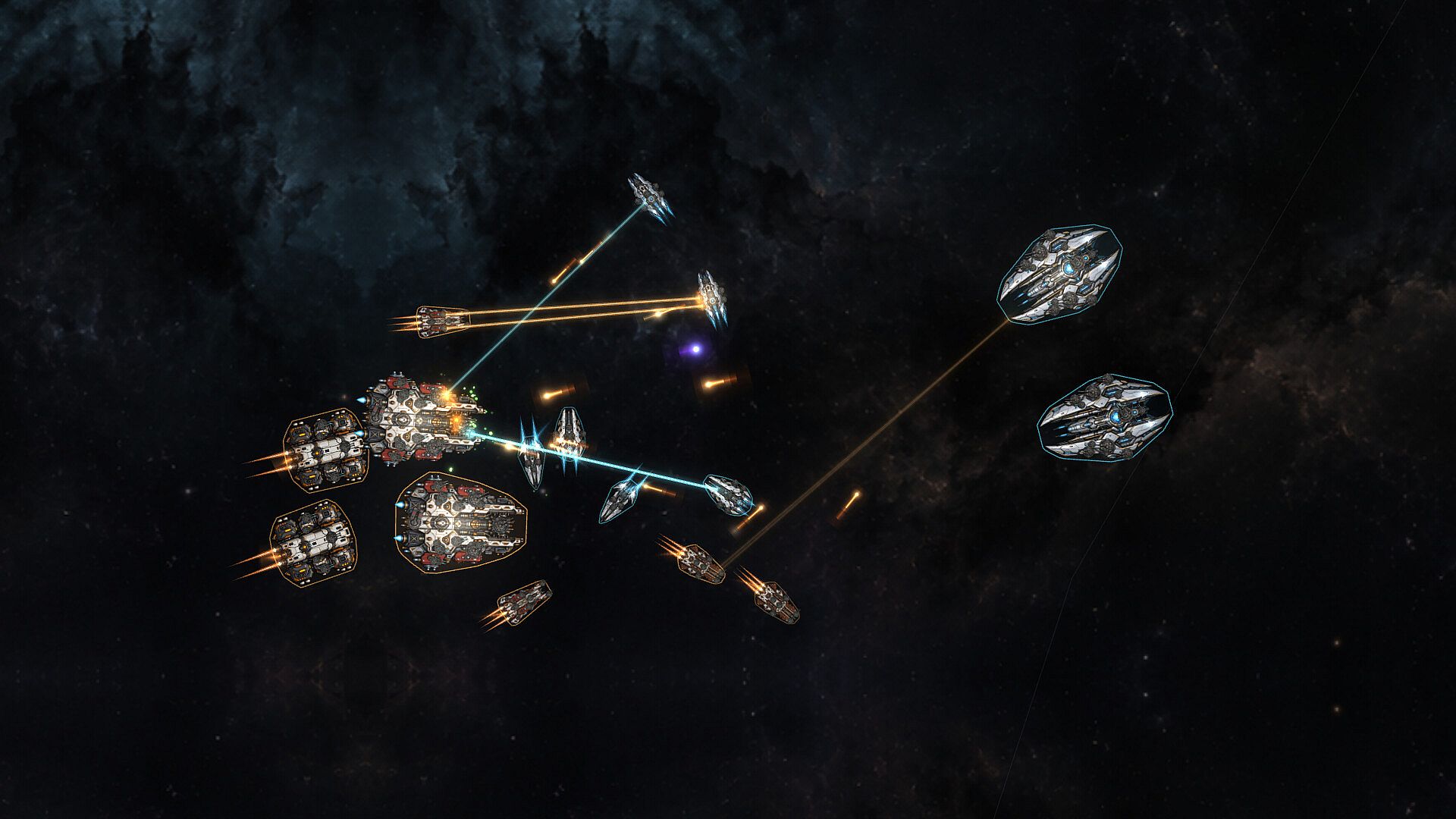
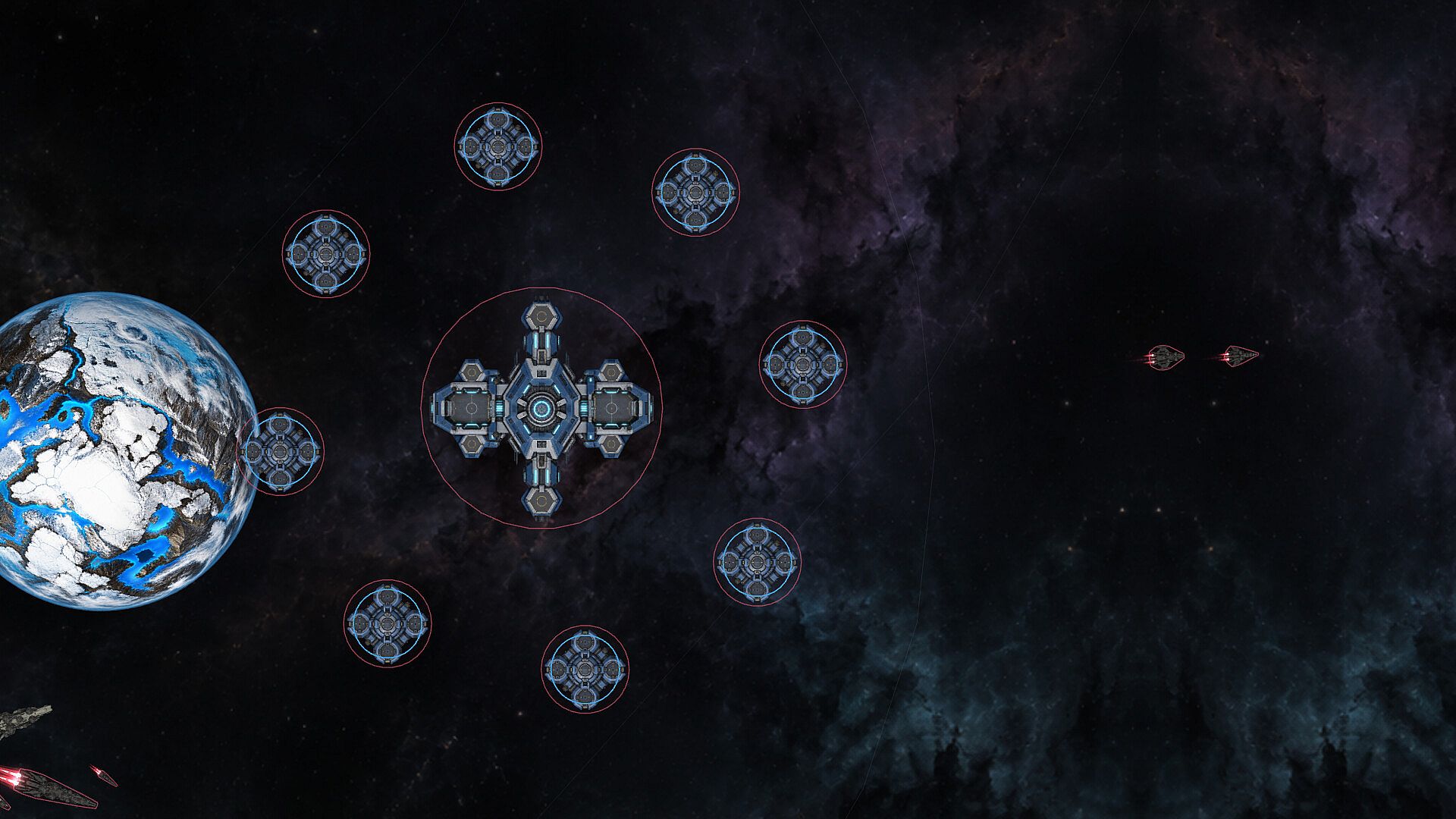
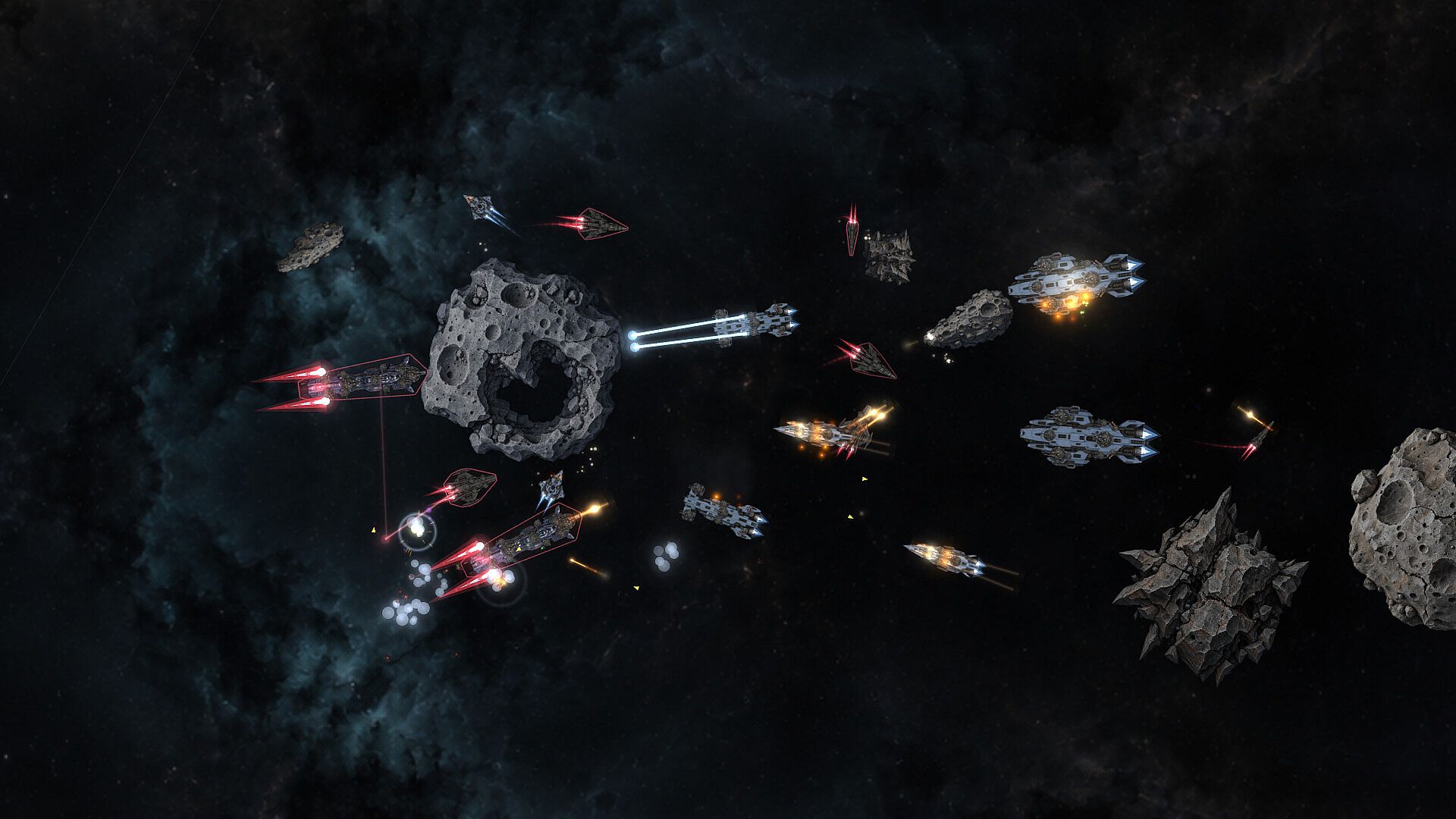
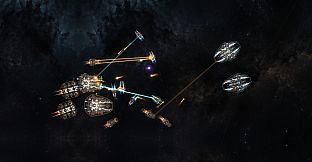
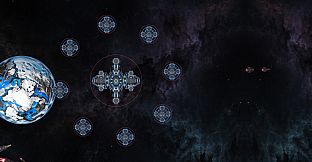
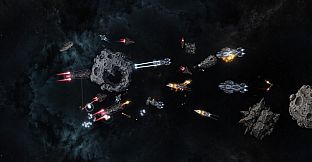
Real-time fleet combat forms a central pillar. Command an entire fleet or switch to direct control of individual ships equipped with turrets, missiles, beams, fighters, bombers, and capital vessels. Shields include standard bubble variants or advanced Conformal Shield Lattice options that conform to the hull. Moving asteroid fields can obstruct incoming fire, adding tactical depth. Hulls sustain damage realistically, breaking apart and leaving recoverable wrecks that can be salvaged.
Approximately 110 authored ships and 55 weapons support varied loadouts. Faction-specific refit packages and doctrines influence available upgrades. High standing with factions unlocks licenses for building their hulls and installing proprietary systems at player-owned colony yards. Twenty-one factions each maintain distinct ships, stations, and behaviors that drive simulated wars, alliances, and raids.
Game Modes
The primary experience unfolds as a single-player real-time campaign in procedurally generated sectors of varying sizes, featuring diverse star systems including binary setups. The simulation runs continuously, allowing empires to expand, form alliances, or declare war without scripted events. Late-campaign threats include the spreading Blight from the frontier and expanding Crystal hives.
Multiplayer supports hosting a shared sector for Steam friends, where each participant operates an independent company in the same persistent world. The host manages an authoritative server via Steam relay without requiring port forwarding. Players can drop out and rejoin while retaining their ships and progress.
Progression and Economy
Building reputation through contracts and jobs increases standing with factions and unlocks military commissions. Rival companies, both player-controlled and NPC, compete for the same opportunities. The economy ties directly into colony development, where founding worlds and constructing industry or leisure districts requires substantial investment. Policies and operations influence output, but colonies remain deliberately costly to establish and maintain.
Salvage operations and black market trading add risk-reward layers. Fenced goods carry inspection hazards, while military markets demand commissions. The physical nature of supply and demand means player actions visibly alter market conditions across ports.
Customization and Modding
Content remains highly modifiable through plain data files for ships, weapons, factions, creatures, stations, and economy elements. A bundled Content Studio editor validates hull art and automatically mounts turrets. Published mods integrate via the Steam Workshop, with automatic subscription for lobby participants.
Is It Worth Playing?
REMM: Space Adjutant remains in alpha at version 0.1.0, with ongoing tuning focused on systems such as freighter-scale trading. It includes a skippable tutorial and extensive tooltips for accessibility. The game targets players who enjoy deep strategy simulations involving fleet command, economic management, and emergent faction interactions in a persistent universe. Those drawn to titles with real-time combat, colony building, and mod support may find the current build engaging despite its early state, particularly for solo campaigns or small-group multiplayer sessions. Windows 64-bit systems are required, and features listed reflect only those implemented so far.












