

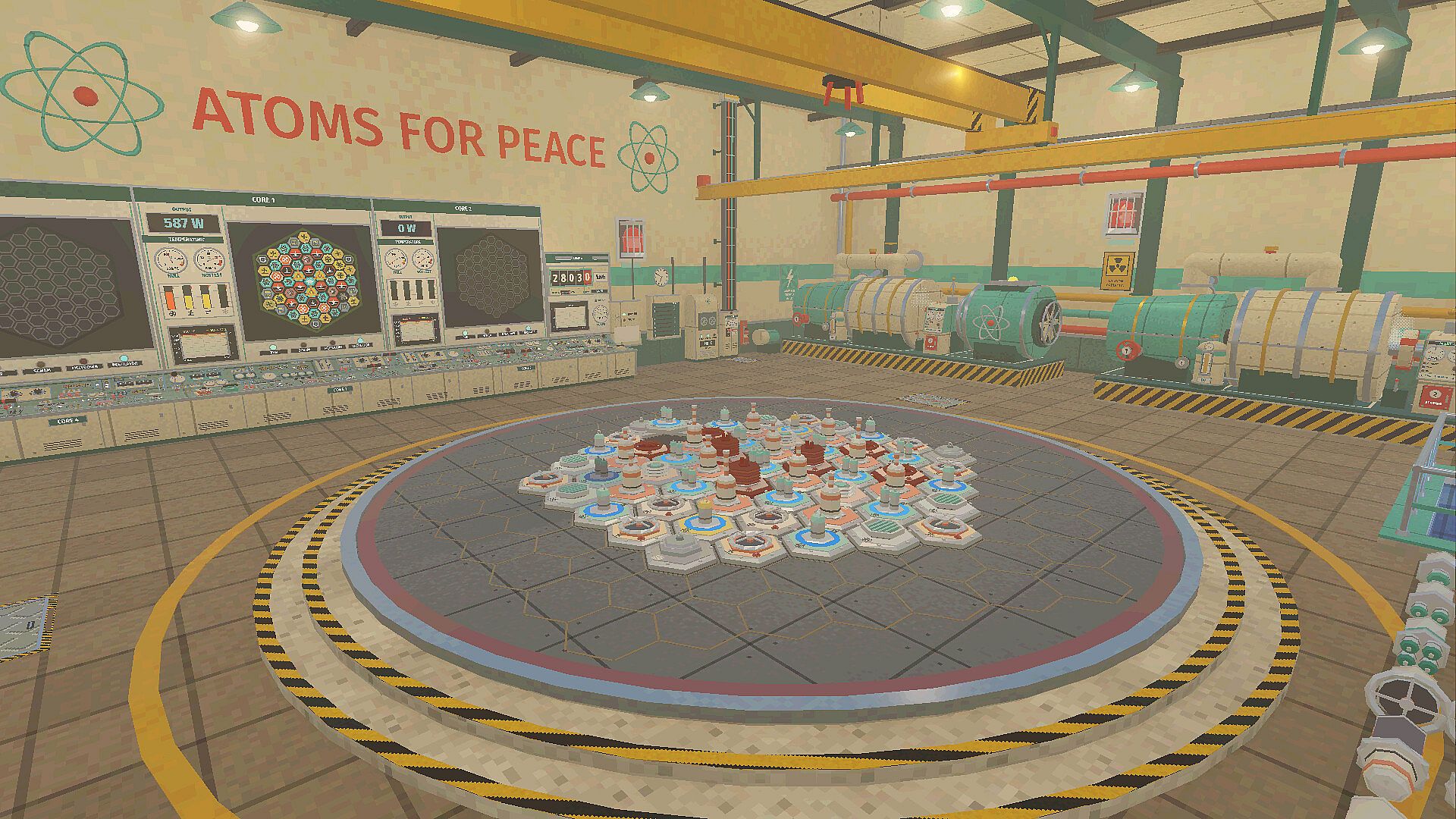
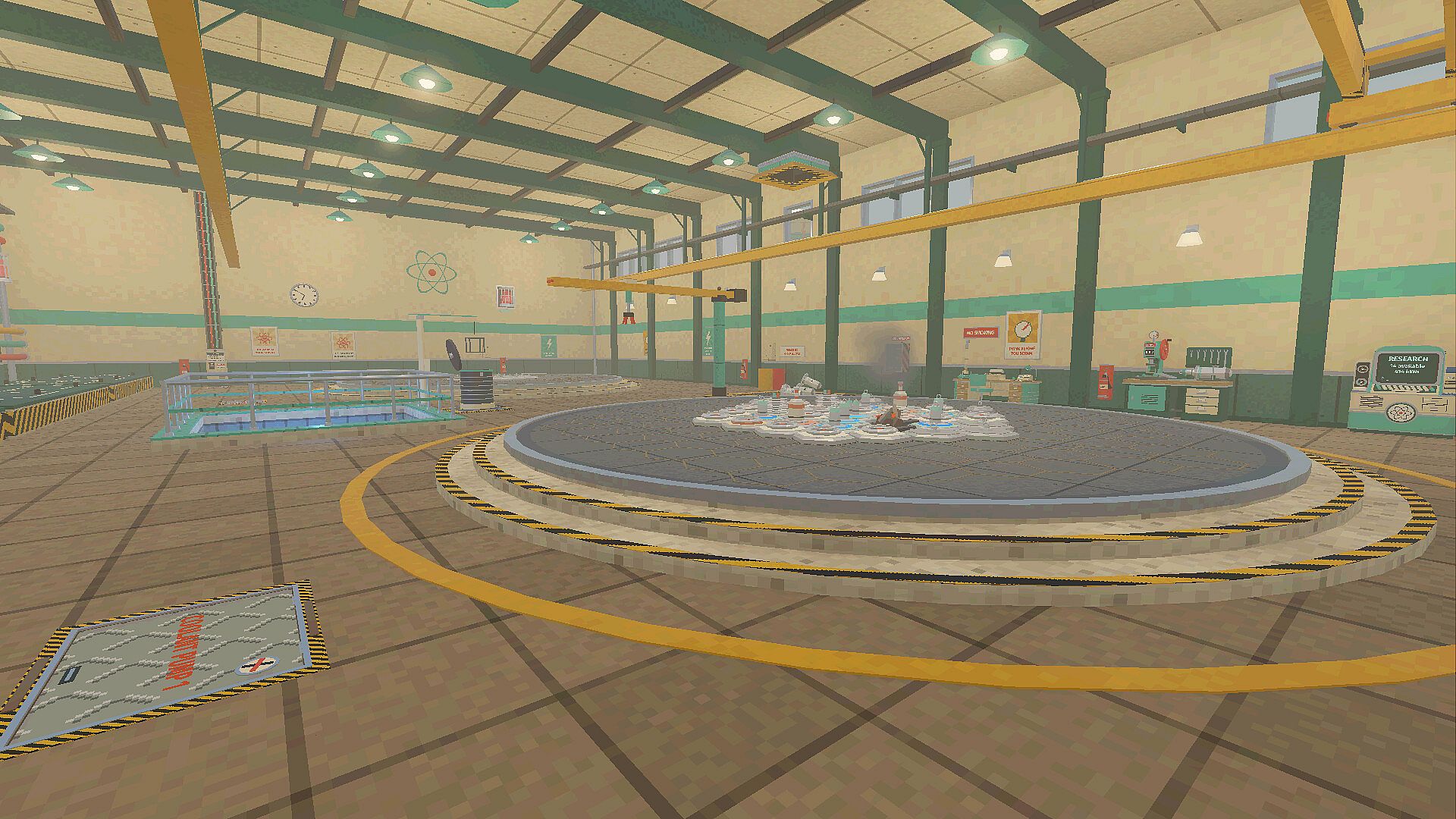

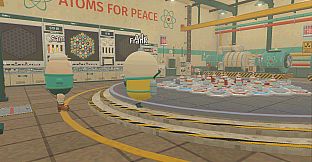
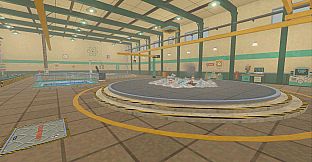
Reactor Incremental is a strategy and simulation game built around incremental progression and careful reactor management on PC. Players take on the role of an operator in a 1950s-style atomic power plant, arranging components on a hex grid to generate power while preventing overheating and meltdowns. The experience blends hands-on placement and monitoring with automation unlocks that shift the focus toward long-term optimization and repeated runs.
Gameplay
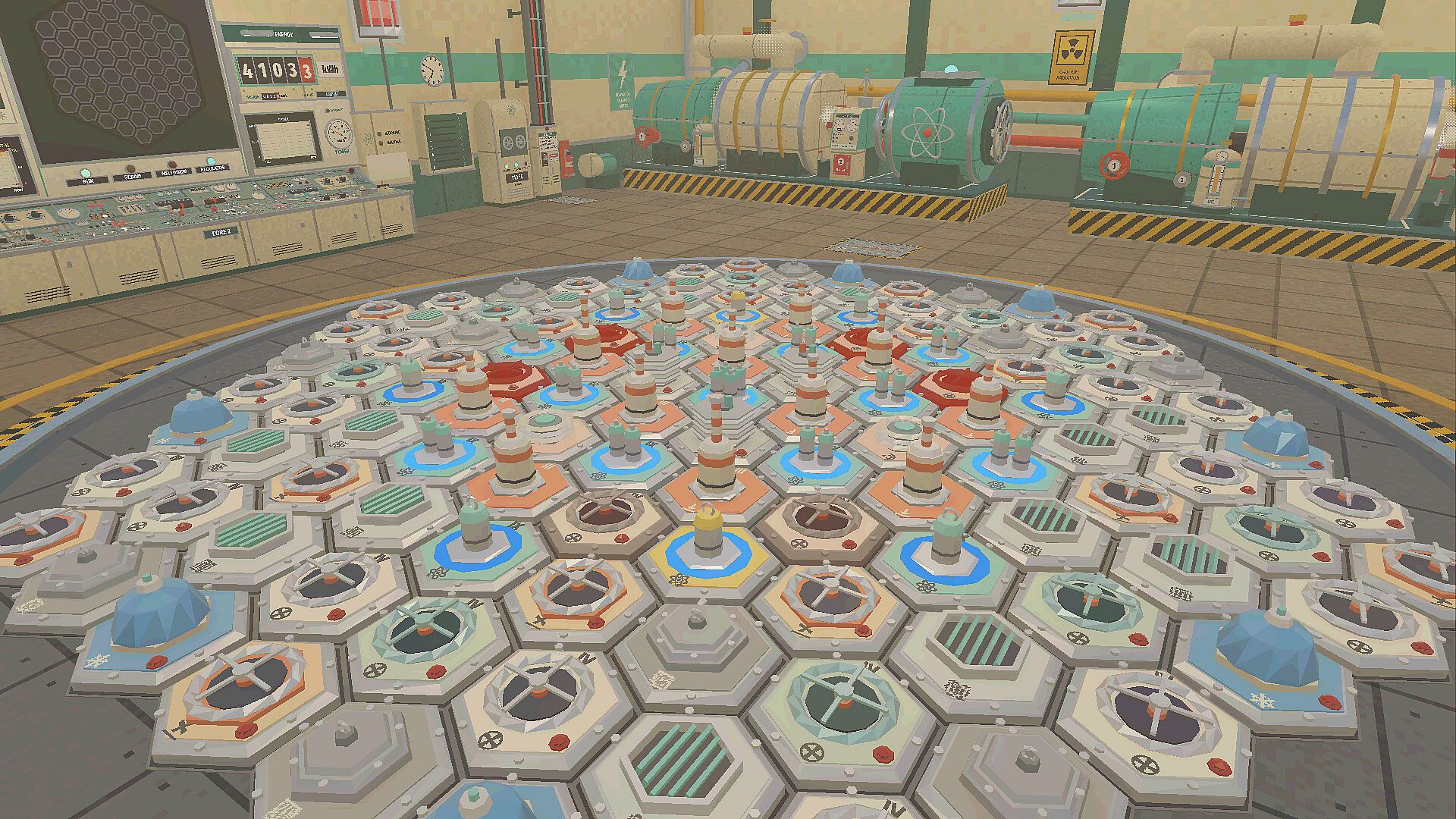
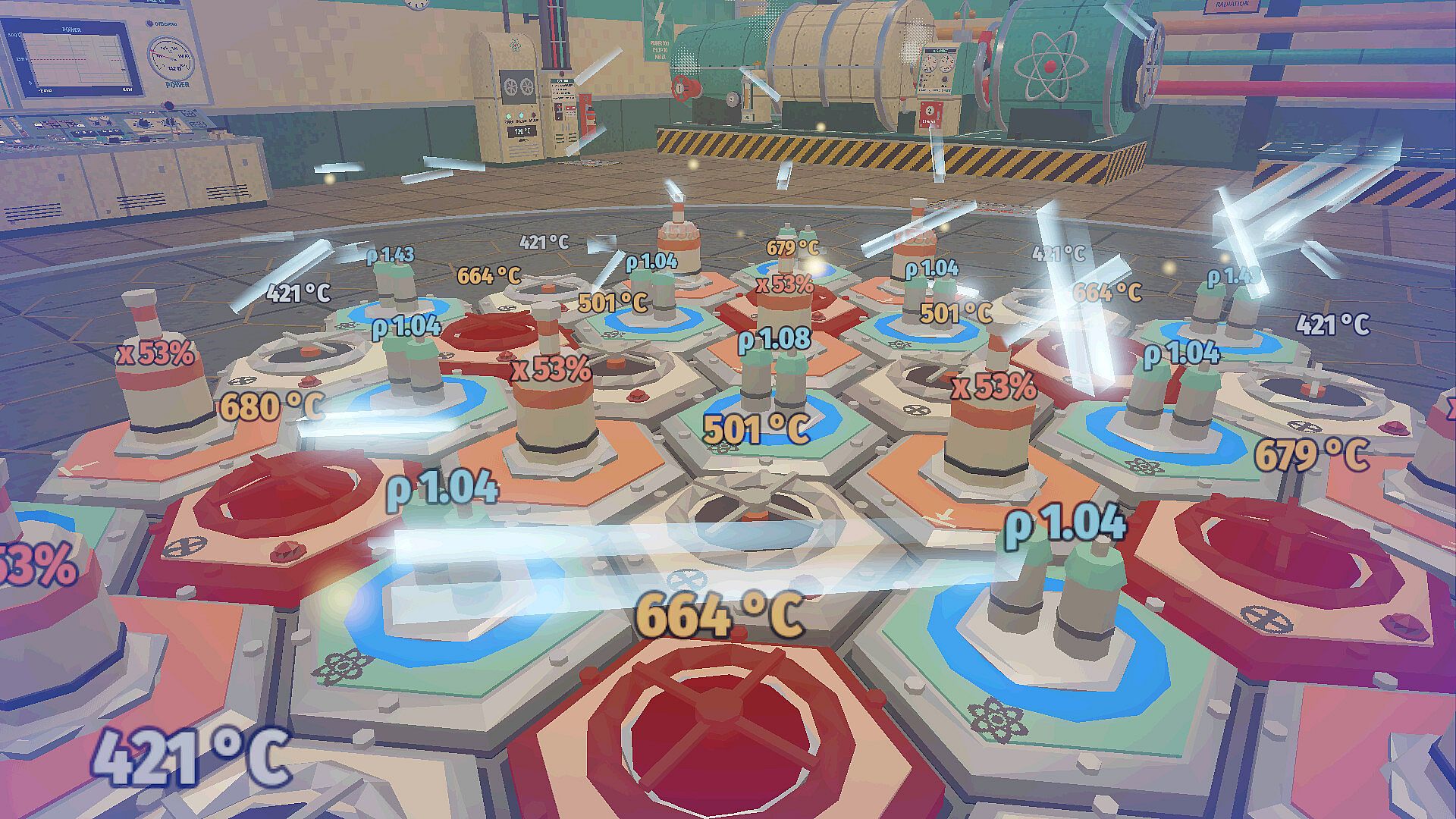
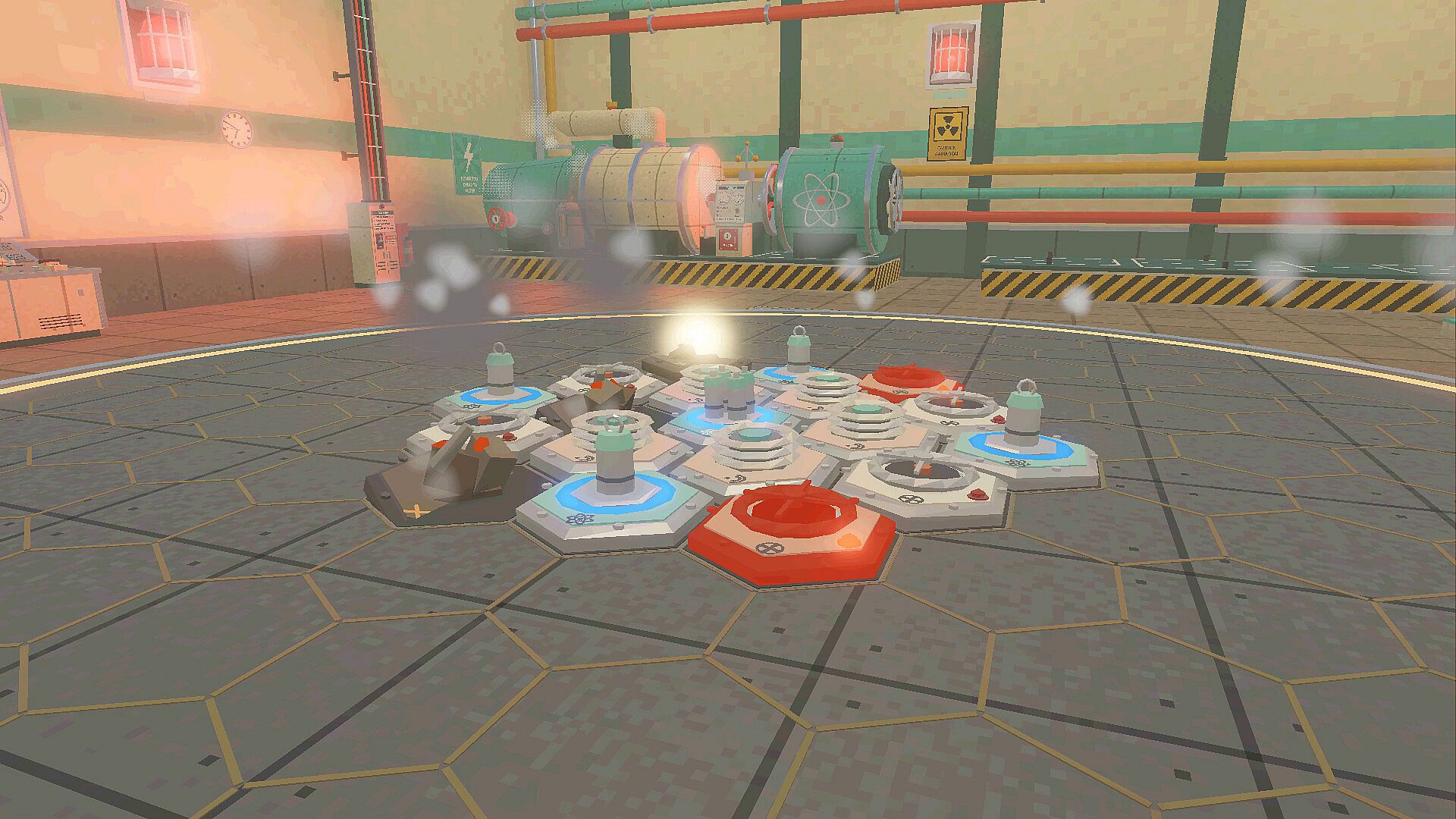
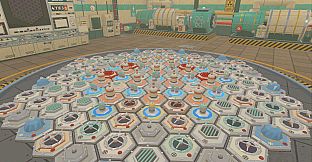
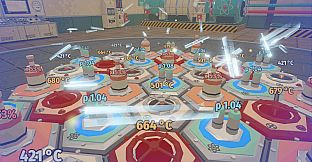
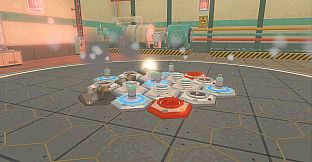
The core loop centers on a hex-grid reactor core where placement determines output and risk. Fuel rods generate power and heat, with output scaling based on adjacency and reactivity. Vents remove heat, reflectors boost neutrons to neighboring cells, exchangers balance loads across the grid, and control rods limit overall activity. Heat increases with the square of reactivity, rewarding tight clusters of rods that produce high output but demand precise cooling to avoid disaster.
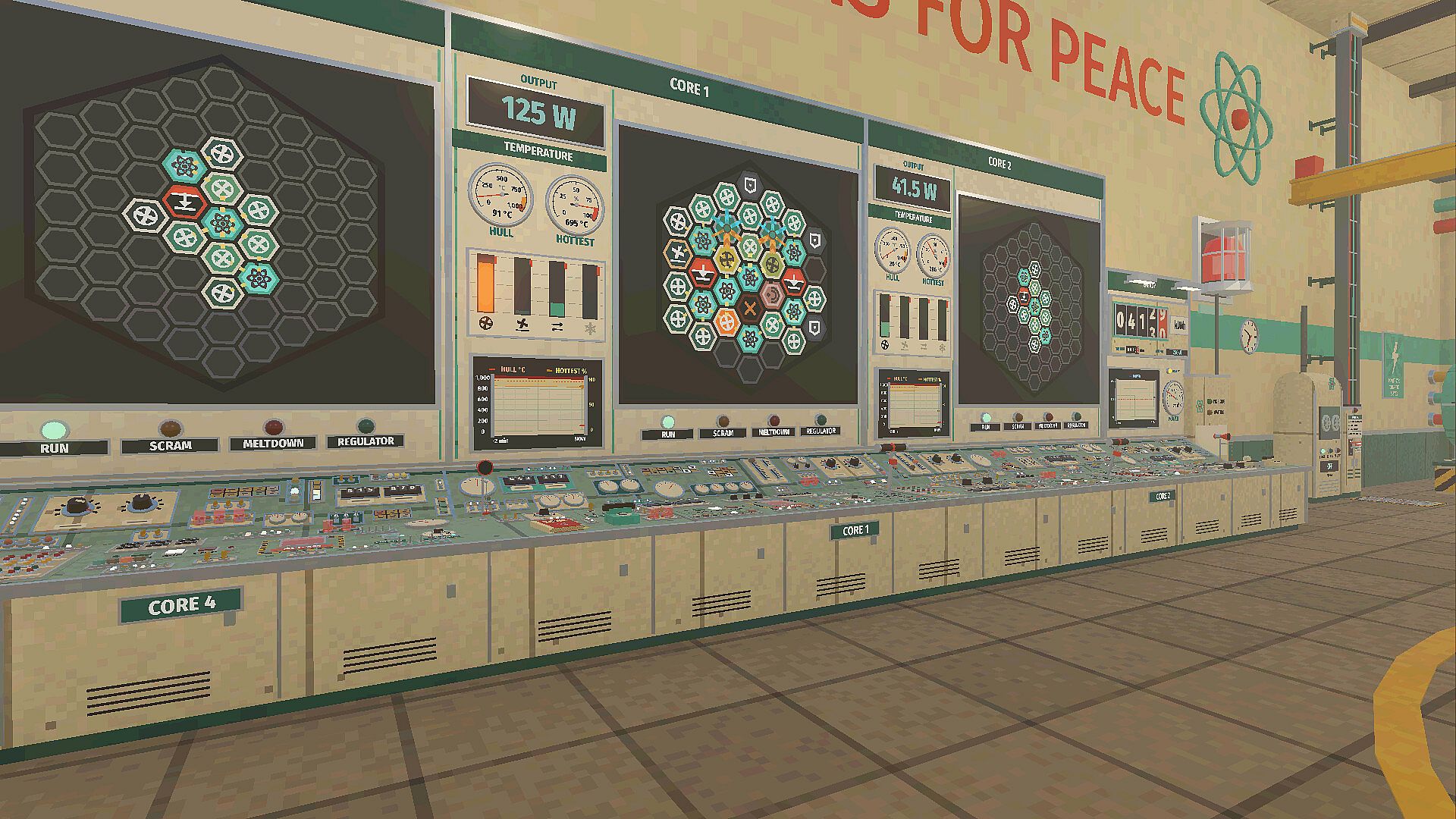
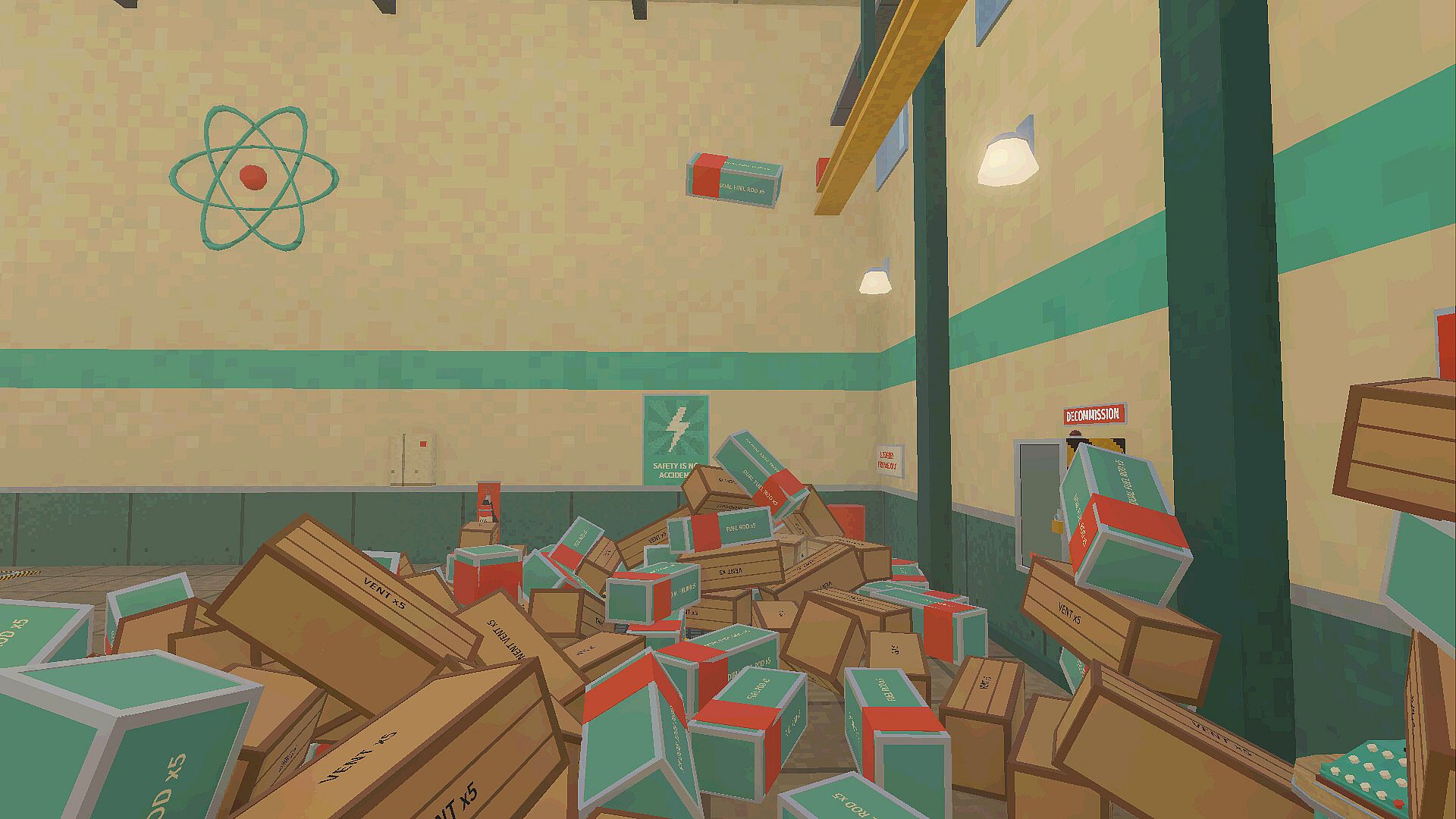
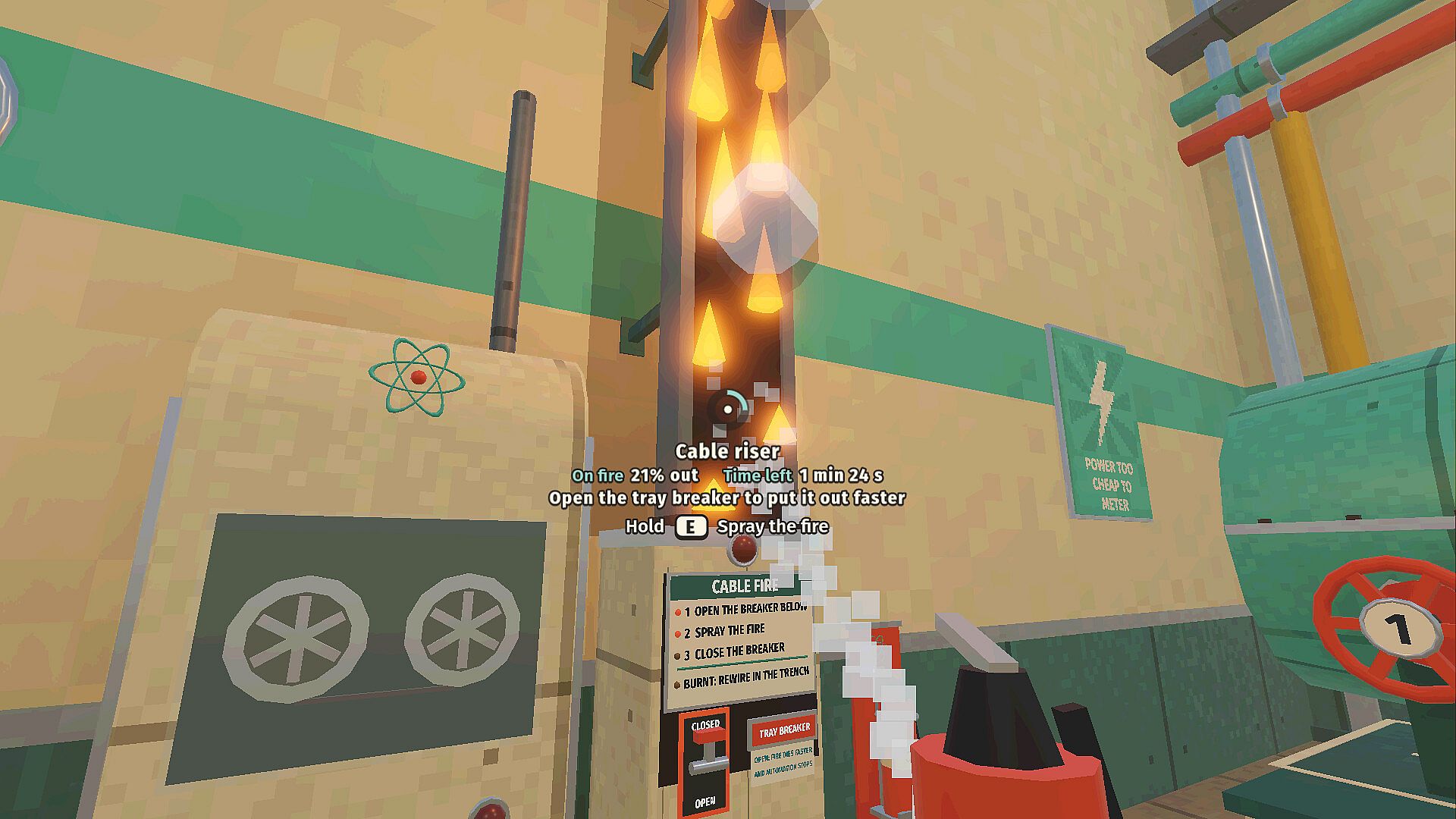
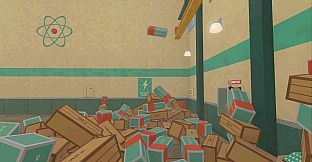
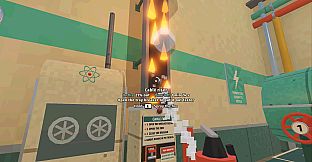
Early stages require manual labor such as ordering fuel, opening crates, carrying rods into position, and adjusting levers as power builds. Each watt-hour earned funds research and new components. Over time, purchases introduce automation like crate openers, gantry cranes for refueling and part swaps, auto-regulators, and rule-based panels that handle routine tasks without constant input.
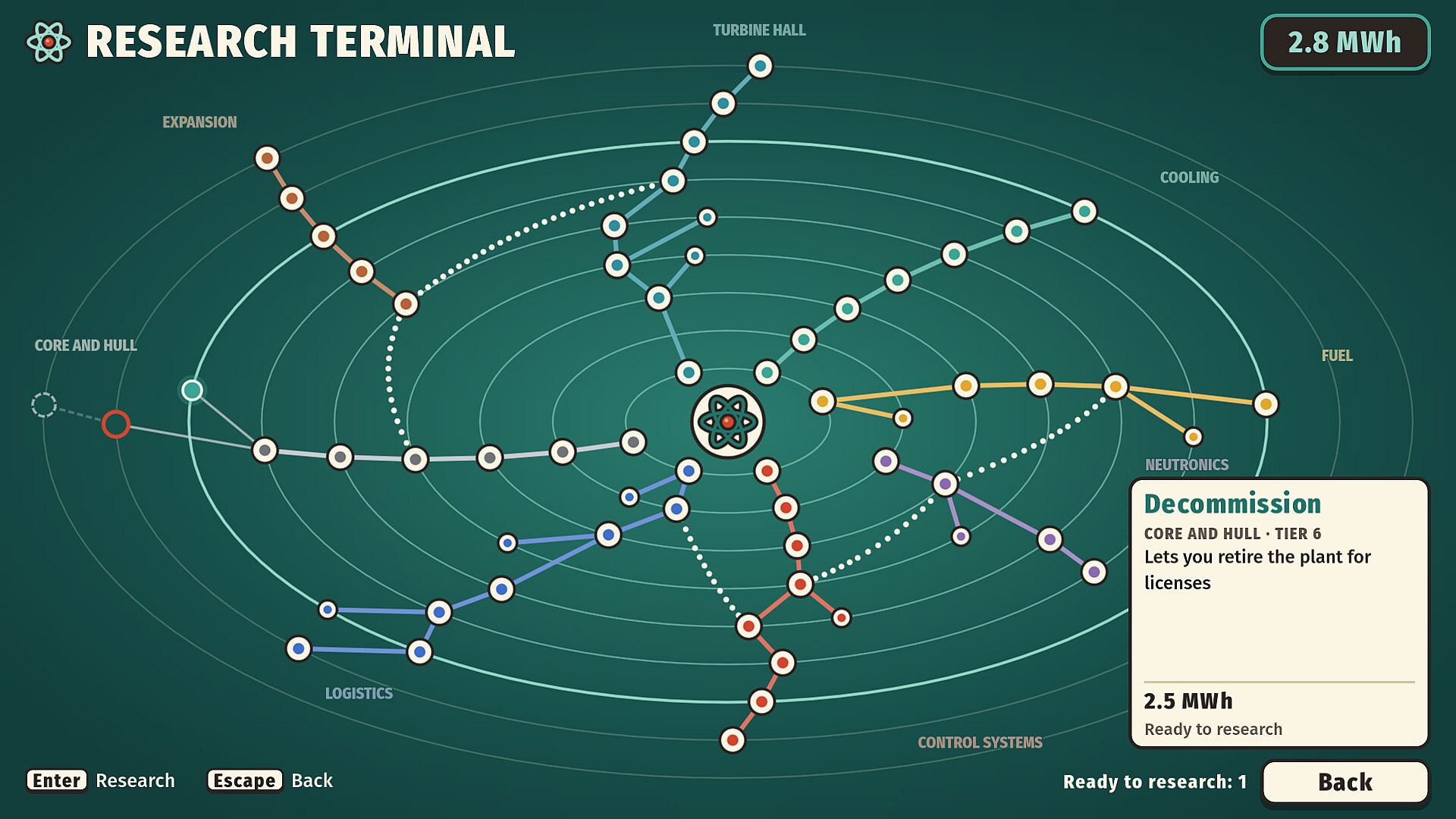
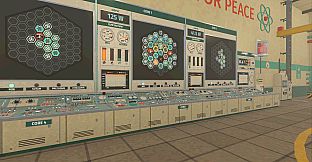
The facility expands through eight research branches that unlock advanced parts and capabilities. The core itself grows ring by ring, starting at seven cells and scaling up to 127. Additional cores become available for parallel experiments. Safety mechanics enforce constant attention: unchecked faults escalate, and a core breach destroys parts, stock, and banked funds while preserving only research progress. Decommissioning a plant allows a fresh start on a new site with permanent licenses that strengthen subsequent runs, though each location presents unique conditions that can invalidate prior layouts.
Game Modes
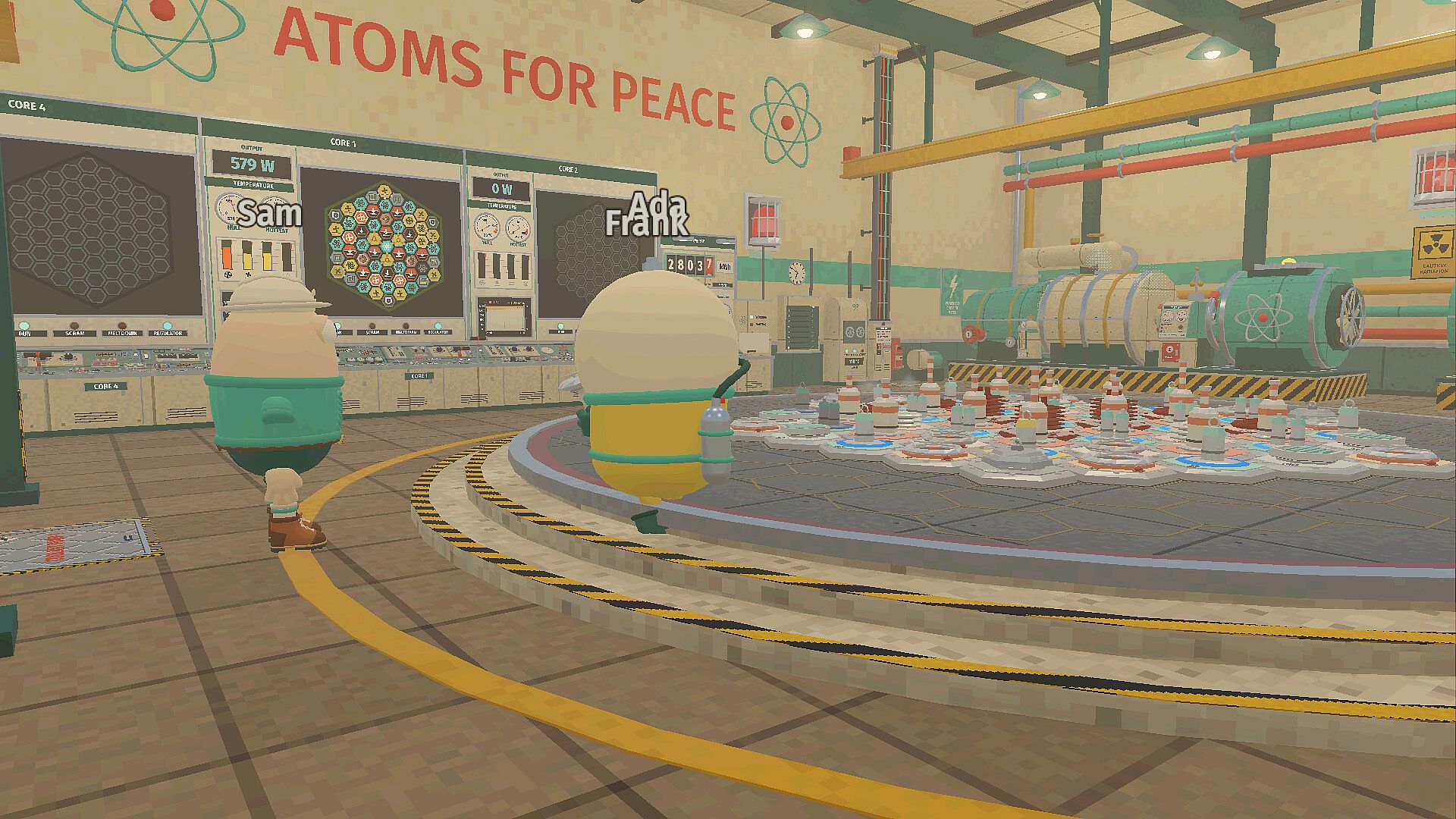
Reactor Incremental supports solo play and cooperative sessions for up to four operators sharing a single plant through friends-only lobbies. Co-op emphasizes coordinated placement and real-time adjustments across the shared grid, while solo sessions focus on methodical progression and automation development. No additional named modes exist beyond these options, with all content revolving around the central reactor-building and management systems.
Progression and Systems
Research unlocks new component types and efficiency improvements that compound over multiple plants. Component interactions create layered decision-making: rods feed neighbors for higher output, while vents and exchangers must be positioned to handle the resulting heat without wasting space or resources. Prestige-style restarts via decommissioning reward careful planning, as retained licenses enable stronger starting conditions on fresh sites with varying constraints.
Automation gradually reduces manual chores, allowing players to shift from constant clicking and lever adjustments to overseeing larger, more complex grids. Heat management remains central throughout, with square-law scaling ensuring that efficient layouts require ongoing monitoring even after automation arrives. The system rewards experimentation with adjacency bonuses and neighbor effects while punishing neglect through escalating failures.
Is It Worth Playing?
Reactor Incremental suits players who enjoy incremental games with strong spatial and systems elements. The hex-grid layout and component synergies provide satisfying depth for those who like optimizing layouts and managing trade-offs between power and safety. Co-op adds a layer of shared strategy for groups interested in collaborative reactor operation.
The loop of building, automating, decommissioning, and restarting with upgrades creates replay value through changing site conditions and accumulating licenses. Those who prefer active management early on and gradual shifts to idle operation will find the progression engaging. The emphasis on preventing meltdowns and adapting designs makes it a focused experience for fans of simulation and strategy titles centered on resource systems and risk management.