


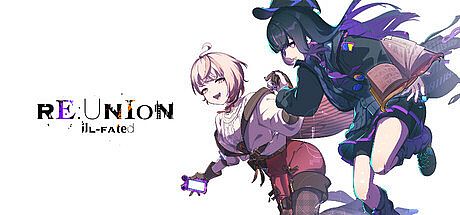


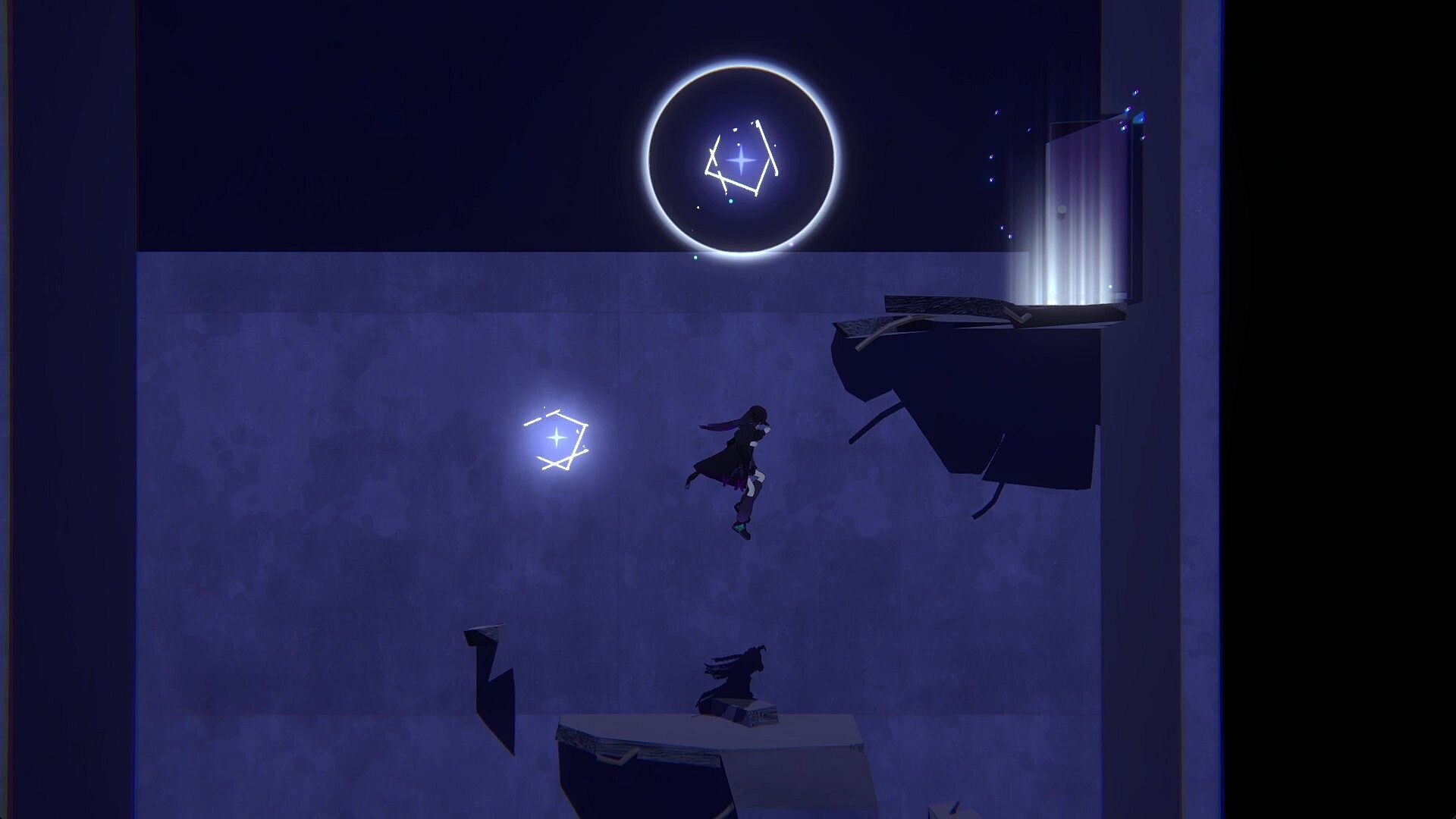
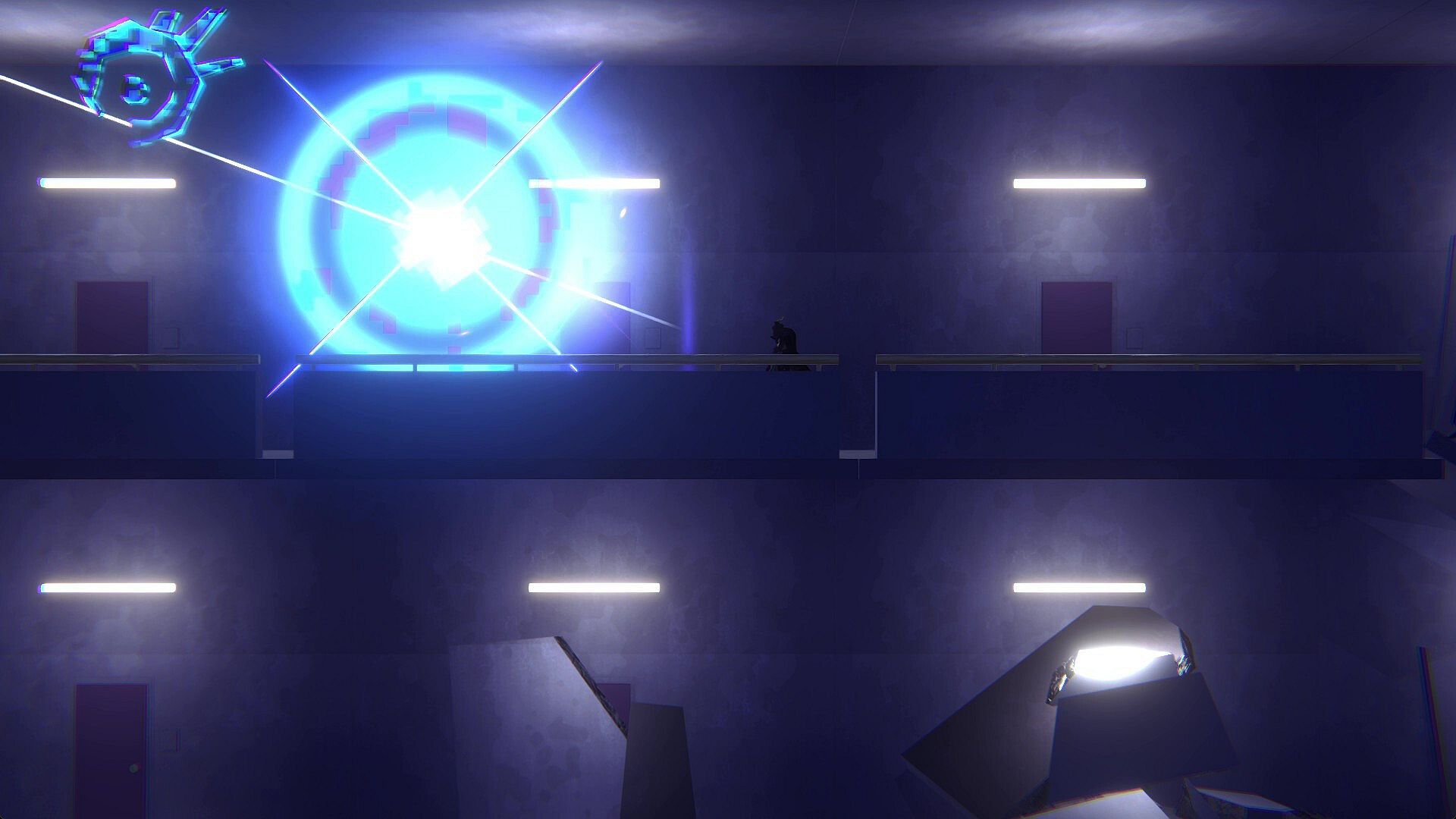
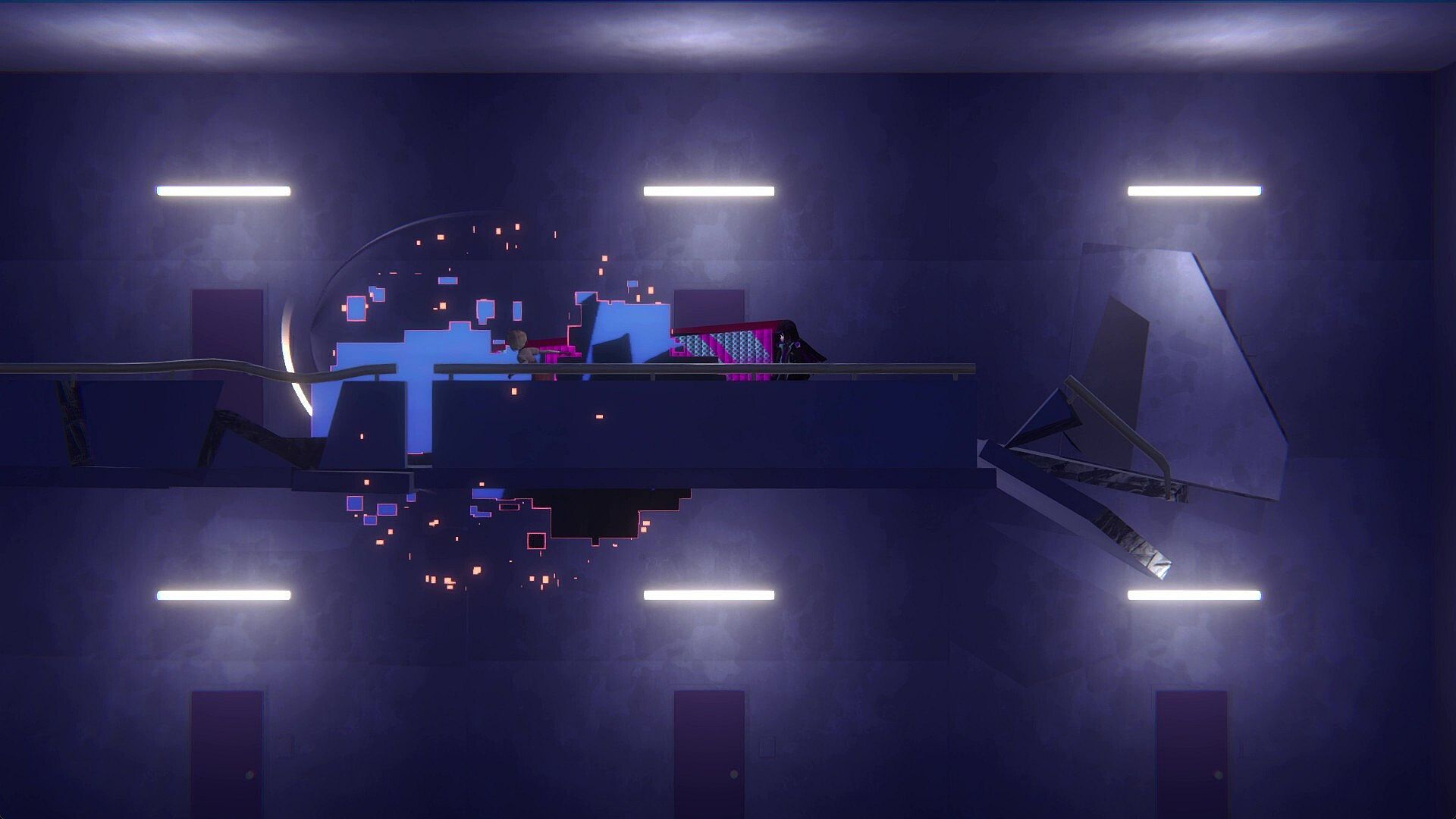
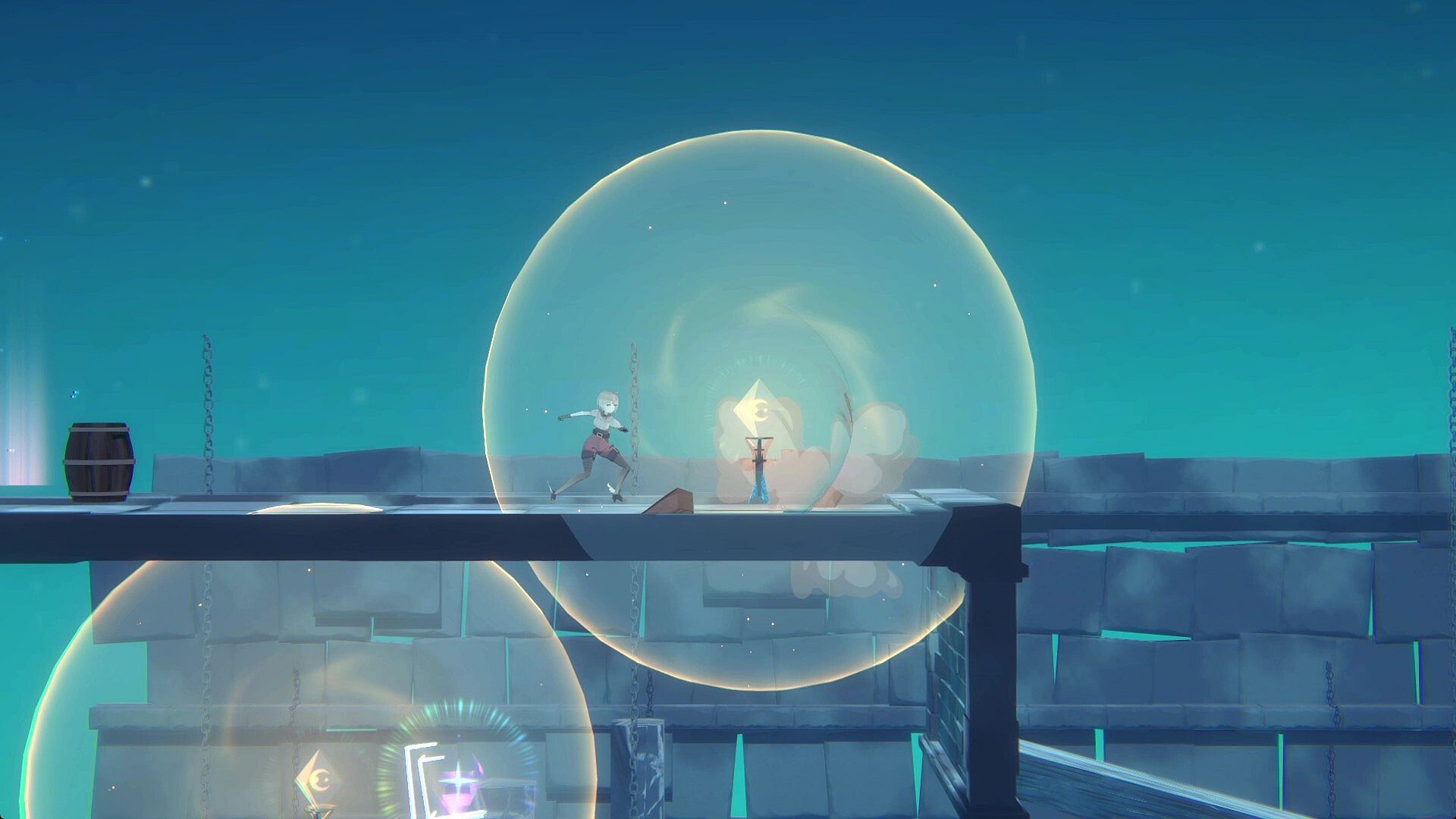
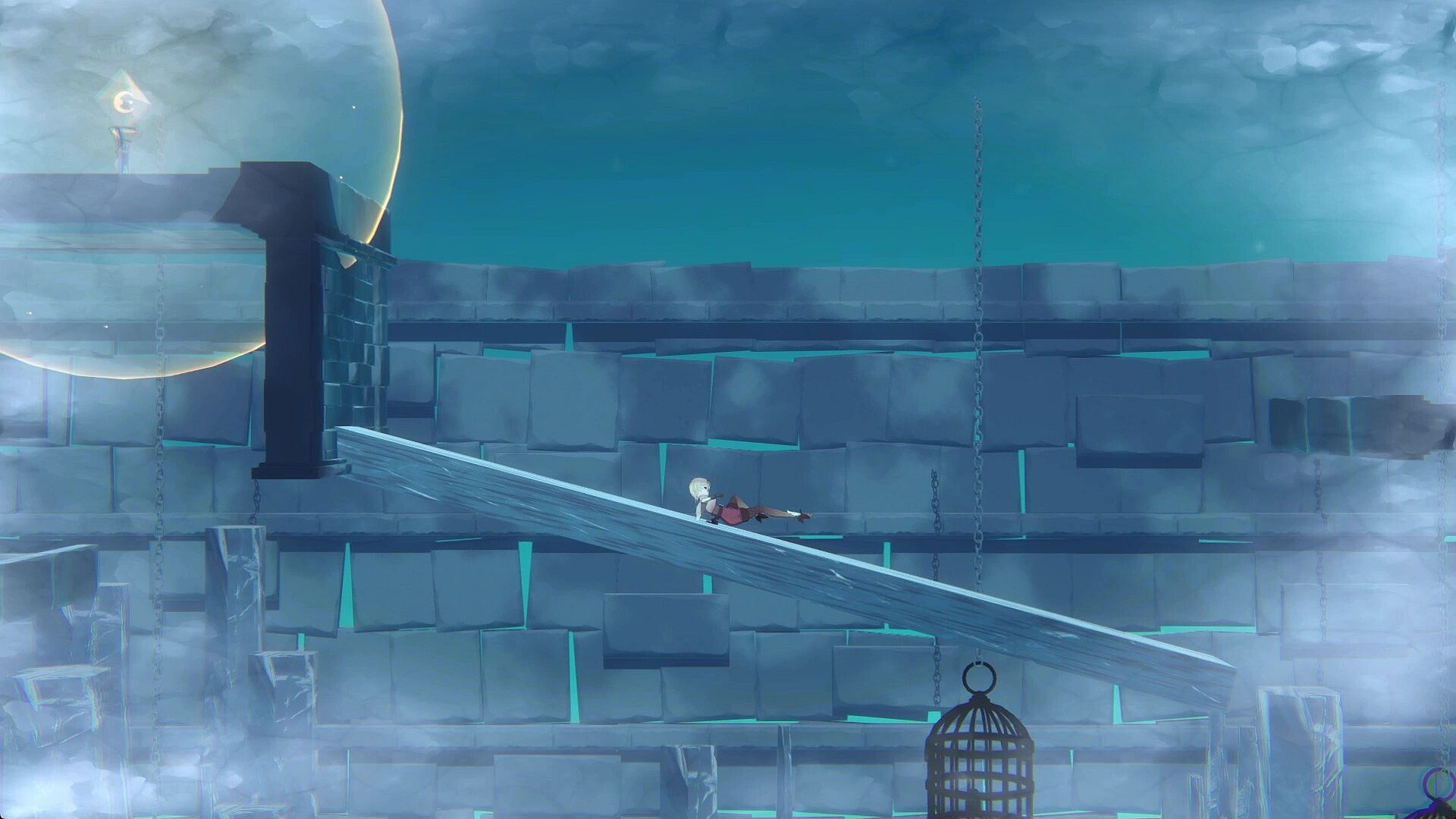
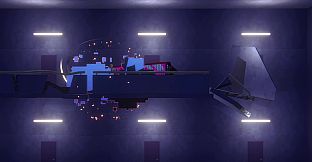
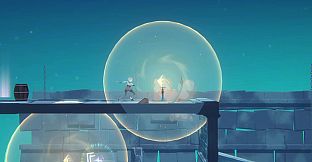
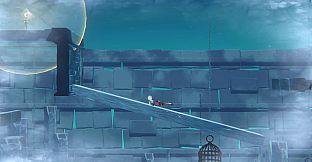
RE:UNION - ill-fated - is a 2.5D side-scrolling Metroidvania that follows two protagonists separated across parallel worlds as they work toward reunion. Set in the distorted modern cityscape of Neo Epoch and the ruined fantasy realm of Lost Era, the game centers on exploration, ability-driven progression, and cooperative problem solving between its lead characters.
Gameplay
Players switch between Kuro, who awakens in the dependency city of Neo Tube within Neo Epoch, and Blanche, who begins in the ice-bound underground graveyard known as Witch's Catacombs in Lost Era. Each character navigates distinct environments filled with platforming challenges, combat encounters, and hidden paths that require the unique abilities of the other. The core loop revolves around using three interconnected powers to bridge the gap between worlds and overcome obstacles.
The first power, Traverse, allows objects to be sent between the two realms. The second, Alteration, modifies the rules or properties of the destination world. The third, Synthesis, combines elements from both realities into new items or effects. These systems create layered puzzles where actions taken by one character directly influence the environment or inventory available to the other. Combat involves dodging and striking against powerful foes while integrating the same abilities for tactical advantages, such as repositioning enemies or altering battlefield conditions.
Progression opens new areas across locations including the world-center box Perfect Toy Box and the final theater Maboroshi no Teatro. Backtracking becomes essential as new power combinations reveal previously inaccessible routes and secrets. The dual-world structure encourages experimentation with how changes in one realm ripple into the other, turning standard Metroidvania exploration into a dialogue between parallel realities.
Game Modes
The experience unfolds as a single continuous campaign focused on the protagonists' shared journey. There are no separate competitive or cooperative multiplayer modes. Instead, the design emphasizes sequential control of each character within the same overarching narrative, with switches occurring naturally as players advance through connected story beats and environmental challenges.
Exploration and ability mastery form the primary activities. Players revisit earlier sections with expanded capabilities to locate additional paths, collect resources, and confront optional encounters. The structure supports thorough world mapping without branching story paths or alternate endings tied to specific choices.
Story and Setting
The narrative begins when Blanche's magic book appears before Kuro and Kuro's smartphone materializes before Blanche, establishing their awareness of each other despite the separation. They support one another across the divide while pursuing physical reunion. Major antagonists include the Administrator, ruler of Neo Epoch, and the Last Hero of Lost Era, both positioned as formidable barriers to the protagonists' goal.
Environments contrast sharply: Neo Epoch presents a warped contemporary city dominated by dependency and control, while Lost Era offers decayed fantasy ruins marked by isolation and ancient remnants. The listed districts and landmarks serve as distinct biomes that test different aspects of the three core powers and character-specific movement styles.
Is It Worth Playing?
RE:UNION - ill-fated - suits players who enjoy Metroidvania titles built around clever ability combinations and interconnected worlds rather than pure combat or speed. The dual-character system and cross-realm mechanics provide a distinct twist on the genre formula, rewarding careful observation and creative use of Traverse, Alteration, and Synthesis. Those drawn to atmospheric exploration across contrasting settings will find consistent motivation in uncovering how the two realities interact.
Progression feels deliberate, with each new power unlocking meaningful new options for both navigation and confrontation. The absence of extraneous modes keeps the focus on the central reunion objective and the satisfaction of solving dual-world puzzles. For fans of indie action-platformers that prioritize mechanical interplay over spectacle, the game delivers a focused and coherent experience worth considering on PC.












