

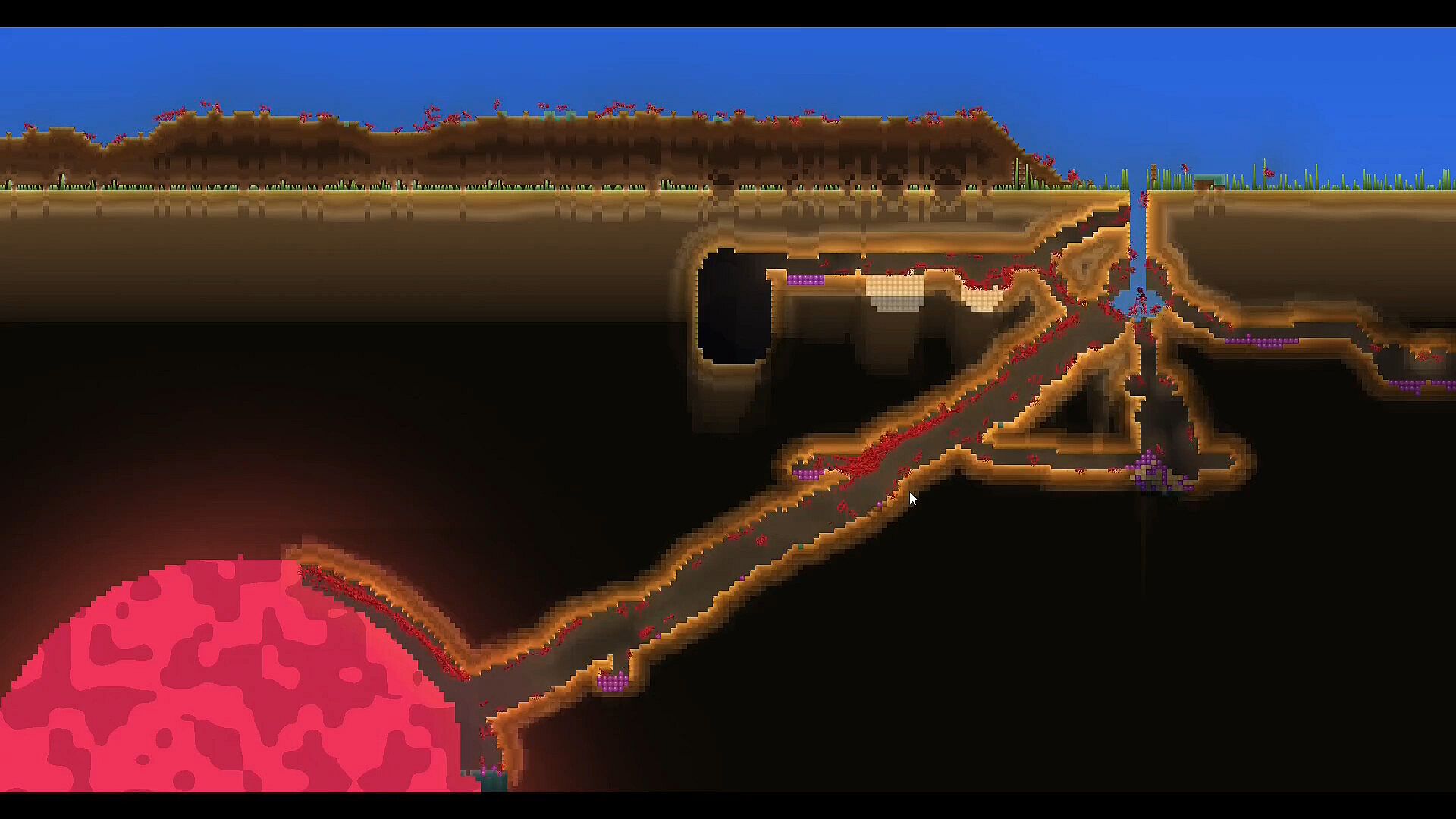
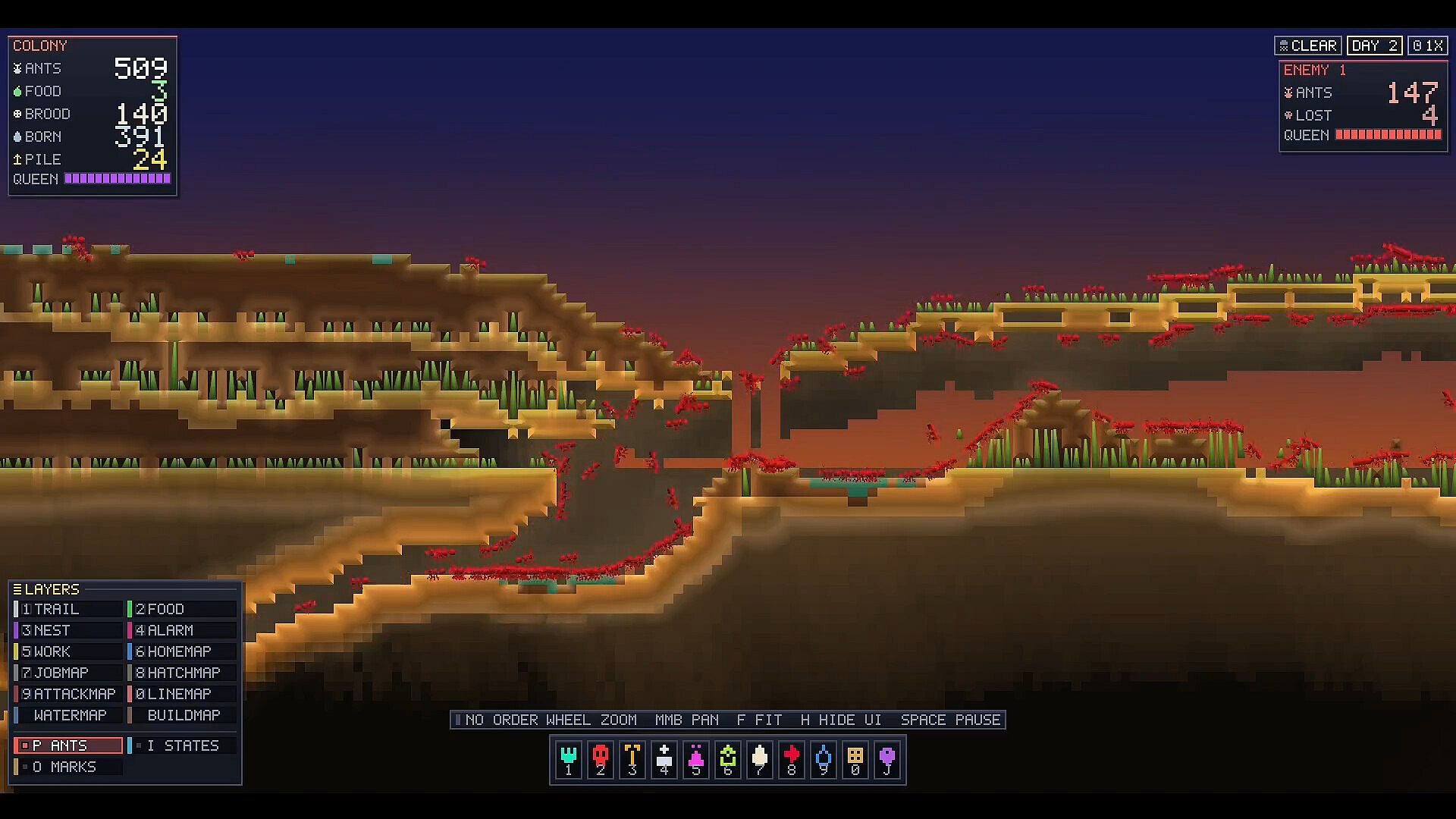
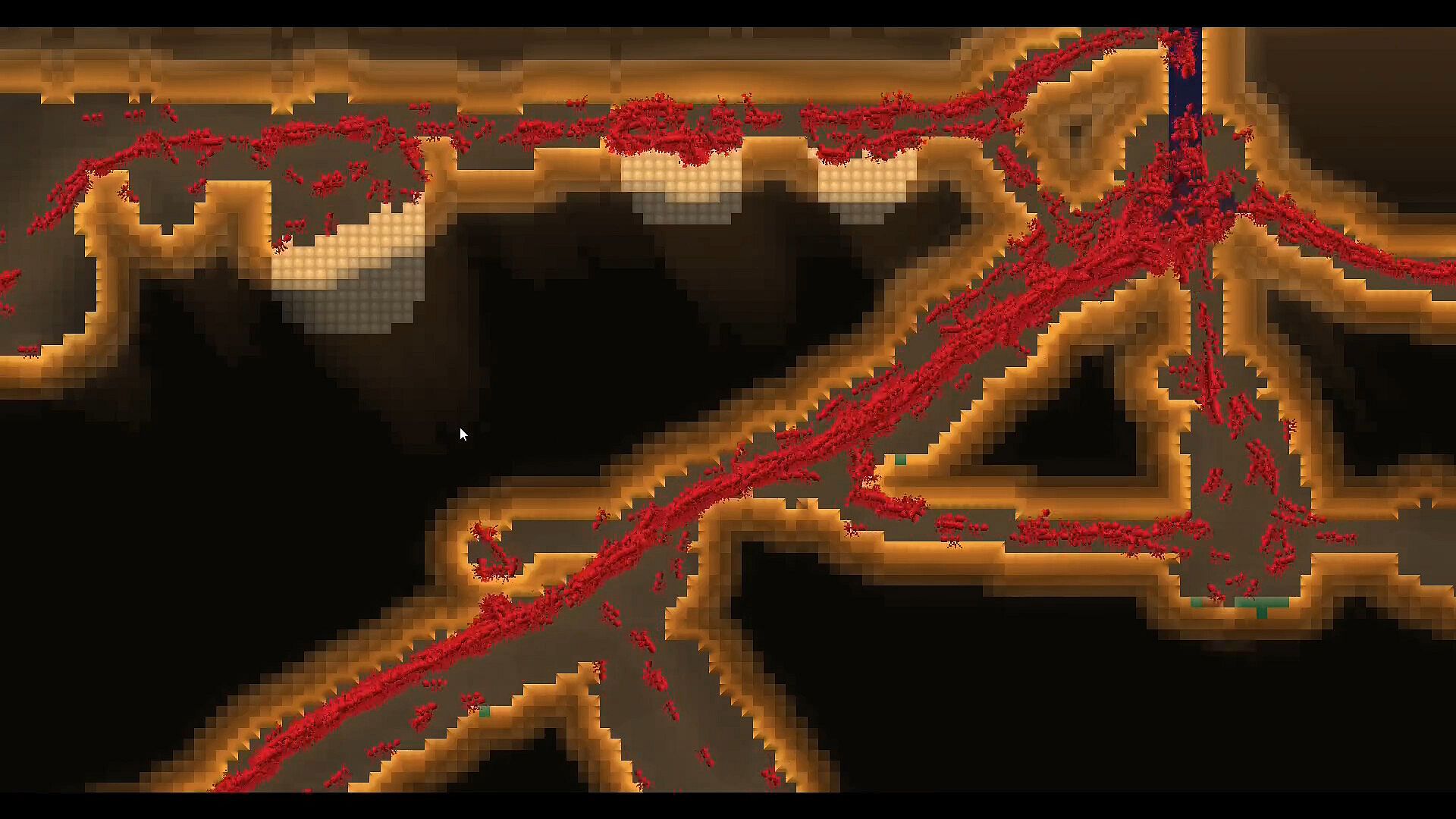
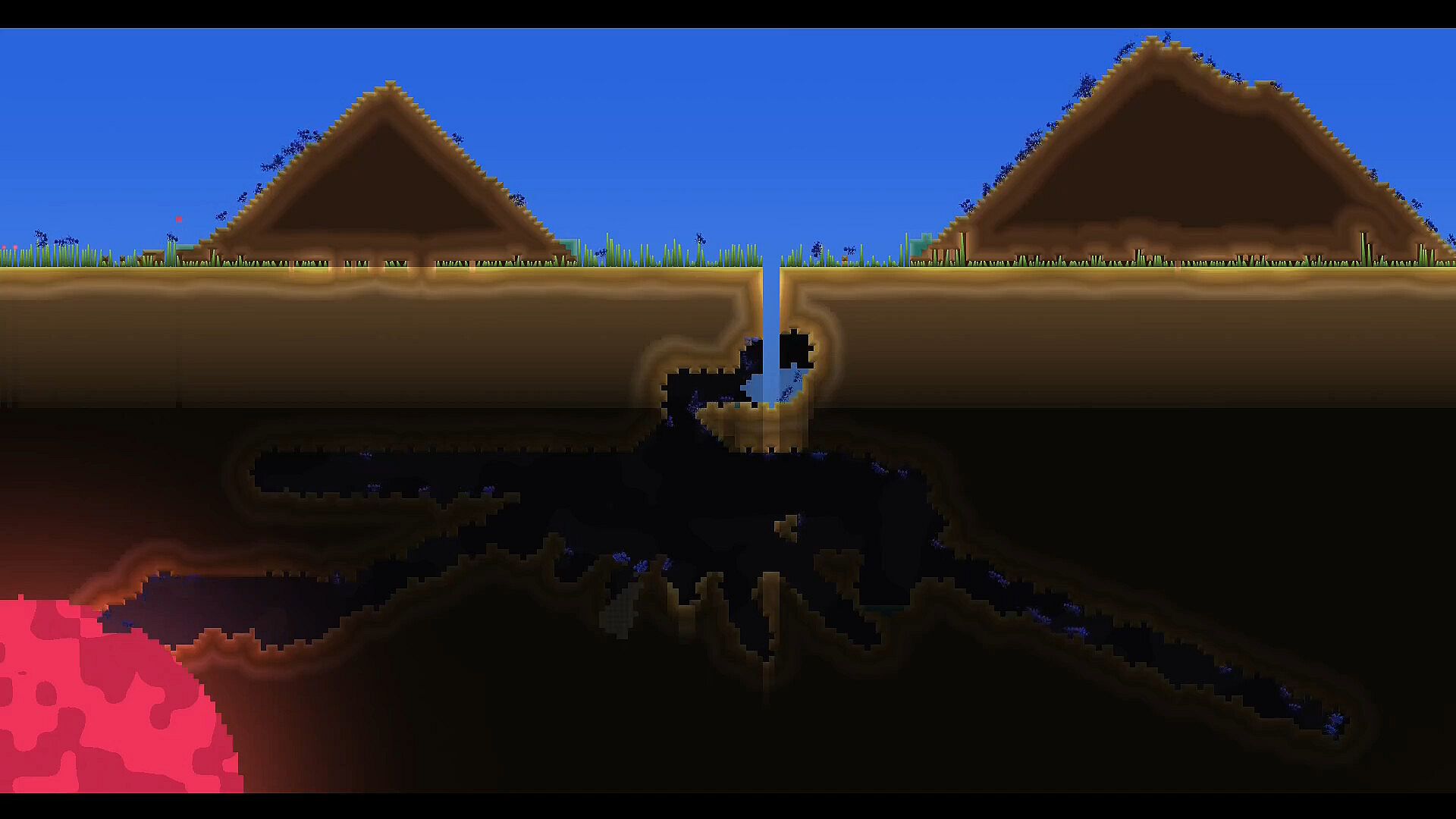
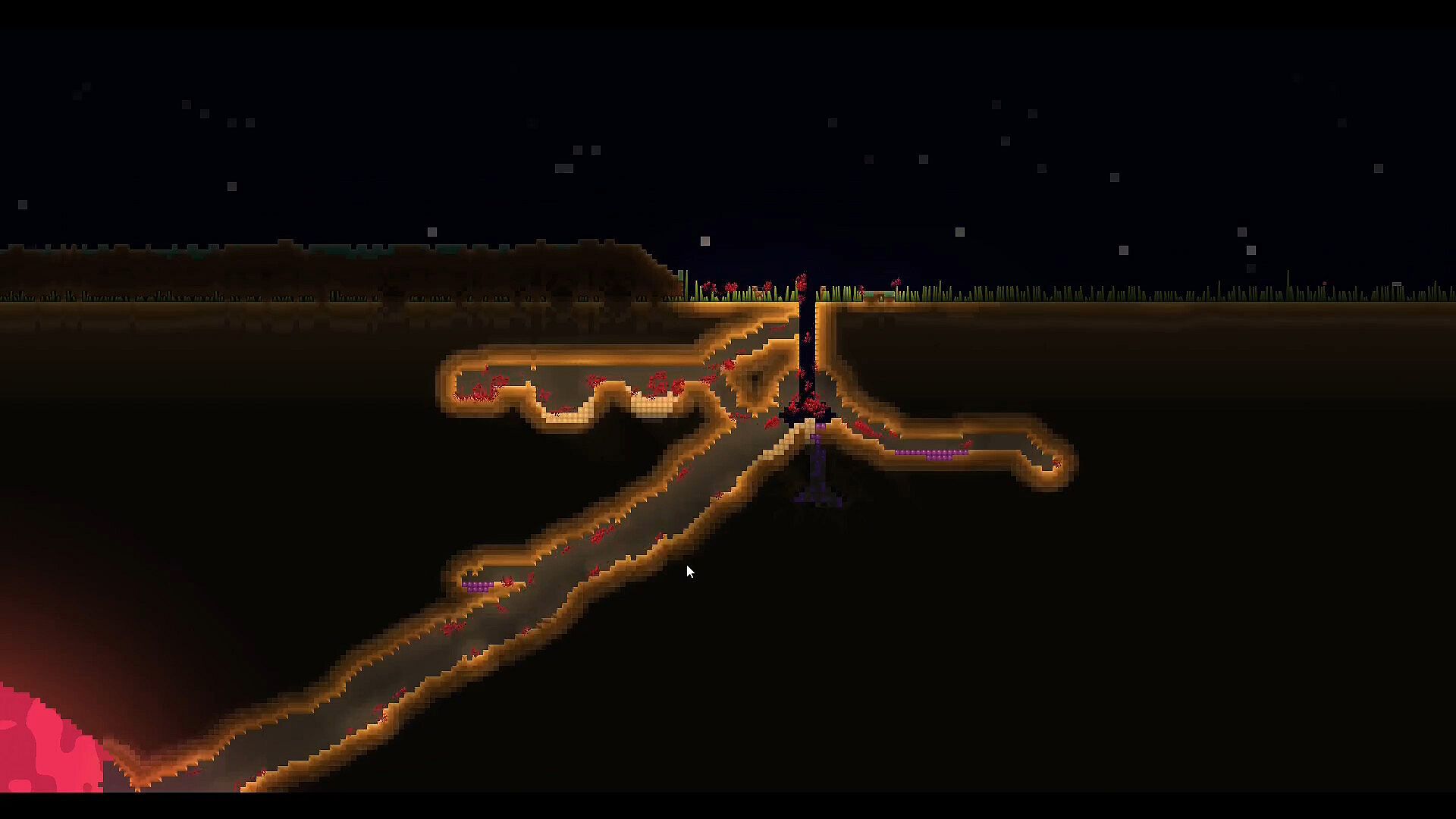
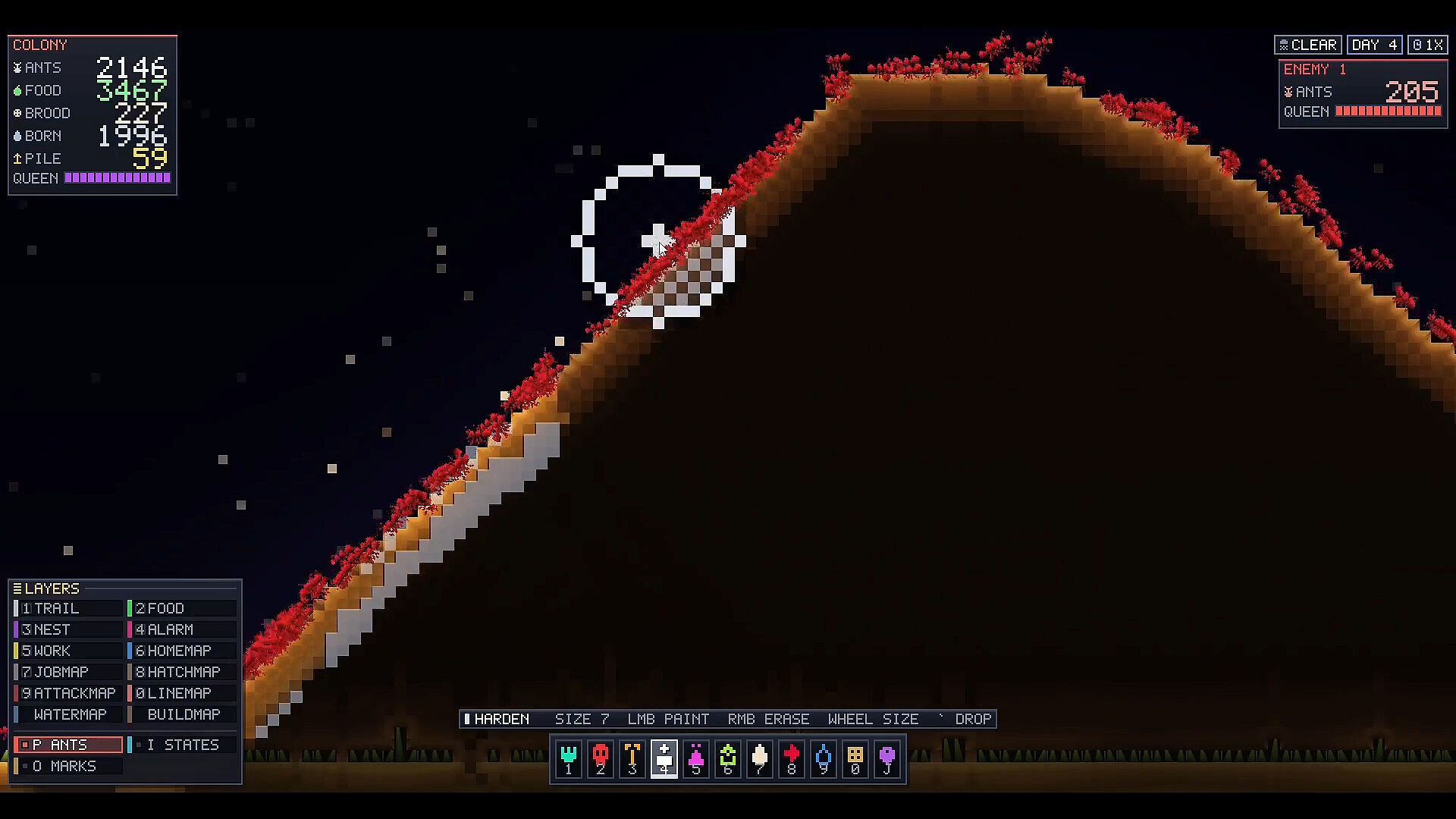
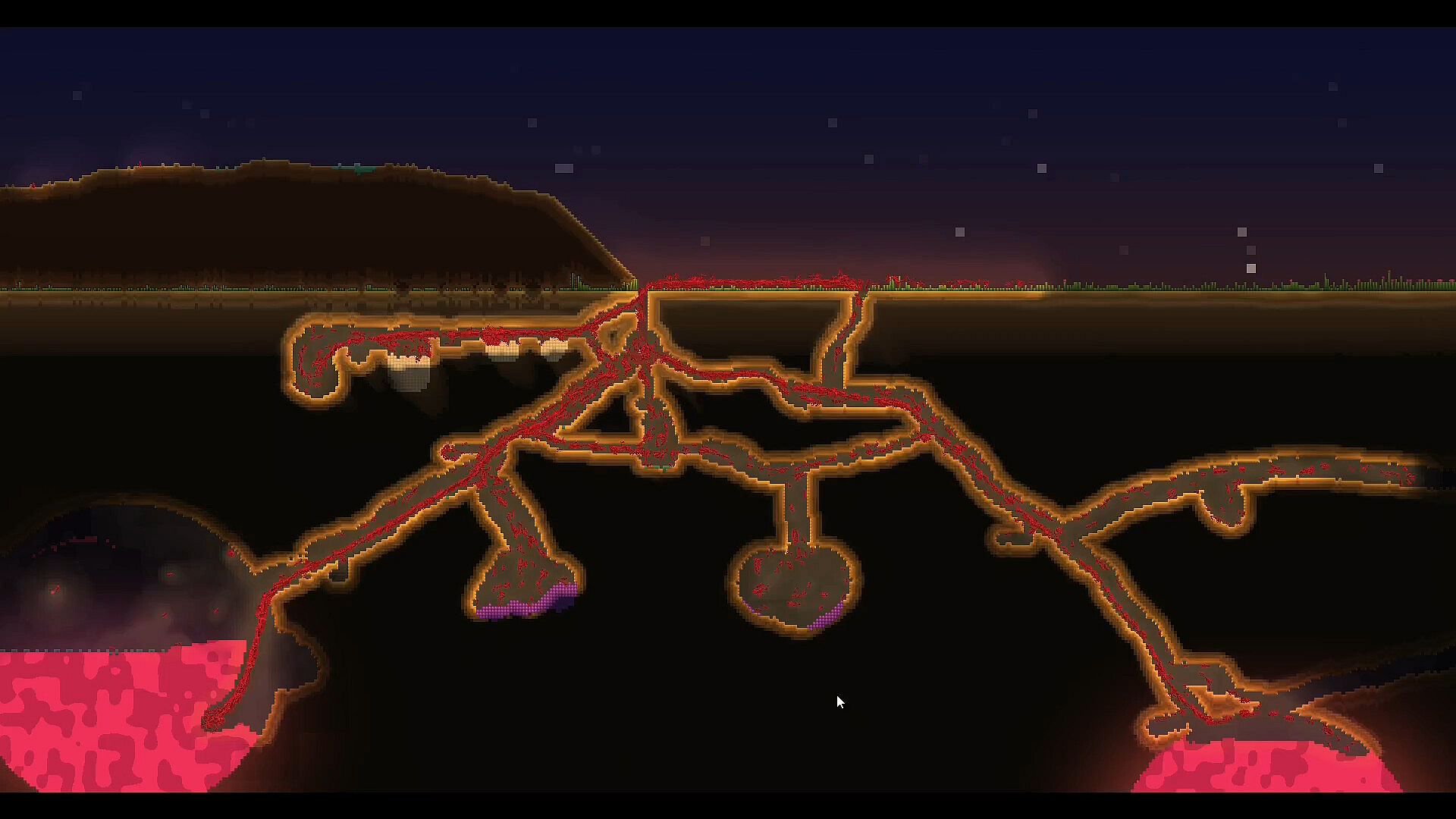
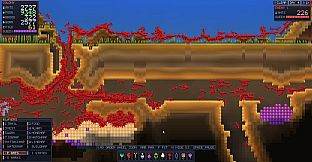
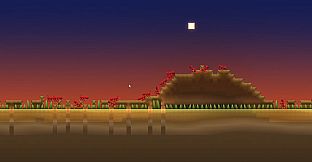
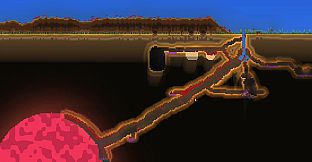
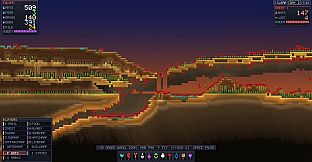
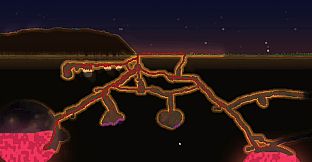
Quicksant is a single-player strategy simulation game set on PC that puts players in control of an ant colony. The core experience revolves around managing a growing nest through indirect commands in a fully destructible environment.
Gameplay
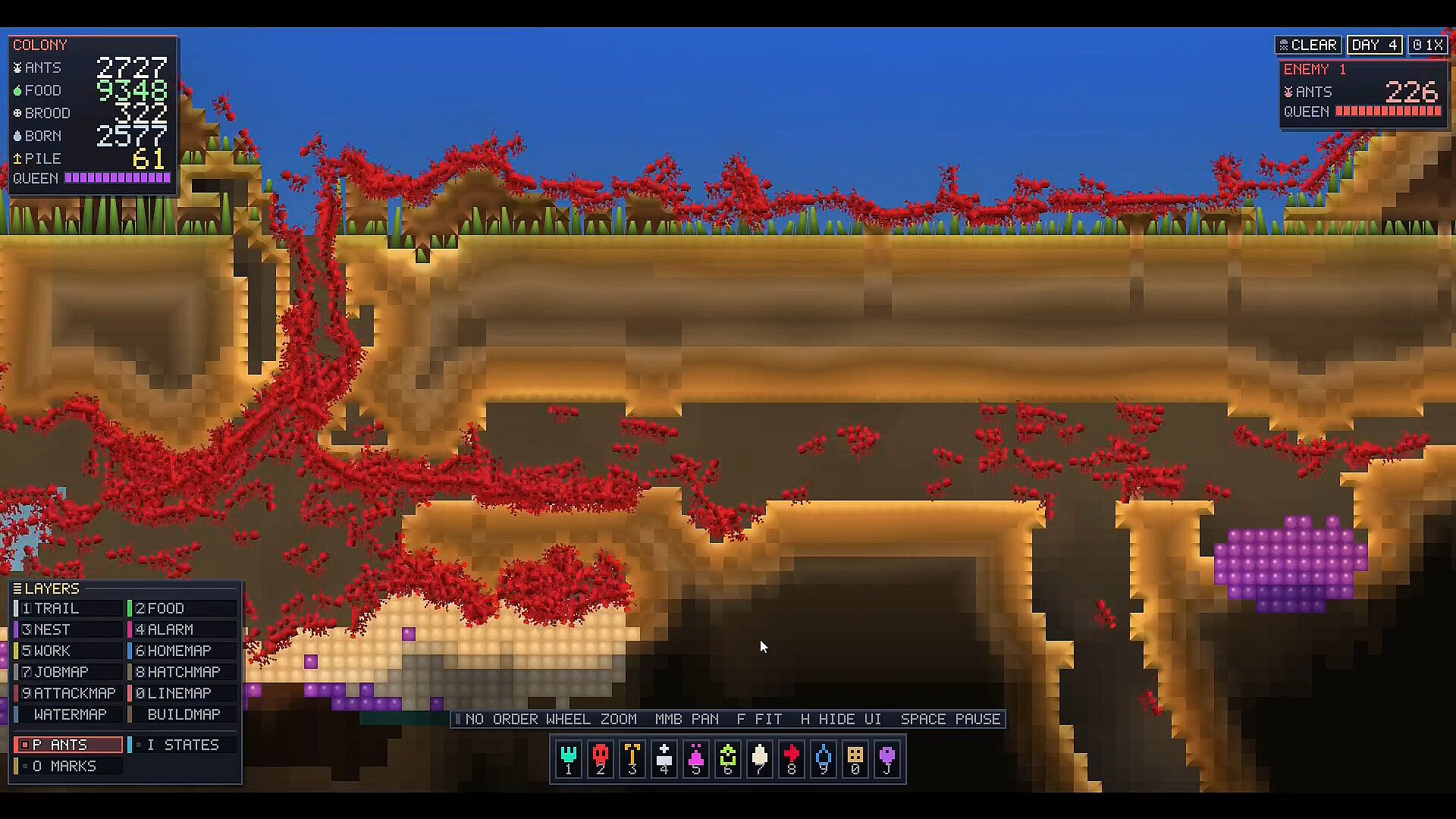
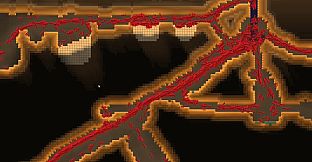
The central loop involves placing pheromone trails that guide thousands of autonomous ants. Each ant reacts independently to nearby scents, deciding whether to forage, dig, haul materials, build structures, or engage threats. This creates an organic colony behavior where the player shapes overall direction without micromanaging individuals.
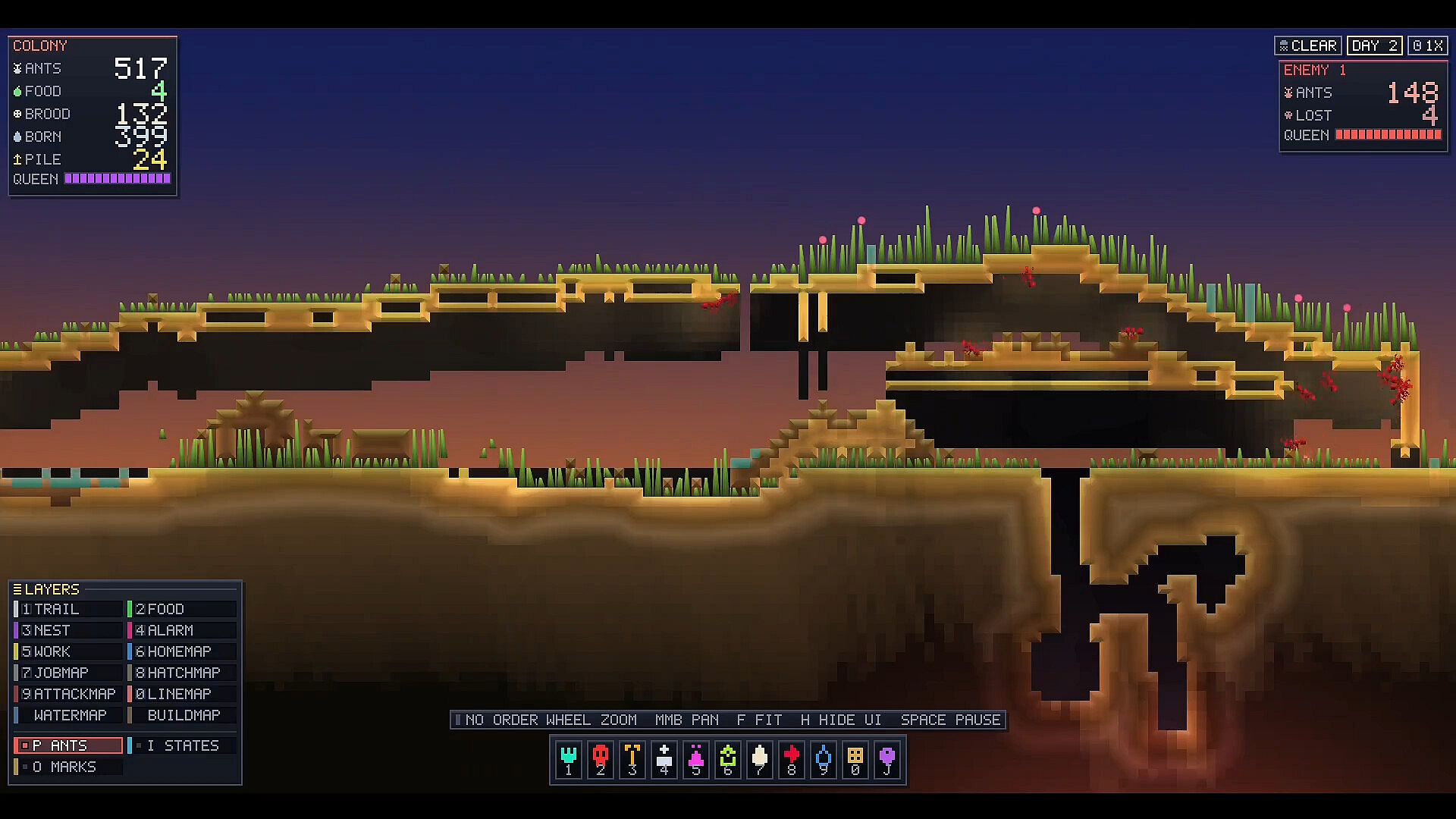
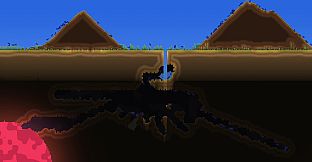
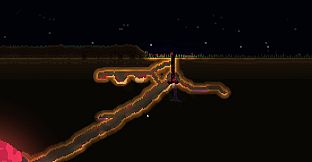
The world responds realistically to actions. Digging deep requires hauling dirt and sand back to the surface to prevent tunnel blockages, as loose material falls and piles according to physics. Surface building hardens soil to expand space for grass and fruit production. Underground food sources like berries eventually deplete, pushing the need for careful long-term planning around surface farming.
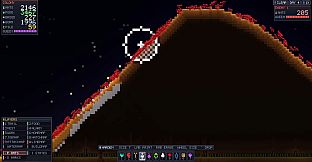
Environmental hazards add pressure. Rain floods tunnels and must be managed by hauling water out or containing it underground. Ants stray too far from the queen without support, but placing queen's jelly along paths extends their effective range. A rival anthill grows on its own schedule, requiring the player to expand and prepare an attack before the enemy queen becomes too powerful.
Game Modes
Quicksant operates as a single-player experience focused on colony survival and expansion. There are no separate multiplayer modes or named variants confirmed at this stage. The gameplay centers on one continuous campaign of guiding the nest from early awakening through growth, resource management, and confrontation with external threats.
Progression ties directly to the destructible sandbox. Players balance immediate needs like food collection and tunnel maintenance with longer-term goals such as outgrowing the rival colony. The autonomous ant system encourages experimentation with trail layouts to optimize efficiency across foraging, construction, and defense tasks.
Key Mechanics and Systems
Pheromone trails serve as the primary interface for directing colony activity. Trails influence multiple behaviors at once, allowing ants to shift between roles based on proximity to scents and current needs. This system supports large-scale operations where individual ants handle pathfinding and task selection.
Resource and terrain management form another layer. Every grain of dirt interacts with the environment, creating dynamic challenges around excavation and surface development. Farming on the surface becomes essential once initial underground supplies run low, requiring ants to protect and expand growing areas.
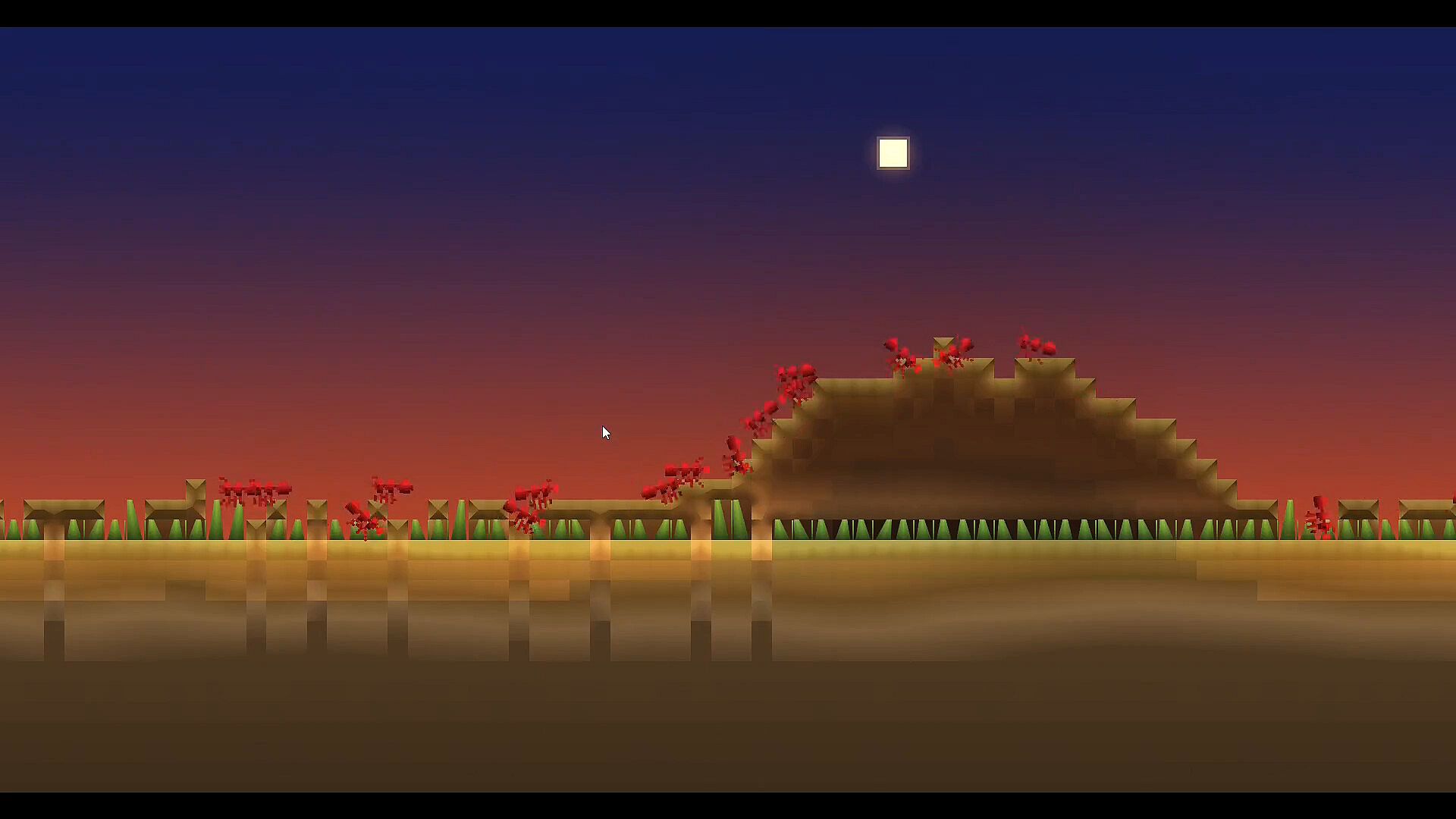
Threats scale with colony size. The rival anthill follows its own instincts and plans, creating a reactive opponent. Additional dangers include weather events and, in planned content, deeper underground encounters and surface intrusions from larger creatures.
Is It Worth Playing?
Quicksant targets players who enjoy strategy simulation titles centered on indirect control and emergent systems. The autonomous ant behavior and physics-based world offer a distinctive take on colony management that rewards thoughtful trail placement and forward planning.
With a planned release in Q1 2027 and no user reviews available yet, the game remains in development. Its appeal lies in the detailed simulation of ant colony life, including rival competition and environmental hazards. Fans of similar retro-inspired management experiences may find the combination of pheromone guidance and destructible terrain engaging once it launches.
The listed upcoming features, such as indoor levels, aphid herding, mushroom farming, and encounters with new threats, suggest ongoing expansion of the core systems after initial release. Those drawn to single-player strategy games with self-directed units and sandbox elements will likely appreciate the focus on organic colony growth over direct command.