

Project TITAN is an indie factory management simulation for PC that puts players in charge of building and scaling a mech manufacturing operation from humble beginnings. The game centers on resource gathering, component forging, mech assembly, and contract fulfillment in a single-player experience focused on production efficiency and profit growth.
Gameplay
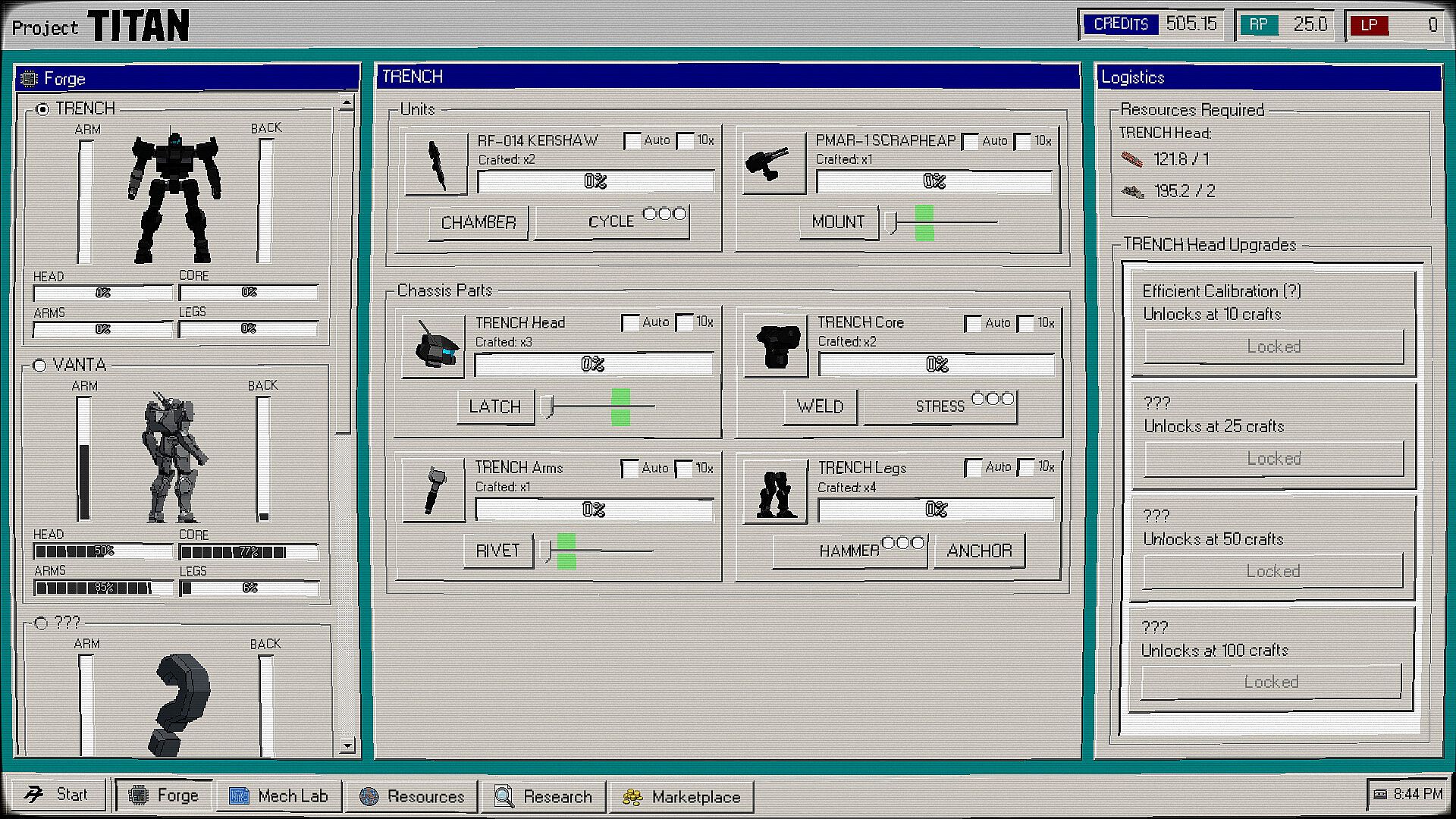
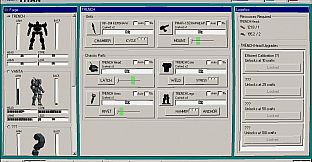
Players begin with basic tools and scrap materials to produce mech parts through hands-on minigames at workstations. These minigames cover forging individual components such as heads, cores, arms, legs, and weapons. Once processes are mastered manually, automation systems take over to handle repetitive tasks at scale.
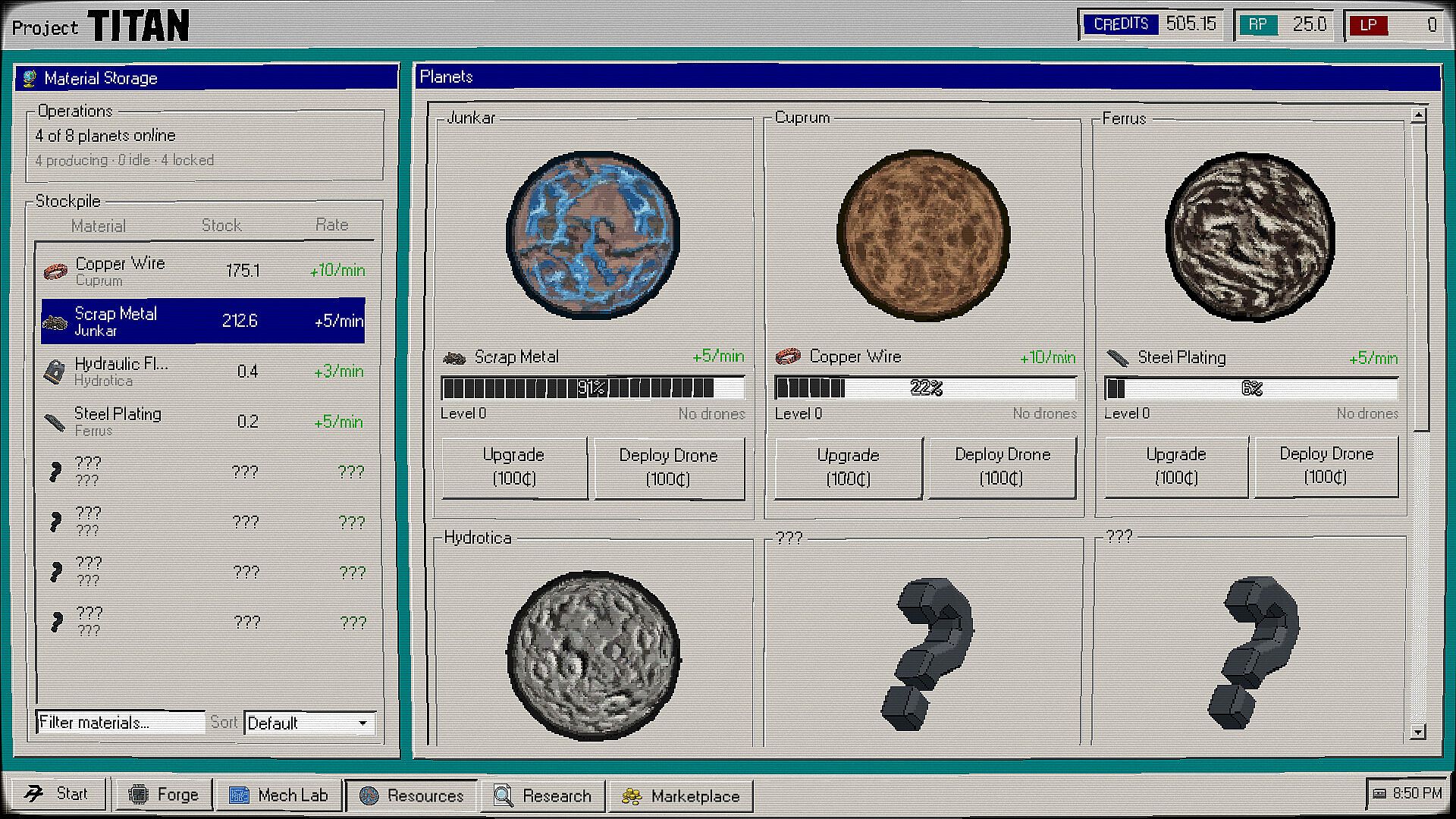
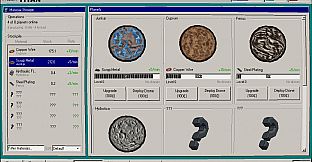
Resource extraction forms a core loop. Multiple planets become available, each supplying distinct raw materials. Upgrades to extraction sites ensure consistent supply chains that feed the growing factory. Production decisions involve balancing three assembly lines to fulfill standard orders, custom designs, or specialized requests.
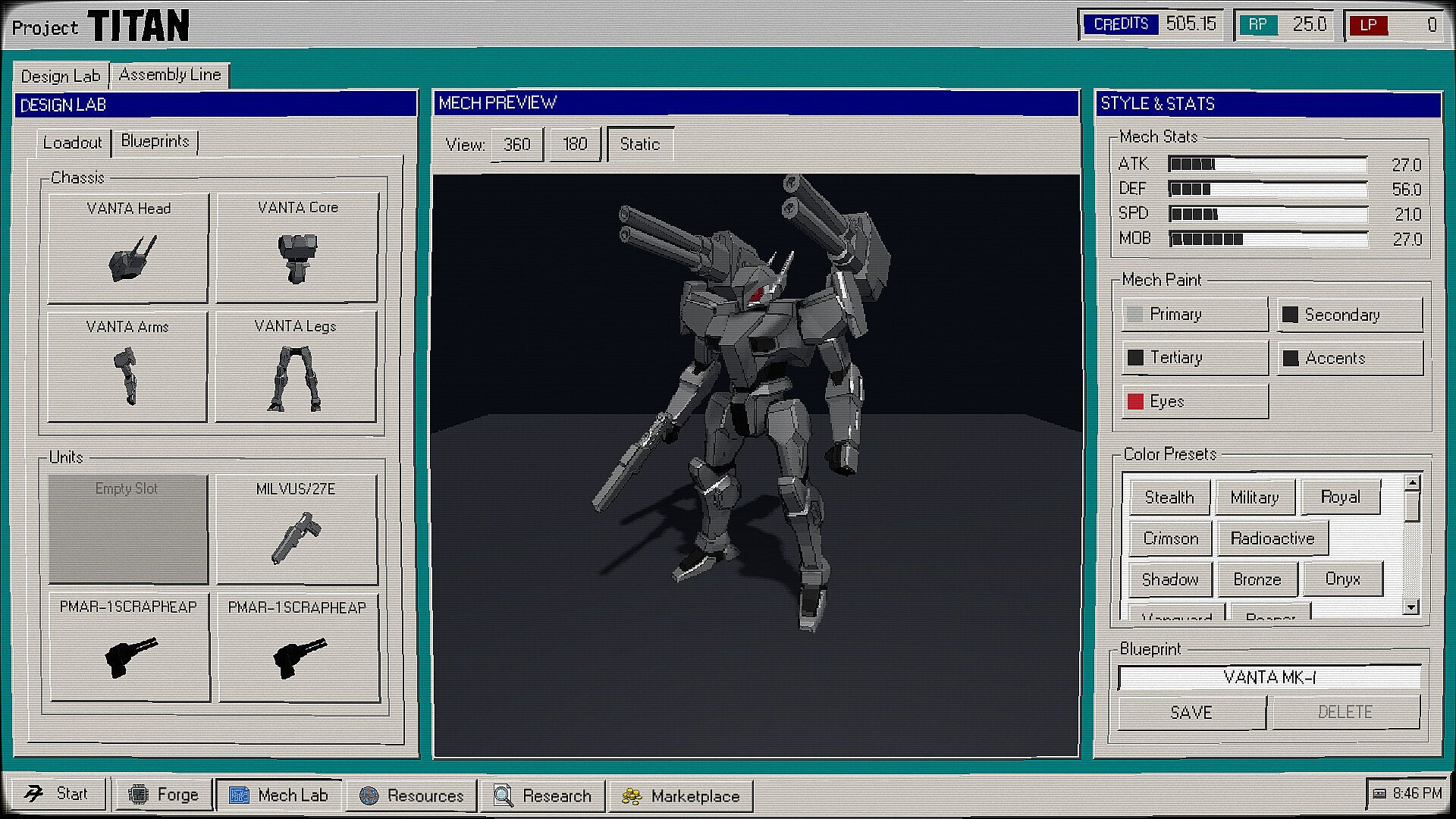
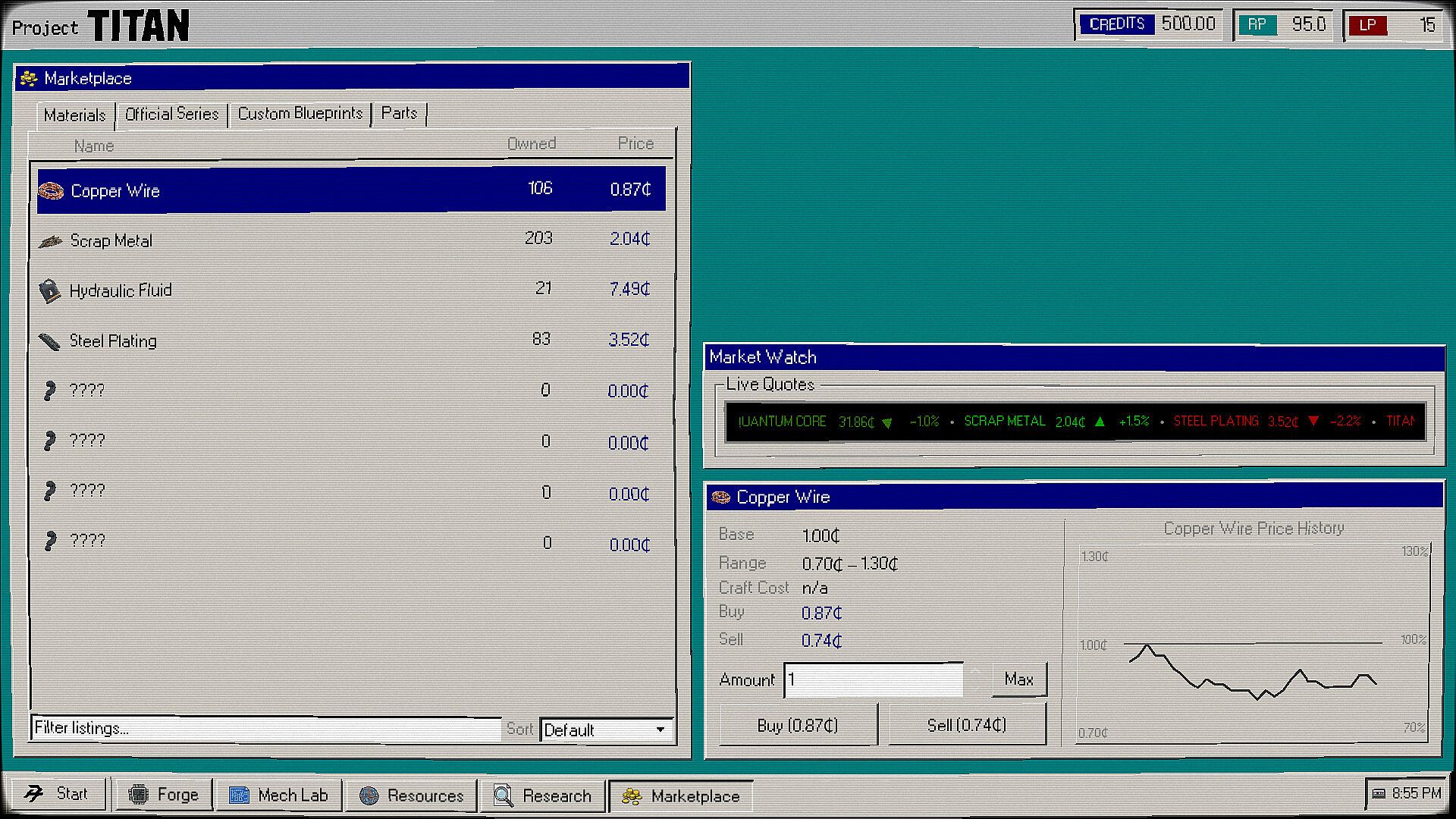
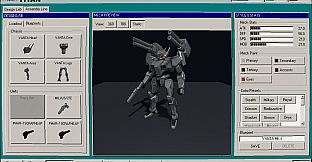
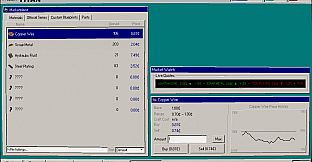
Mech design allows mixing parts from various lines, applying custom finishes, and saving successful combinations as blueprints. Prototypes can be previewed before full production. A dynamic marketplace lets players buy low and sell high on parts, complete mechs, blueprints, and resources, with options to automate trades once patterns emerge.
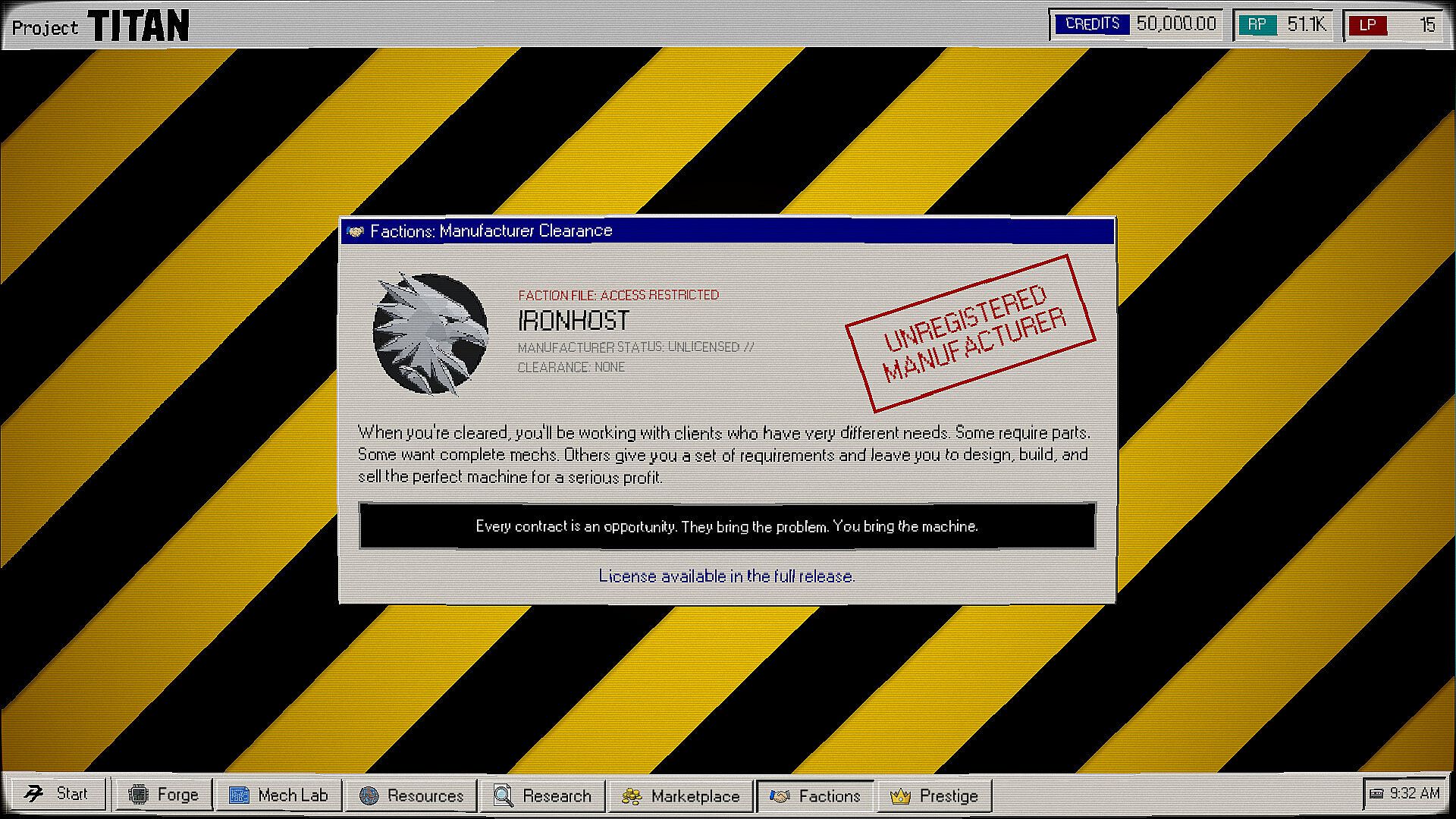
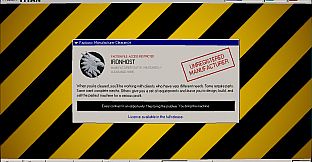
Faction contracts introduce variety. Different clients request specific parts, full mechs, or open-ended designs that reward creative solutions and high margins. Meeting demands repeatedly builds stronger business relationships and larger opportunities.
Game Modes
The game operates as a continuous single-player management experience without separate named modes. Progression flows through expanding the factory, unlocking new planets and automation tiers, and scaling output toward the ultimate goal of constructing the TITAN mech. All activities integrate into one overarching campaign of industrial growth and contract work.
Core activities include manual crafting phases that transition into automated lines, planetary resource management, blueprint creation, and marketplace trading. Tactical choices on the assembly lines determine output volume and quality while responding to shifting market prices and client needs.
Key Mechanics and Progression
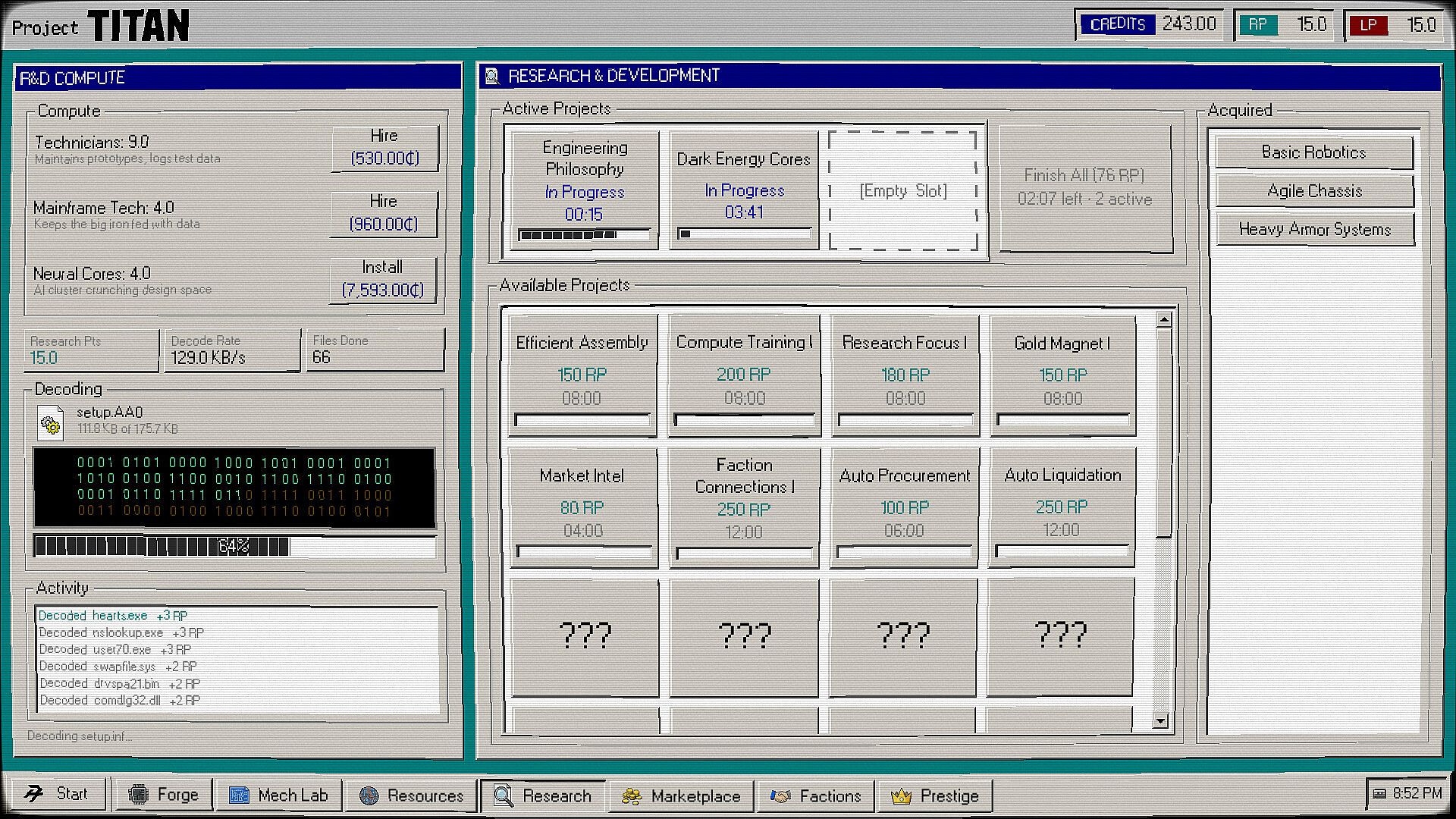
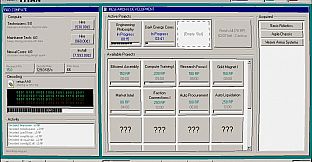
Automation serves as the central advancement system. Early manual workstation tasks give way to optimized production lines that run independently, freeing players to pursue new contracts or market opportunities. Tech tree upgrades expand capabilities across forging, extraction, and assembly.
Blueprint management encourages experimentation. Saved designs can be produced repeatedly or adapted for specific faction requirements. The marketplace adds economic layers where timing purchases and sales directly impacts profitability.
Planet upgrades ensure long-term resource stability. Each world focuses on particular materials, and improvements there support increasingly complex mech builds without supply bottlenecks.
Is It Worth Playing?
Project TITAN suits players who enjoy methodical factory-building and automation games with a focus on industrial scaling and economic decision-making. The single-player structure emphasizes personal optimization of production lines and client relations rather than competitive or multiplayer elements.
With a planned release in November 2026 and no user reviews available yet, the game remains untested in its final form. Those drawn to hands-on crafting that evolves into large-scale automation, combined with mech customization and contract work, may find the systems engaging once launched. The emphasis on efficiency and profit margins aligns with fans of similar management titles.