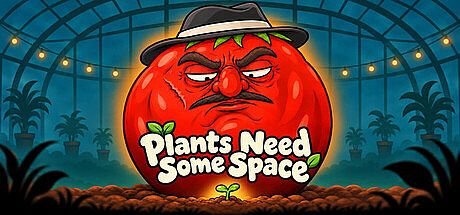



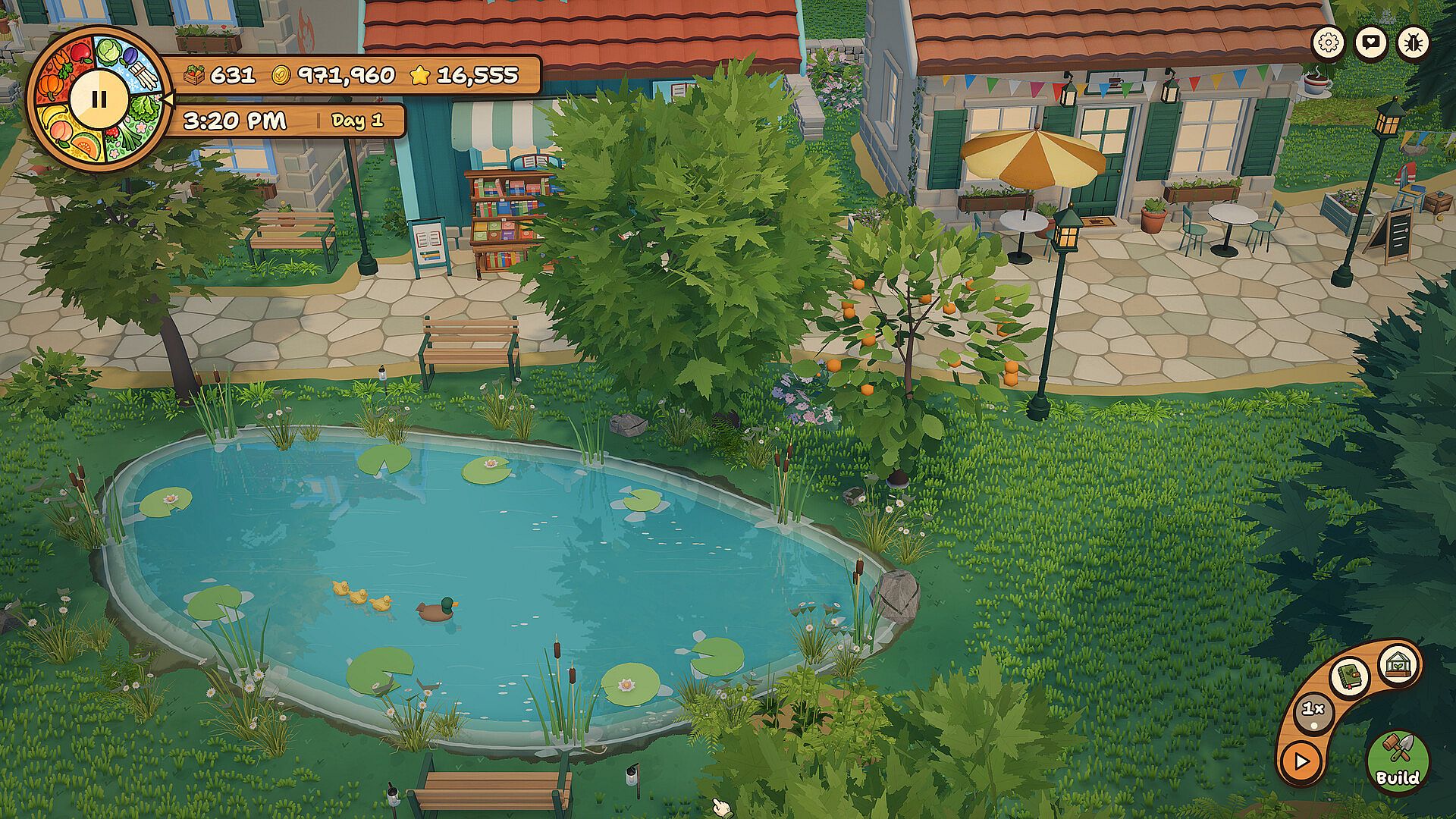
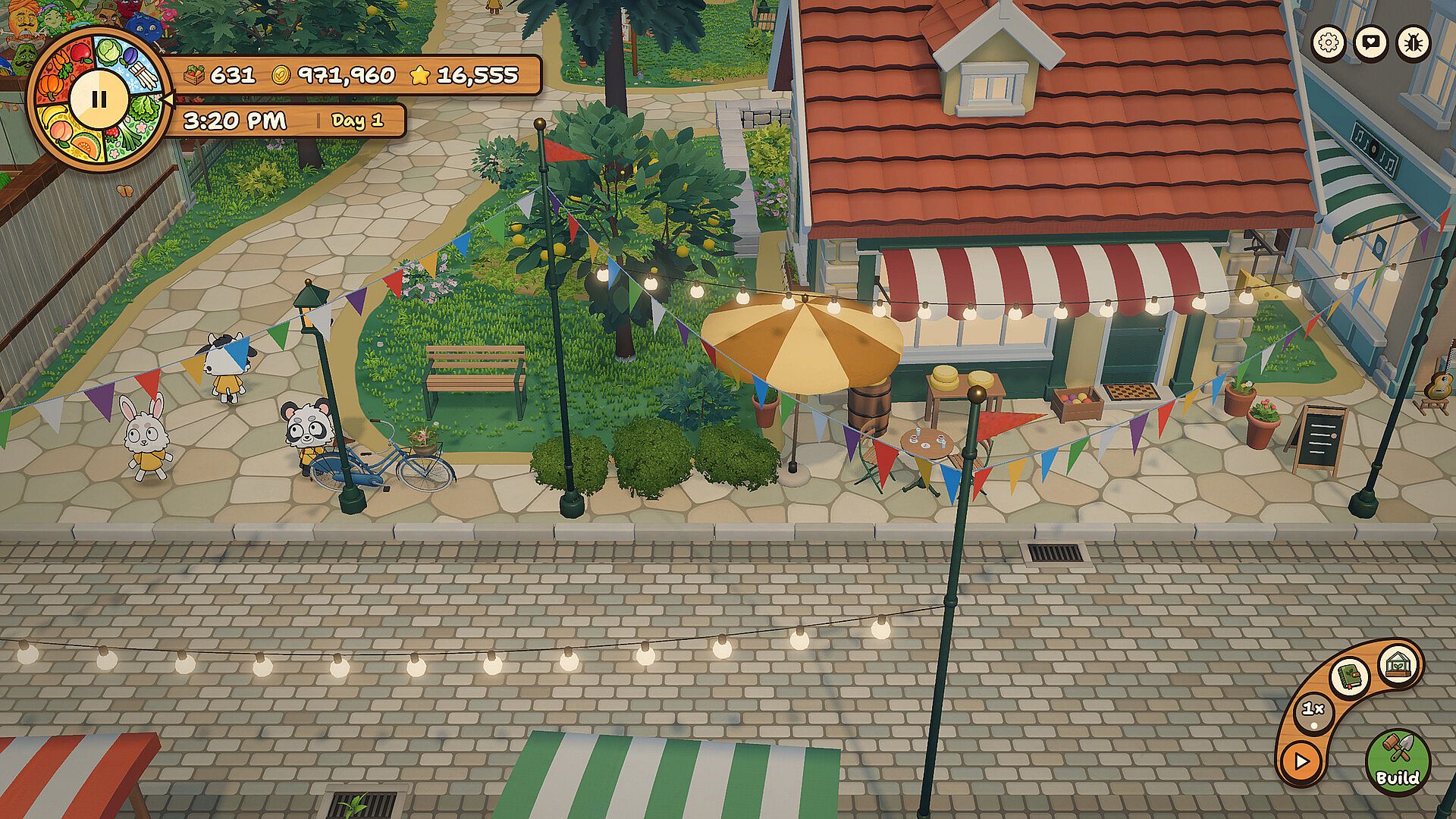
Plants Need Some Space is a casual simulation game for PC that blends garden management with shop building and character-driven placement puzzles. Players cultivate a garden full of produce that each possess distinct personalities, then transport the harvest to a customizable retail space where townsfolk browse and buy. The core appeal lies in balancing the needs of quirky fruits and vegetables to maximize yields while expanding a personal business from a single room into something more substantial.
Gameplay
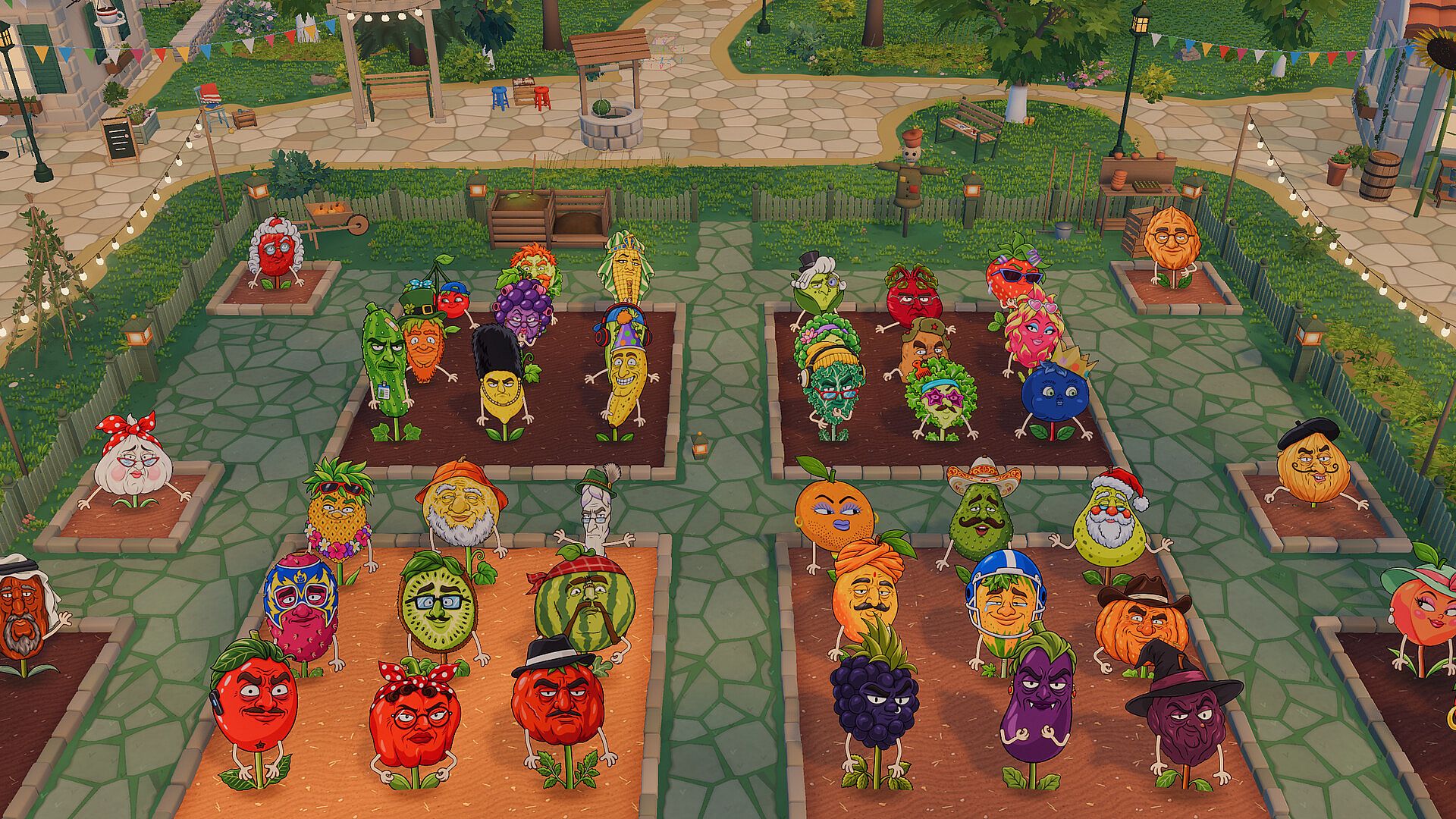
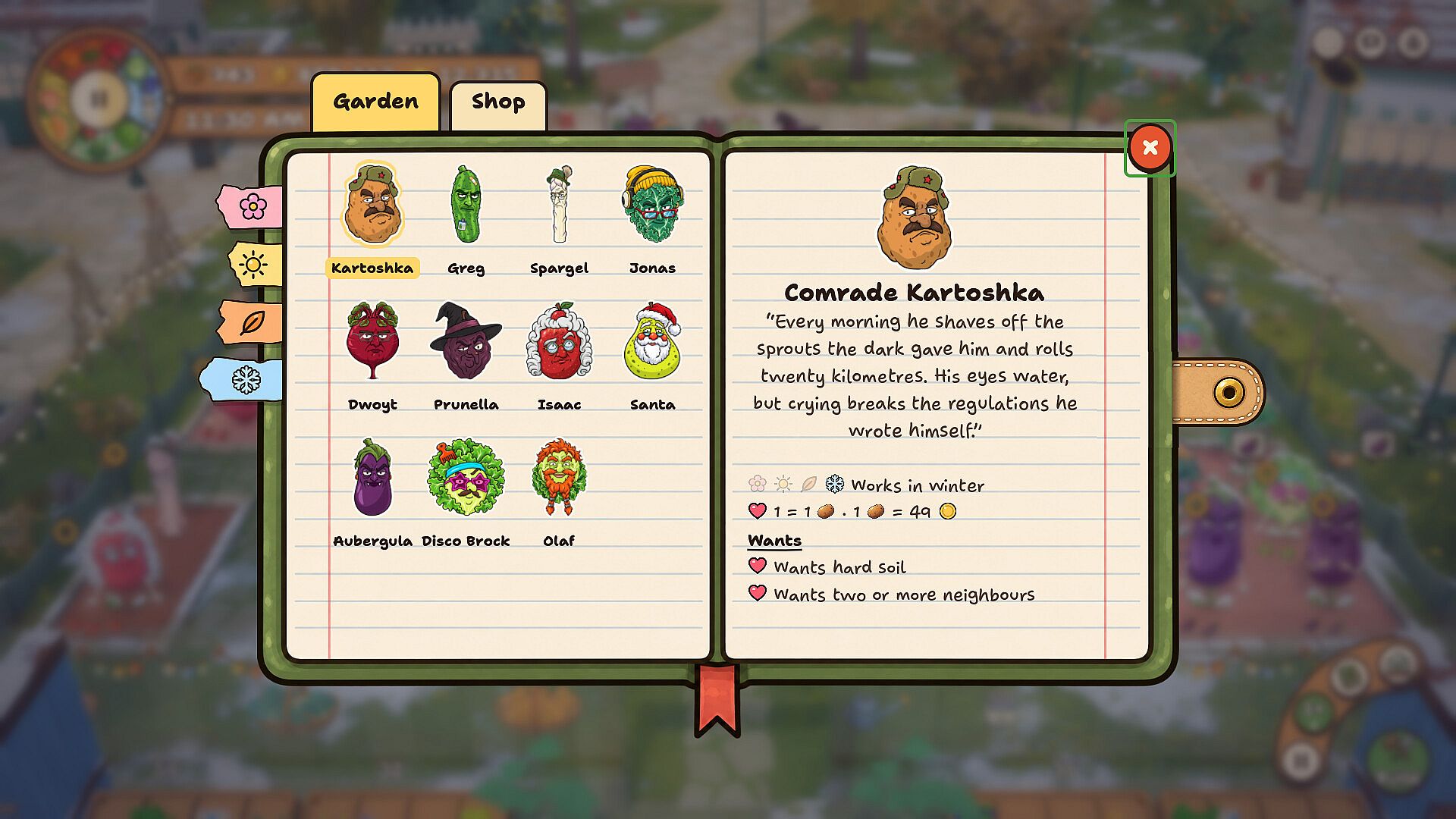
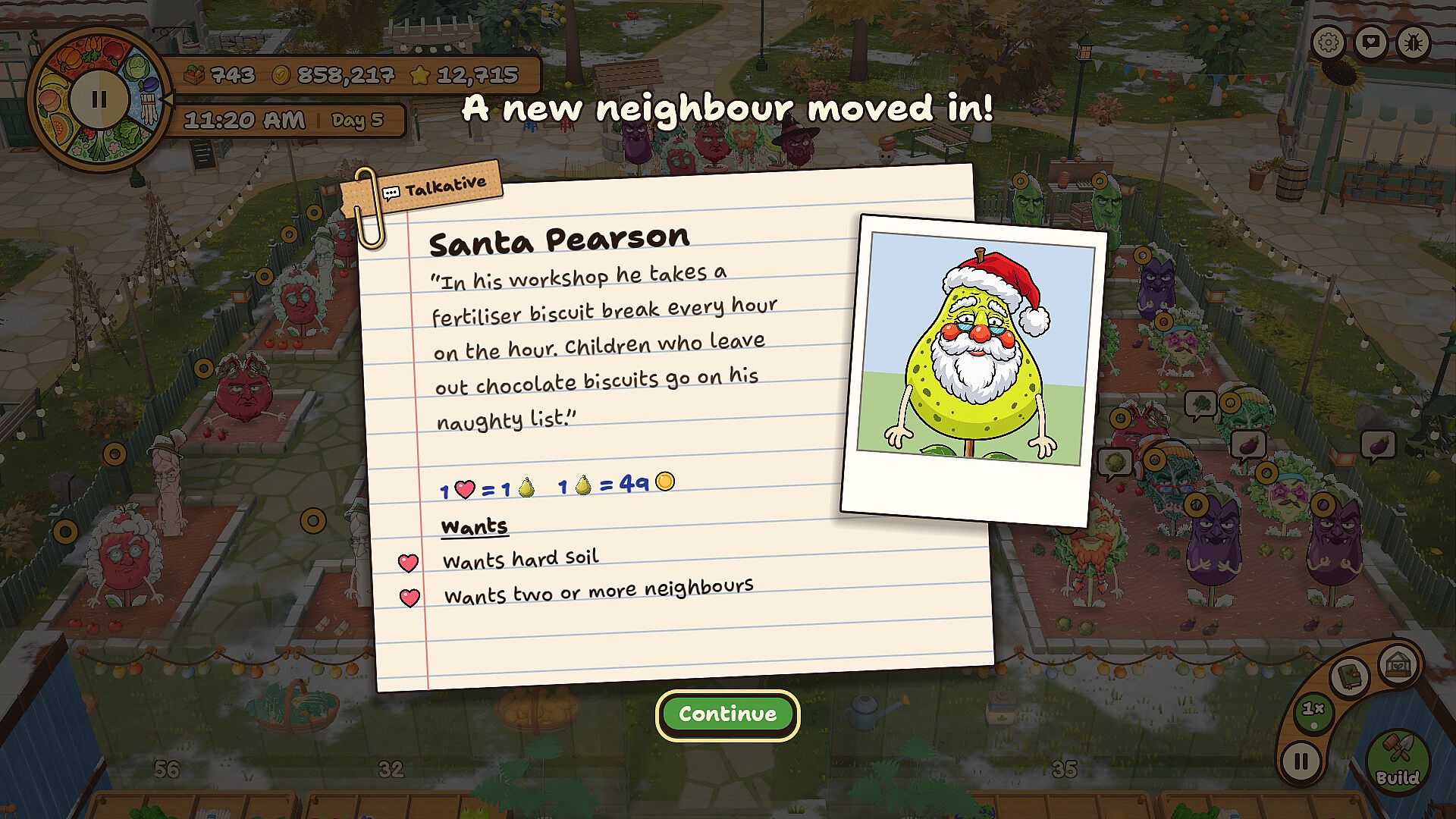
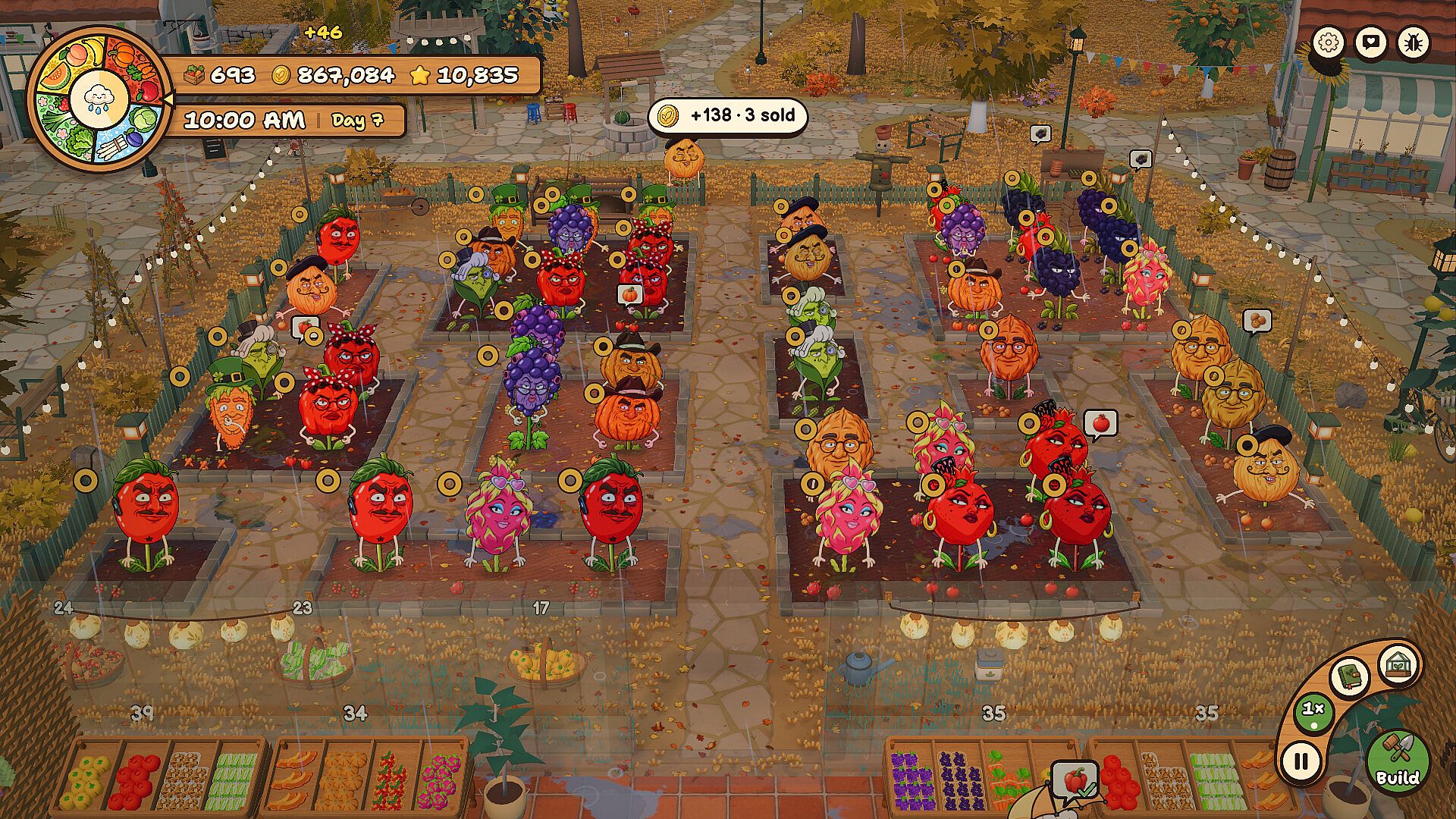
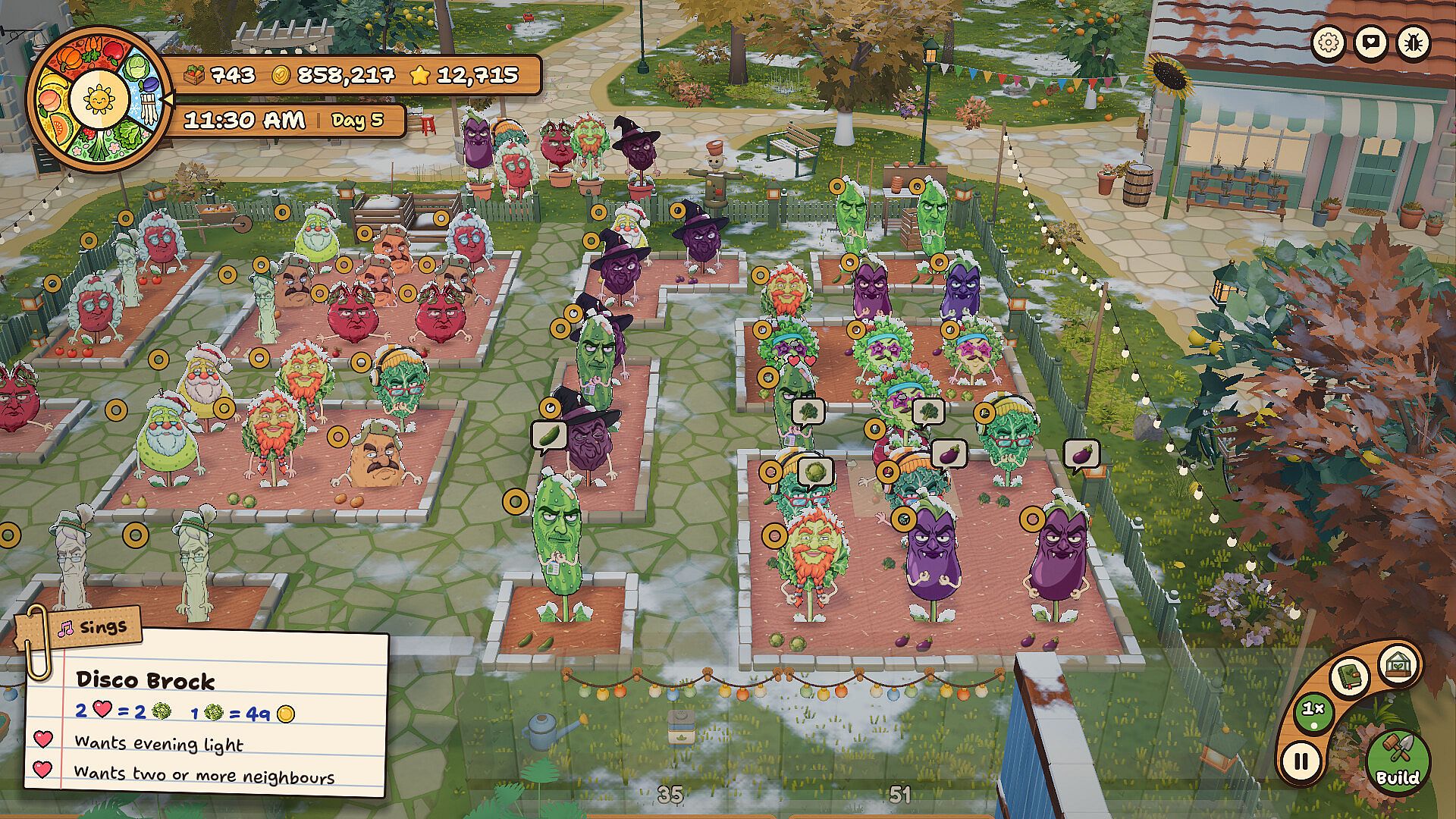
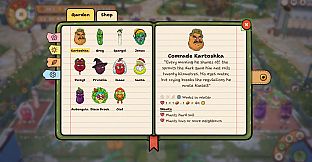
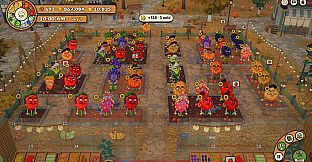
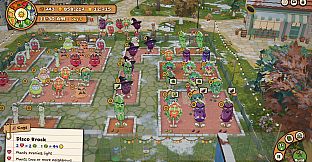
The central loop revolves around planting and arranging produce in the garden. Each of the 43 unique characters, including a mafia boss tomato, a comrade potato, and a disco lettuce, responds to specific conditions such as daylight exposure, soil moisture, or proximity to the fence. Placement decisions matter because neighboring plants influence one another; some thrive on conversation while others prefer quiet. Keeping every character content directly increases harvest size, turning the garden into a puzzle of preferences and relationships.
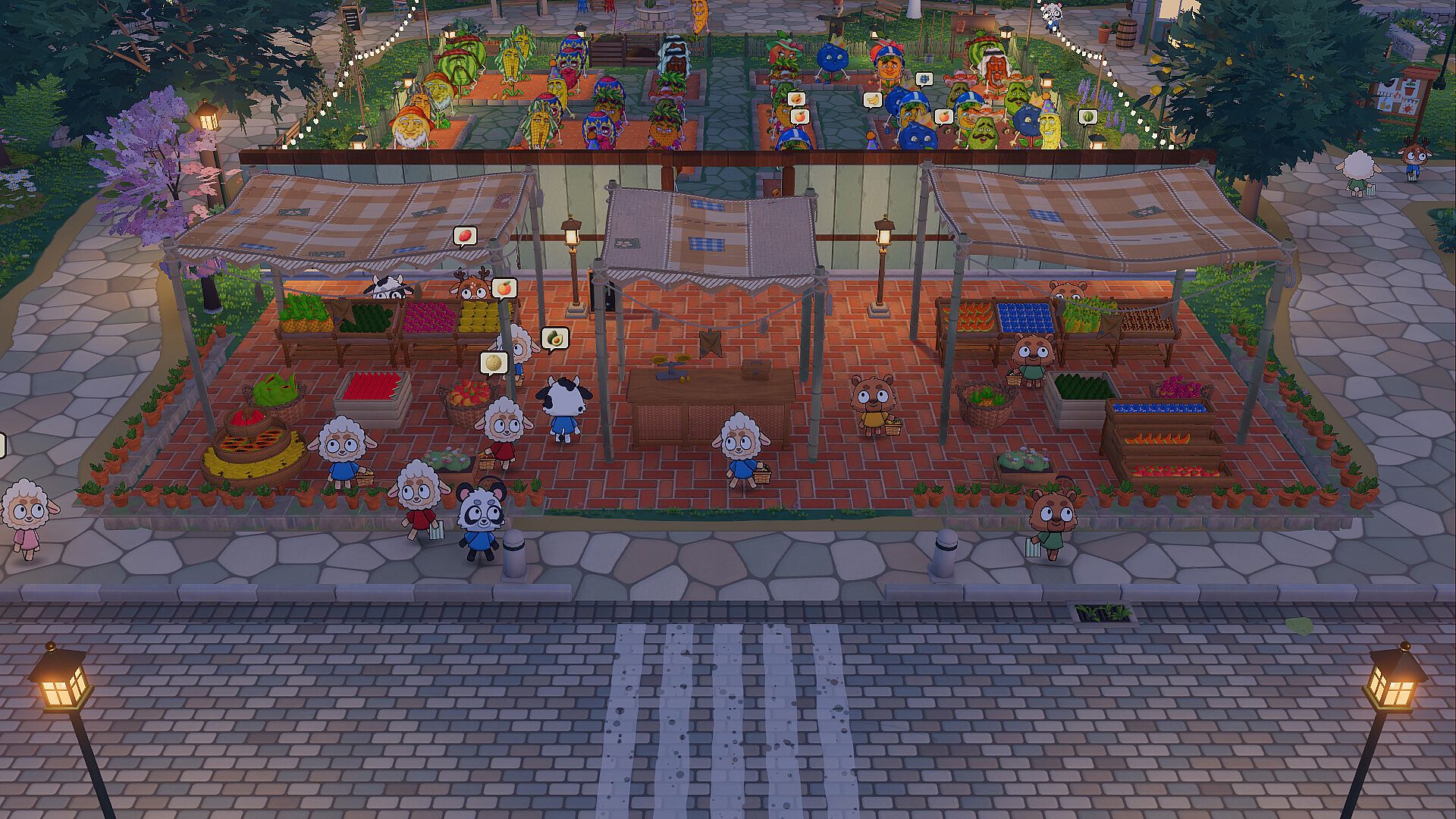
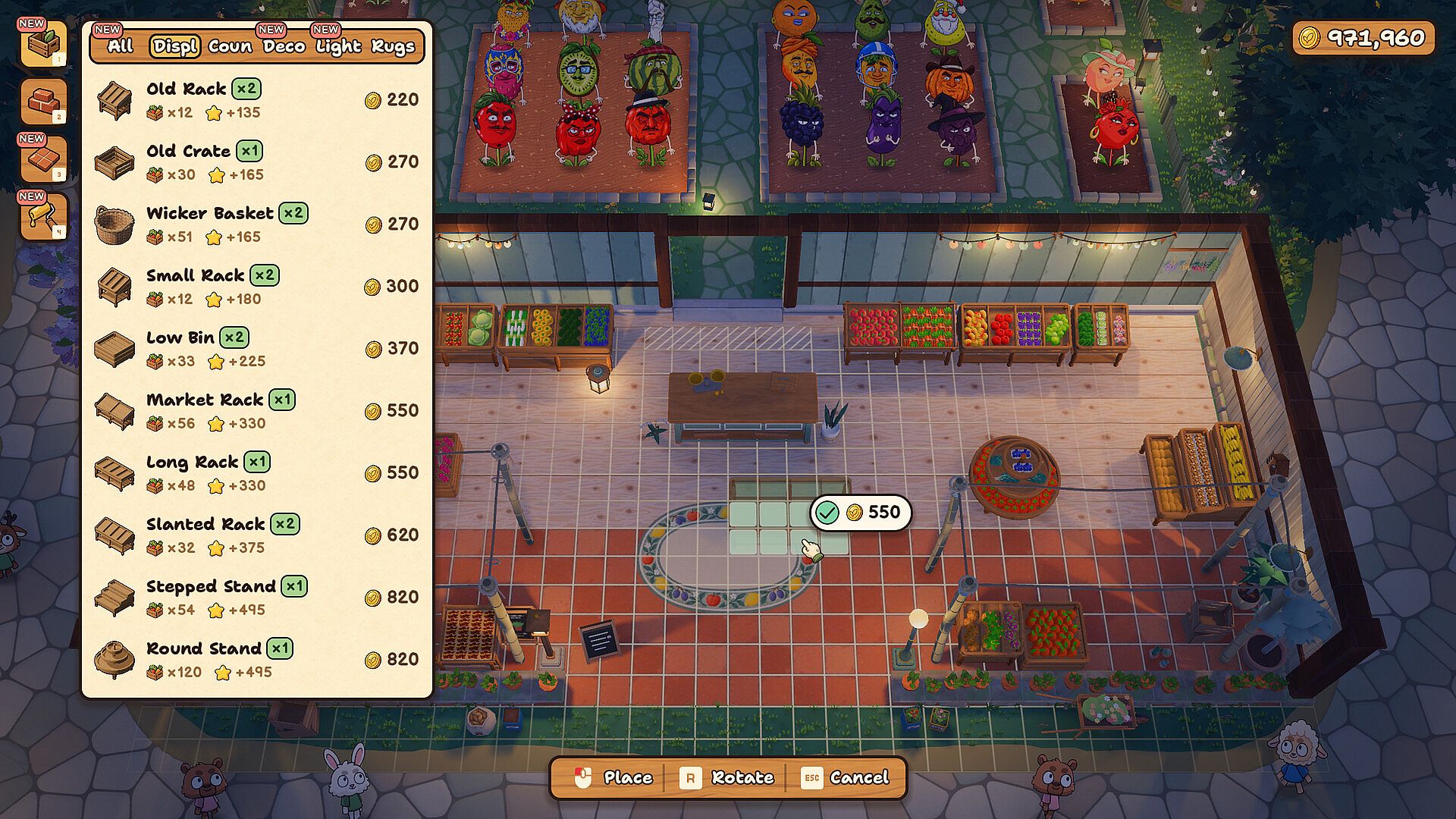
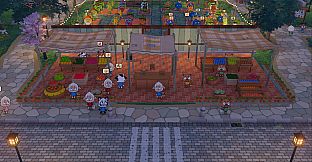
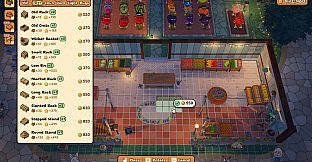
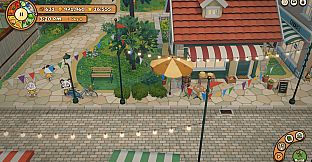
Once the produce is ready, players carry it into the shop. Stocking displays draws in customers, and revenue funds further improvements. Shop customization begins modestly but grows through prestige, which unlocks additional catalog items for walls, lighting, and layout. The process rewards thoughtful arrangement both outdoors and indoors, creating a steady rhythm of tending, harvesting, and selling.
Game Modes
The experience centers on a single cohesive simulation without separate named modes. All activity flows through the garden-to-shop cycle, allowing players to focus on long-term progression at their own pace. There are no competitive or time-limited variants described, so the game supports relaxed, iterative play sessions centered on optimization and creativity.
Character Personalities and Placement
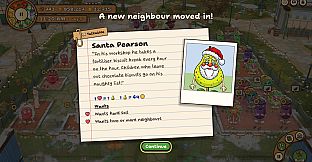
Personality drives the strategy. The 43 characters each have individual traits that affect both happiness and output. Finding compatible neighbors becomes a recurring challenge, as chatterboxes seek company while quieter types react poorly to noise. Light and soil preferences add further layers, requiring players to experiment with layouts until the right combinations emerge. Successful arrangements lead to larger harvests that feed directly into shop profits and prestige gains.
Shop Building and Progression
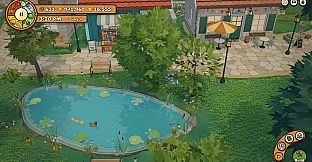
Shop design starts small and expands based on player choices. Early earnings purchase basic fixtures, while rising prestige opens more elaborate options for decoration and layout. Townsfolk respond to the environment, making visual upgrades a practical investment rather than pure aesthetics. The progression feels organic, as better harvests support nicer shops, which in turn attract more business and unlock further catalog entries.
Is It Worth Playing?
Players who enjoy casual simulations with light puzzle elements and humorous character interactions will find a solid match here. The game emphasizes thoughtful placement and steady business growth over intense challenges or multiplayer competition. Its relaxed pace suits short or extended sessions, and the quirky produce personalities provide consistent personality without overwhelming complexity. Those seeking a straightforward yet engaging garden-and-shop loop on PC should consider trying it, particularly if they appreciate games that reward observation and incremental improvement.