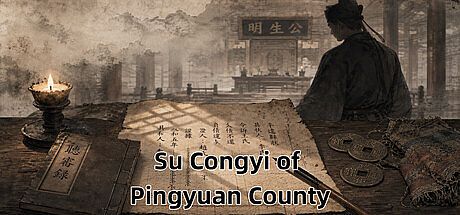


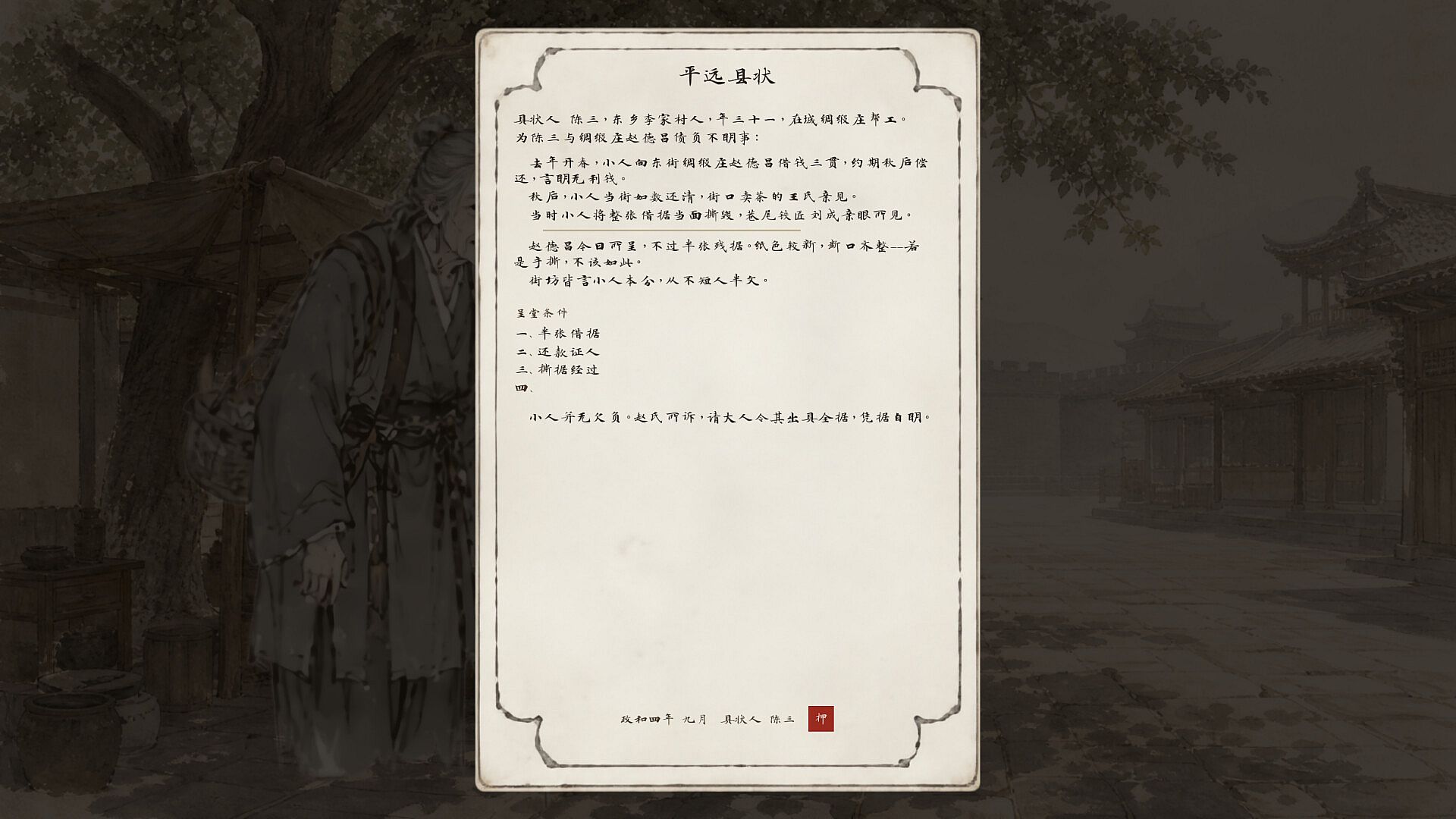
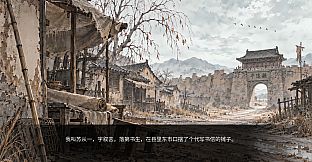
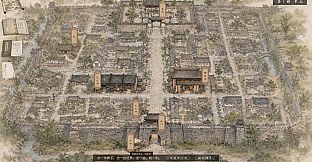
平远县衙:从一 is an indie RPG set in the Northern Song Dynasty that places players in the role of an unofficial legal advisor navigating civil disputes in Pingyuan County during the fourth year of the Zhenghe reign. Heavy taxes burden the region, sparking conflicts among villagers that unfold quietly beyond the yamen gates. The game emphasizes careful investigation over combat or political maneuvering, letting players resolve grievances through written pleadings, witness statements, and physical evidence.
Gameplay
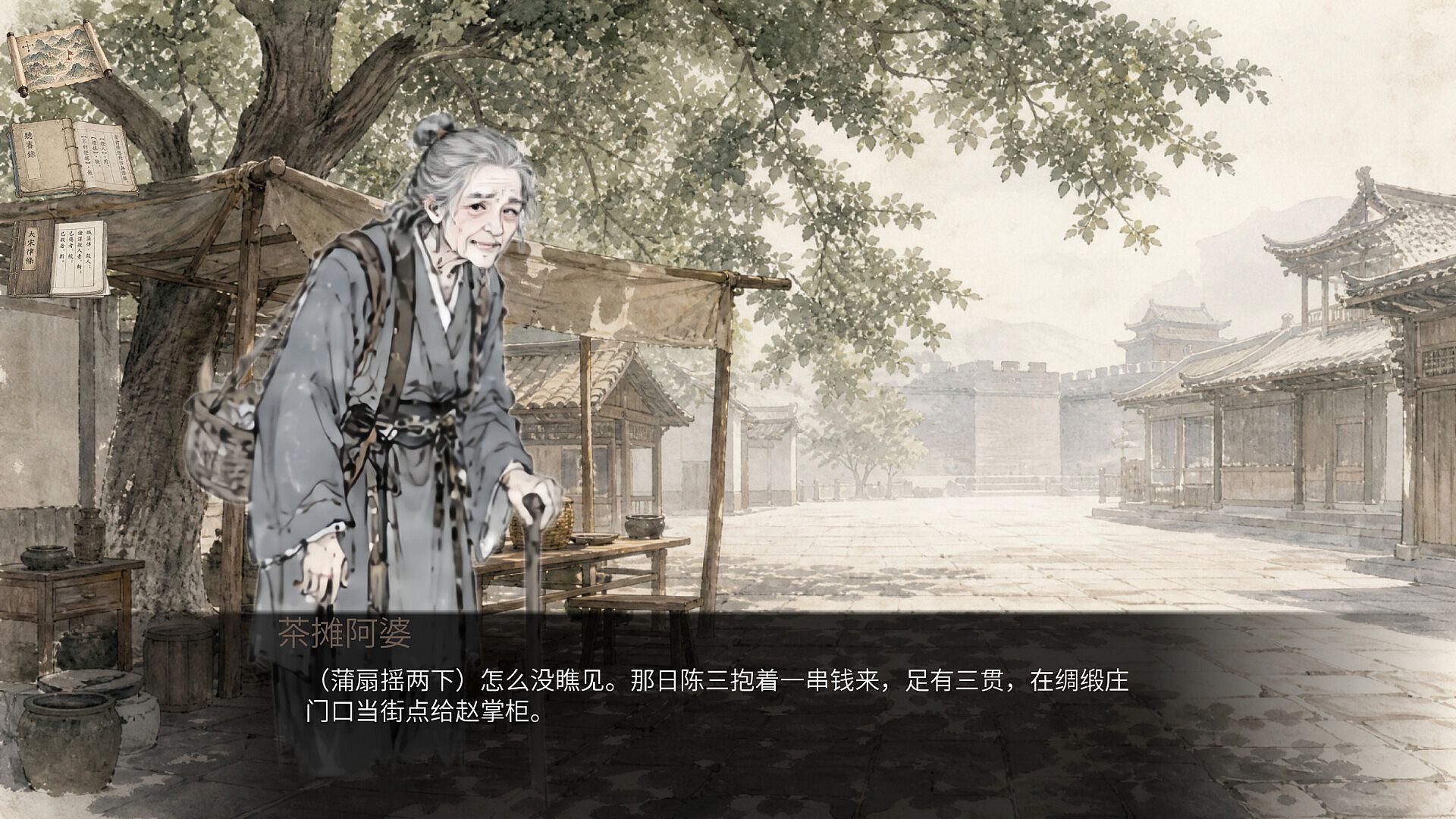
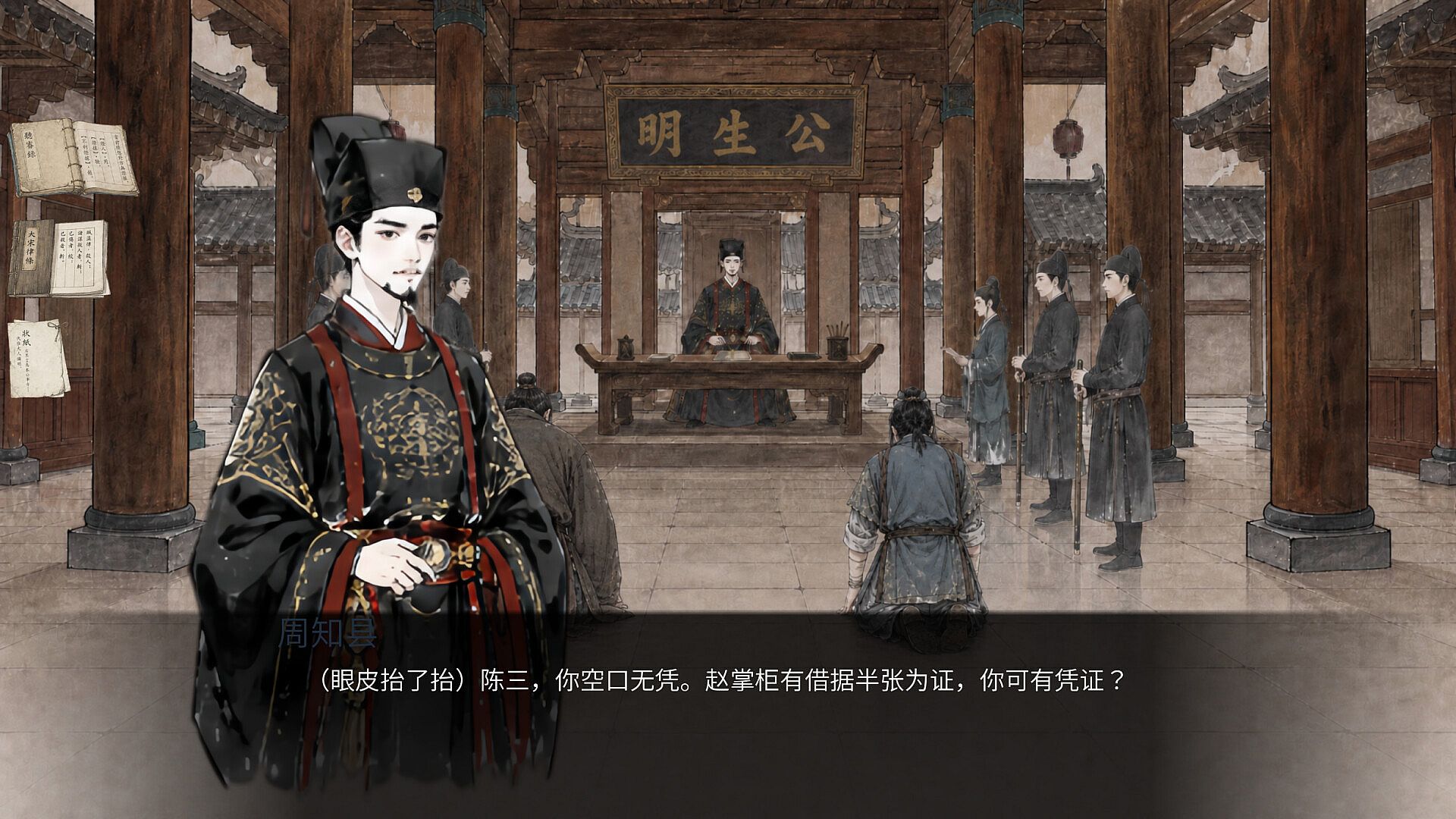
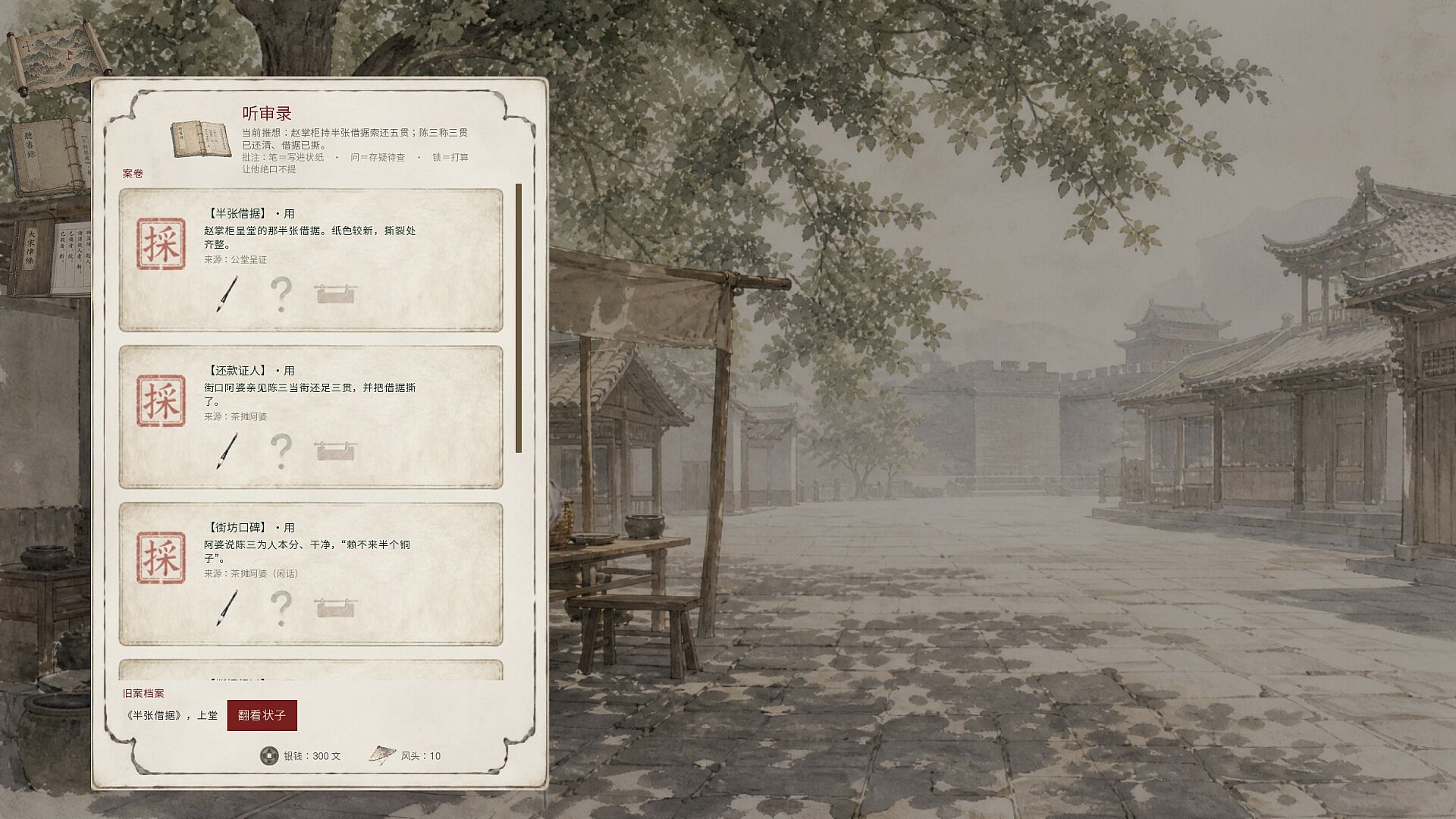
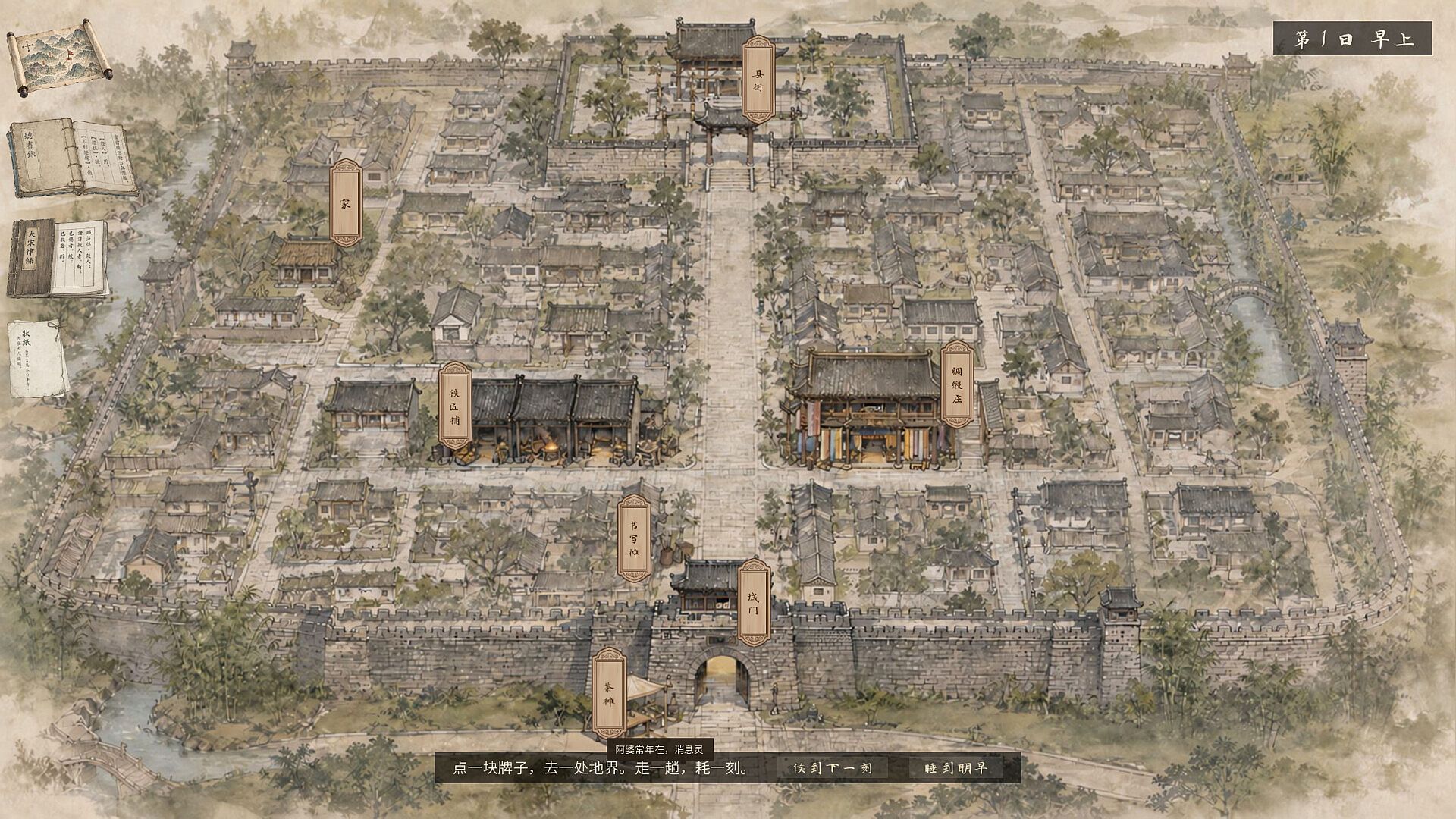
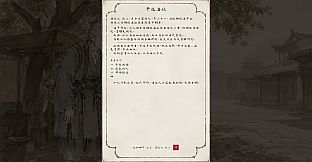
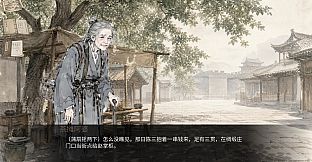
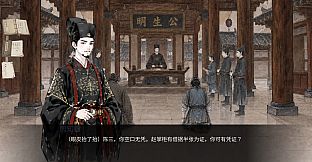
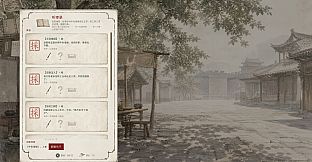
Core gameplay revolves around exploring the county on foot, visiting teahouses, silk shops, farms, and homes to interview farmers, housewives, and elders. Players collect verbal accounts and examine tangible items that might support or contradict testimonies. Back at the yamen or in archives, they cross-reference these details against ancient legal codes and prior case records to identify inconsistencies or overlooked facts. Court sessions form the climax of each matter, where selected evidence is presented, witnesses face questioning, and statutes are cited to clarify the facts. Every decision about which statements to pursue or which exhibits to introduce influences the outcome for the people involved, leading to varied conclusions rather than a single predetermined result.
The process feels methodical and grounded. Time spent poring over documents reveals subtle flaws in stories, while conversations in the streets uncover motives or hidden connections that official records miss. No rank or authority shields the advisor from the human weight of these cases, so choices carry direct consequences for ordinary lives caught in disputes over grain rentals, neighbor conflicts, or deeper personal hardships.
Game Modes
The experience unfolds as a single-player narrative campaign built around a sequence of linked civil lawsuits. There are no separate competitive or cooperative modes. Instead, the structure connects individual cases into a larger chain, where resolutions from earlier disputes can affect later ones through shared characters, lingering evidence, or shifting community dynamics. Players advance by completing investigations and court arguments, with branching paths determined by the evidence gathered and arguments chosen rather than by external multiplayer elements.
Setting and Narrative
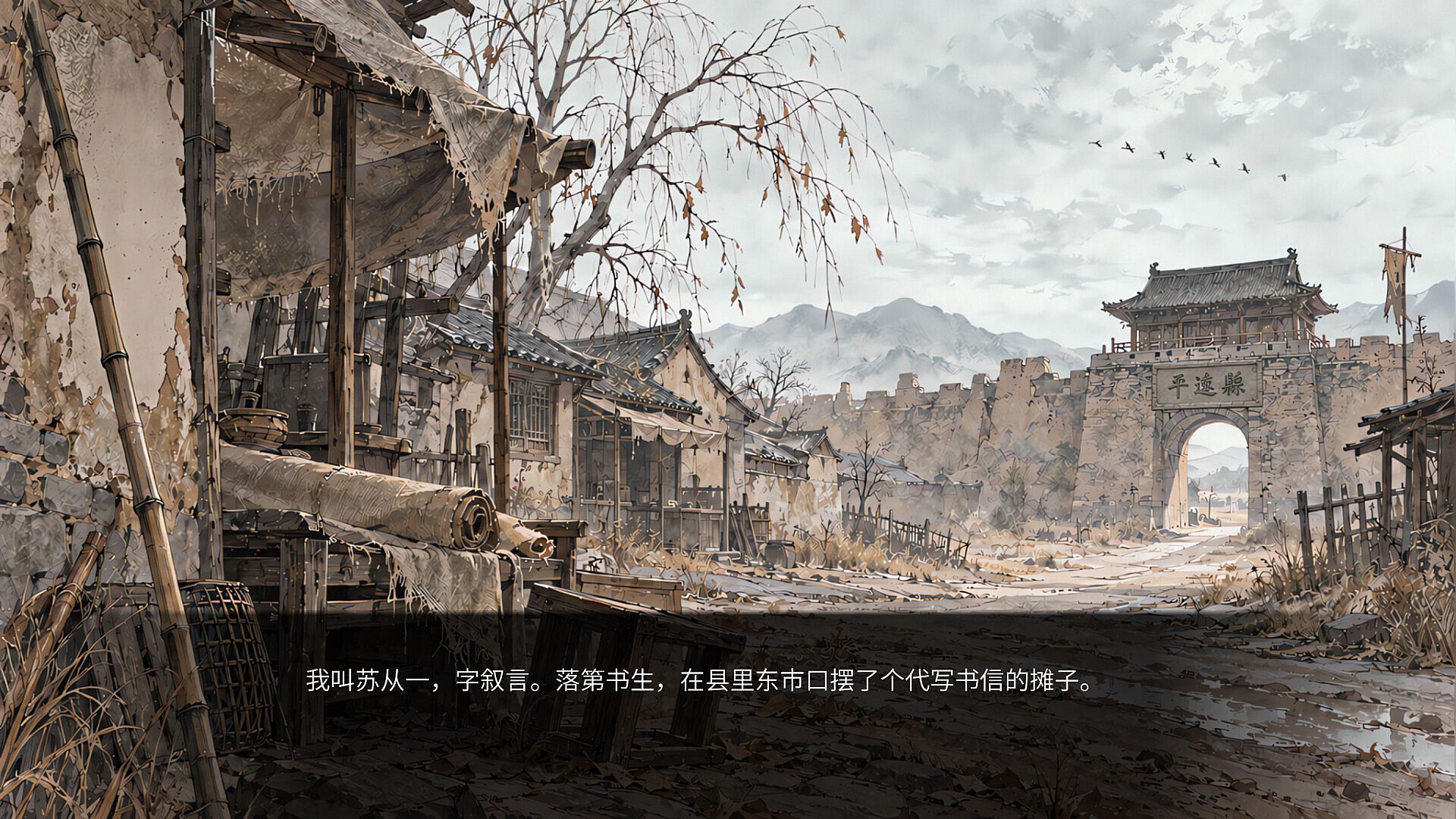
The Northern Song backdrop provides a historical frame without fantasy overlays. Daily life in the county reflects the pressures of taxation and local tensions, while the yamen serves as both workplace and archive. Cases range from straightforward property disagreements to more layered personal tragedies that resist easy classification as right or wrong. Dialogue with villagers reveals cultural and social details of the era, and the legal research segments draw on period-appropriate statutes to ground the arguments players construct.
Interconnected stories encourage replay or careful note-taking, as earlier choices ripple forward. The absence of overt action shifts focus to observation, deduction, and persuasion within the constraints of the legal system.
Is It Worth Playing?
This indie RPG suits players who prefer deliberate pacing and intellectual engagement over fast action or expansive open worlds. The emphasis on evidence collection, testimony analysis, and statute citation creates a distinctive loop that rewards patience and attention to detail. Cases present moral and factual gray areas, so outcomes depend on how thoroughly players investigate and how they frame arguments in court.
Those drawn to historical settings, legal puzzles, or character-driven narratives without combat will find the structure rewarding. The chain of civil lawsuits offers a contained yet varied progression, with each matter building on the last through shared locations and recurring figures. Availability on PC supports focused play sessions where players can revisit archives or retrace steps in the county streets. The game appeals most to fans of thoughtful single-player experiences that prioritize process and consequence over spectacle.