

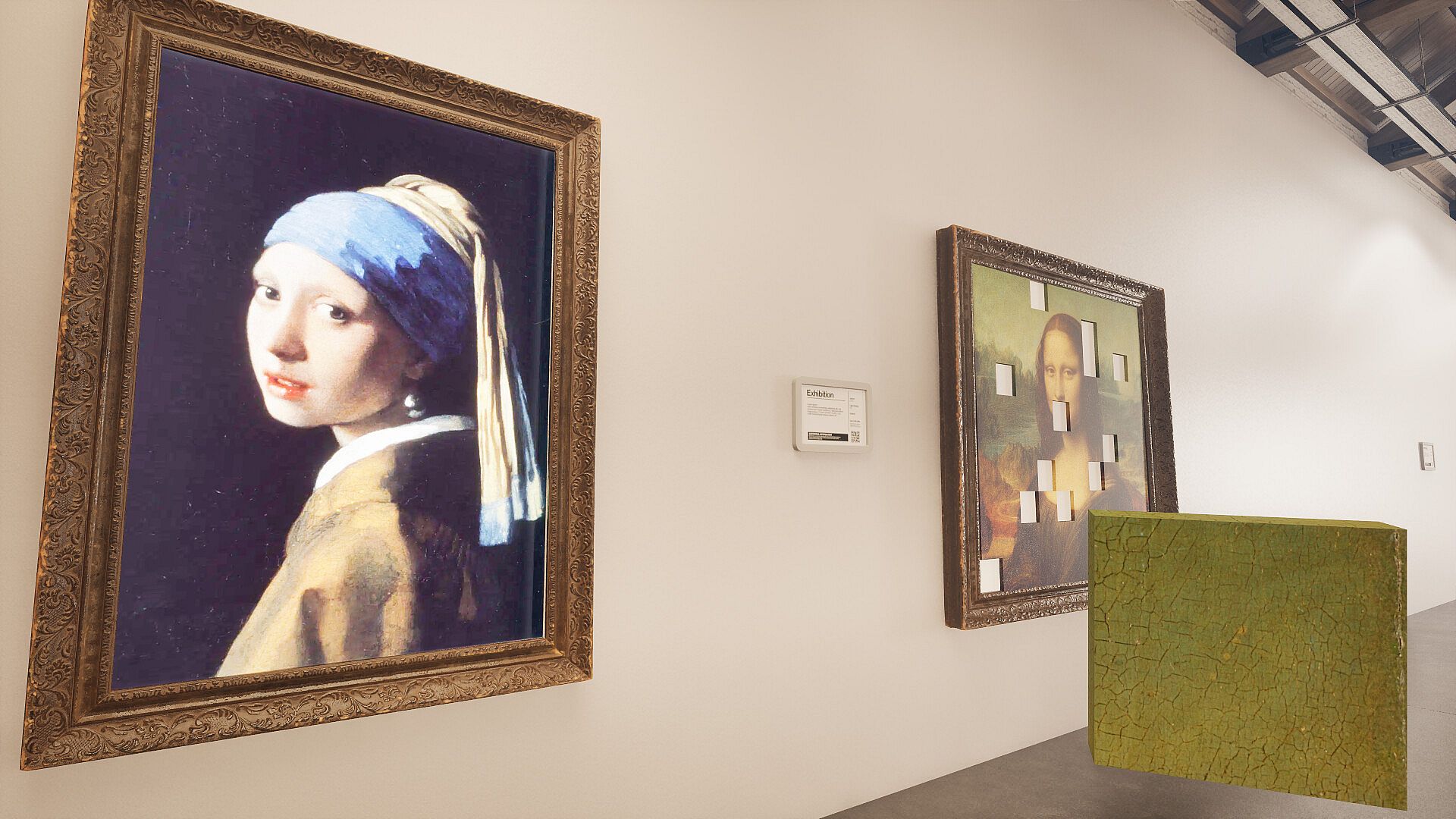
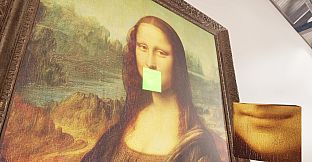
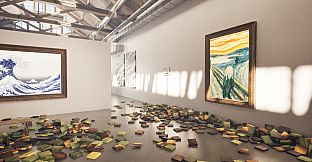
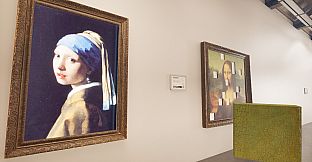
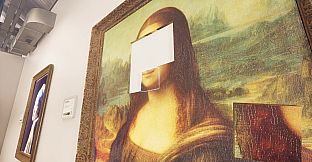
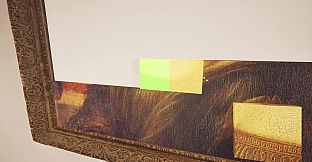
Panic! at the Jigsaw is an indie casual simulation game built around the steady process of assembling jigsaw puzzles on a PC. Players collect scattered pieces from the floor and slot them into a frame to gradually reveal complete paintings. The experience centers on methodical sorting and placement without any timers or failure states, creating a relaxed loop suited to short or extended sessions.
Gameplay
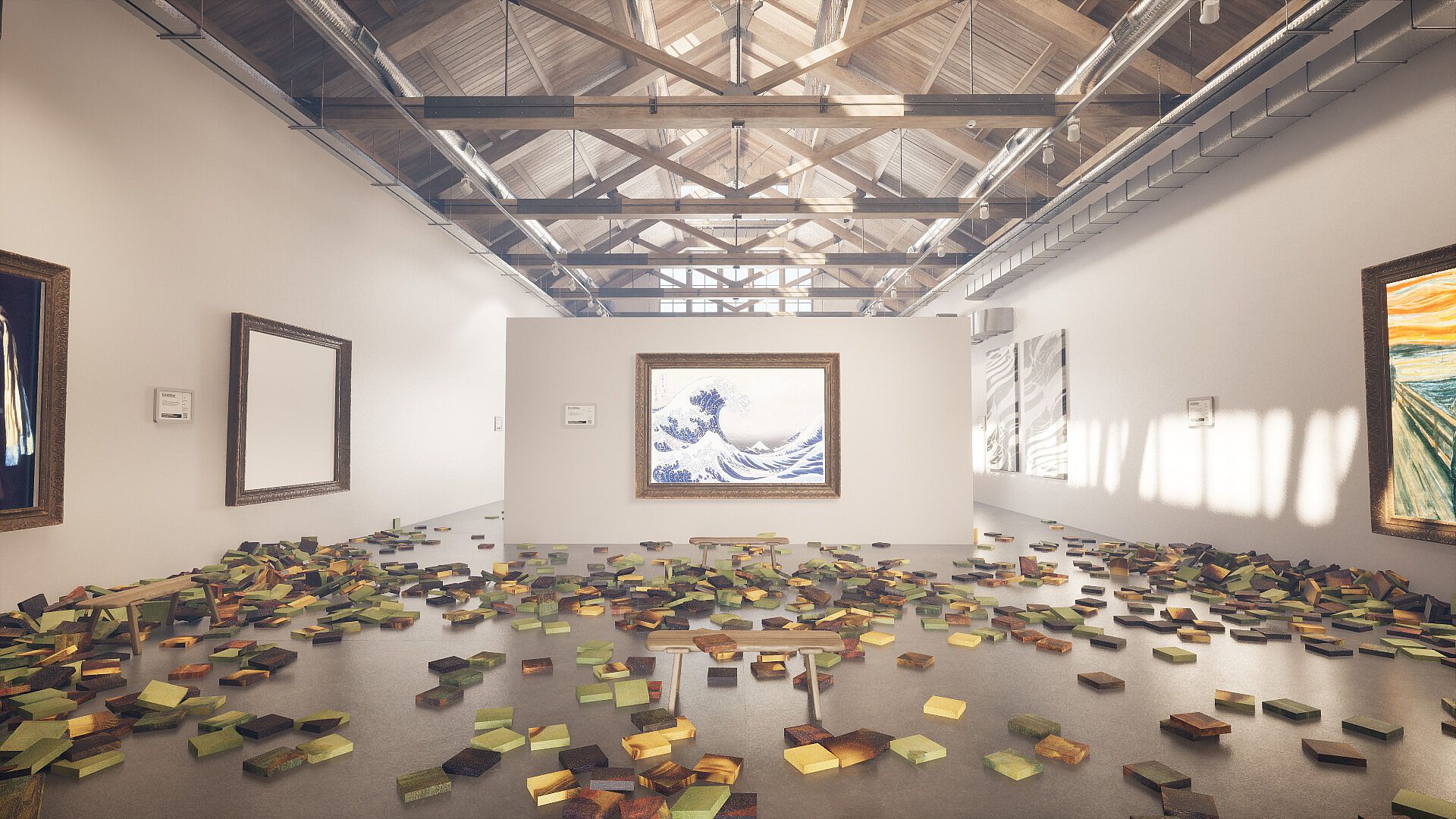
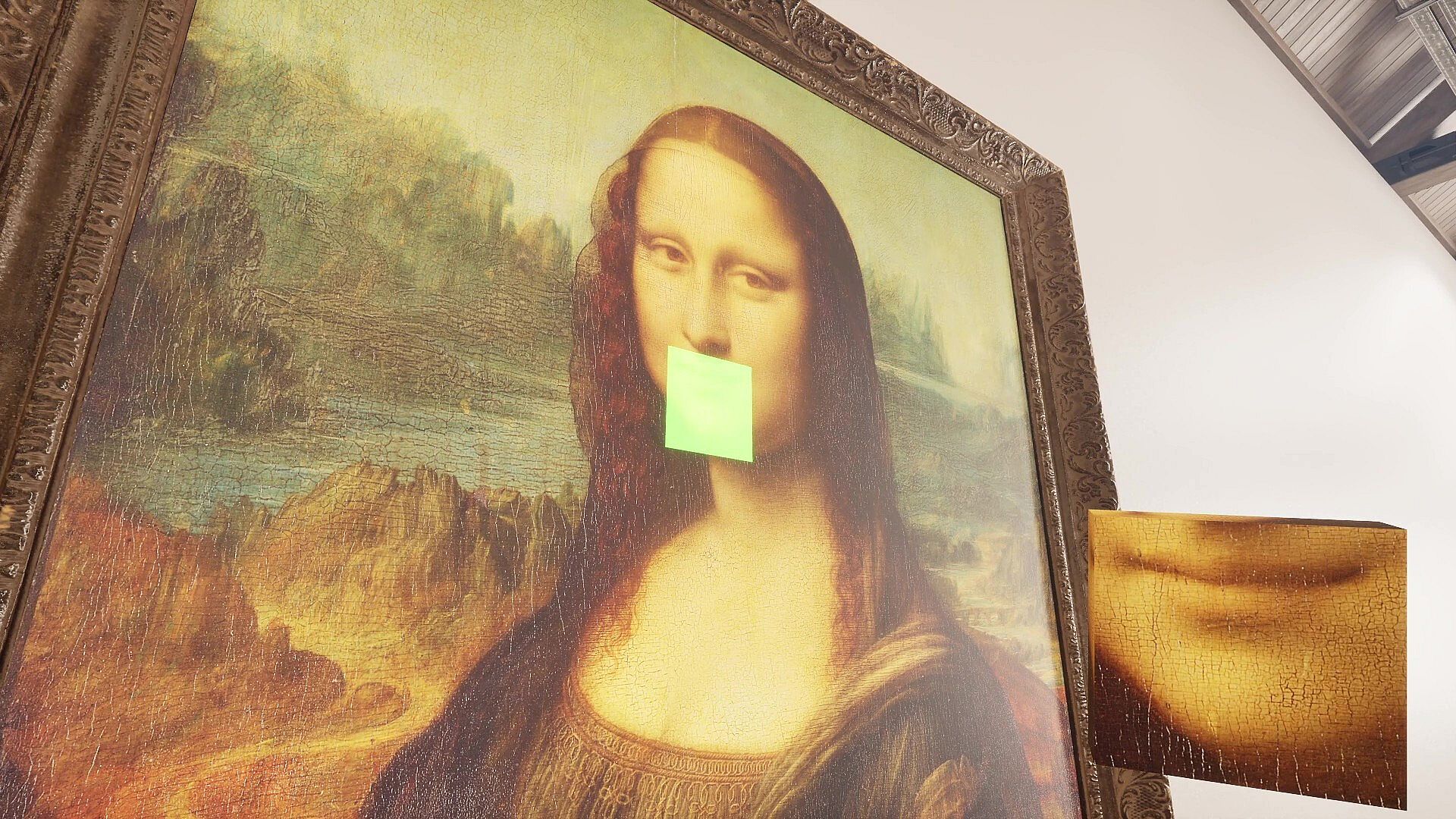
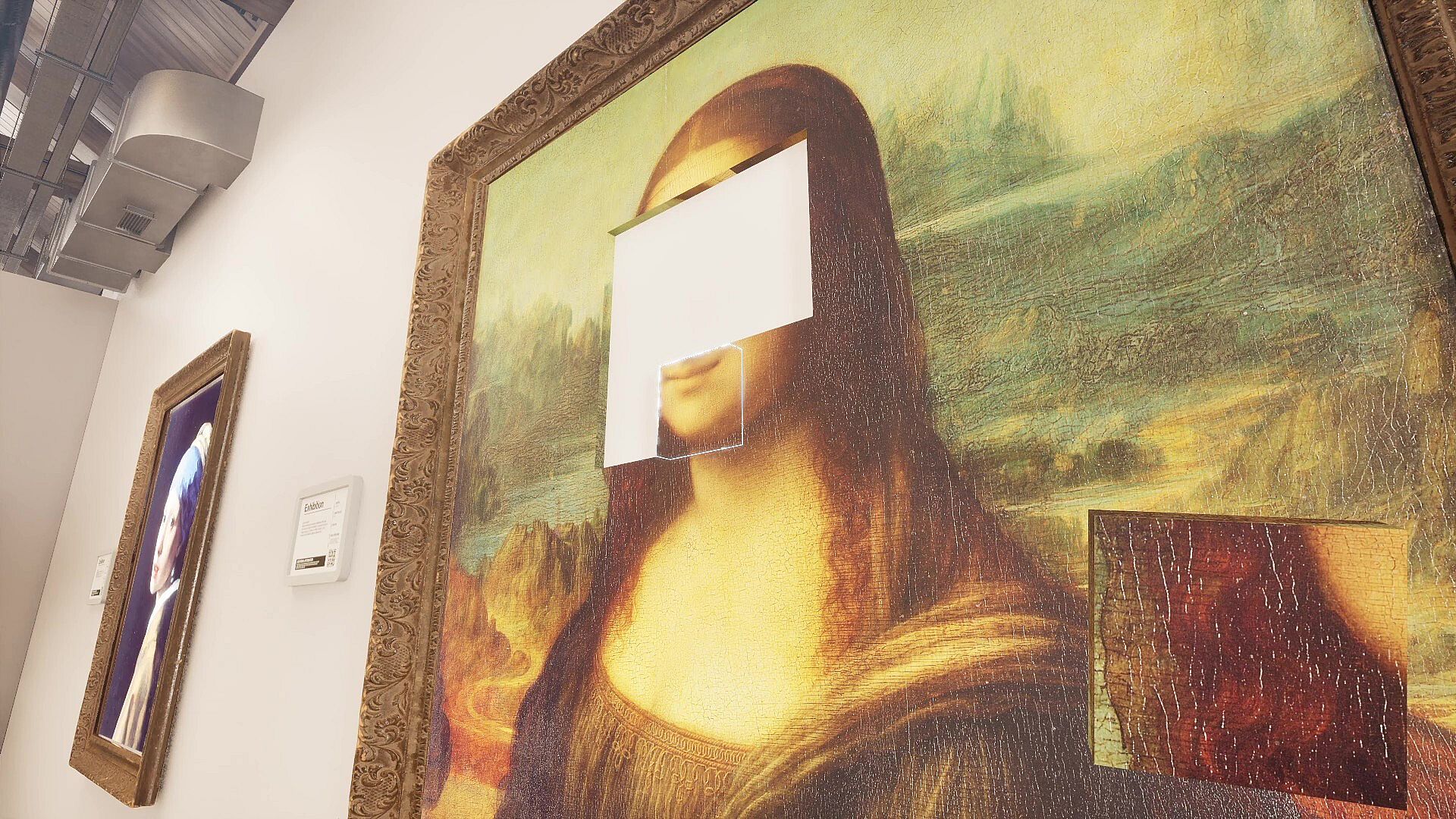
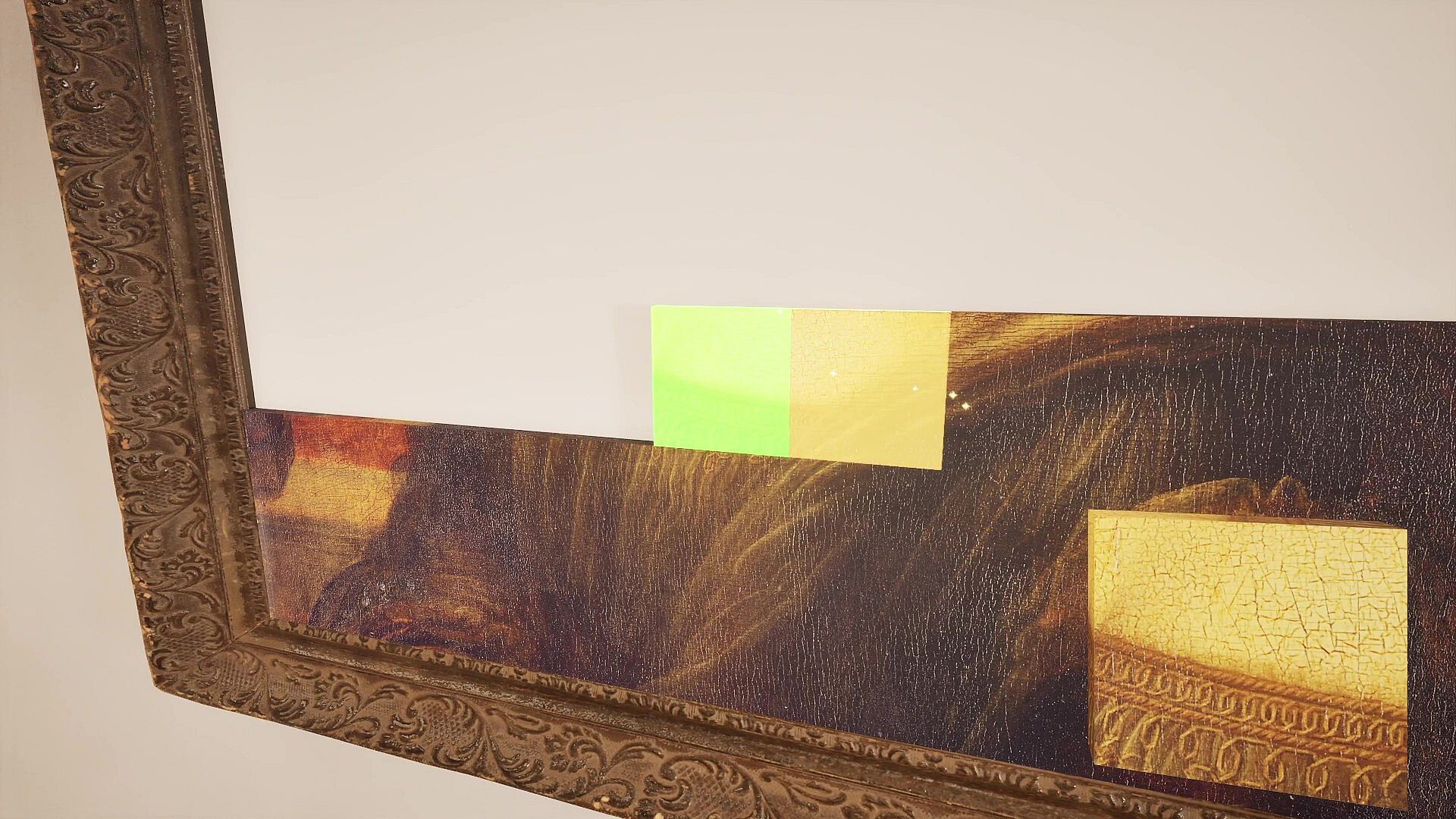
The core loop involves picking up individual pieces one at a time from a cluttered floor and fitting them into their correct positions within a bordered frame. Each piece carries visual cues in its shape, color, and pattern that help determine placement. Edge pieces often provide an effective starting point because their straight sides align with the frame boundaries. As more pieces lock into place, the image builds outward from those foundations toward the center.
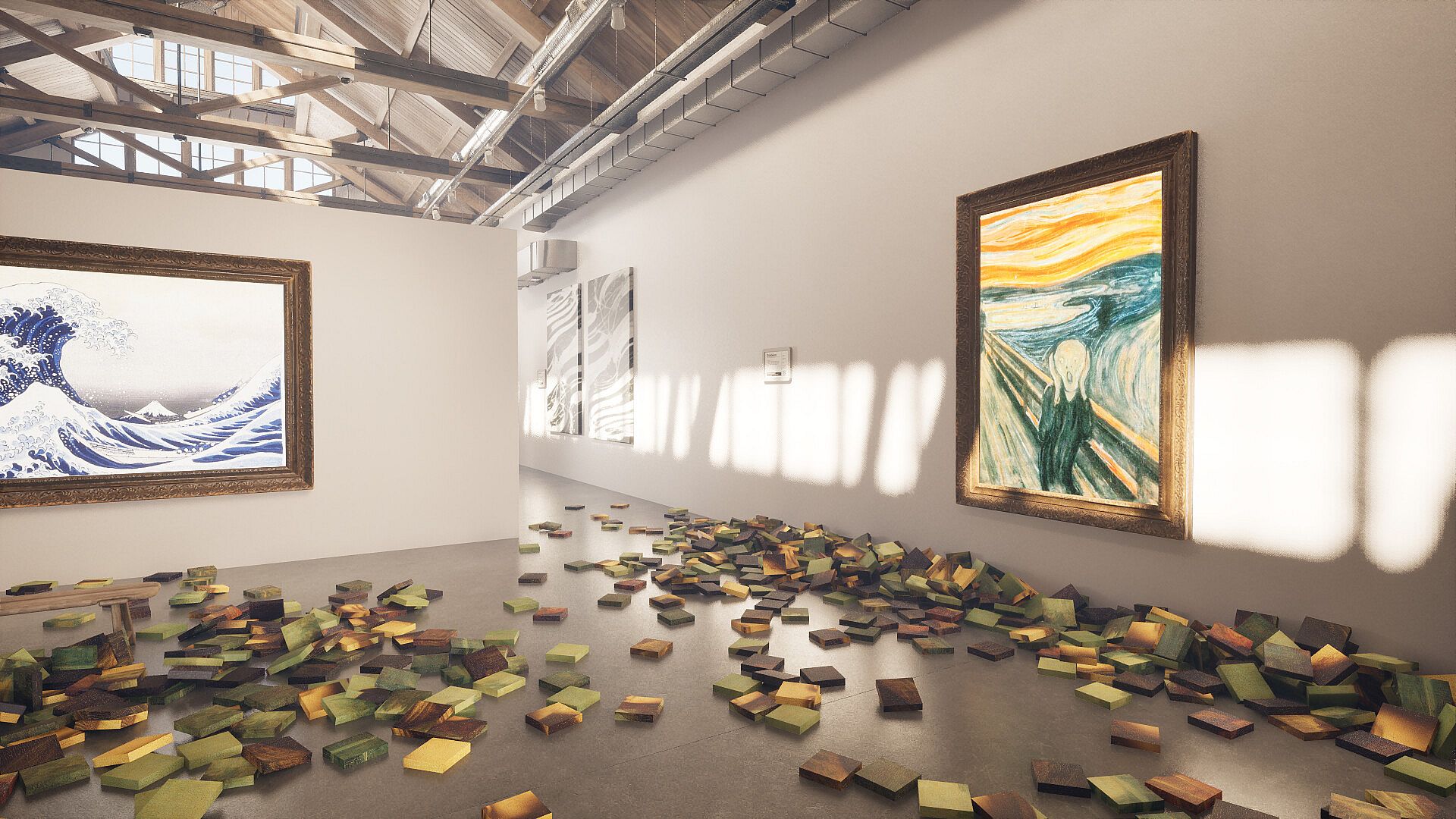
Progress feels incremental and satisfying because the pile of loose pieces visibly shrinks with every successful placement. The simulation emphasizes physical handling, such as carrying multiple pieces at once once skills improve. No pressure mechanics interrupt the flow, allowing players to pause, rearrange their approach, or simply enjoy the visual transformation of the canvas.
Game Modes
Gameplay revolves around a single continuous puzzle assembly process rather than distinct named modes. Puzzles come in multiple sizes that scale difficulty from beginner-friendly counts like 15 pieces up to more demanding totals such as 50 or 100 pieces and beyond. Each size maintains the same fundamental rules of matching shape, color, and pattern, but larger grids require greater patience and spatial awareness.
Players can approach any puzzle in their preferred order, whether focusing first on borders or tackling interior sections early. The absence of separate competitive or timed variants keeps the emphasis on personal pacing and the quiet satisfaction of completion.
Skills and Progression
Finishing a puzzle grants access to new skills that streamline future sessions. One option expands carrying capacity so more pieces can be held simultaneously, reducing trips across the floor. Another skill highlights the precise location on the frame where the currently held piece belongs, offering targeted guidance without removing the need for careful observation.
These unlocks reward consistent play by layering small efficiencies onto the base mechanics. Strategic use involves deciding when to rely on raw visual matching versus activating a highlight for tricky sections, blending steady methodical work with occasional assistance.
Famous Paintings
The puzzles recreate well-known masterpieces that most players will recognize on sight. Examples include the Mona Lisa, Girl with a Pearl Earring, and Munch's The Scream. Each completed work emerges piece by piece, turning the assembly process into a gradual reveal of familiar art.
Multiple paintings provide variety across sessions. The visual payoff grows as colors and details align, reinforcing the sense of accomplishment that comes from transforming scattered fragments into coherent images.
Is It Worth Playing?
This title suits players who enjoy low-pressure puzzle experiences and the tactile satisfaction of organizing objects. Its singleplayer focus and lack of time limits or penalties make it accessible for casual sessions or longer relaxed play. The skill progression adds light strategic depth without complicating the core loop.
Those seeking high-intensity challenges or multiplayer elements will find the game intentionally simple and meditative instead. Its strength lies in delivering consistent, repeatable enjoyment through familiar mechanics applied to recognizable artwork. If the described cozy organizing style matches personal preferences, the game delivers exactly that experience without unnecessary complications.