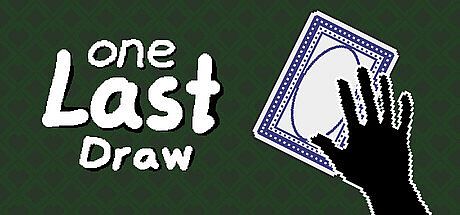


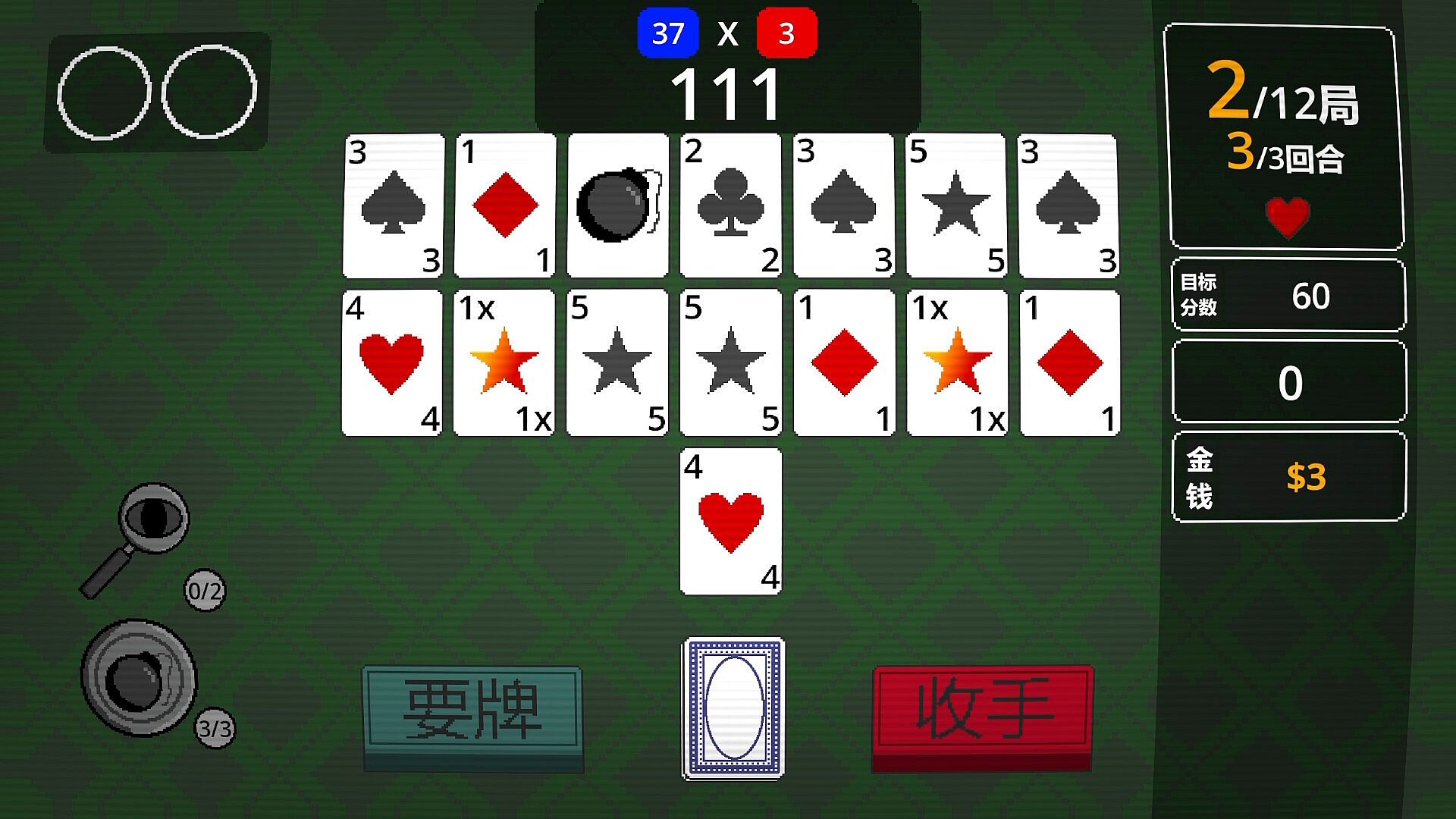
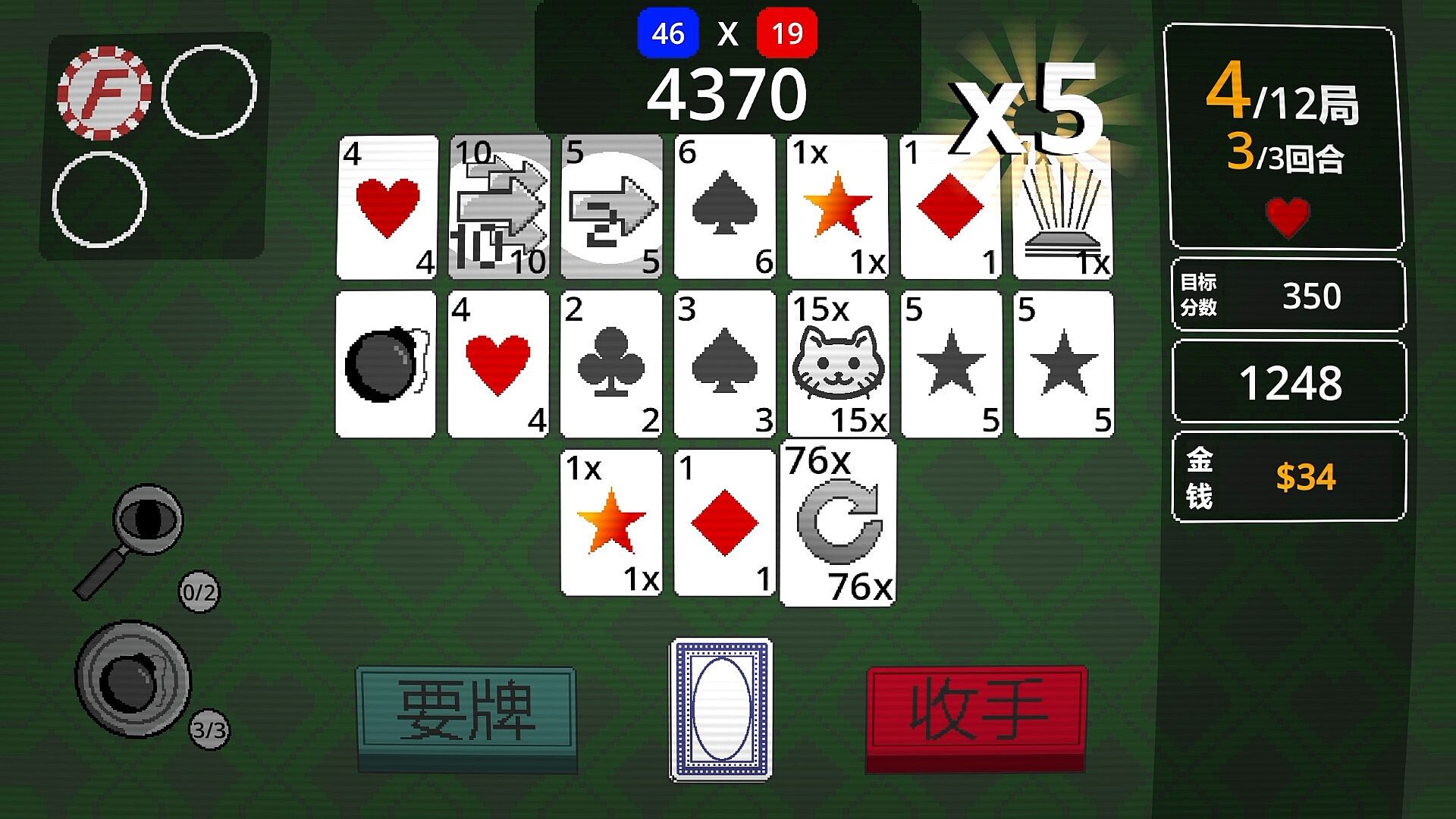
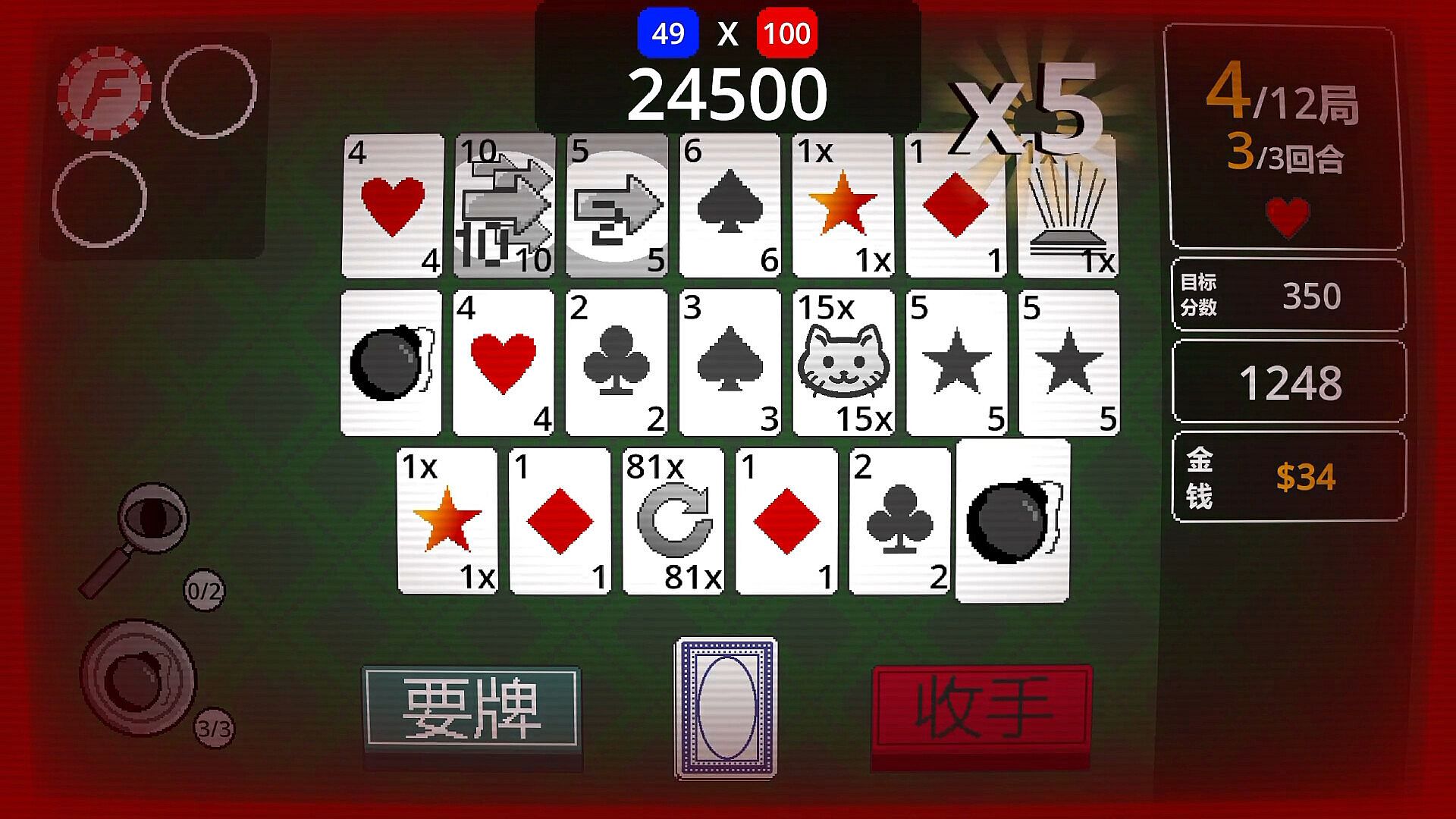
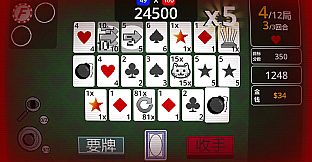
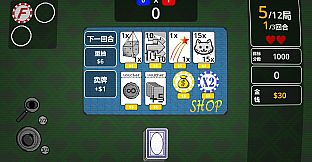
One Last Draw is a single-player strategy card game that blends casual accessibility with high-stakes decision making. Players draw from a deck containing valuable point cards alongside dangerous bomb-type cards, building a score while managing personal health that acts as a buffer against losses. The core appeal lies in the tension of knowing exactly when to stop drawing and secure the round's progress versus pushing for more points at the risk of everything vanishing.
Gameplay
The central loop revolves around repeated rounds where drawing cards adds to a running point total. Each draw carries the possibility of hitting a bomb-type card that reduces health. Reaching zero health wipes out all points accumulated in that round, forcing a complete reset of progress for the current stage. Success requires careful judgment on every draw, weighing the potential reward of additional points against the mounting chance of a bust.
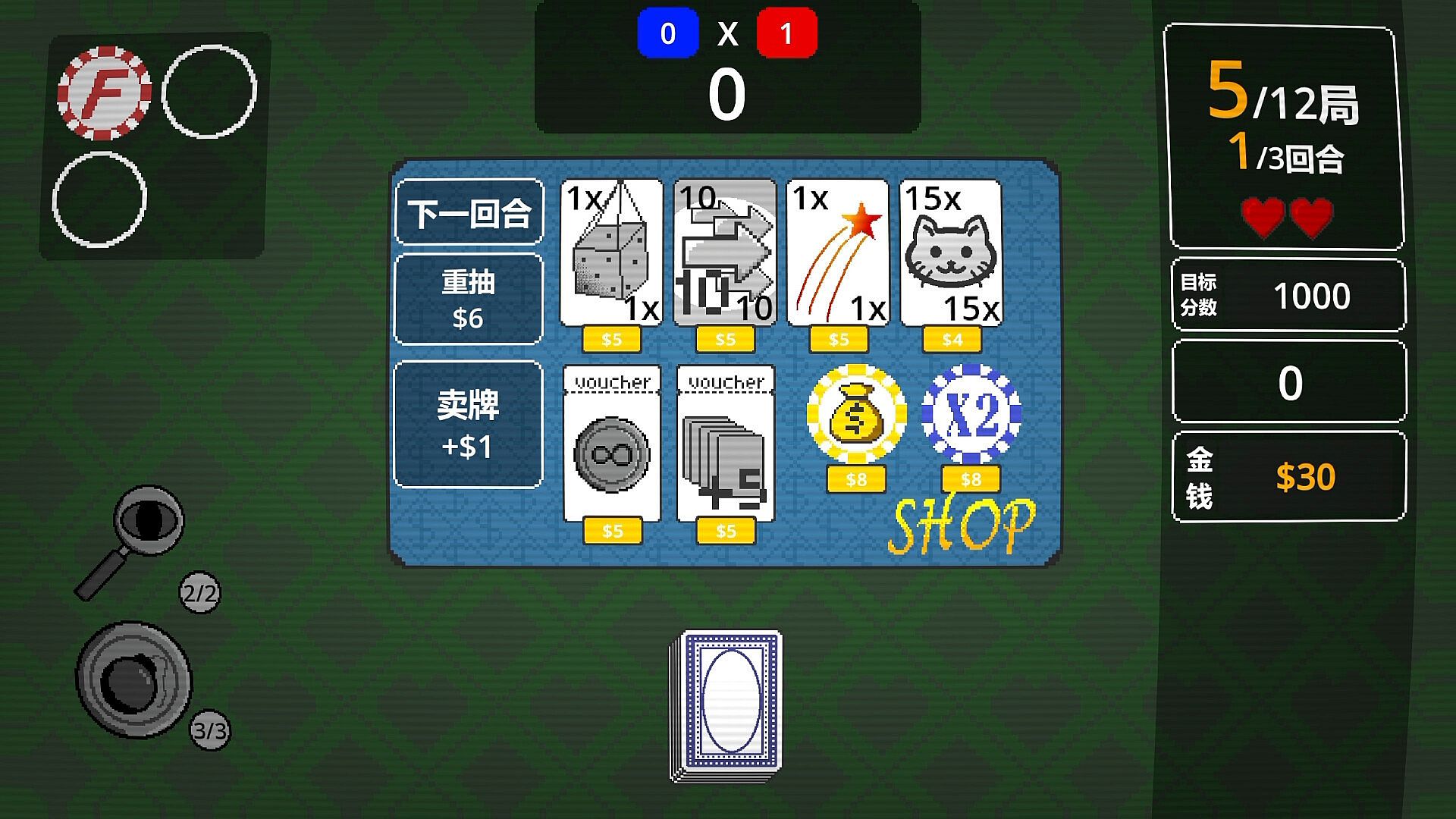
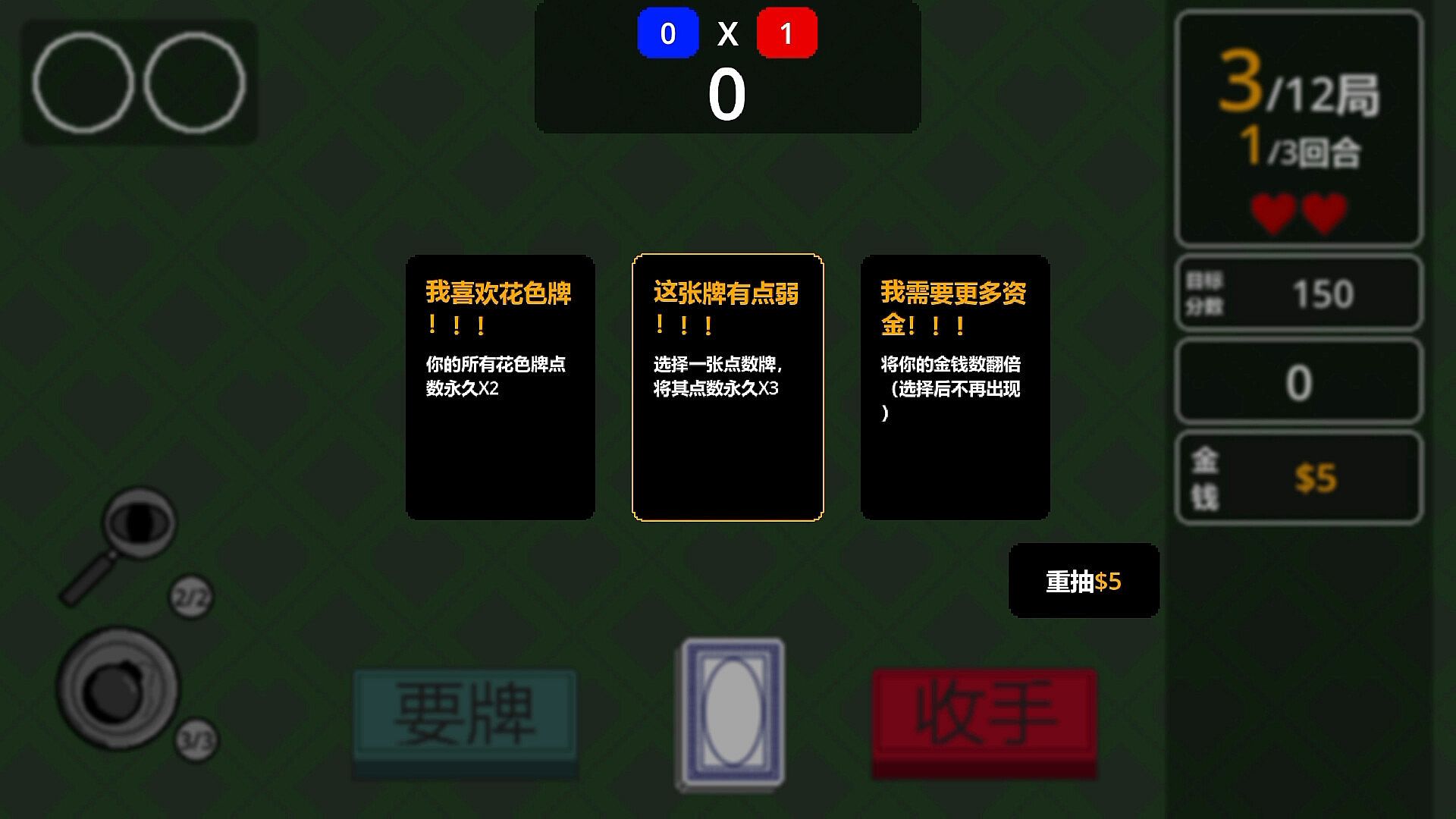
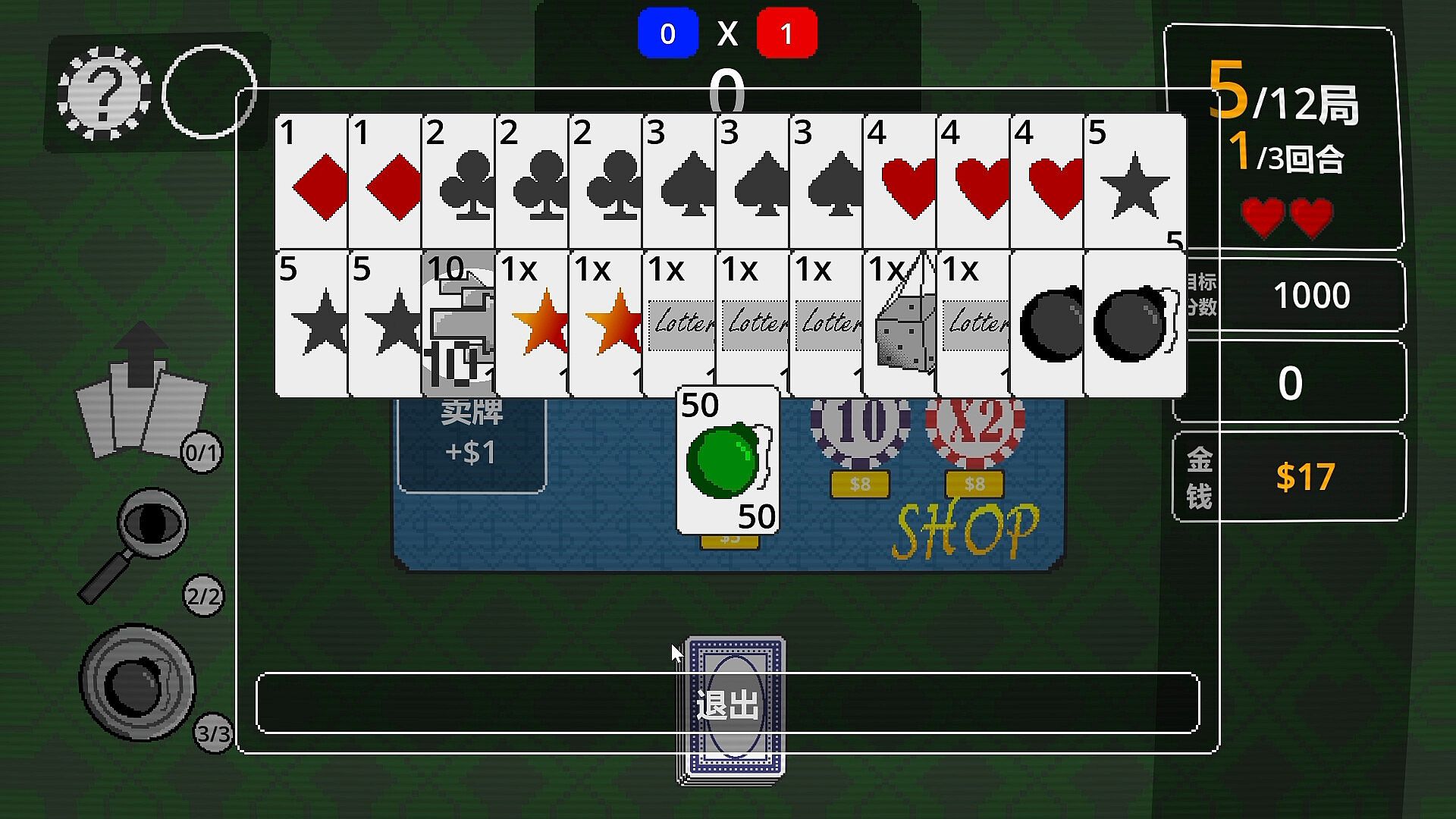
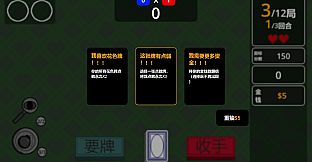
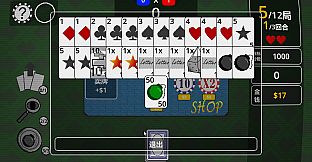
Between rounds, players visit a shop to purchase new cards and chips that alter future draws or scoring. Permanent upgrades become available through these purchases or through special phone-call events that present multiple choice options. These choices shape long-term strategy, allowing builds that lean into aggressive risk-taking for higher rewards or conservative approaches that prioritize steady accumulation and health preservation. Chips provide additional layers of control, potentially modifying probabilities or offering safety nets during draws.
Items and upgrades interact directly with the deck and health system, creating opportunities to bend outcomes in favor of the player. The roguelike structure means each attempt at clearing a stage builds on prior choices, with permanent elements carrying forward while temporary gains reset on failure. This setup rewards experimentation across multiple runs as players test different combinations of cards, chips, and upgrades.
Game Modes
The experience centers on a single-player progression system built around clearing stages through the repeating draw-and-decide loop. There are no separate competitive or cooperative modes confirmed. Instead, the game emphasizes repeated attempts at the same core challenge, with each run offering fresh opportunities to refine a build through shop purchases and phone-call decisions. The structure encourages multiple playthroughs as players explore safer versus riskier paths to stage completion.
Phone-call events add variety within runs by presenting branching choices that influence available upgrades and playstyle. These events integrate with the shop system, giving players control over whether to pursue high-variance strategies or more reliable, low-risk builds. The absence of additional modes keeps focus squarely on mastering the fundamental gamble of drawing one more card or stopping.
Build Customization and Strategy
Customization occurs through a combination of purchasable cards, chips, and permanent upgrades that persist across attempts. Cards expand the deck with new effects, while chips modify how draws resolve or how points are calculated. Permanent upgrades alter baseline stats or introduce new mechanics that change the risk-reward calculation on every draw.
Players decide the direction of their build by selecting from shop inventory and phone-call options. Embracing greater risks might involve cards that amplify point gains but increase bomb frequency, while a steady approach favors upgrades that protect health or guarantee minimum points per round. The build ultimately determines how forgiving or punishing the core loop feels, making early choices meaningful for later stages.
Is It Worth Playing?
One Last Draw targets players who enjoy tense, moment-to-moment decisions in card-based strategy games. The simple rules mask a deep layer of risk management that rewards patience and pattern recognition over luck alone. Those who appreciate roguelike progression through builds and the satisfaction of optimizing a run will find the core loop engaging.
Because the game remains in development with a planned release in Q4 2026 and currently has no user reviews available, any assessment rests on the described mechanics. The single-player focus and emphasis on personal decision-making suit solo sessions where players can experiment without external pressure. If the idea of repeatedly testing the boundary between greed and caution appeals, the game offers a focused experience built around that exact tension.