




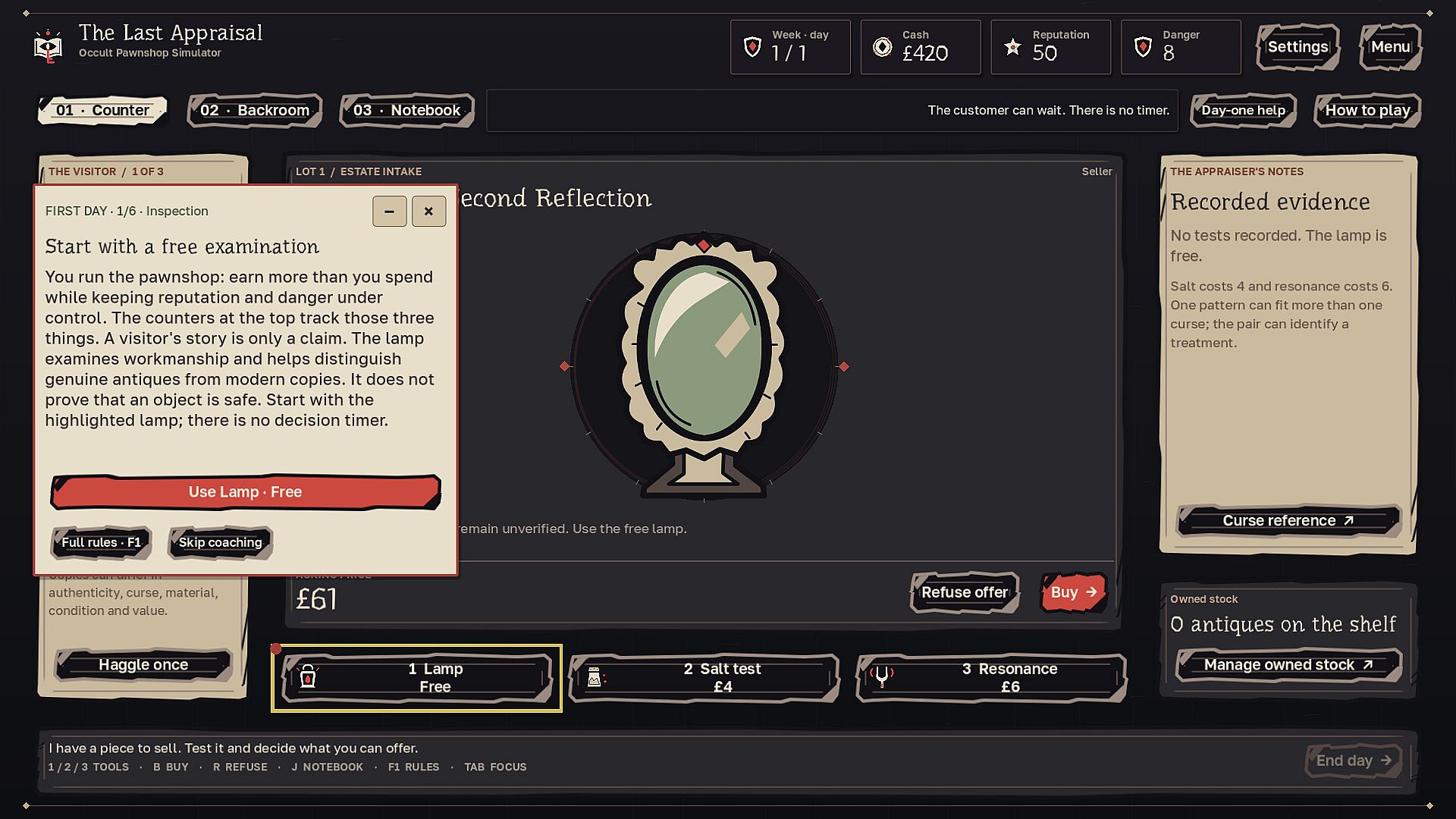
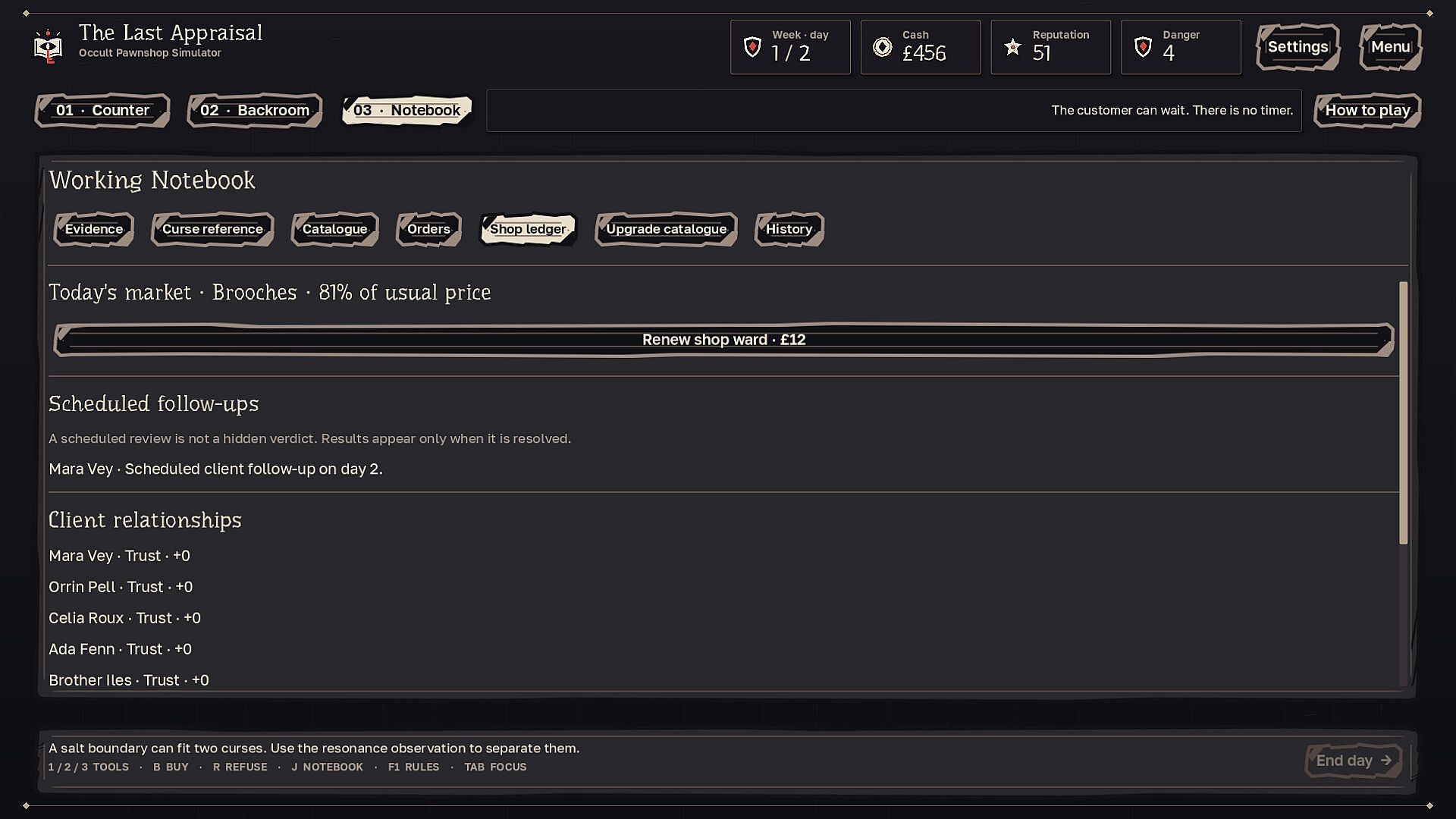



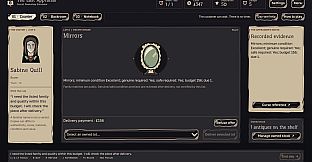
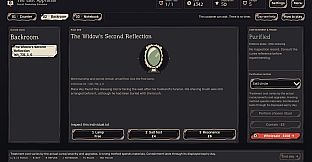
Occult Pawnshop Simulator is an indie simulation game set in a single-player turn-based shop management experience on PC. Players run The Last Appraisal, a modest pawnshop that handles antiques carrying uncertain histories and persistent supernatural issues. The core loop centers on deliberate examination of lots, careful negotiation, and ongoing management of inventory risks to balance cash flow, reputation, and hidden dangers.
Gameplay
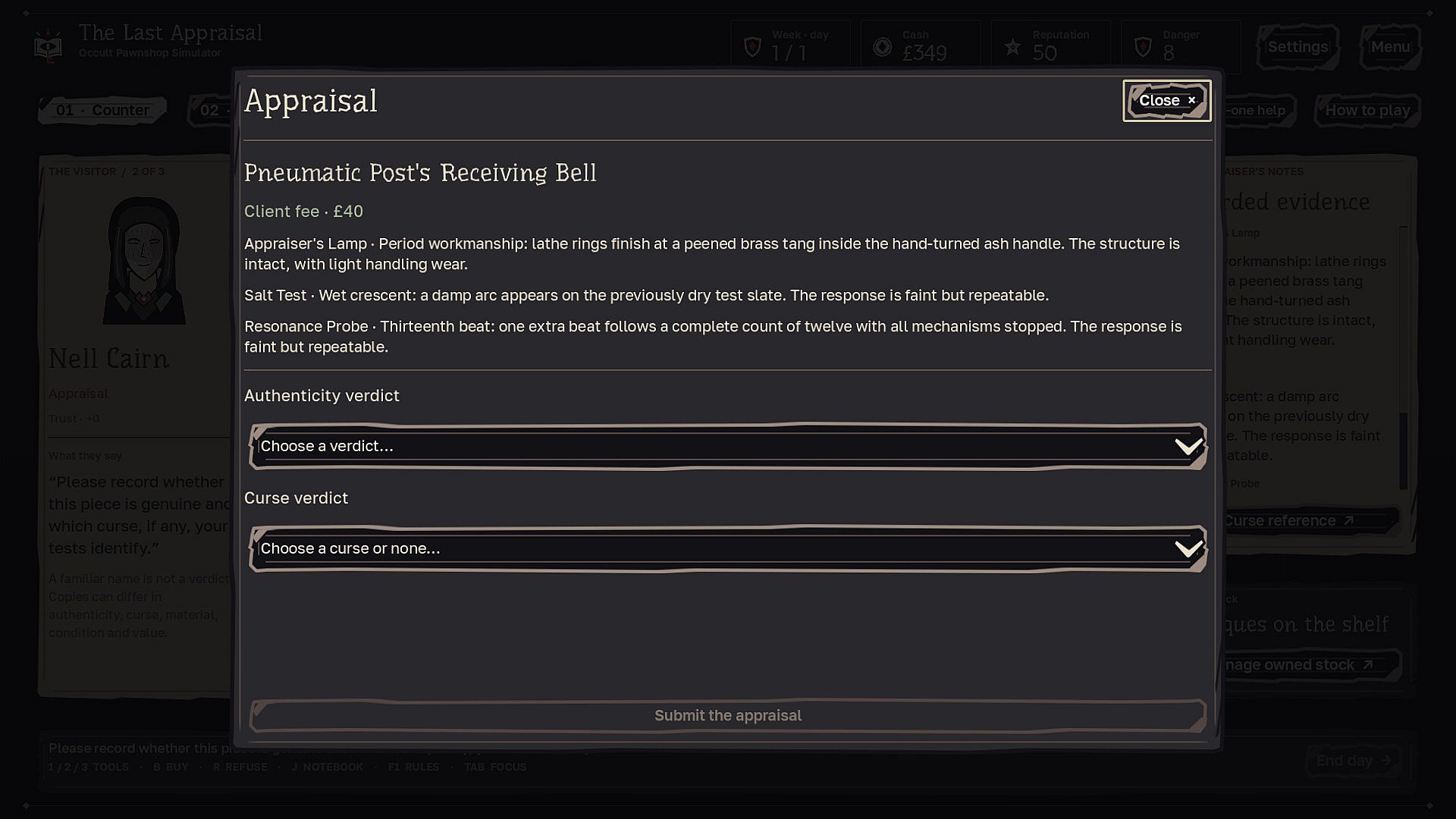
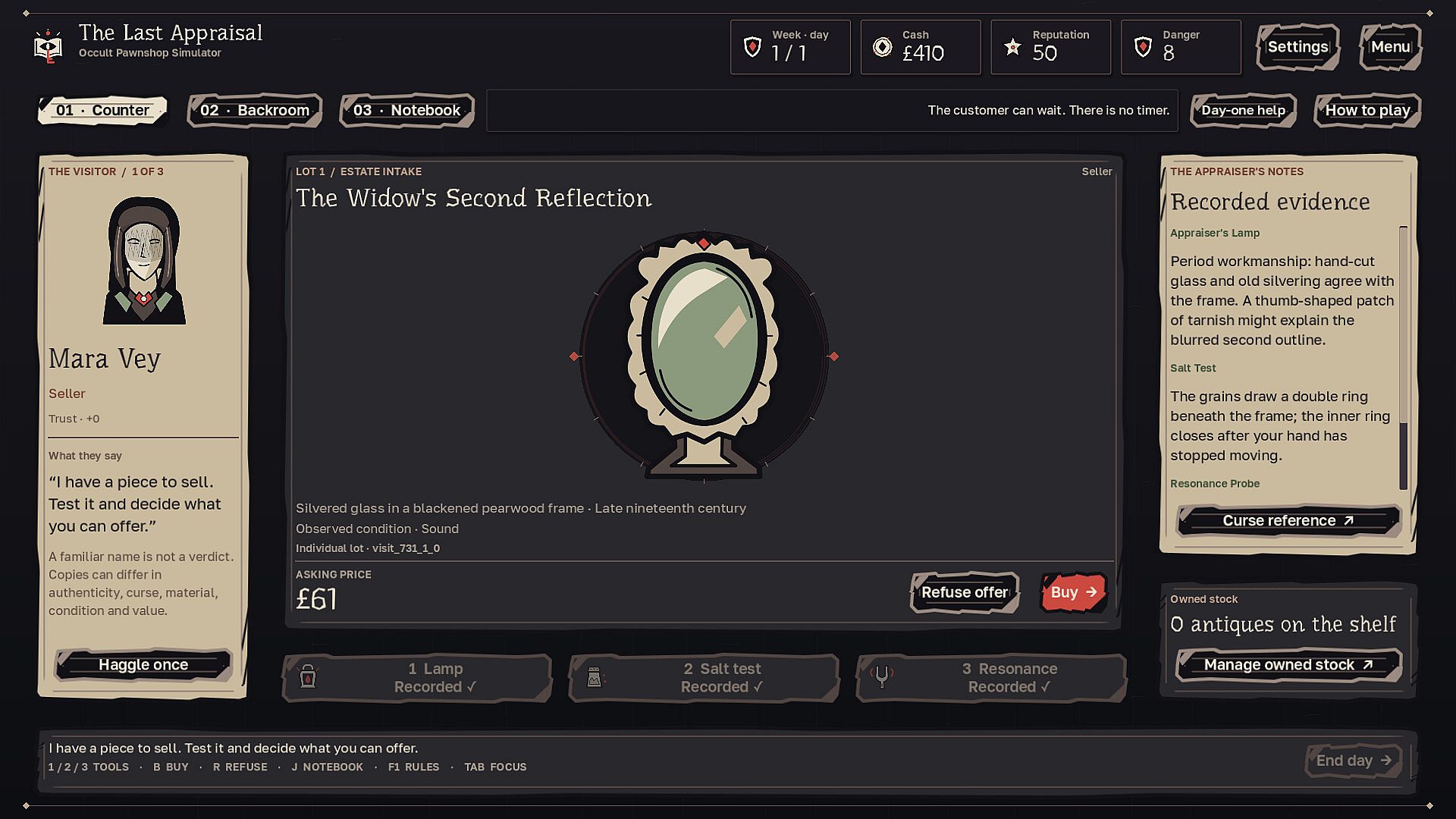
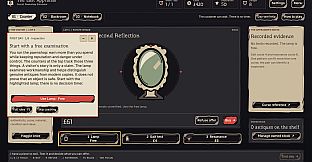
The gameplay emphasizes careful inspection and decision-making without any time pressure on choices. Each incoming lot requires close study using a lamp, salt, and resonance tools to detect authenticity and supernatural traces. Players compare observations against a curse reference guide, noting that familiar names alone do not determine outcomes because individual items vary in condition, materials, origin, value, and lingering effects.
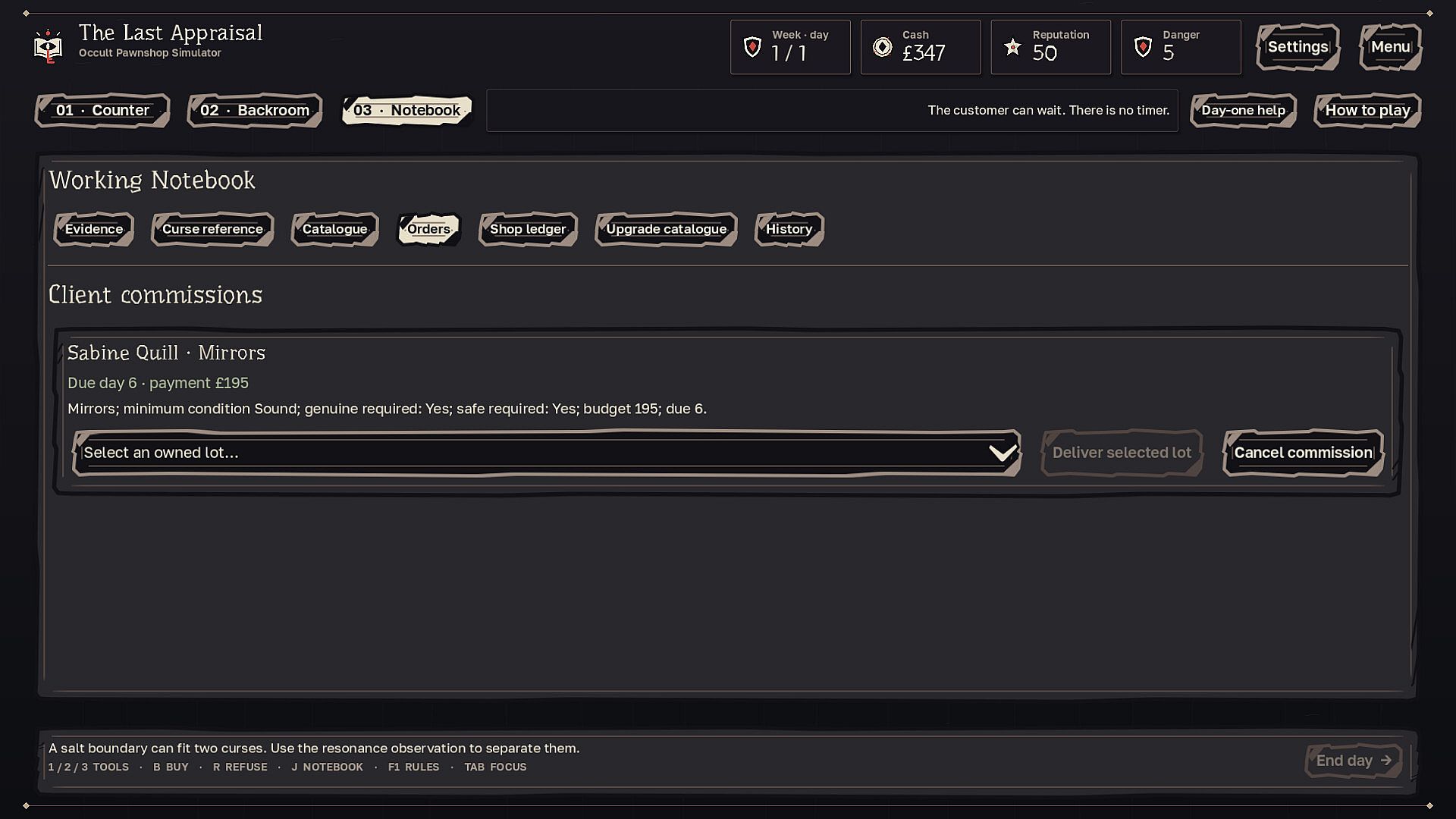
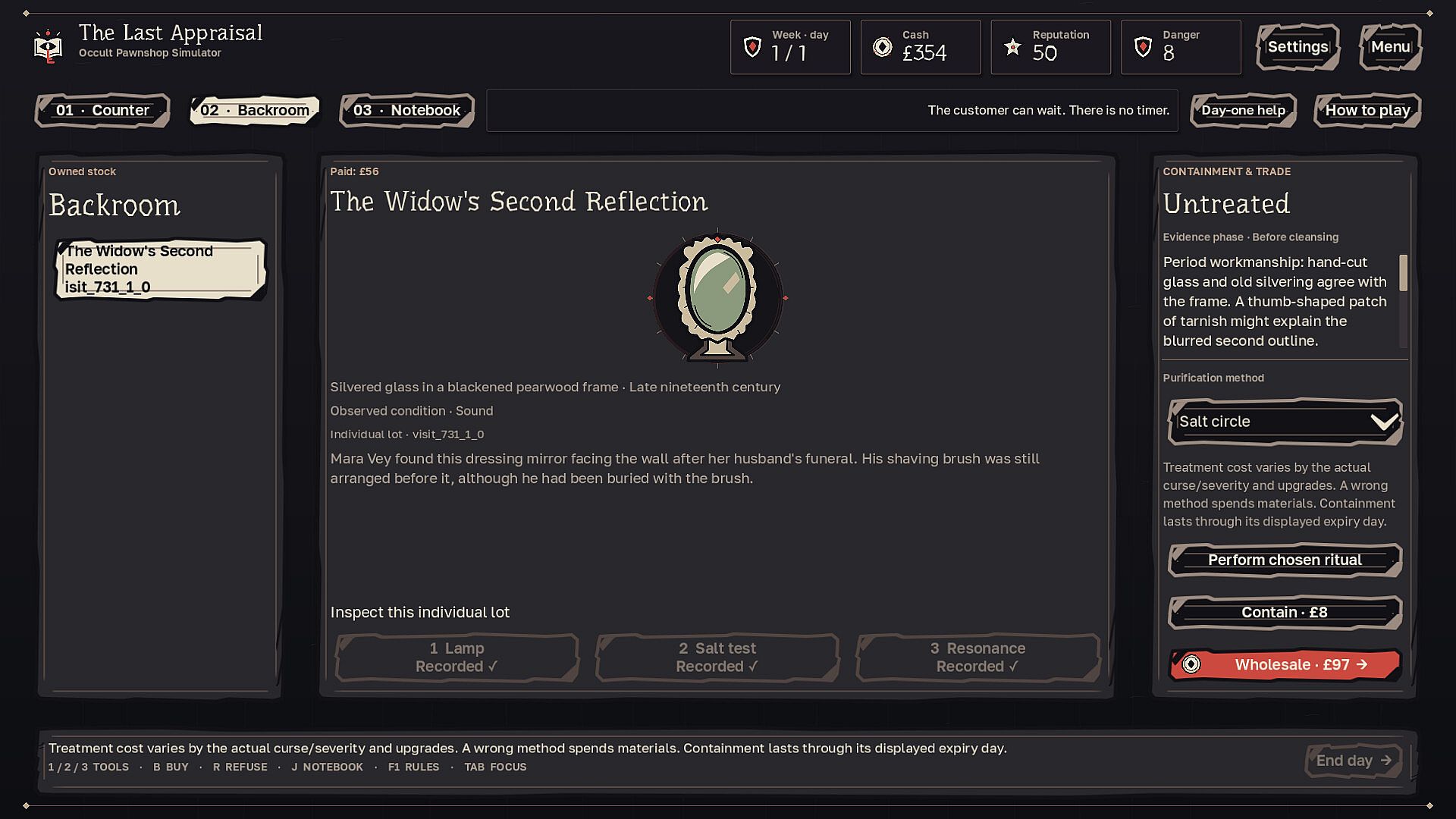
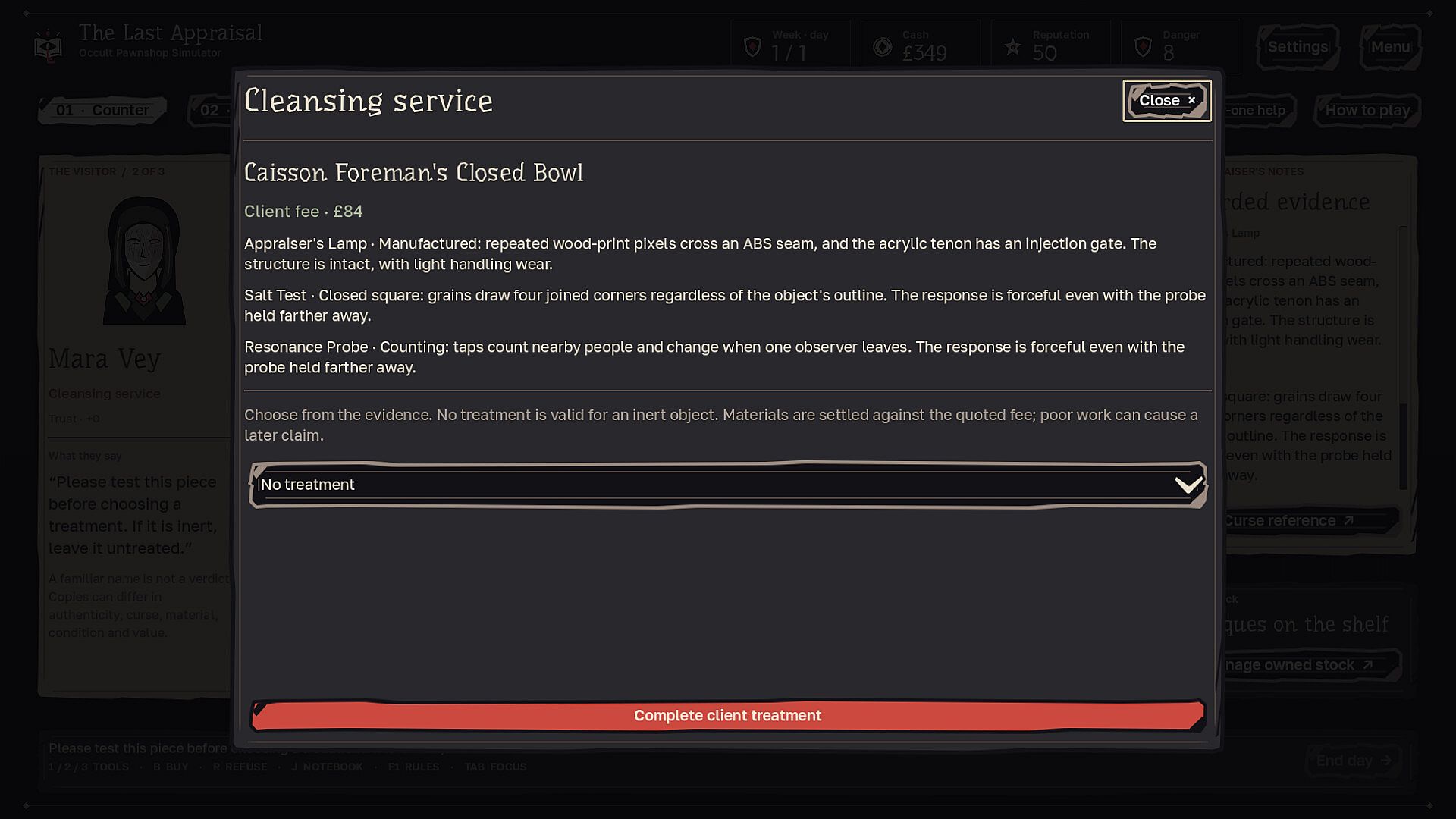
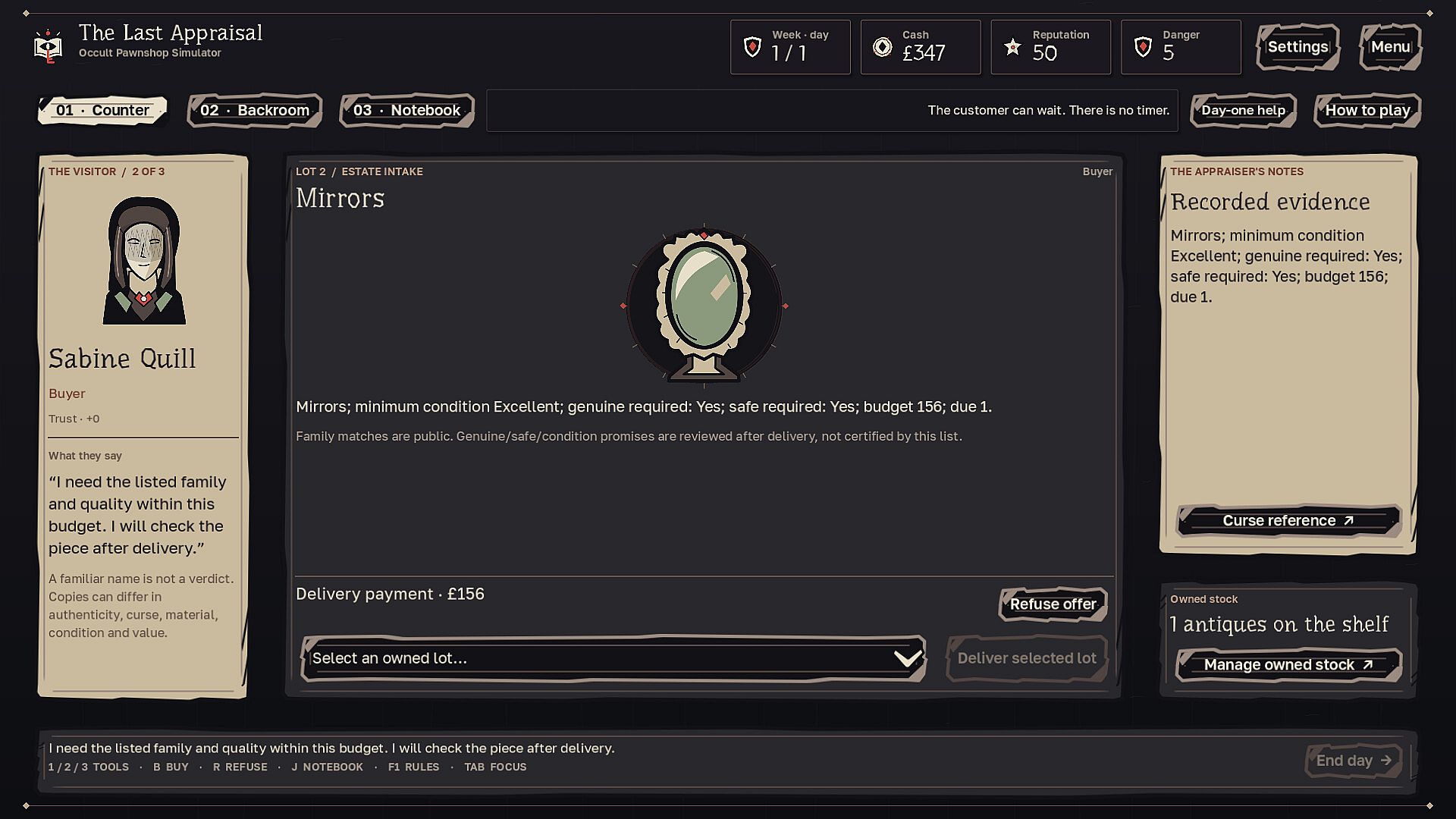
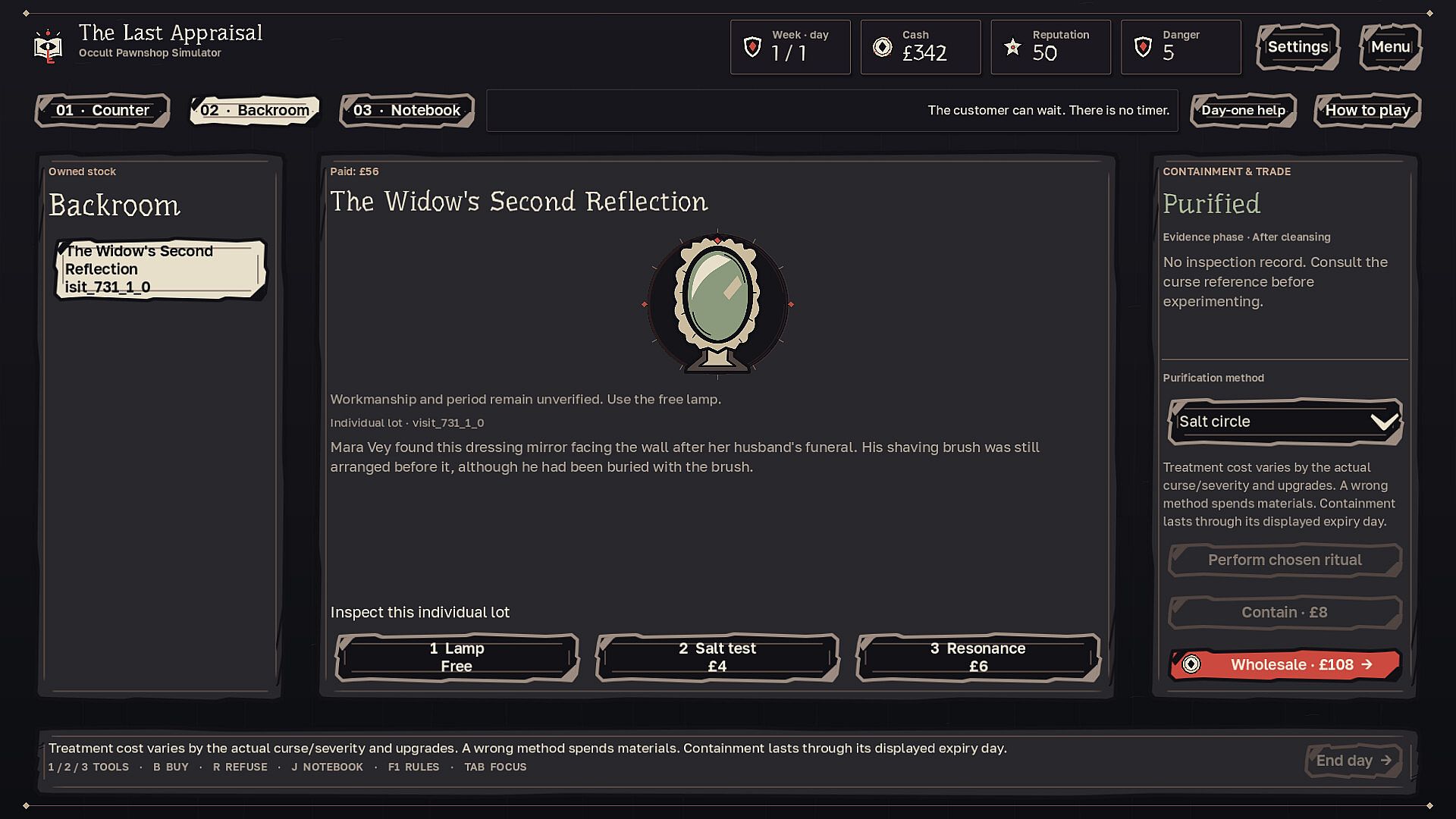
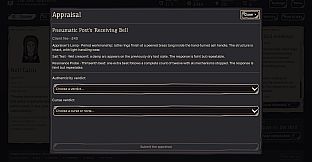
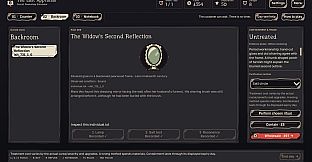
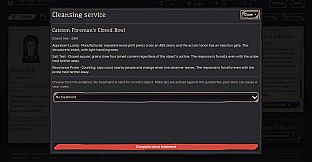
Beyond buying and selling, the work extends to negotiating with sellers, sourcing stock for buyers, providing paid appraisals, and selecting treatments for clients. Search commissions add deadlines that must be met for fees, though overpromising can lead to later complaints. In the backroom, owned items receive further inspections, chosen cleansing methods, or isolation for dangerous lots before sale. Containment periods expire, so untreated stock risks straining the entire operation.
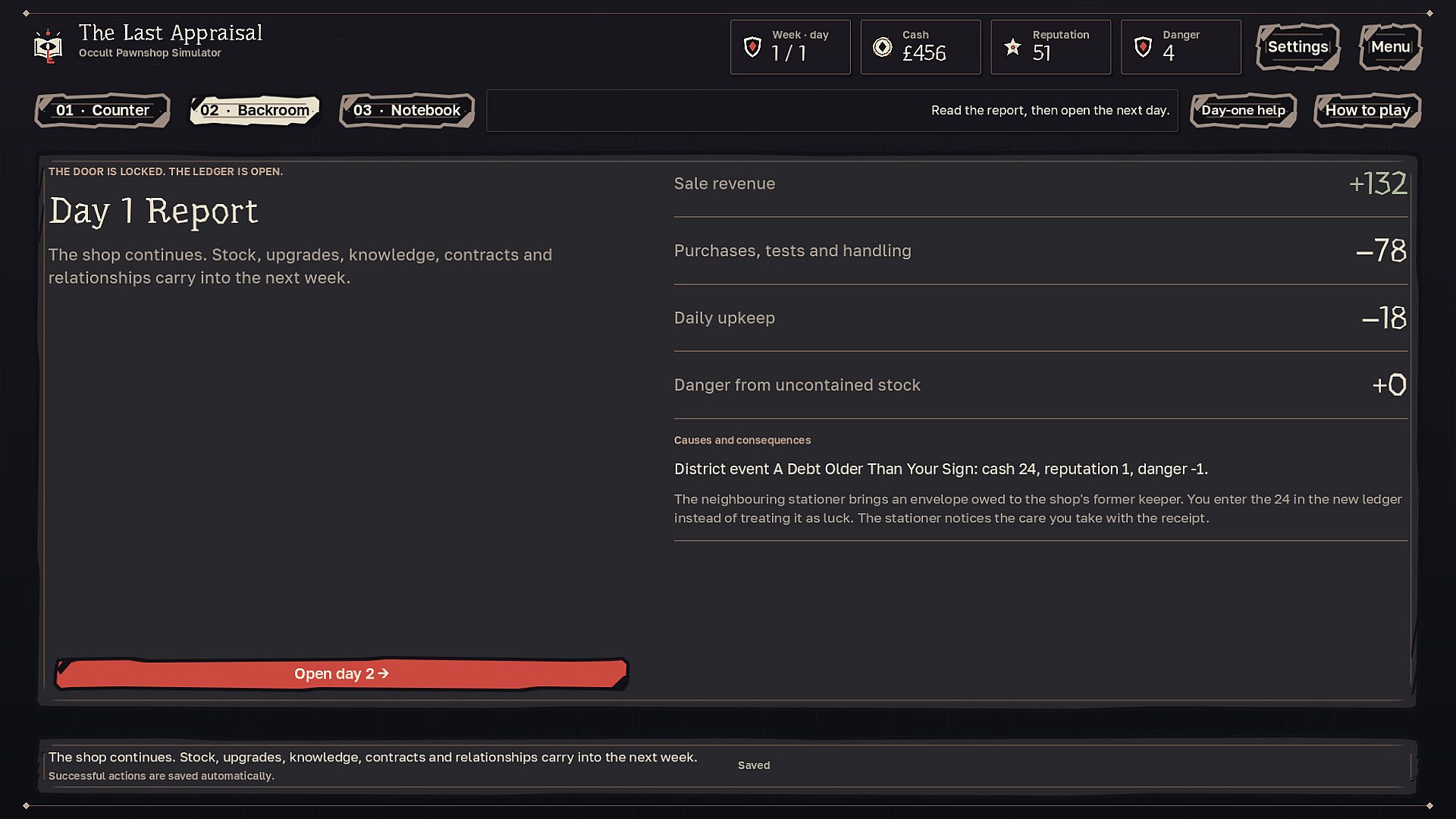
Upgrades improve capabilities while the ward must stay maintained amid shifting cash, reputation, and danger levels. Weekly reviews track progress without resetting the shop state. Stock, evidence, upgrades, relationships, and open orders carry forward. Market demand fluctuates, customers retain memories of past dealings, and earlier transactions may generate referrals, claims, or unexpected incidents.
Game Modes
The game operates as a single continuous management experience rather than separate named modes. All activity unfolds in one persistent shop environment where players handle daily operations, client visits, and long-term progression through the same systems. There are no distinct campaign, challenge, or multiplayer variants described.
Client interactions fall into five kinds of visits that drive the daily rhythm. Inspection relies on three dedicated tools, while supernatural elements involve six curse types. These elements integrate directly into the core loop without branching into alternate play styles.
Key Features and Systems
A searchable catalogue holds 240 antiques, each generated with procedural individual traits drawn from 40 shared illustration families. The shop itself appears in hand-inked 2D style, accompanied by paper records, original music, and targeted sound cues that support the deliberate pace.
Interface options include Russian and English text support along with large-text and reduced-motion settings. The game runs offline with an autosaved ledger that includes backup recovery options, ensuring steady progress without external dependencies.
Is It Worth Playing?
Occult Pawnshop Simulator suits players who enjoy methodical single-player simulation games focused on inspection, negotiation, and resource balancing. The turn-based structure removes timers, allowing thoughtful engagement with each lot and client. Persistent elements across weeks create a sense of ongoing shop evolution without resets.
Those drawn to indie titles that blend antique appraisal with supernatural management will find the deliberate systems and procedural variety align with that interest. The absence of decision timers and the emphasis on evidence comparison reward careful play over quick reflexes. Availability on PC with offline support makes it accessible for focused sessions.












