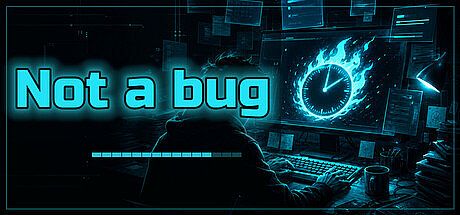



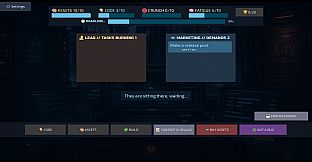
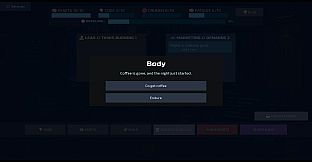
Non è un bug è un arcade single-player casual incentrato sulle tensioni dello sviluppo videoludico. Il giocatore interpreta uno sviluppatore alle prese con task sovrapposti, impegnato a portare avanti un progetto fino al lancio senza lasciarsi travolgere da scadenze sempre più strette e imprevisti.
Gameplay
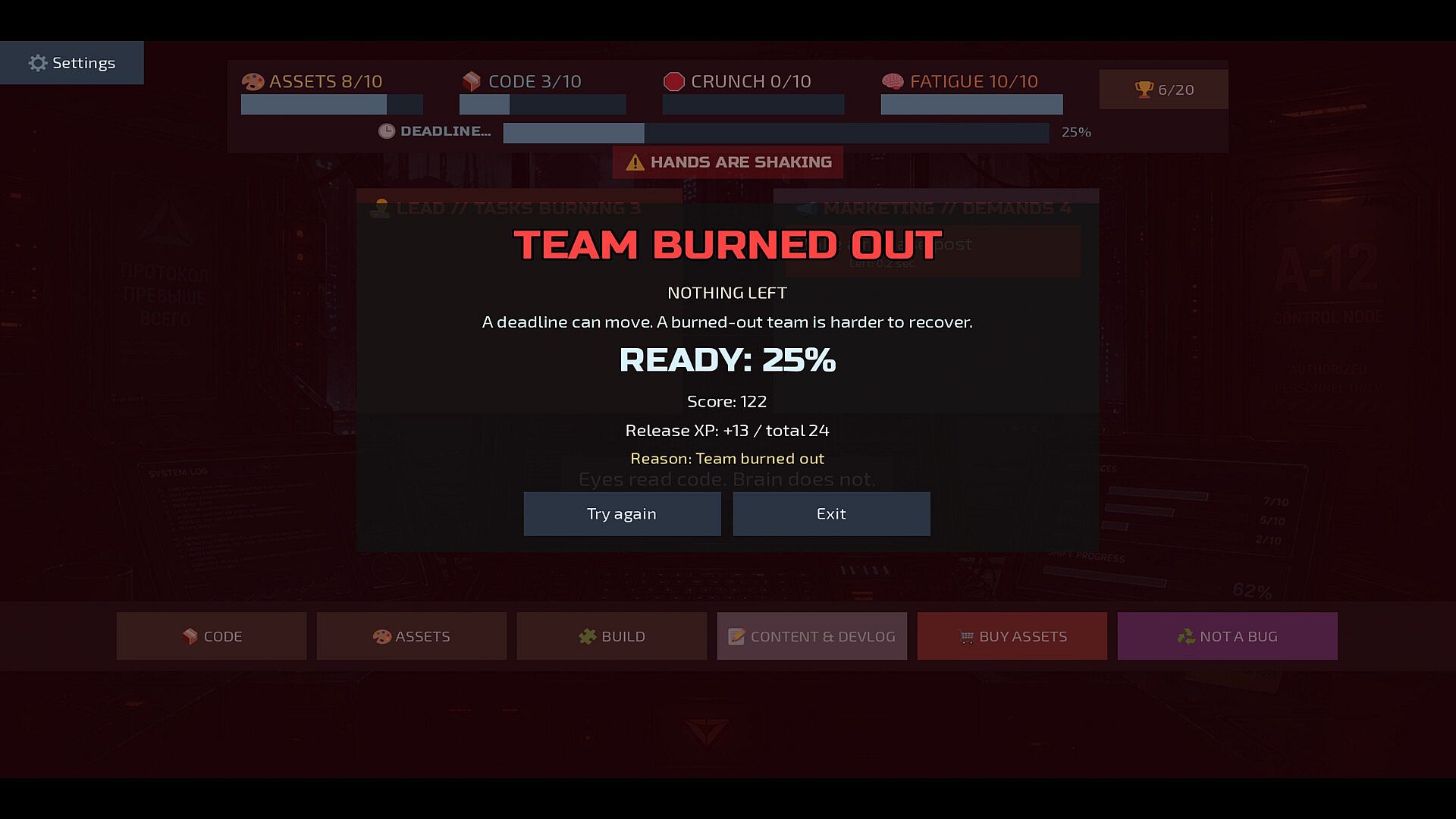
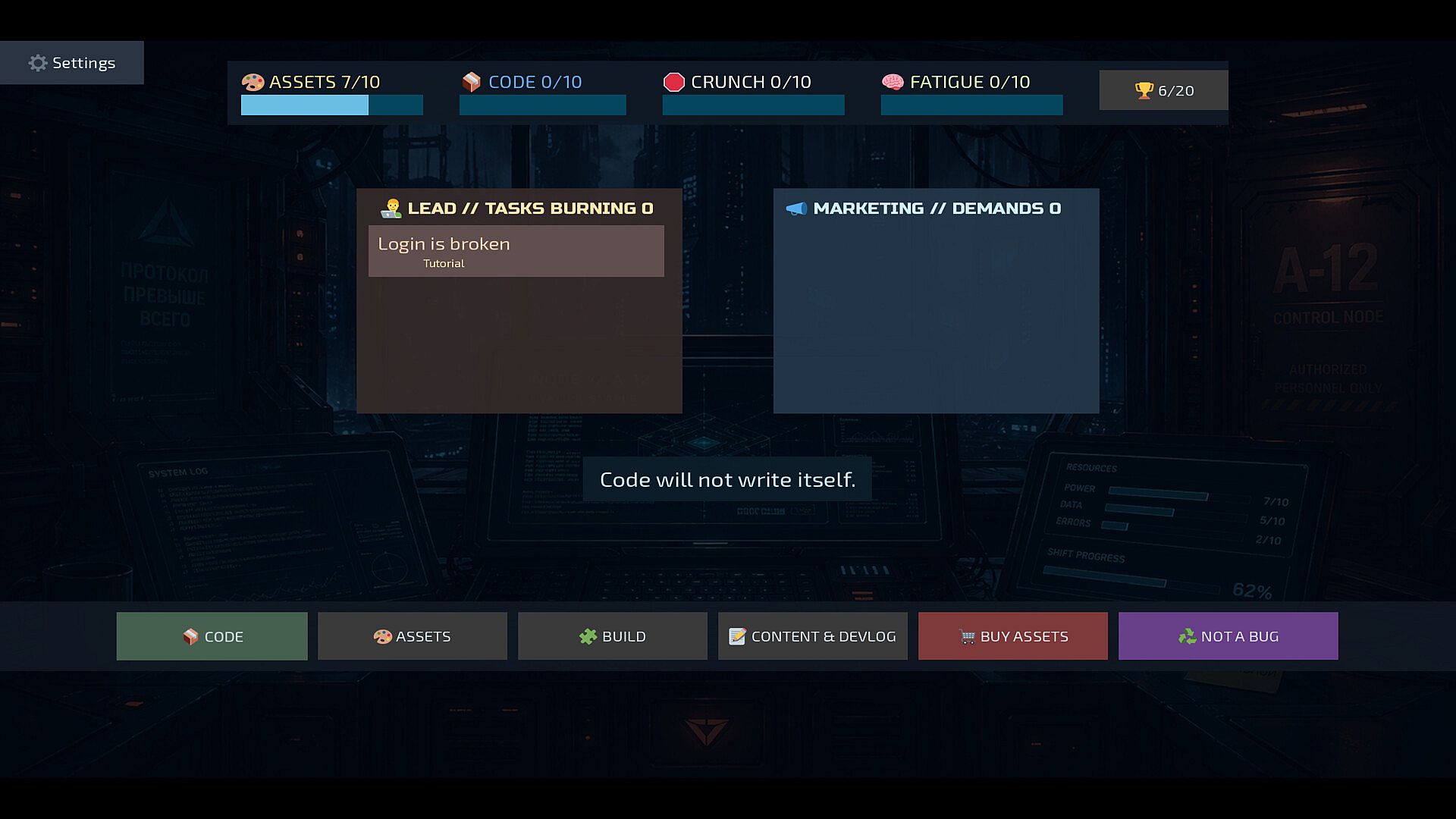
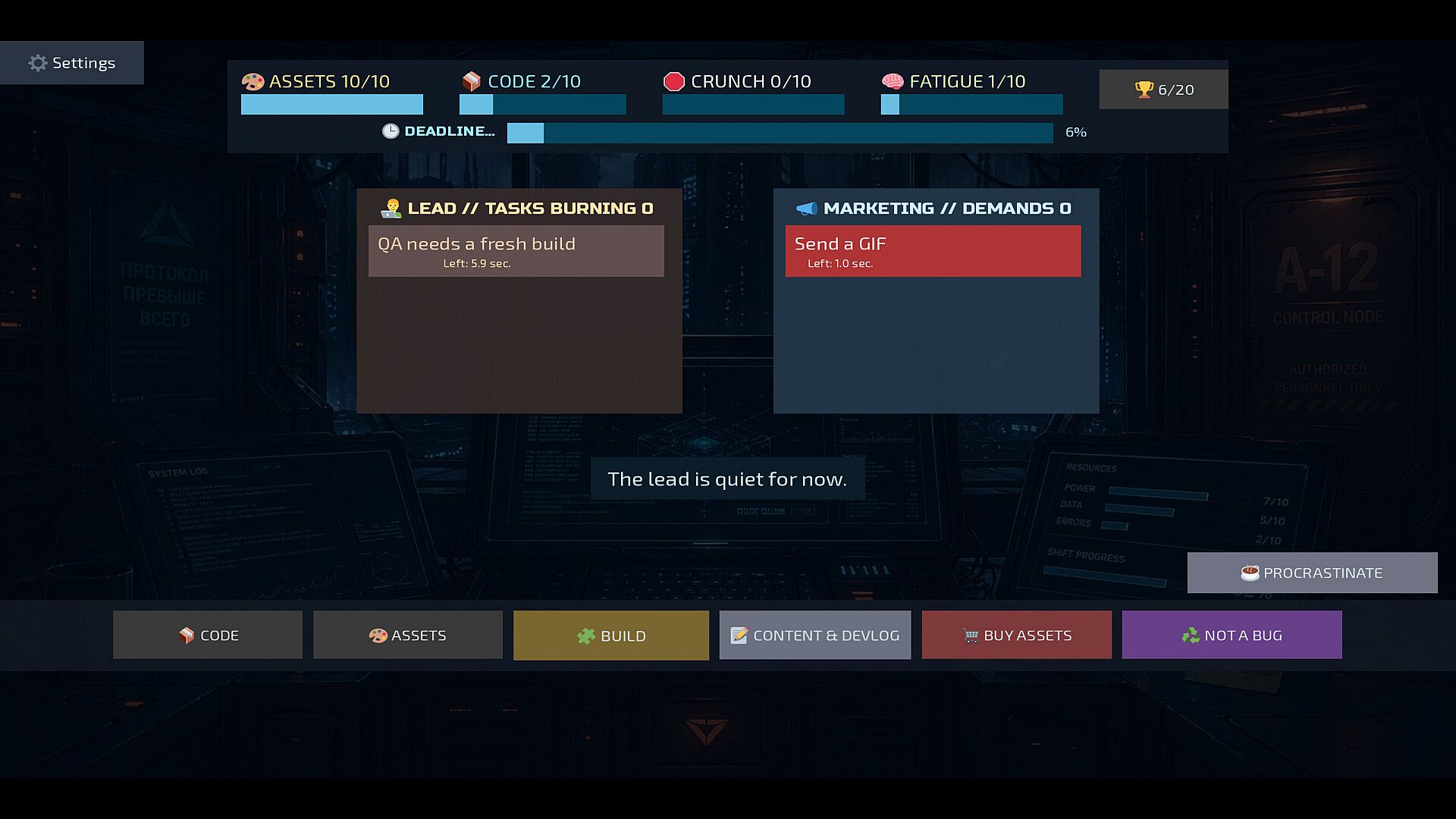
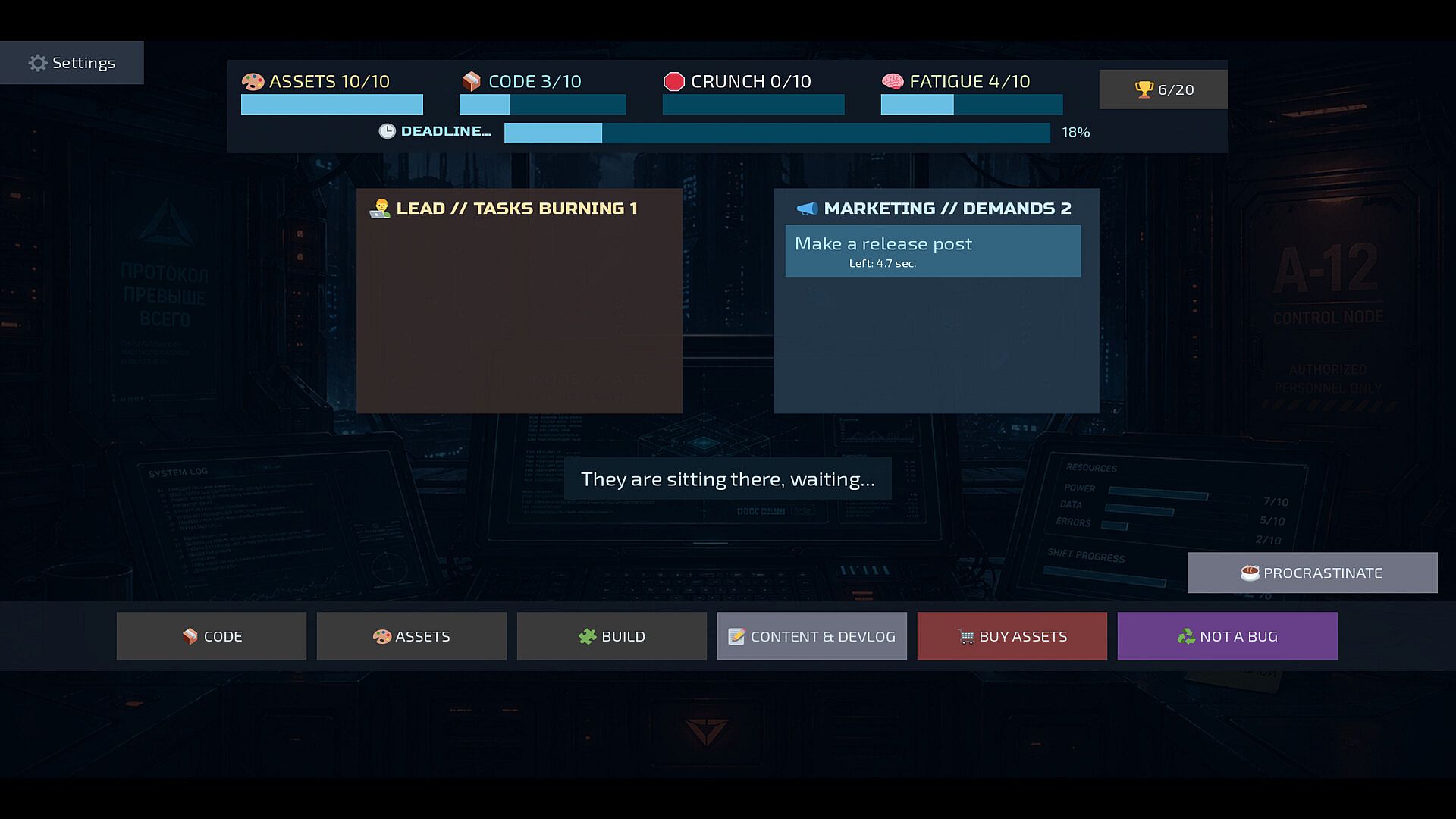
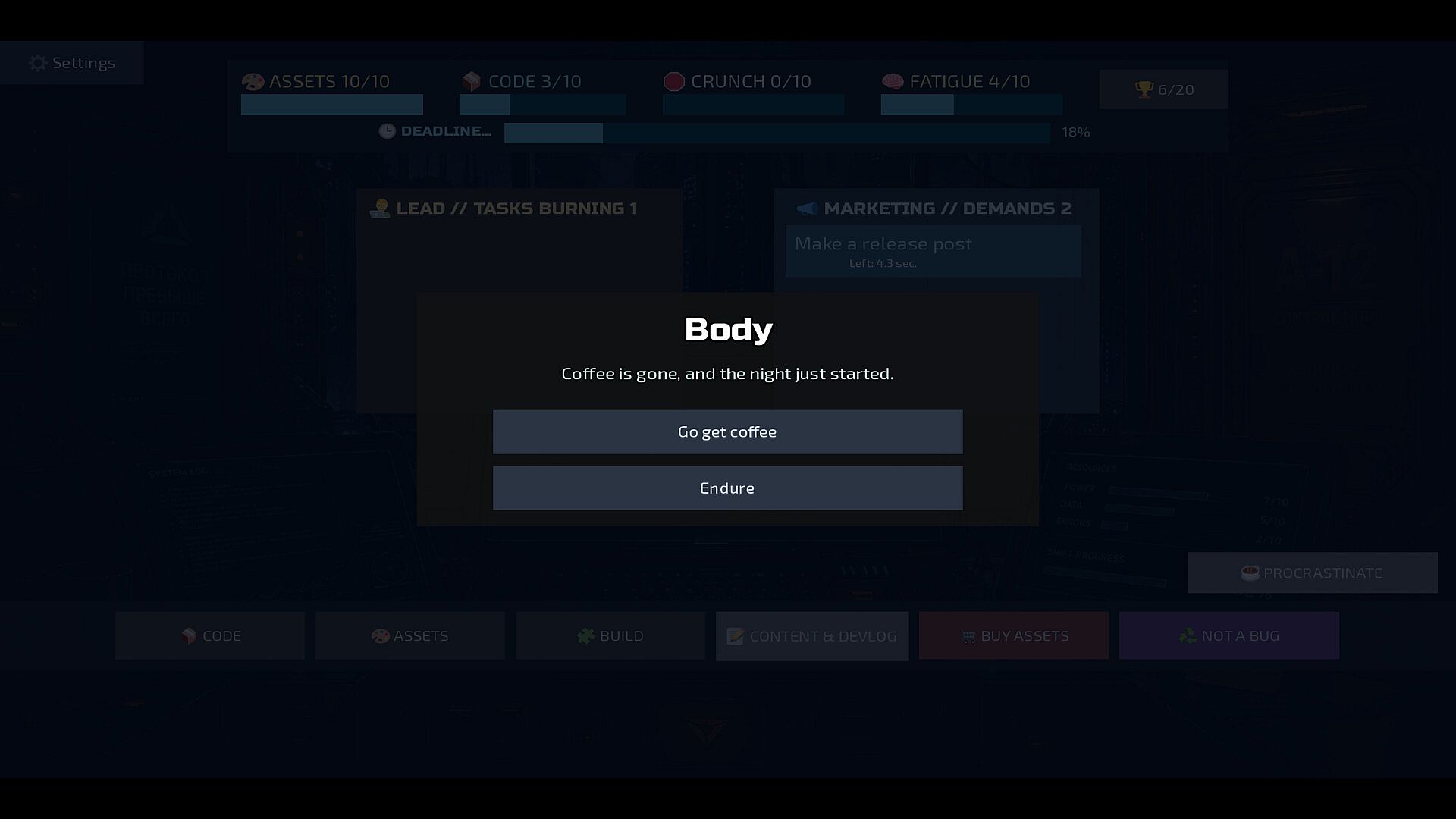
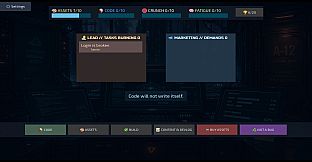
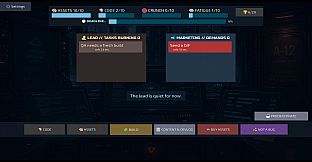
Il cuore del gioco sta nel gestire contemporaneamente diversi tipi di attività: correzioni di codice, raccolta di asset, riparazione di build e richieste di marketing si susseguono a ritmo serrato. Ogni compito ha un limite di tempo e ignorare quello giusto al momento sbagliato aumenta la pressione complessiva sulle risorse. Le sessioni brevi invitano a riprovare, con ogni run che propone una sequenza diversa di richieste, mettendo alla prova la capacità di decidere rapidamente e di stabilire le priorità.
La tensione cresce man mano che la data di lancio simulata si avvicina. Le risorse vanno mantenute in equilibrio mentre i glitch compaiono a intervalli casuali, trasformando una situazione gestibile in una reazione a catena di complicazioni. Il design punta sulle scelte immediate piuttosto che sulla pianificazione a lungo termine, rendendo ogni tentativo diverso anche dopo diverse partite.
Modalità di gioco
Il gioco è esclusivamente single-player, senza componenti multiplayer. Le run sono sessioni brevi e autonome che si azzerano al completamento o al fallimento, permettendo di ripartire da zero senza conservare progressi tra un tentativo e l'altro. Diversi livelli di difficoltà regolano la velocità di arrivo dei task, la frequenza dei glitch e la tolleranza agli errori, offrendo opzioni sia per chi si avvicina per la prima volta sia per chi cerca sfide più impegnative.
I glitch casuali rappresentano la principale fonte di varietà tra le run: alterano il comportamento dei task o introducono nuovi vincoli senza preavviso, garantendo che nessuna sessione si svolga esattamente allo stesso modo. L'obiettivo resta far arrivare il progetto al lancio, senza modalità o campagne separate con nomi propri.
Meccaniche principali
La gestione dei task è alla base del gioco e si articola in quattro categorie principali, ciascuna con un approccio diverso. I task di codice richiedono tempismo preciso, mentre quelli di marketing distolgono l'attenzione verso esigenze esterne. Build e asset aggiungono un livello di monitoraggio delle risorse che può complicarsi rapidamente se trascurato. Un errore in un'area aumenta la probabilità di problemi in altre, creando un effetto valanga che premia l'attenzione costante su tutti i fronti.
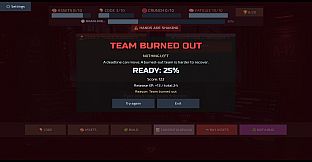
Il controllo delle risorse funge da livello secondario sotto la gestione dei task. Lasciare che una risorsa scenda troppo accelera il collasso del progetto, obbligando il giocatore a bilanciare guadagni immediati e stabilità futura. Il sistema è semplice da comprendere ma richiede una continua rivalutazione man mano che le condizioni cambiano.
Vale la pena giocarci?
Non è un bug si rivolge a chi apprezza un gameplay arcade rapido e decisionale in un contesto single-player. La struttura replayable e la tensione crescente piacciono a chi cerca sessioni brevi e intense, che premiano il riconoscimento di pattern e l'adattabilità. Il gioco è ancora in fase pre-release e non ha recensioni utente disponibili, quindi le aspettative vanno orientate sulle meccaniche descritte piuttosto che sul feedback della community.
Chi è attratto dai casual game che simulano ambienti di lavoro ad alta pressione troverà il ciclo di gioco accessibile ma impegnativo. Le diverse opzioni di difficoltà permettono una progressione graduale da run più semplici a quelle più severe, rendendolo adatto a sessioni ripetute senza richiedere impegni prolungati. Chi preferisce narrazione approfondita o campagne estese potrebbe trovare limitante l'attenzione esclusiva sulle meccaniche una volta esaurita la novità iniziale.