





North Relay is a single-player indie simulation horror game set during a tense night shift at a remote relay station. Players take the role of a security operator seated at a desk, monitoring the facility through CCTV feeds while handling communications and equipment issues. The experience emphasizes careful observation, resource management, and procedural tasks as an intruder approaches from the darkness outside.
Gameplay
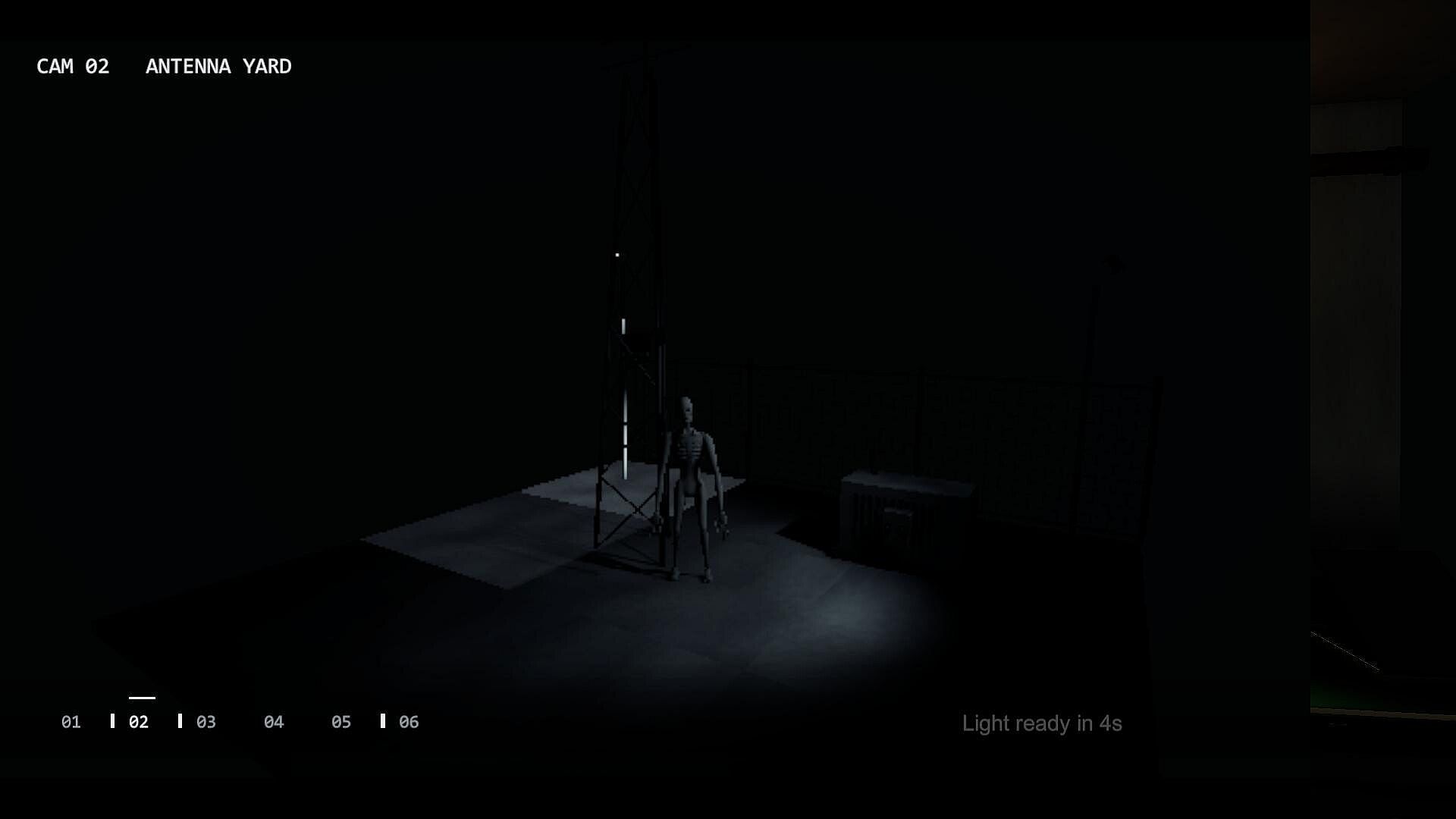
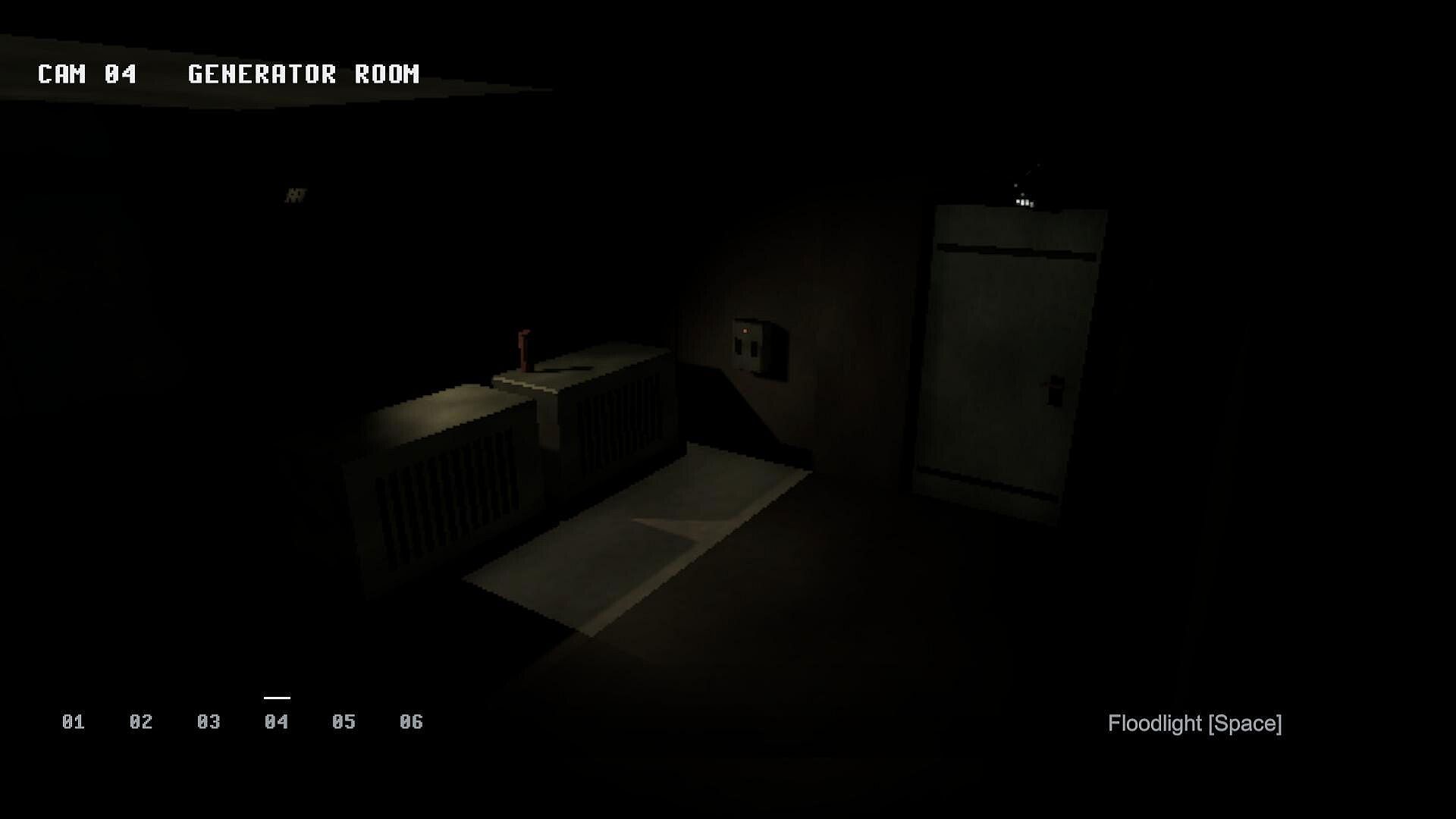
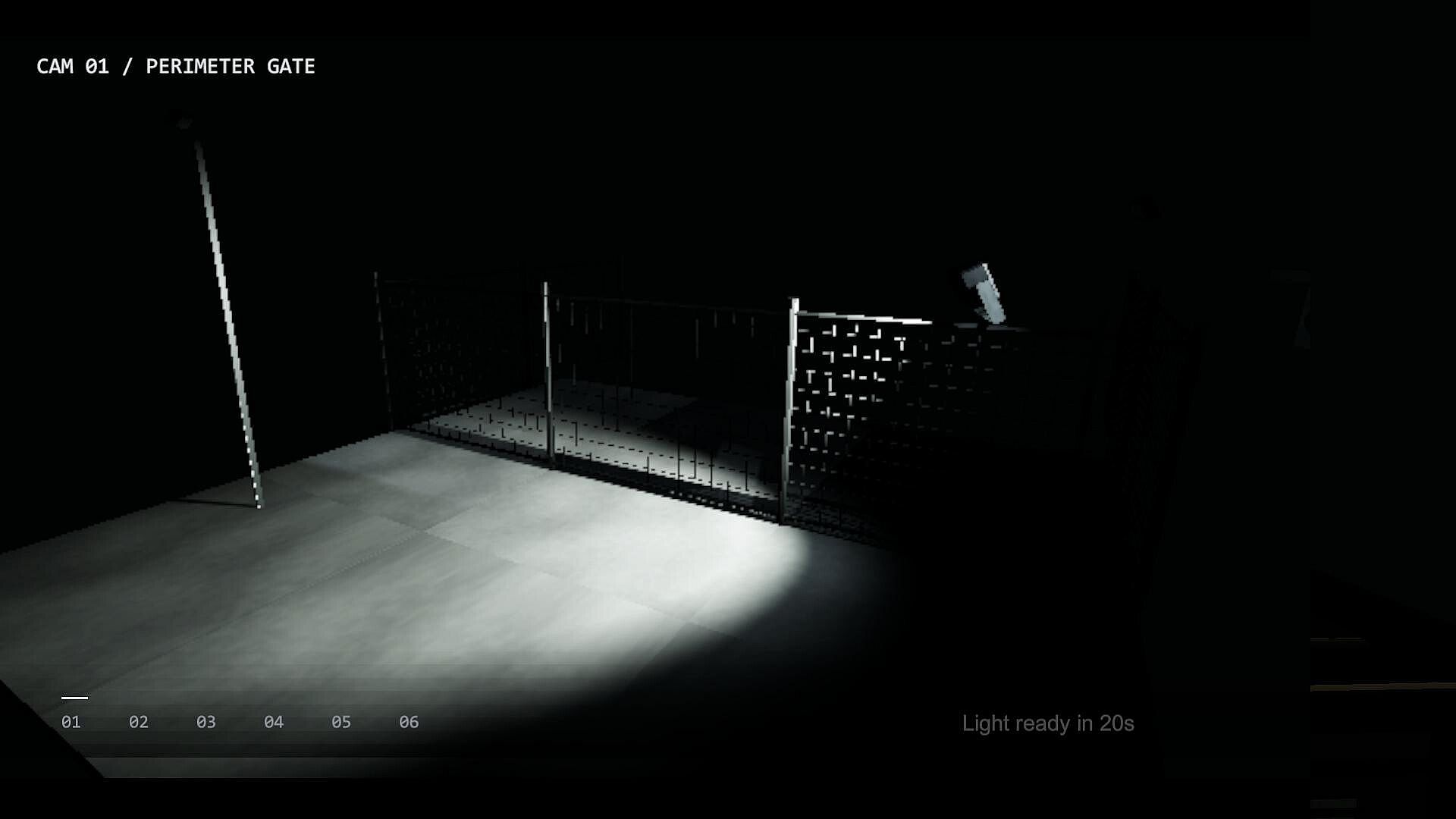
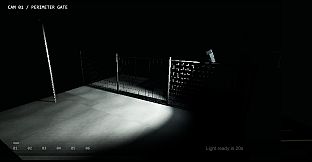
The core loop revolves around switching between six camera feeds that cover key areas including the gate, antenna yard, loading entrance, generator room, relay corridor, and security approach. An intruder moves along connected routes, and losing visual contact requires quick decisions on where to redirect attention next. Floodlights provide temporary deterrence but recover slowly after use, forcing players to weigh each activation carefully against the risk of leaving an area exposed.
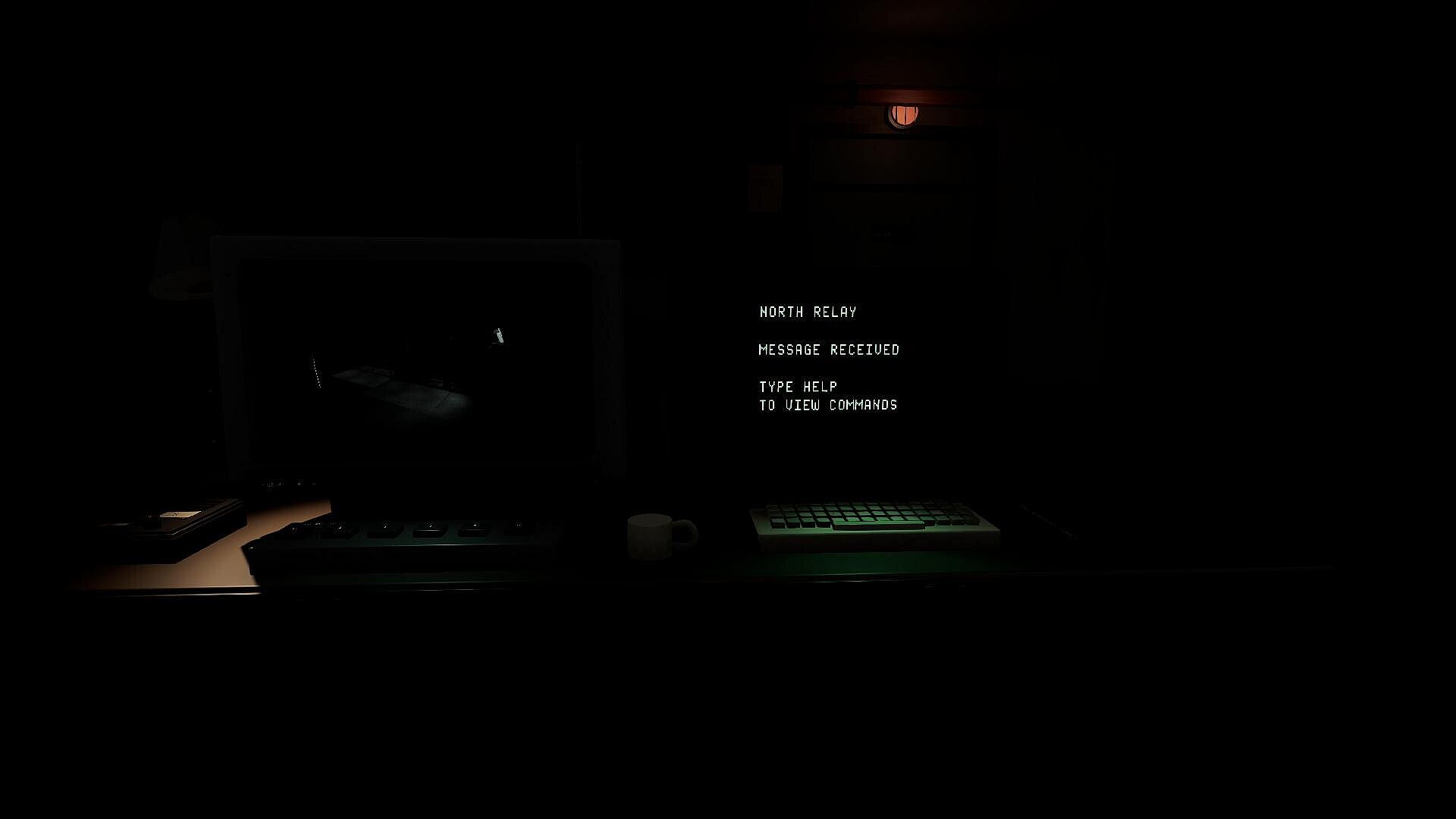
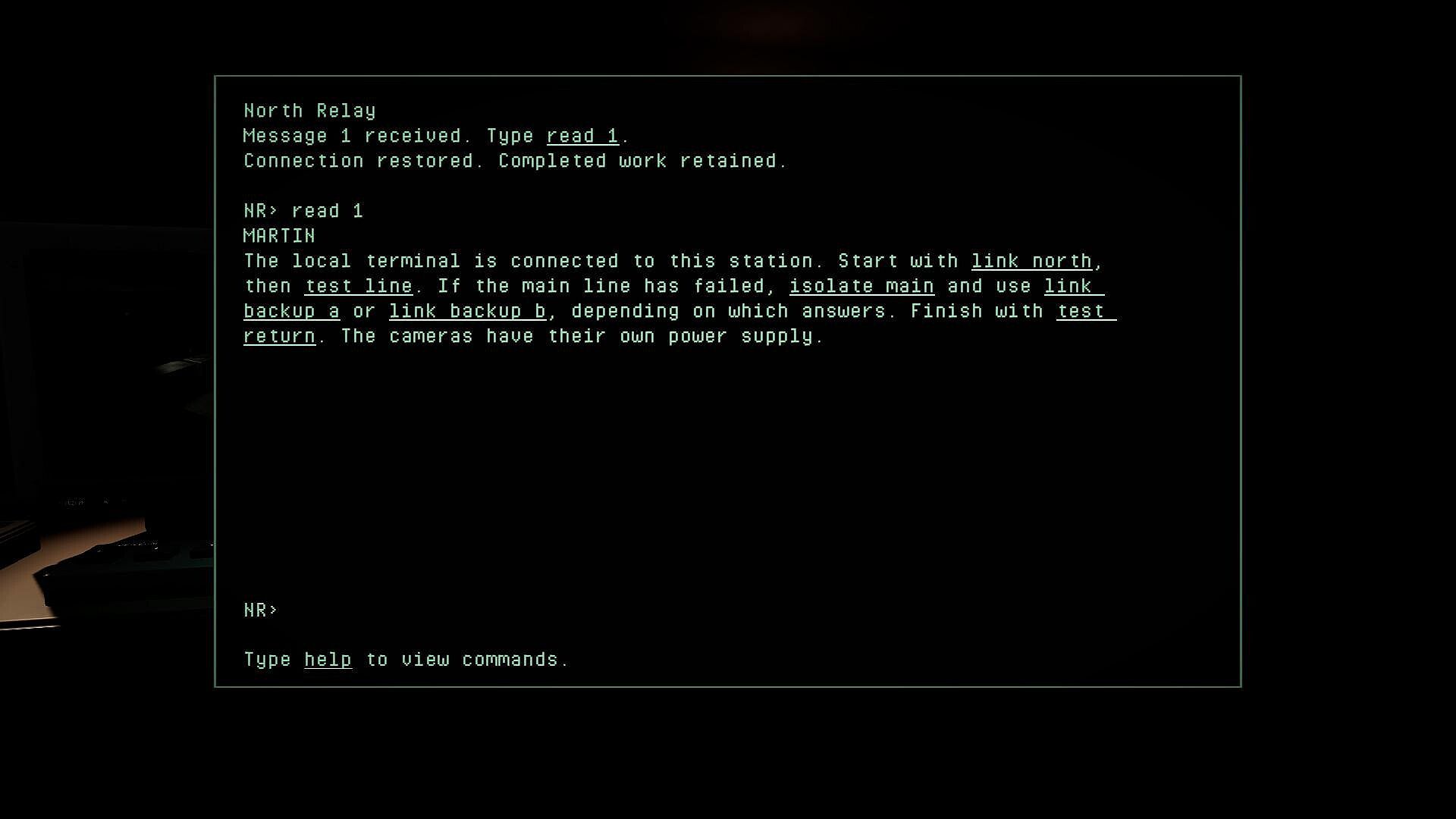
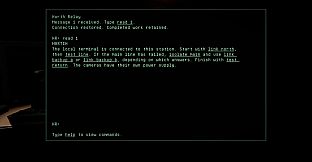
Alongside camera work, operators manage a command terminal to diagnose communication failures, route backup lines, review incoming messages, and request assistance. Procedures continue in real time, so typing or inspecting message sources can leave the station vulnerable. Not every transmission originates from the expected county office, adding a layer of verification before acting on replies. A recorded handover at the start outlines basic equipment checks and a key precaution to follow throughout the shift.
Checkpoints preserve progress on completed procedures during retries, allowing focus on refining camera timing and terminal decisions without repeating earlier steps. The seated first-person viewpoint keeps the player anchored to the desk, heightening the sense of isolation as events unfold across the feeds.
Game Modes
North Relay offers a single focused single-player experience without separate game modes or multiplayer options. The entire session unfolds as one continuous night shift built around the core systems of camera monitoring, floodlight deployment, and terminal operations. Checkpoints integrate directly into this structure to support repeated attempts at the same sequence of events.
Subtitles for speech, optional event captions, adjustable terminal text size, and reduced camera distortion settings allow customization for different play preferences while maintaining the core tension of the security-room perspective. Keyboard and mouse controls are required to handle the precise interactions across cameras and the terminal interface.
Key Mechanics and Features
Two connected approach routes for the intruder create branching paths that players must track across the camera network. Independent recovery times on the floodlights introduce strategic trade-offs, as premature or misplaced use can leave critical zones dark during later stages. The terminal requires active inspection of message sources and careful timing of requests, since transmission windows close and the intruder continues moving during these tasks.
Early gameplay establishes routine checks before the first signs of trouble appear, building familiarity with the station layout and controls. The short overall length keeps the focus tight on these interconnected systems rather than extended exploration or additional objectives.
Is It Worth Playing?
North Relay suits players who enjoy atmospheric, observation-driven horror with a strong emphasis on procedural tasks and limited resources. Its seated first-person design and short duration make it accessible for a single focused session, while the checkpoint system supports refinement of strategies around camera switching and light management. Those drawn to indie simulation titles that blend tension with straightforward mechanics will find the experience aligns closely with its described systems of monitoring, verification, and holding position until help arrives. The absence of extraneous features keeps the attention on the core loop of watching approaches and maintaining security protocols.












