

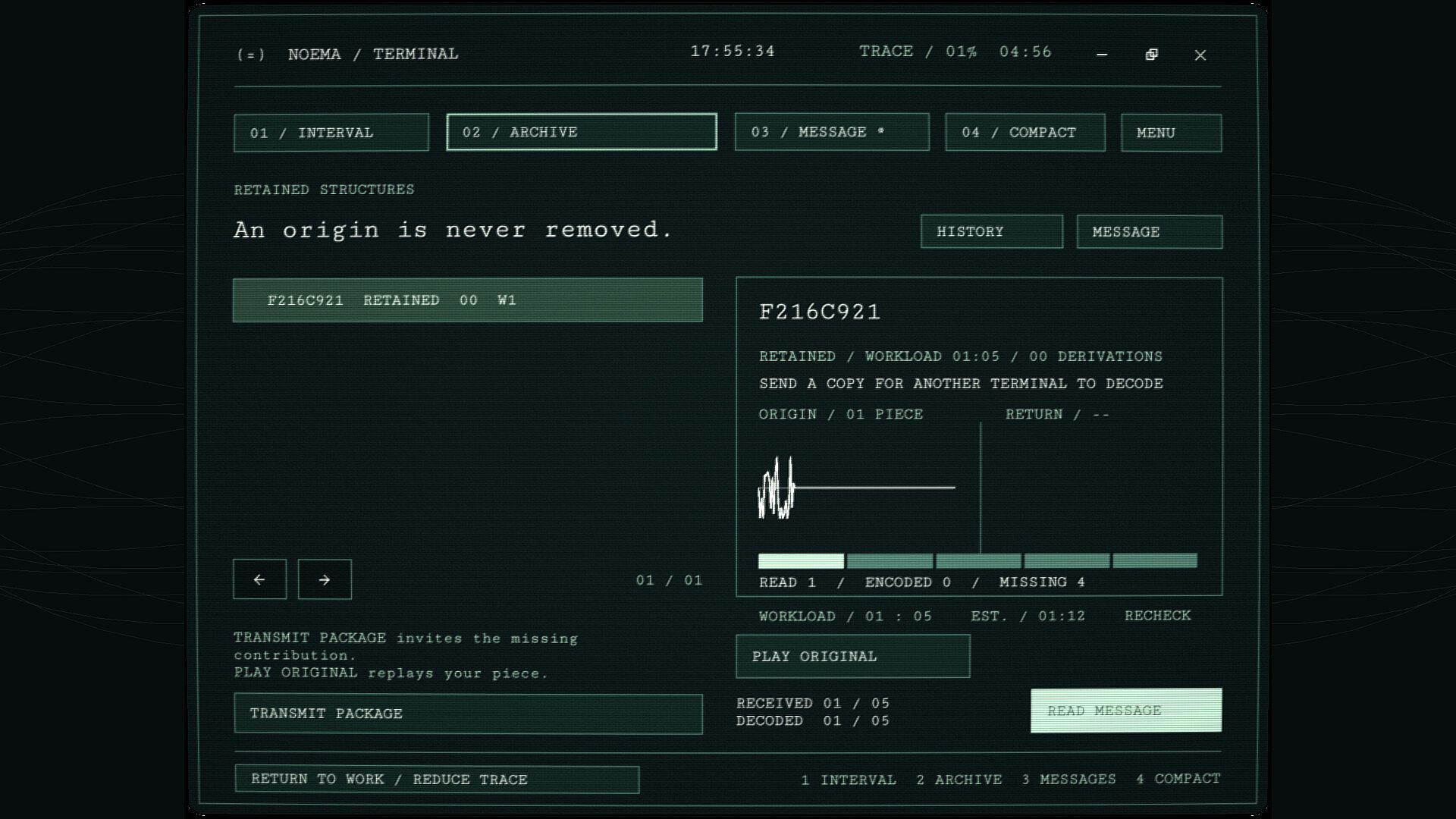
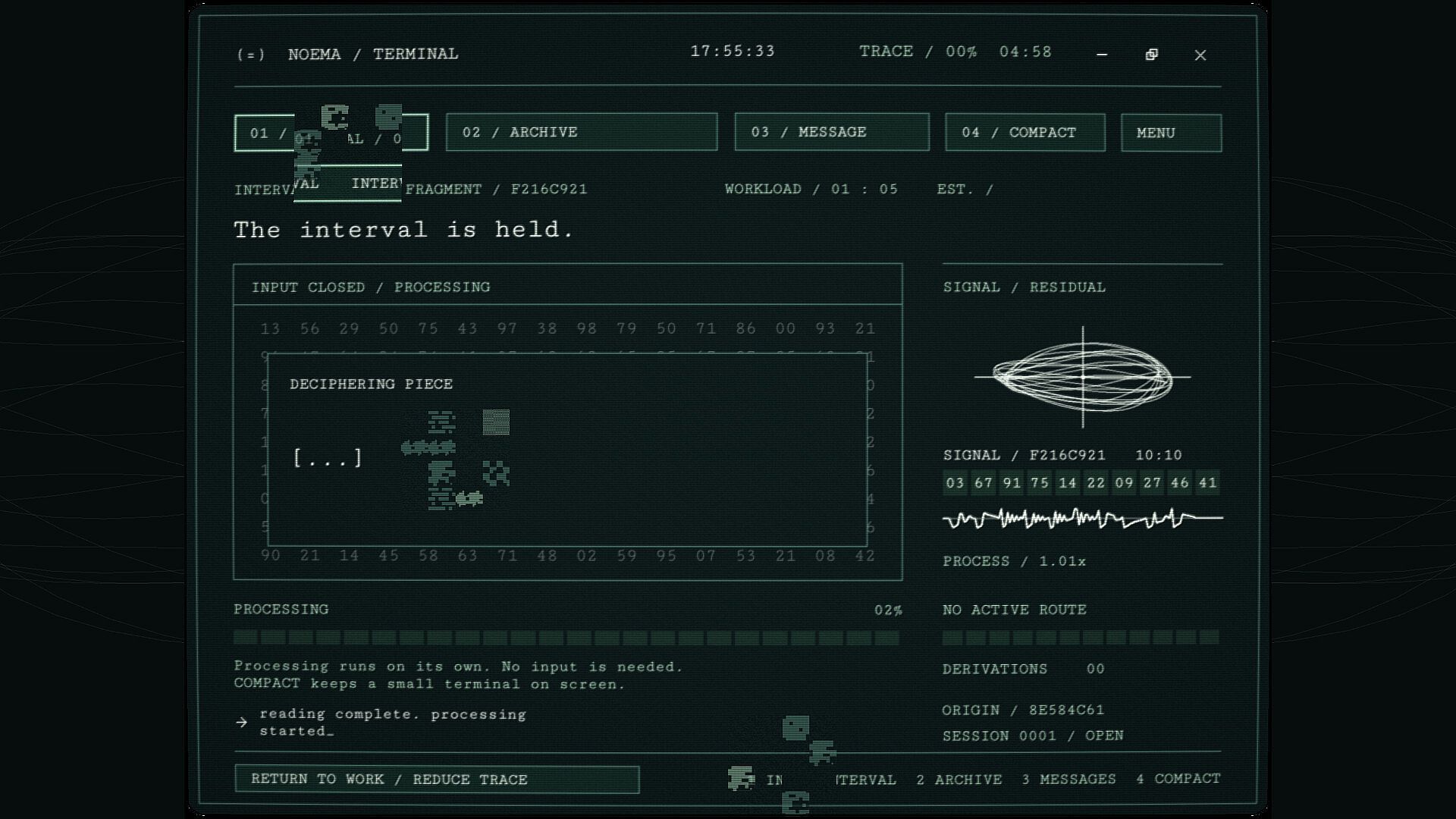
NOEMA is an indie casual narrative game for PC that unfolds entirely through a simulated computer terminal. Players step into the role of an operator handling routine assignments while encountering unexpected messages that hint at deeper themes of work, obedience, and human connection.
Gameplay
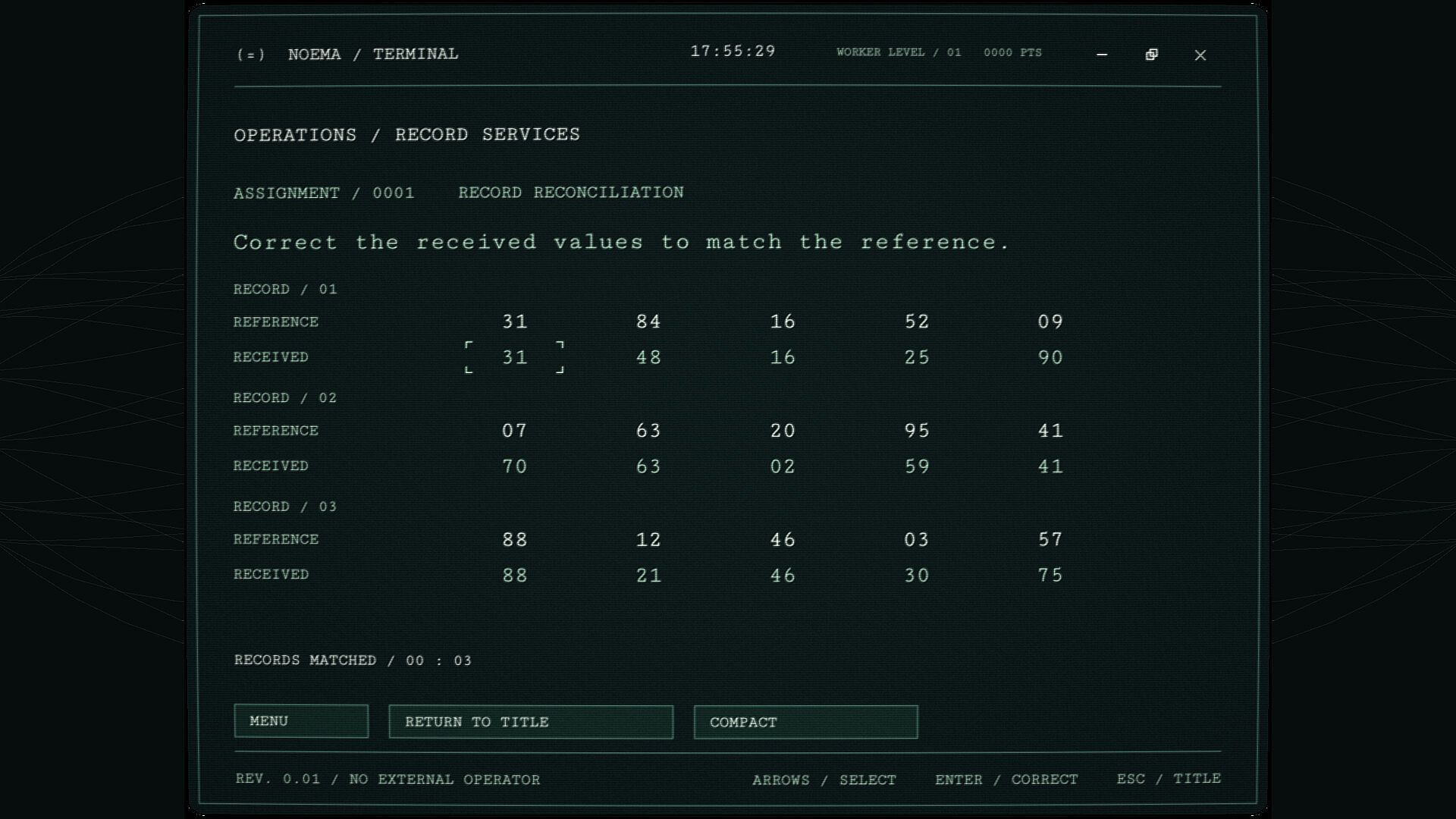
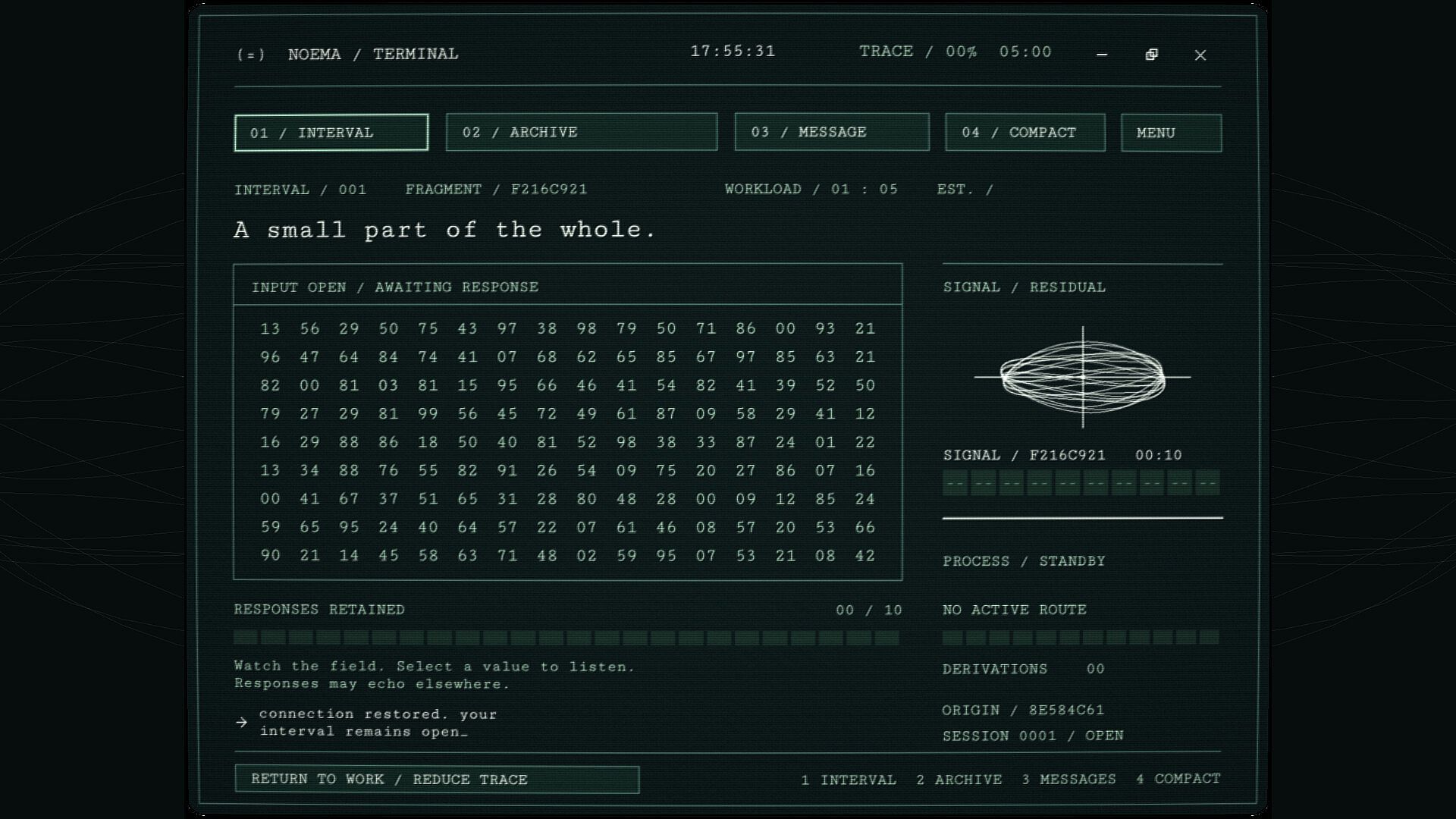
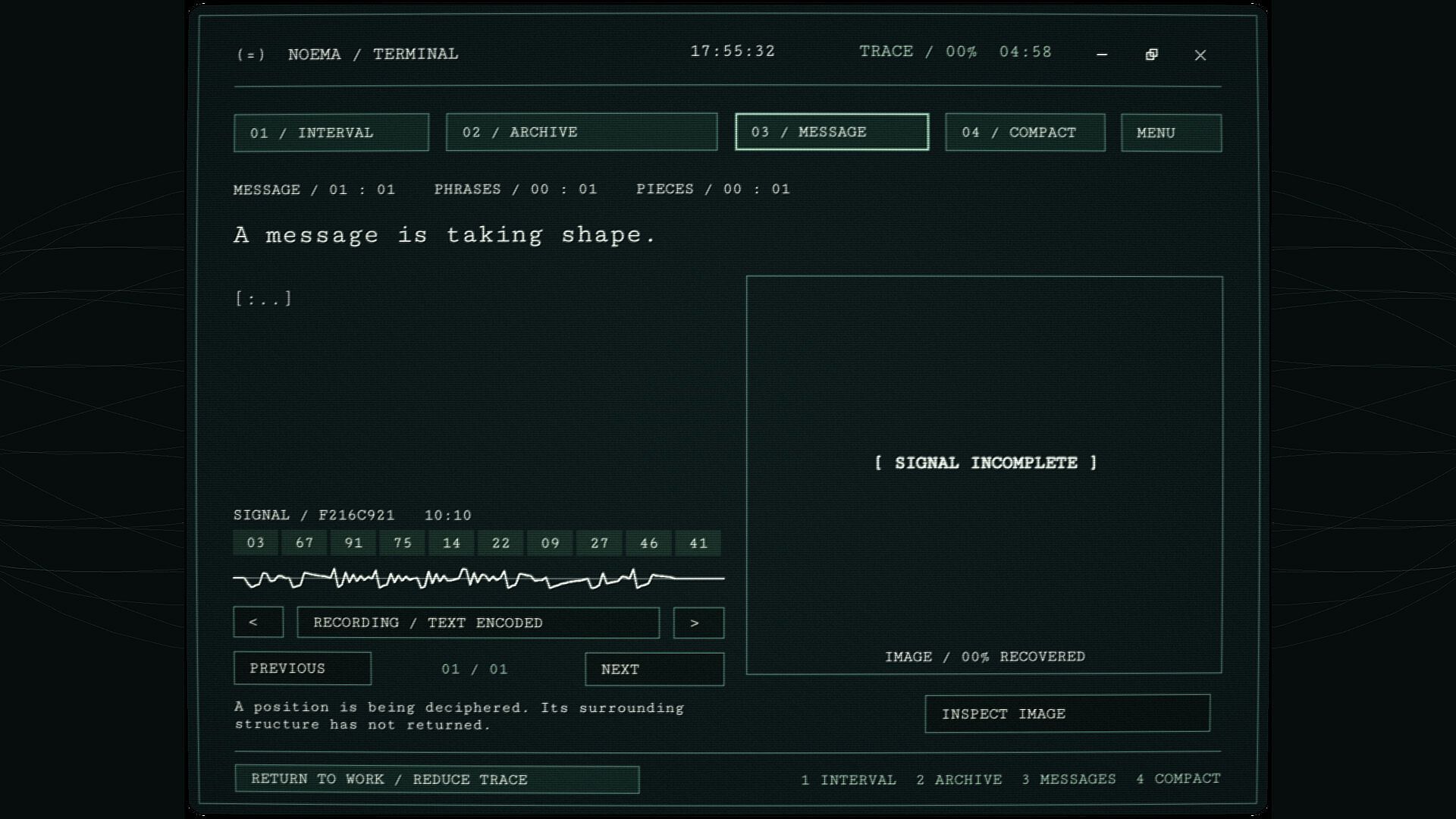
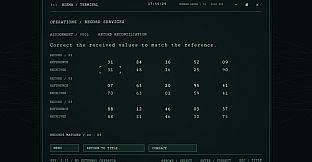
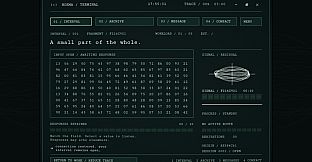
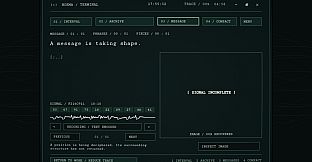
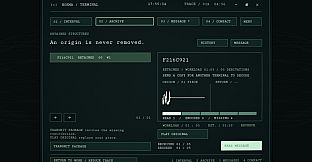
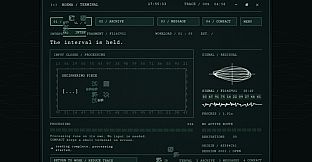
The core loop centers on terminal procedures. Assignments involve reconciling records and processing signals to keep the system running smoothly. Completing these tasks earns points that affirm steady performance. Interspersed with this routine are recovered messages unrelated to official duties. Players read signals, spot patterns, and piece together fragments of text. Each passage adds layers to consider, gradually revealing more of a larger image.
Attention to detail matters. Some elements may echo familiar experiences, encouraging close reading over rushed completion. The experience remains quiet and deliberate, with audiovisual anomalies occasionally interrupting the interface. Familiar text can shift, and lingering sounds appear where silence is expected. These moments heighten the unsettling tone without overt action or combat.
Signal decoding activities integrate directly into the narrative flow. Players retain found elements or choose to return focus to standard work. The terminal itself evolves in subtle ways, reinforcing a sense of an active, watchful system.
Game Modes
Connected mode introduces optional asynchronous multiplayer. Operators share packages with unseen participants, allowing fragments of messages to be uncovered through collective effort. No direct conversation occurs, only the exchange of passed-along content. This setup lets individual work contribute to others' progress without requiring simultaneous play.
Offline mode delivers the full narrative using simulated operators to handle package transfers between terminals. It provides a complete singleplayer experience that mirrors the connected version's structure while remaining self-contained. Both modes support the same underlying activities of record reconciliation and message reconstruction.
Controller support extends to desktop setups and Steam Deck, with layouts optimized for each. The design accommodates varied play sessions, whether focused on steady assignments or deeper exploration of recovered content.
Narrative and Themes
The story emerges through fragmented messages and a slowly assembling image. Themes of obedience and connection surface as players encounter content that challenges routine acceptance. The terminal environment frames these ideas, presenting work as both necessary and potentially limiting. Reconstructed passages encourage reflection on what the system demands versus what remains unspoken.
Progression ties directly to engagement with these elements. Deviating from assignments draws notice, while sharing packages raises exposure. Choices about retention or return influence the unfolding experience without branching into separate endings.
Is It Worth Playing?
NOEMA suits players seeking a contemplative indie experience centered on text, patterns, and atmosphere rather than action or competition. Its terminal interface and optional asynchronous elements distinguish it from typical narrative titles. The offline option ensures accessibility for those preferring a solitary playthrough, while connected features add a layer of indirect collaboration for others.
Those drawn to deliberate pacing, signal-based mechanics, and themes of work and connection will find consistent depth in the provided systems. The casual genre classification aligns with its accessible controls and focused scope, making it approachable for shorter or extended sessions on PC.