

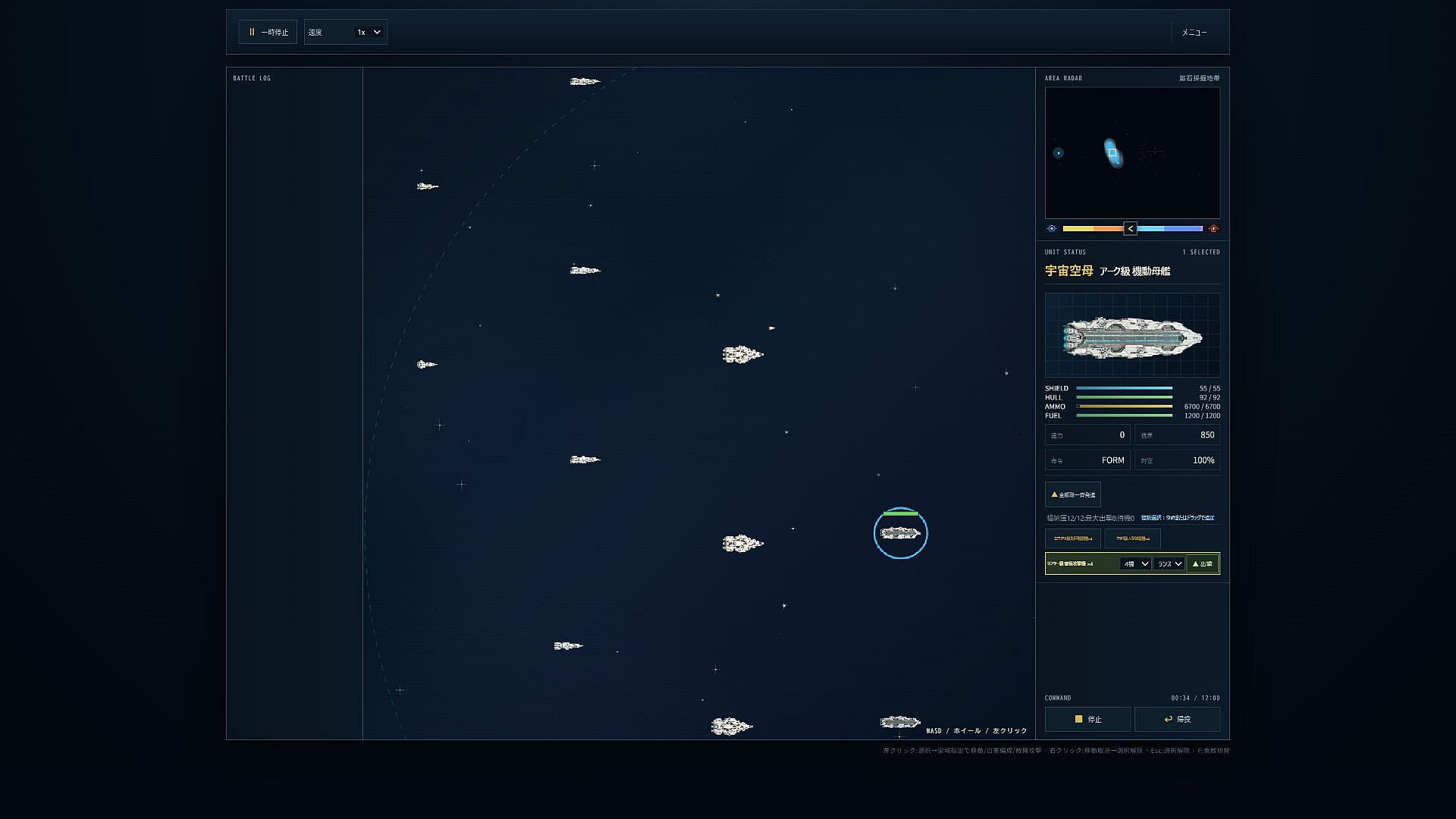
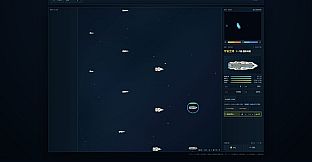


Nebula Blink is a real-time strategy game focused on space-fleet tactics for PC. Players command formations of warships, carriers, strike craft and orbital installations in a campaign that unfolds across a galactic conflict. The core loop centers on precise positioning, line-of-sight firing arcs and persistent damage effects rather than simple unit stacking or resource spam.
Gameplay
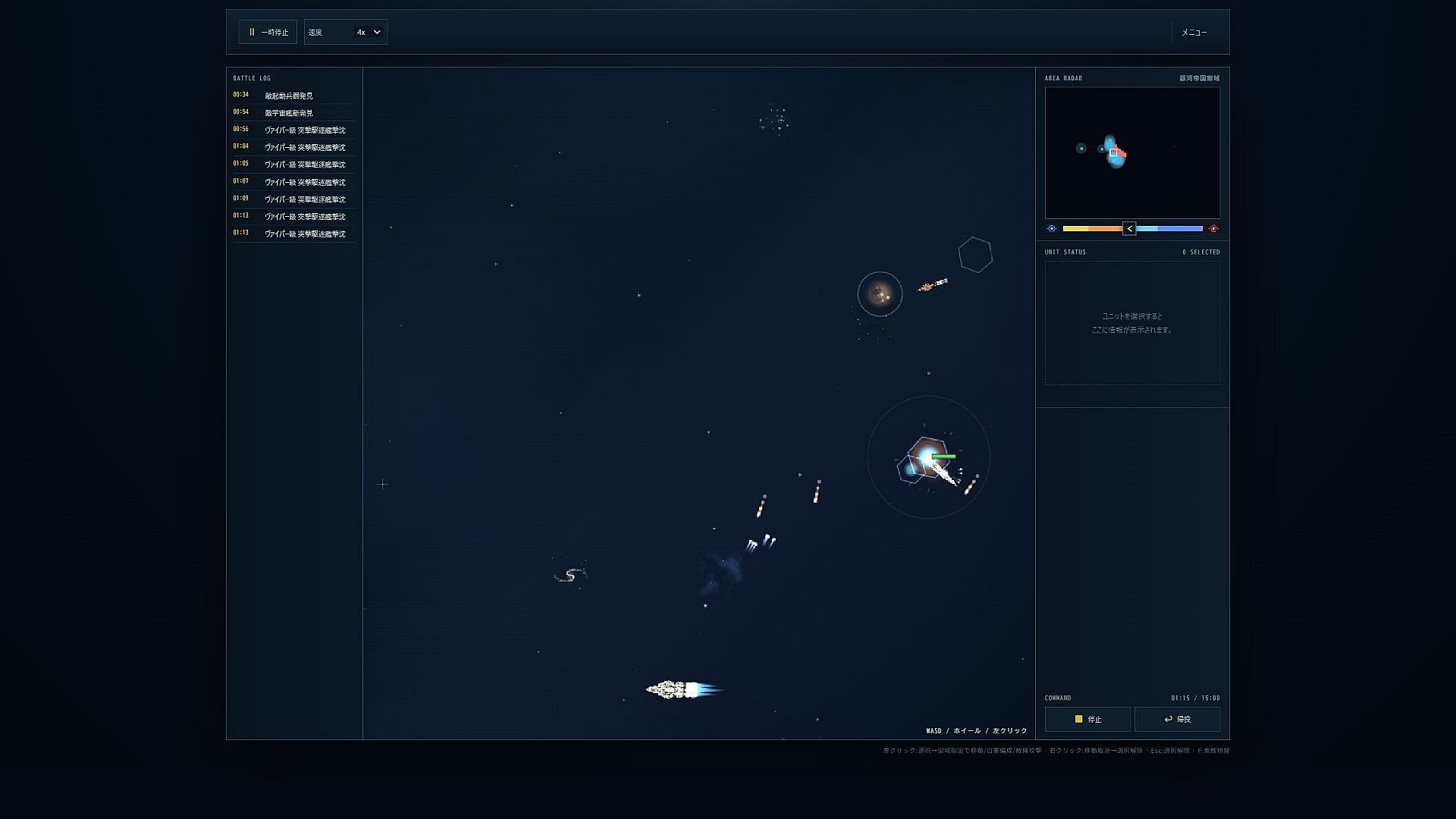
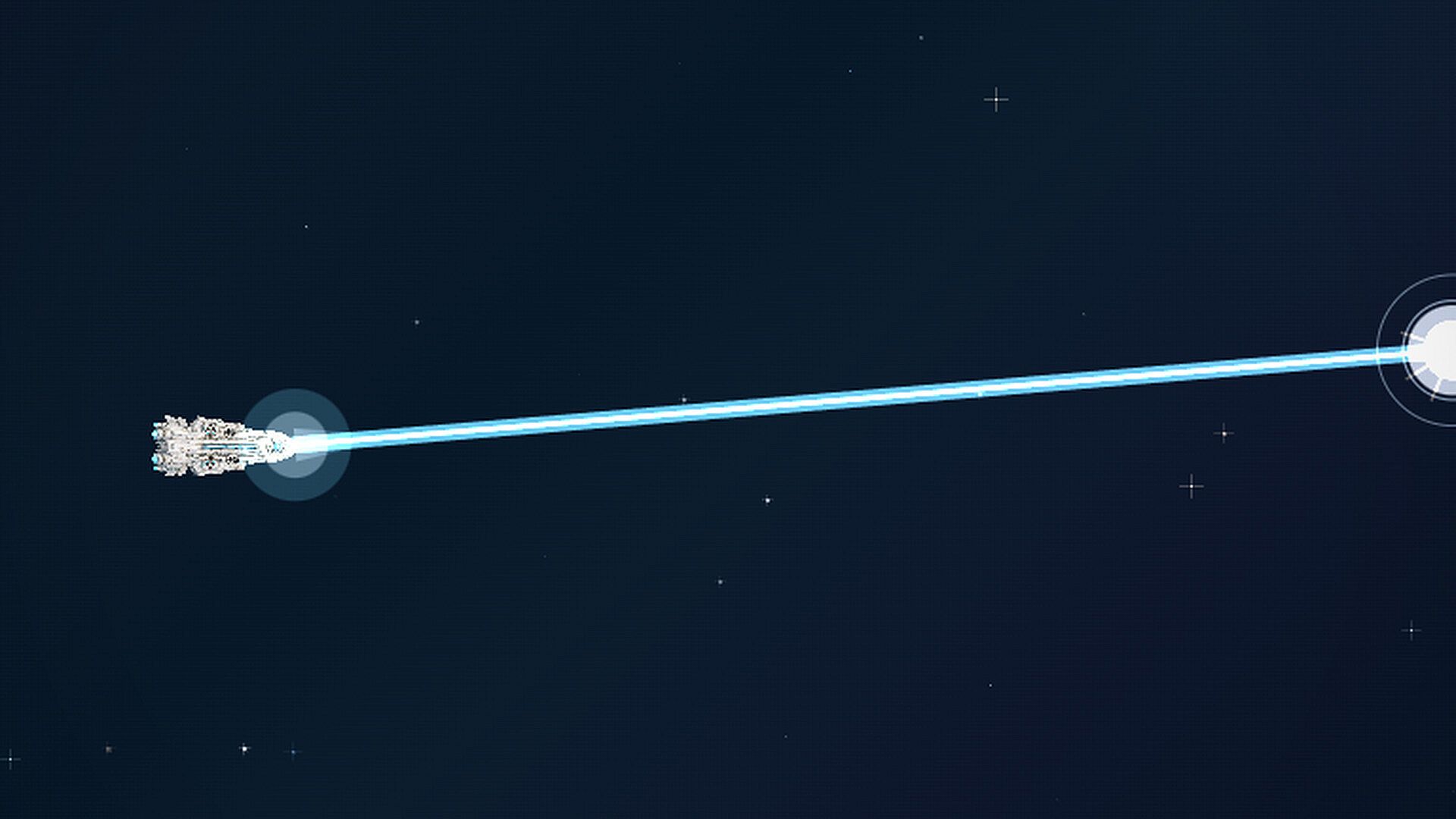
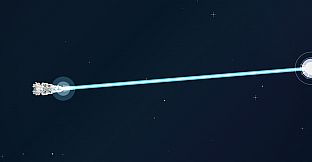
Command decisions revolve around maintaining formation integrity while adapting to enemy movements and terrain. Selecting multiple ships keeps their relative spacing around a lead vessel, allowing players to hold battle lines, split forces for flanking or concentrate firepower for breakthroughs. Each weapon type imposes strict heading requirements: broadside launchers need side-on angles, point-defense turrets cover all directions and spinal beams demand a direct forward alignment.
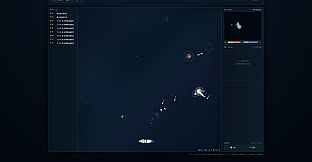
Visibility and sensor data play a central role. Radar returns, fog of war and contact records influence targeting as much as direct cursor commands. Terrain alters outcomes across ten distinct types, including deep space, plasma belts, asteroid fields, dark nebula masses, fortress walls and plasma streams. These features can slow vessels, reduce accuracy, block projectiles or physically displace ships and incoming fire.
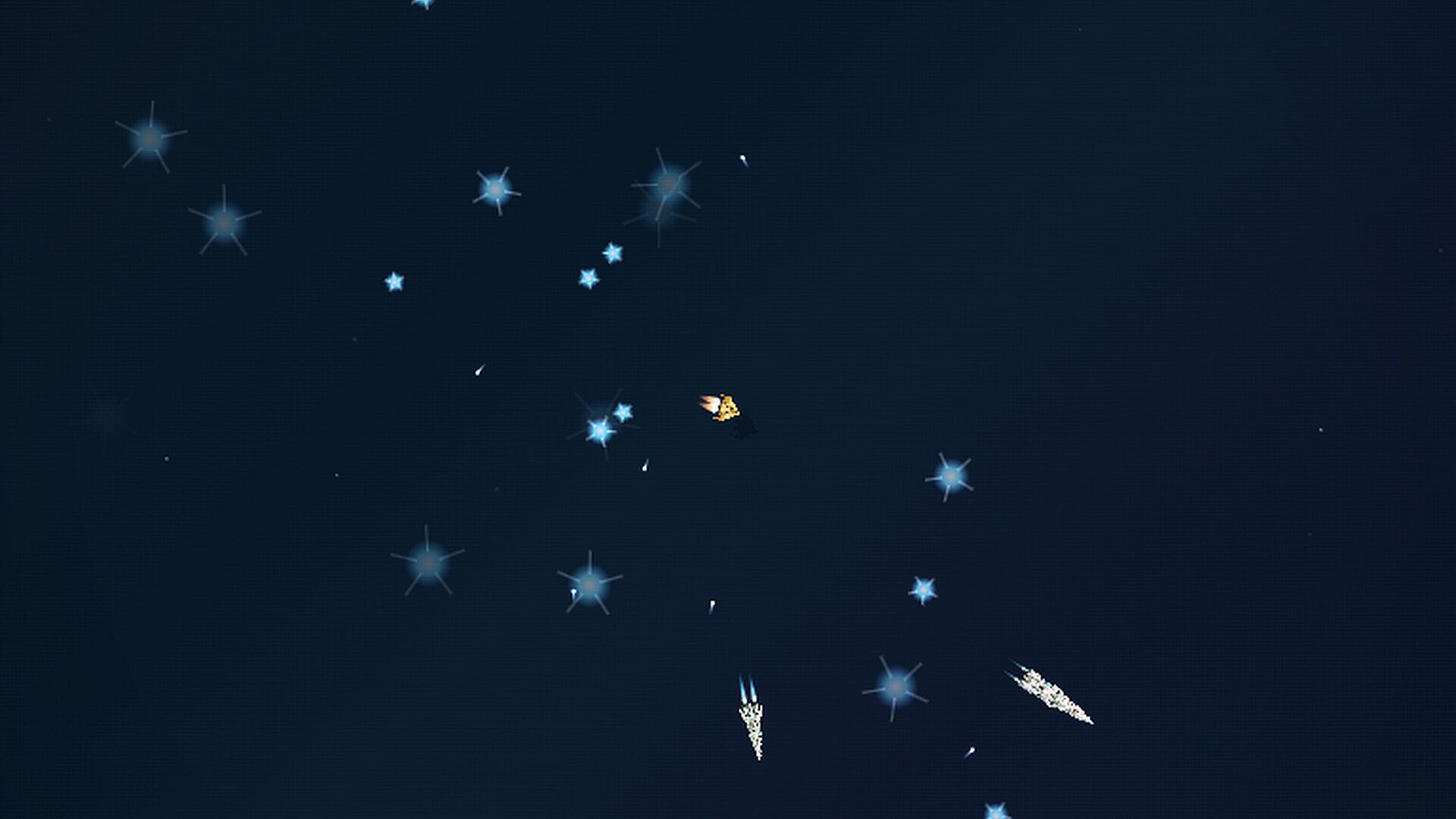
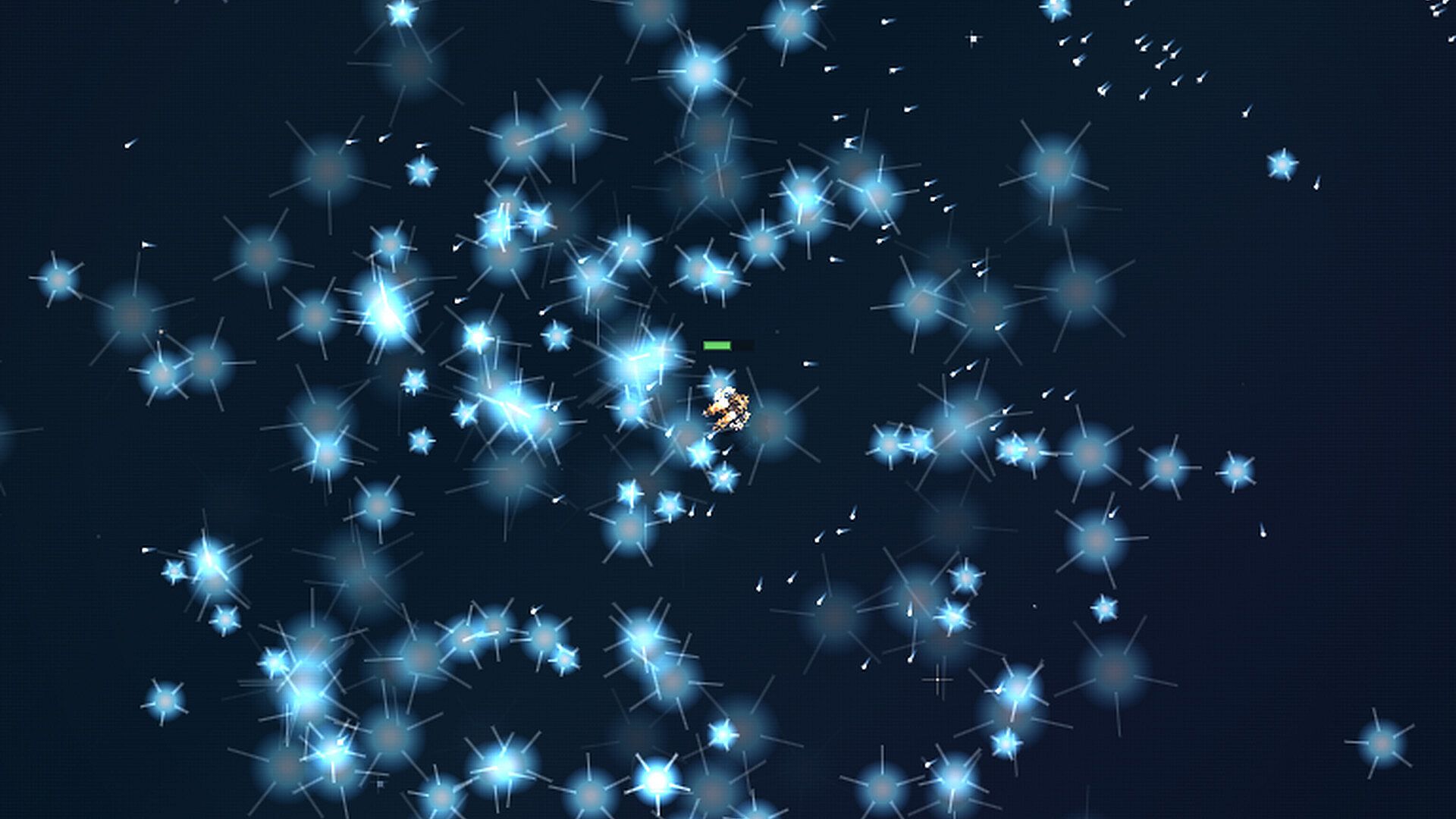
Damage carries lasting consequences. Fires reduce reload speeds, fuel leaks cut aircraft endurance, disabled flight decks halt launches and destroyed mounts remove weapons entirely. Accumulated speed loss can bring a ship to a complete stop. Carriers and orbital fortresses manage three categories of strike craft: space-superiority fighters, humanoid assault craft and lance or bomb attackers. Loadout changes require maintenance time, forcing commitment before waves launch.
Game Modes
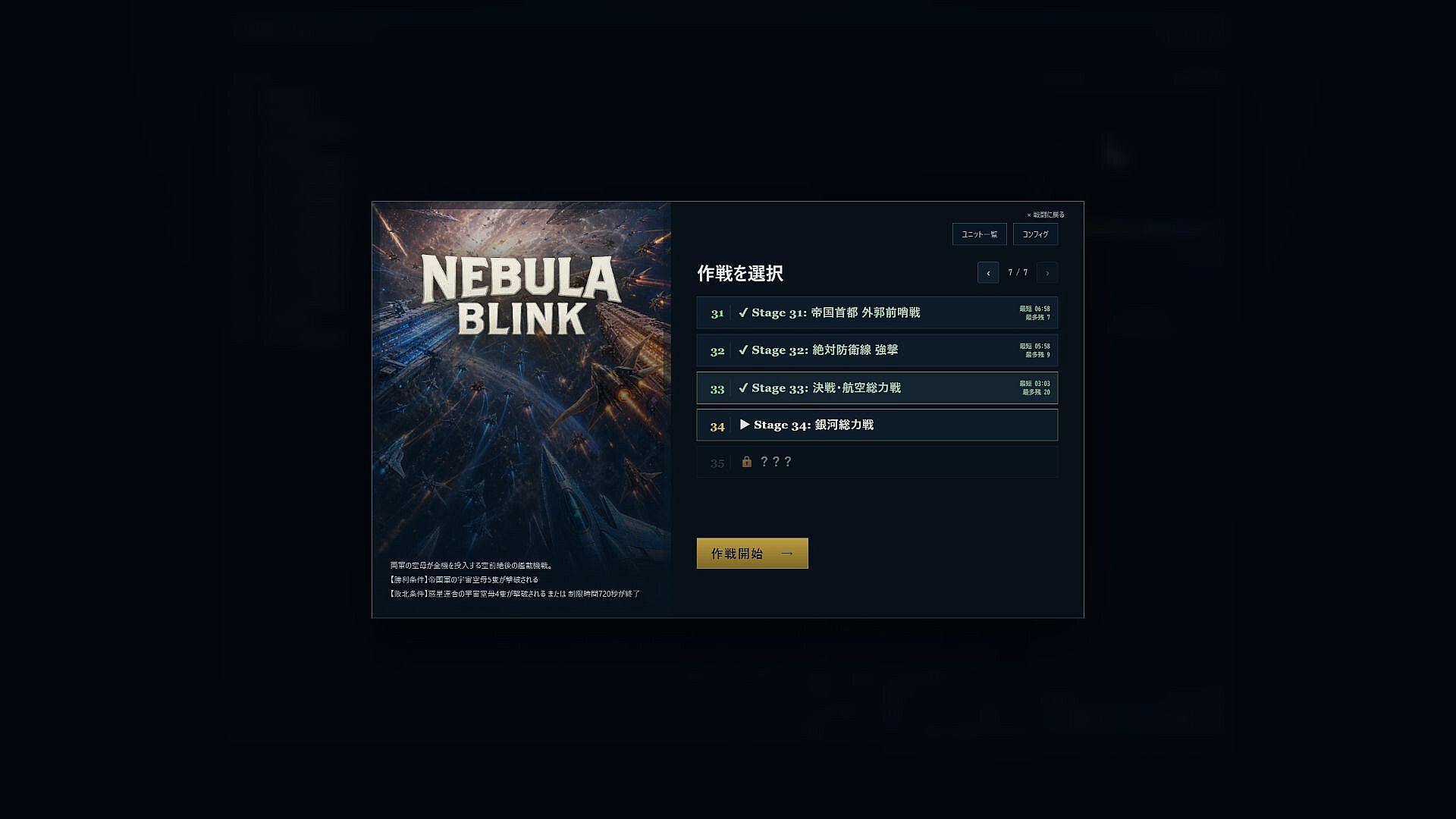
The primary experience is a 35-operation single-player campaign. The first five operations function as guided tutorials. Completing the full campaign as the Planetary Union unlocks the Galactic Empire side, which features its own progression, briefings and unit roster. Each faction fields 16 distinct unit types covering warships, support vessels, facilities and strike craft.
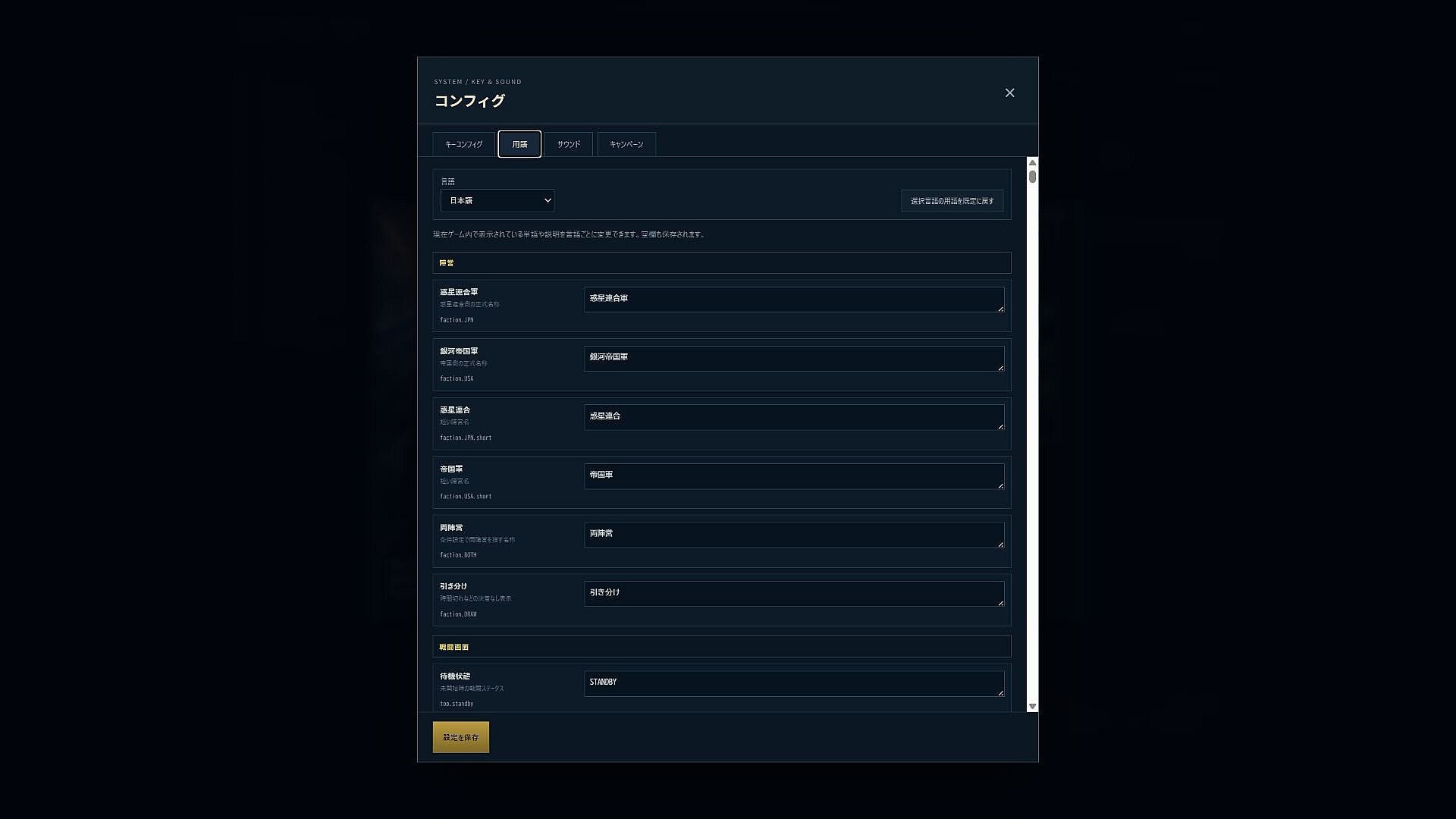
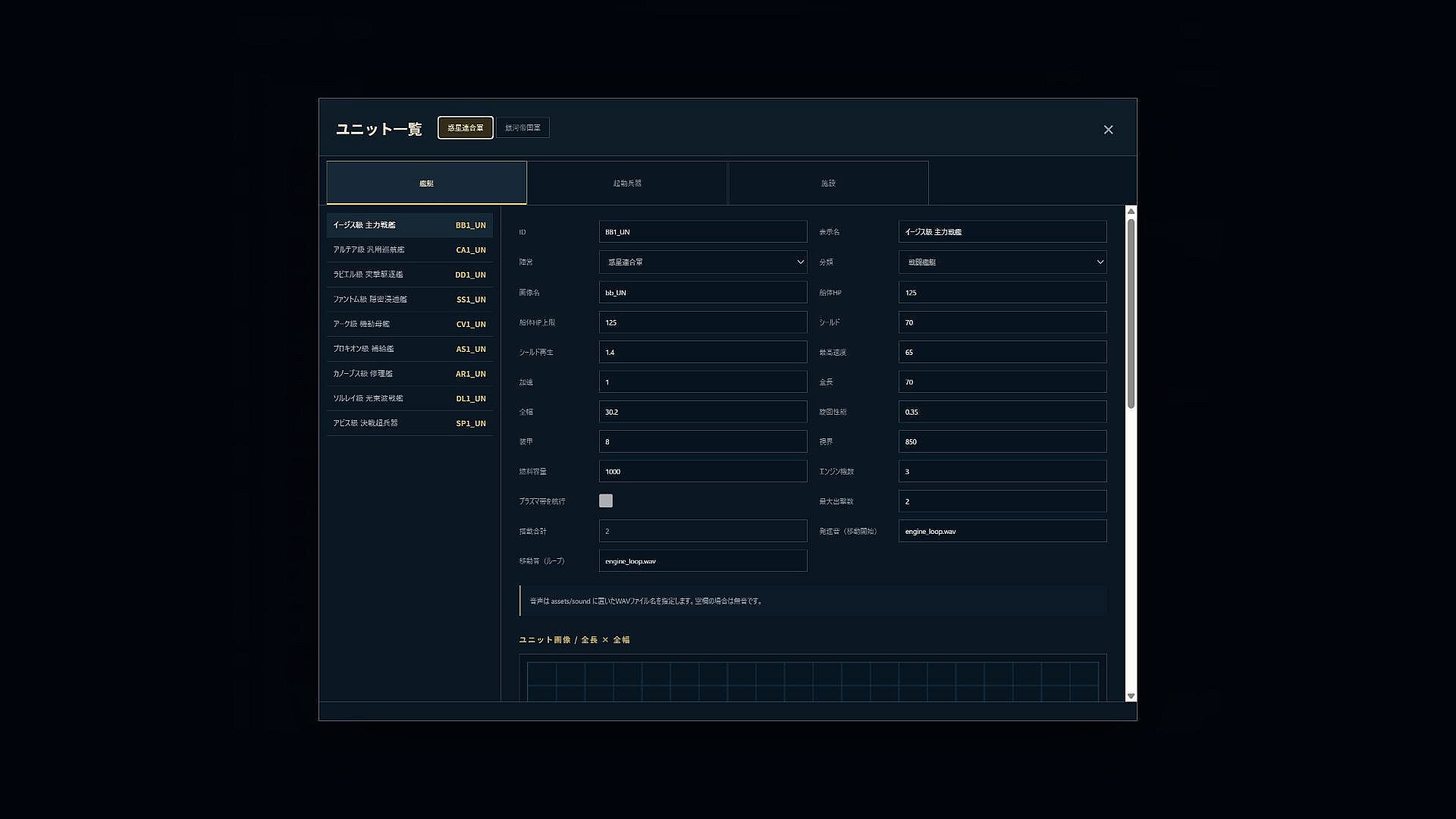
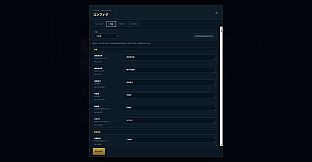
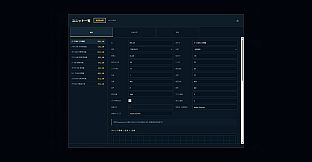
After finishing both campaigns, post-campaign creation tools become available. The Unit Arsenal allows editing of hull, shield, speed, turn rate, armor, visibility, hangars, weapon statistics, firing arcs and mount positions. The Scenario Editor supports painting a 360 by 270 sector grid, placing opposing fleets and setting victory conditions, time limits and reinforcements. Terminology dictionaries for Japanese, English and Italian can also be customized through the configuration menu.
Campaign Structure and Factions
The campaign spans 35 operations fought from opposing sides of the same war. Planetary Union forces emphasize certain doctrinal approaches while the Galactic Empire brings alternate unit capabilities and mission framing. Both sides operate within the same terrain and physics rules, but their 16-unit rosters differ in composition and emphasis. Replay value stems from experiencing the identical sequence of operations through the second faction's perspective rather than from additional separate modes.
Technical Details and Accessibility
The game targets Windows 10 or 11 systems with a minimum 1280 by 720 resolution and HTML5 Canvas support. It runs as a single-player title with no network multiplayer component included. Production incorporated AI-assisted tools, and purchasers retain rights to create and distribute modifications under their own responsibility while preserving original copyright.
Is It Worth Playing?
Nebula Blink suits players who enjoy deliberate, formation-based tactics where every heading and terrain interaction carries weight. The persistent damage model and carrier management layer add depth beyond standard real-time strategy fare. Those seeking quick matches or competitive multiplayer will find the experience limited to its campaign and editor tools. The dual-faction campaign and post-completion editors provide substantial replay without external content. A demo is available for direct evaluation of the core systems before purchase.