




Tomorrow's Champion is a casual simulation racing game on PC centered on constructing and refining miniature racing machines. Players assemble vehicles from various components, adjust their performance characteristics, and compete in races where the machines operate autonomously based on those choices. The experience blends assembly, strategic tuning, and timed interventions during events to secure wins against computer-controlled opponents.
Gameplay
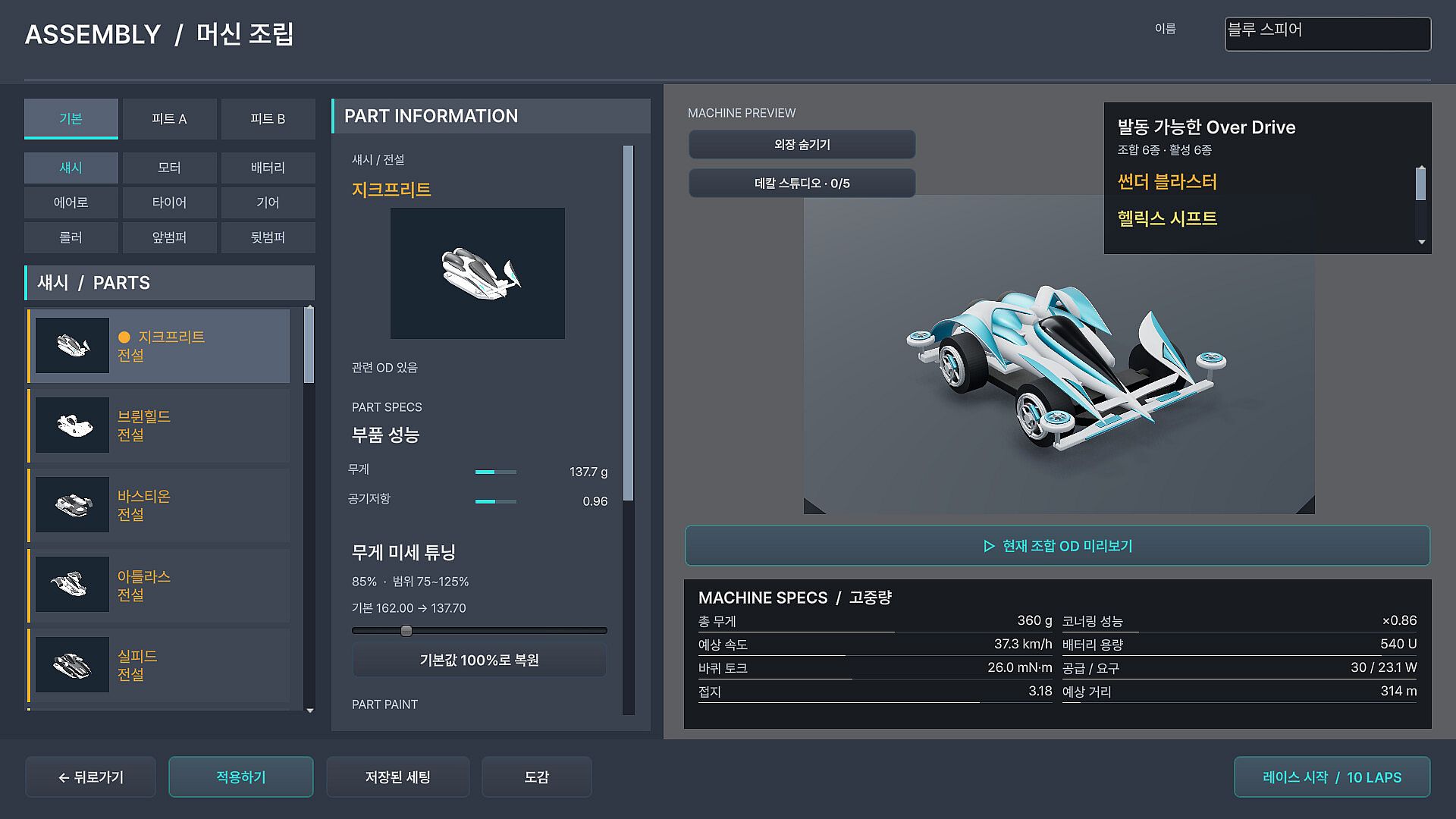
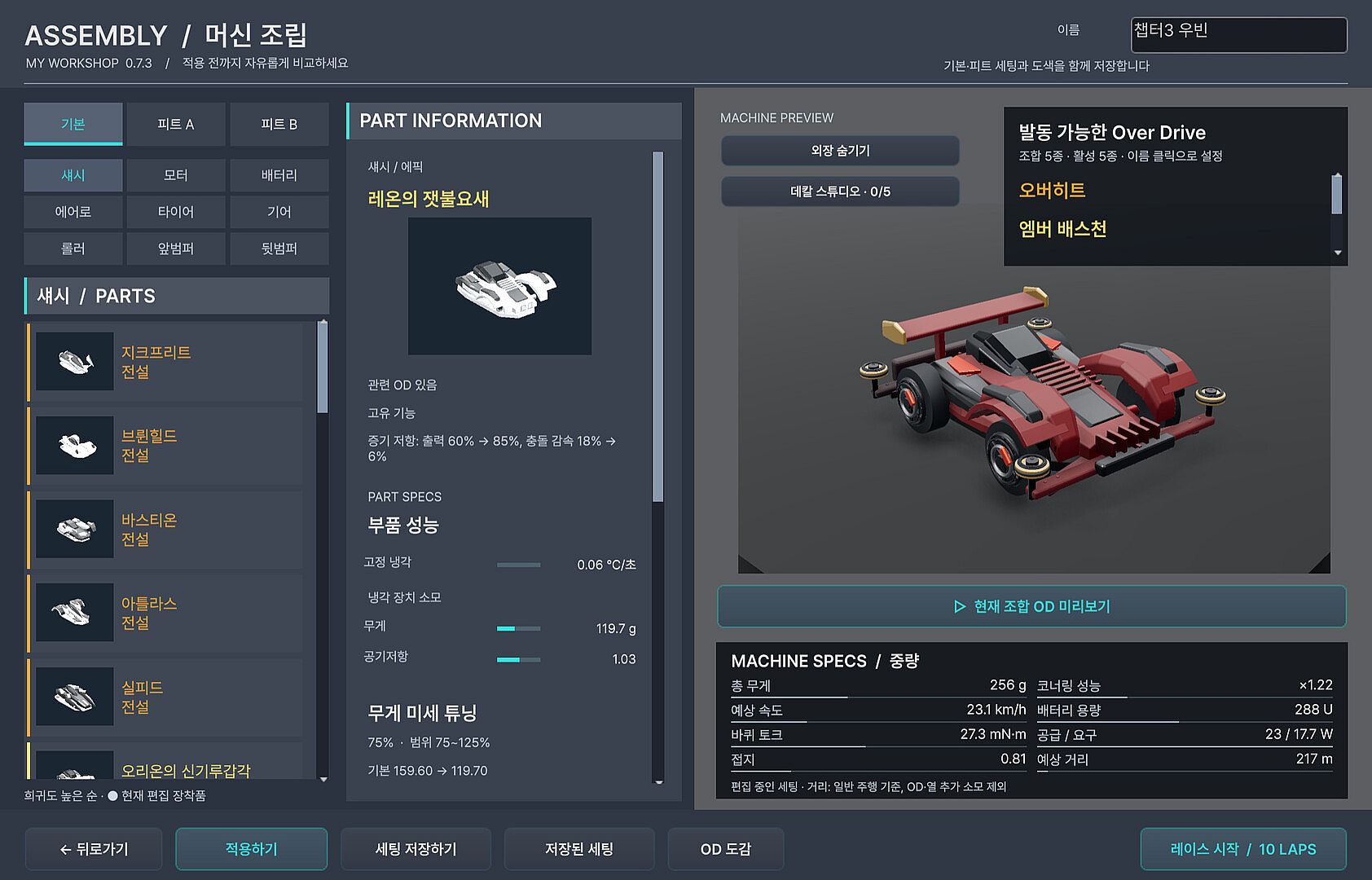
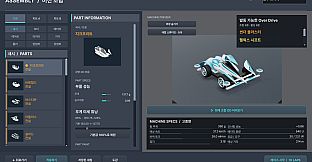
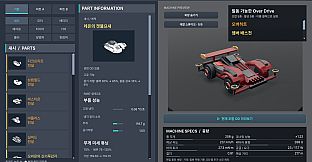
Core play revolves around selecting and balancing parts across nine categories including motors, batteries, gears, chassis, tires, rollers, aero elements, and front and rear bumpers. Each choice influences acceleration, top speed, cornering ability, and overall weight, requiring careful trade-offs to suit different track layouts and rival setups. Personalization extends to colors and decals for visual distinction without affecting performance.
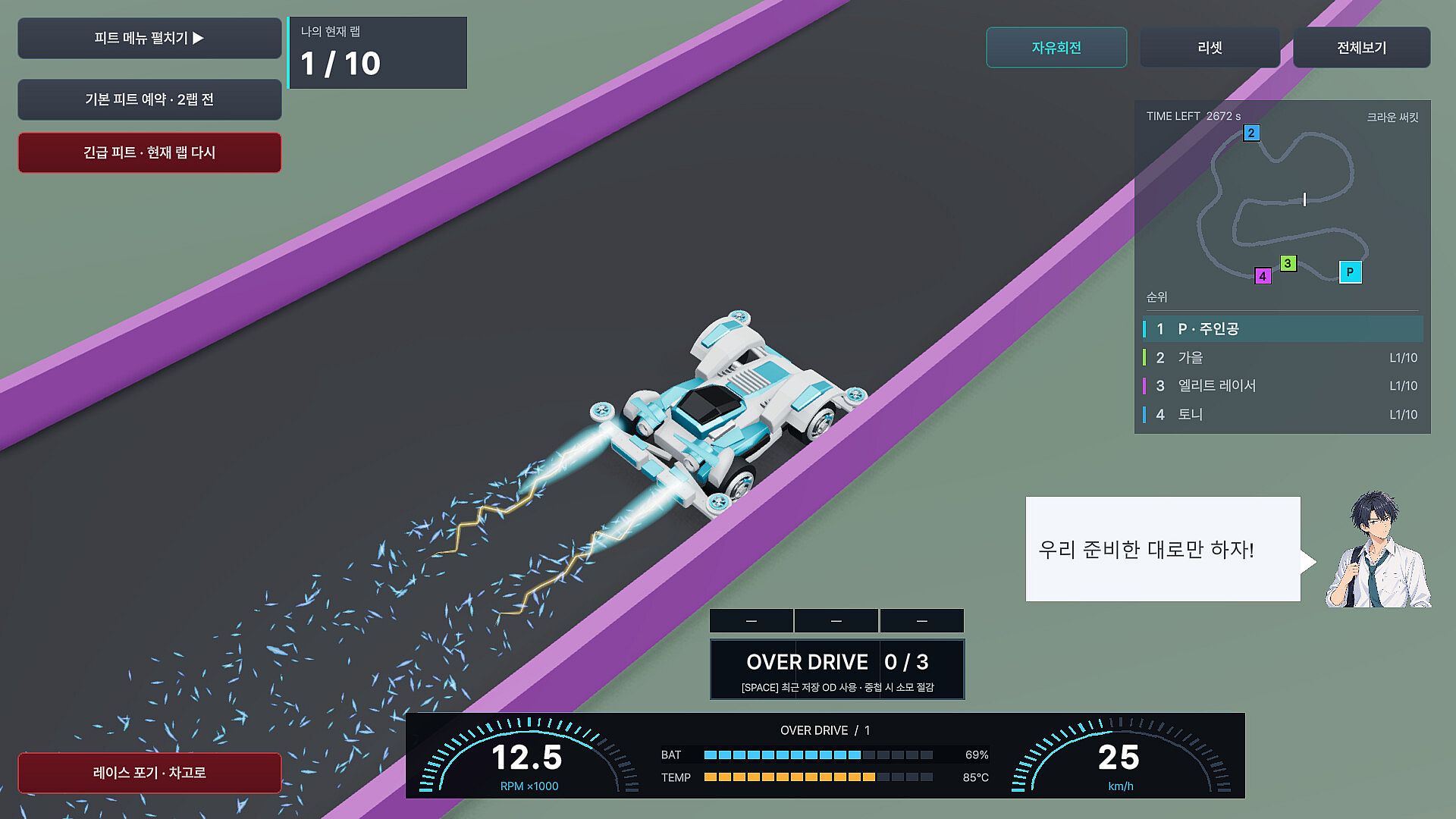
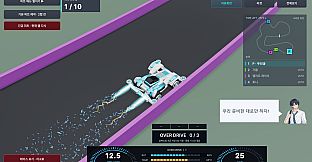
Races unfold with machines driving themselves, so outcomes depend on the initial build combined with precise Overdrive activation. Hidden part synergies unlock these powerful boosts, which players charge and deploy at optimal moments. Effects can stack across multiple stages, enabling dramatic overtakes accompanied by visual elements like sparks and trails. Timing proves critical, as early or late use can shift momentum in tight contests.
Between events, observation and iteration form the loop. Reviewing race footage reveals weaknesses such as poor cornering on certain sections or vulnerability to collisions. Adjustments to battery management, heat handling, and pit stop scheduling refine the machine for upcoming challenges. This iterative process encourages experimentation with different configurations to counter specific opponents or course demands.
Game Modes
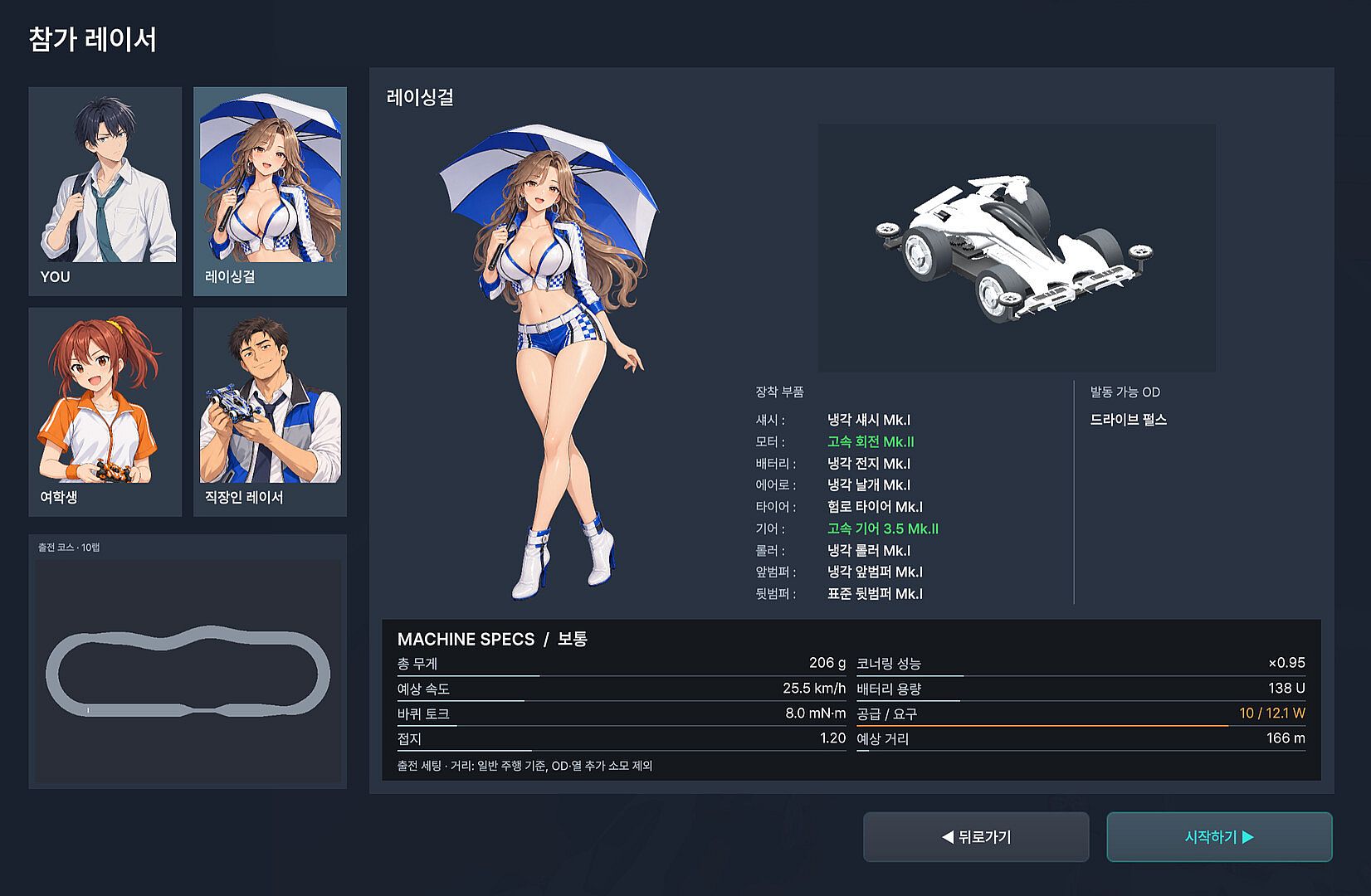
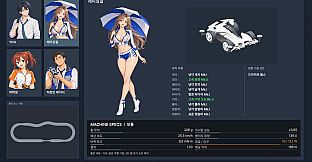
The primary experience follows a single-player narrative that begins with local neighborhood competitions and progresses toward national championship contention. Along this path, players encounter a roster of distinctive rivals who approach their own machines with dedication. Practice sessions allow testing of builds in controlled settings before full events.
Collectible parts and concealed Overdrive options appear throughout the progression, rewarding exploration and repeated participation. Decisions in assembly and timing directly shape success across these encounters, with no direct control over steering once races commence. The structure emphasizes preparation and adaptation over real-time driving inputs.
Building and Strategy
Success hinges on understanding how component interactions create viable machines for varied conditions. Straight-line specialists may falter in technical sections, while balanced or lightweight designs handle bumps differently. Overdrive discovery adds layers of depth, as certain combinations yield escalating advantages when activated sequentially. Pit decisions further influence endurance, particularly in longer outings where resource conservation matters.
The system rewards thoughtful planning rather than reflexes alone. Players analyze rival tendencies and course features to inform part selections, then monitor live performance to trigger boosts effectively. This focus on pre-race engineering and in-race management distinguishes the title within the simulation racing space.
Is It Worth Playing?
Tomorrow's Champion suits players drawn to simulation elements within a casual racing framework, particularly those who enjoy vehicle customization and strategic decision-making over direct control. The single-player campaign provides a clear progression arc with opportunities to experiment across multiple builds and Overdrive setups. Its emphasis on assembly, observation, and incremental improvements offers a deliberate pace that rewards patience and analysis.
Those seeking high-speed arcade action or multiplayer competition may find the autonomous racing and story focus less engaging. The game delivers a self-contained experience built around tuning and timing, making it a solid choice for enthusiasts of miniature-scale racing simulations who appreciate depth in preparation rather than constant manual inputs.