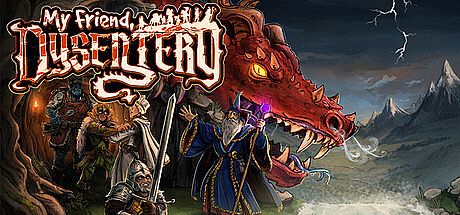


My Friend, Dysentery is an indie RPG simulation adventure game set on PC. It reimagines the classic Oregon Trail formula as a darkly comedic fantasy journey where players guide a party of adventurers across a dangerous wilderness toward a distant land filled with dragons. The core premise asks how brutal and absurd fantasy travel would actually feel when stripped of heroic glamour and replaced with resource scarcity, random misfortune, and fragile human limits.
Gameplay
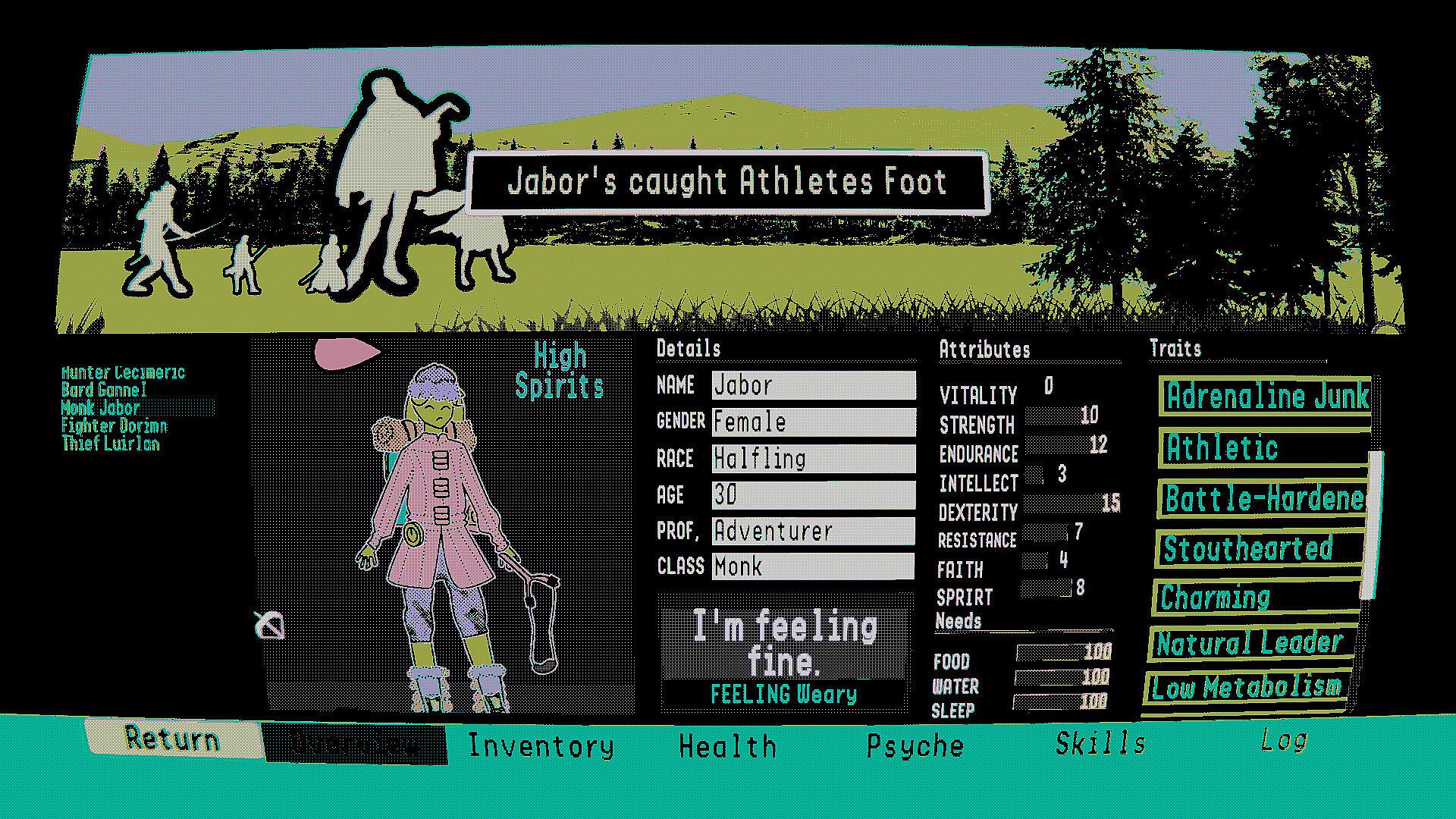
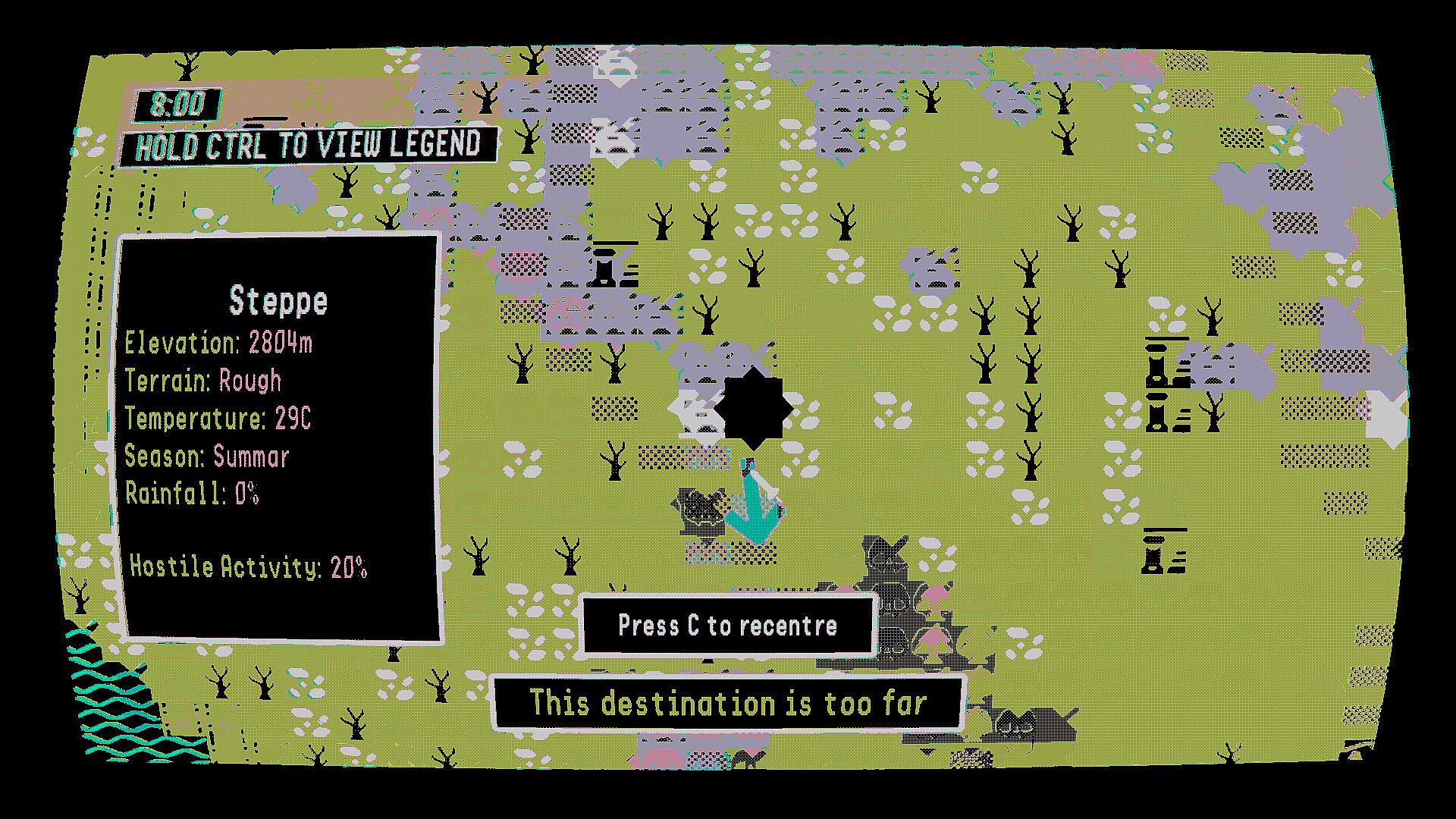
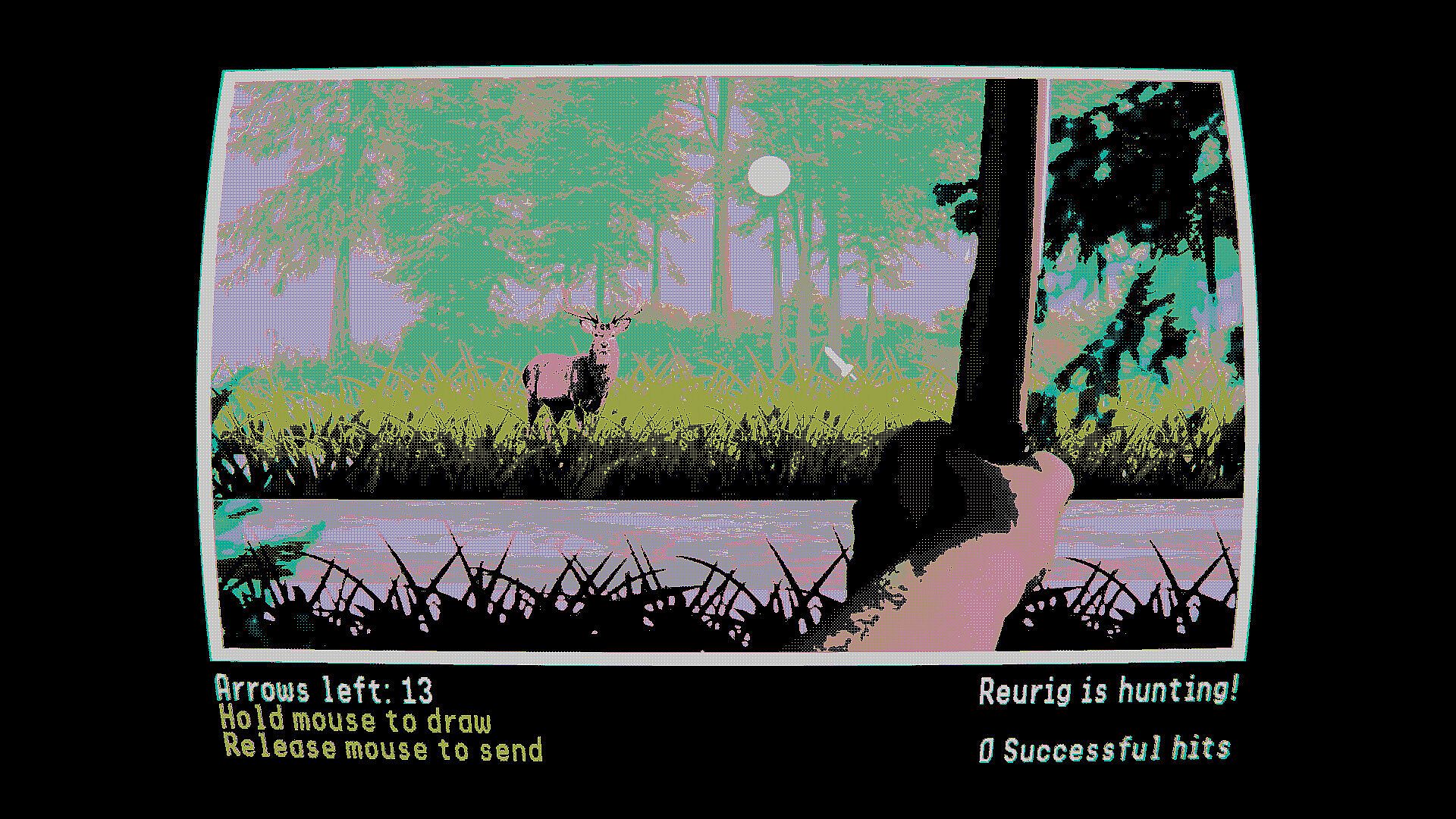
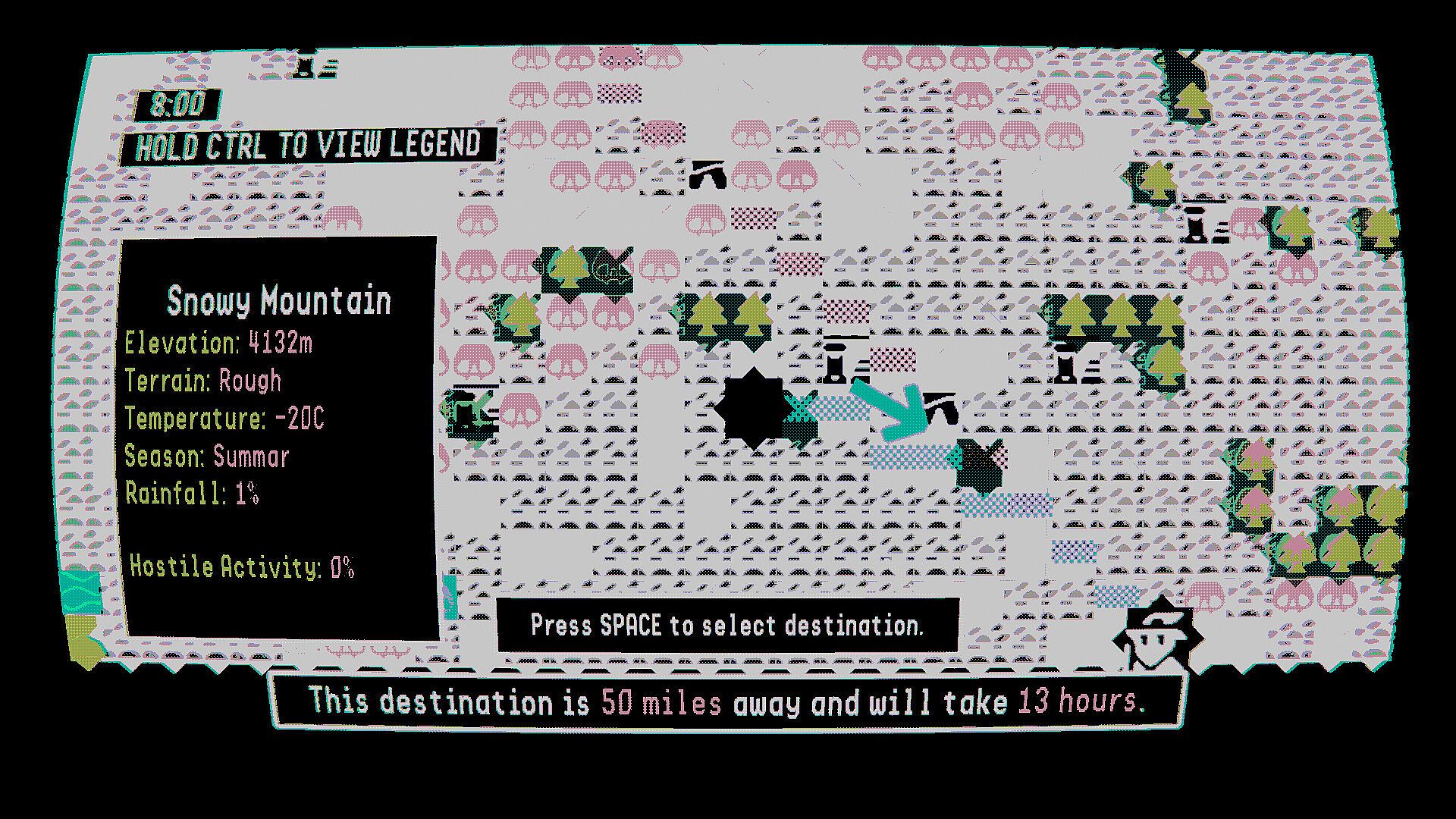
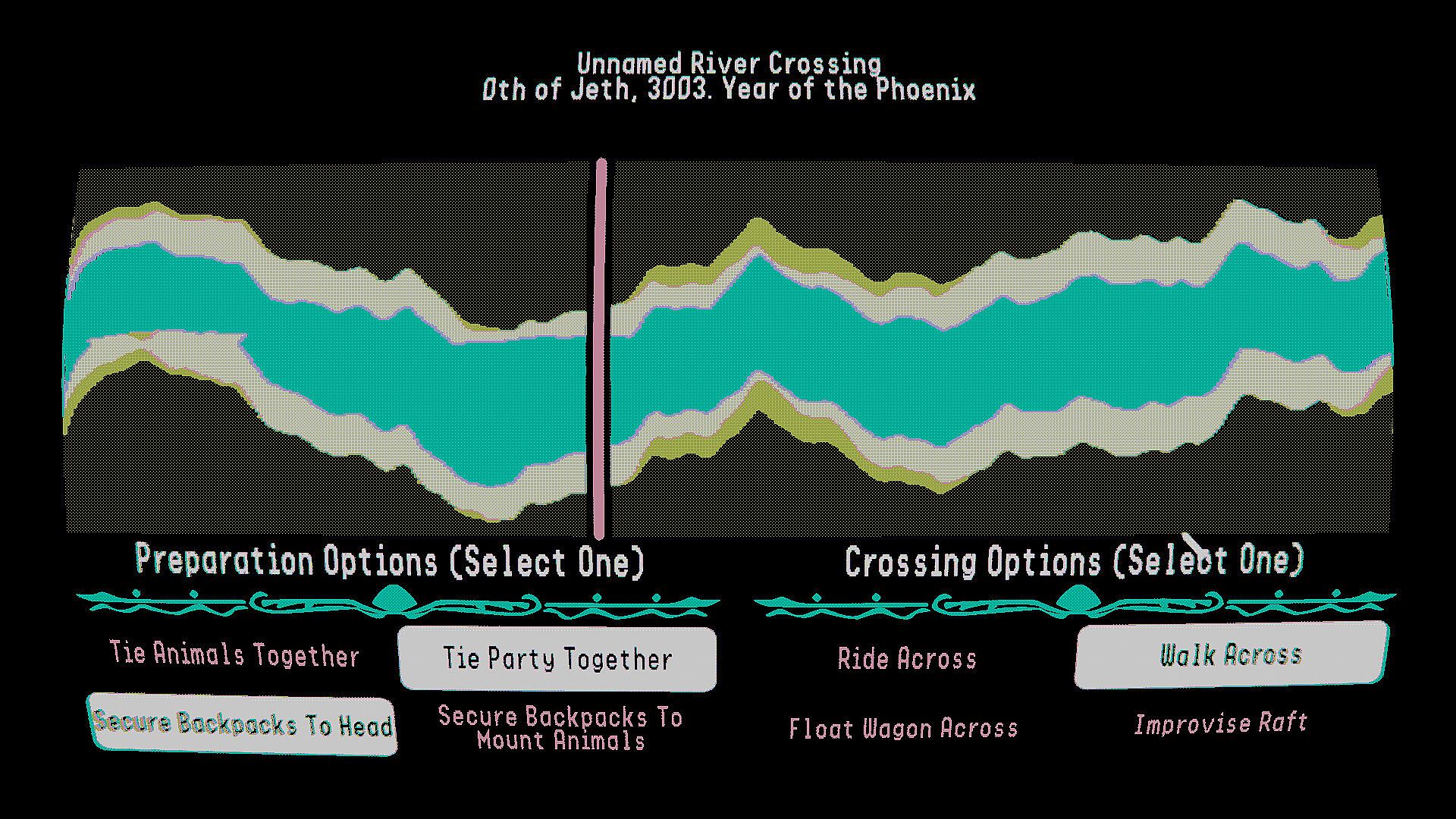
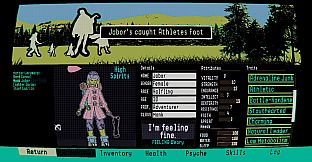
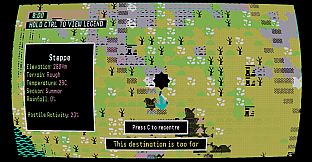
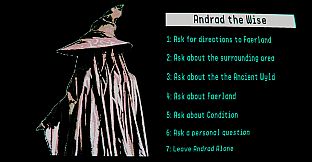
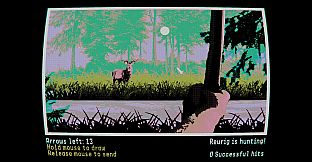
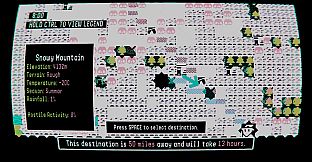
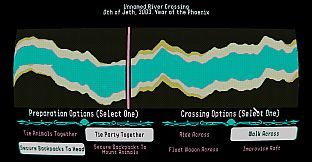
The experience centers on shepherding a customizable group of adventurers from the city of Talan eastward through the procedurally generated WYLD. Players handle daily survival needs including health, morale, hunger, warmth, hygiene, and sanity while making text-based choices that carry high stakes. Dice rolls determine outcomes for events and crossings, turning each mile into a test of judgment and luck.
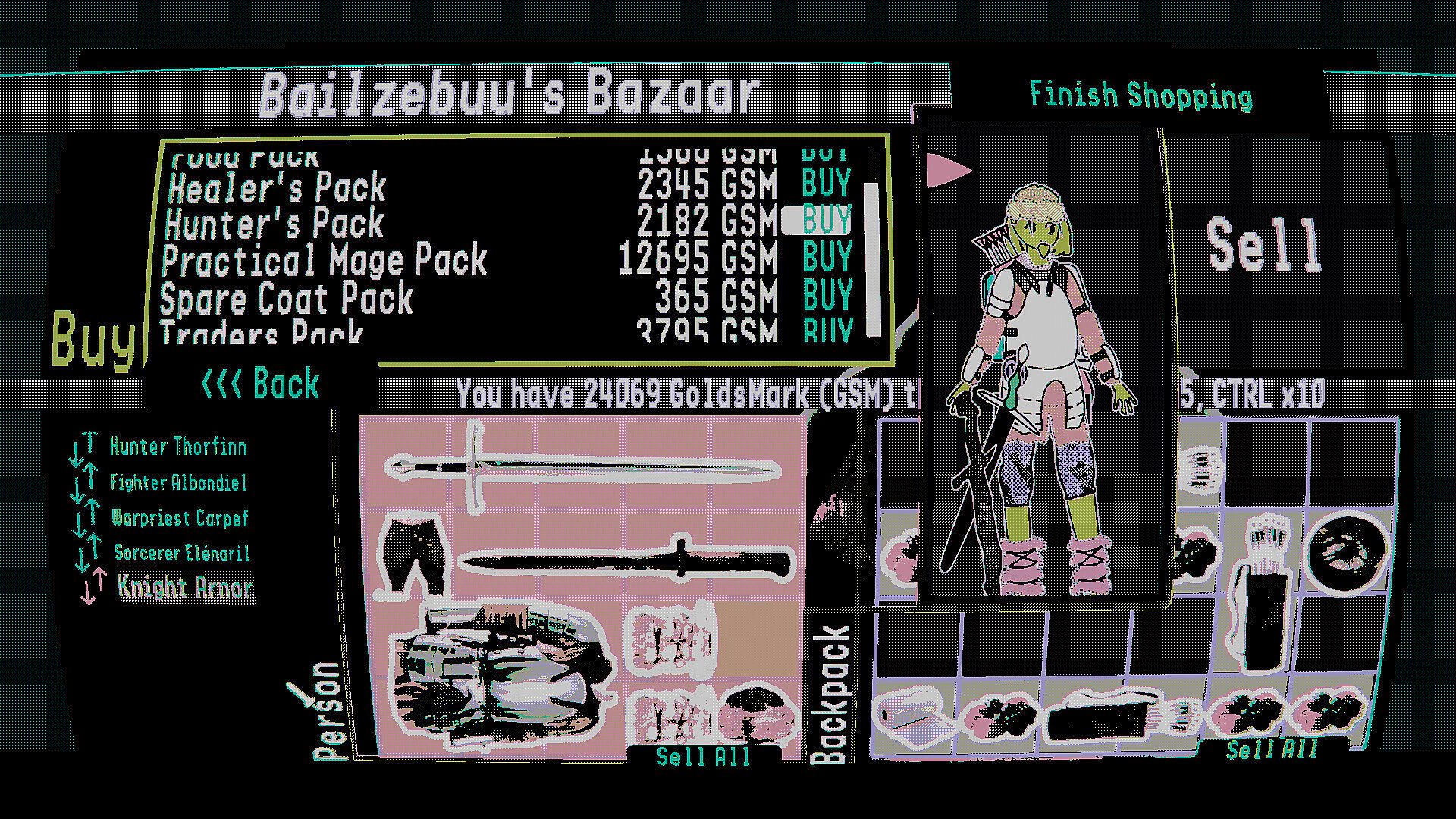
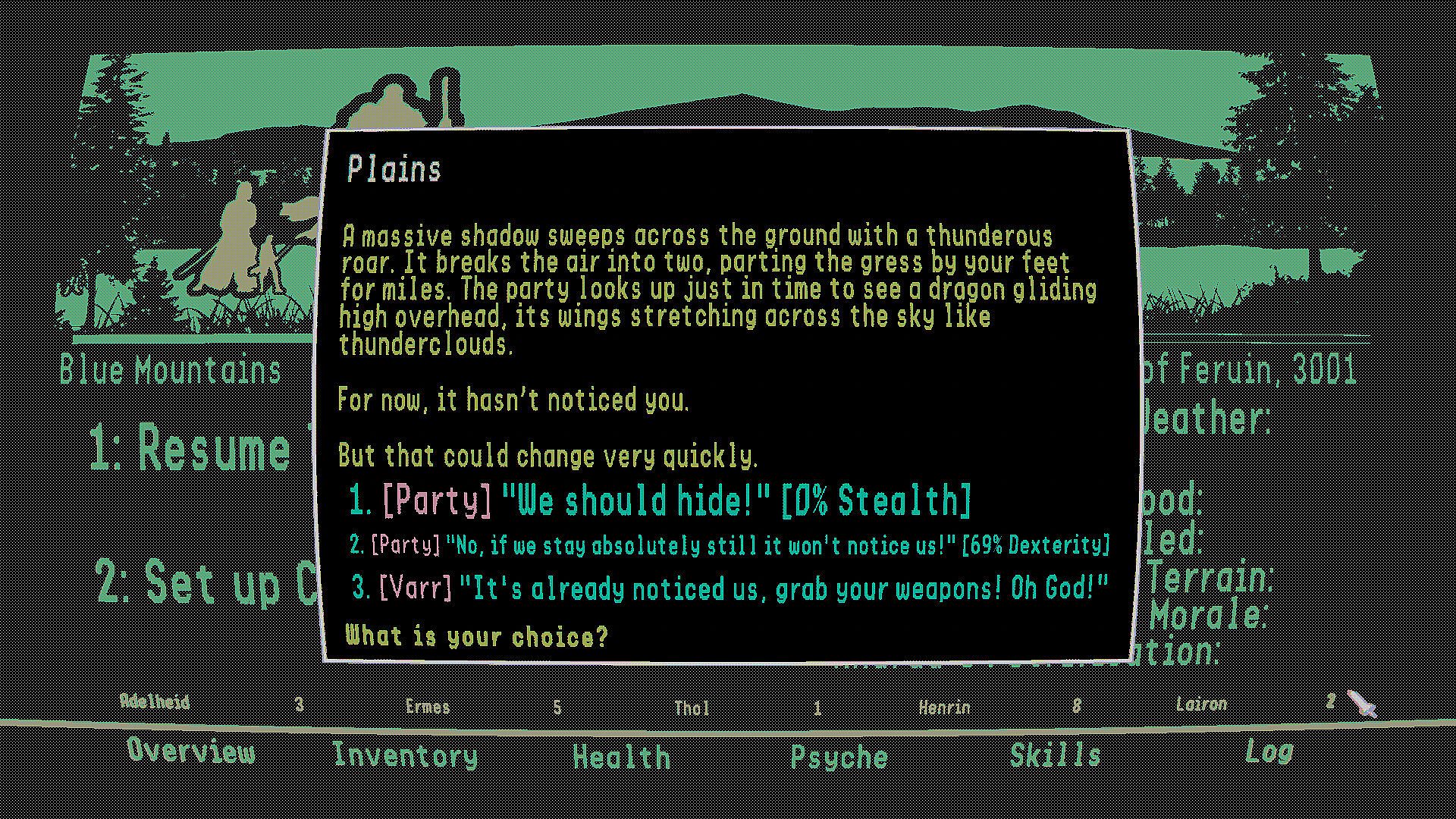
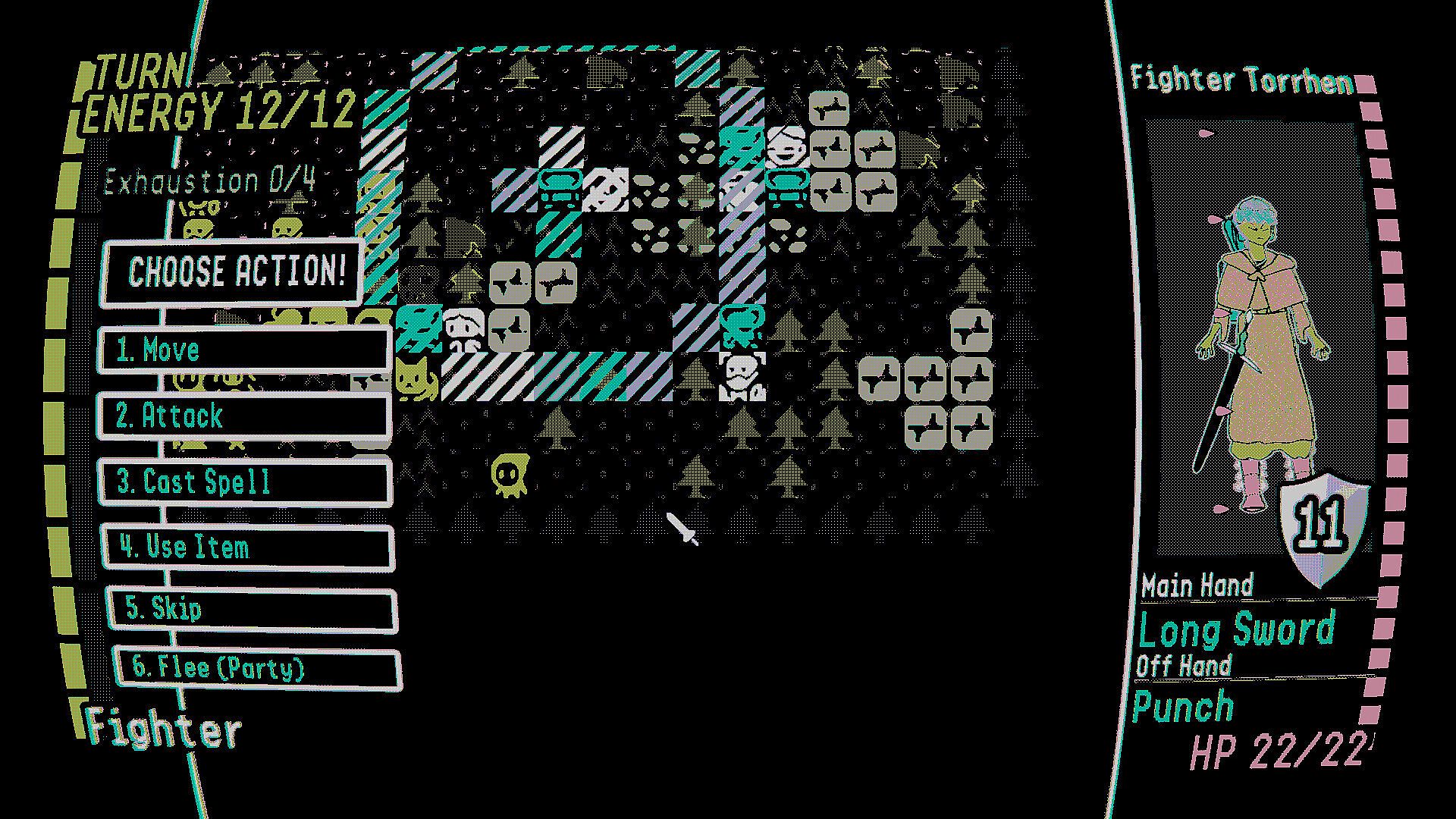
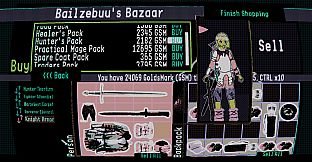
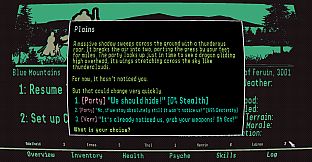
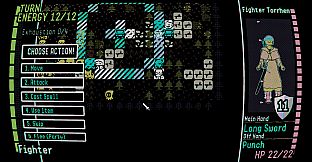
Combat occurs in brutal turn-based encounters against over 100 monsters drawn from classic fantasy sources. These fights emphasize grueling attrition rather than flashy heroics. Narrative events number more than 100 and range from internal party arguments to dragon sightings, each capable of spiraling into injury, disease, or worse. Resource management forms the backbone of progress, with supplies dwindling and ailments such as hypothermia, starvation, and dysentery threatening to end runs at any moment.
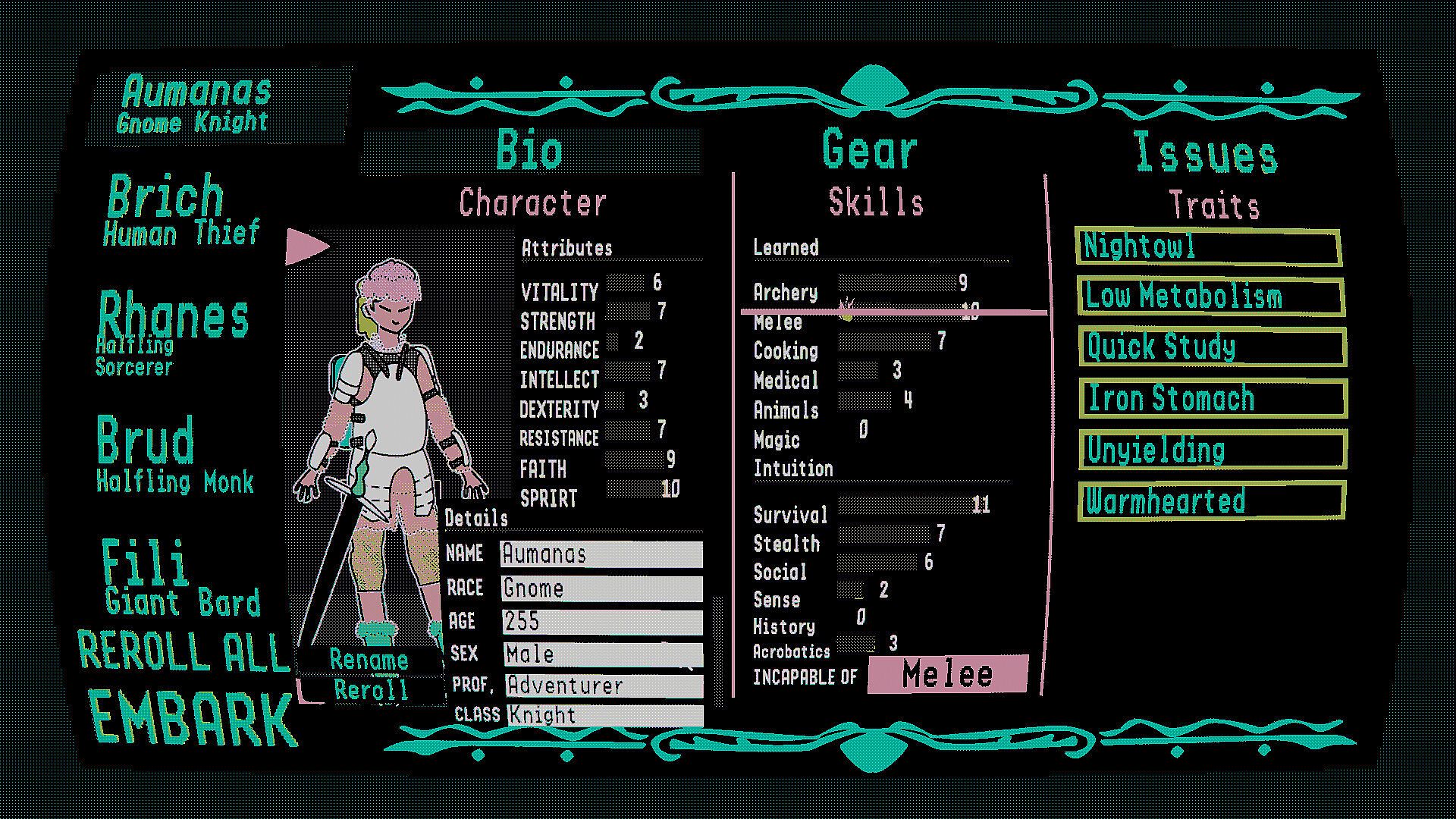
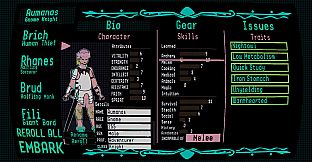
Party creation allows thousands of combinations through fantasy races, classes, stats, and personality quirks. The world itself changes with every attempt, ensuring no two journeys repeat the same sequence of crises. Failures often produce absurd or grim consequences, such as losing an entire party to a river kraken or watching supplies spoil into desperation that leads to cannibalism.
Game Modes
The game operates as a single-player procedural simulation without separate named modes. Each run functions as a self-contained journey through the generated wilderness, where success depends on adapting to unpredictable events and maintaining the party long enough to reach the goal of slaying a red dragon. Procedural generation and random elements create replayability by varying terrain, encounters, and outcomes across attempts. Failed runs contribute to an ongoing sense of progression through the stories they leave behind rather than through unlocks or persistent upgrades.
Is It Worth Playing?
This title suits players who enjoy punishing resource-management simulations blended with roguelike elements and tabletop RPG chaos. The emphasis on fragility, where a common cold can prove as lethal as a dragon, delivers a consistent tone of dark comedy and grim realism. Those drawn to the original Oregon Trail's tension or to fantasy settings that reject power fantasy will find the core loop rewarding through its focus on adaptation and acceptance of loss.
The game teaches survival lessons through repeated failure, highlighting how quickly supplies vanish and how mental and physical afflictions compound. Its procedural nature keeps each attempt distinct, rewarding experimentation with party builds and decision-making. For anyone seeking a deliberately unforgiving single-player experience that prioritizes atmosphere and consequence over heroic triumph, the simulation delivers a focused and memorable challenge.