


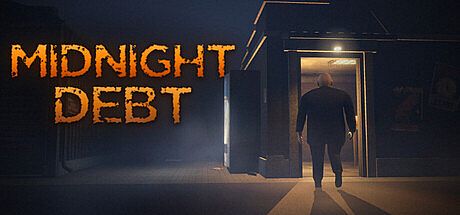


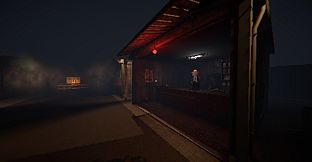
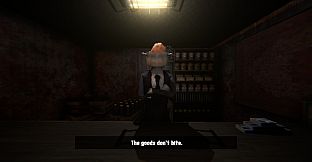
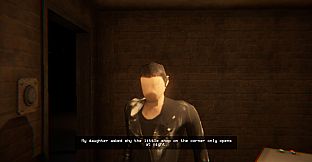
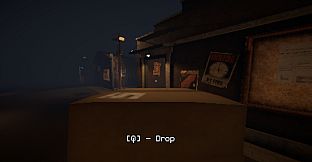
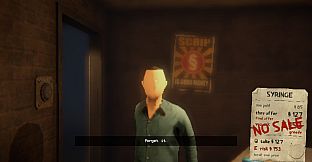
Midnight Debt is an indie simulation game set on PC in which players manage a night shop in a town dominated by thick fog. The core experience revolves around balancing customer service, inventory decisions, and a looming debt deadline while navigating the strict timing of the environment.
Gameplay
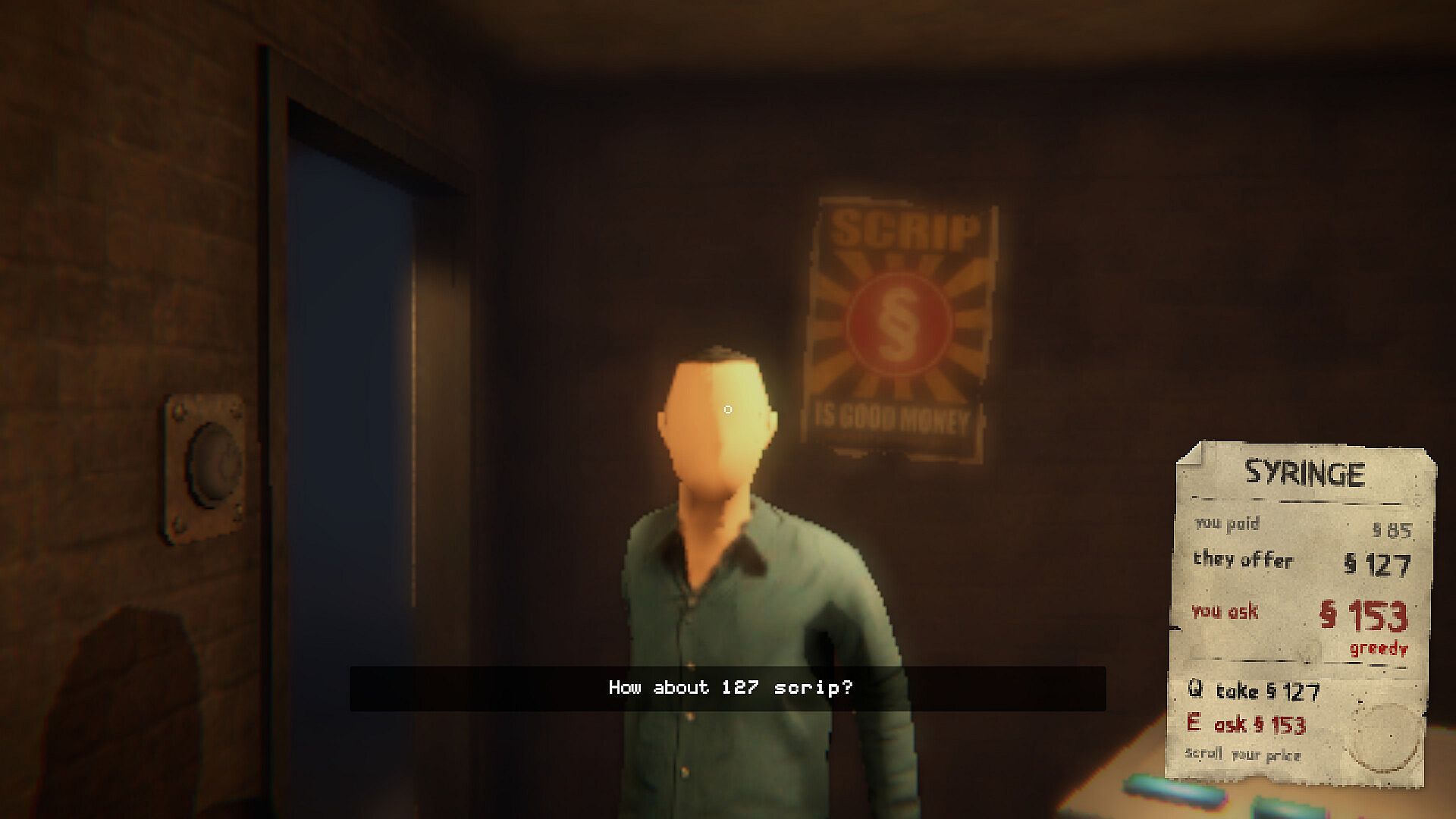
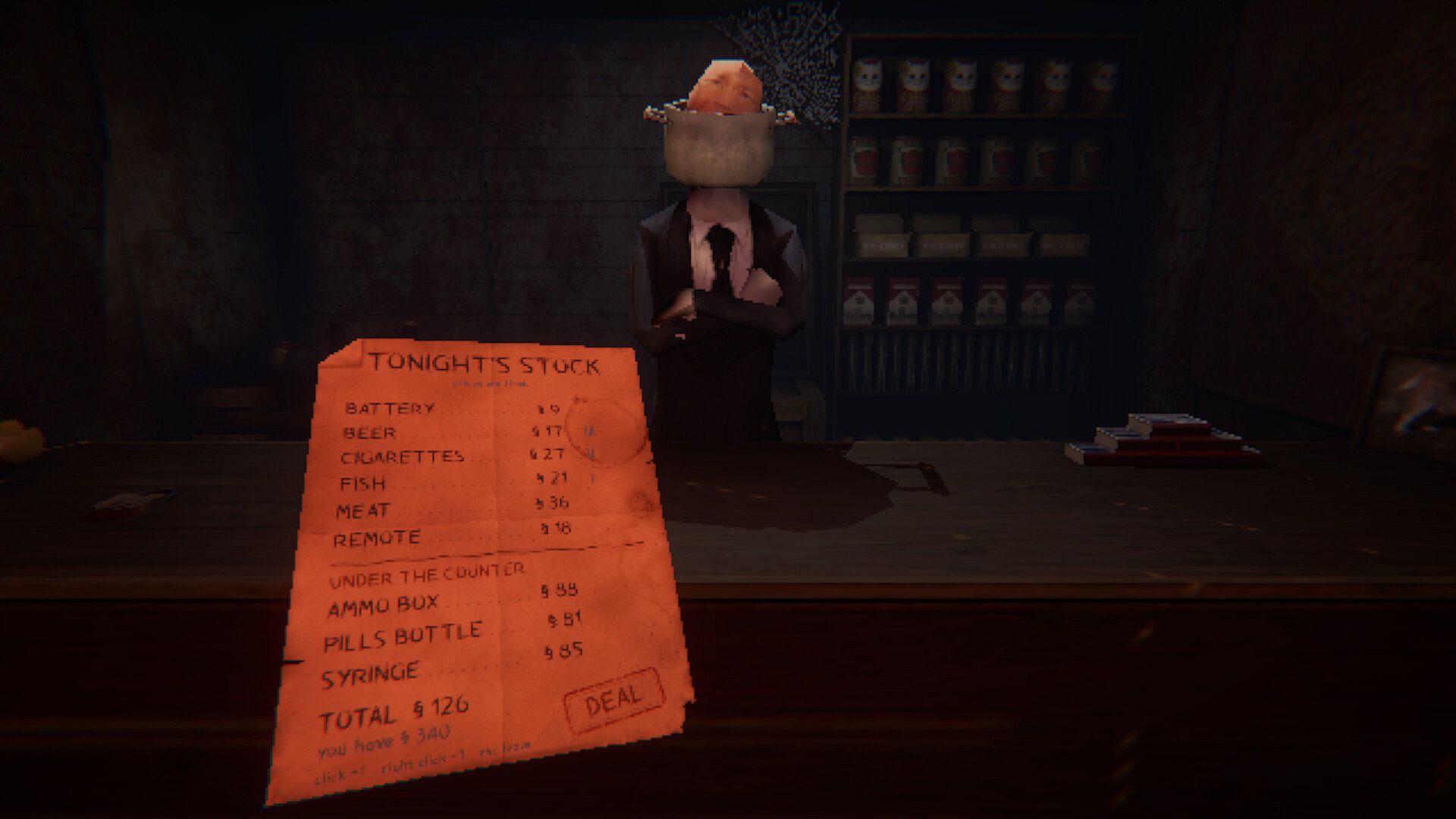
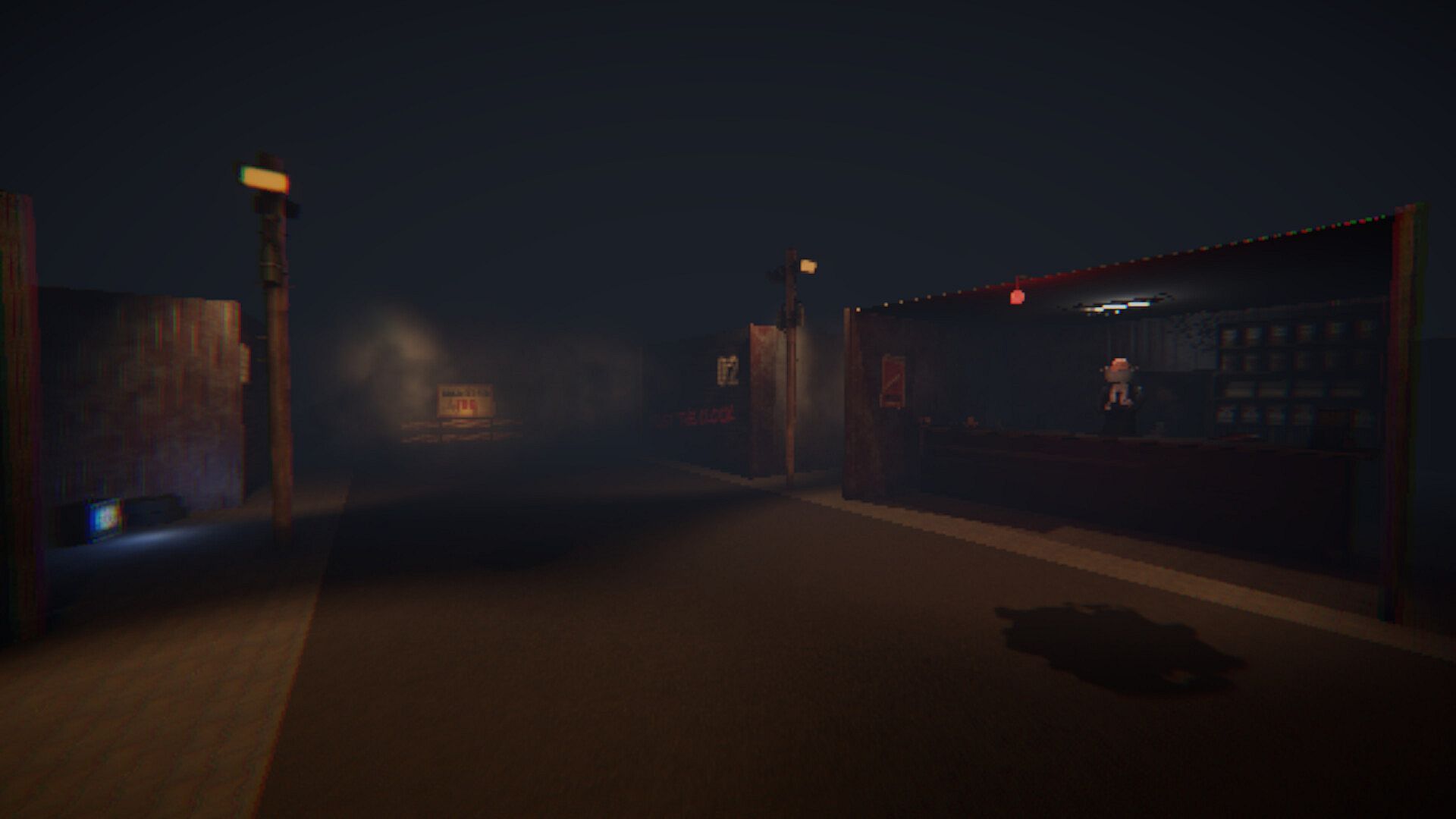
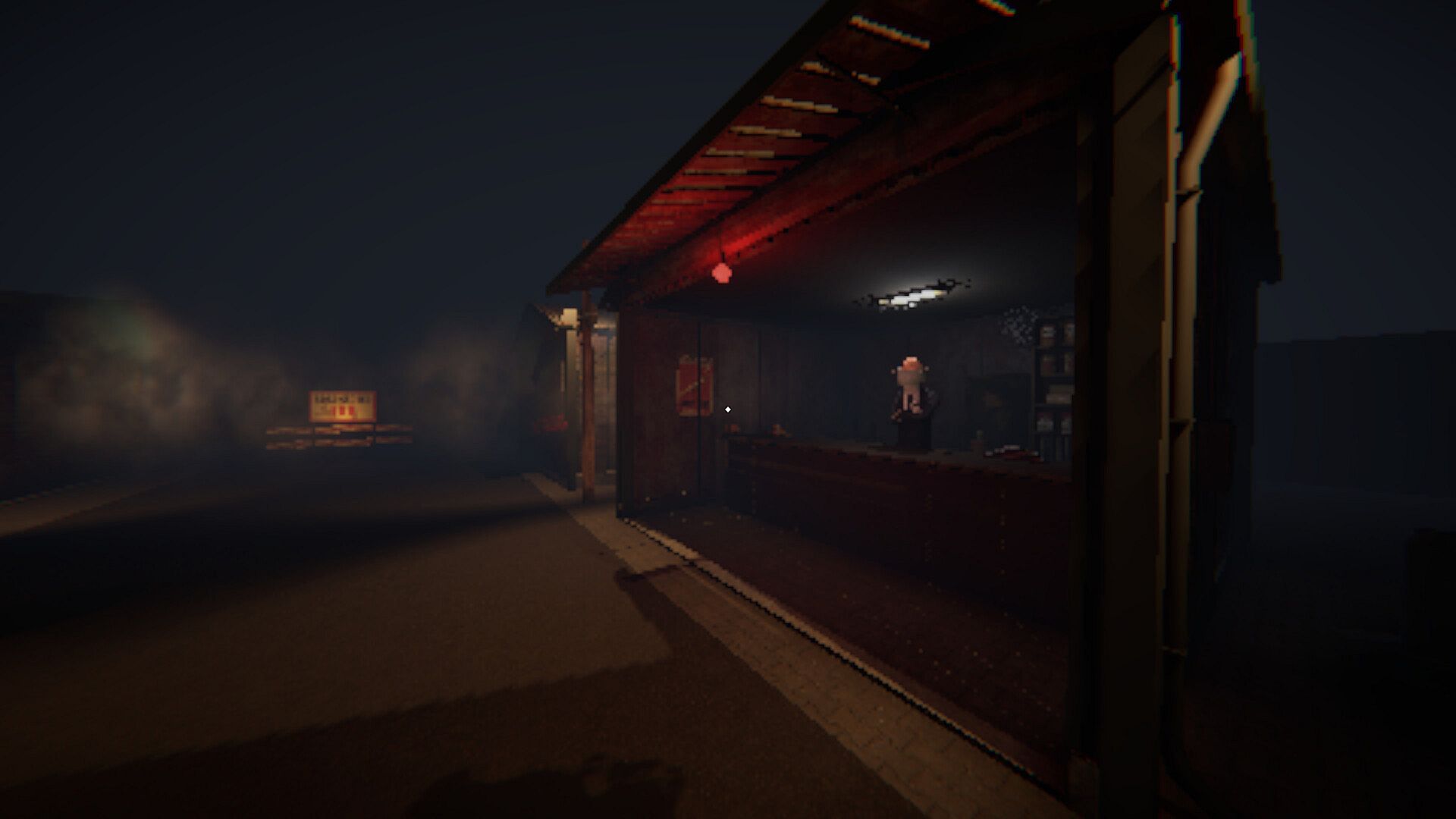
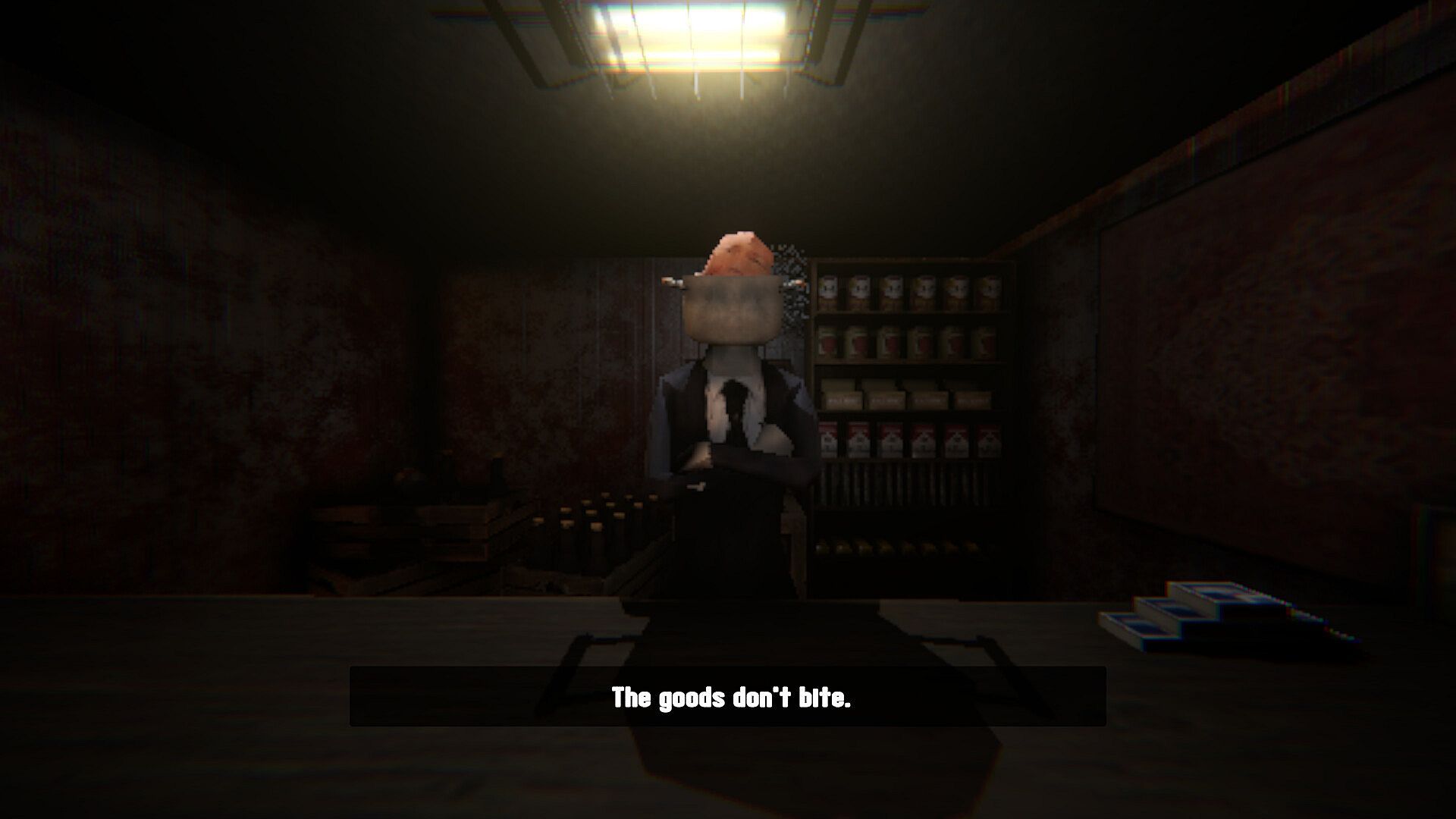
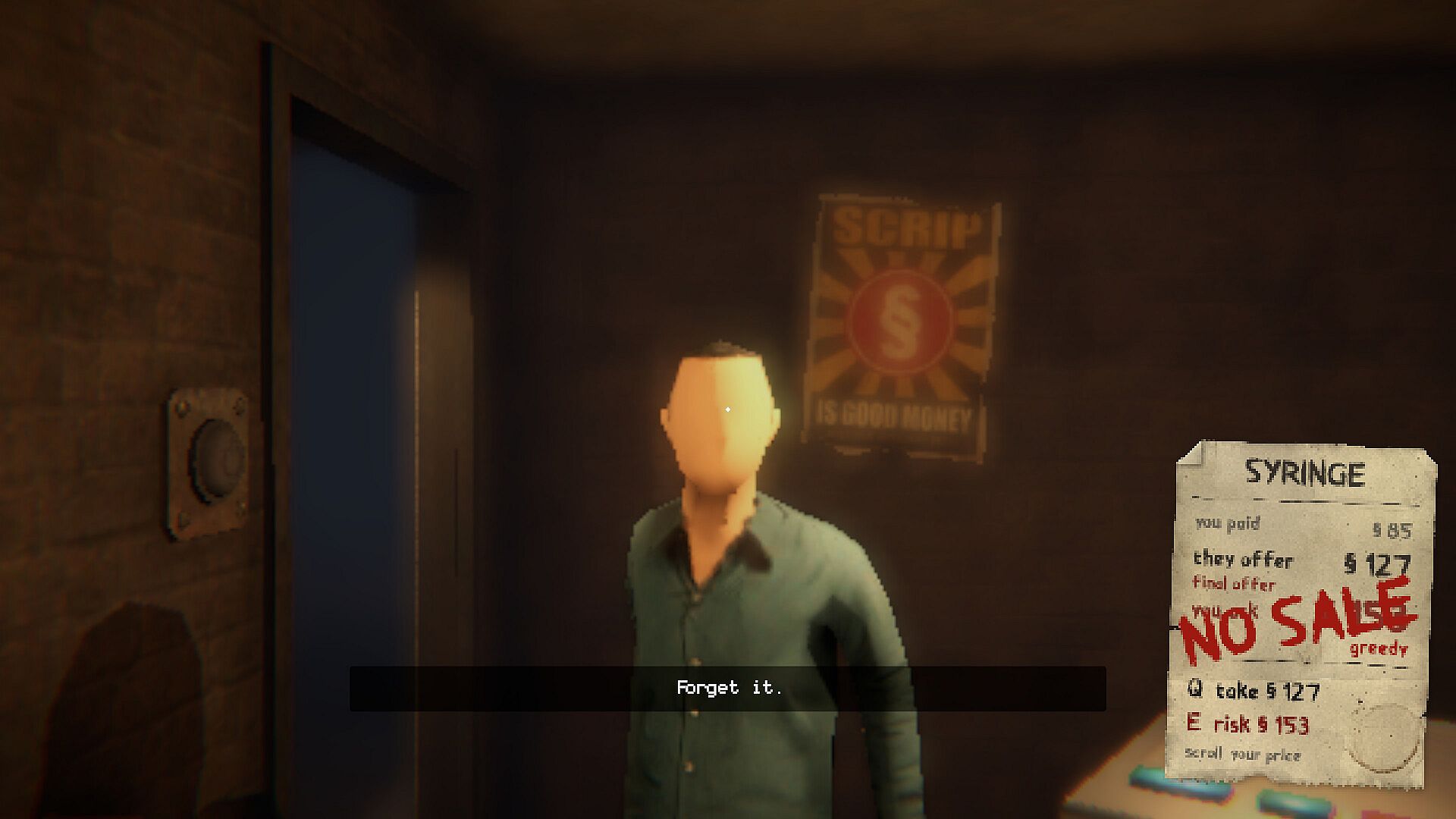
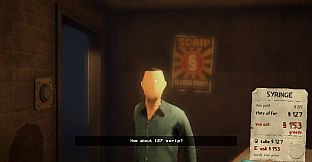
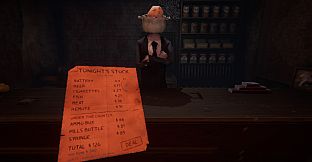
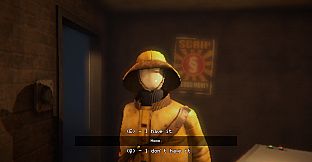
Players operate out of a garage shop during nighttime hours. Each shift begins with checking the notice board for local news that signals customer demand. Stock is purchased from a dealer ahead of opening, then arranged for quick access during service. Face-to-face interactions form the heart of the loop: customers state their needs, and the shopkeeper decides whether to accept the offered price or negotiate higher. Pushing too aggressively risks losing the sale entirely, while shady patrons offer better payouts but demand faster transactions.
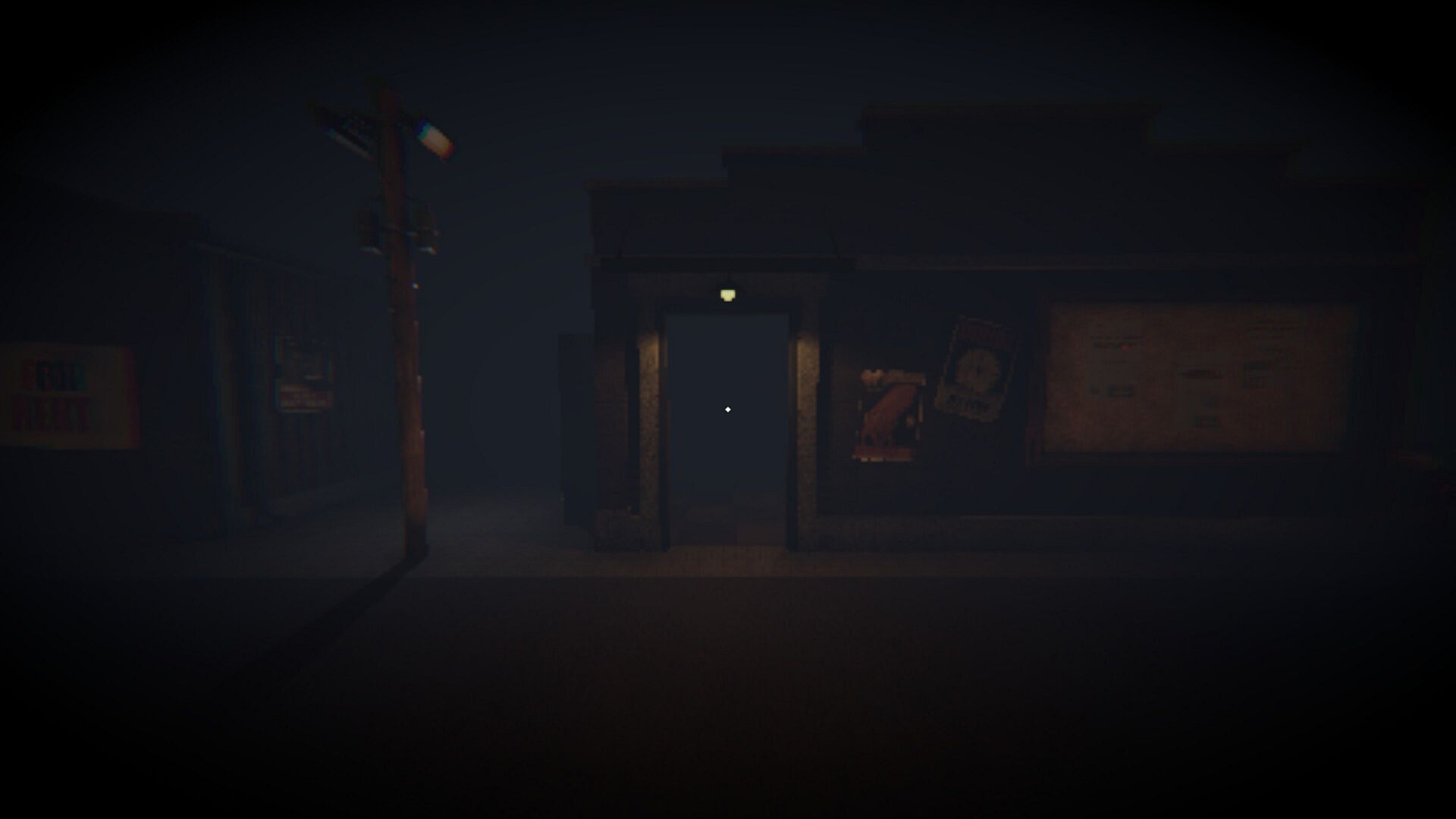
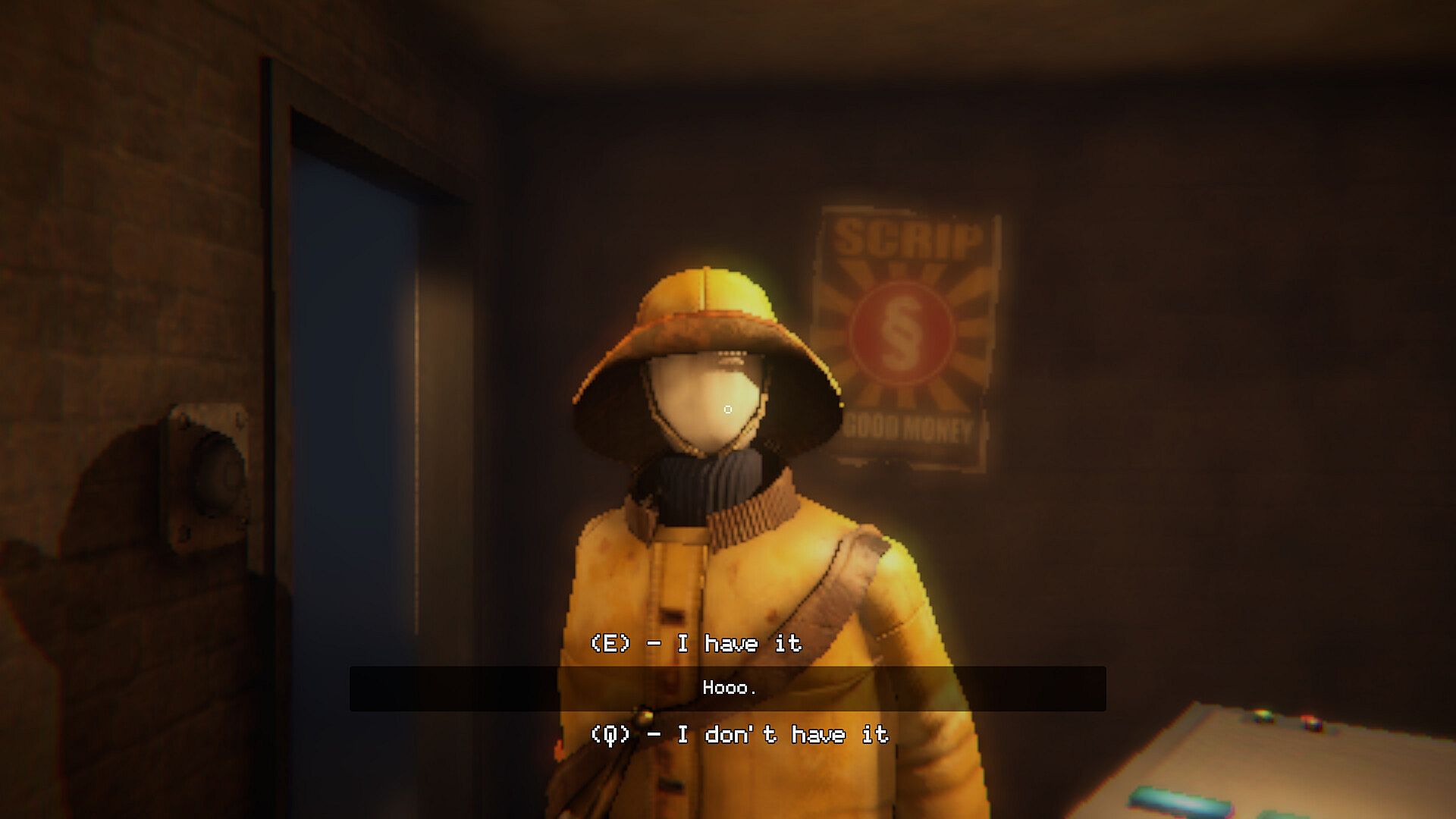
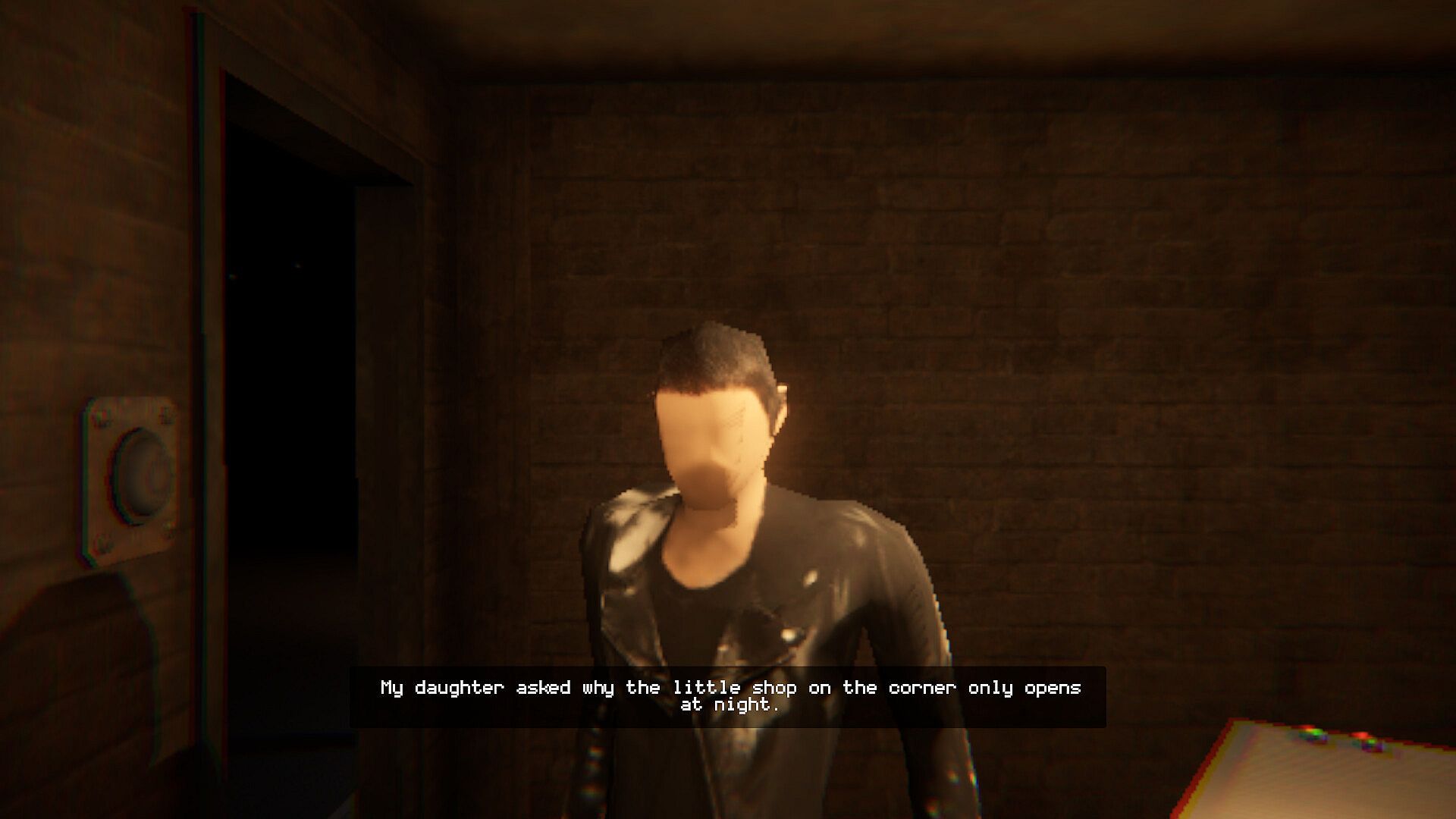
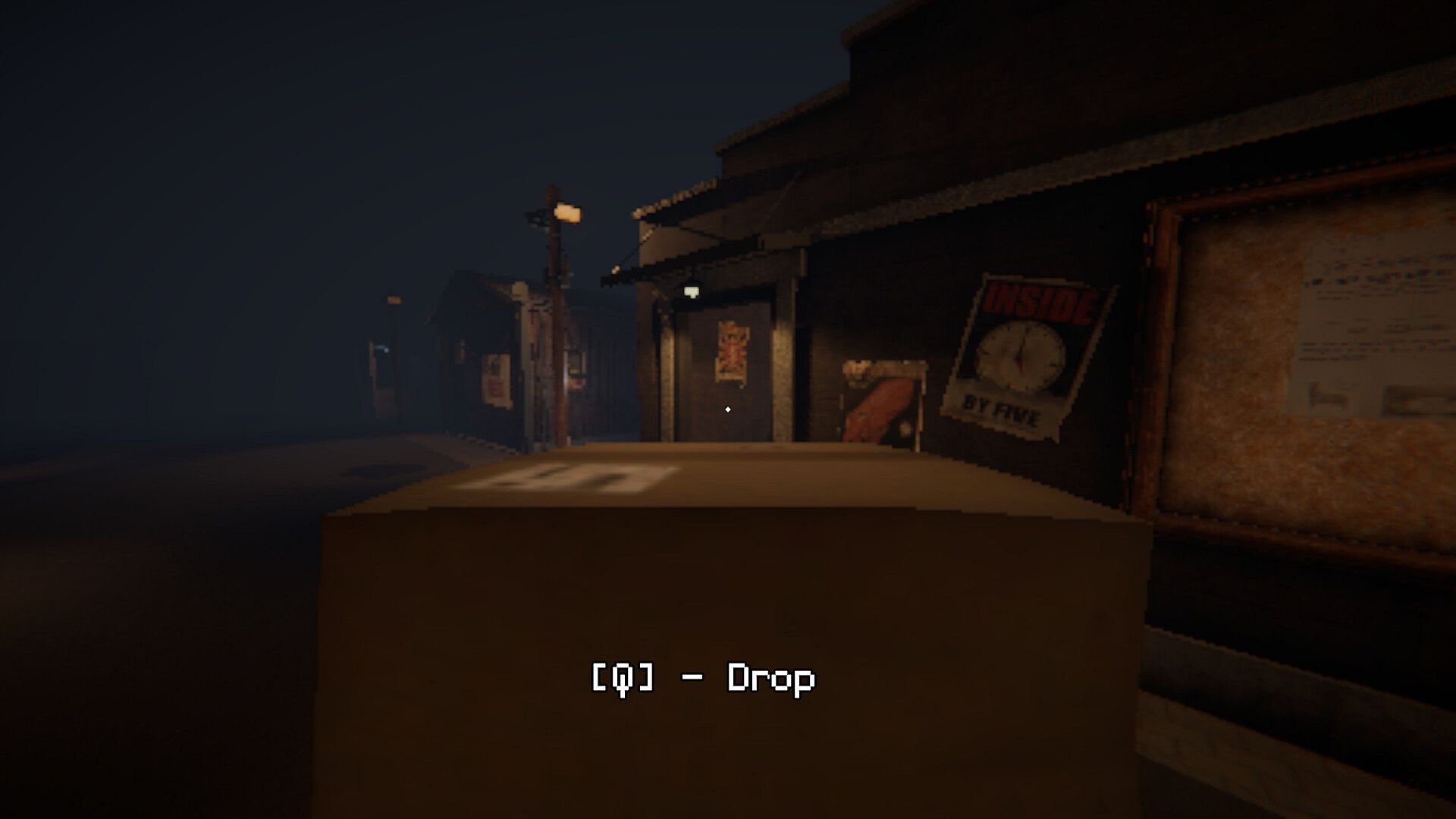
Listening to stories at the counter adds depth. Every visitor shares details about the fog, some truthful and others fabricated to speed their departure. These exchanges influence the atmosphere without altering core mechanics. The environment enforces strict boundaries. Street lamps begin extinguishing at 04:30, prompting customers to leave. By 05:00 the fog rolls in fully, closing the street and resetting the night if the player remains outside.
Debt repayment structures the pressure. A suited collector arrives on schedule, requiring consistent earnings from sales to stay ahead. Inventory management, pricing choices, and customer pacing all feed into this single ongoing obligation.
Game Modes
Midnight Debt presents its systems through one continuous night-shop simulation. The experience centers on repeated shifts that build toward debt management and survival against the fog's schedule. No separate competitive or cooperative modes exist; progression comes from refining buying habits, negotiation timing, and story interpretation across successive nights.
The structure emphasizes single-player repetition with escalating tension from the punctual creditor. Each cycle tests the same core decisions: stock selection, customer handling, and strict adherence to the 05:00 cutoff. This focused loop rewards careful observation of news hints and customer behavior patterns.
Atmosphere and Setting
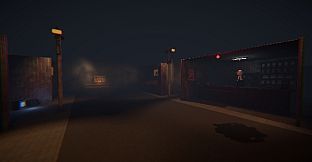
The fog acts as both visual motif and mechanical timer. By day it blankets the town so heavily that normal activity halts; at night it retreats just far enough for lamplight commerce. This cycle shapes every decision, from when to close the counter to how long negotiations can safely last. The town itself remains sparse, with the garage shop and its immediate surroundings forming the playable space.
Customer variety emerges through dialogue rather than complex AI. Some seek quick exits, others linger for conversation that may reveal useful demand clues. Shady individuals stand out by offering higher returns alongside tighter patience windows. These elements combine to create a grounded, repetitive rhythm that mirrors the described daily struggle.
Is It Worth Playing?
Midnight Debt suits players who enjoy deliberate, systems-driven simulations with strong atmospheric constraints. The gameplay rewards attention to timing, pricing intuition, and selective negotiation over fast reflexes or expansive exploration. Those drawn to indie titles focused on routine management and environmental pressure will find the fog deadline and debt collector create consistent stakes across sessions.
The experience stays tightly scoped to its described mechanics, offering no additional layers such as character progression trees or branching campaigns. Players comfortable with short, repeatable shifts that emphasize observation and restraint may appreciate the focused design. Availability remains limited to PC, with the simulation running as a self-contained loop centered on nightly commerce and survival.












