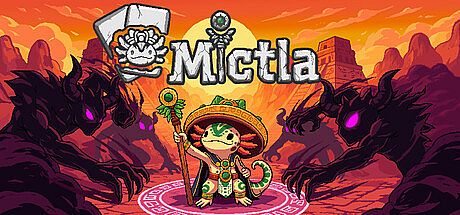



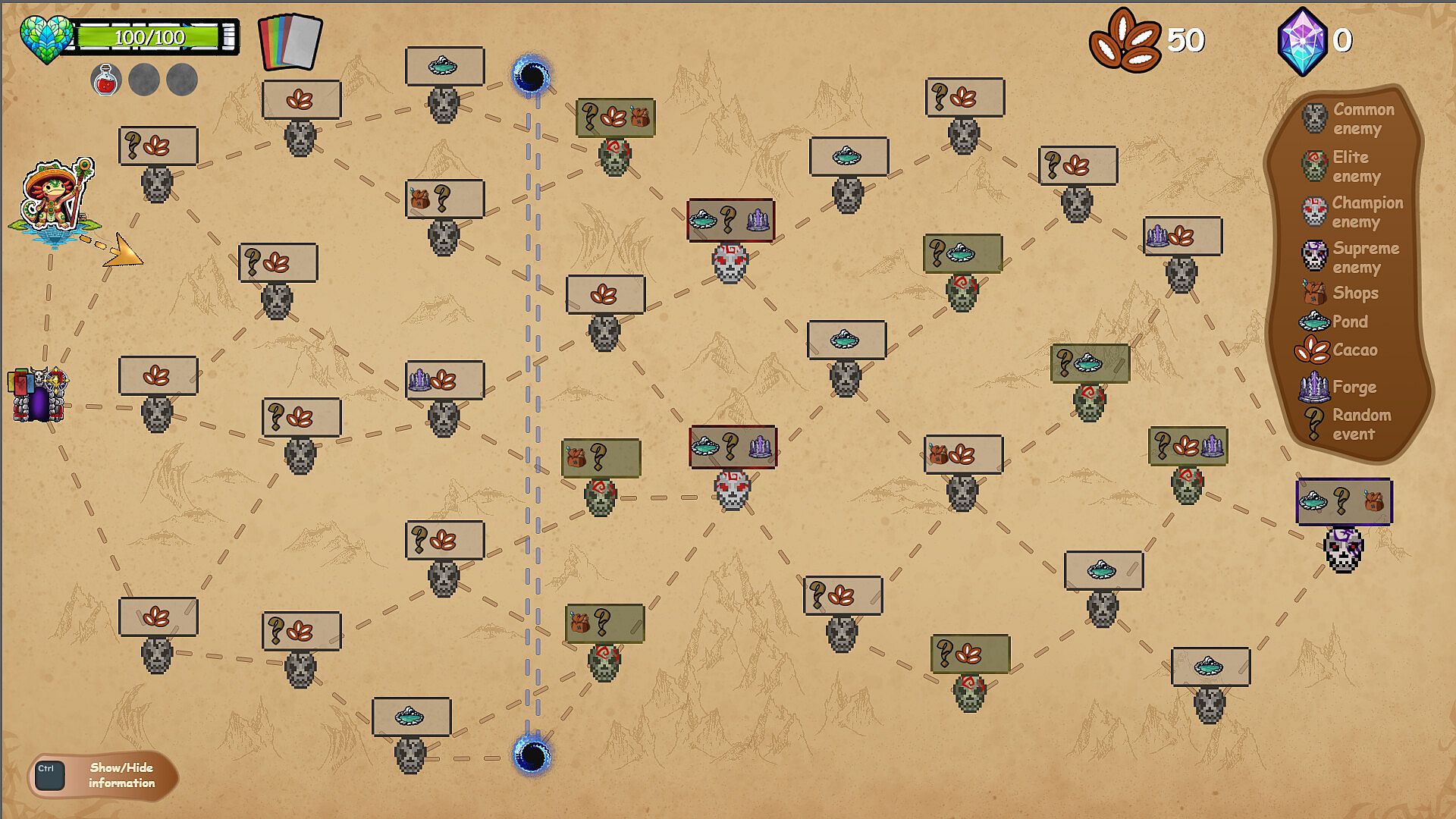
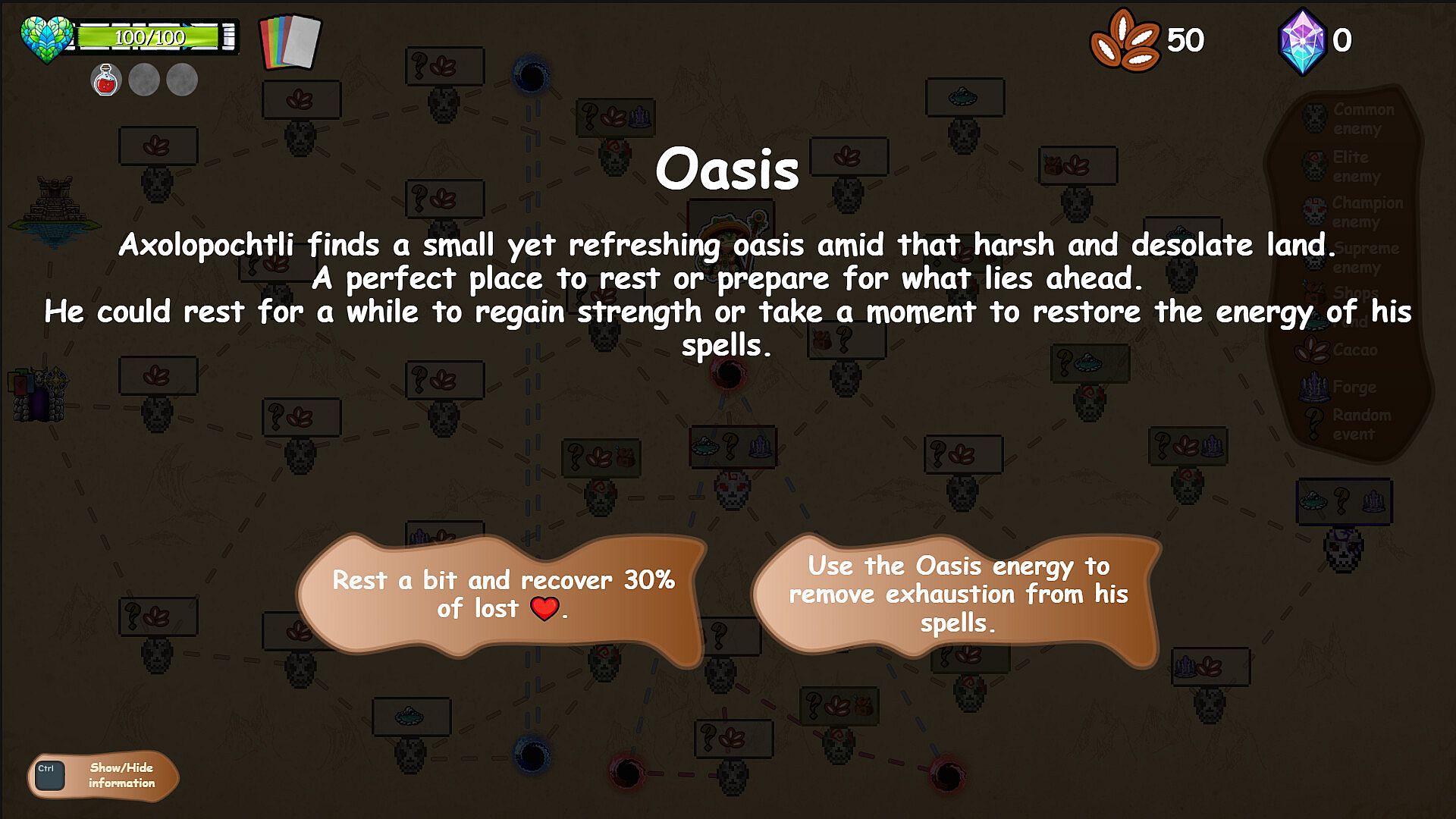
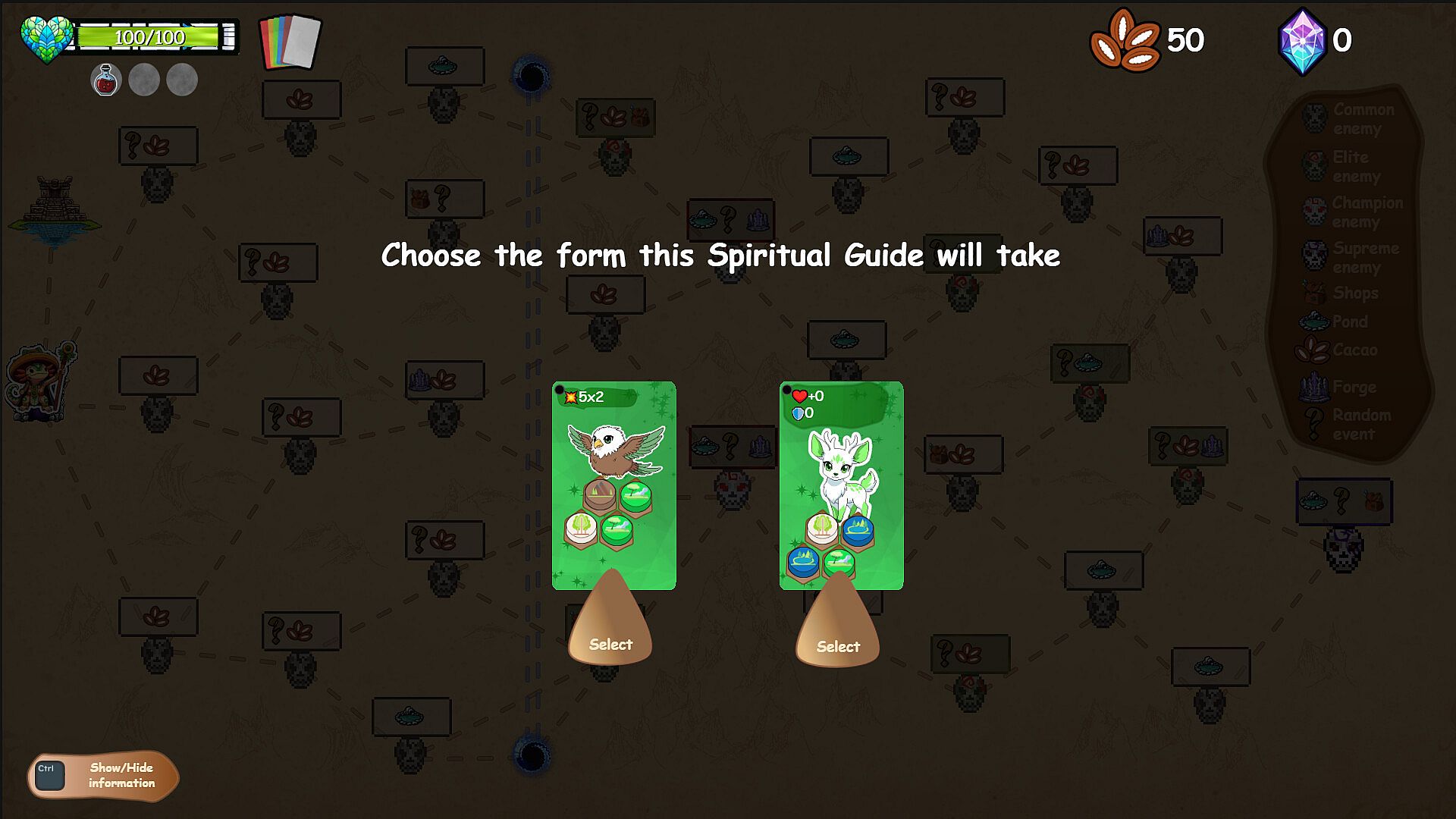
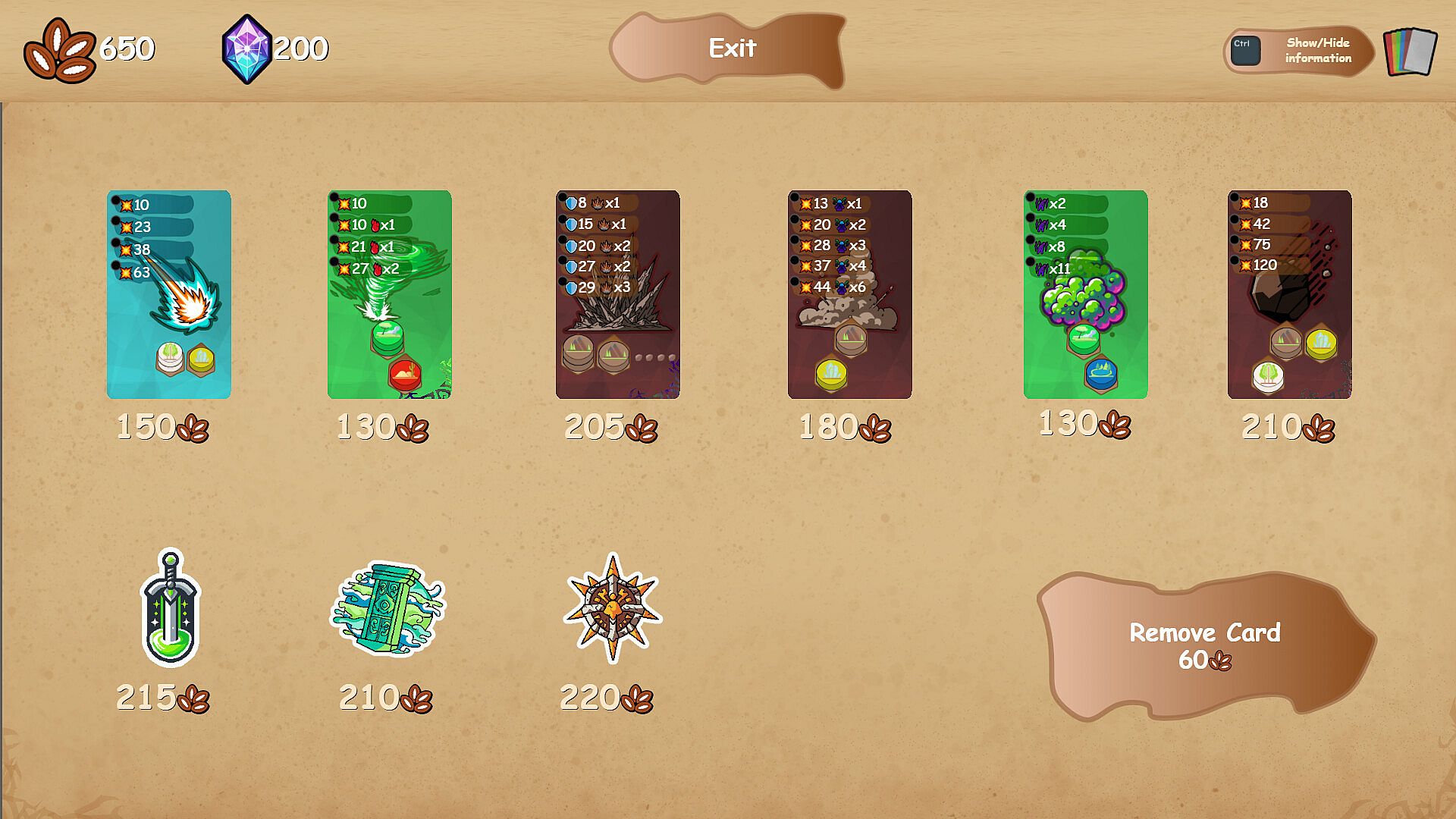

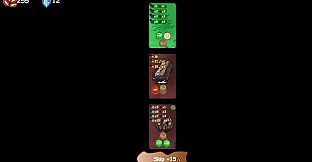
Mictla è un roguelike deckbuilder a base di puzzle che fonde strategia ed elementi RPG in un universo ispirato alla mitologia mesoamericana. Il giocatore guida un piccolo axolotl di nome Axolopochtli attraverso il sottosuolo corrotto di Mictlan, dove un'influenza proveniente dal mondo dei vivi ha spezzato l'equilibrio e ha coinvolto persino il dio che lo governa. L'esperienza si concentra sulla discesa lungo percorsi generati proceduralmente, raccogliendo e combinando carte, reliquie e famigli per superare ostacoli e nemici.
Gameplay
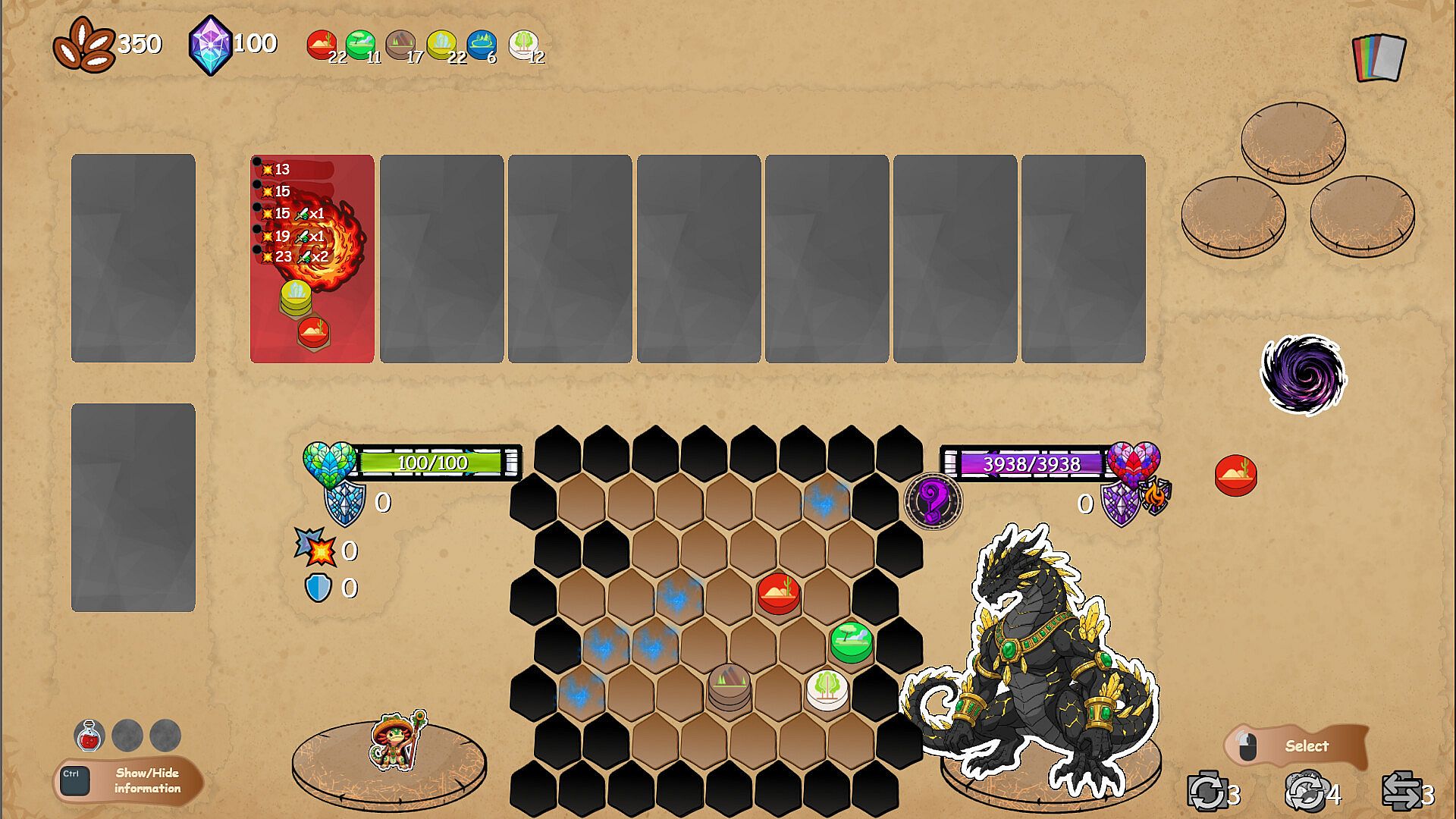
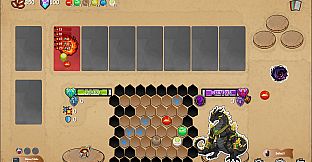
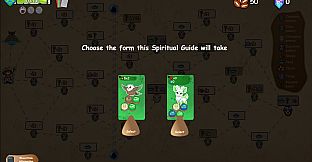
Il ciclo di gioco ruota attorno a scontri a turni che valorizzano la strategia spaziale e il riconoscimento di pattern. Lo spazio limitato sul tabellone impone di posizionare le mosse con attenzione per creare combinazioni elementali in grado di infliggere danni elevati o attivare effetti speciali. Ogni incontro richiede adattamento: la stessa carta raramente si comporta allo stesso modo due volte, a causa della generazione procedurale e del comportamento mutevole dei nemici. Spiriti compagni si uniscono all'axolotl e offrono abilità aggiuntive che possono ribaltare la situazione, trasformando posizioni difensive in opportunità offensive o innescando reazioni a catena su più turni.
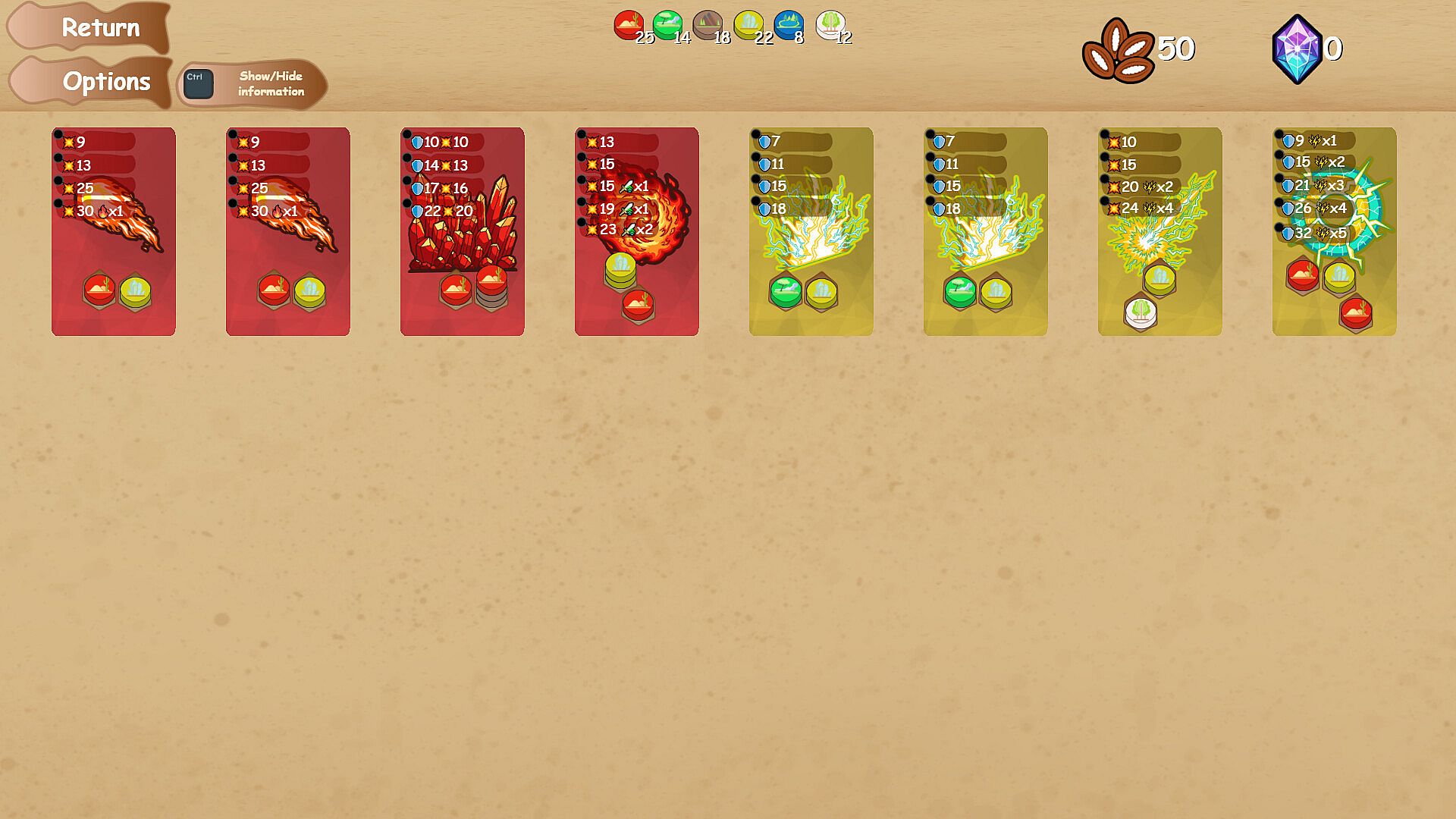
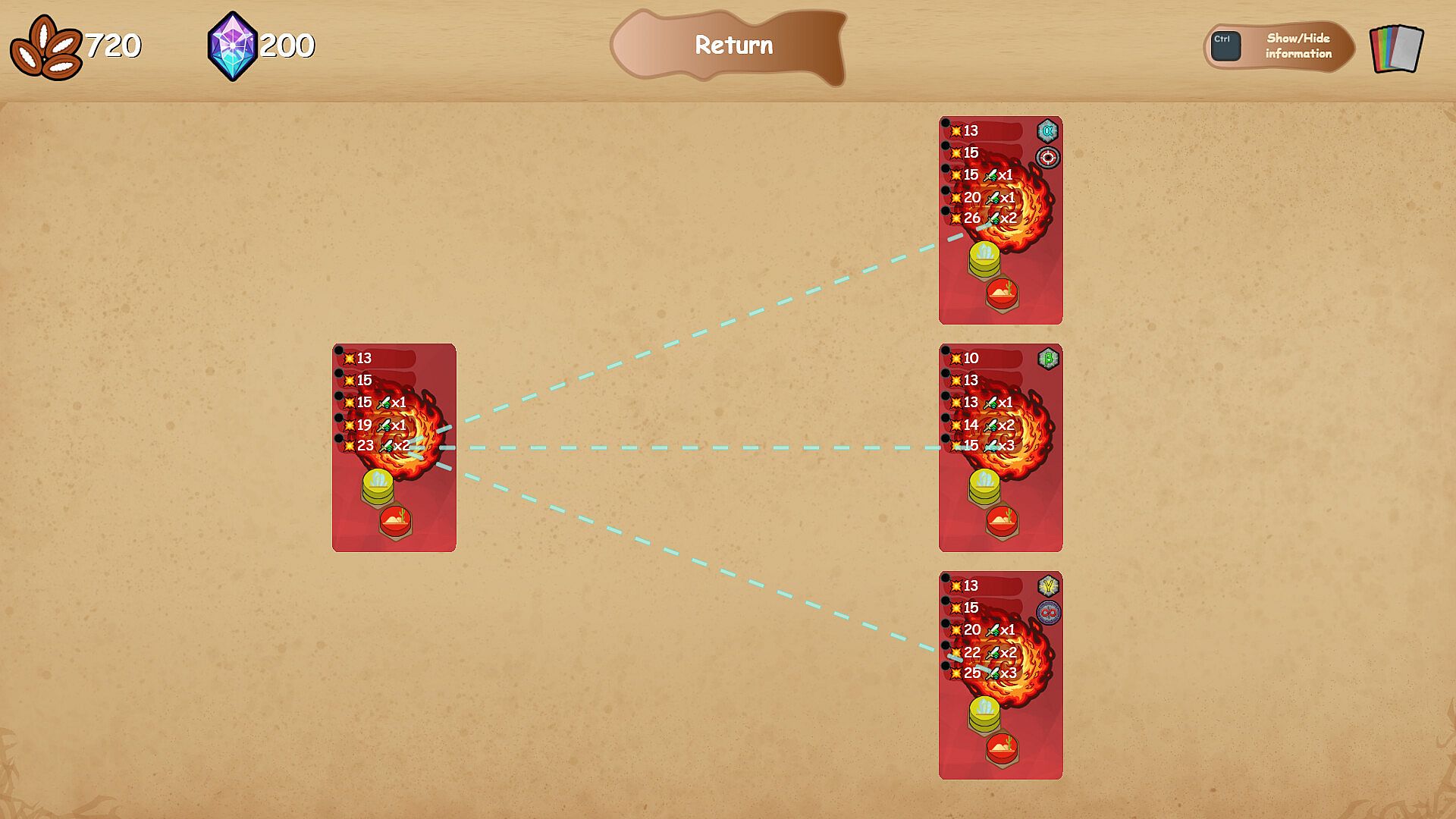
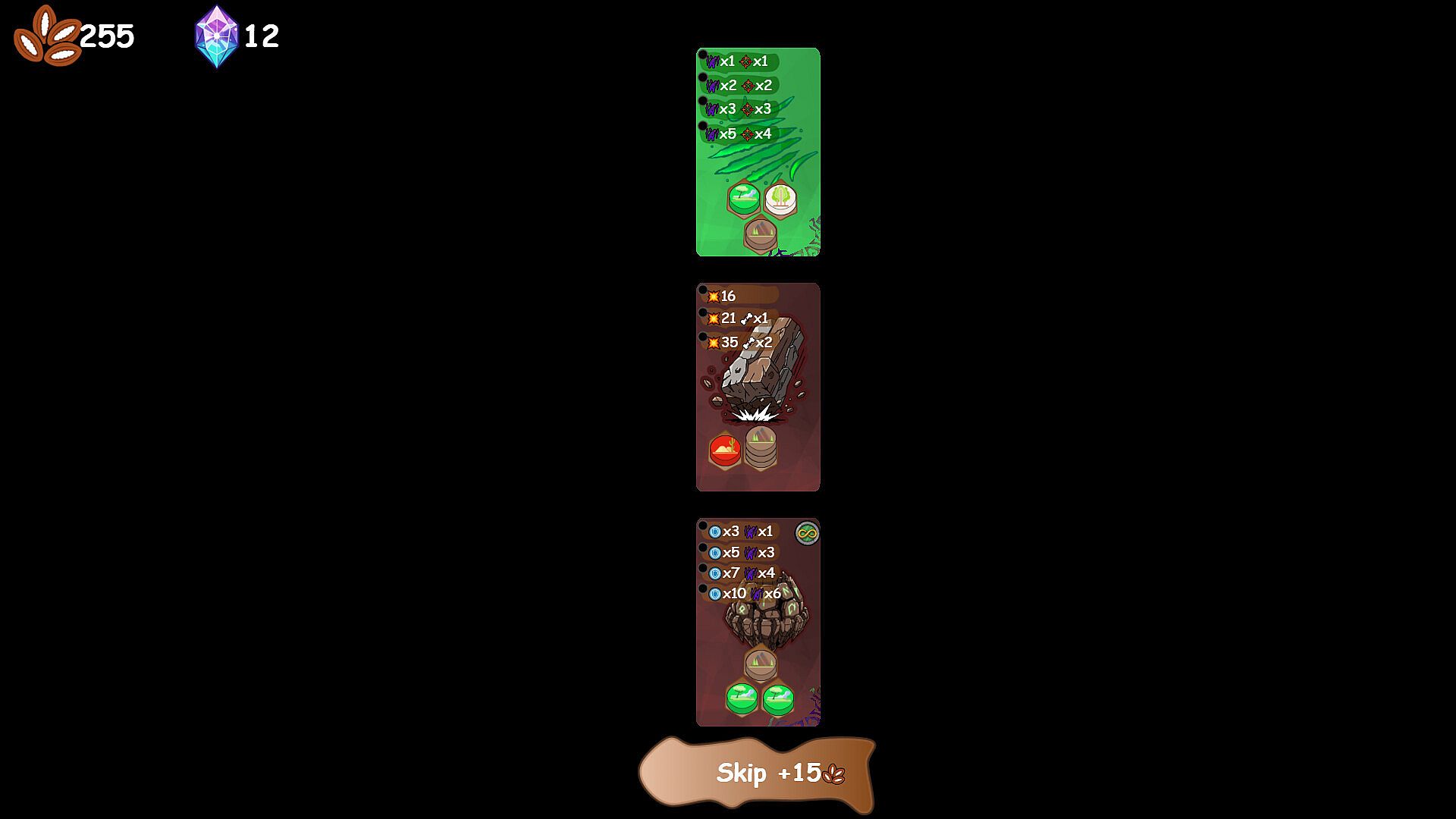
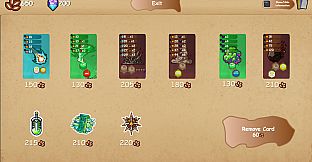
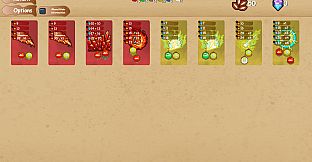
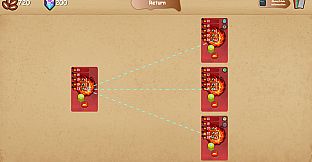
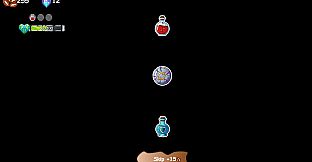
Il progresso si basa su diversi sistemi di potenziamento applicati a carte, reliquie e famigli. Queste modifiche generano sinergie ramificate che premiano la sperimentazione tra una run e l'altra. Le reliquie possono potenziare specifici tipi elementali, mentre i famigli introducono nuove opzioni di movimento o ruoli di supporto. L'obiettivo resta imparare da ogni tentativo: le sconfitte mettono in luce le debolezze della build attuale e le vittorie derivano dal raffinare combinazioni in grado di sfruttare al meglio i pattern del tabellone.
Modalità di gioco
Mictla offre partite in solitario, focalizzate esclusivamente sulle decisioni individuali e sull'ottimizzazione del mazzo. È disponibile anche una modalità cooperativa per due giocatori, che condividono il controllo dell'axolotl e dei suoi alleati durante la stessa run. Entrambe le modalità seguono la stessa struttura di base: percorsi procedurali e sfide crescenti, con livelli più profondi che introducono guardiani più potenti e effetti di corruzione più complessi, mettendo alla prova strategie affinate.
Non esistono modalità competitive o versus. Il design mantiene l'attenzione sulla discesa cooperativa o solitaria attraverso gli strati dell'oltretomba, dove ogni cerchio aggiunge difficoltà senza modificare le regole fondamentali del puzzle e del deckbuilding.
Ambientazione e progressione
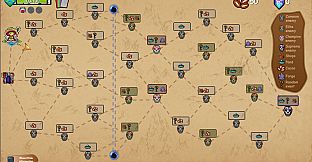
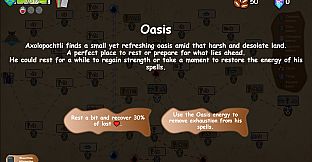
Il mondo riprende direttamente i concetti mesoamericani dell'aldilà, presentando Mictlan come un reame stratificato ora minacciato da una corruzione esterna. Antichi guardiani si manifestano come avversari imponenti che proteggono zone chiave, mentre spiriti inquieti popolano i sentieri. L'esplorazione alterna il movimento su layout generati alla raccolta di reliquie che alimentano i sistemi di deckbuilding. Il filo narrativo segue il viaggio dell'axolotl alla ricerca della fonte dello squilibrio, rivelata gradualmente attraverso gli incontri piuttosto che con spiegazioni esplicite.
Le run multiple permettono di familiarizzare con gli alberi di potenziamento e i comportamenti dei compagni. I primi livelli introducono le interazioni base tra carte, mentre i cerchi successivi richiedono la padronanza di sistemi combinati per gestire una maggiore densità di nemici e condizioni del tabellone modificate. La struttura incoraggia i tentativi ripetuti per scoprire nuove sinergie, senza ricorrere a sblocchi permanenti oltre a quanto ogni run offre.
Vale la pena giocarci?
Mictla si rivolge a chi cerca esperienze strategiche deliberate e ad alta difficoltà, piuttosto che titoli action accessibili o incentrati sulla narrazione. Il suo formato di puzzle roguelike deckbuilder premia pazienza e apprendimento iterativo: ogni sconfitta fornisce un feedback diretto sulle scelte di build e sull'esecuzione dei pattern. La modalità cooperativa estende l'esperienza alle coppie che apprezzano la risoluzione collaborativa di problemi sotto pressione.
In Early Access, il gioco è ancora in sviluppo attivo, ma i sistemi descritti sono già giocabili. Chi apprezza i roguelike impegnativi che privilegiano l'adattamento rispetto alla power fantasy troverà valore costante nelle sue meccaniche. L'assenza di modalità facili o checkpoint indulgenti è coerente con l'intento di creare vittorie significative attraverso persistenza e raffinamento. Se la combinazione di puzzle spaziali, sinergie tra carte e atmosfera mitologica corrisponde alle preferenze personali per la profondità strategica, la versione attuale offre una solida base per sessioni prolungate.