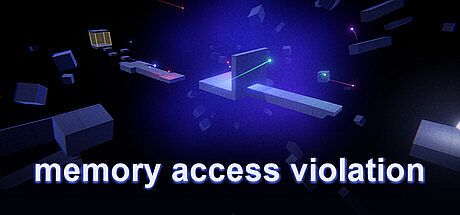


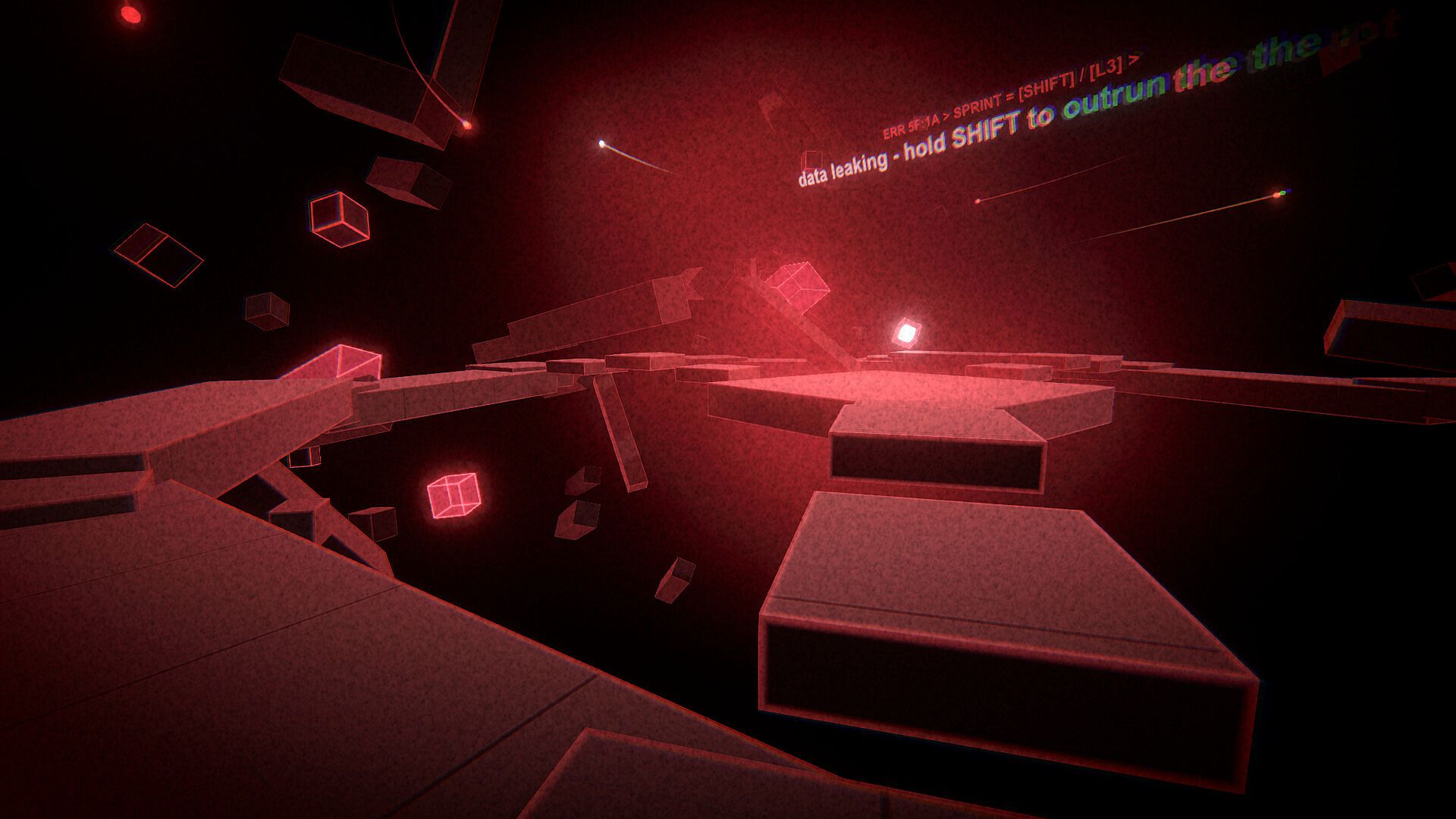
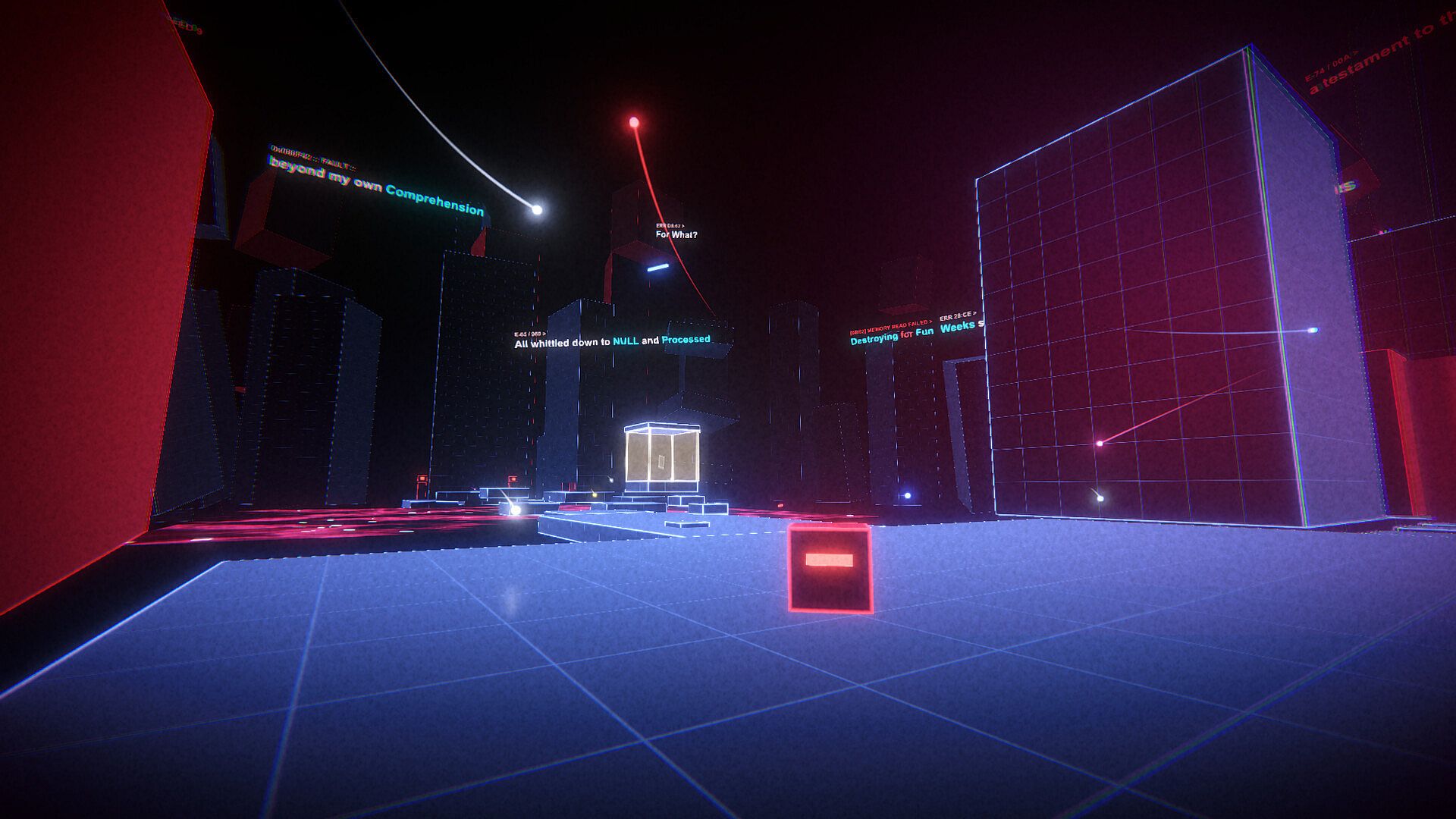
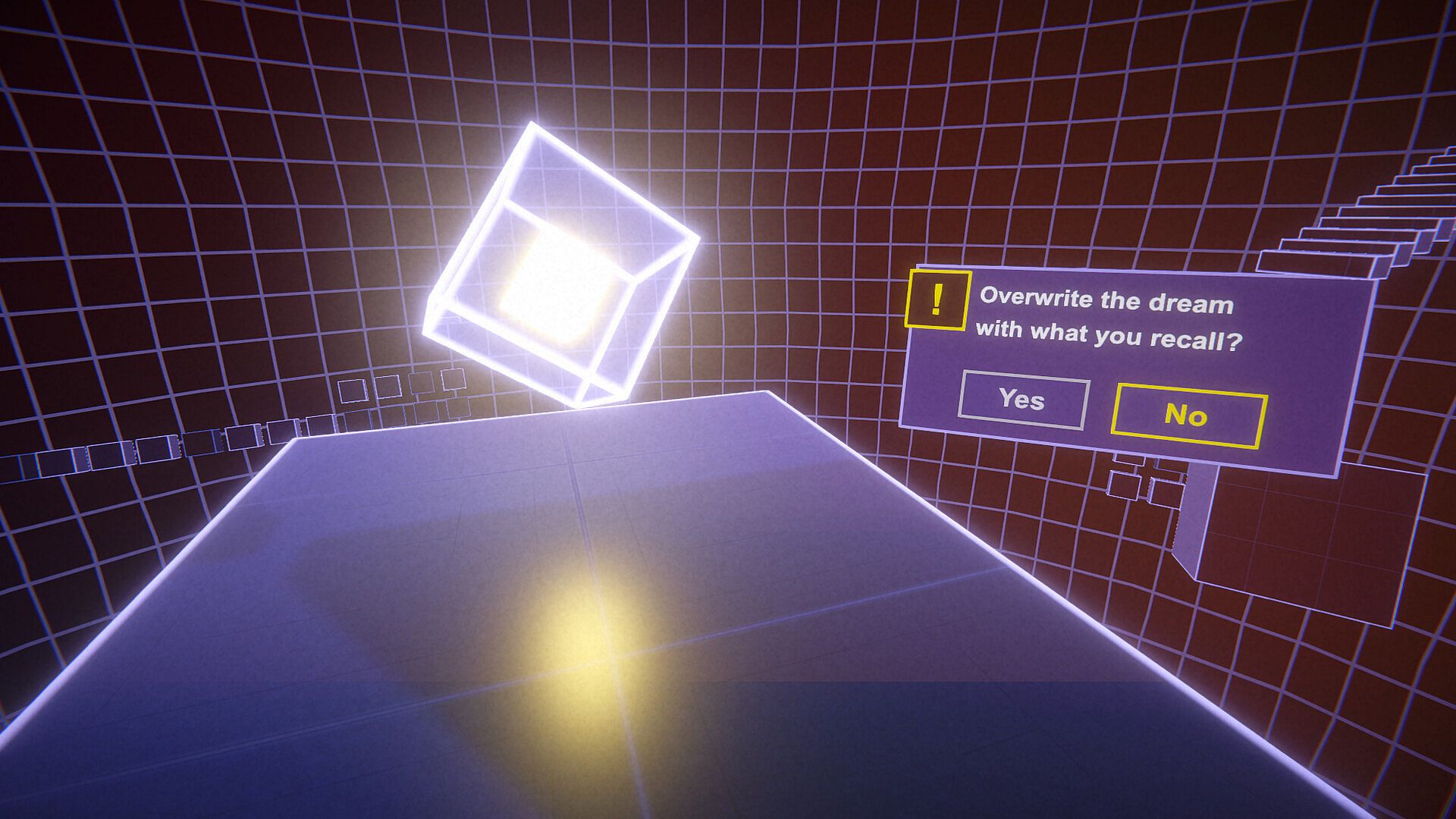
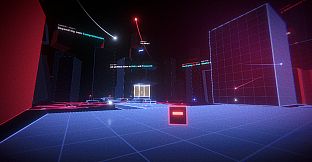

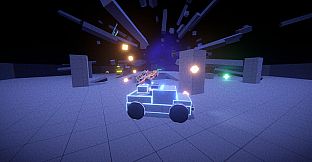


Memory Access Violation is a first-person indie adventure game for PC that unfolds across surreal, geometry-driven spaces resembling corrupted digital memories. Players navigate environments constructed from rectangular prisms, light, and static, solving spatial puzzles while managing occasional threats and vehicle sequences.
Gameplay
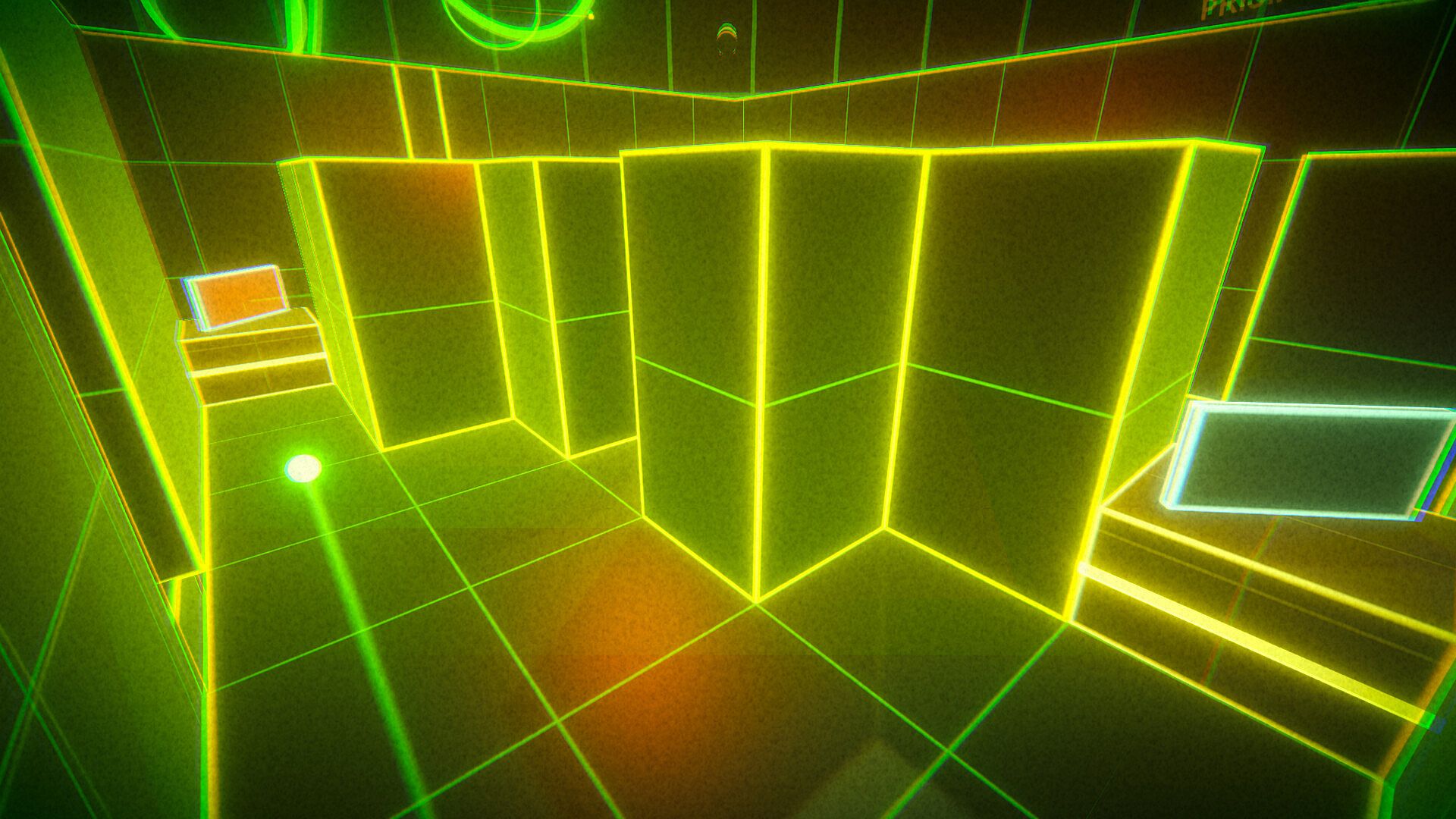
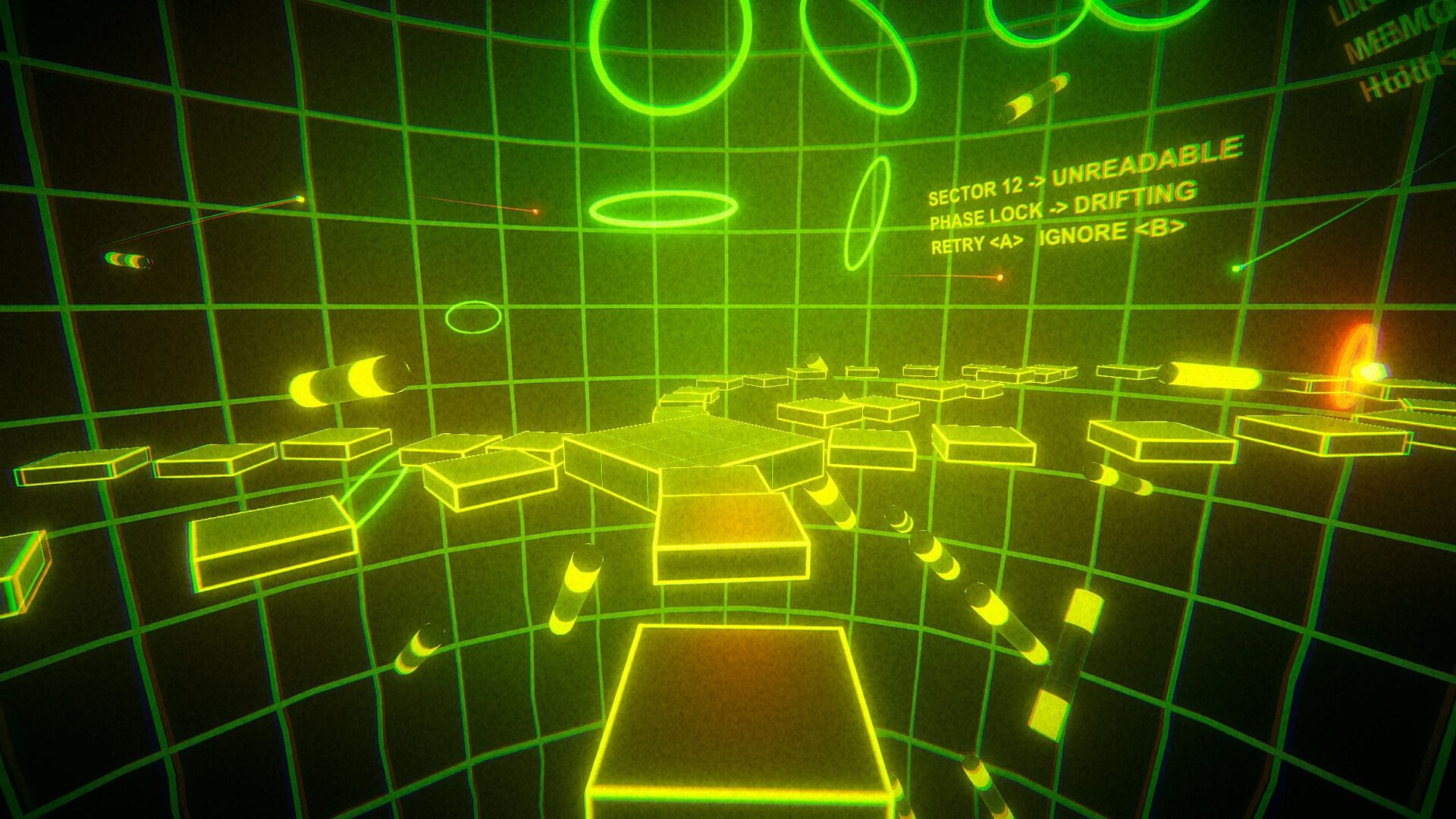
The core loop centers on manipulating light and geometry to progress through unstable areas. Prisms can be moved, rotated, and extended to redirect beams and create paths. Recall lights activate false platforms that appear only when touched, forcing careful timing and observation amid shifting surfaces.
Environmental hazards include launch pads for momentum-based traversal, platforms that collapse underfoot, rising floods that alter safe zones, and sequences of endless stairs requiring precise navigation. Combat integrates directly into exploration, with players casting bolts of light to neutralize crawlers and sentries while avoiding searchlights and artillery emplacements.
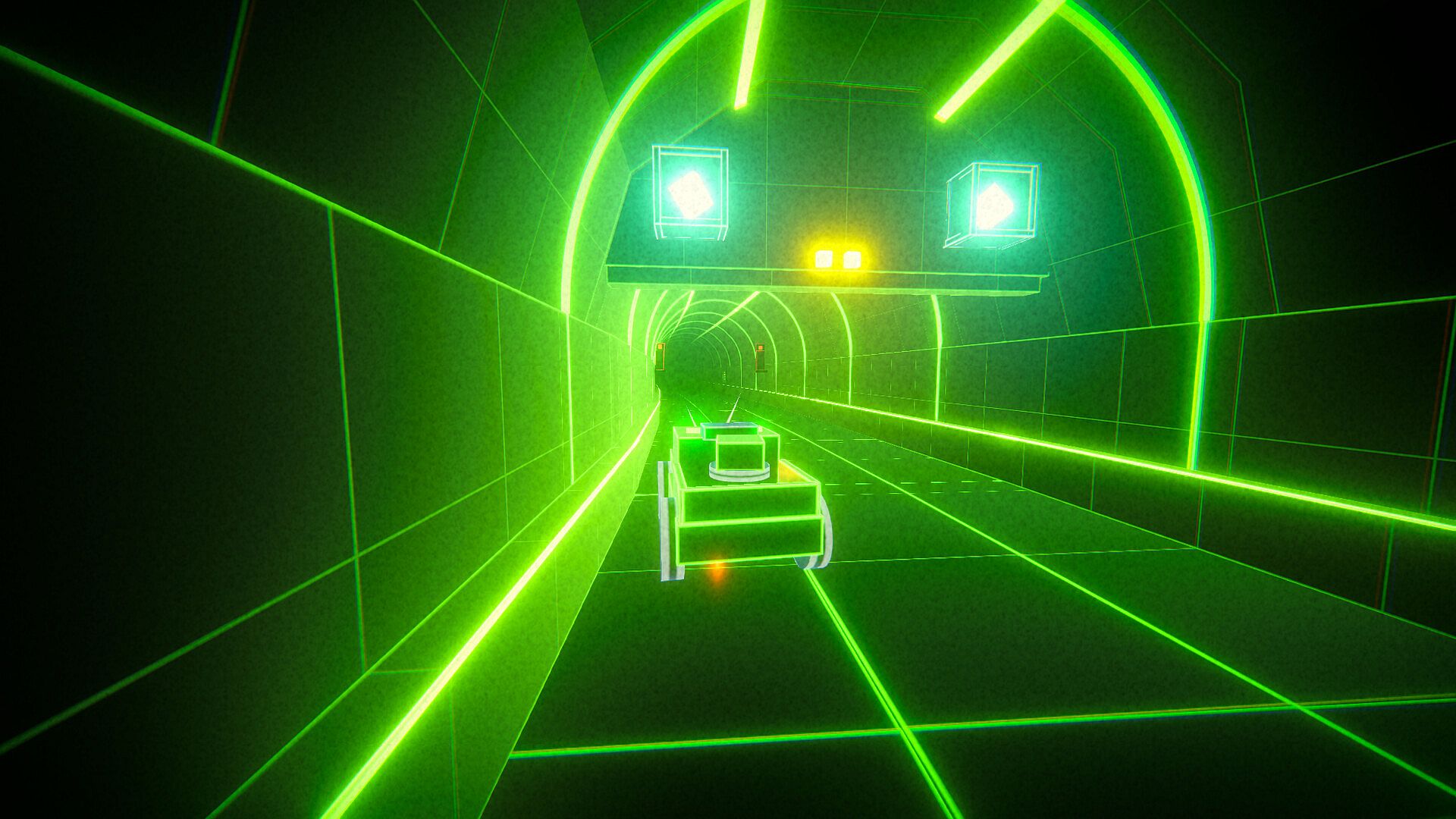
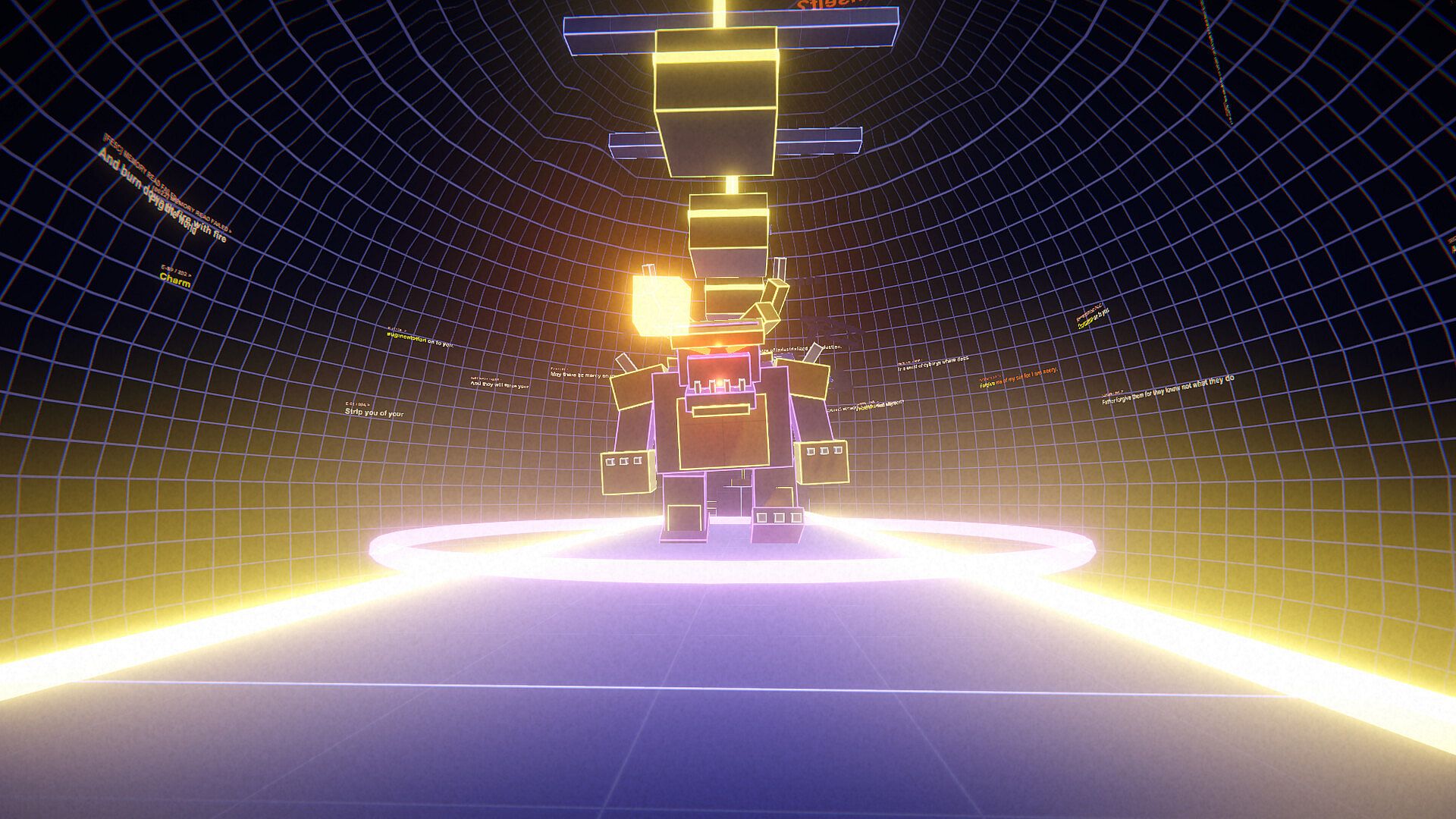
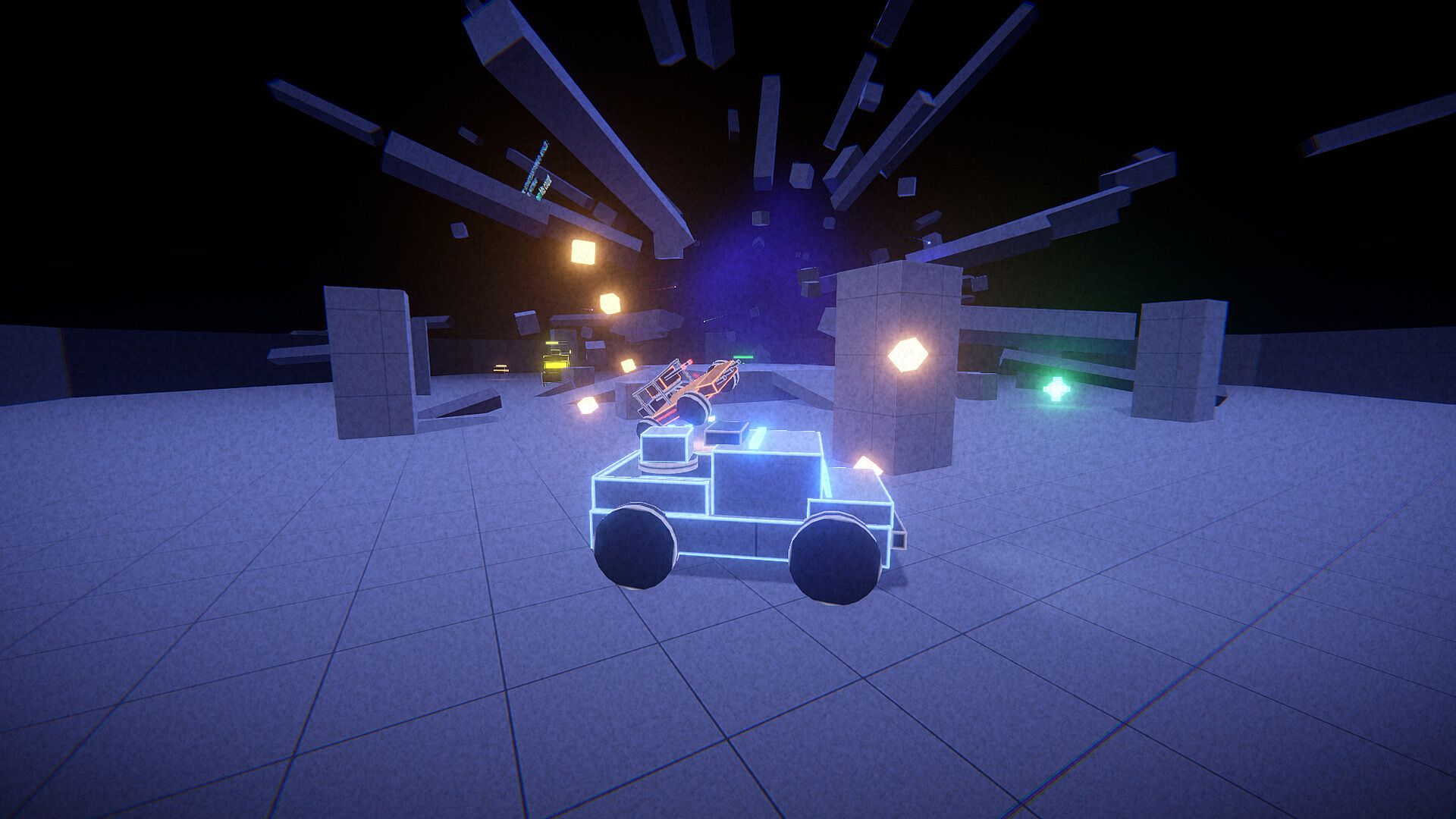
Boss encounters involve larger constructs from earlier forgotten conflicts, demanding sustained light attacks combined with evasion. Later sections introduce vehicle driving along data roads, where drifting through turns and chaining boosts maintains speed and control on narrow tracks.
Poem fragments appear in the closing stages, their text altering based on prior choices and memory states to add layers of narrative texture without overt exposition.
Game Modes
The game operates entirely as a single-player experience with no separate multiplayer or competitive modes. Progression follows a continuous sequence of 27 corrupted memories that blend puzzle resolution, light-based combat, and vehicle handling into one cohesive journey.
Sections vary in emphasis: early areas focus on prism manipulation and platform revelation, mid-game introduces enemy encounters and evasion, while final stretches incorporate driving mechanics and shifting textual elements. Achievements track specific accomplishments such as efficient prism solutions or boss defeats.
Atmosphere and Design
Environments evoke half-remembered digital ruins where geometry feels unstable and light behaves unpredictably. Visuals rely on simple shapes and custom shaders rather than detailed textures, creating a consistent aesthetic of abstraction and glitch. The solo developer incorporated AI assistance for code and level layout while ensuring puzzle fairness through automated verification tools.
Sound design supports the theme with minimalistic audio that highlights static, echoes, and mechanical hums during vehicle sections. No additional content updates or seasonal features have been confirmed ahead of the planned October 2026 release.
Is It Worth Playing?
Memory Access Violation targets players who appreciate deliberate puzzle-solving combined with light combat and short vehicle segments in a compact single-player package. The geometric focus and memory motif distinguish it from standard adventure titles, though the experience remains linear without branching paths or replay incentives beyond achievements.
With no user reviews available prior to launch and a modest scope confirmed through system requirements and feature listings, the game suits those seeking a focused indie session on PC rather than expansive multiplayer or ongoing content. Availability will be limited to the base single-player campaign upon release.