




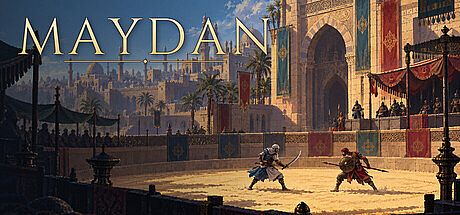


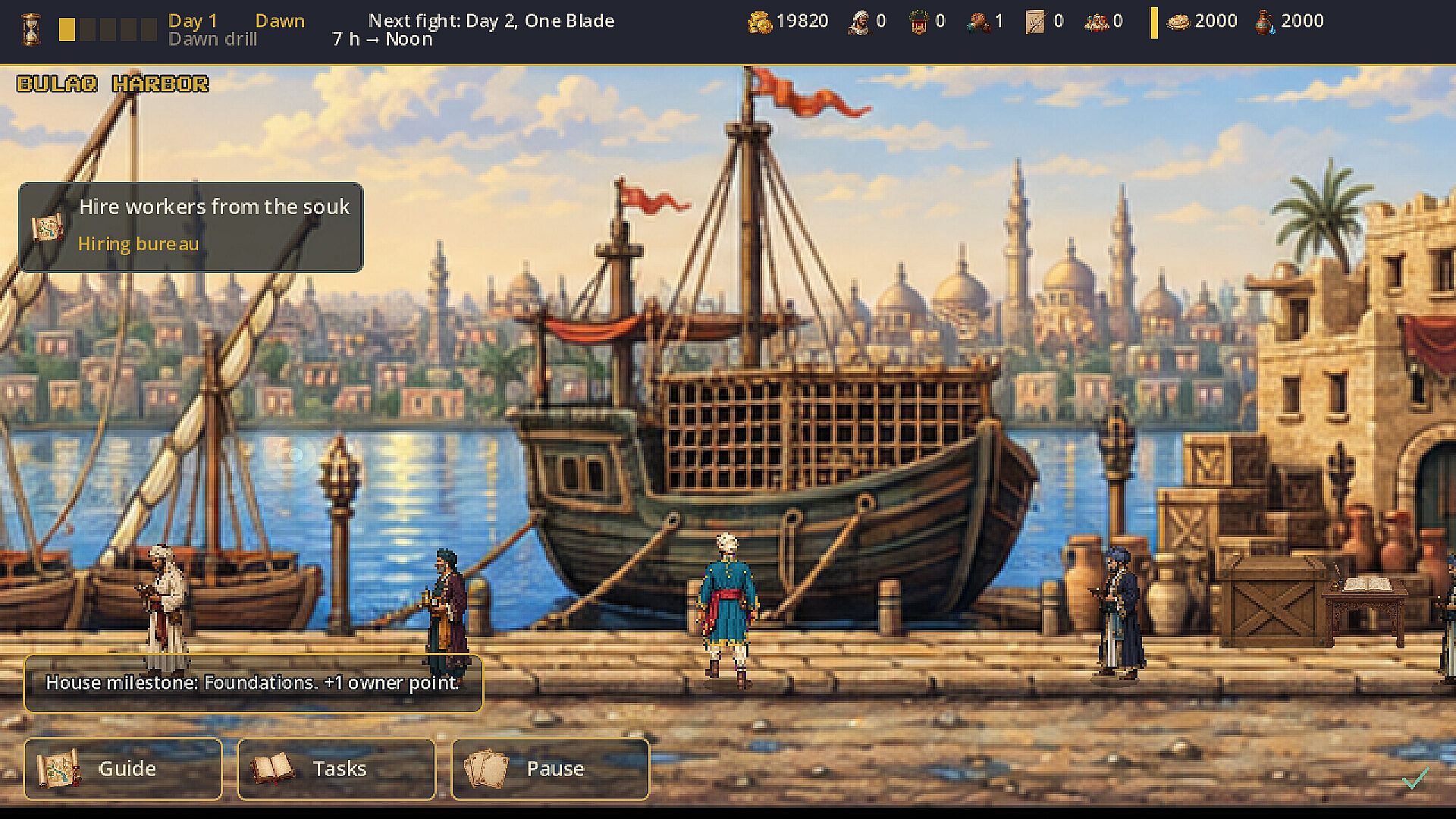
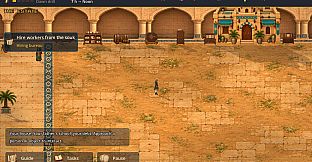
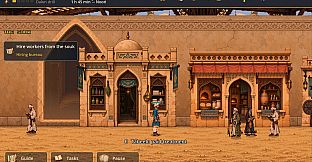
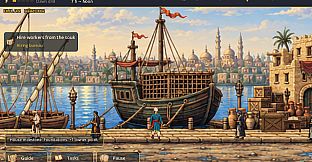
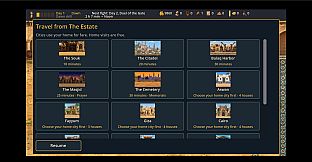
Maydan is a single-player historical strategy and management game set in Mamluk Cairo. Players build and oversee a fighting house, starting from a modest school and expanding it into a staffed estate complete with training facilities and an arena. The experience blends recruitment, fighter development, tactical preparation, and broader estate operations in a persistent world where outcomes influence long-term records and relationships.
Gameplay
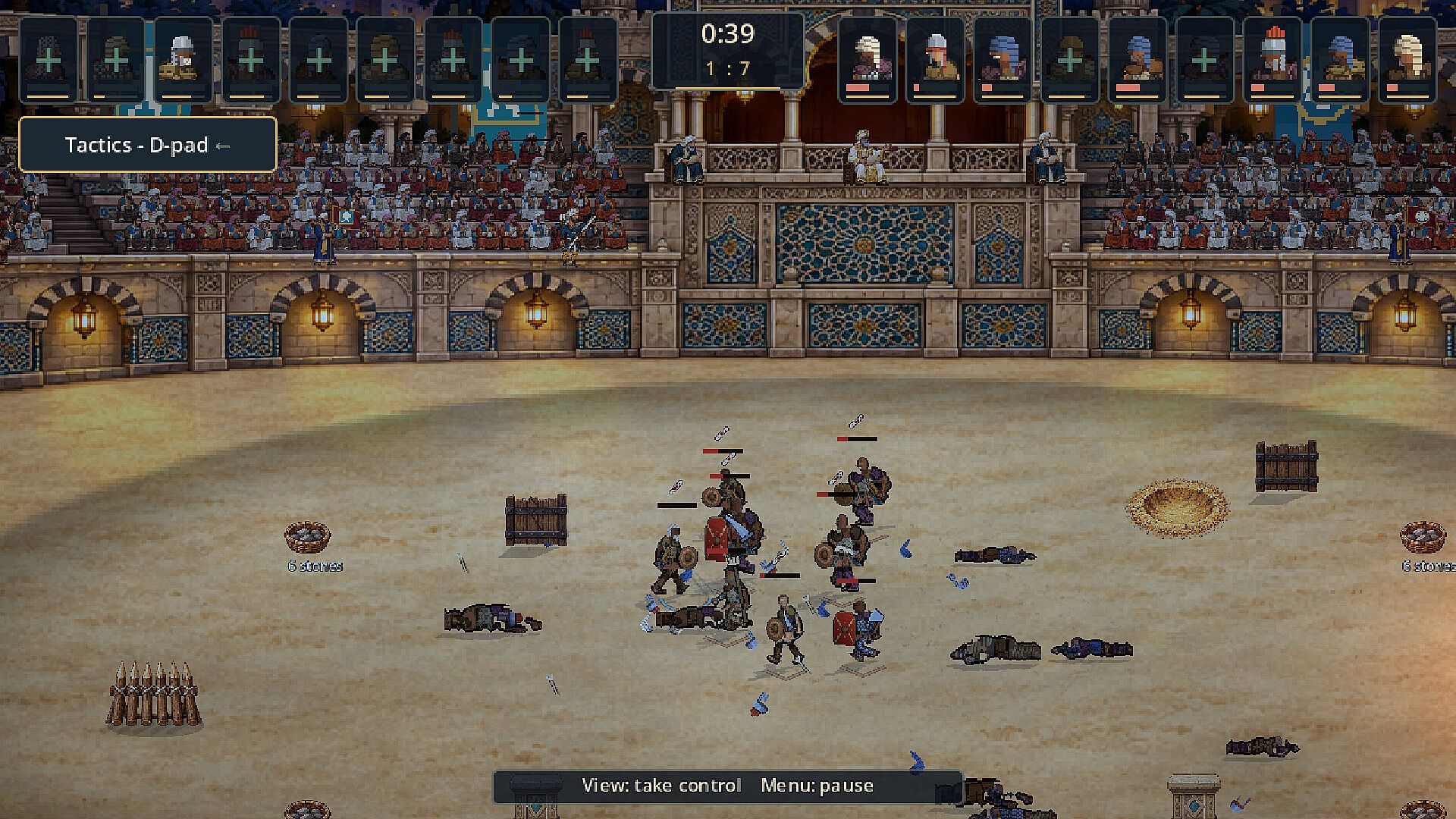
The core loop centers on recruiting named fighters and guiding their careers from early bouts through potential injuries, rivalries, and eventual retirement. Each fighter exists within a shared world, so scouting opponents becomes essential before matches. Preparation involves selecting team members, assigning equipment, and deciding on tactics that play out in 2D arena combat. Victories and defeats directly affect individual records, interpersonal dynamics, and the overall standing of the house.
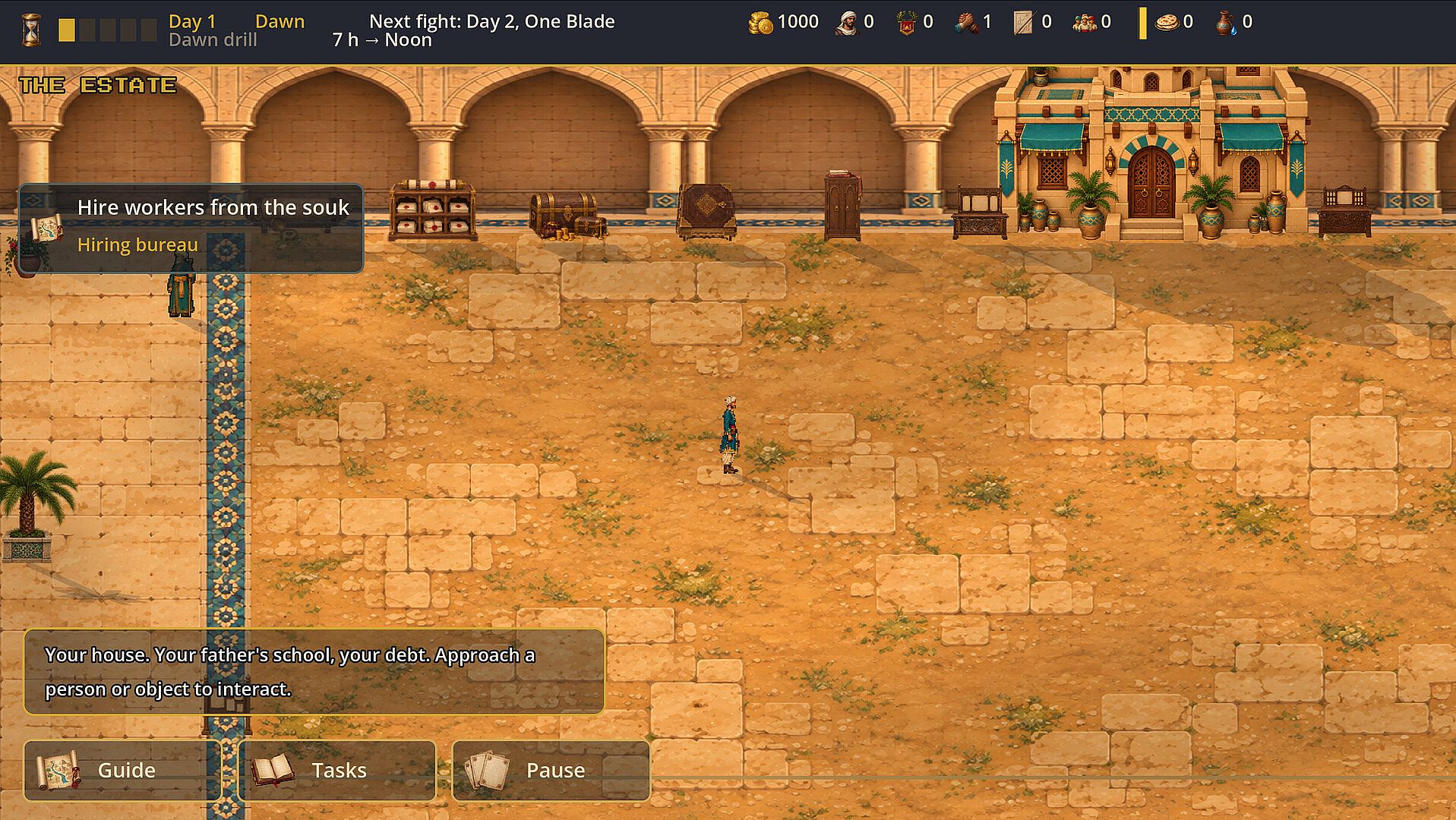
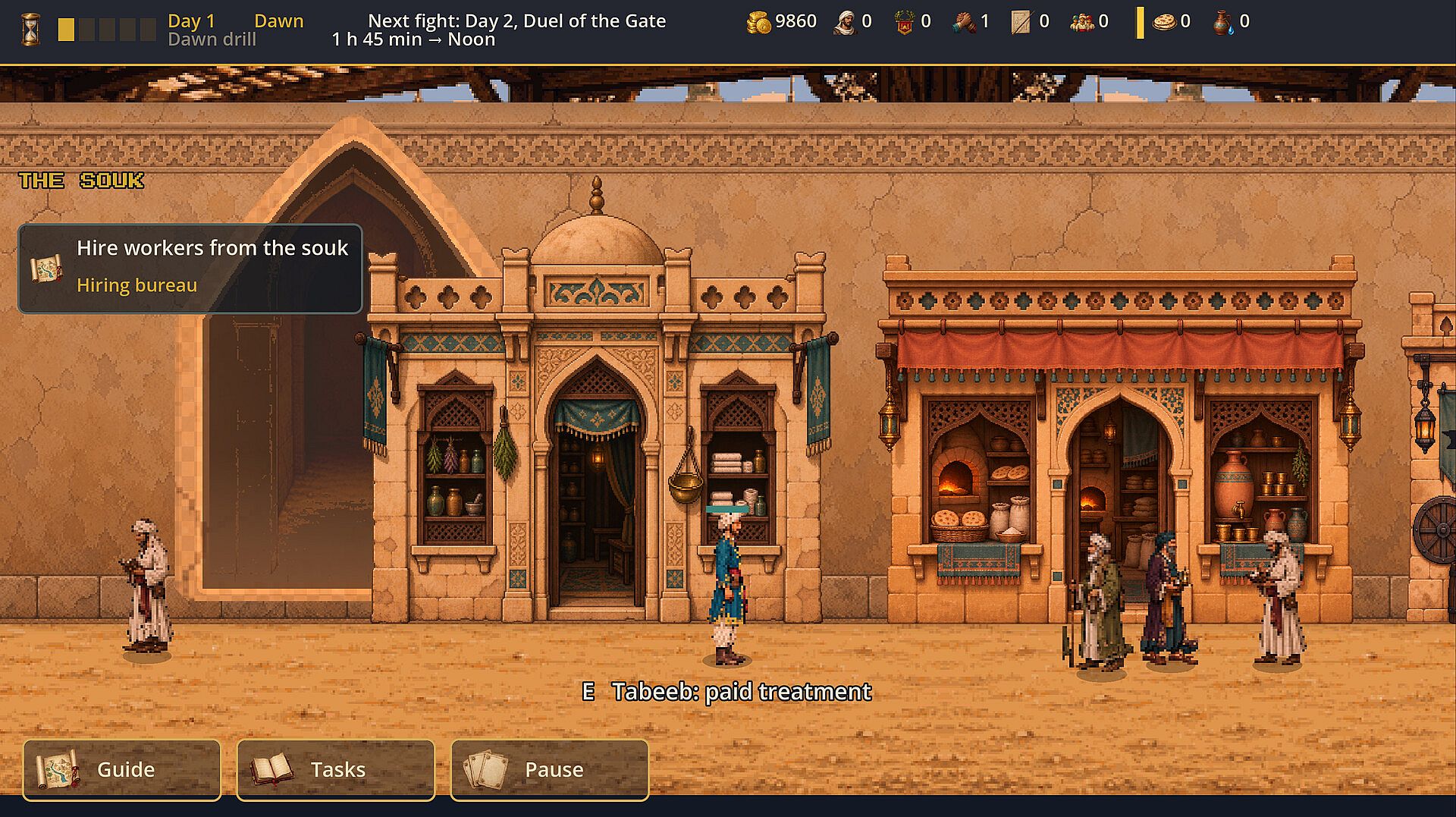
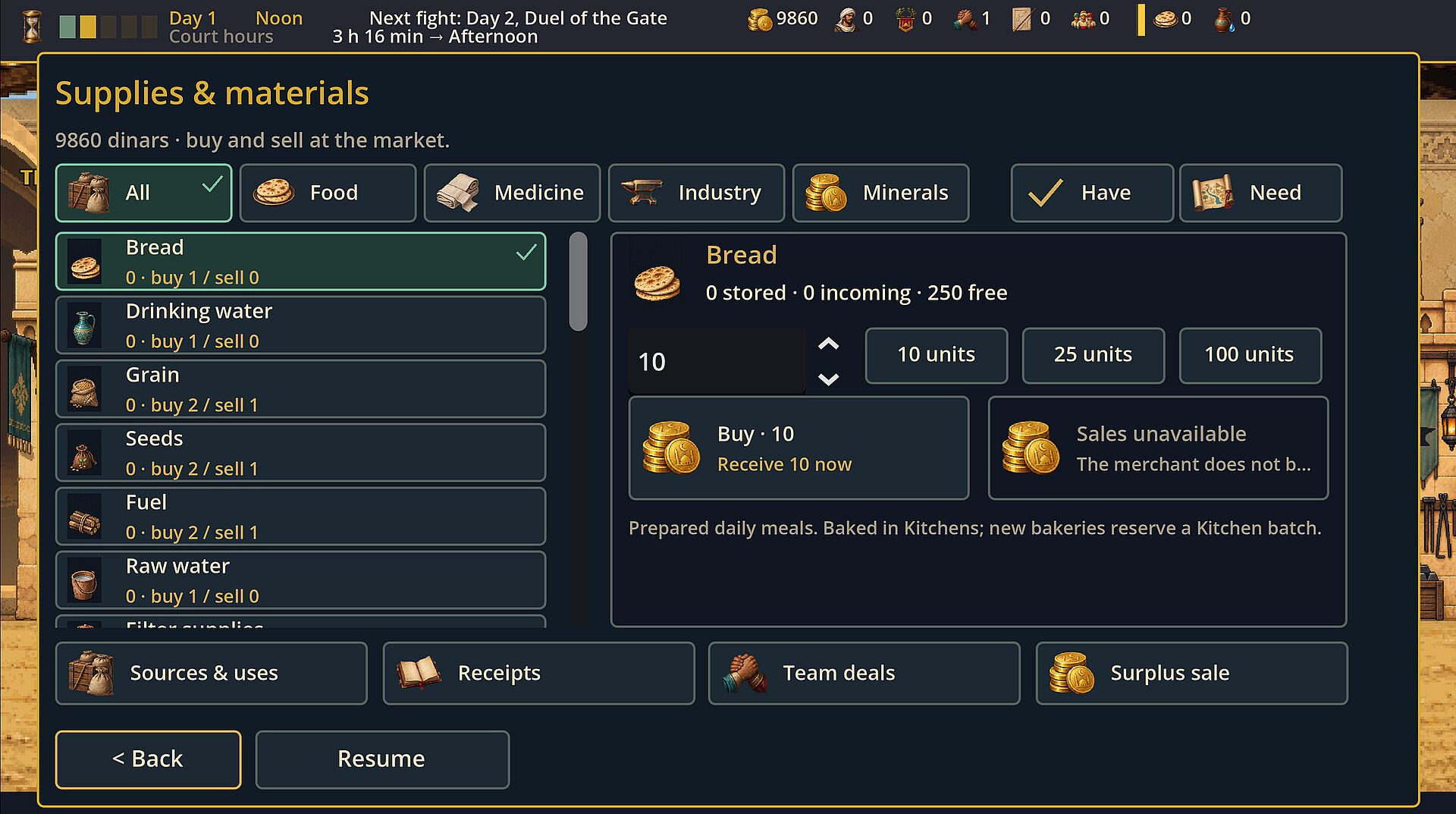
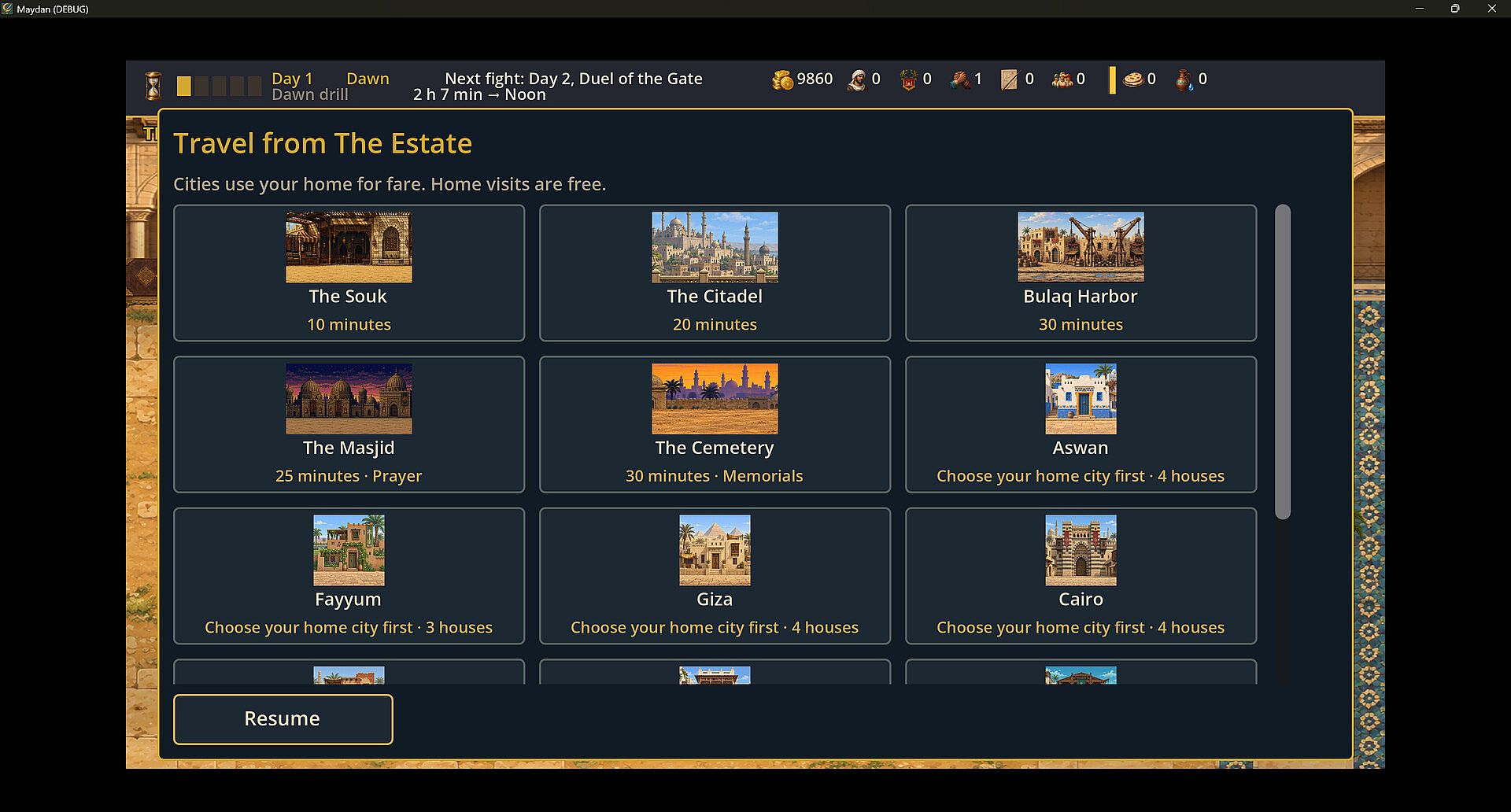
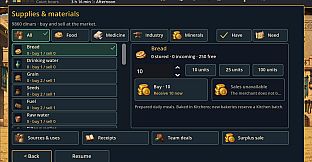
Outside the arena, players handle the supporting infrastructure. This includes constructing homes and training areas, hiring staff, managing production and trade of goods, covering medical needs, and balancing payroll with plans for growth. Reputation gains allow the house to develop its own arena and host external teams, creating opportunities for additional competition and income. The persistent nature of the fighter roster means decisions made early continue to shape available options and challenges over time.
Game Modes
Maydan operates as a single-player experience focused on career progression and house management. Arena bouts form the central competitive element, with players preparing teams and tactics for varied encounters against rivals. These matches unfold in 2D arenas, where results feed back into the broader simulation of records, injuries, and rivalries.
Management activities run alongside the competitive side. Players expand facilities, oversee resource flows, and maintain the workforce needed to sustain operations. As the house grows, hosting visiting teams adds another layer of activity tied to reputation and arena development. The game does not feature separate named modes beyond these integrated systems of fighter careers and estate oversight.
Setting and Historical Context
The game draws on the historical setting of Mamluk Cairo, placing the fighting house within that environment. Fighters train and compete in arenas while the player manages the supporting economy of homes, supplies, and personnel. This backdrop informs the types of bouts, rival interactions, and expansion goals without introducing unrelated fictional elements.
Named fighters carry individual histories that persist across sessions, allowing relationships and past performances to influence future decisions. Equipment choices and training regimens affect performance in the arenas, while external factors like injuries or rivalries can alter career trajectories. The combination keeps the focus on long-term planning rather than isolated events.
Current Development State
Maydan remains in active development with a planned release in the first quarter of 2027. Store materials feature recorded gameplay footage presented separately from cinematic scene art. No public updates or seasonal content have been detailed yet, and the title currently carries no user reviews on its platform page.
System requirements list Windows 10 or macOS 13 Ventura as minimum operating systems, along with quad-core processors, 8 GB of RAM, and compatible graphics hardware. These specifications are noted as preliminary while testing continues.
Is It Worth Playing?
Maydan targets players interested in single-player strategy and management titles that combine fighter career simulation with estate building. The emphasis on persistent fighter records, tactical bout preparation, and resource balancing appeals to those who enjoy overseeing long-term progression rather than quick sessions. Historical setting enthusiasts may appreciate the Mamluk Cairo backdrop applied to arena management and house expansion.
Because the game has not yet released, no player reception data or post-launch support details exist. Those drawn to the described systems of recruitment, training, 2D arena observation, and supporting economic management can follow its development for potential alignment with their preferences. The single-player focus and integration of combat outcomes with broader house simulation provide a clear direction for the experience once available.











