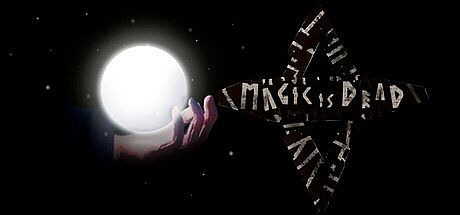


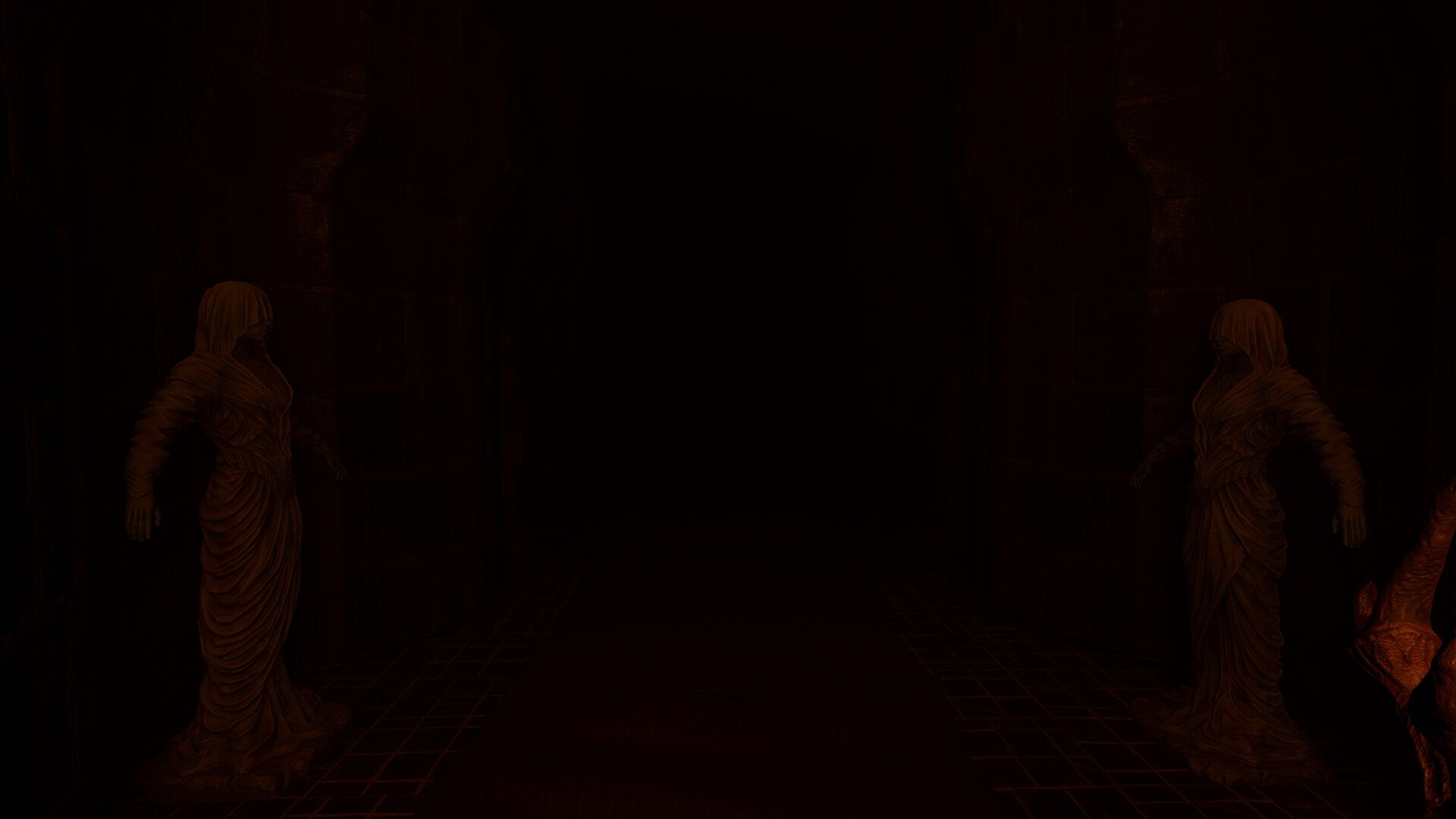
Magic is Dead is a single-player first-person psychological horror adventure developed as an indie title for PC. Players take control of an elderly wizard who wakes in the ruined headquarters of the Order of Sorcerers with no memories and no powers. The experience centers on exploration of these devastated halls, piecing together the events that led to the Order's collapse and the involvement of a figure named Avarus.
Gameplay
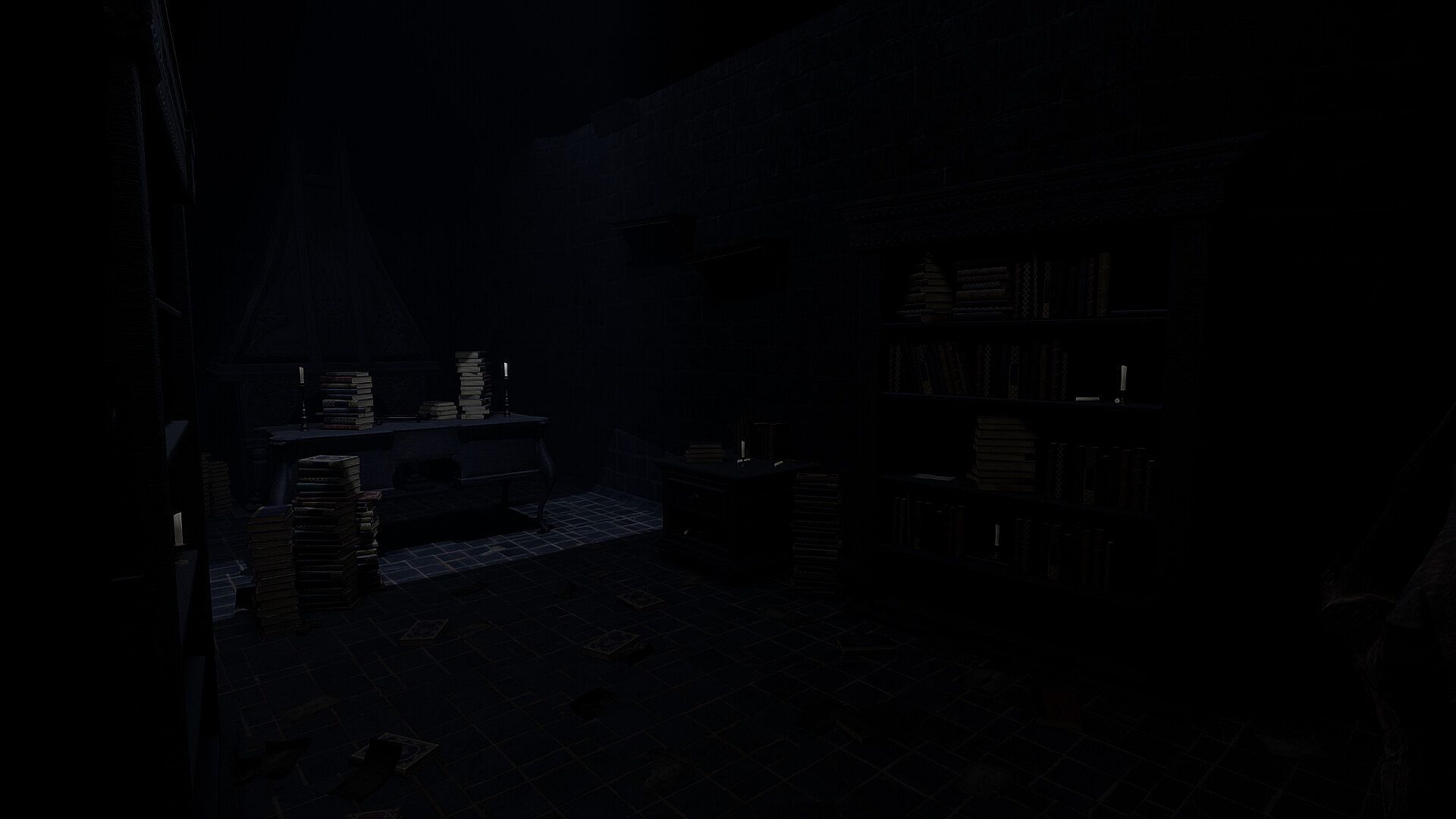
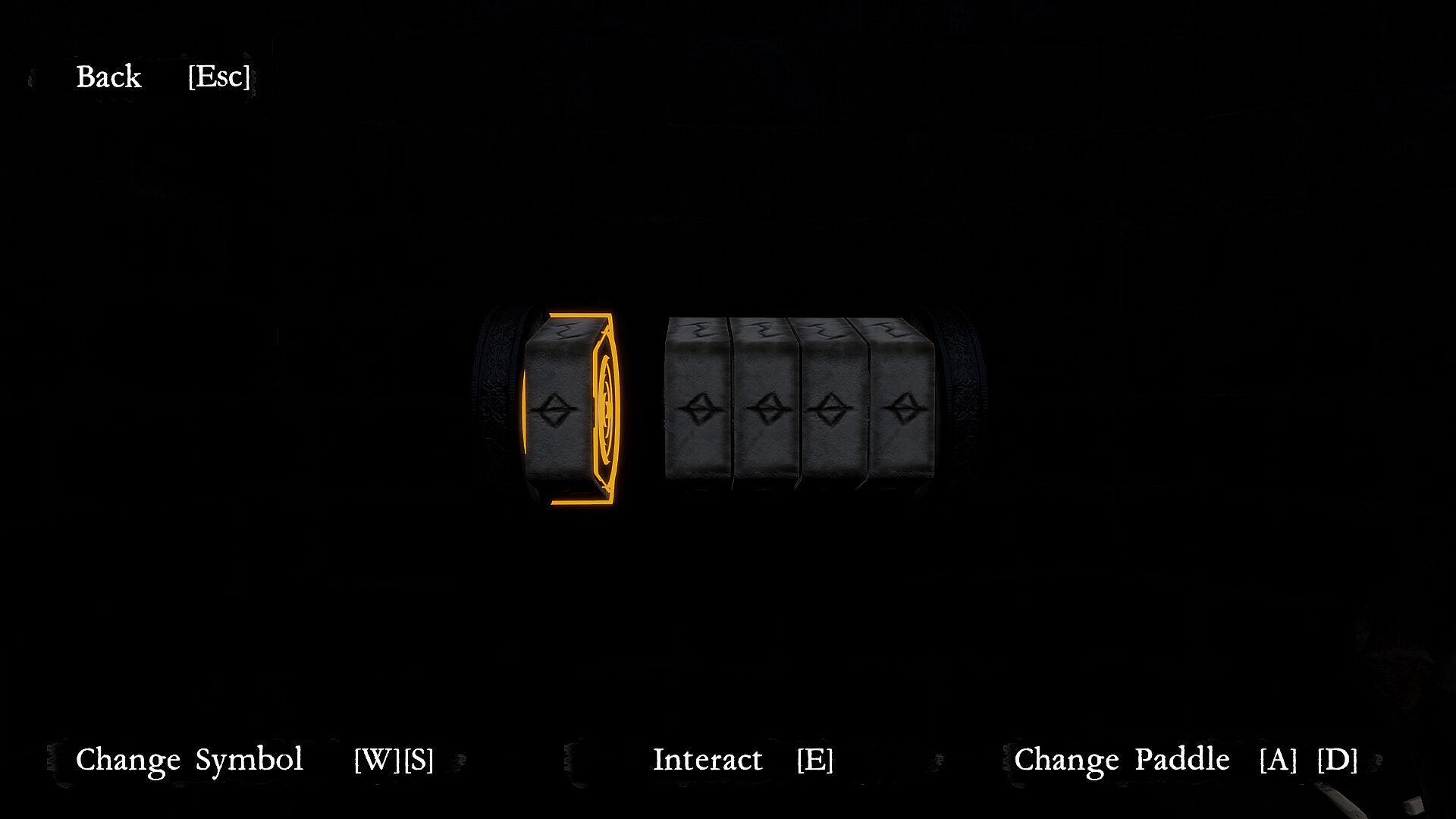
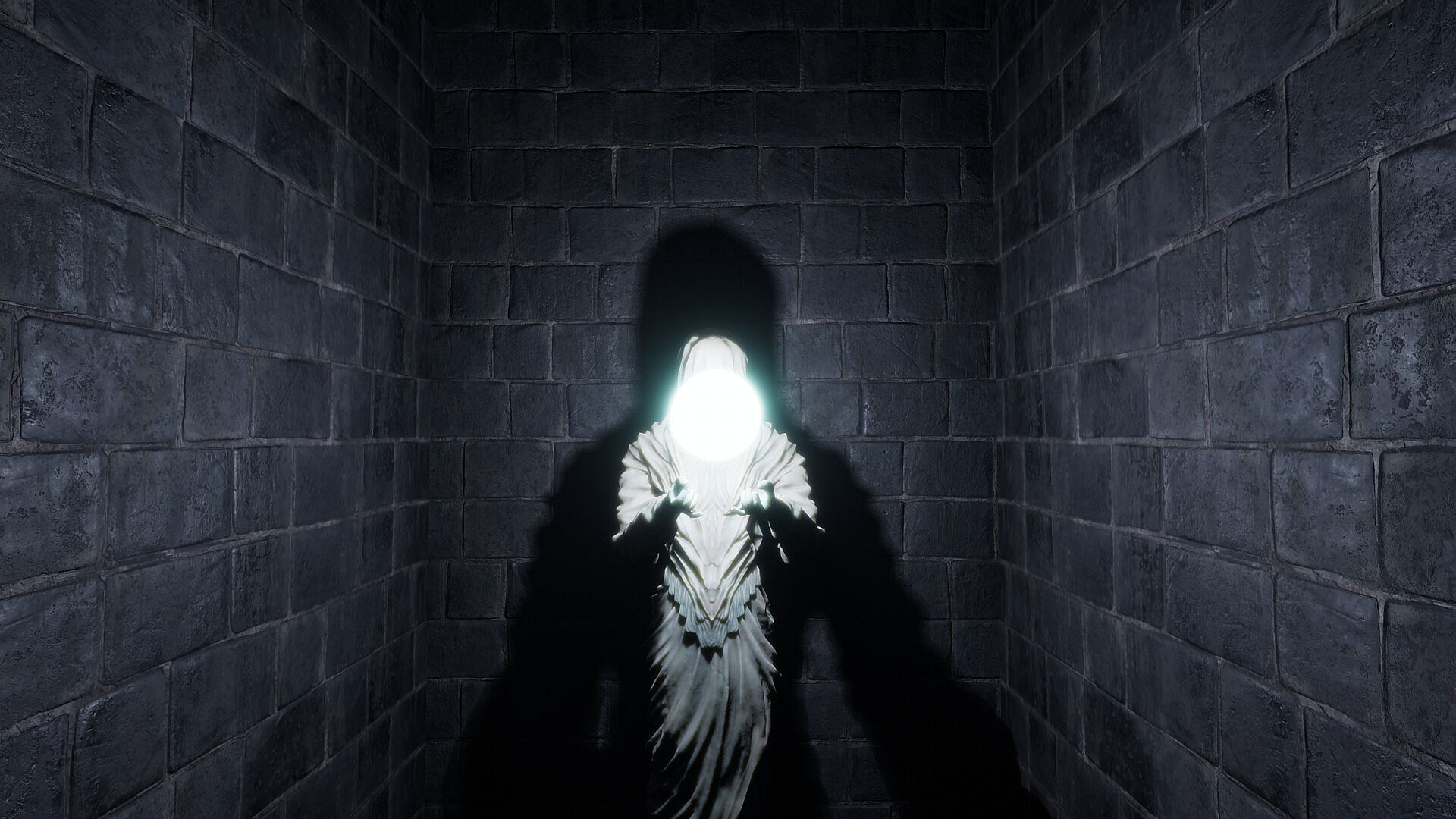
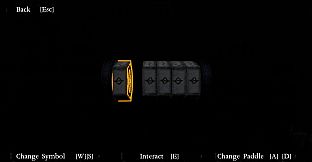
The game begins with the player stripped of magic and forced to navigate dark, unfamiliar spaces through careful observation and environmental interaction. A single spell becomes central once discovered, functioning primarily as a light source while also enabling specific forms of object manipulation and puzzle solving. Areas within the Order each introduce distinct challenges that blend logic, exploration, and item use with this limited magical tool.
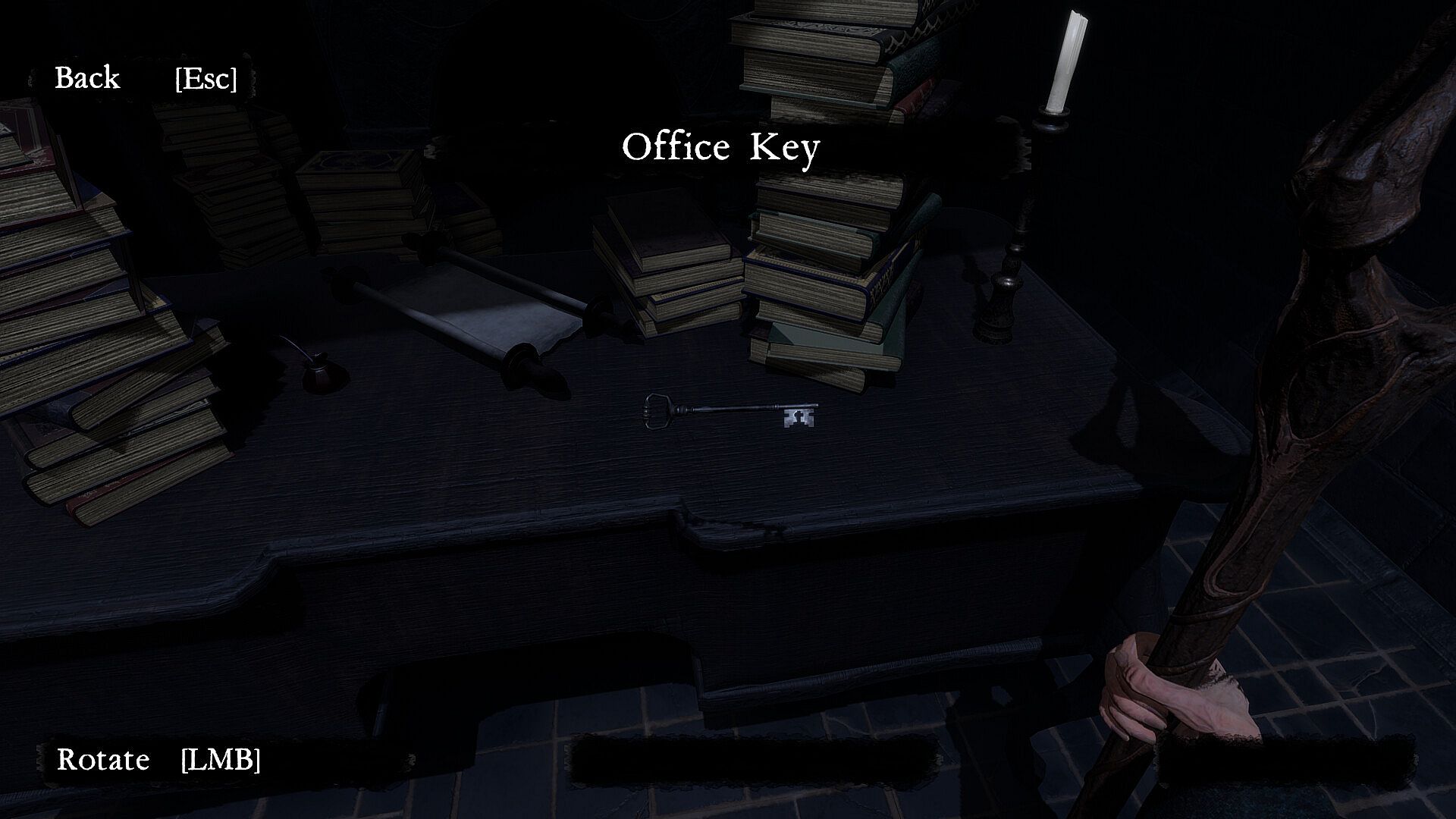
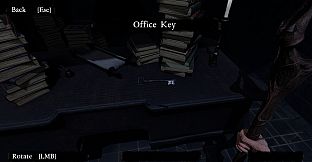
Progress relies on studying details in the surroundings, testing found objects, and locating key items amid the ruins. The absence of broader magic powers shifts focus toward deliberate movement and attention to environmental cues, where the remaining light source serves multiple practical roles in both navigation and problem resolution.
Game Modes
Magic is Dead offers a single-player campaign with no additional multiplayer or competitive modes. The structure follows a linear narrative path through the Order's ruins, emphasizing sequential discovery and puzzle resolution without branching paths or alternate play styles confirmed at this stage.
Story and Atmosphere
Fragmented memories, scattered documents, and artifacts drive the reconstruction of past events. Discoveries gradually reveal the Order's downfall while connecting these incidents to the protagonist's own lost identity. Tension builds as deeper exploration blurs distinctions between past and present, introducing threats tied to the central mystery.
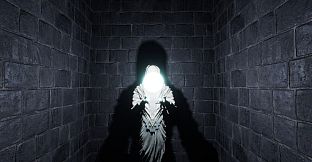
The setting remains confined to the medieval fantasy ruins of the Order headquarters, where the vanished state of magic creates a consistent atmosphere of isolation and vulnerability. Psychological elements emerge through memory recovery and encounters with lingering presences in the darkness.
Is It Worth Playing?
The game targets players who enjoy narrative-driven single-player experiences that combine psychological horror with puzzle-solving and exploration. Its core loop of light-based interaction and environmental investigation provides a focused approach suited to those interested in atmospheric adventures rather than action-heavy combat or expansive systems.
With release still pending and no user reviews available yet, suitability depends on preference for deliberate pacing and mystery unraveling in a confined, story-focused environment. The mature content warnings highlight intense psychological sequences, sudden tension, and themes of trauma and memory loss, which align with the horror genre expectations for this type of title.