





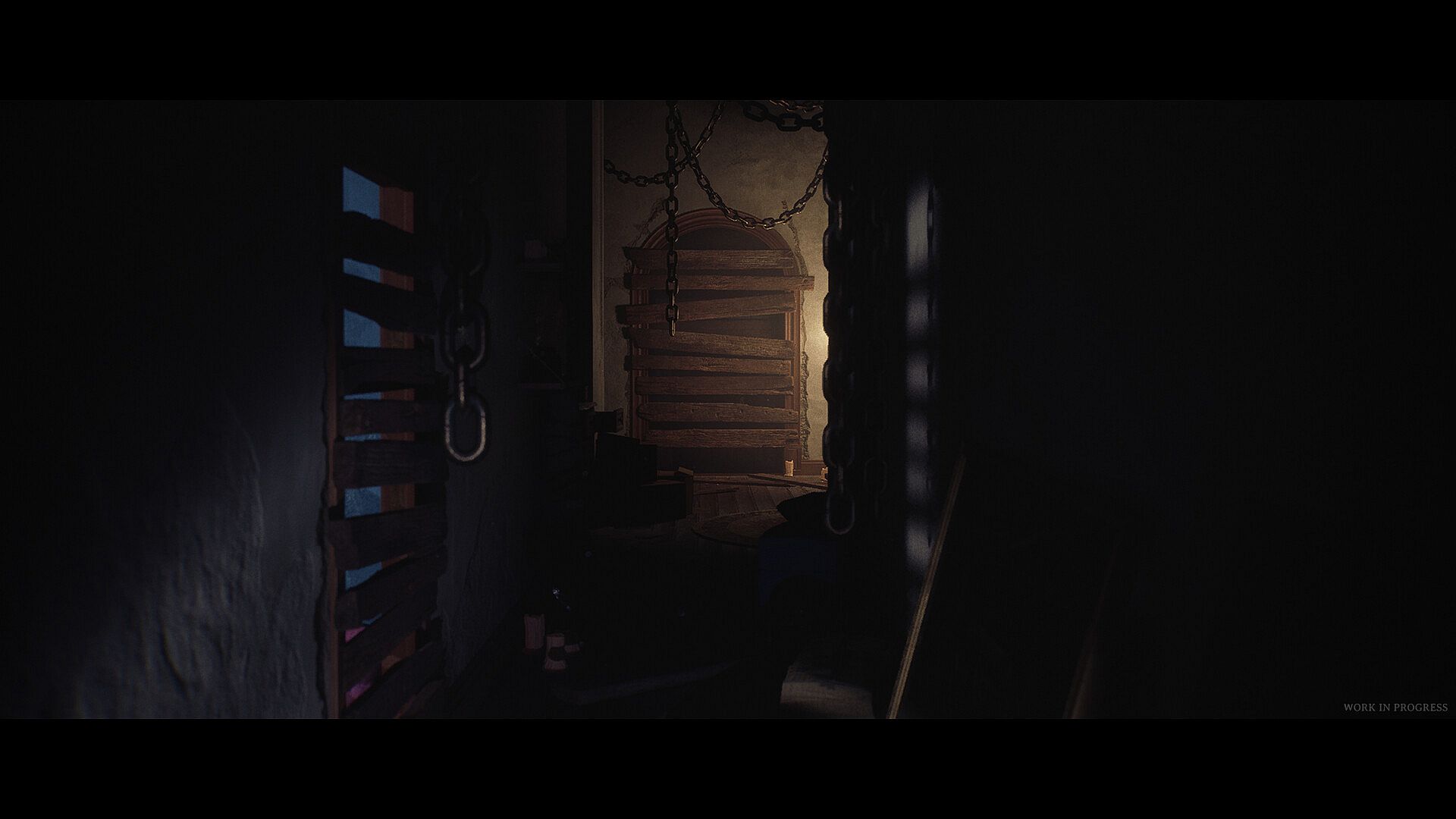
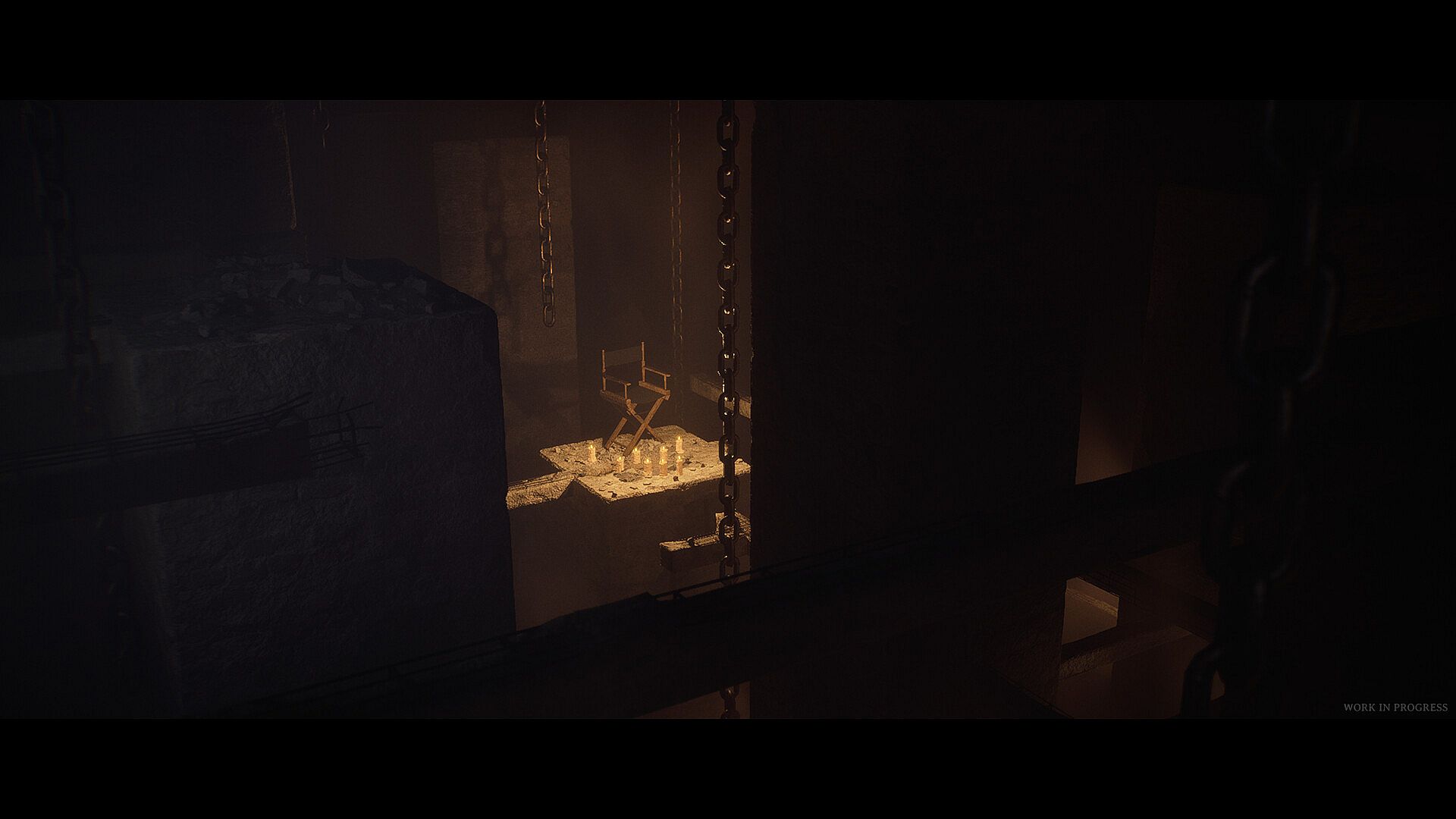
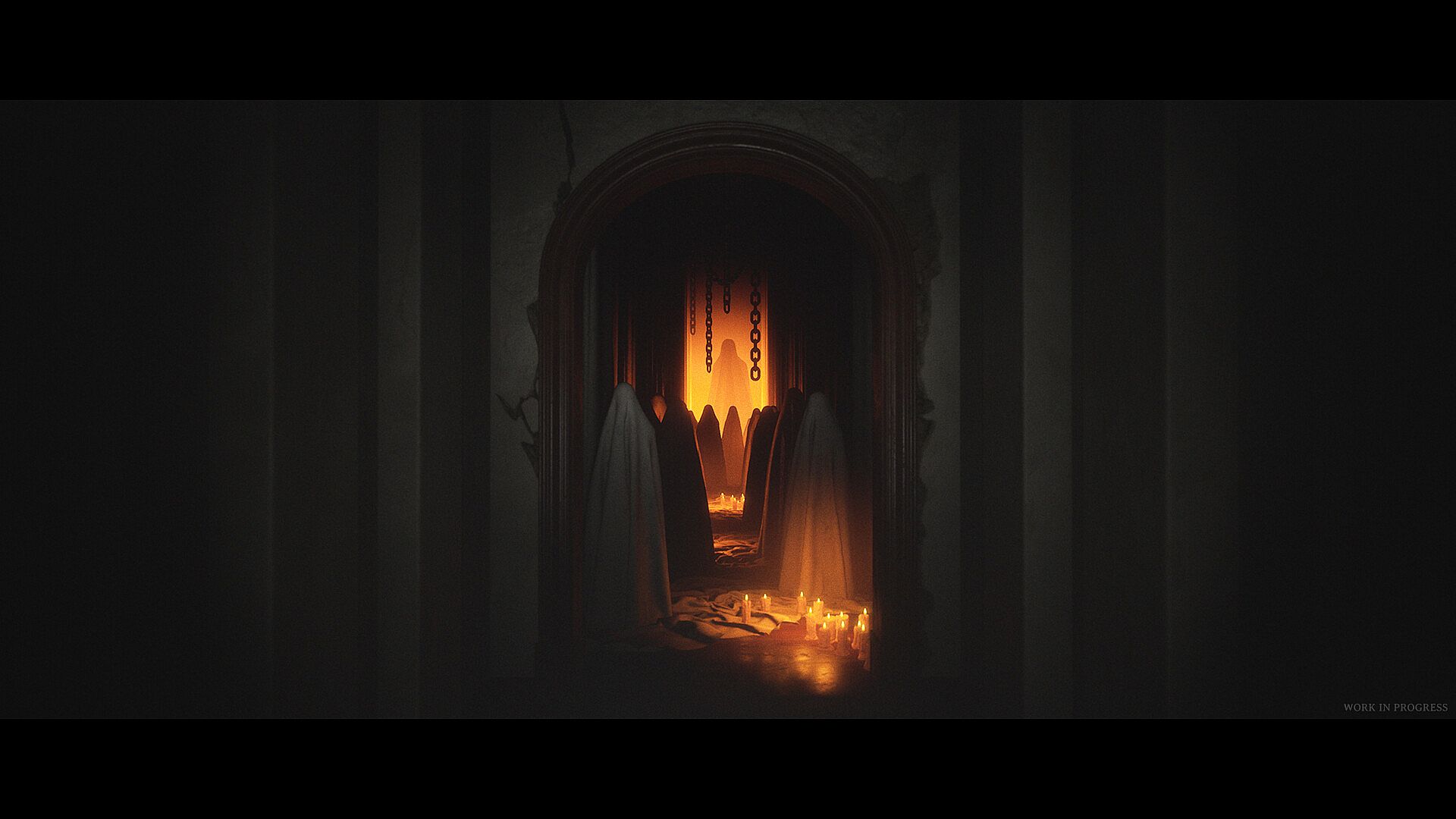
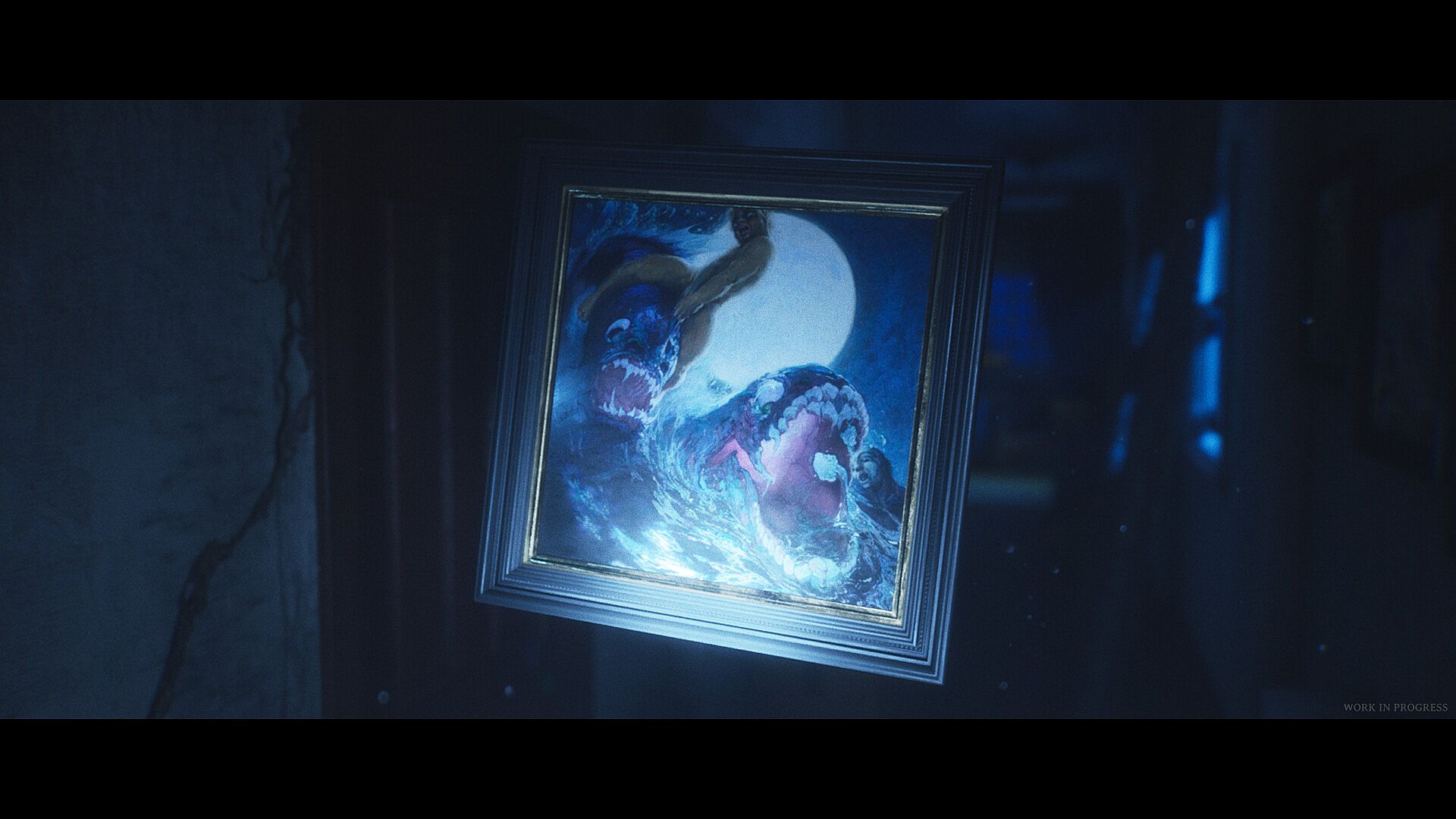
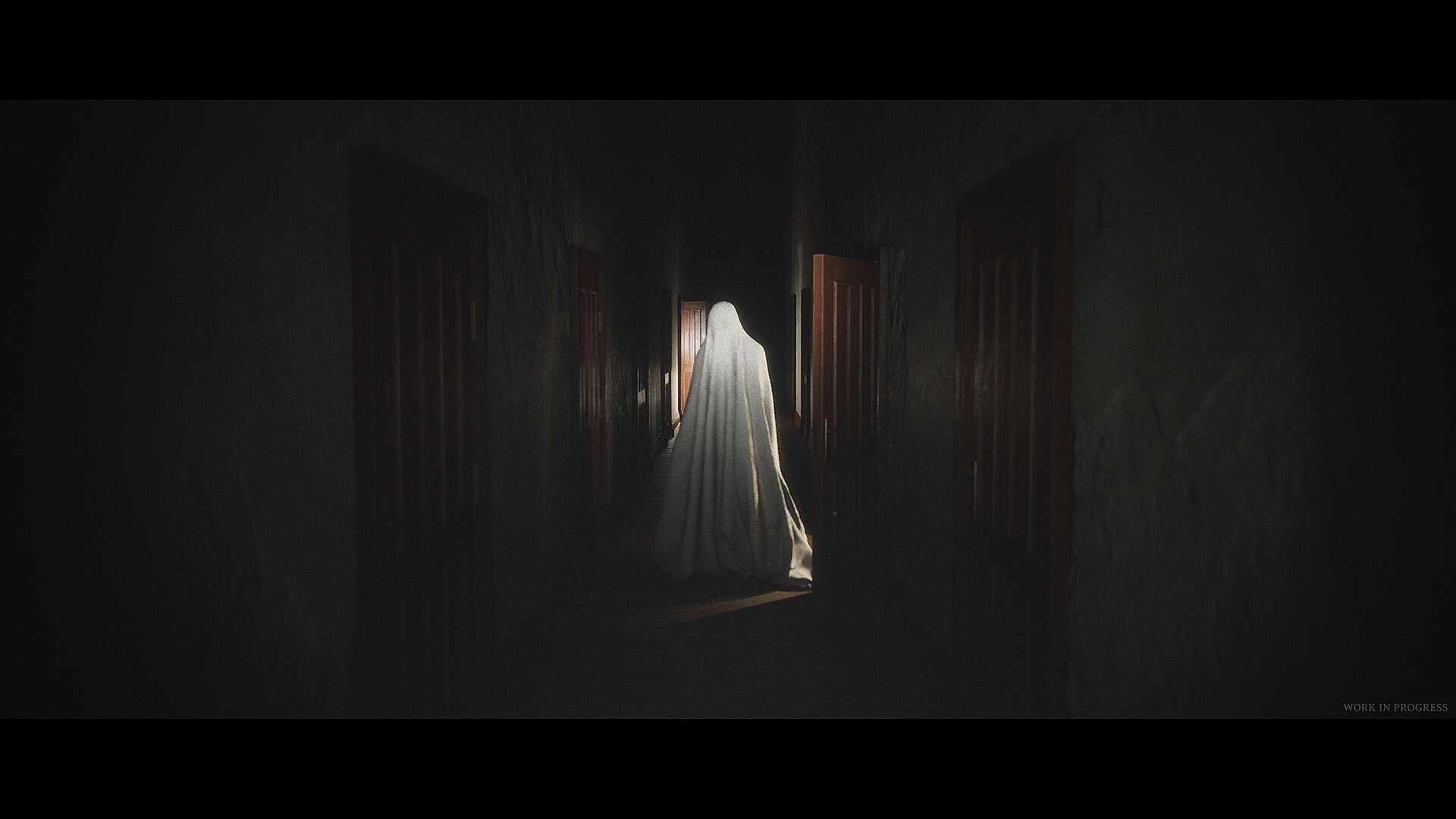
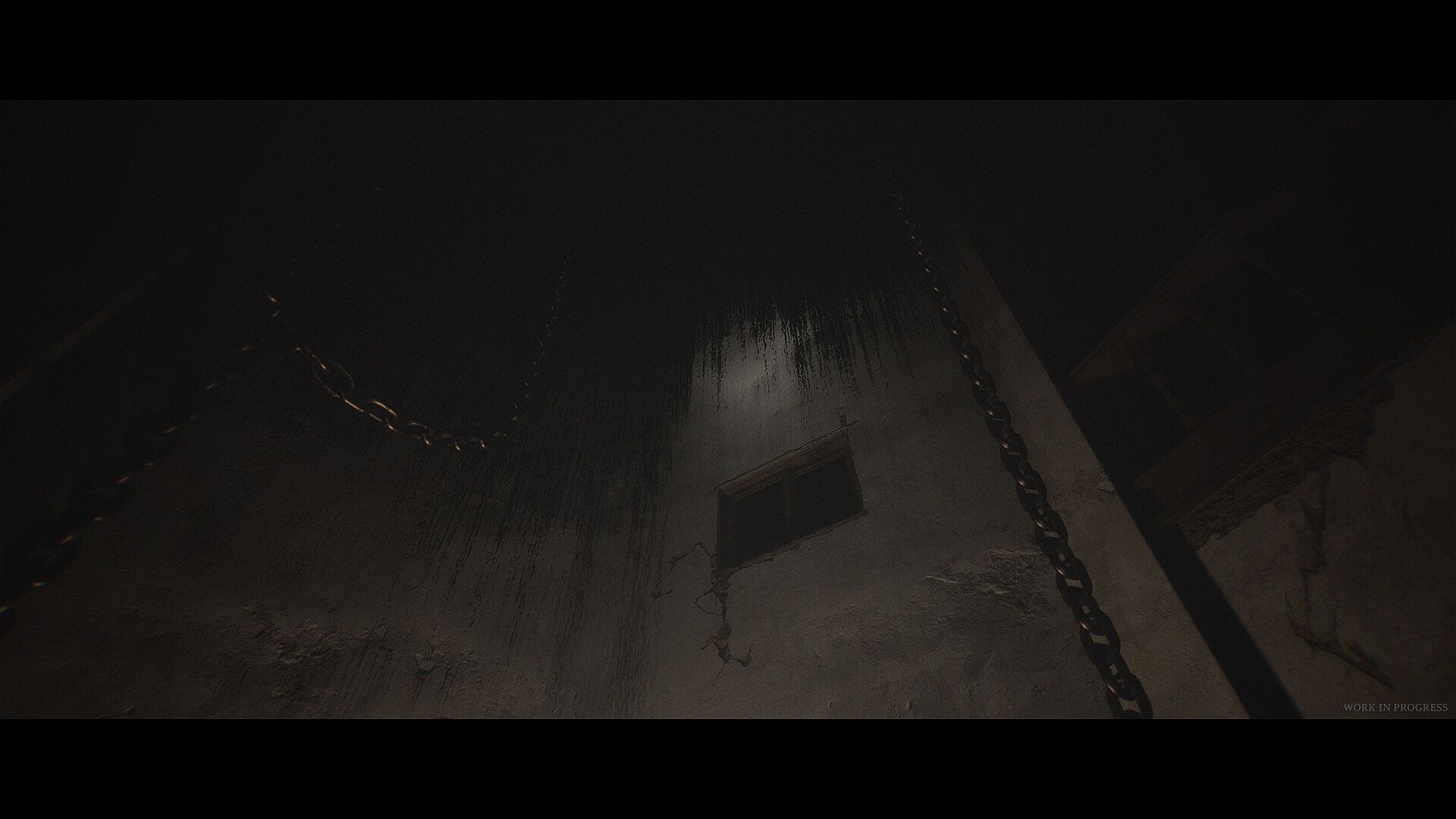
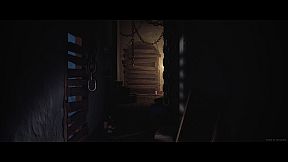
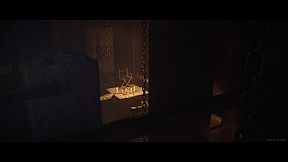
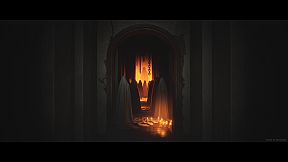
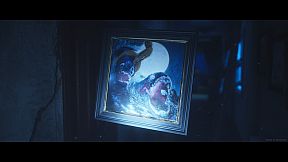
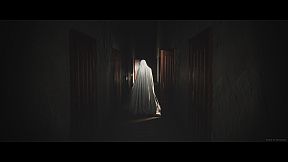
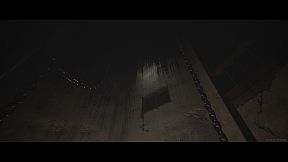
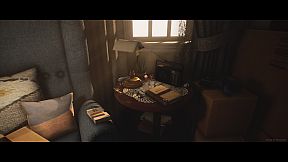
Luto è un'avventura horror psicologica indie per PC che affronta i temi della perdita, dell'ansia e della depressione all'interno di un ambiente chiuso ma in continuo mutamento. Il giocatore controlla Samuel, un uomo intrappolato nella propria casa: ogni tentativo di fuga non fa che rendere più fitto il mistero e aumentare il senso di inquietudine. L'esperienza unisce narrazione ambientale ed enigmi, puntando sull'atmosfera e sulla riflessione interiore piuttosto che sull'azione o sui jump scare tradizionali.
Gameplay
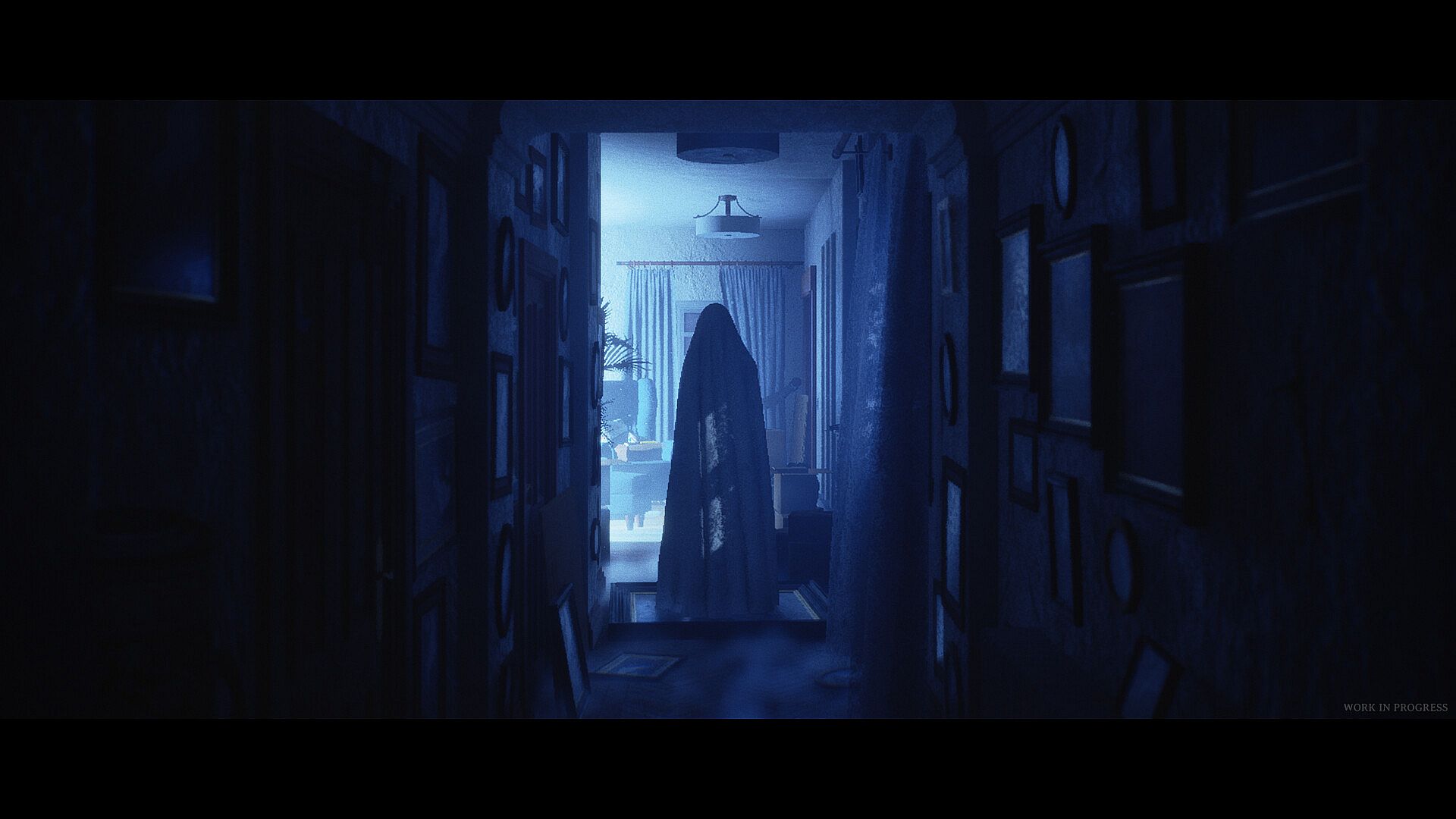
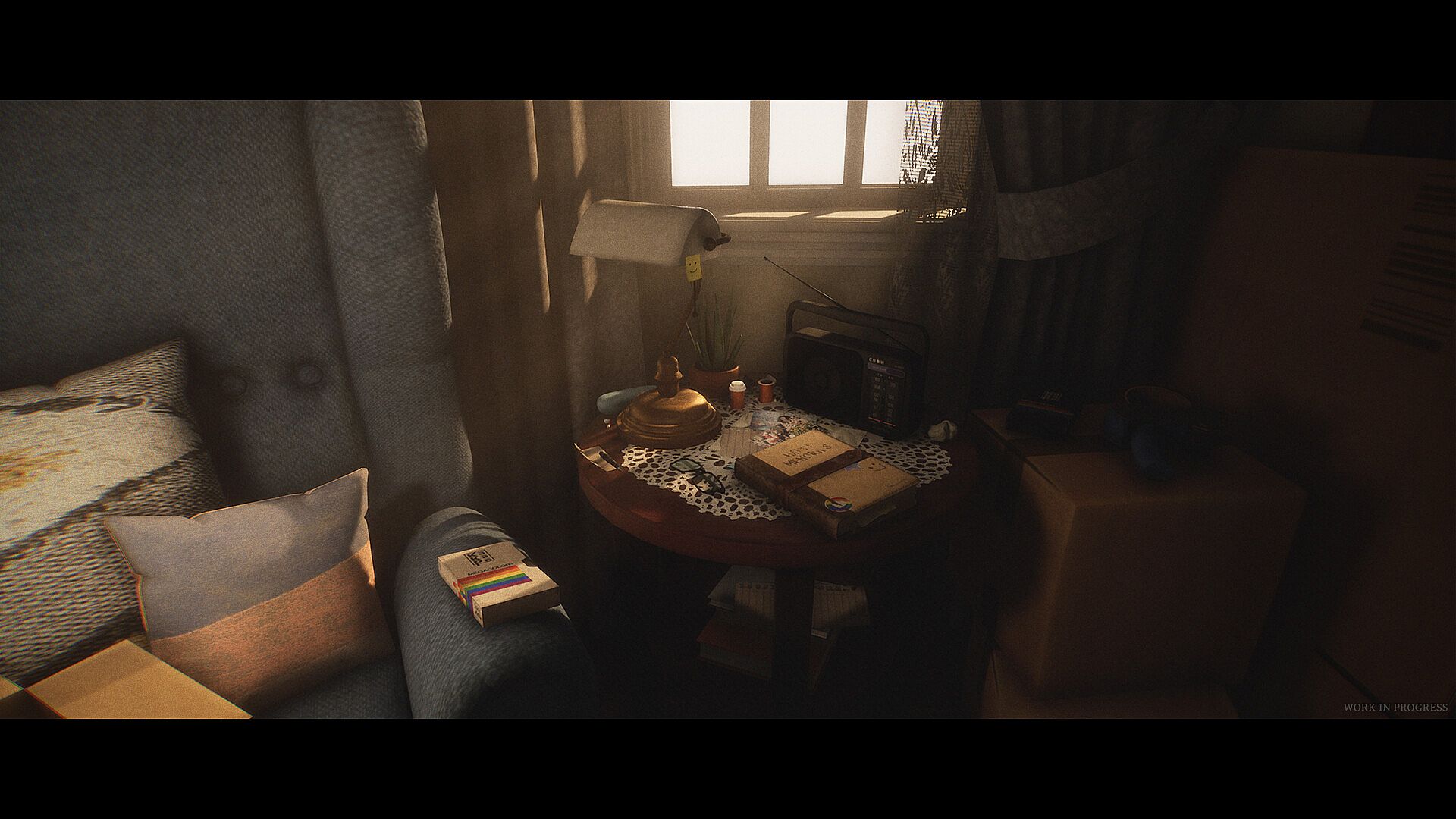
Il ciclo di gioco si basa sull'esplorazione di una casa che ignora le normali regole spaziali. I corridoi si ripetono e le stanze cambiano o si azzerano a ogni entrata, costringendo a osservare con attenzione ogni variazione per andare avanti. Le interazioni si limitano al camminare, a una corsa ridotta, all'esame degli oggetti e all'uso della torcia nelle zone buie. Gli enigmi nascono direttamente dall'ambiente e richiedono spesso di individuare incongruenze nella disposizione o di usare gli oggetti in un ordine preciso. Il ritmo è volutamente lento e genera tensione attraverso la ripetizione e i piccoli cambiamenti, senza minacce dirette. Appunti, disegni e indizi visivi svelano il passato senza spiegazioni esplicite, invitando il giocatore a ricostruire la storia mentre affronta un'atmosfera opprimente.
Modalità di gioco
Luto è un'esperienza narrativa in singolo giocatore senza modalità separate né componenti multiplayer. Il percorso è lineare e diviso in capitoli che ampliano gli ambienti, passando dalla casa iniziale a spazi più astratti e interconnessi. Ogni sezione si sviluppa sulla precedente con trasformazioni e complessità crescente, mantenendo il focus sulla storia centrale del lutto e della percezione. Non esistono difficoltà alternative, attività secondarie o percorsi multipli: tutto è orientato al viaggio emotivo previsto.
Story and Atmosphere
La storia ruota intorno al vuoto lasciato dall'assenza di una persona cara e al modo in cui questo si manifesta in distorsioni fisiche e mentali. Dettagli ambientali come oggetti personali sparsi e stanze che si trasformano comunicano il peso della disperazione e il confine sempre più labile tra realtà e allucinazione. Il sonoro contribuisce in modo determinante a mantenere l'inquietudine, con suoni ambientali e segnali sottili che reagiscono al movimento e alla posizione del giocatore. Le immagini passano da interni domestici familiari a combinazioni surreali di ambienti interni, esterni e vuoti astratti, sottolineando come lo scenario rifletta i conflitti interiori del protagonista. Il gioco evita i jump scare e punta invece su un terrore costante e su immagini simboliche legate direttamente allo stato emotivo del personaggio.
Vale la pena giocarci?
Il gioco ha ricevuto un'accoglienza molto positiva, con recensioni complessive valutate Molto Positive su oltre mille giudizi. Offre un'esperienza breve e mirata che premia la pazienza con una narrazione significativa e uno stile visivo originale. È adatto a chi apprezza i walking simulator atmosferici e la profondità psicologica più che l'azione o il combattimento. I temi trattati includono ansia, depressione e argomenti correlati, elementi che possono influenzare la scelta di alcuni giocatori. Come opera prima dello sviluppatore, si distingue per l'originalità nel genere e per la fedeltà alla visione iniziale senza contenuti aggiuntivi. Chi cerca un horror introspettivo con enigmi integrati lo troverà una scelta convincente, mentre chi preferisce rigiocabilità o stili di gioco più vari potrebbe orientarsi altrove.