

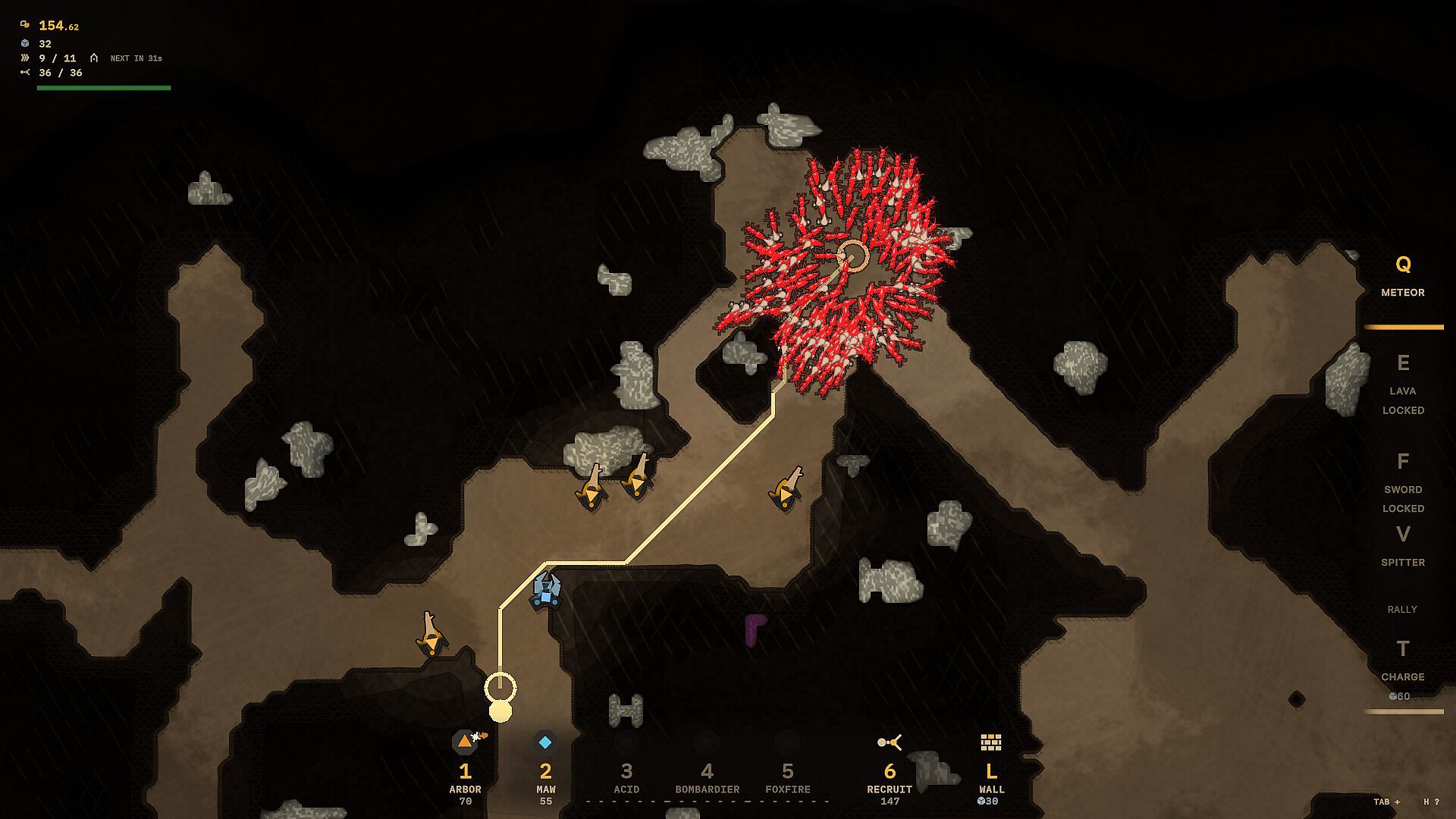
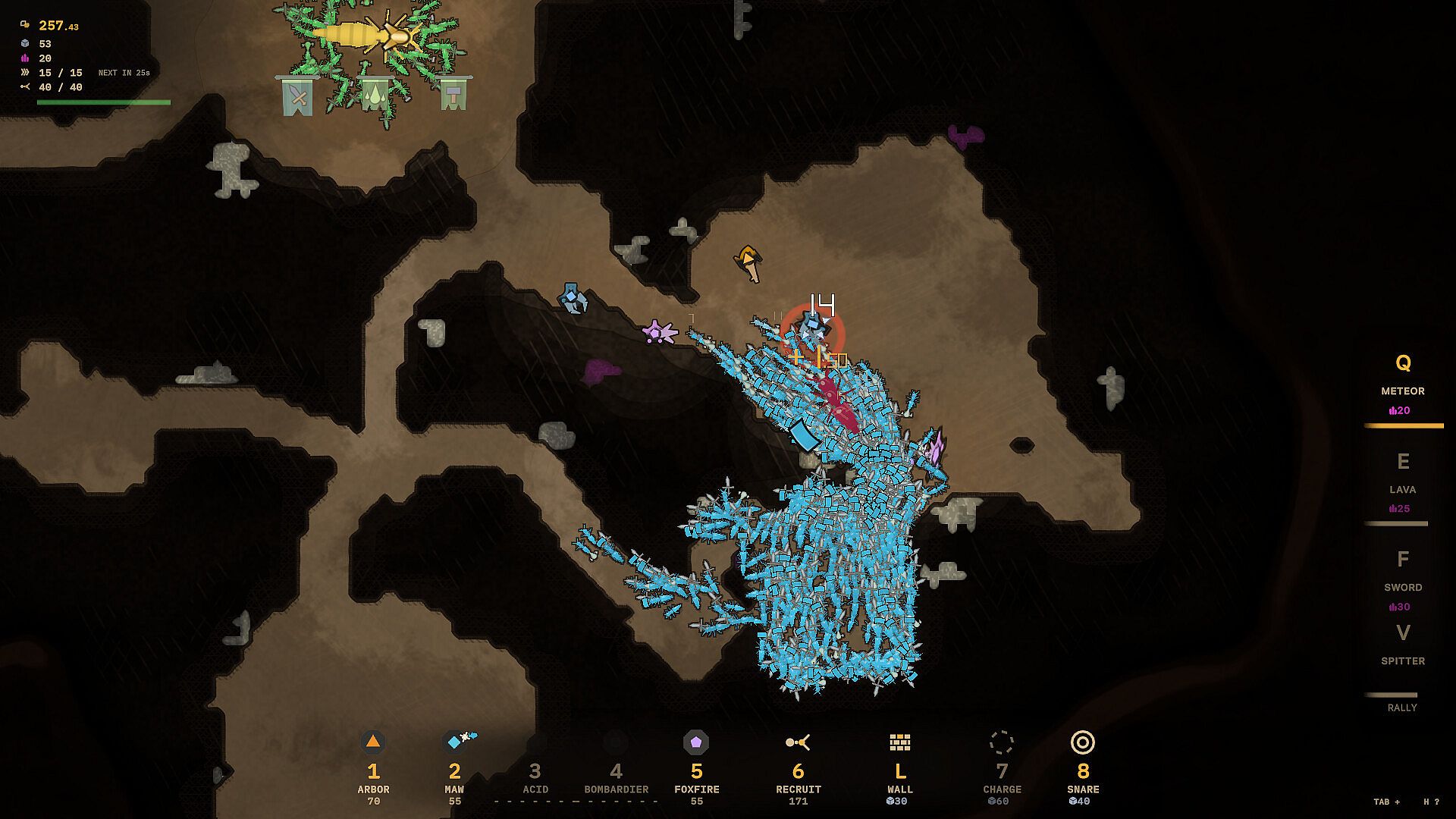
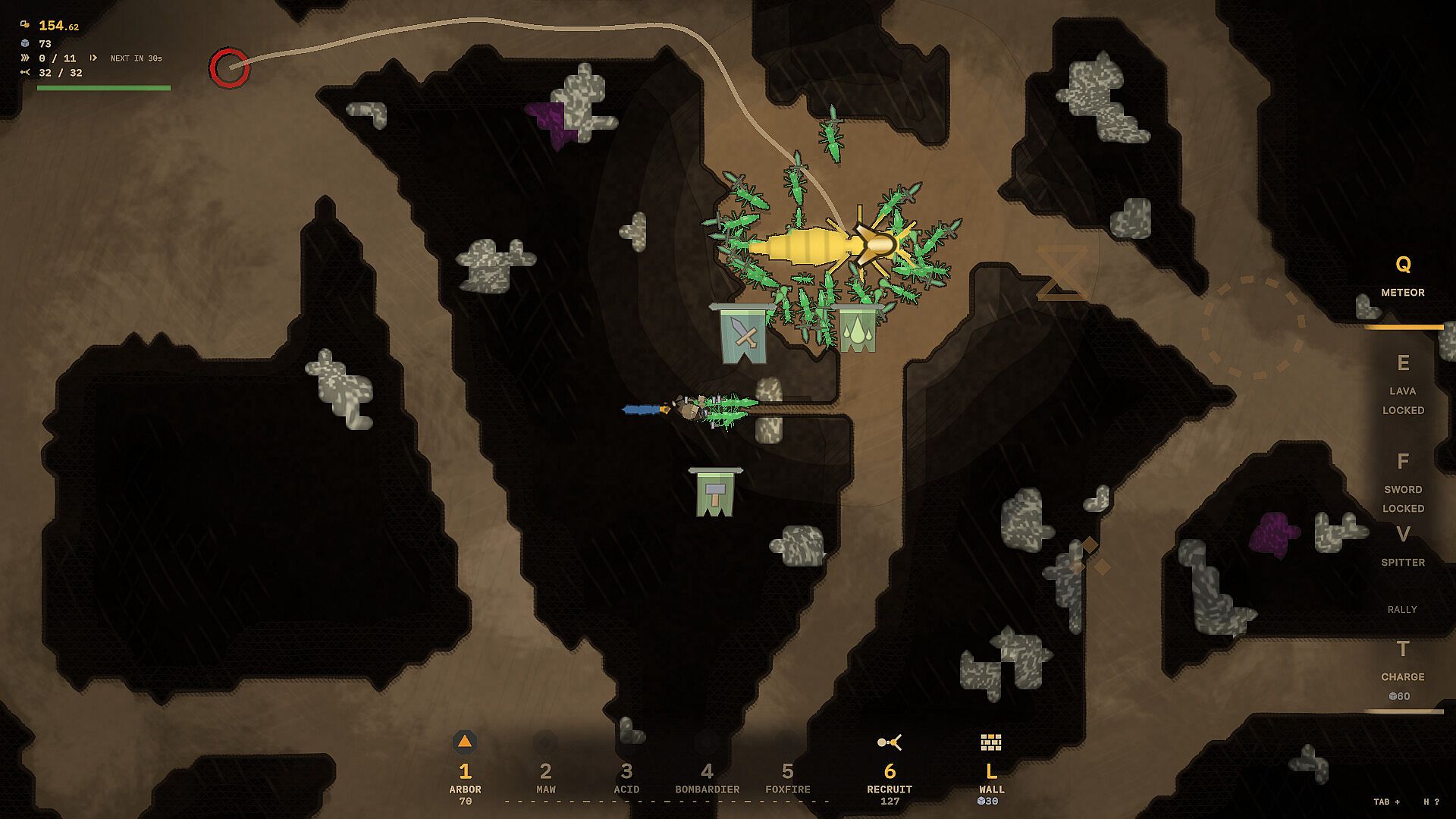
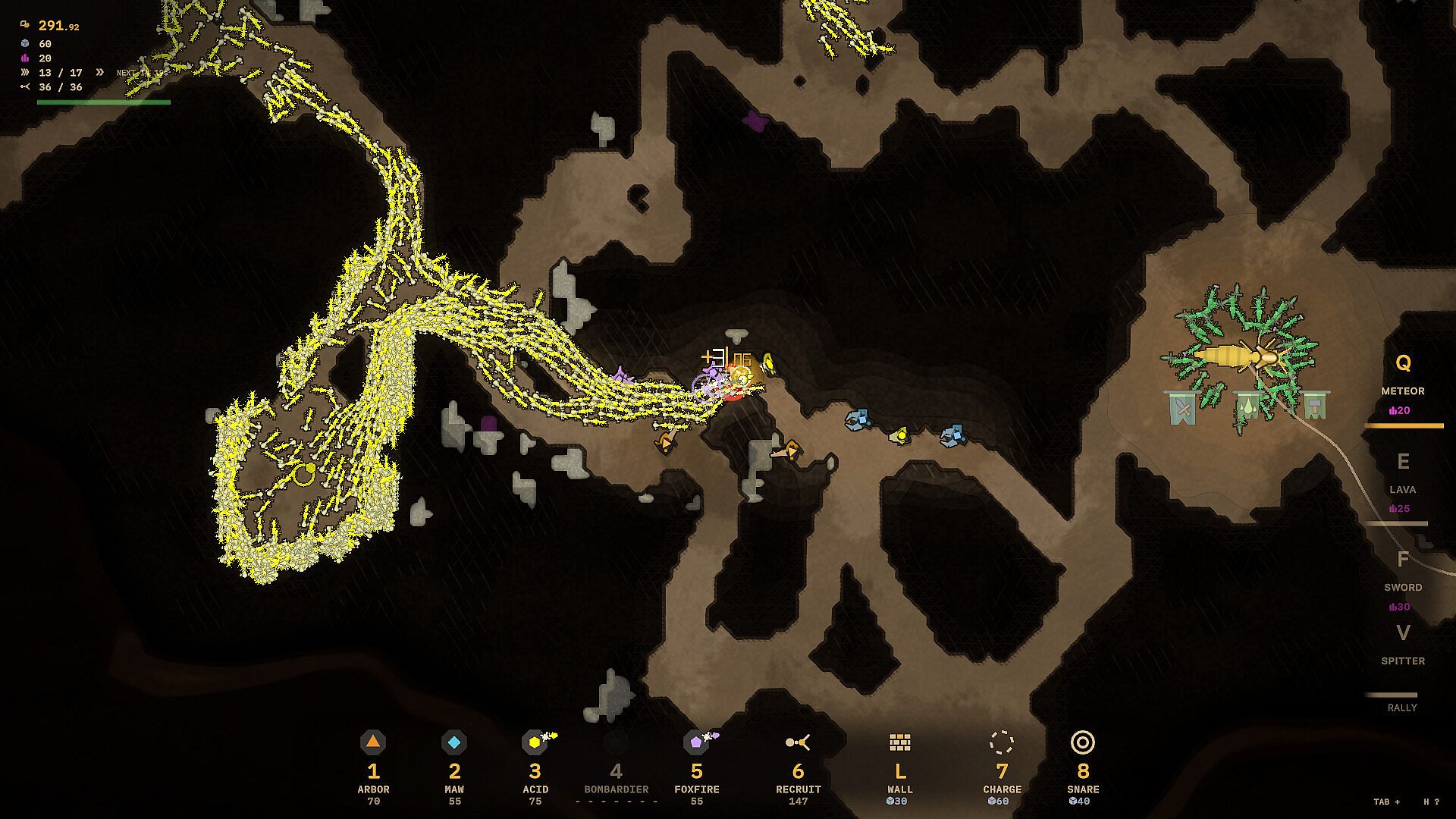
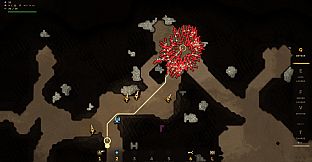
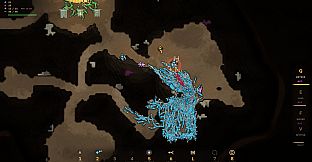
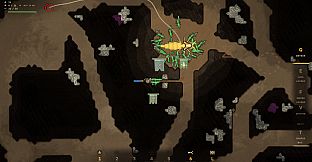
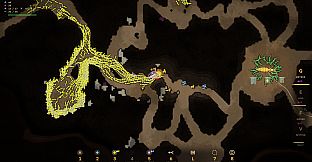

Lord of the Ants is a single-player strategy indie game on PC that blends tower defense with map manipulation in a top-down cave setting. Players protect a queen ant from waves of invading ants by reshaping tunnels and placing defenses to control enemy paths.
Gameplay
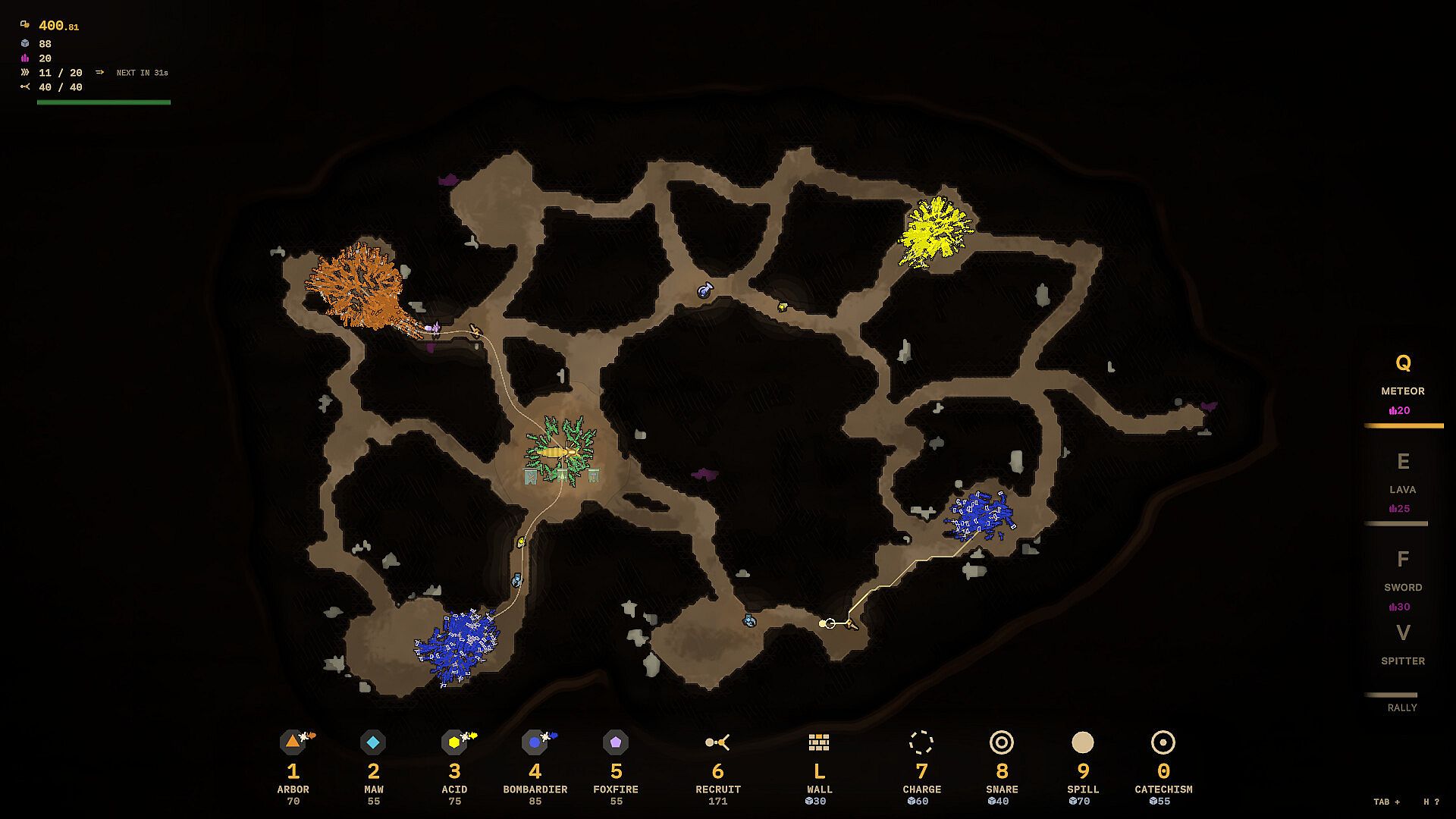
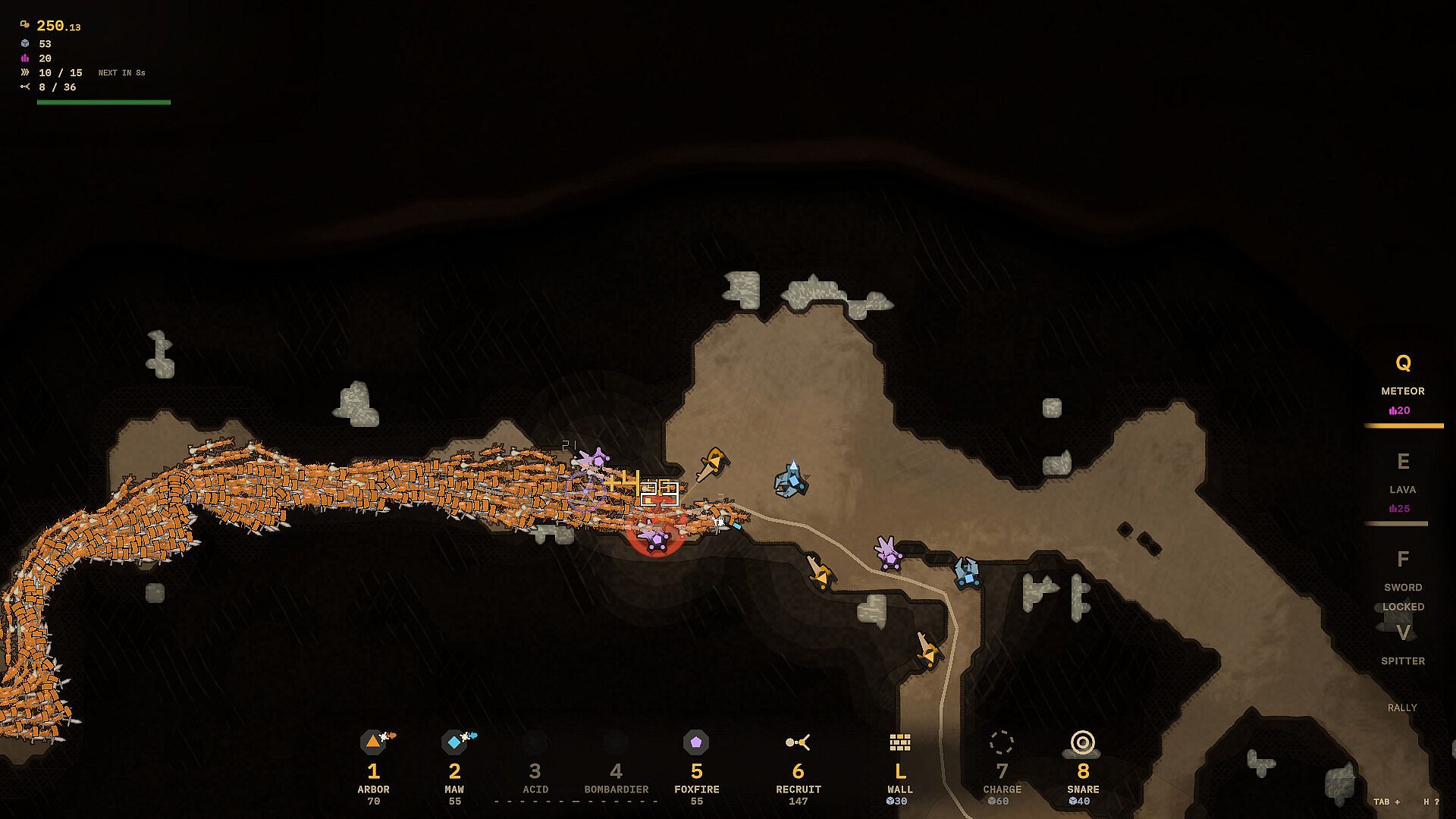
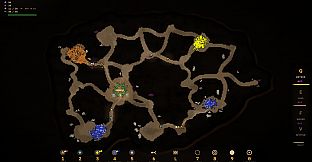
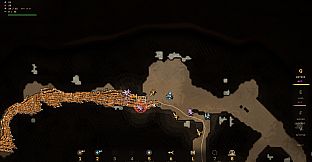
The core loop centers on altering the cave layout between waves to force enemy swarms into defensive positions. Ants always follow the shortest open route toward the queen, so digging new tunnels or raising walls reroutes them toward turrets. Workers dig out painted rock areas, while stone allows instant drilling. Walls deploy instantly when placed across tunnels but can be chewed through by larger ants unless reinforced by clicking.
Five turrets offer distinct roles and two upgrade paths each, with only one path completable per turret. Arbor provides long-range piercing shots. Maw delivers rapid bites that knock ants back on every fifth attack. Foxfire sends sparks that chain between targets and handles flying ants. Acid burns a target before leaving a damaging pool. Bombardier eliminates one ant that then explodes on nearby foes. Each of six ant colors has a dedicated counter turret that deals extra damage, though red ants lack any such weakness and resist other turrets more effectively. Nests display the optimal counter turret for quick level assessment.
When turrets fall short, four traps and three abilities provide support. Traps include a delayed mine for crowds, sticky ground, a burning pool, and a device that redirects the swarm. Abilities allow a meteor strike, floor-wide fire, or summoning nine friendly ants. Players also command their own soldiers, spitters, and workers to assault enemy nests and retrieve them before they are overwhelmed.
Game Modes
The campaign consists of 56 levels arranged on a branching map where each victory reveals rewards on connected paths. Some levels impose special rules such as receiving all resources upfront with no further income, starting with abandoned turrets, or surviving thirty waves on a collapsing floor. Endless mode unlocks after the campaign finale and tracks depth records for ongoing challenges.
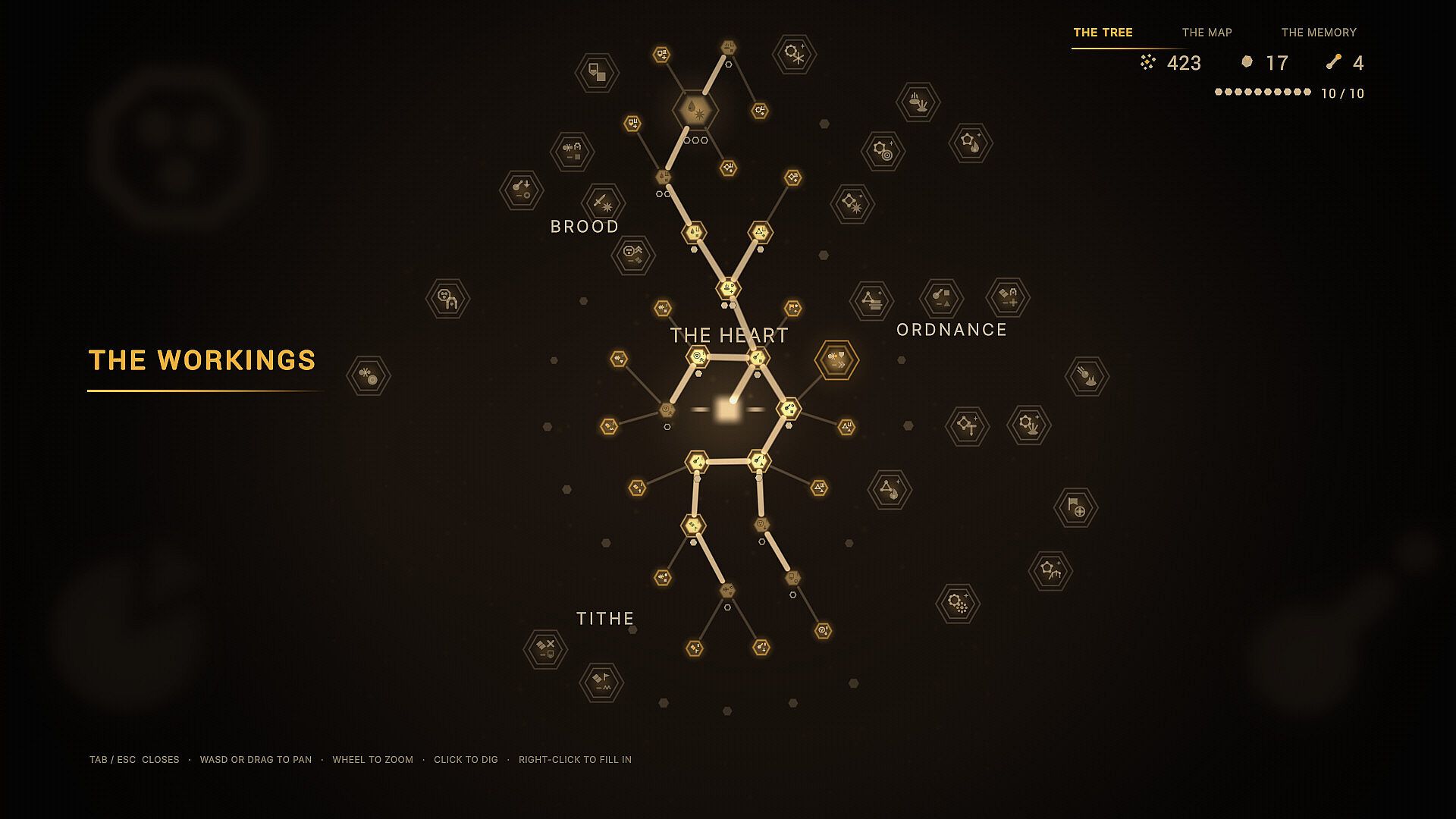
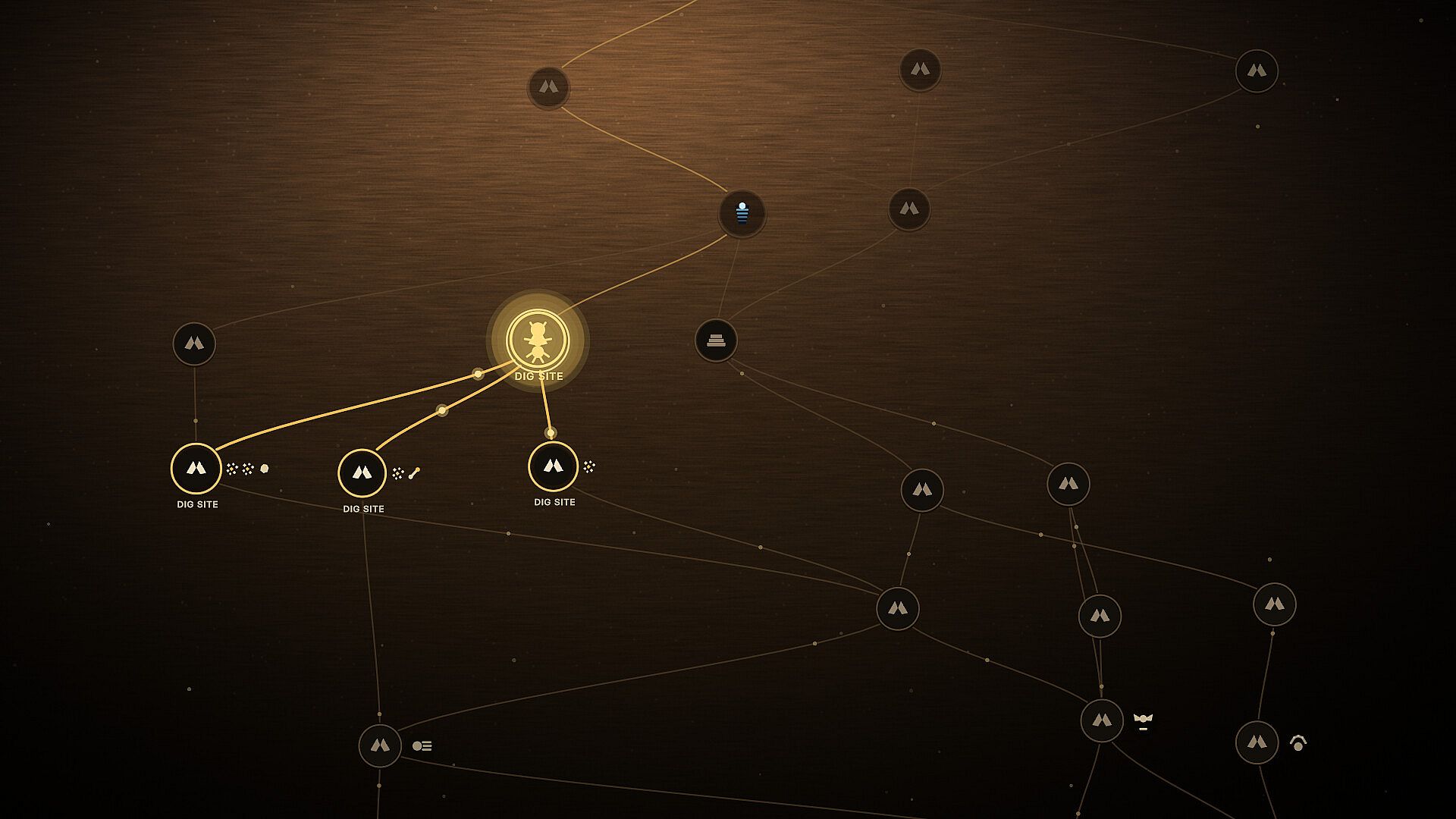
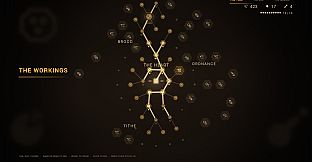
Optional permadeath removes the save if the queen dies, though this rule does not apply to the thirty-wave levels or endless mode. Every level, including losses, awards currency for permanent upgrades across turrets, ants, and income that carry through the entire campaign. A 120-node upgrade tree includes visual changes at higher tiers, such as spurs on turrets or a crown on the queen.
Key Mechanics and Progression
Enemy variety includes three named bosses that demand tailored responses. The Tide leads a shielded advance with escort ants. The Drift deploys flying drones that bypass walls. The Shepherd appears weak alone but arrives with eighteen fast runners for protection, plus nine additional unnamed threats. Color-coded ants and marked nests encourage reading the battlefield quickly and switching counters.
Own units break stalemates by targeting nests directly, creating openings for turrets to finish the job. The upgrade tree rewards consistent play, and visual feedback on top-tier purchases gives tangible progression beyond numbers. Reshaping the map remains central even late in runs, as walls break and new paths open constantly.
Is It Worth Playing?
This single-player experience suits players who enjoy deliberate tower defense with an active construction element. The emphasis on path manipulation and limited turret upgrades rewards careful planning over rapid clicking. Permanent upgrades and a branching campaign provide long-term goals, while endless mode extends play after the main content. The absence of microtransactions keeps focus on core systems. Those who prefer pure static defenses or multiplayer may find the map-digging layer too involved, but fans of indie strategy titles that mix defense with environmental control will find consistent depth across its levels and modes.