




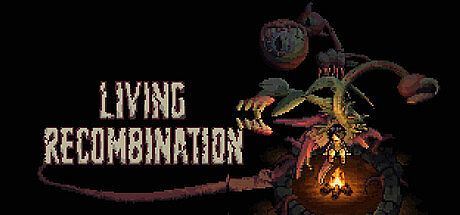


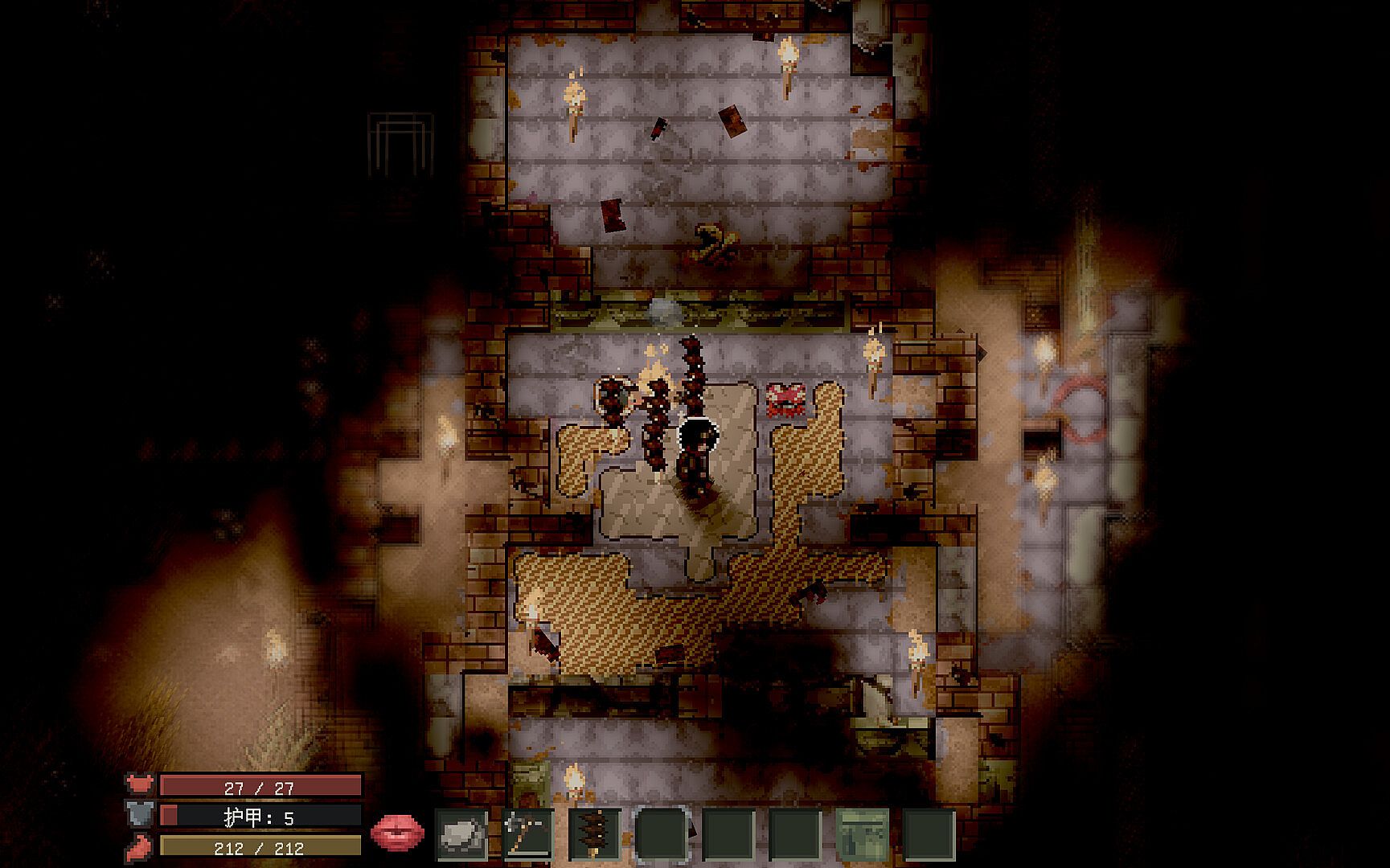
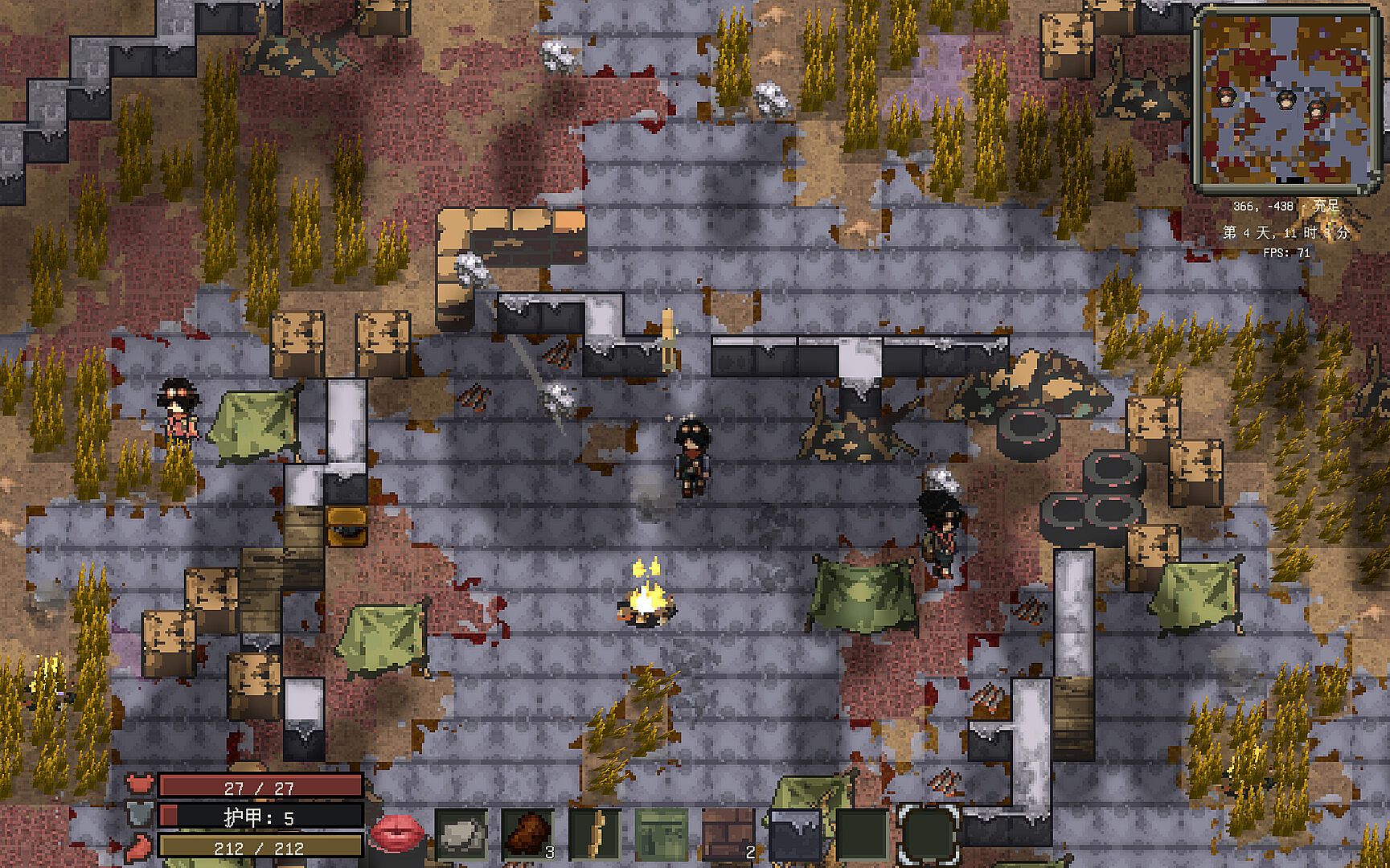
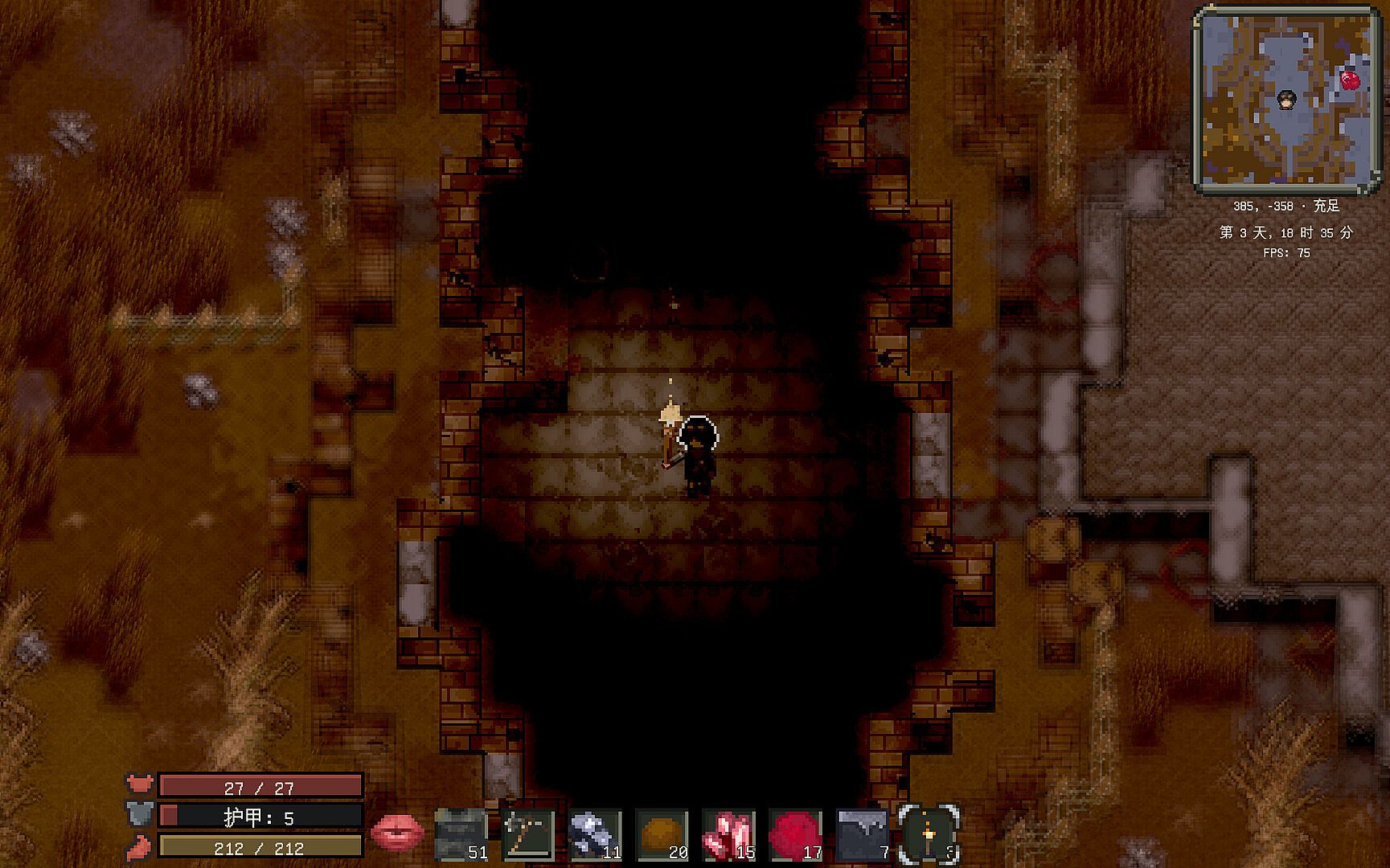
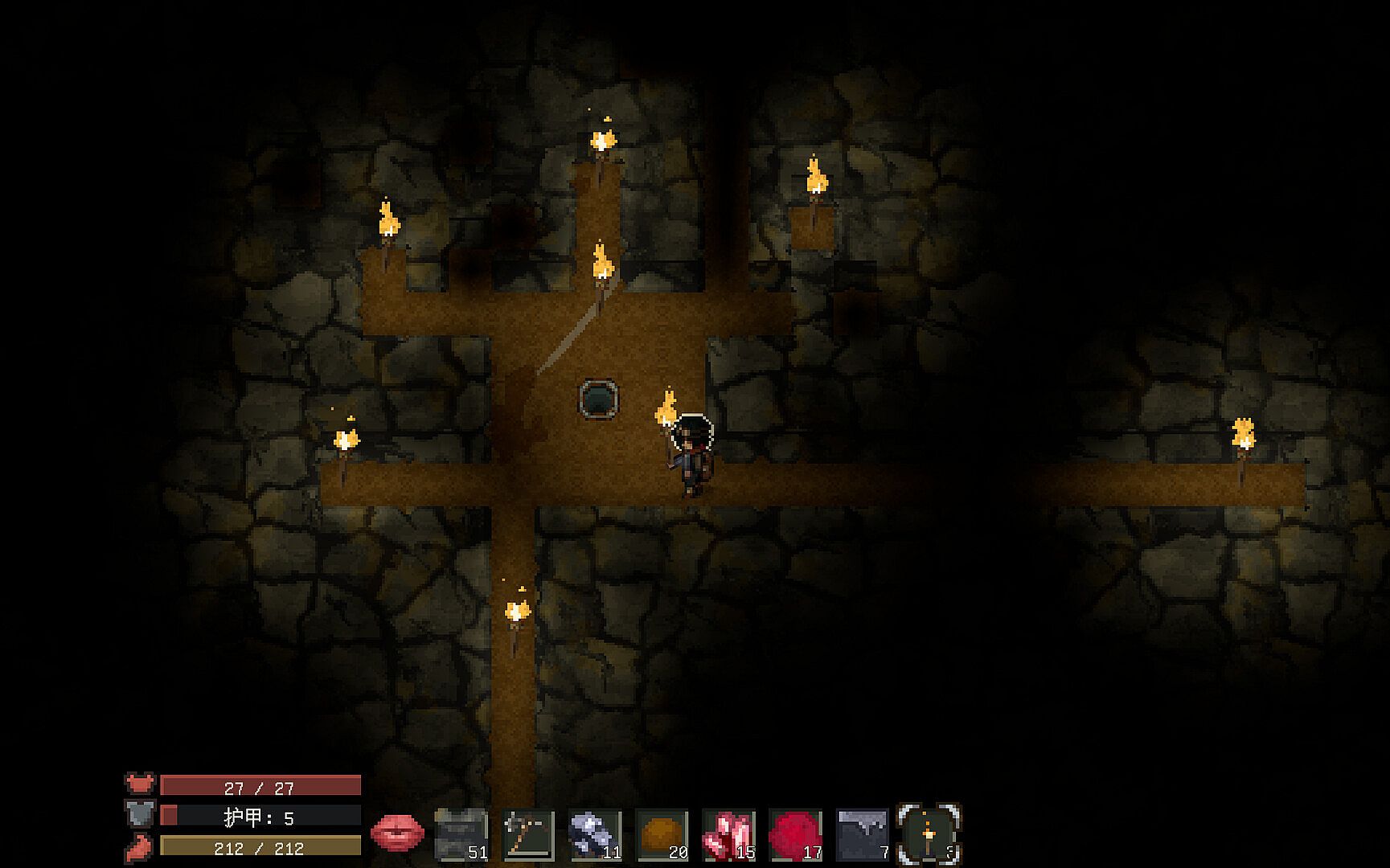
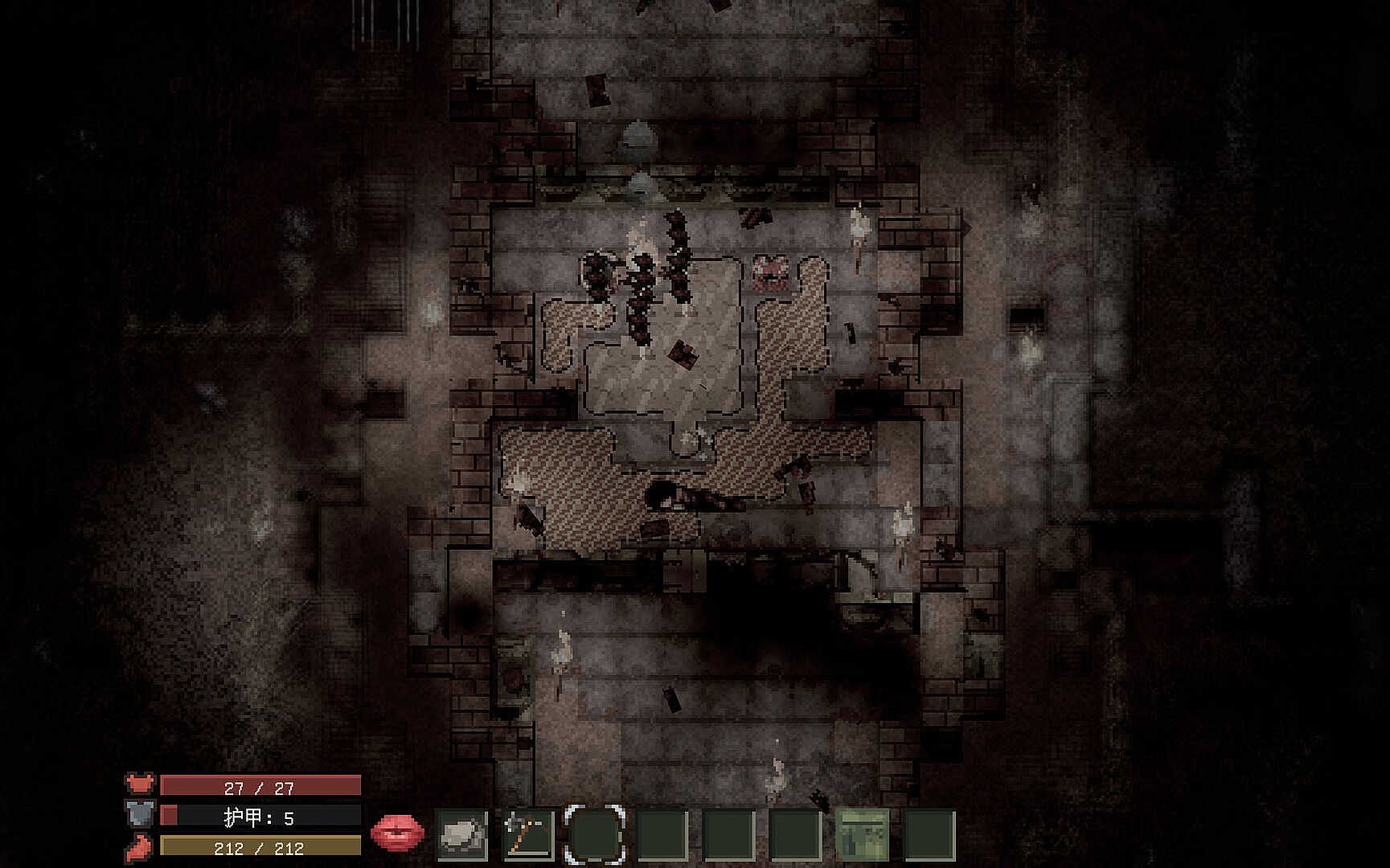
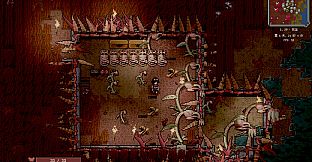
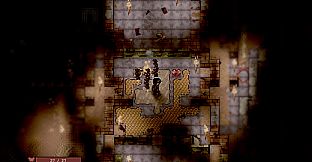
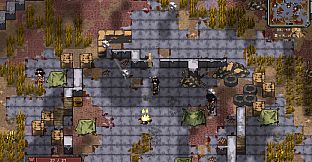
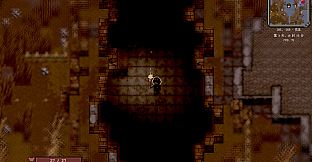
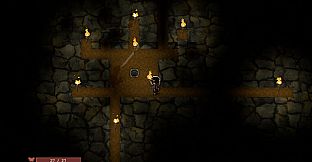
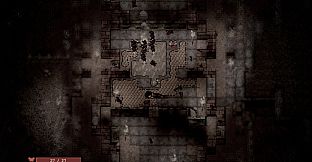
Living Recombination is a 2D pixel-art top-down sandbox survival and base-building game available on PC. A flesh-borne catastrophe has reshaped the world into ruins and anomalous zones filled with grotesque creatures. Players scavenge resources, hunt for organs, and manage escalating nightly threats while constructing and expanding a living base that functions as an independent organism.
Gameplay
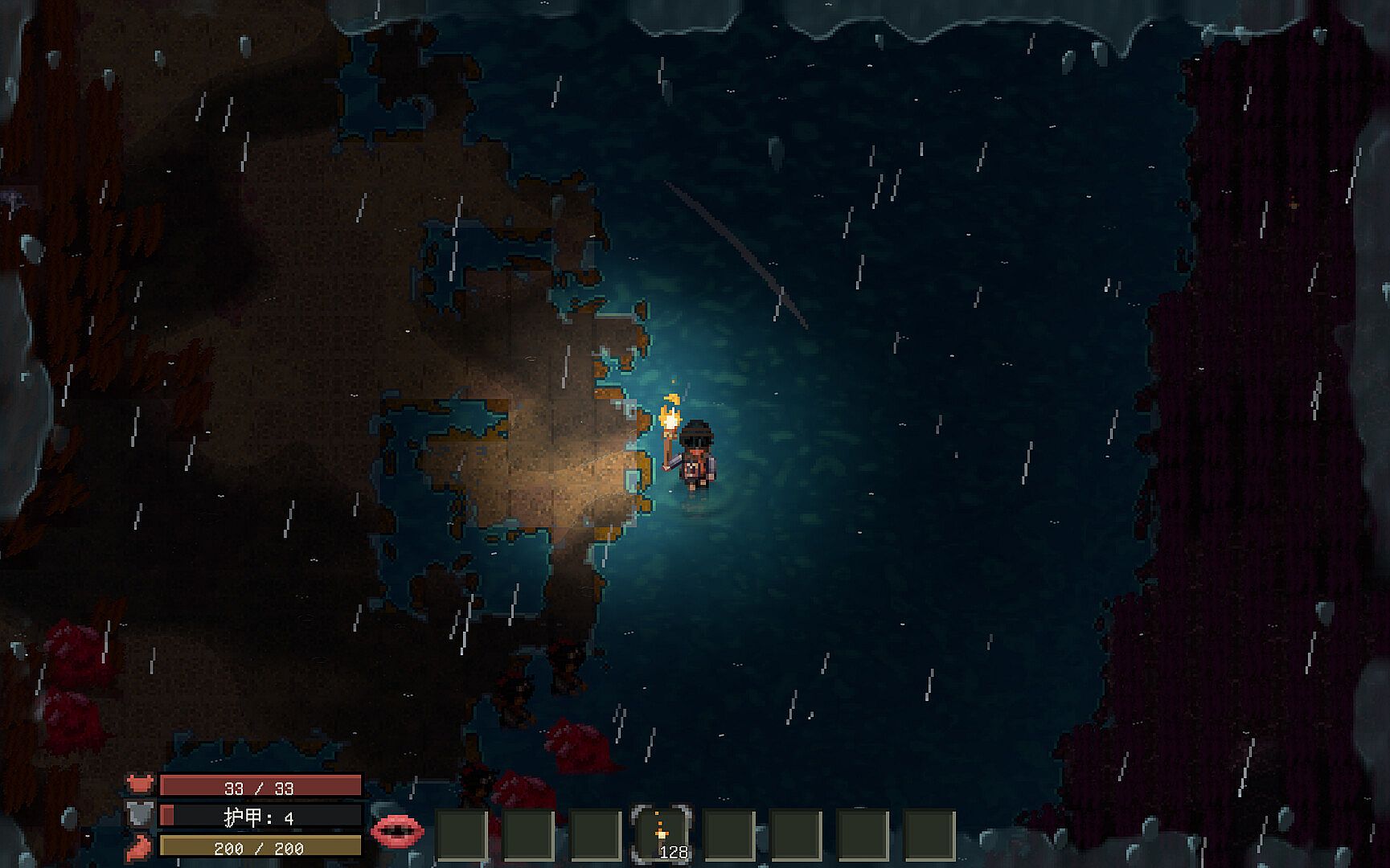
The core loop centers on exploration during daylight hours followed by preparation for nocturnal assaults. Players venture into the environment to gather materials and confront flesh creatures. Harvested organs carry distinct attributes, rules, and triggered effects that shift based on placement within the body, adjacent organs, and the overall condition of the host. This system encourages experimentation with combinations that emphasize speed, damage output, or resilience. Organs transplanted into the player or other entities integrate directly into ongoing survival efforts, turning defeated enemies into components of future adaptations.
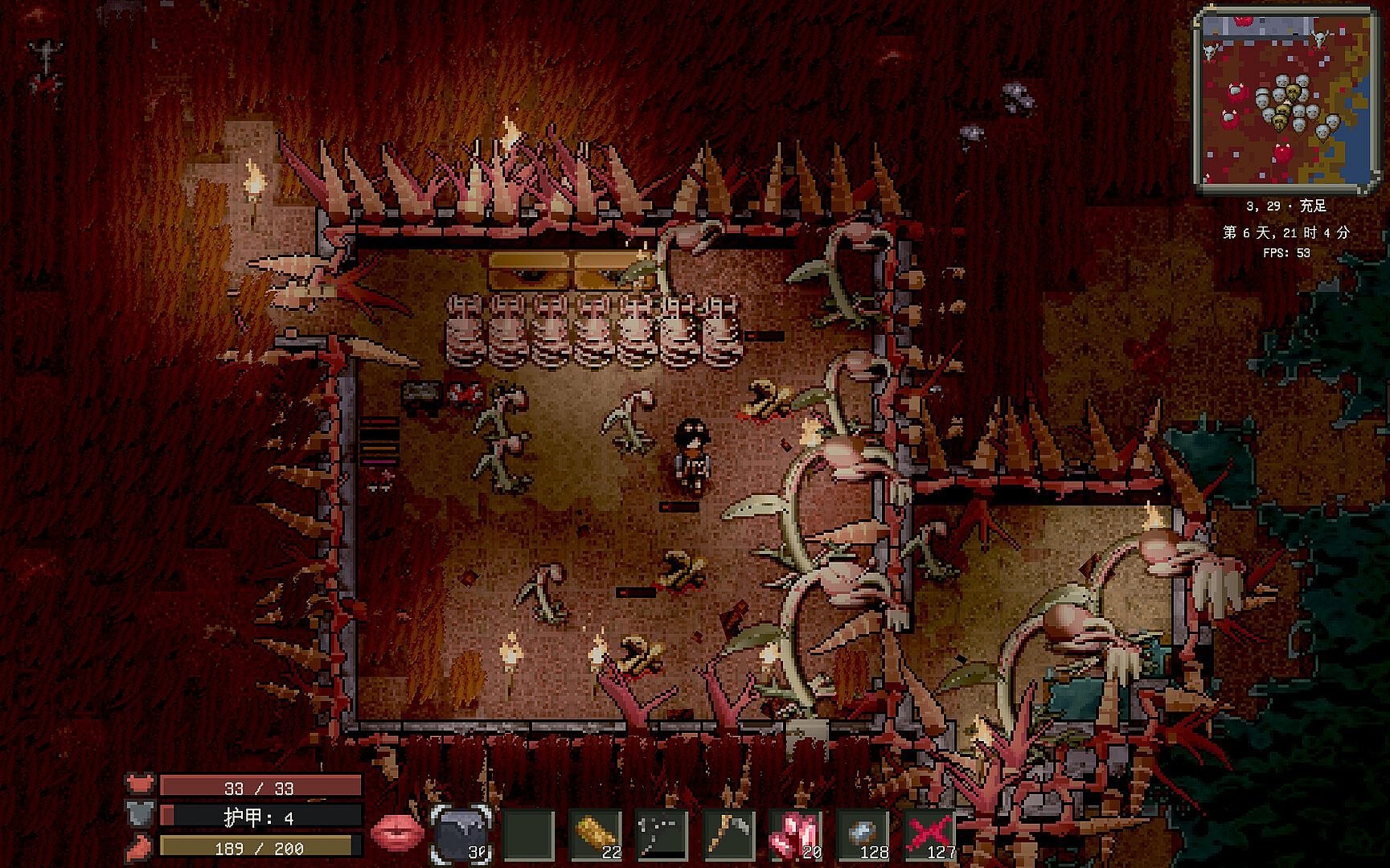
Base development begins with a Living Core that safeguards walls and generates fleshy growths as it advances in level. A flesh assembly station allows attachment of biological modules dedicated to gathering, storage, production, or defense. These components evolve the initial ruined shelter into a self-sustaining structure. Vascular networks link separate elements, enabling collectors to route items into storage and other organs to distribute nutrients automatically. Efficient planning reduces manual intervention over time, allowing the base to operate with increasing independence as it expands.
Game Modes
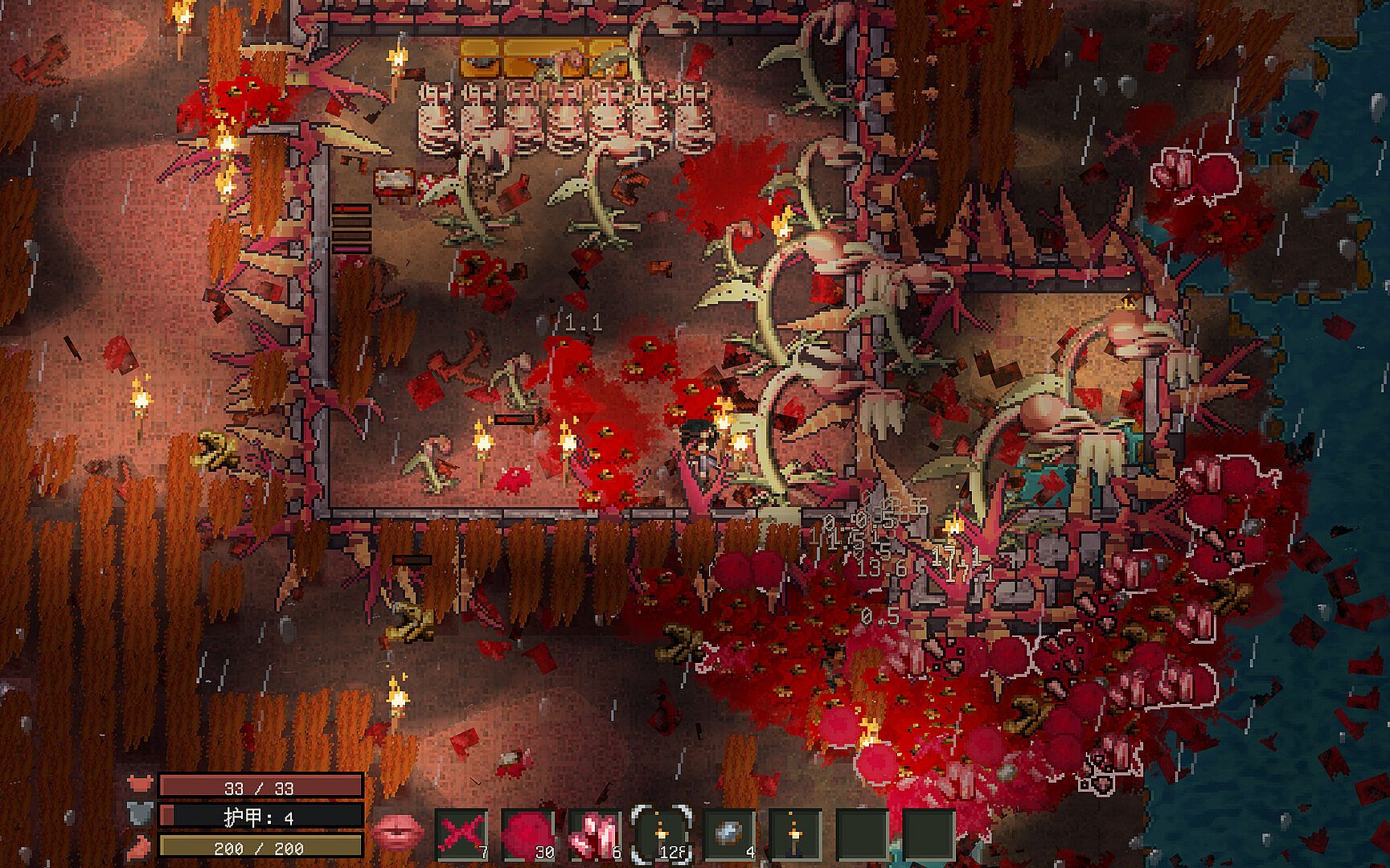
The experience operates as a single-player sandbox focused on iterative survival cycles. Daytime phases emphasize resource collection, organ acquisition, and body modification through transplantation. Nighttime phases test prior choices as hordes approach, with outcomes determined by base layout, structural combinations, network efficiency, and personal organ configurations. Each completed cycle advances both the player character and the base toward more complex forms of growth and functionality. No separate competitive or cooperative variants exist, keeping the emphasis on solitary progression through escalating environmental pressures.
Base Expansion and Logistics
Customization extends beyond initial construction. Players attach specialized biological parts that handle distinct roles, then connect them via blood vessel pathways to automate logistics. Collectors pull nearby items into the network for storage, while transport organs move resources across the facility. This setup transforms manual tasks into background processes, freeing attention for further exploration or defense tuning. The result is a base that scales organically, incorporating new growths and functions without constant oversight.
Is It Worth Playing?
Living Recombination targets players who enjoy detailed survival mechanics, creative body modification, and autonomous base systems within a single-player framework. The organ recombination feature introduces layered decision-making where position and context alter effects, while the vascular network adds depth to logistics management. As an unreleased title with no player reviews available, its appeal rests on the described integration of harvesting, transplantation, and living infrastructure. Those drawn to indie action-strategy hybrids that blend simulation elements with adventure-style exploration may find the upcoming release aligns with their preferences once it launches. The focus remains on personal progression through repeated survival challenges rather than multiplayer competition or seasonal content.











