




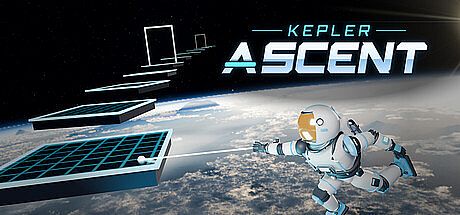


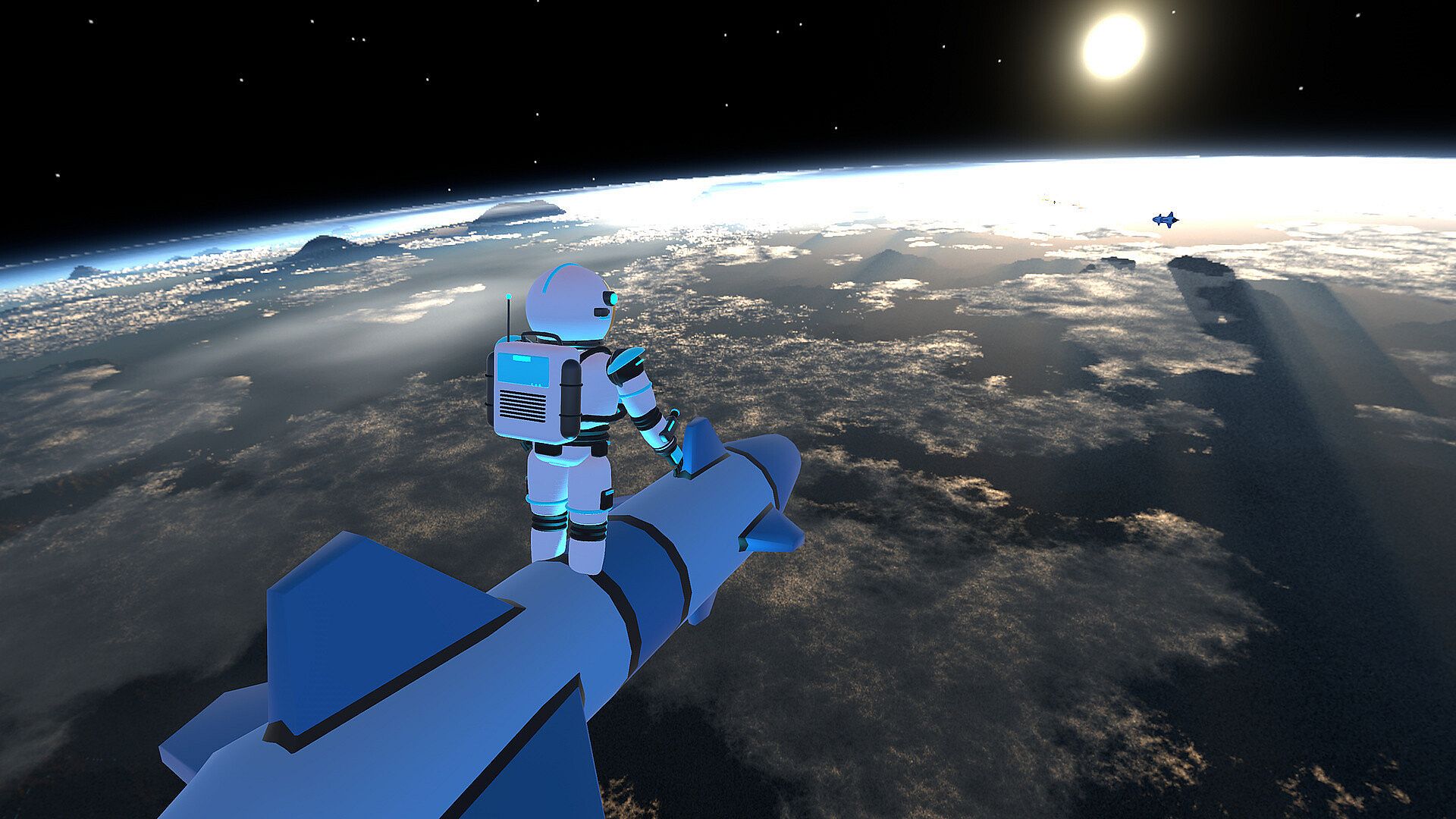
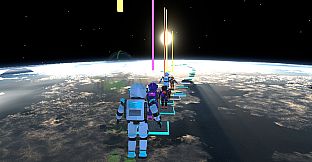
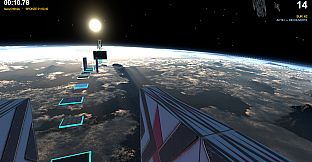
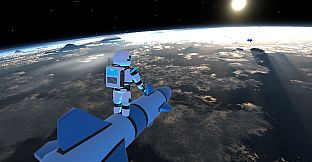
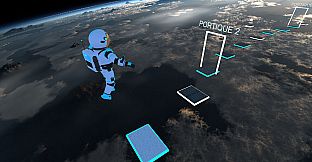
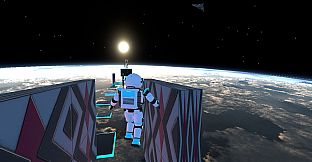
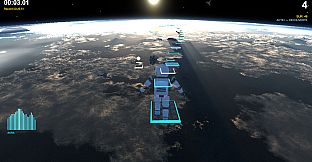
Kepler Ascent is a space platforming first-person shooter built around precise movement and time optimization on fixed routes. Players control a character aboard the Kepler-9, where the ship's AI named AURA records every attempt but offers no return. The core loop centers on mastering a consistent path through each level while shaving fractions of a second off the clock.
Gameplay
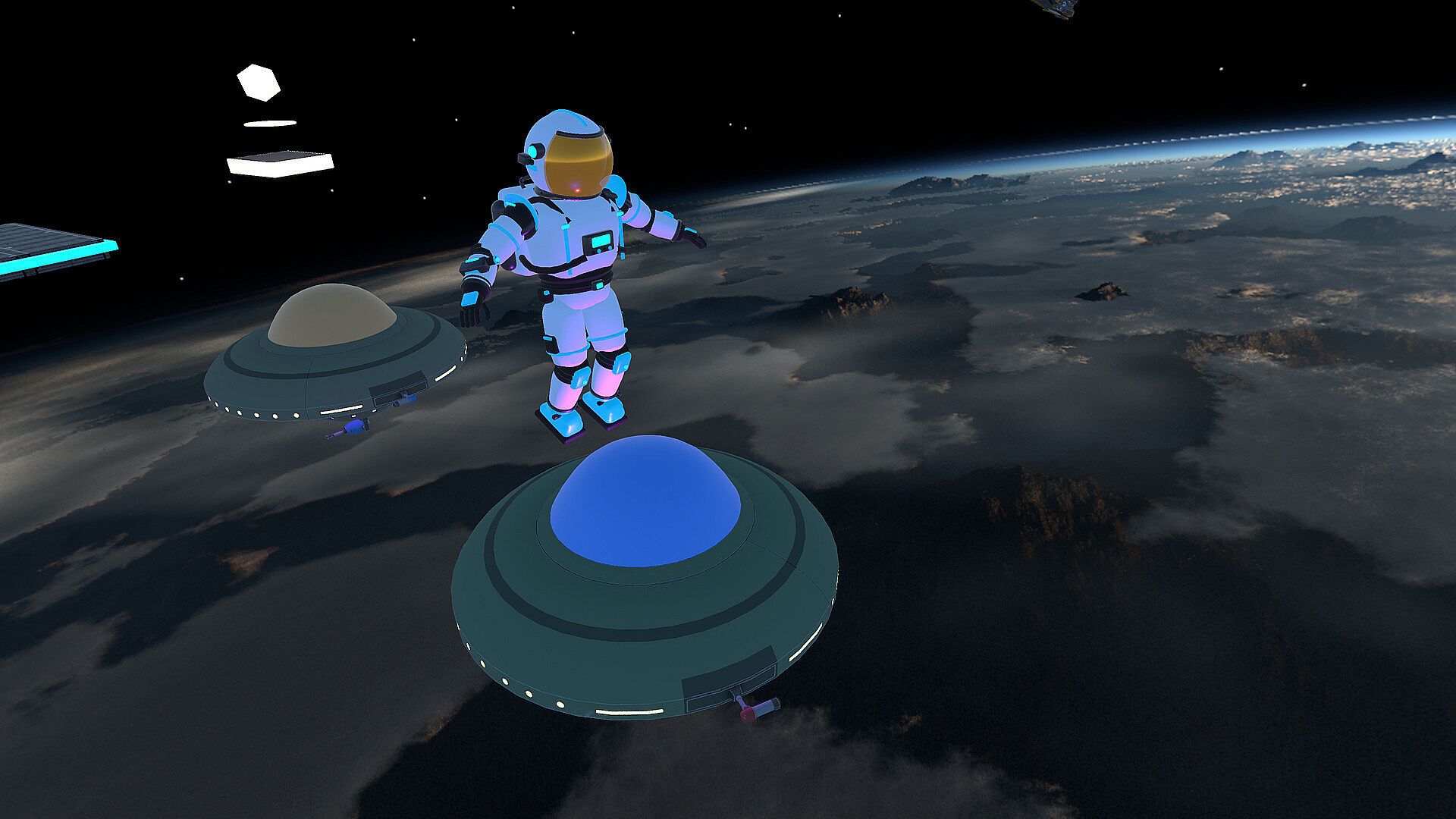
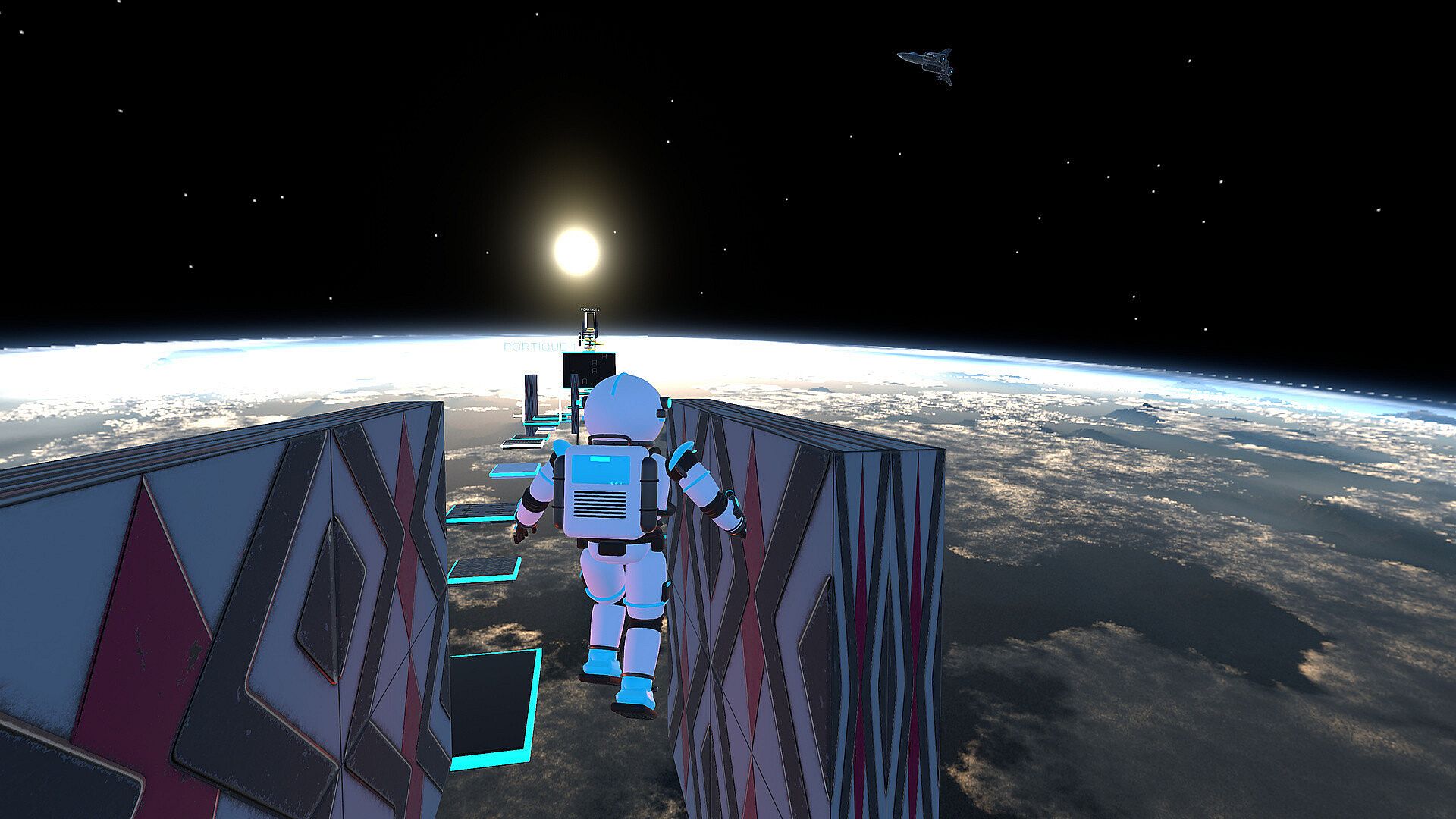
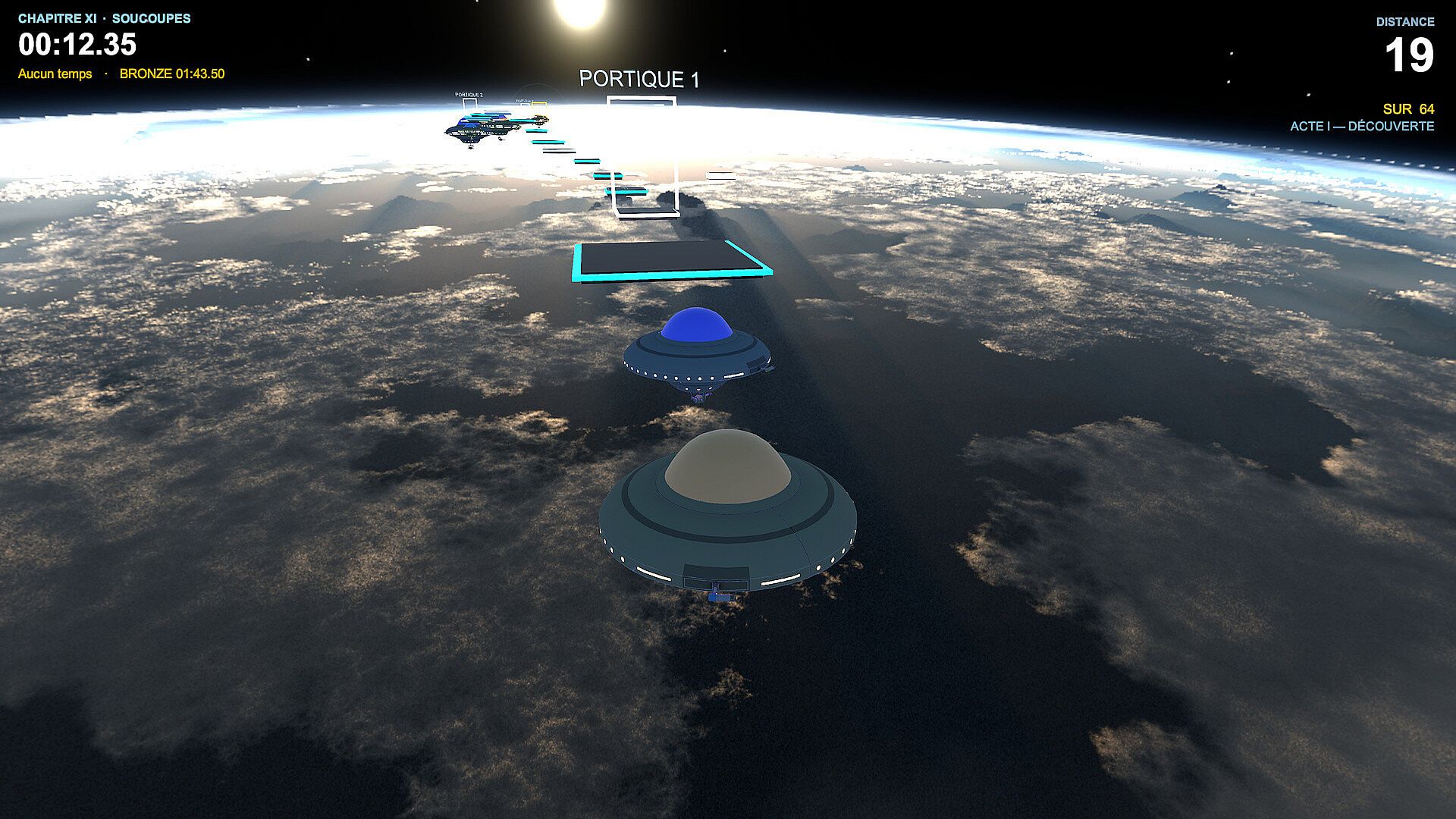
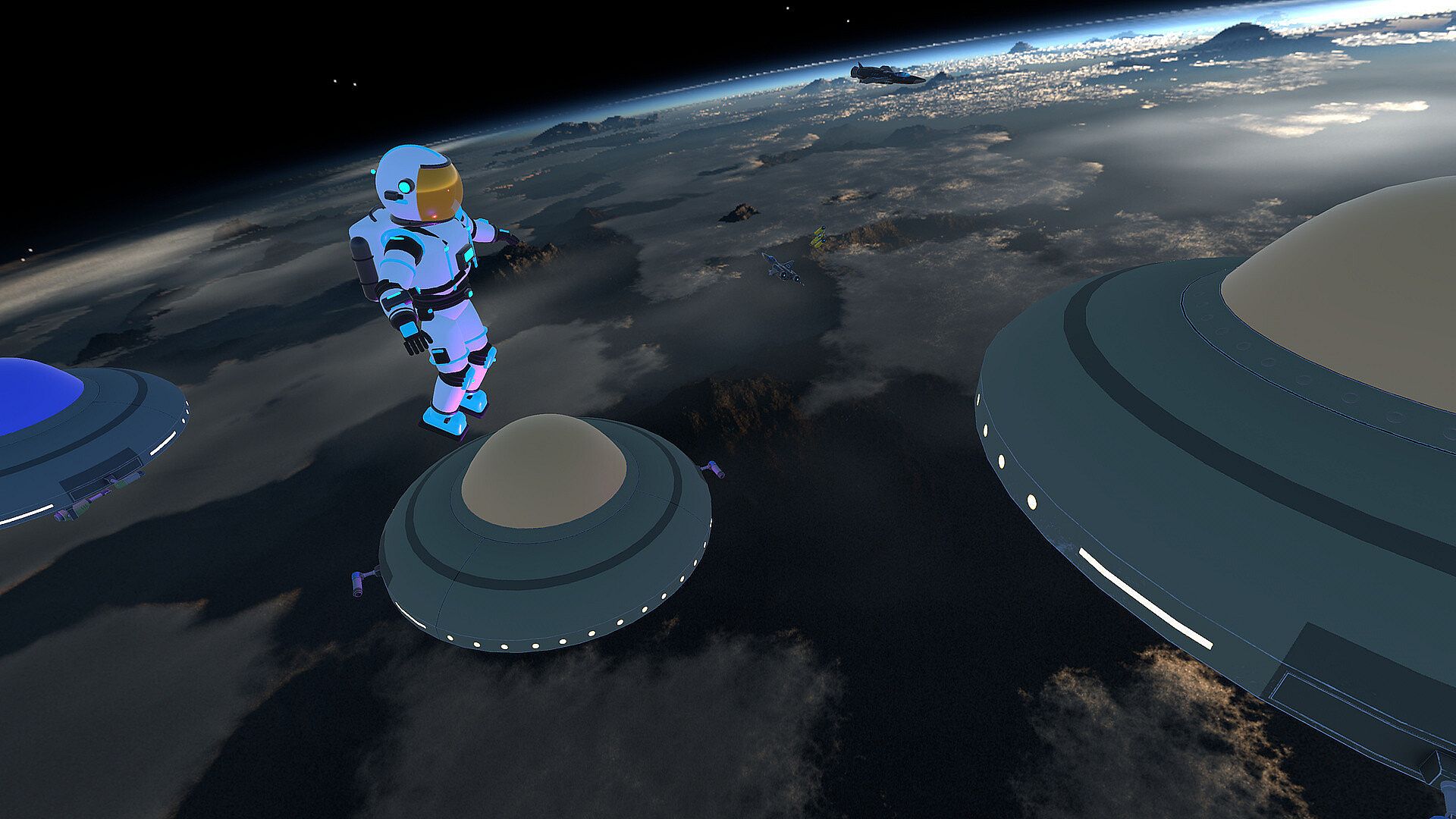
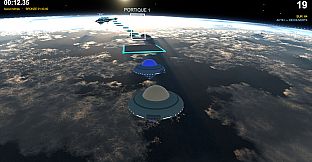
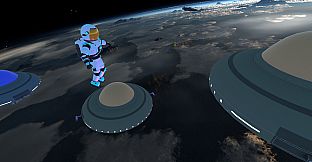
The movement system combines several tools that reward exact timing and line choice. A grappling hook pulls the player toward surfaces, wall runs maintain momentum along vertical planes, and rockets provide bursts of propulsion. Additional elements include orbital mechanics, saucer platforms, trampolines for redirection, pendulums that swing across gaps, and slippery ice surfaces that demand controlled slides. The game presents these mechanics clearly so nothing obscures the moment a jump must be executed.
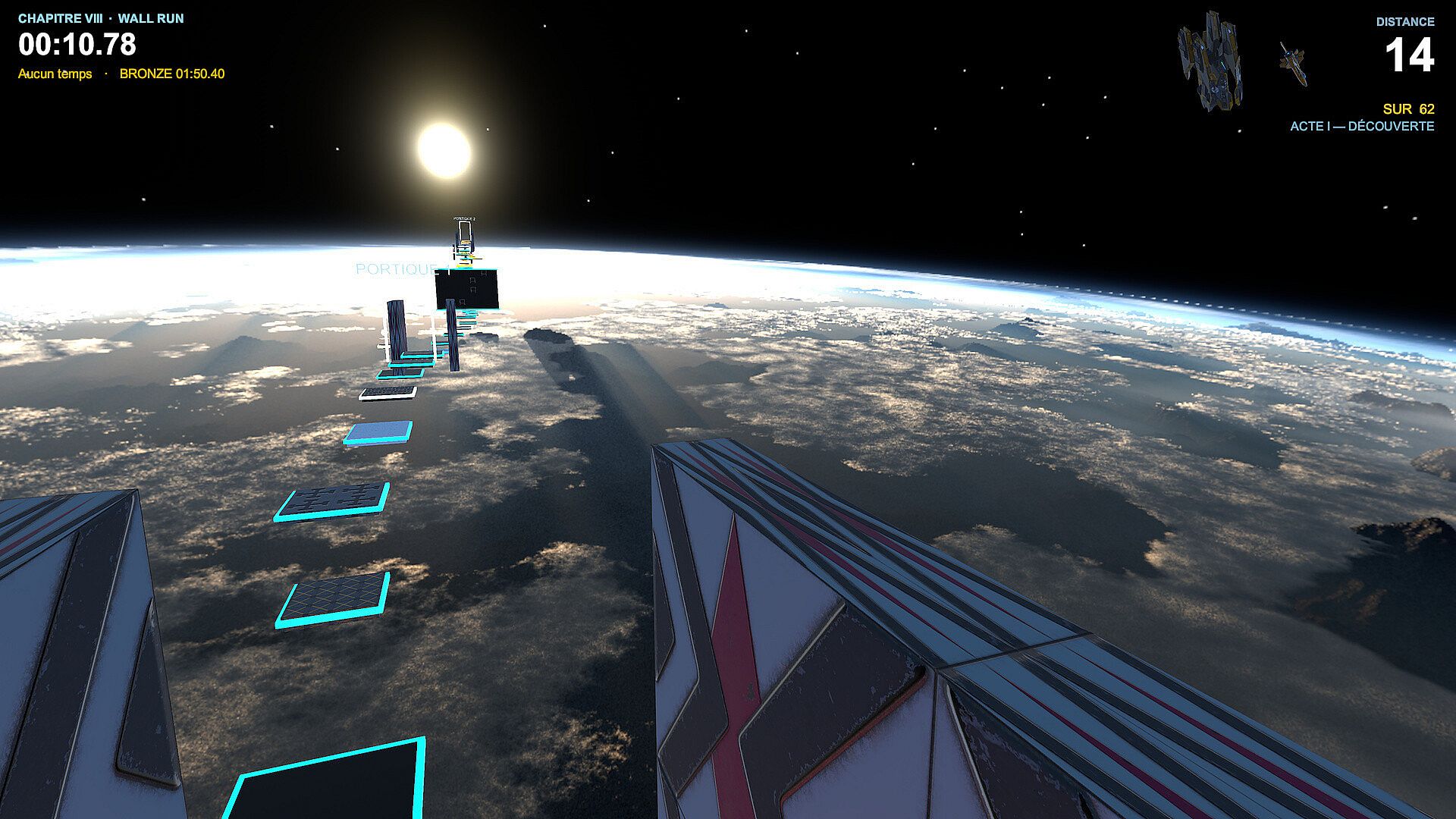
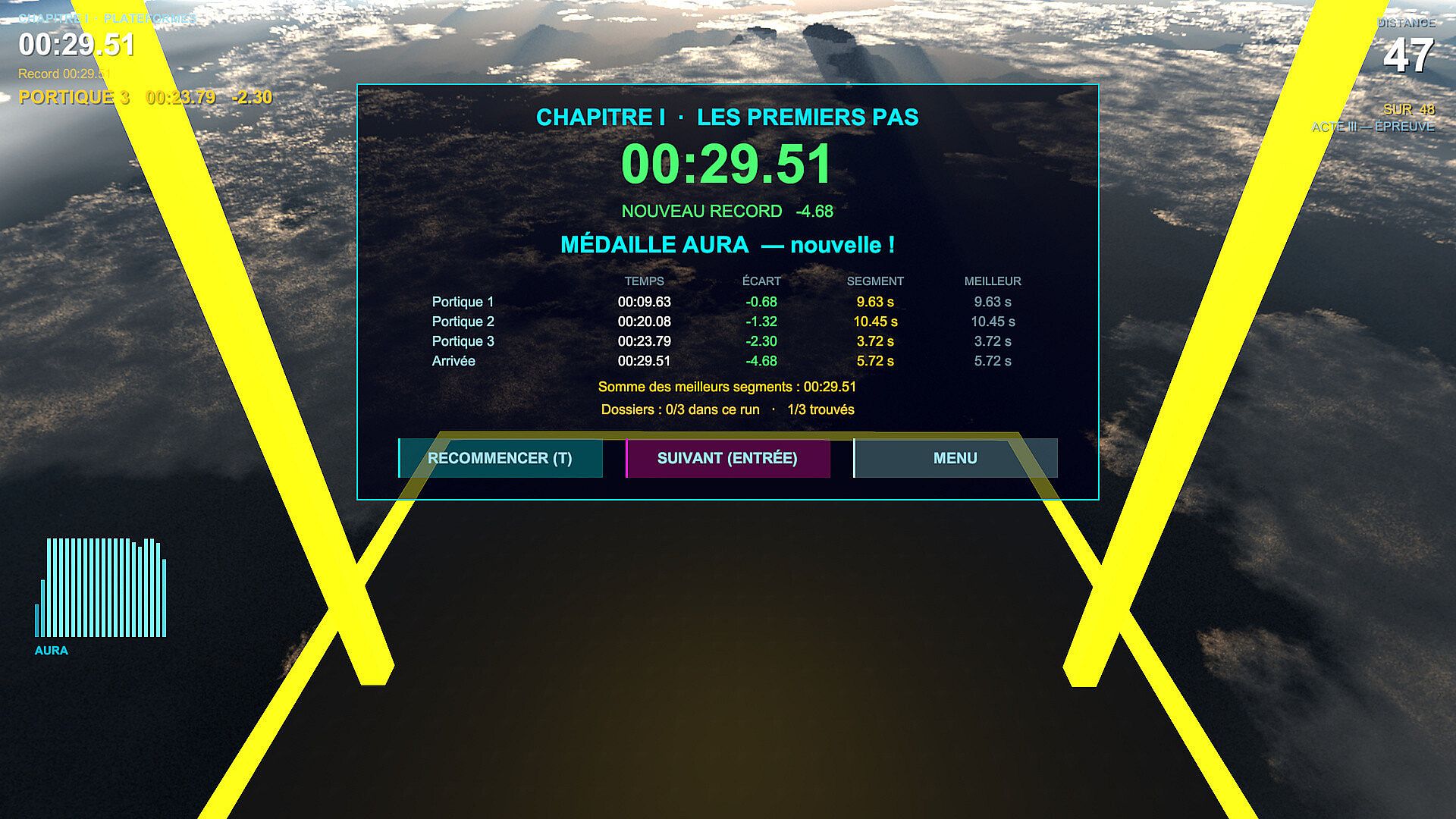
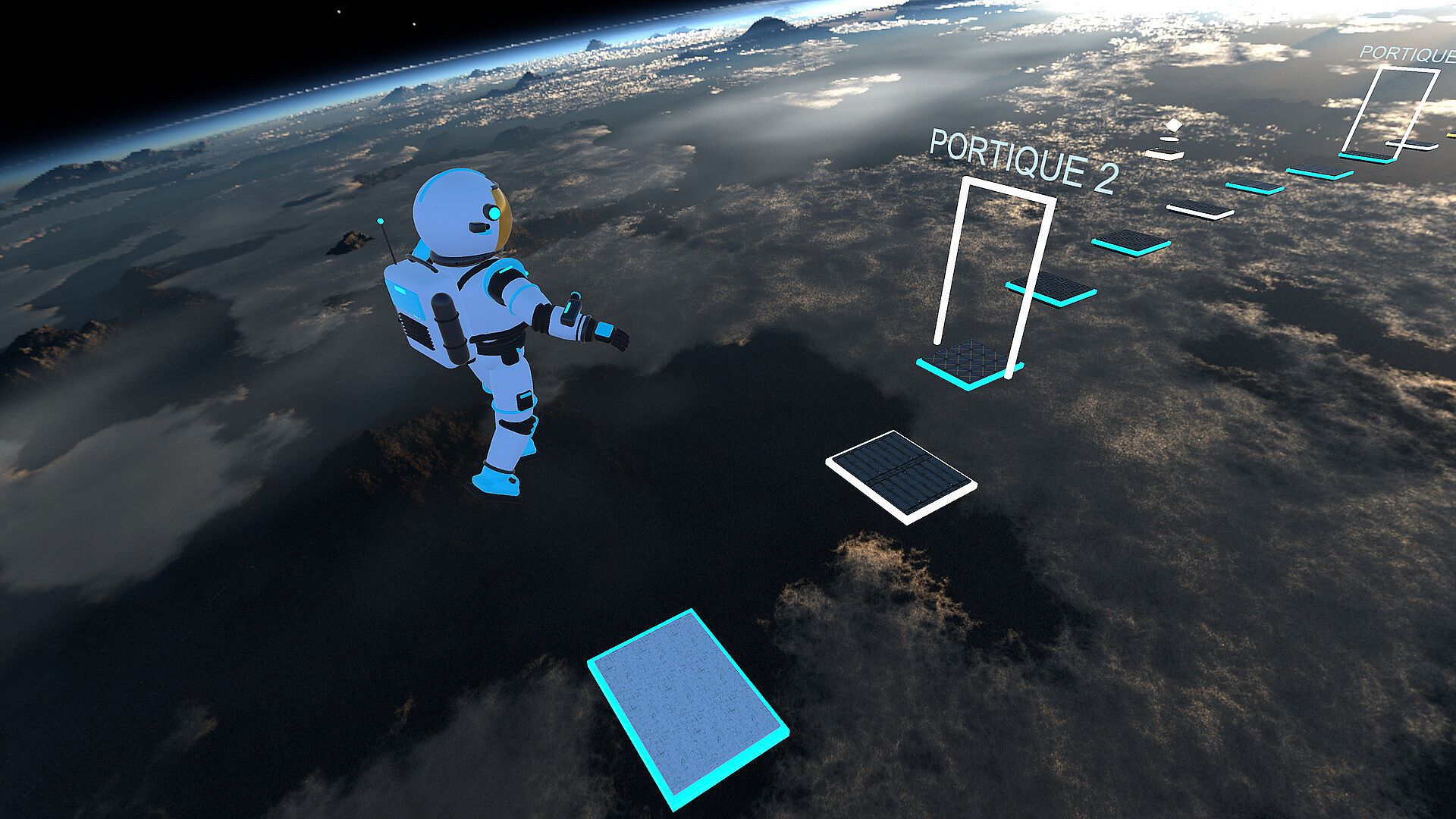
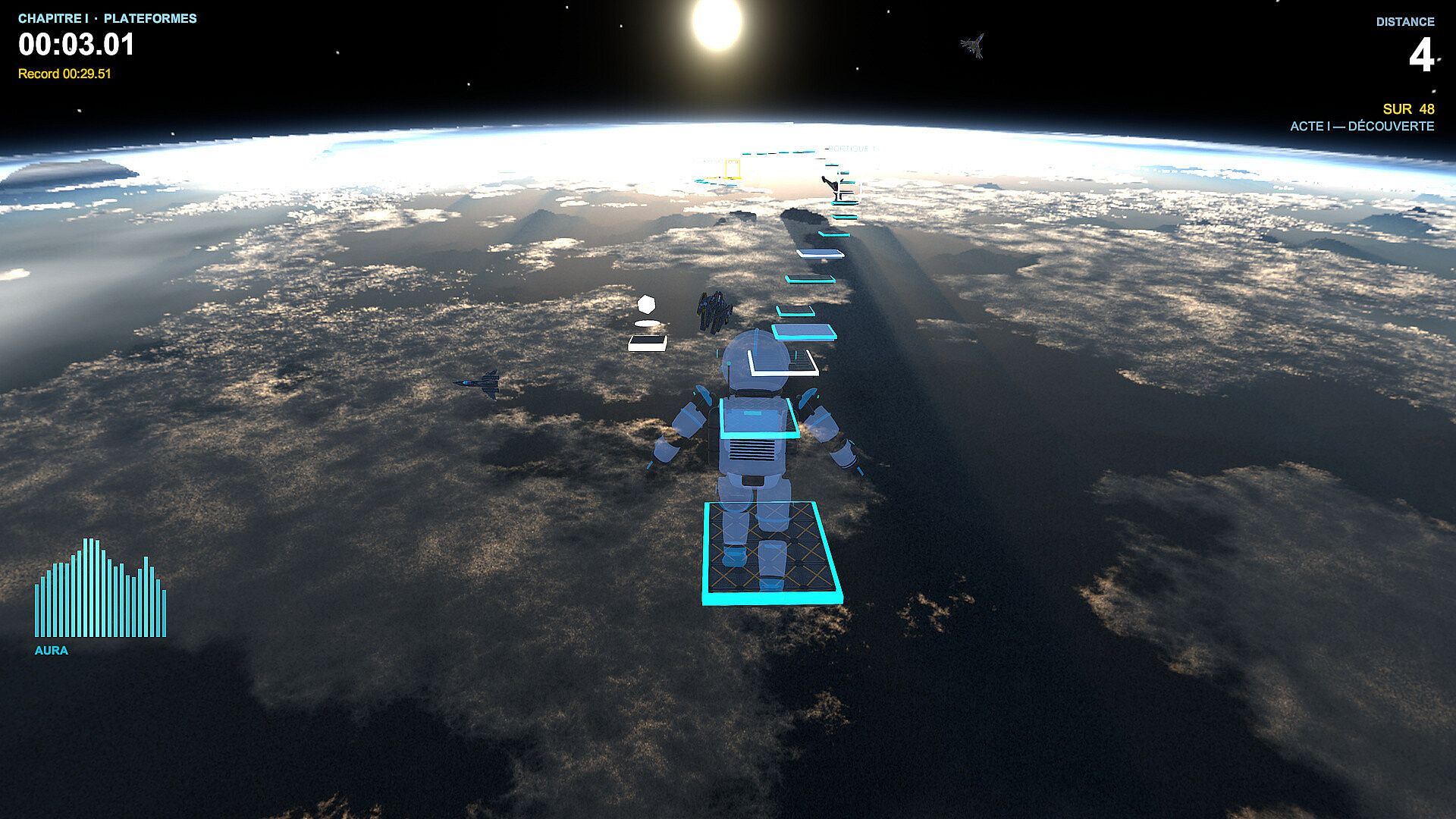
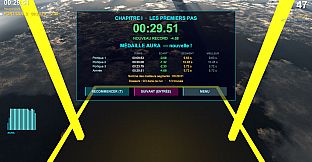
Each run follows an identical route per chapter, removing random elements and placing the focus entirely on execution. A hundredth-of-a-second timer tracks performance with splits recorded at three gates along the path. Results display immediately after completion, showing the time alongside medal thresholds. Bronze, Silver, Gold, and the highest AURA medal mark progress. A ghost replay of the player's best run appears for direct comparison, and an instant one-press restart keeps sessions flowing without interruption.
Practice mode allows respawning at the most recent gate without recording times, supporting focused work on specific sections. Three collectible files appear in each chapter, encouraging full exploration for 100 percent completion. A full run option chains every chapter together under a single cumulative timer.
Game Modes
Single-player content consists of twelve chapters divided into three acts each, followed by a final chapter that concludes AURA's narrative. Players advance by improving their lines and medal achievements across these stages.
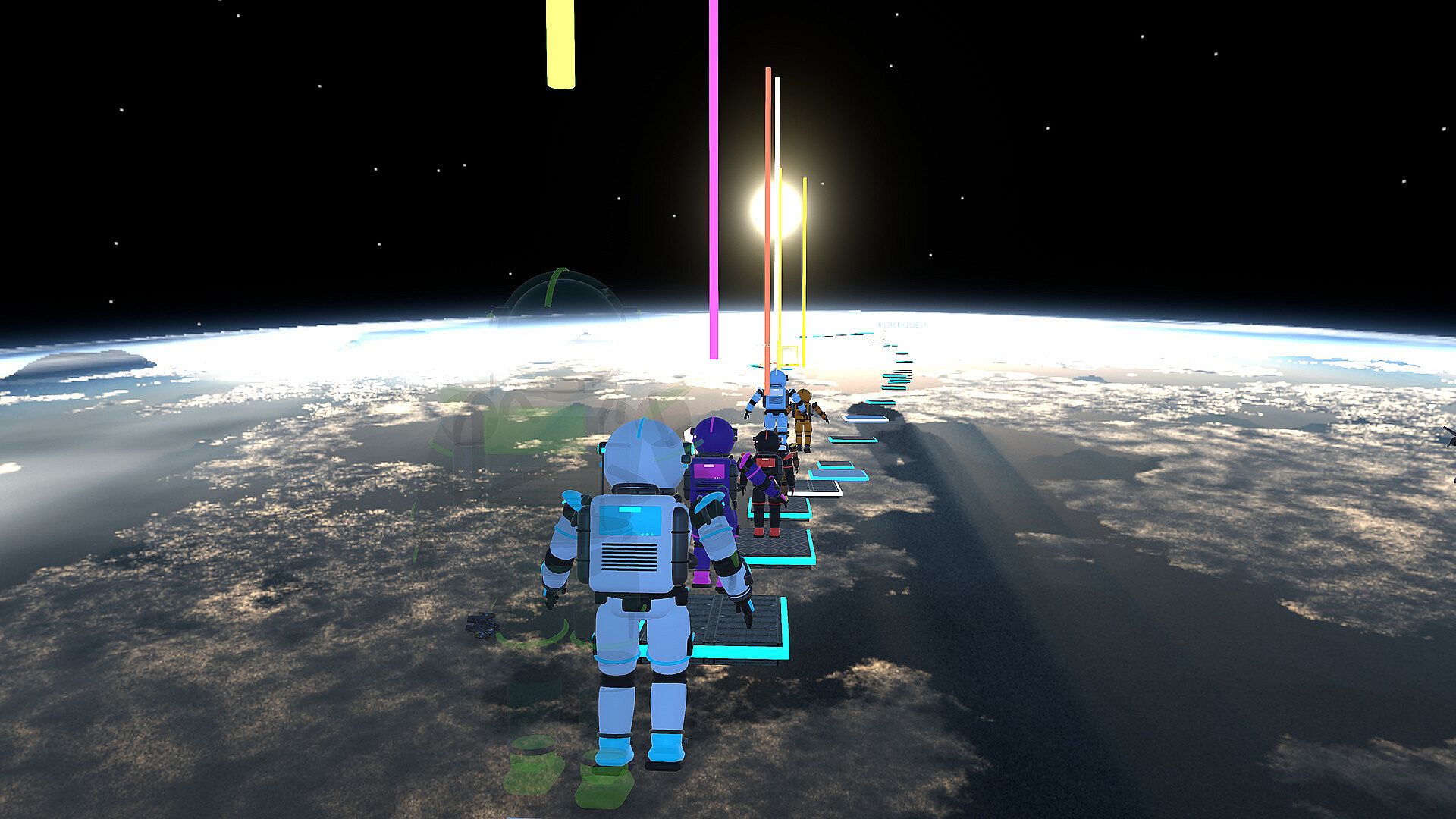
Online features add competitive layers. Ranked duels use an ELO rating system and visible ranks to match players of similar skill. Battle royale mode places multiple participants on the same course, with elimination occurring as the route progresses and slower players fall behind. Friends matches support direct invites through the platform's social tools.
Story and Presentation
AURA serves as both narrator and commentator. The AI delivers lines on successful runs and offers pointed observations on failures, such as noting a misjudged jump. This voice provides ongoing feedback without altering the fixed routes or mechanics. The overall structure keeps attention on movement precision rather than exploration or combat variety.
Is It Worth Playing?
Kepler Ascent targets players who enjoy optimizing movement in a first-person perspective and competing against their own times or others in structured challenges. The emphasis on identical routes and detailed timing tools suits those who value consistency and incremental improvement over procedural variety or open-ended progression. Single-player chapters and practice tools support solo refinement, while ranked duels and battle royale provide direct competition once online access is available. Because the game remains in a pre-release state with no published player reception or update history, any decision to play rests on interest in its specific platforming FPS format and time-trial focus.











