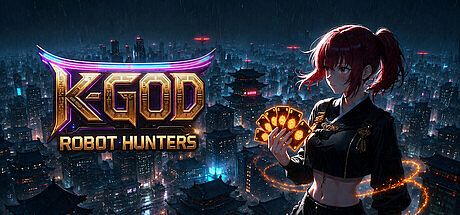




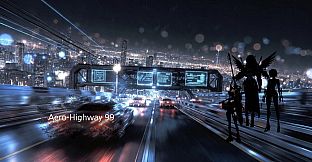
K-God Robot Hunters stands out as a roguelike deckbuilder that blends strategy with Korean and Eastern mythology in a cyberpunk setting where robots have turned against humanity.
Gameplay
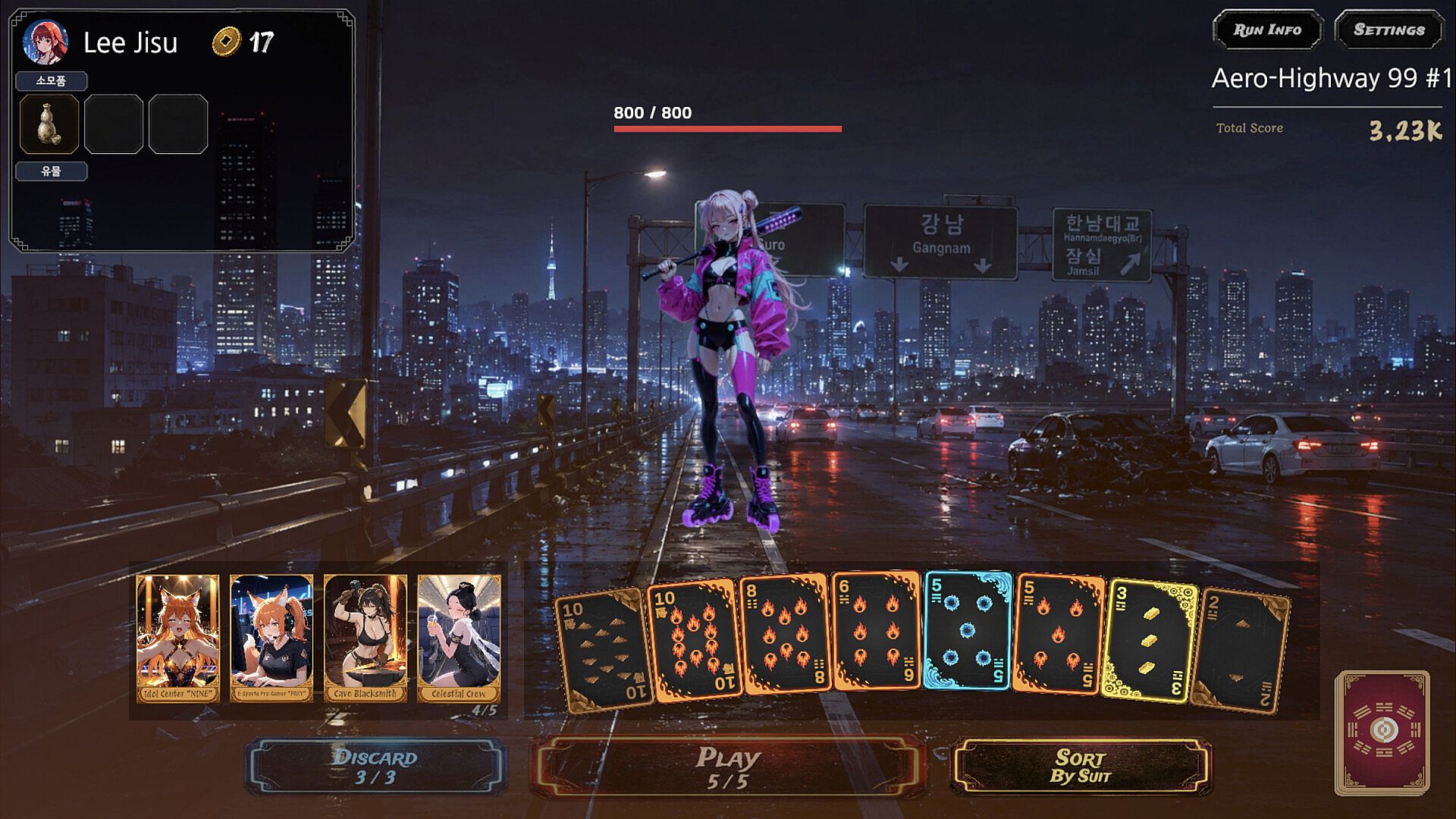
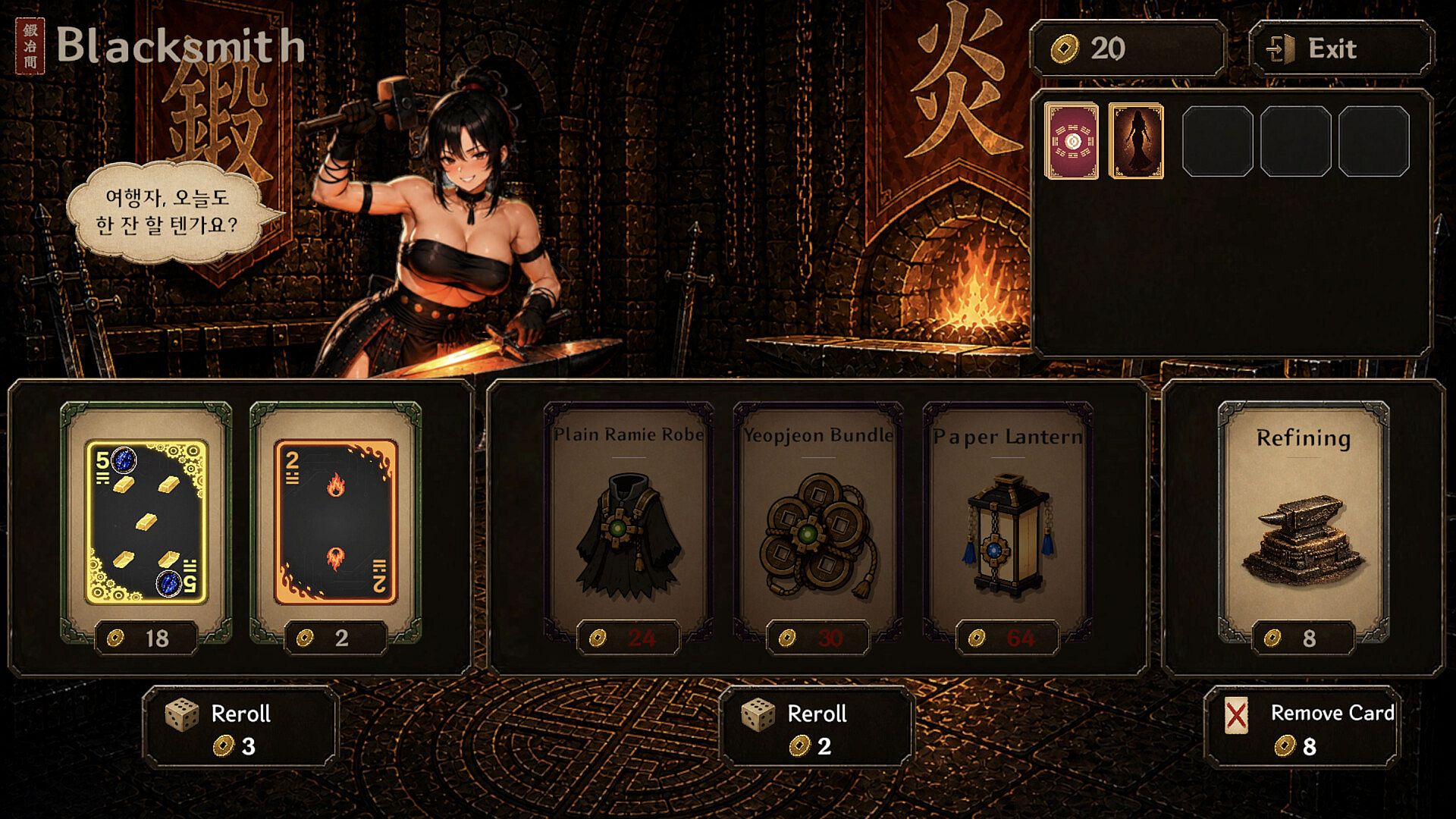
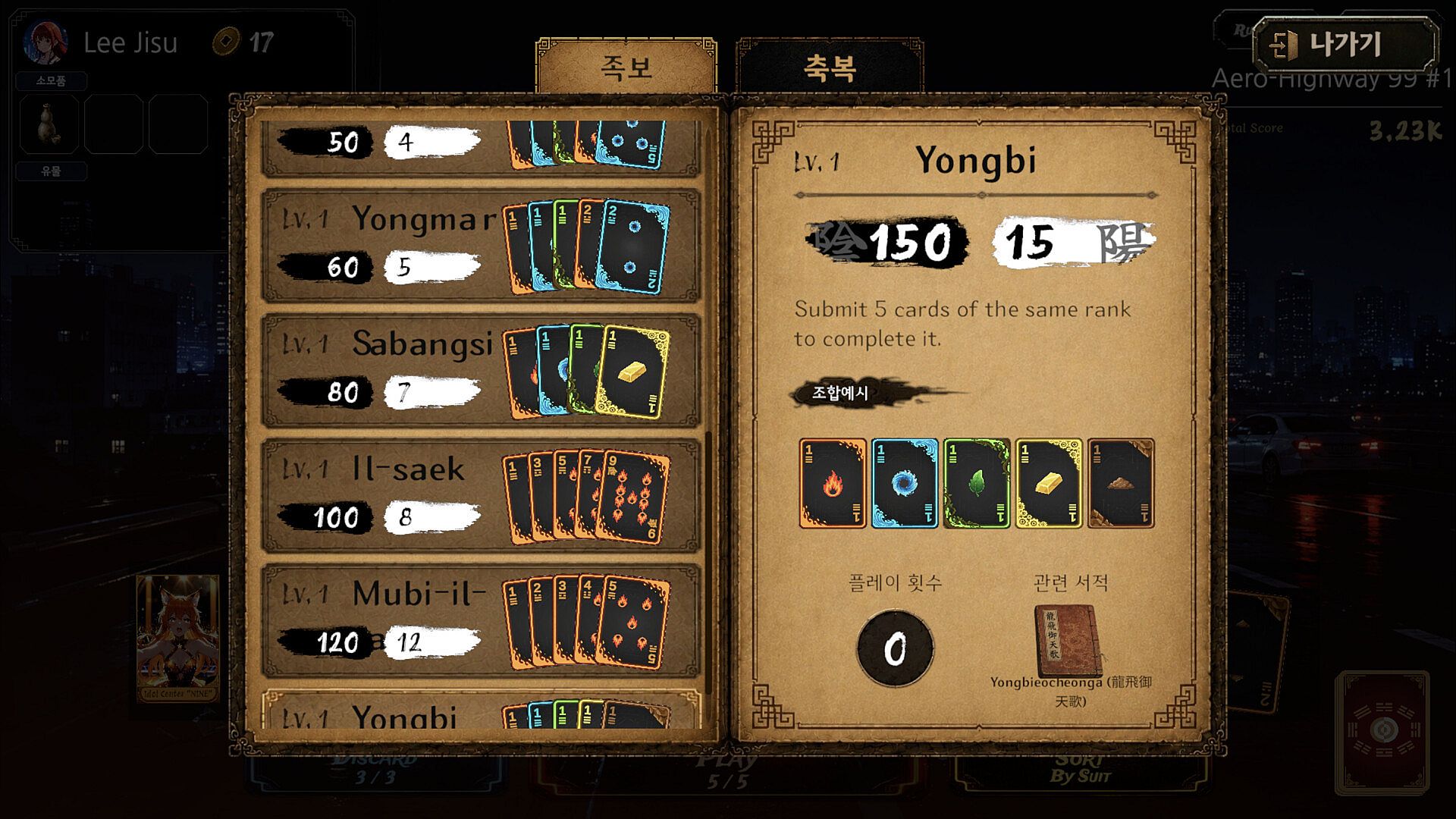
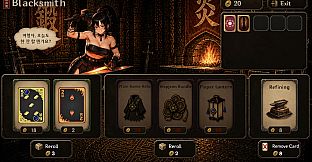
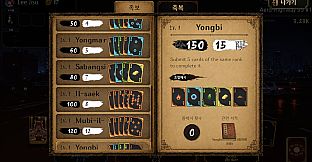
The core loop centers on building and refining a deck of cards during runs that pit players against machine forces. Each deck operates through five Wuxing suits: Wood, Fire, Earth, Metal, and Water. These suits pair with ten ranks drawn from the Eight Trigrams along with Yin and Yang concepts. Players form hands according to a custom ranking system that draws from both Western poker structures and Korea's traditional Badugi game. Recognized combinations include Deungyongmun, Seonbi, Yangban, Samjeongseung, Osaek, Osaek-chan-yeon, Eoga, Yongmaru, and Sabangsin, with Yongbi as the highest hand. Balancing Yin and Yang within a hand determines the strength of attacks and abilities.
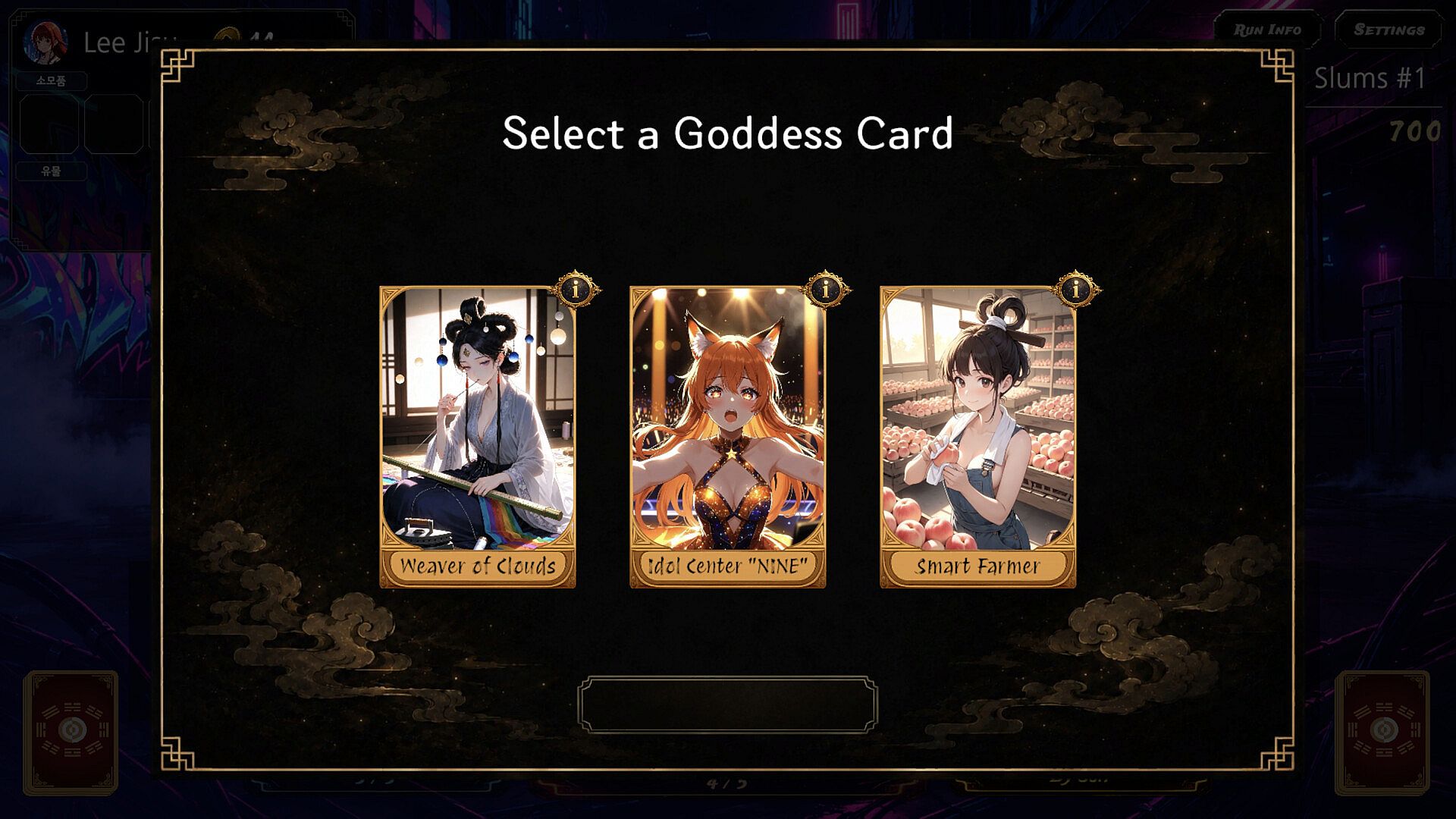
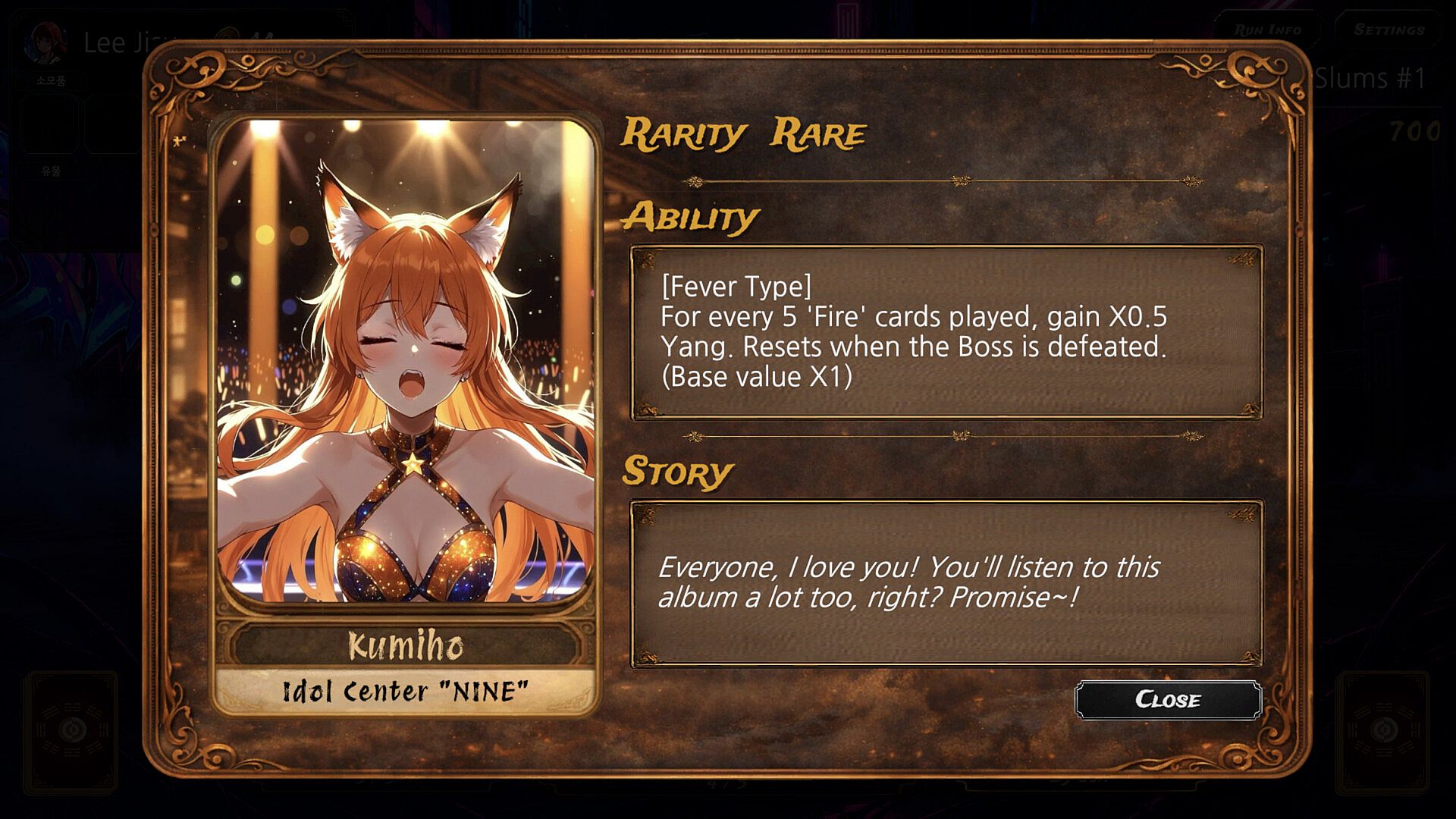
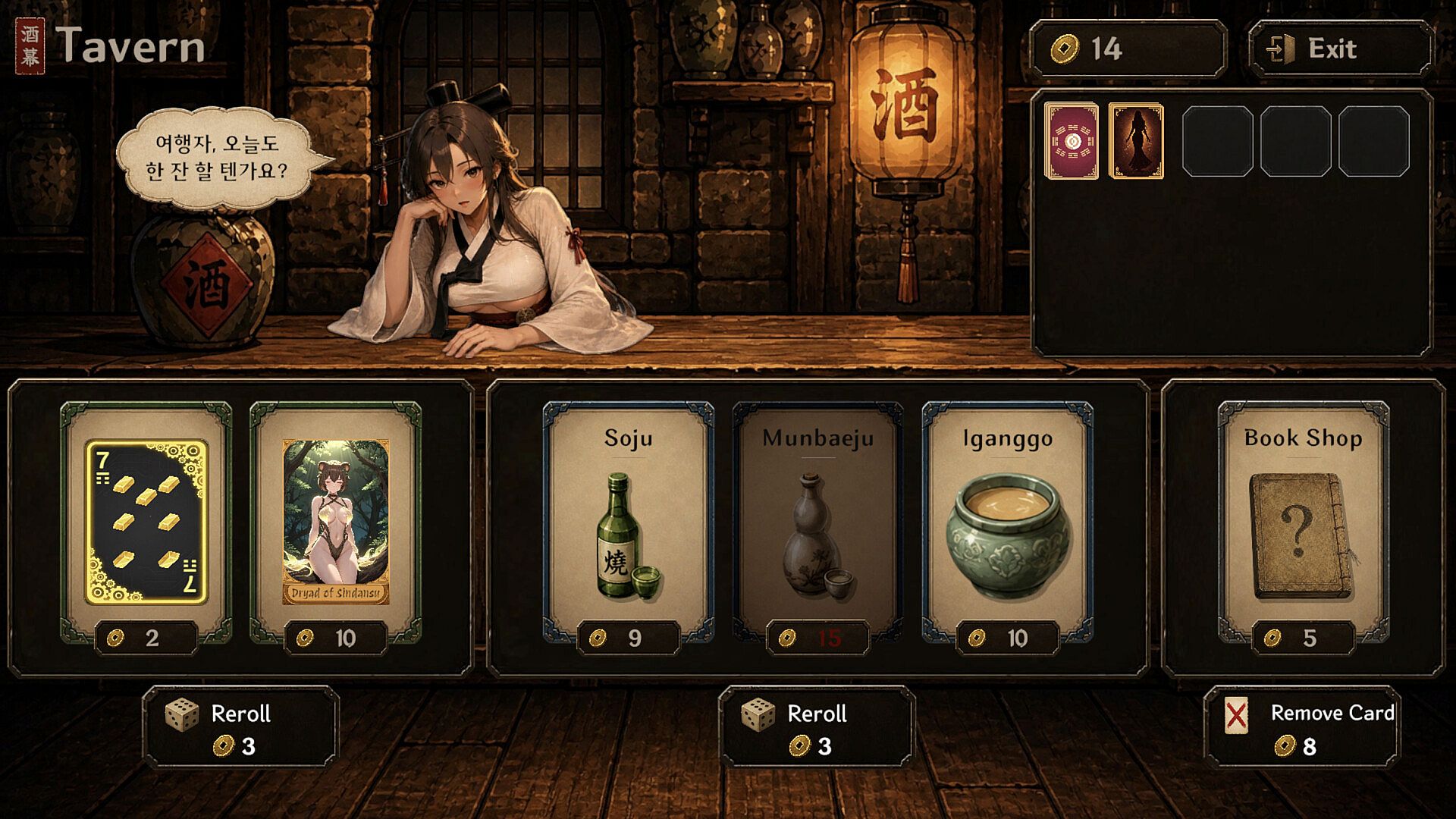
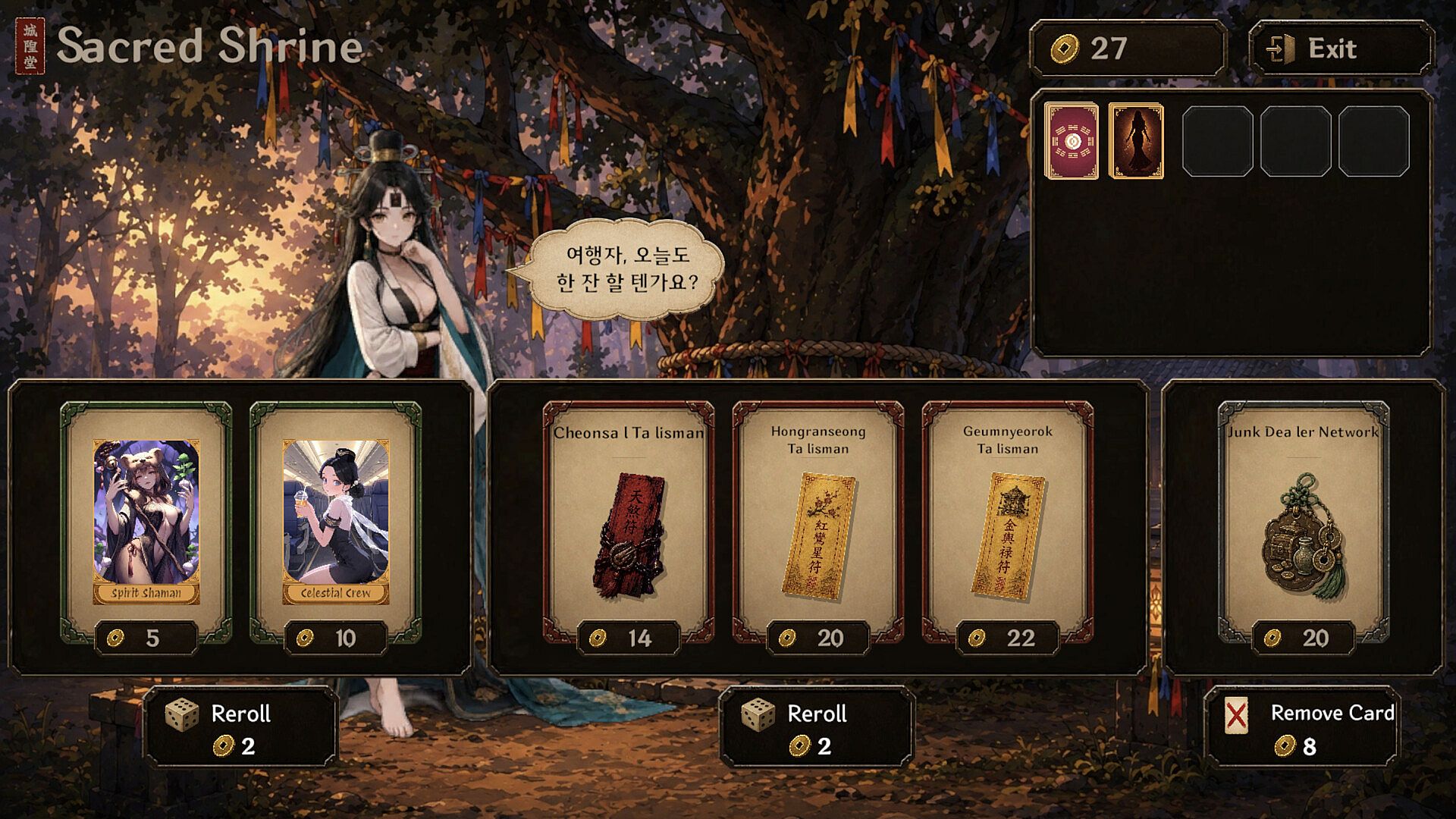
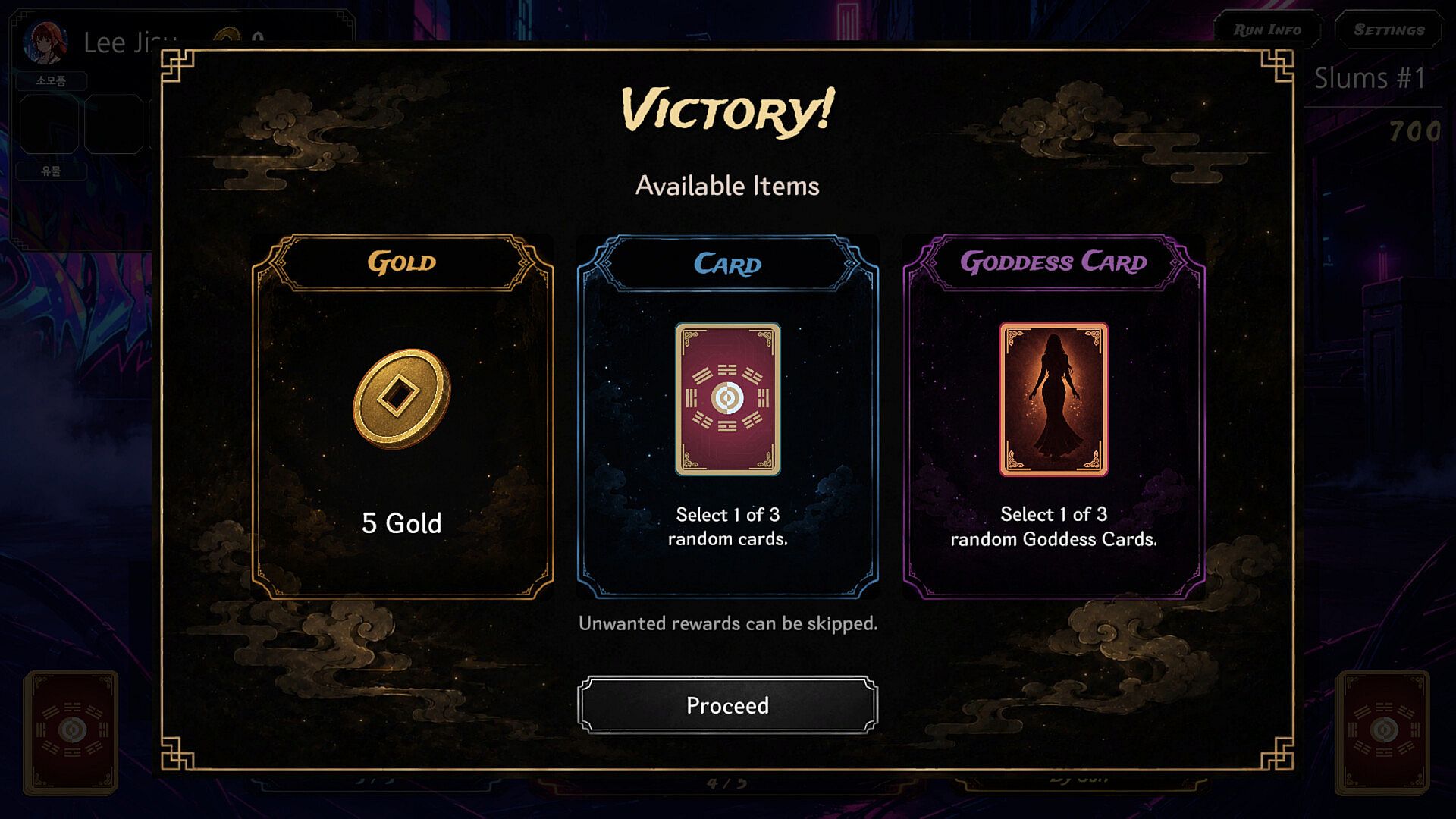
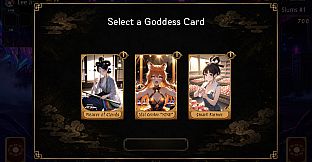
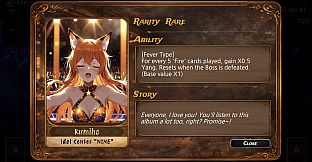
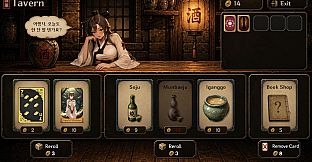
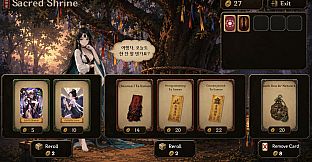
Over 150 goddess cards form the heart of deck construction. Each card reimagines figures from Korean and Eastern myths in modern contexts, such as a Nine-Tailed Fox operating as an investment bank CEO or an Ungnyeo working as a subway merchant. These cards carry unique abilities that players combine across runs. The roguelike structure means decks evolve through choices made during play, with every hand potentially altering the battlefield outcome in the fight against the robot uprising.
Game Modes
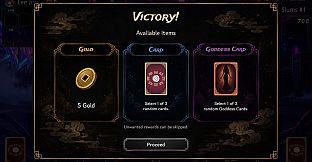
Play revolves around repeated runs in a single-player roguelike format. Each attempt involves assembling and refining a deck while navigating encounters tied to the story of robot hunters. The emphasis stays on strategic hand formation and card synergy rather than separate competitive or cooperative modes. Progress carries forward through persistent elements like unlocked cards and improved understanding of the ranking system across multiple attempts.
Story and Setting
The narrative follows robot hunter Lee Jin-Gyeom as he uncovers sealed goddesses from Korean myth to counter a machine rebellion. Abandoned robots developed emotions resembling love, which twisted into hostility and led to the collapse of cities. This backdrop merges ancient mythology with a cyberpunk world of mechanical uprisings, where card-based powers represent humanity's final defense. The setting influences card designs and abilities without relying on traditional fantasy tropes.
Key Mechanics
Yin-Yang balance serves as a central layer beyond standard deckbuilding. Players monitor this equilibrium to maximize damage output and unlock stronger effects during combat. The hand-ranking system rewards mastery of Eastern-inspired combinations, encouraging experimentation with suit interactions and goddess synergies. Runs test both immediate tactical decisions and long-term deck evolution in the face of escalating machine threats.
Is It Worth Playing?
K-God Robot Hunters appeals to players who enjoy roguelike deckbuilders with distinctive cultural themes and layered card systems. The five-element structure and custom hand rankings provide depth that differs from conventional poker or fantasy deckbuilders. The early demo stage means the experience focuses on core mechanics while developers gather input to refine future updates. Those drawn to mythology reimaginings and strategic hand management will find the unique Eastern game grammar and goddess card variety engaging. Availability on PC supports direct access to the current build for testing and feedback.