


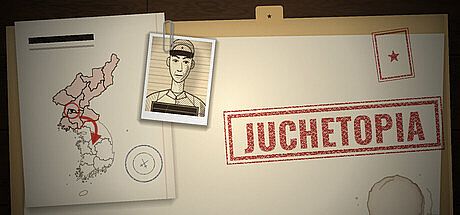


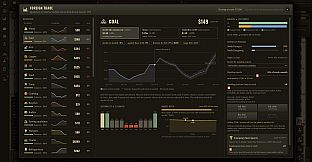
Juchetopia is a single-player strategy and simulation game set in a historical political context. Players manage the reconstruction of a divided nation while balancing economic demands, internal power struggles, and the possibility of military action. The core experience revolves around resource allocation, faction management, and decision-making under pressure from external powers.
Gameplay
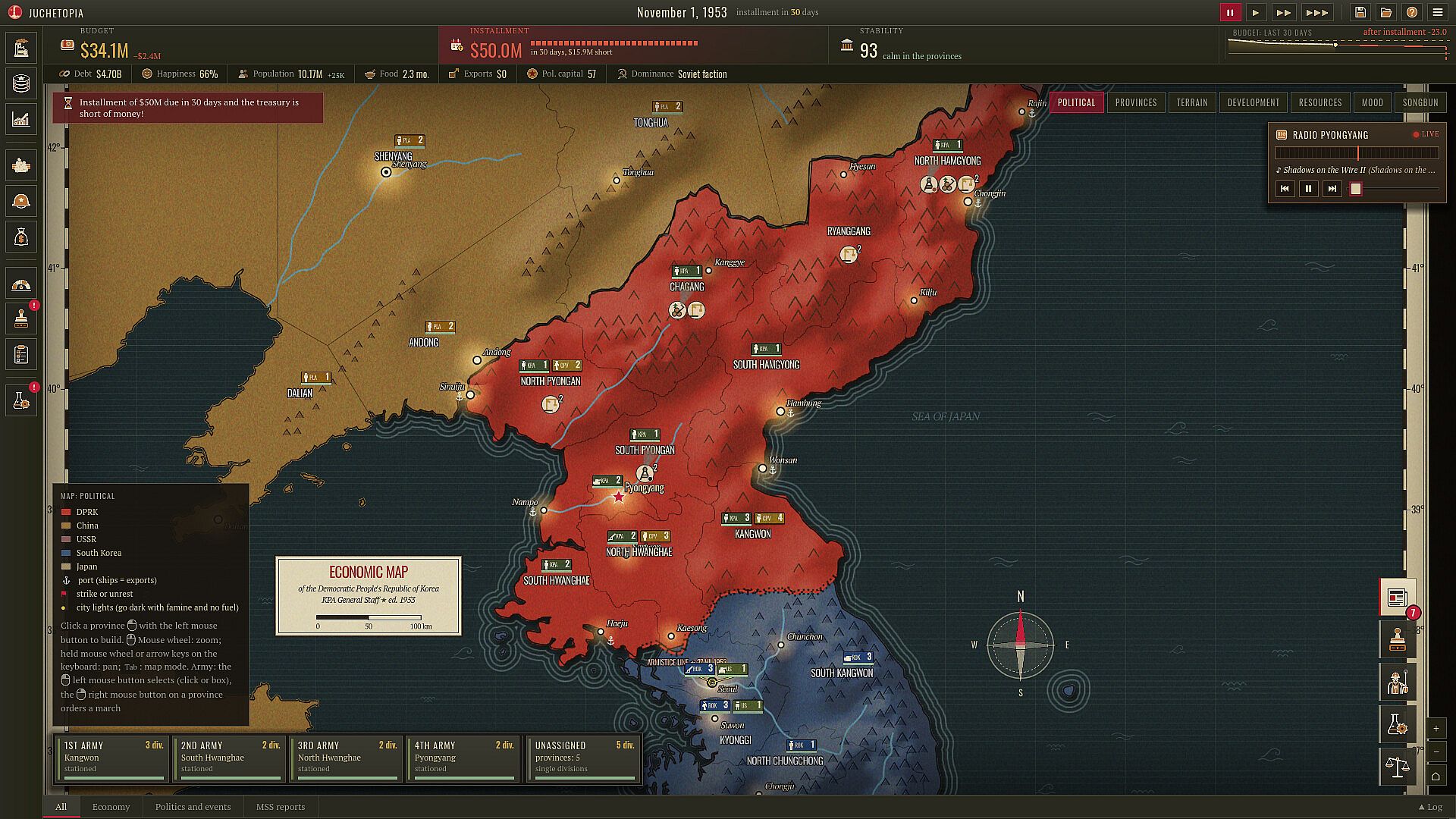
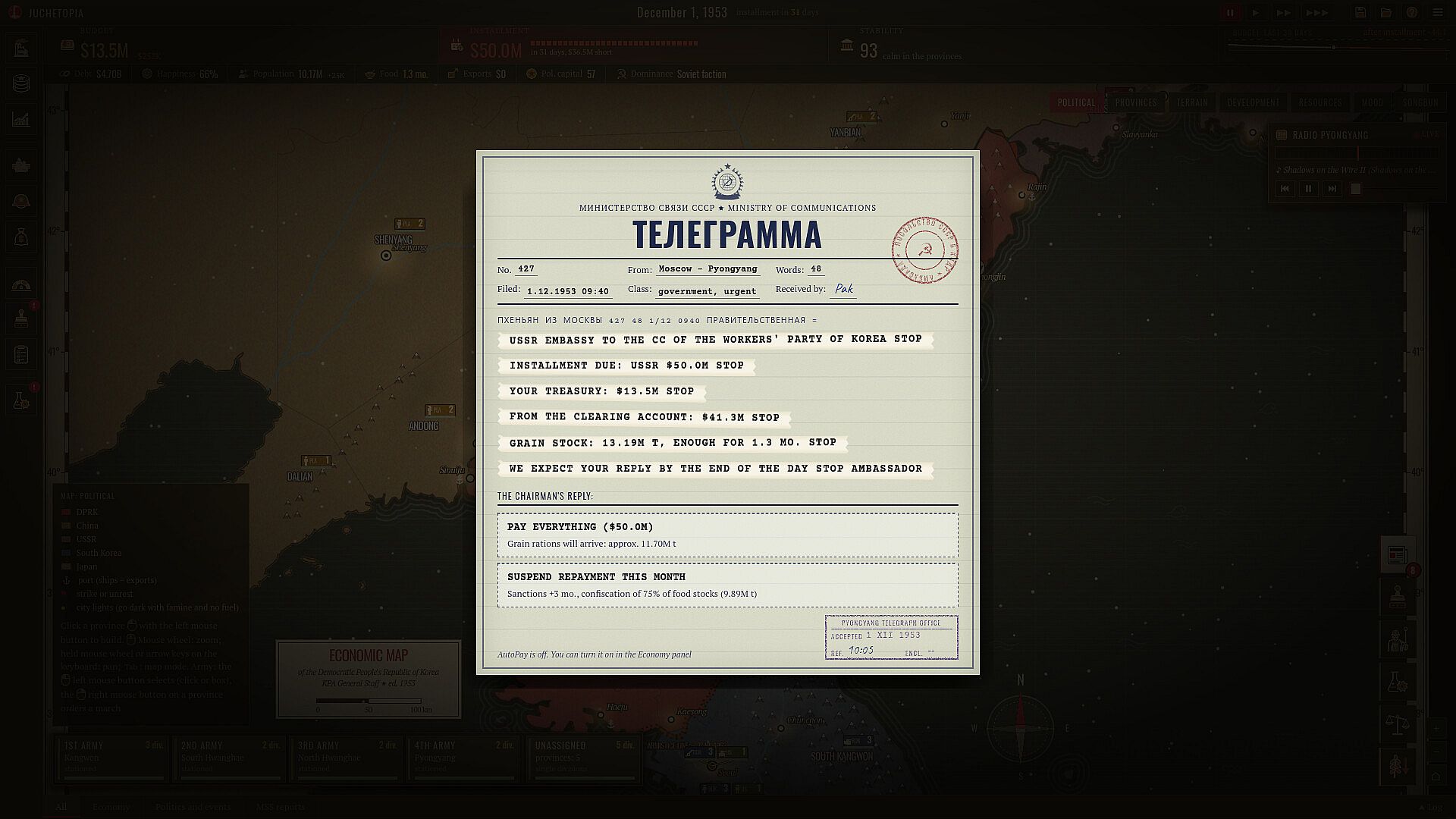
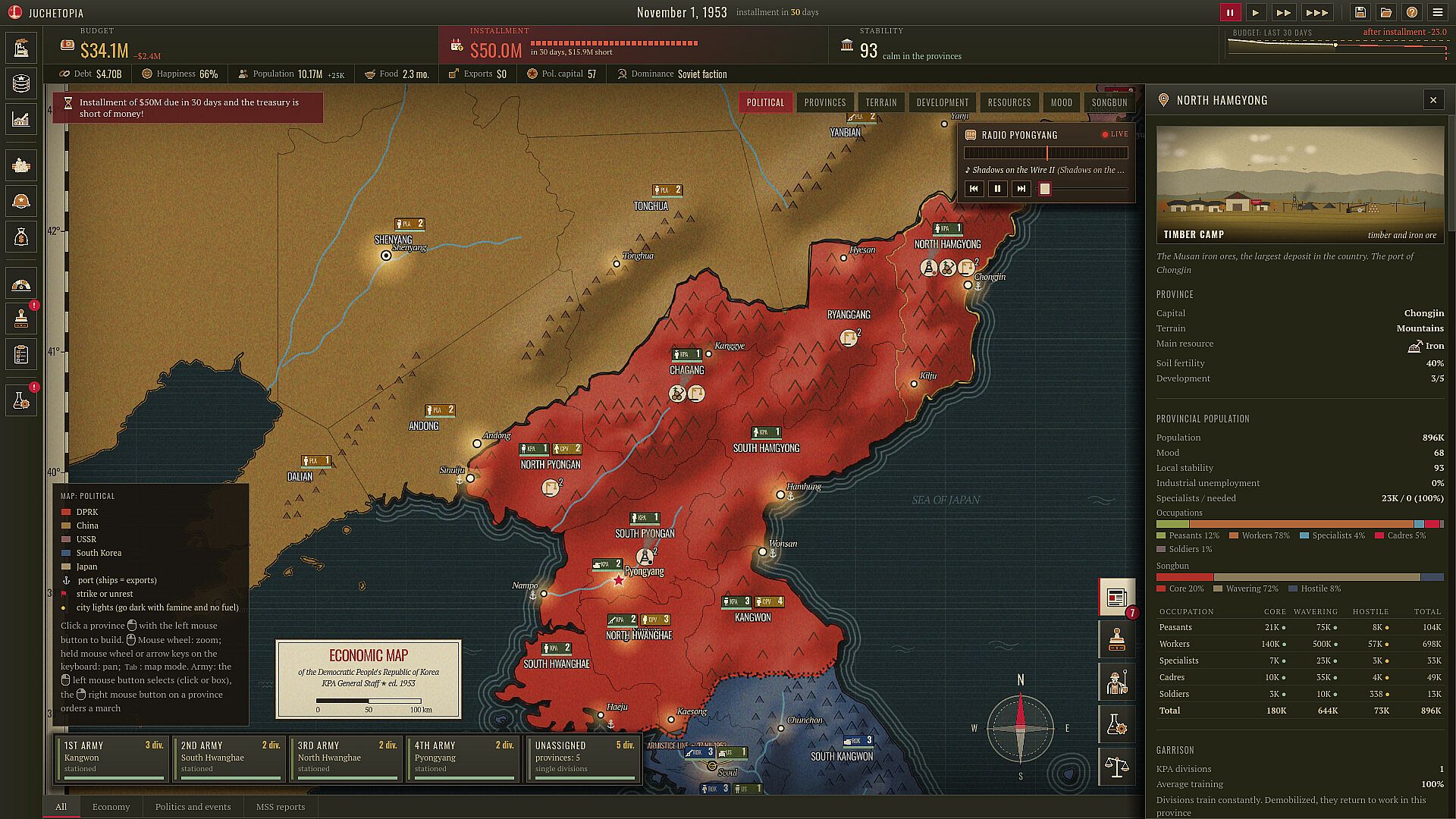
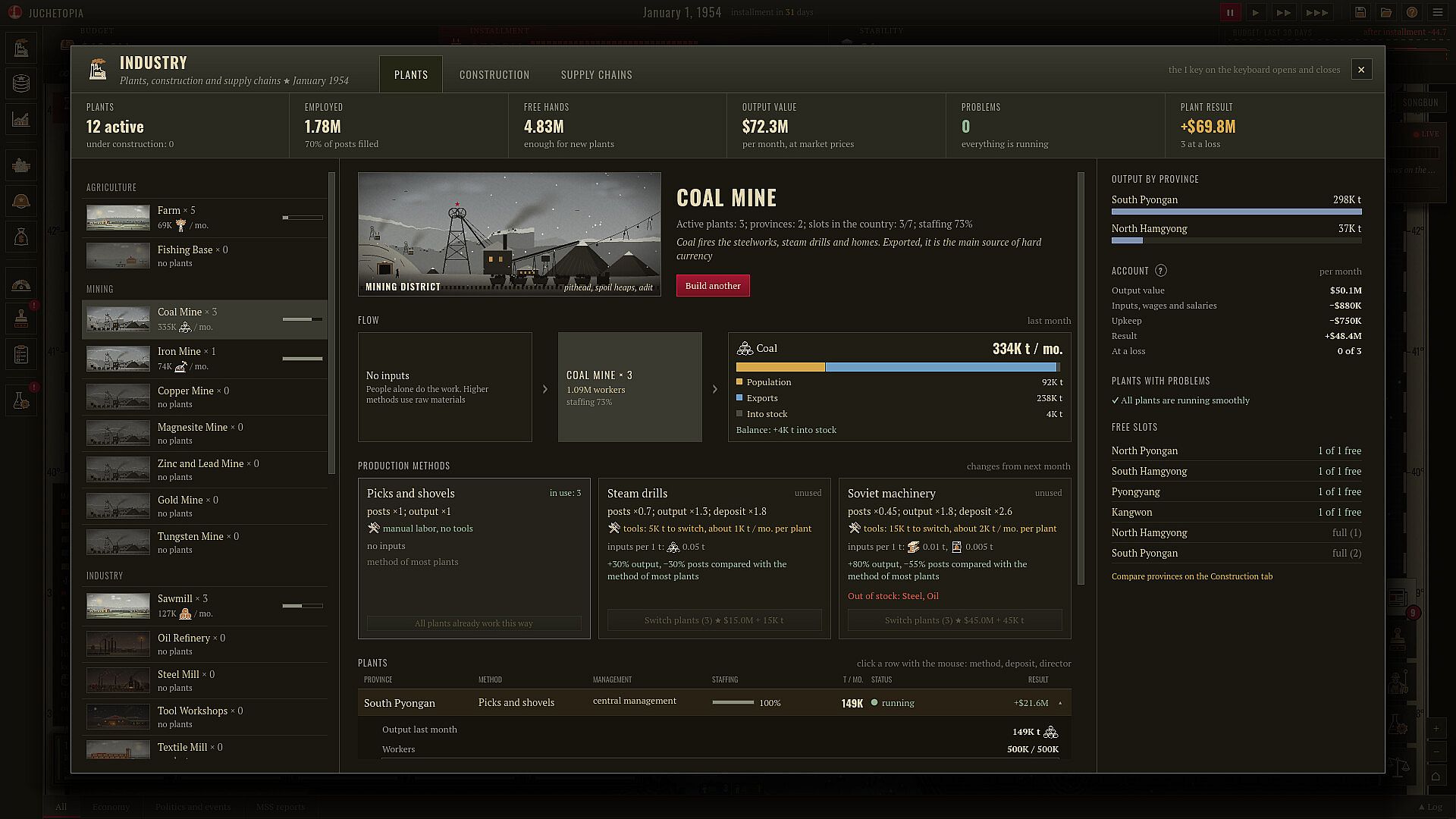
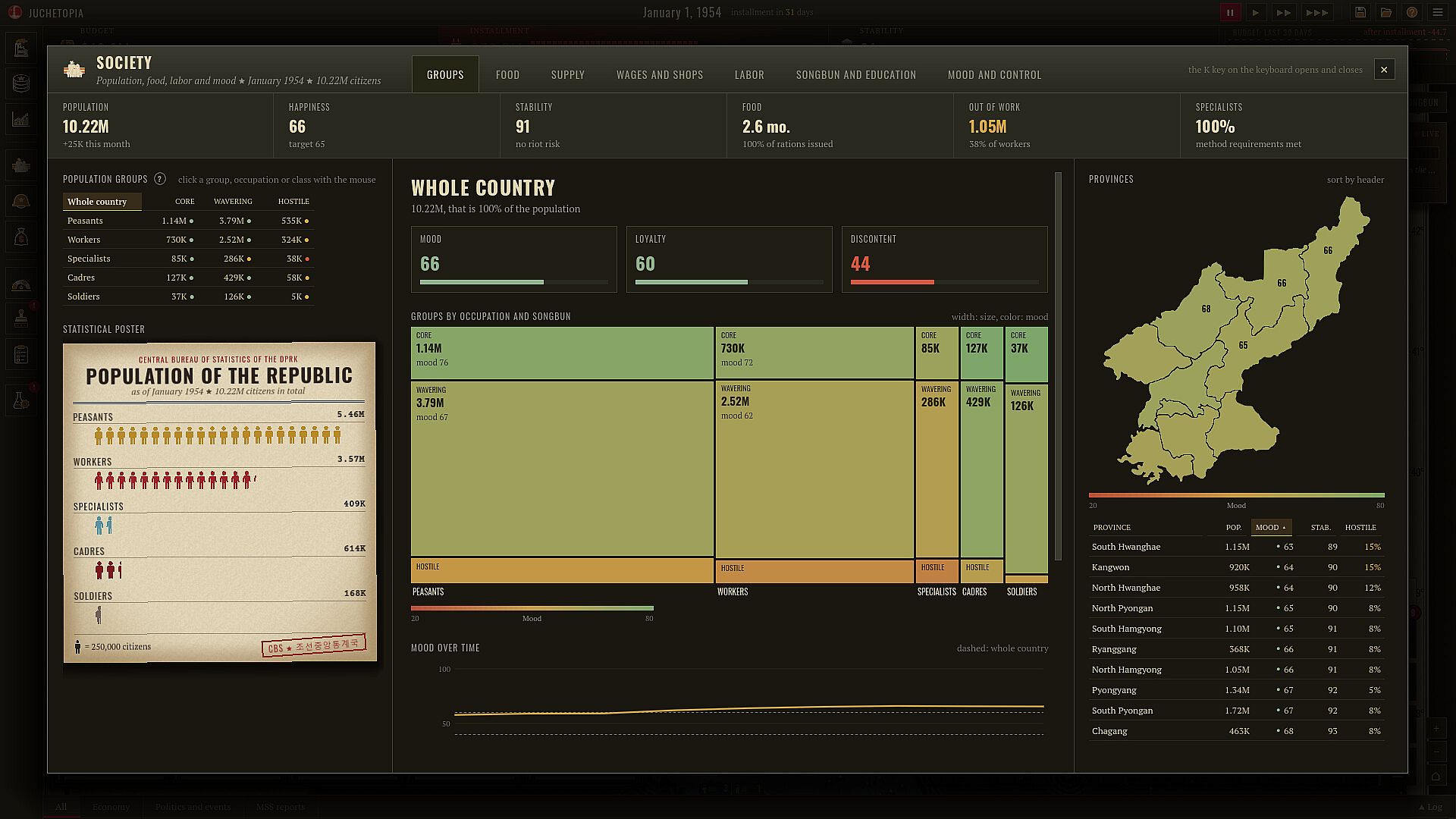
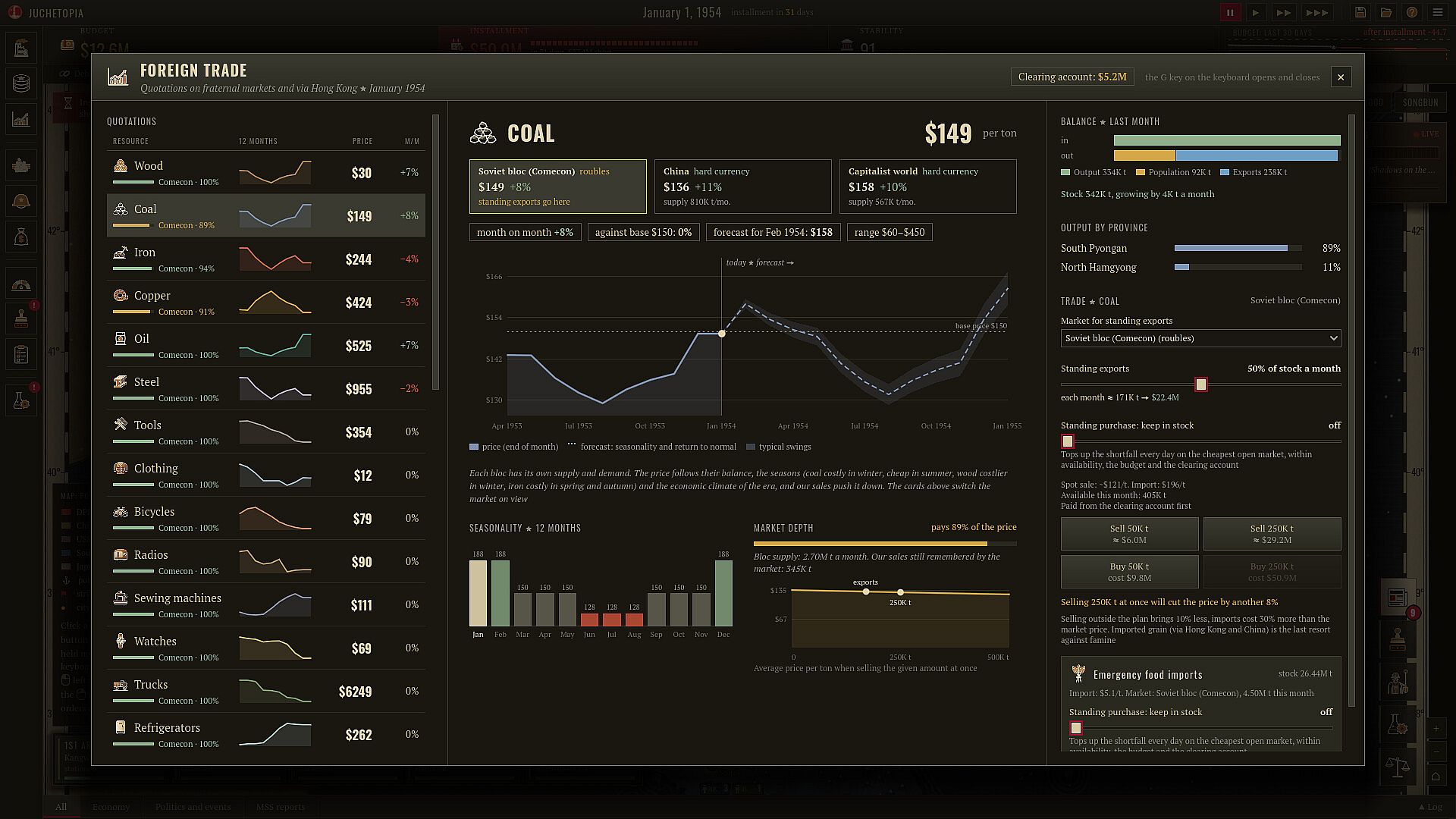
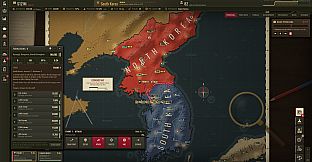
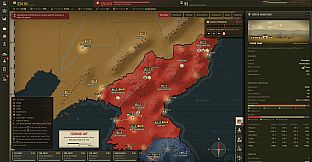
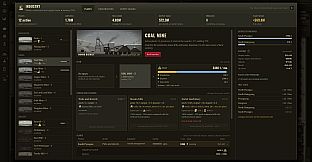
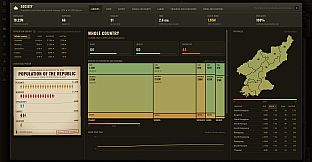
The gameplay centers on real-time strategy with the option to pause at any moment. Starting in 1953, players oversee 43 provinces across Korea, Manchuria, the Soviet Far East, and western Japan. Construction focuses on building mines and steel mills to generate exports of coal, gold, and magnesite sold across three world markets. Revenue funds monthly debt payments to Moscow, while grain rations, wages, and worker assignments support a society divided into peasants, workers, specialists, cadres, and soldiers classified by songbun status.
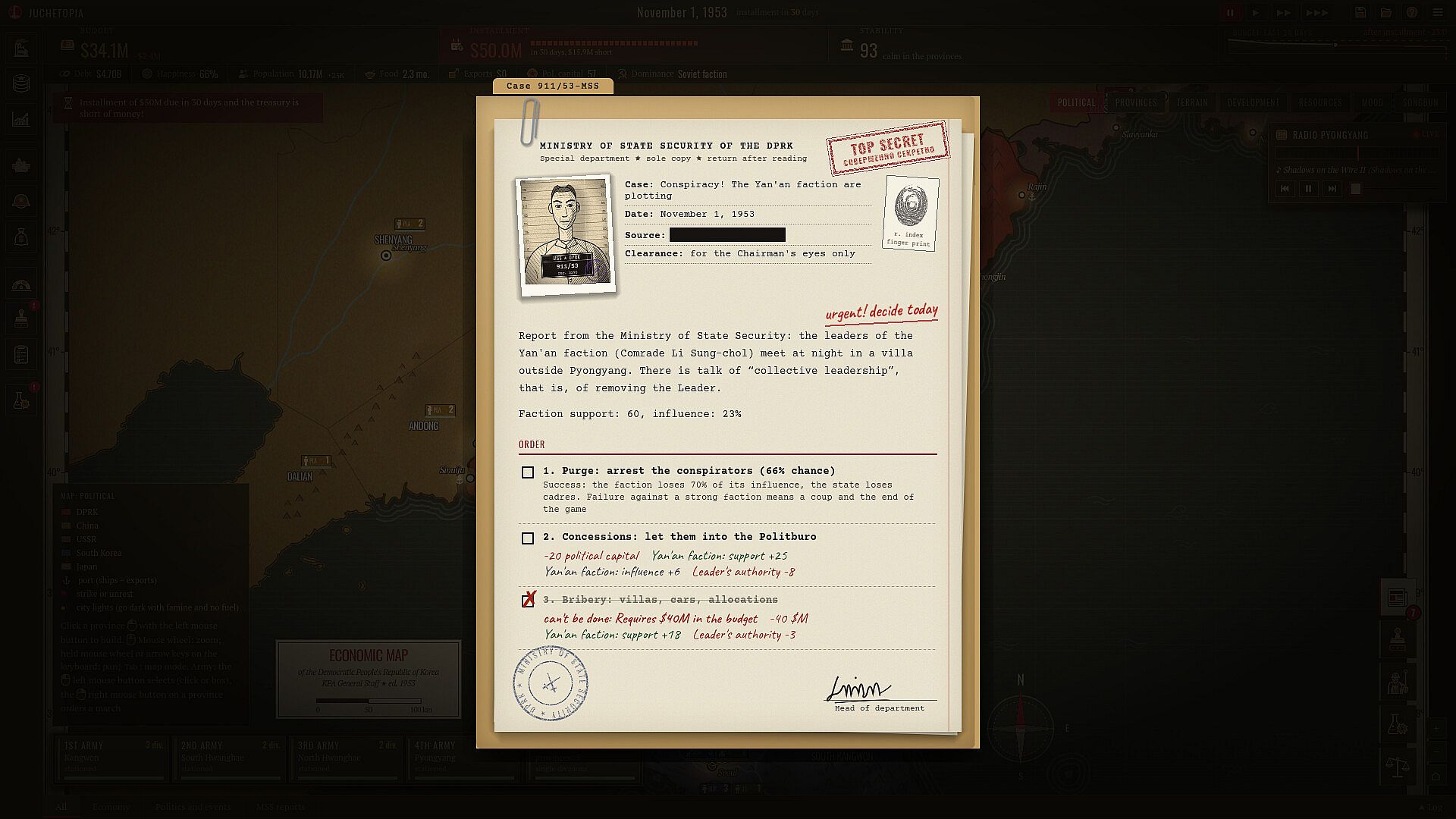
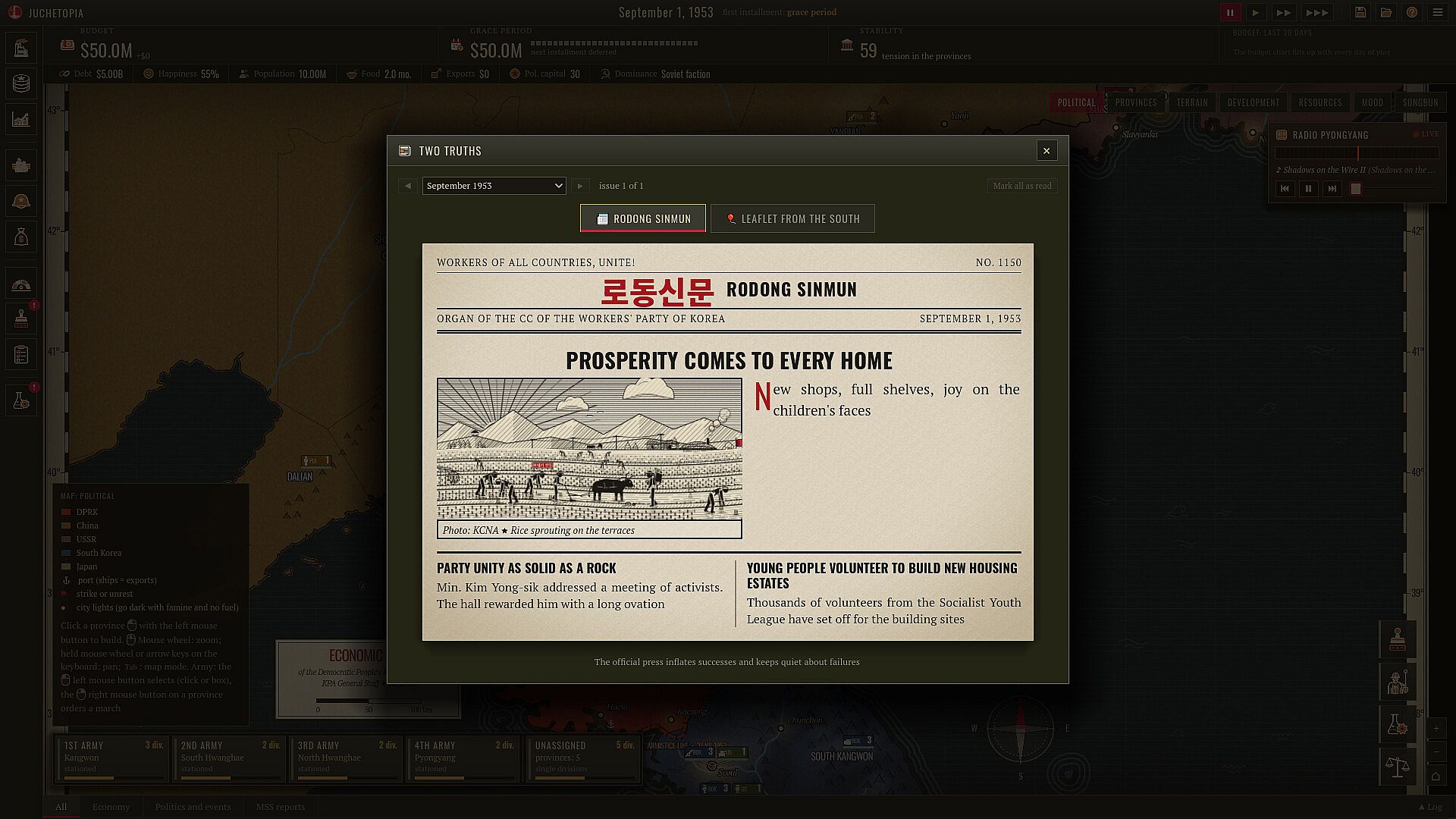
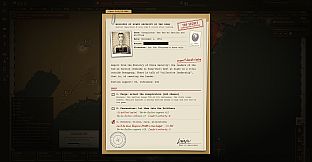
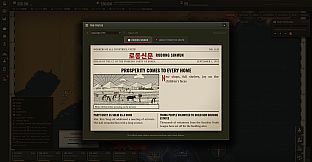
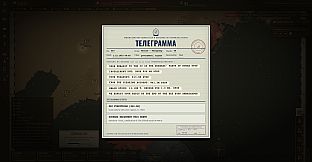
Events arrive as documents styled like old newspaper engravings. These include letters, ciphers, decrees, and secret files that present conflicting accounts of the same period. Five-year plans guide long-term development through a tech tree and railway network. Oil shocks and the eventual collapse of Comecon introduce market volatility. The in-game Little Red Book handbook provides guidance on systems and mechanics. Three difficulty levels adjust the challenge of meeting export targets and maintaining stability.
Game Modes
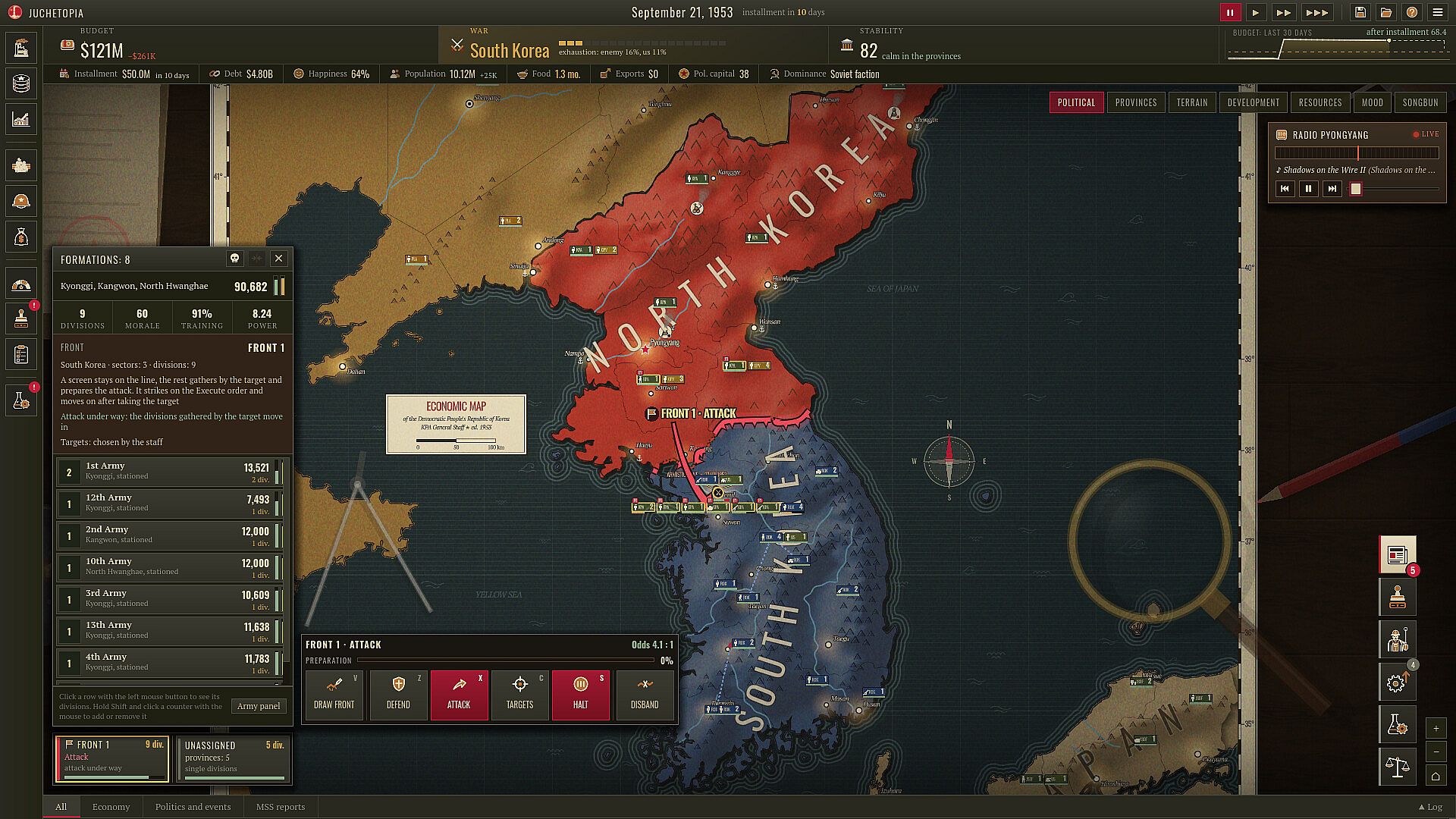
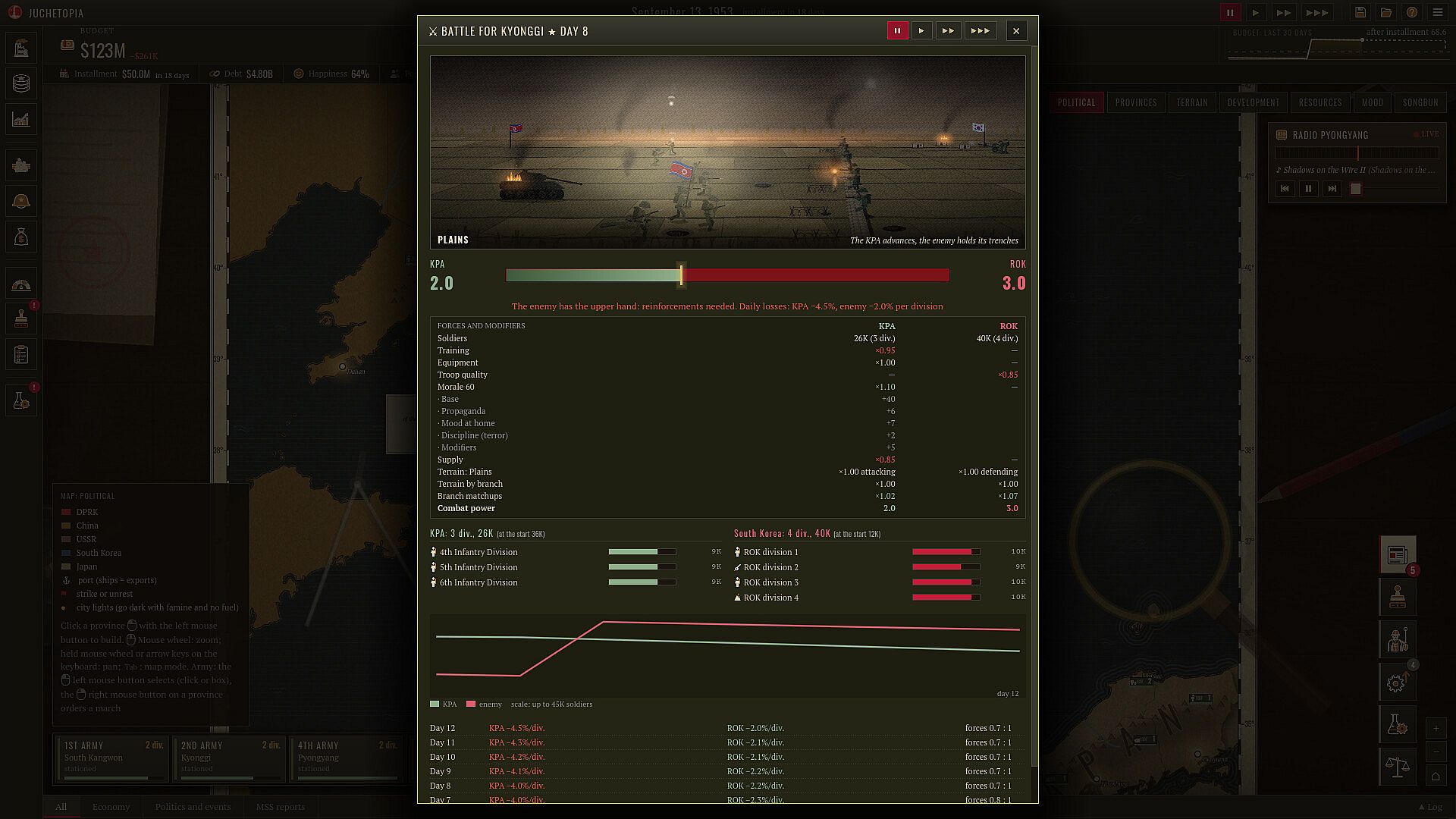
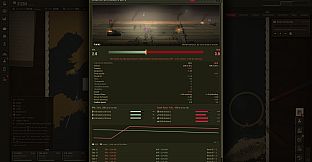
Juchetopia operates as a single-player experience without separate multiplayer or competitive modes. The primary loop involves managing monthly installments while responding to dynamic events that arise from player choices or historical triggers. Military options allow training divisions, defining front lines on the map, and launching offensives across the armistice line, or alternatively pursuing diplomatic breaks with Moscow or Beijing.
Progression leads toward one of nine distinct endings. These range from completing the full debt repayment to scenarios involving reunification, internal coup, or capitulation. Over 100 events shape the outcome, blending fixed historical elements with branches created by decisions on purges, promotions, and policy decrees.
Faction Management and Political Systems
Four factions compete for influence within the Party: the Partisans, the Soviet faction, the Yan'an faction, and the Dogmatists. The Ministry of State Security maintains dossiers on key figures, enabling players to select targets for purges or promotions. Decrees pass through the Central Committee plenum, and maintaining favor with Moscow's advisers influences available options and stability.
These mechanics tie directly into economic and military planning. Unrest from missed payments or unpopular policies can escalate through faction actions, while successful management keeps internal opposition in check. Province control changes appear as red ink spreading across the map, reflecting territorial shifts from conflict or negotiation.
Is It Worth Playing?
Juchetopia targets players interested in detailed strategy simulations that combine economic planning, political intrigue, and historical what-if scenarios. The systems for resource distribution, faction control, and event resolution create a focused single-player campaign with multiple paths to completion. With its release scheduled for Q1 2027 and no user reviews available yet, the game appeals most to those who enjoy pause-enabled real-time management and narrative-driven decision trees over fast-paced action or multiplayer competition. The satirical tone and emphasis on documentation-style presentation distinguish it within the indie strategy genre.












