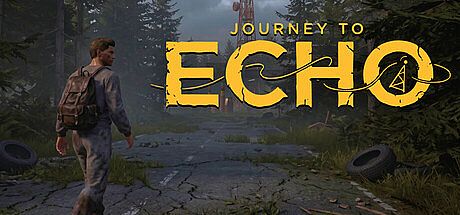


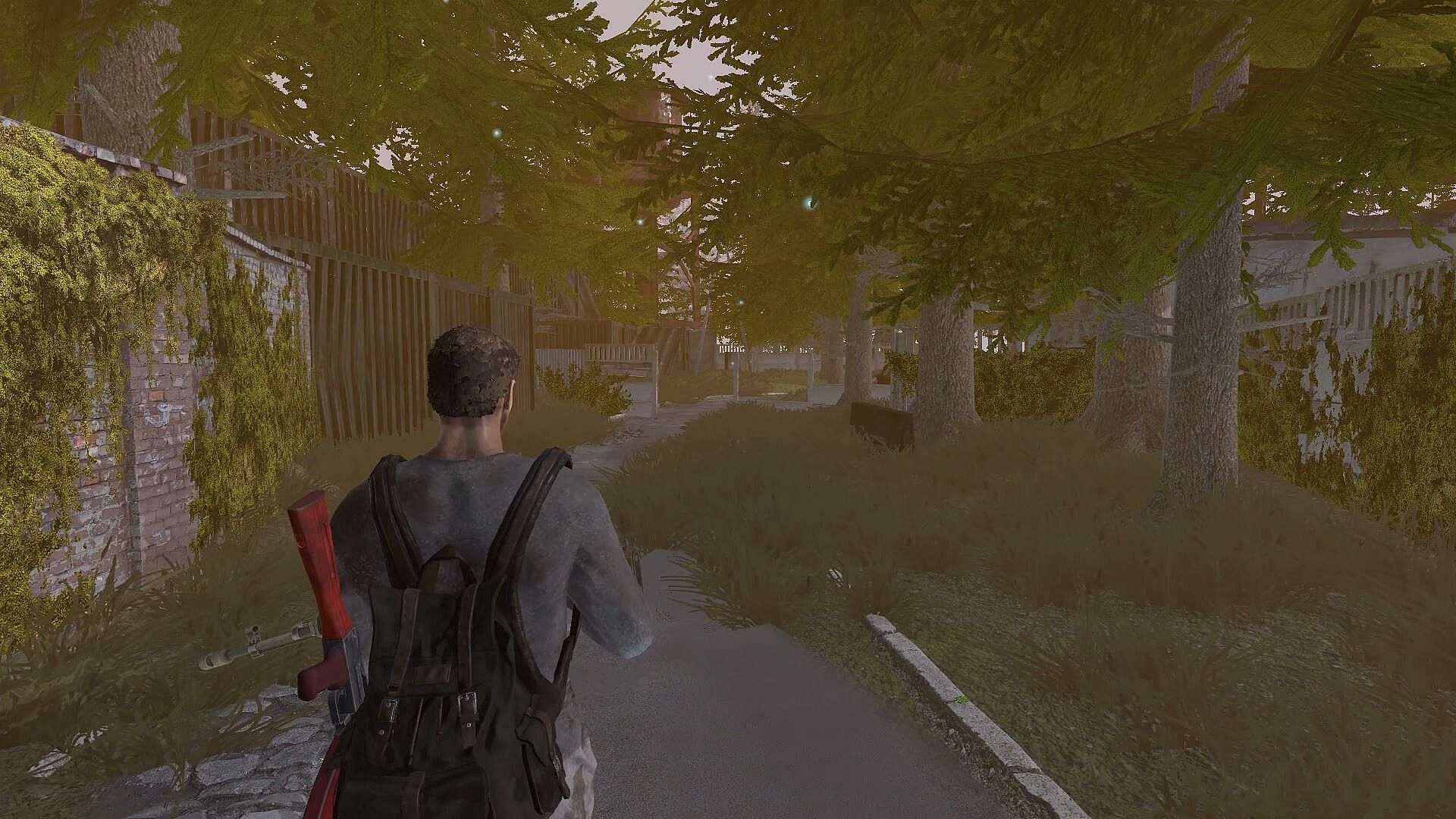
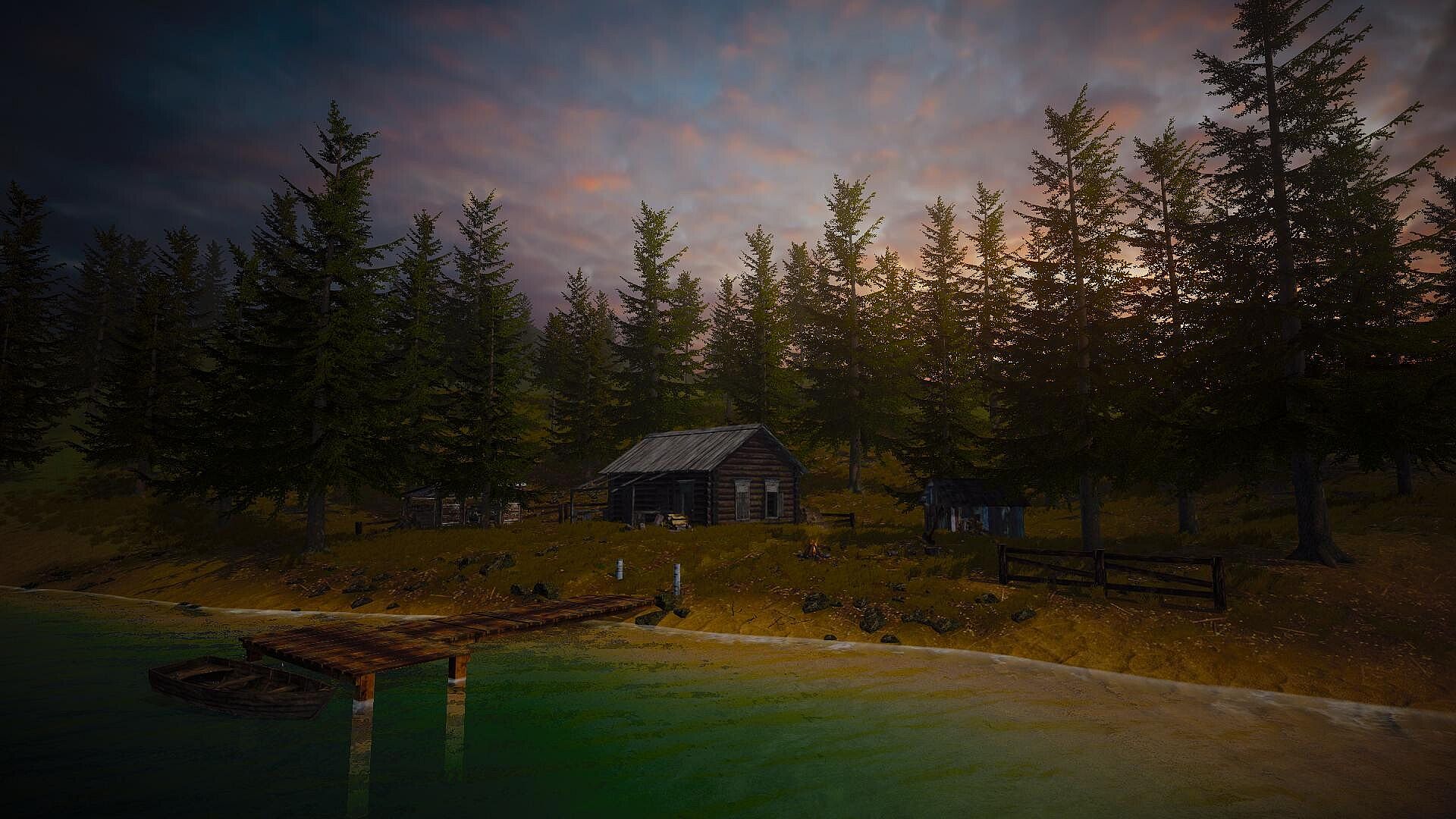
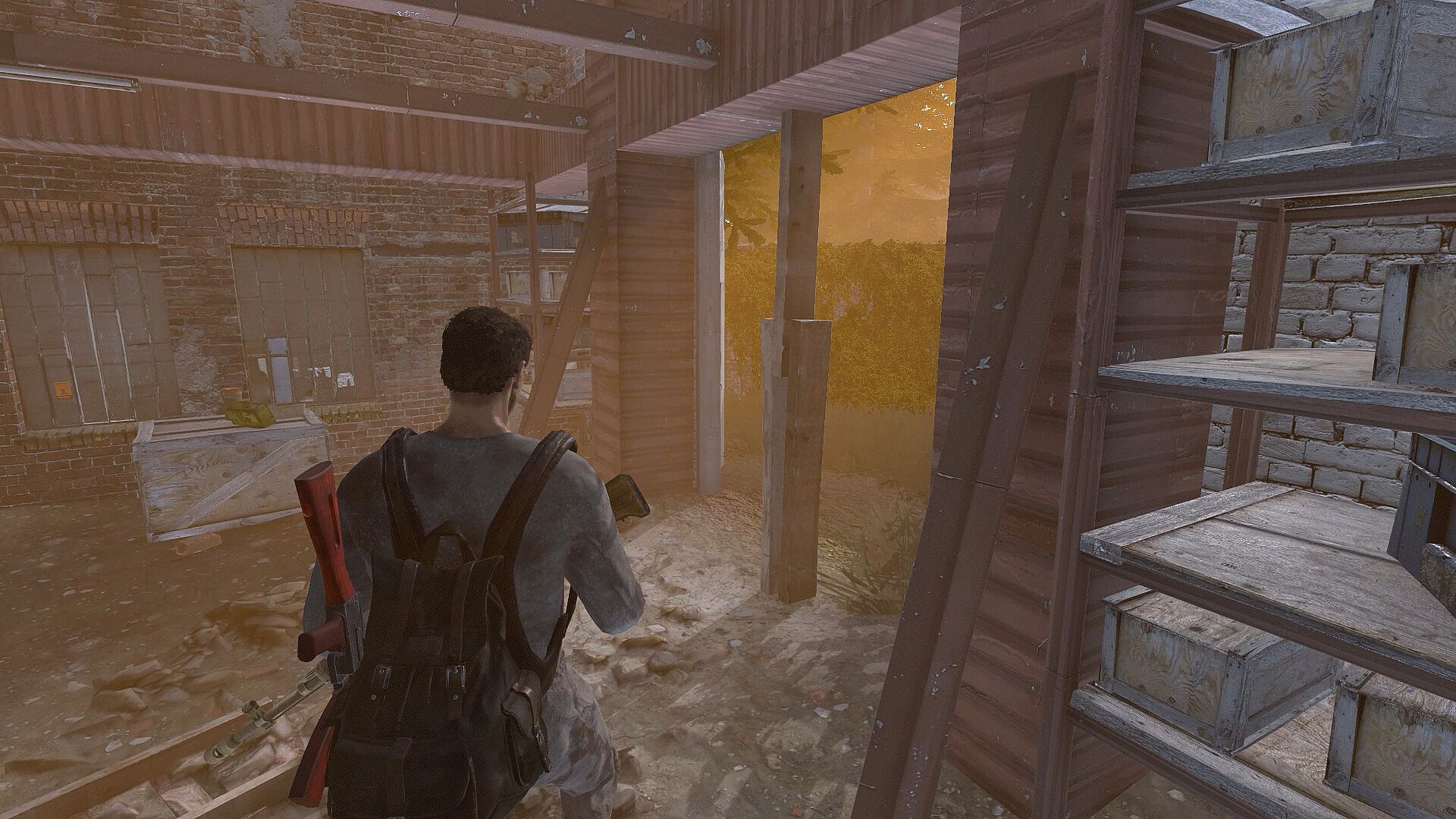
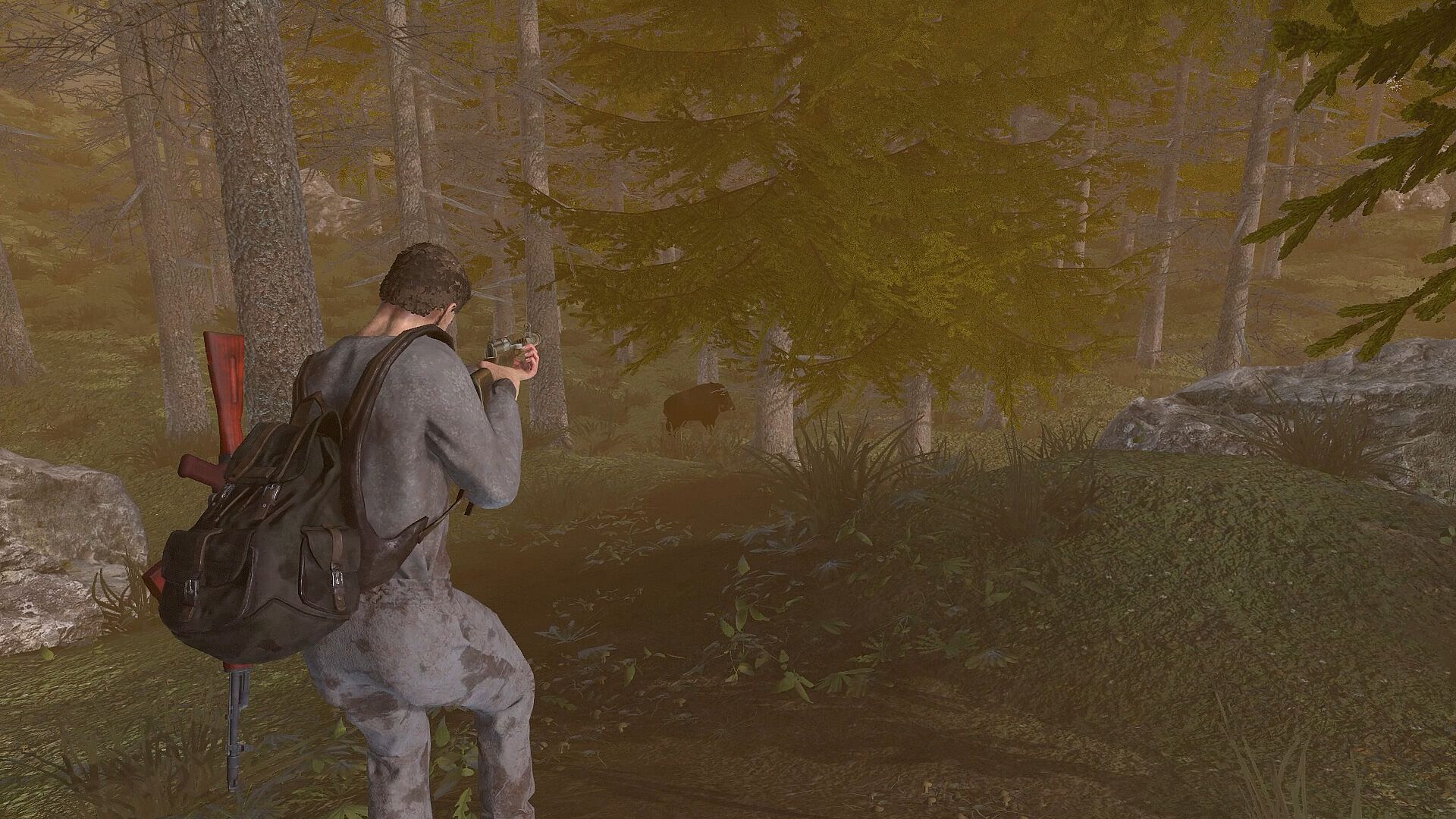
Journey to Echo è un'avventura survival in single-player ambientata in un mondo post-apocalittico. Il giocatore interpreta un sopravvissuto solitario che si risveglia in un bunker sotterraneo diciassette giorni dopo il crollo della società. Con scorte limitate e un veicolo appena funzionante, l'obiettivo principale è consegnare un siero sperimentale e individuare eventuali avamposti umani ancora attivi.
Gameplay
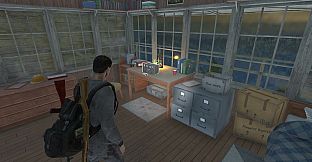
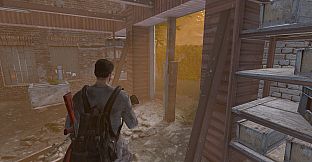
Il ciclo di gioco alterna la preparazione all'interno del bunker con le spedizioni rischiose in superficie. Prima di uscire si organizzano le provviste, si riparano le attrezzature e si pianificano gli itinerari. Una volta all'aperto, l'attenzione si sposta sulla guida: è necessario monitorare costantemente il consumo di carburante su strade abbandonate e terreni diversi.
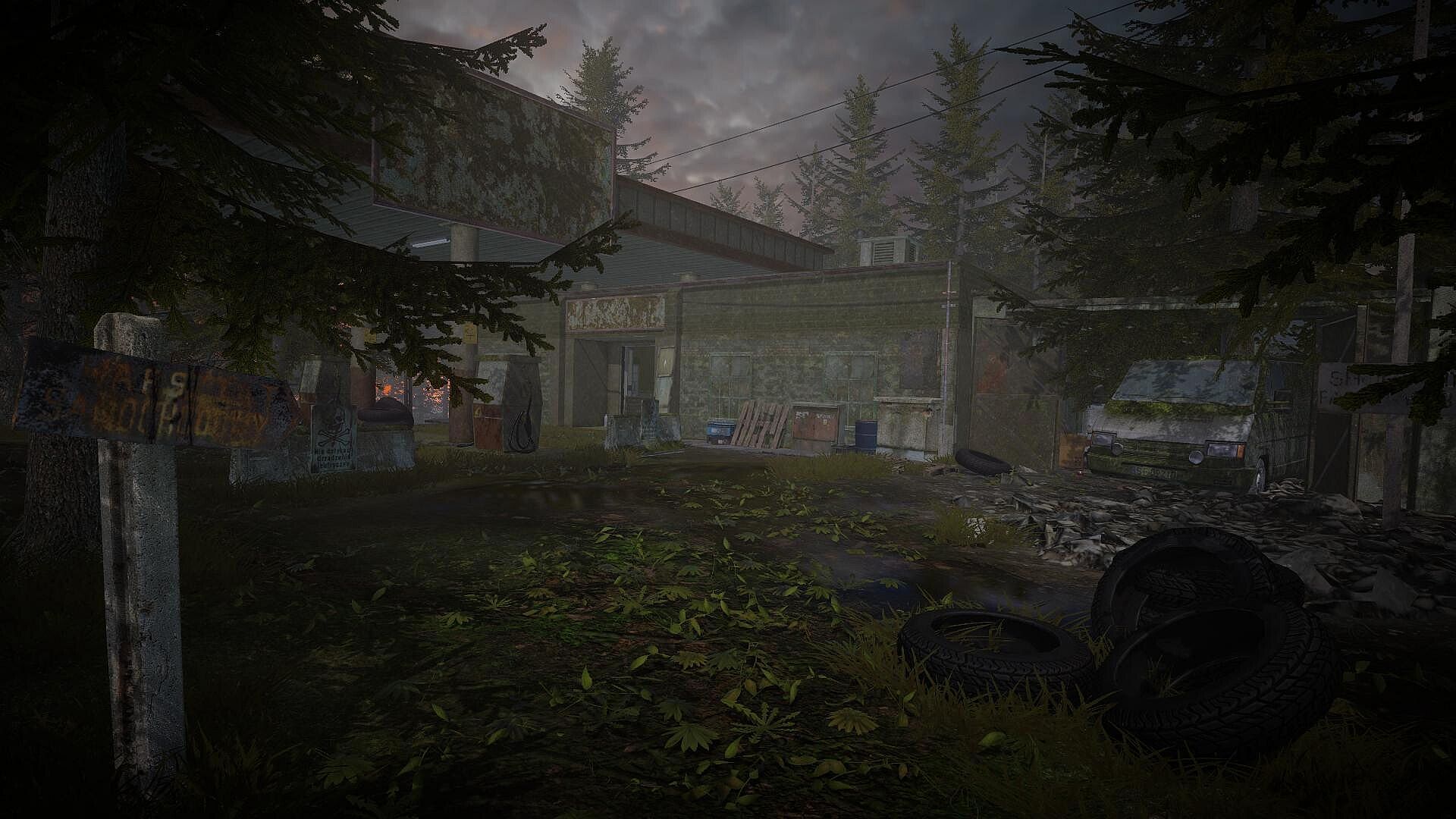
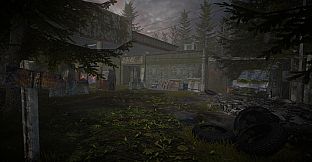
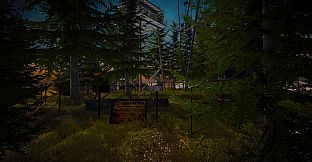
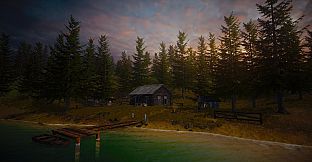
Ogni uscita prevede anche la ricerca di risorse. Città deserte, convogli militari, laghi isolati e zone selvagge nascondono cibo, acqua, medicinali, munizioni e componenti per riparare i sistemi di comunicazione. La gestione delle scorte riguarda anche le munizioni, da usare con parsimonia contro creature infette e sopravvissuti ostili. Il mondo aperto, interamente realizzato a mano, è ricco di dettagli ambientali e di elementi nascosti che premiano l'esplorazione accurata invece del farming ripetitivo.
Il meteo dinamico e il ciclo giorno-notte modificano visibilità, condizioni di viaggio e frequenza degli incontri a ogni sortita. Il rientro al bunker permette di rifornirsi e di effettuare manutenzione, creando un ritmo tra la pianificazione al riparo e gli spostamenti all'aperto.
Modalità di gioco
Journey to Echo è esclusivamente single-player. L'esperienza si sviluppa come una campagna continua incentrata su esplorazione, raccolta di risorse e avanzamento graduale verso il ripristino delle comunicazioni a lungo raggio. Non esistono modalità competitive o cooperative, per mantenere il focus sulle decisioni individuali e sulle scelte di sopravvivenza all'interno del mondo aperto.
Il mondo e i sistemi di sopravvivenza
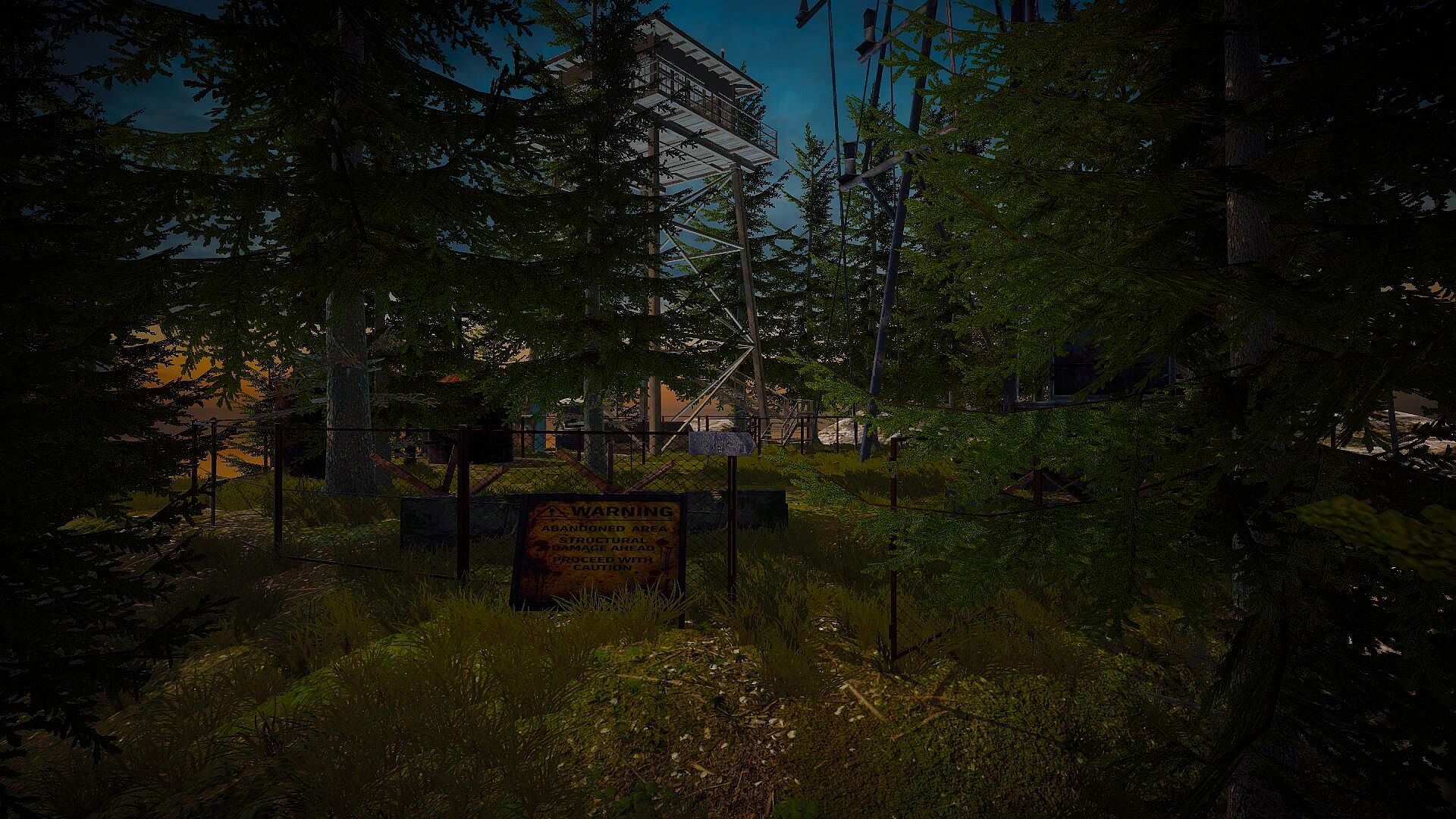
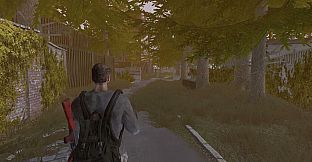
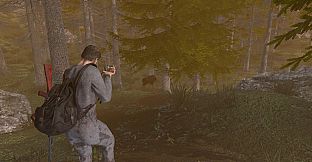
L'ambiente mescola rovine urbane, strade rurali e aree naturali che si attraversano in veicolo o a piedi. Gli incontri variano da minacce infette a avversari umani disperati, ognuno dei quali richiede un uso tattico delle munizioni limitate e un buon posizionamento. La manutenzione del veicolo comprende la gestione del carburante e le riparazioni essenziali per mantenere la mobilità su lunghe distanze.
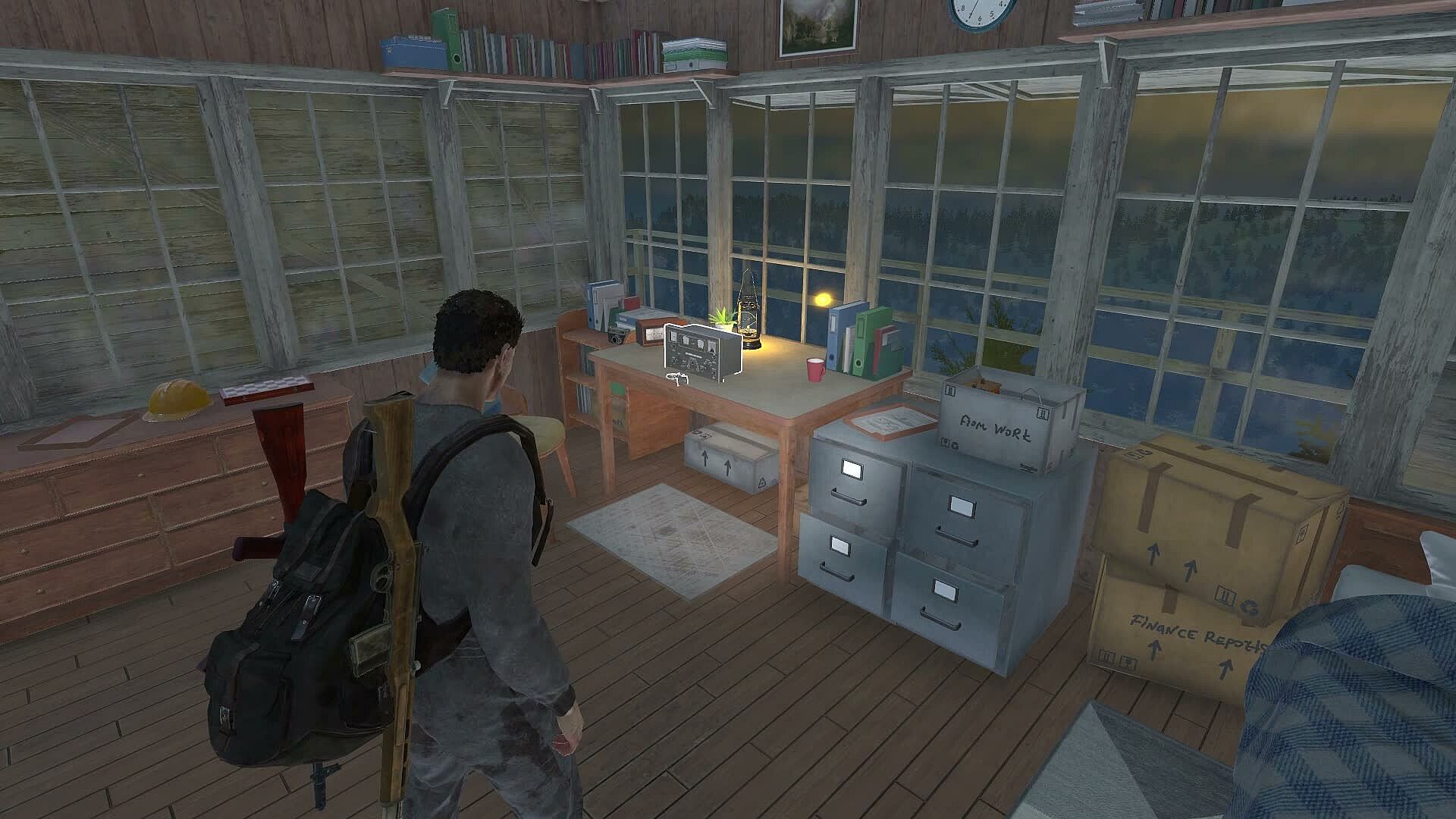
I progressi dipendono dal ritrovamento e dall'attivazione di apparecchiature di comunicazione, oltre alla raccolta di indizi sugli avamposti superstiti. Ogni spedizione ha conseguenze permanenti a causa delle risorse consumate e dei possibili danni, rendendo fondamentale pianificare con attenzione gli itinerari e le priorità di rifornimento.
Vale la pena giocarci?
Il titolo è pensato per chi cerca un'esperienza survival riflessiva e orientata all'esplorazione, piuttosto che un'azione frenetica o il multiplayer competitivo. La struttura single-player e l'attenzione all'atmosfera di viaggio, alla scarsità di risorse e al ciclo bunker-superficie si adattano a chi apprezza la pianificazione metodica e la scoperta in un ambiente post-apocalittico contenuto. Previsto per settembre 2026 e privo di recensioni al momento, il gioco può essere seguito attraverso i canali ufficiali per valutare se corrisponde al proprio stile di simulazione e avventura.