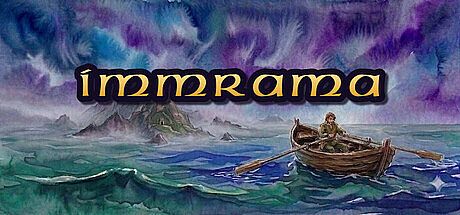


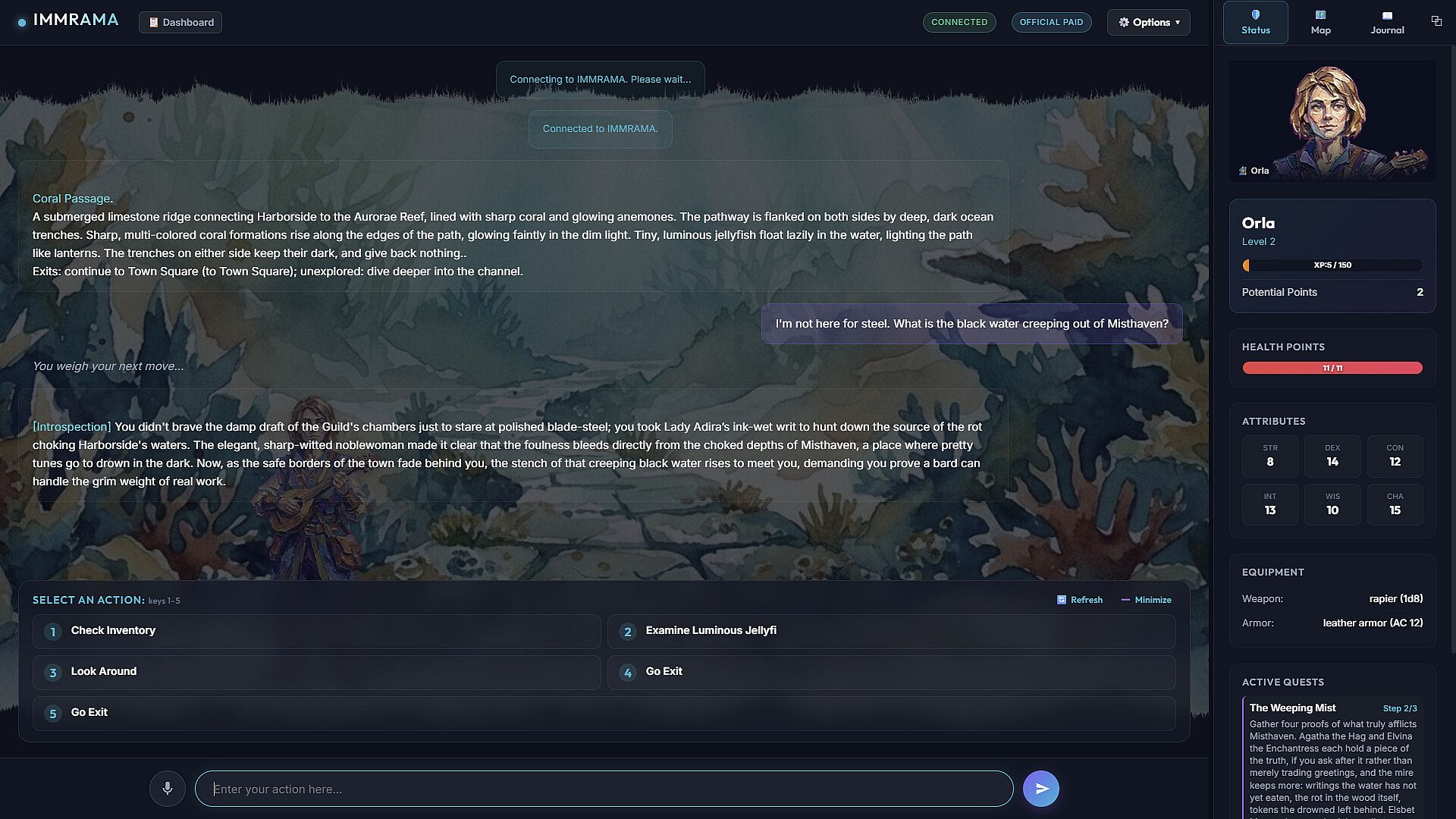
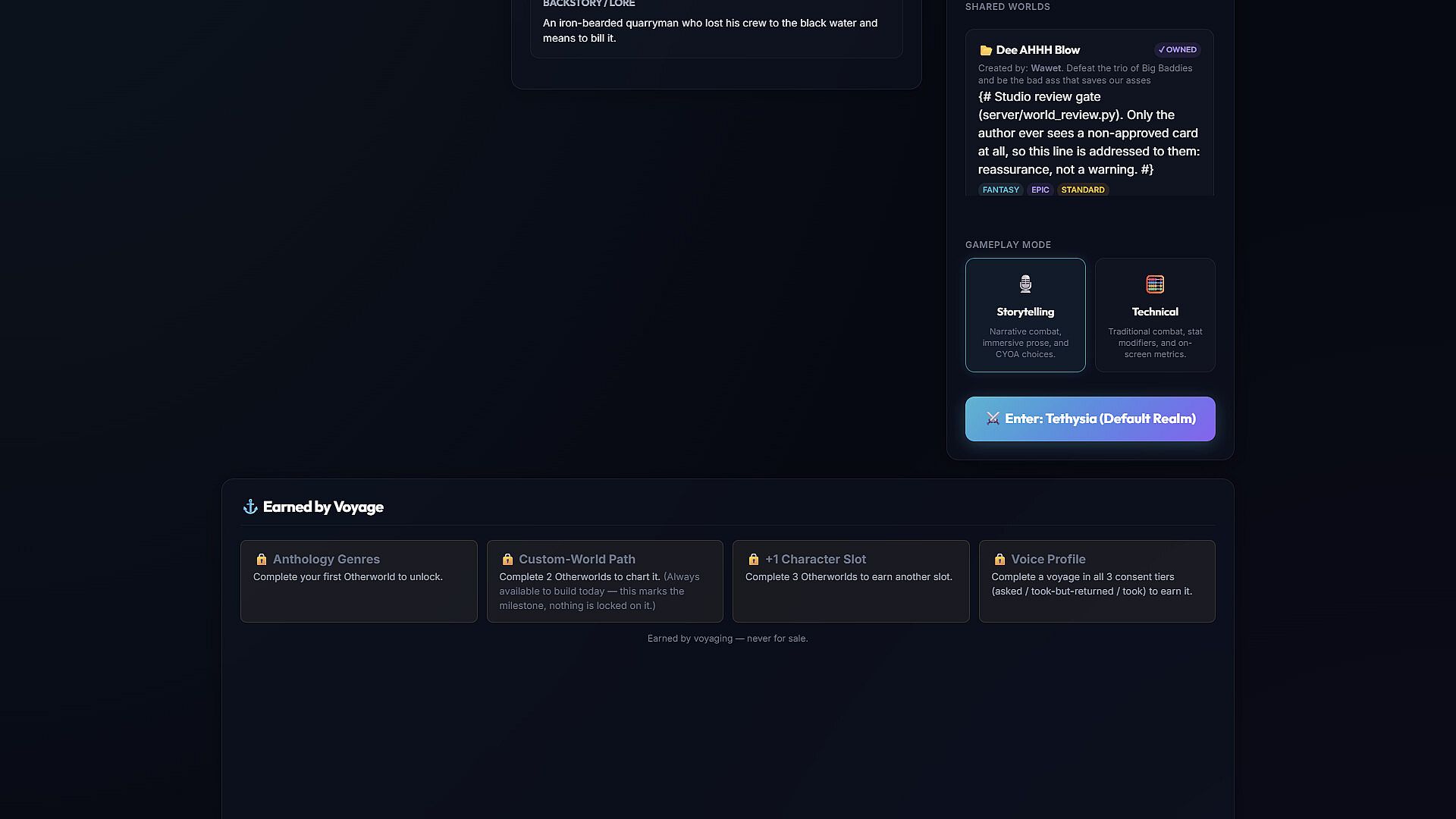
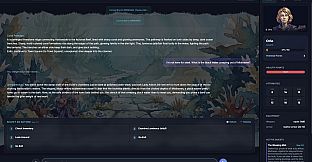


IMMRAMA: Voyages of the Otherworlds is an indie RPG adventure game for PC that centers on conversational storytelling set in illustrated fantasy realms. Players direct their actions through plain language input rather than menus or key bindings, allowing the narrative to respond directly to spoken or typed intent while underlying systems handle outcomes.
Gameplay
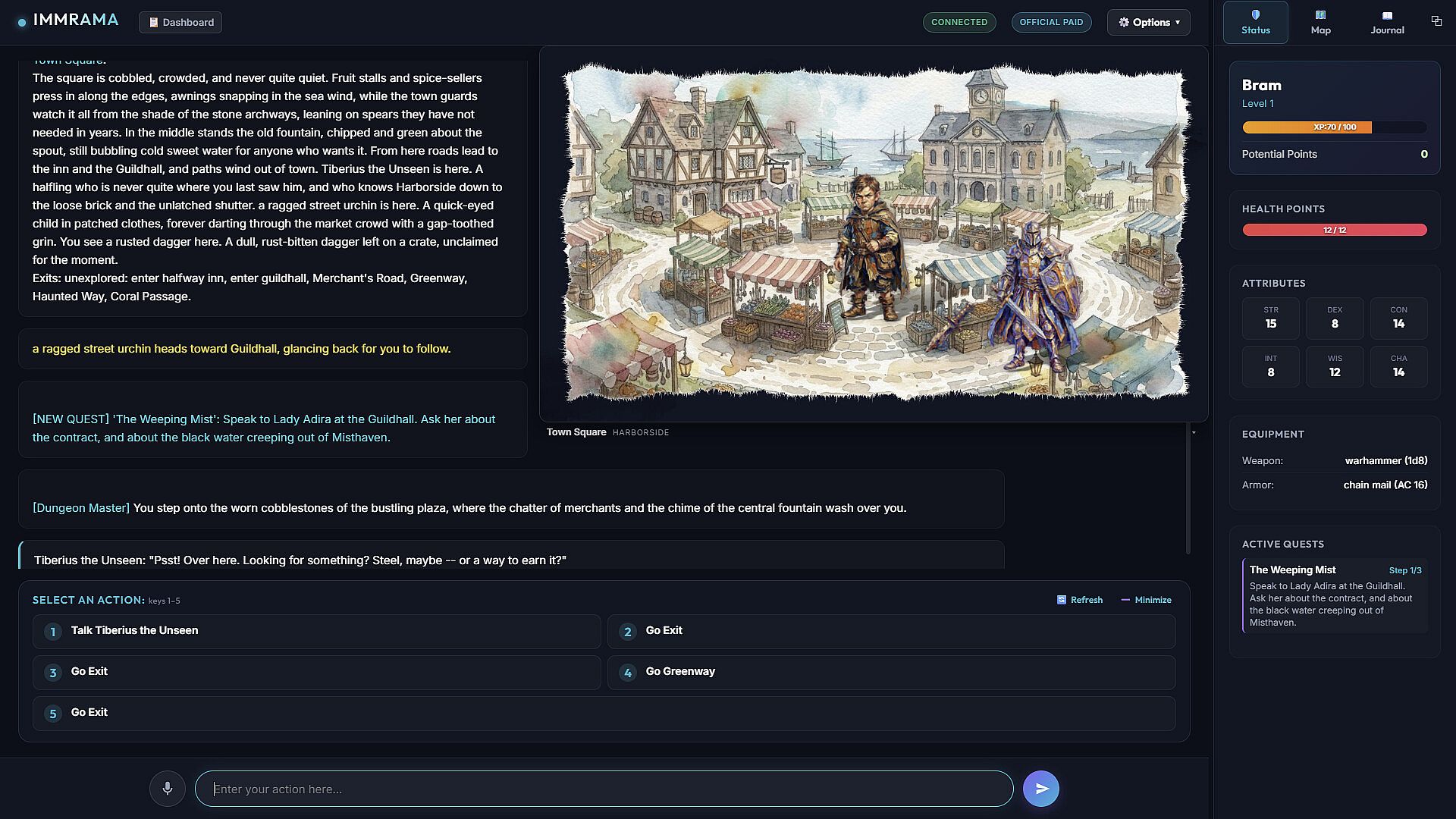
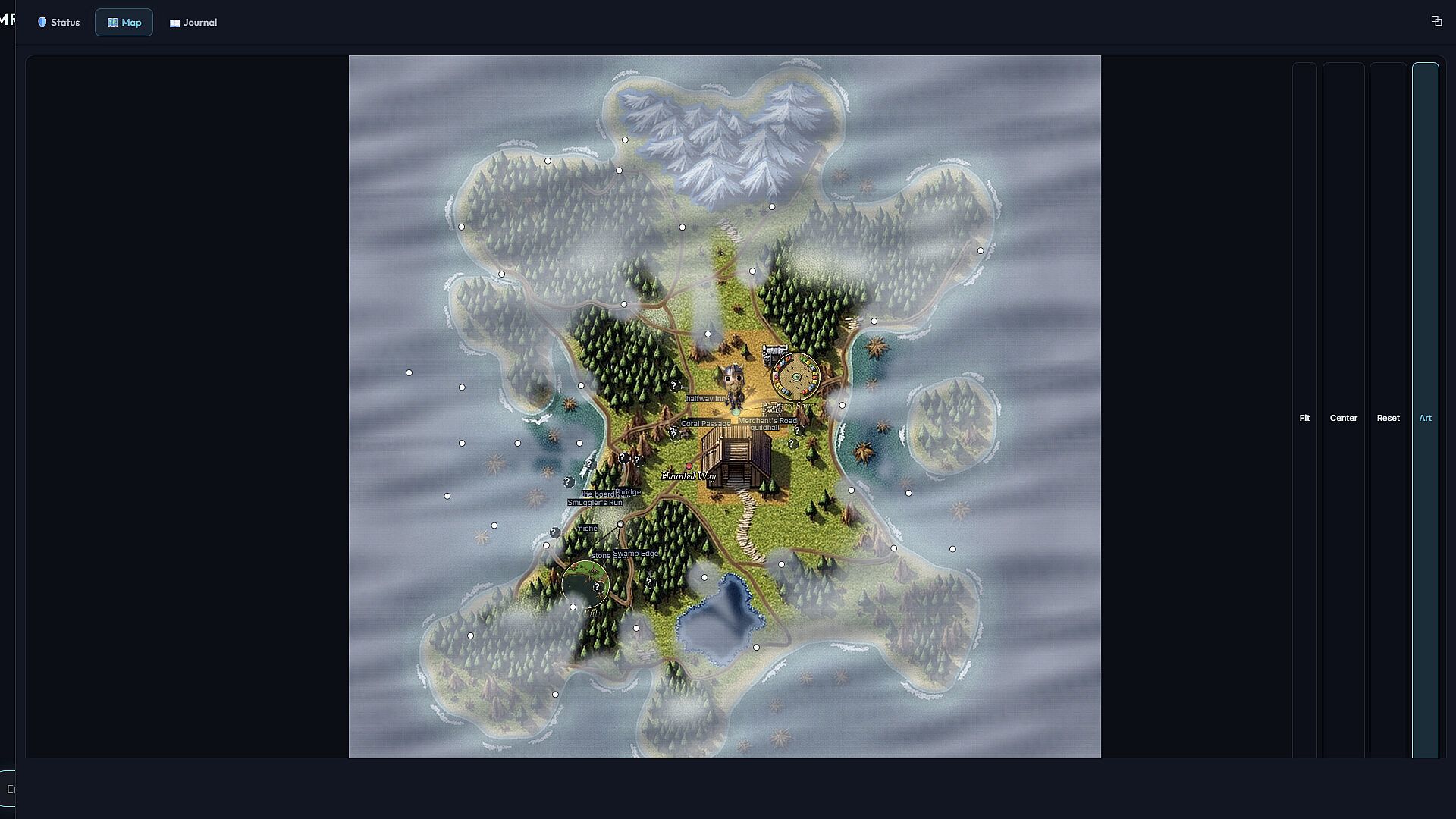
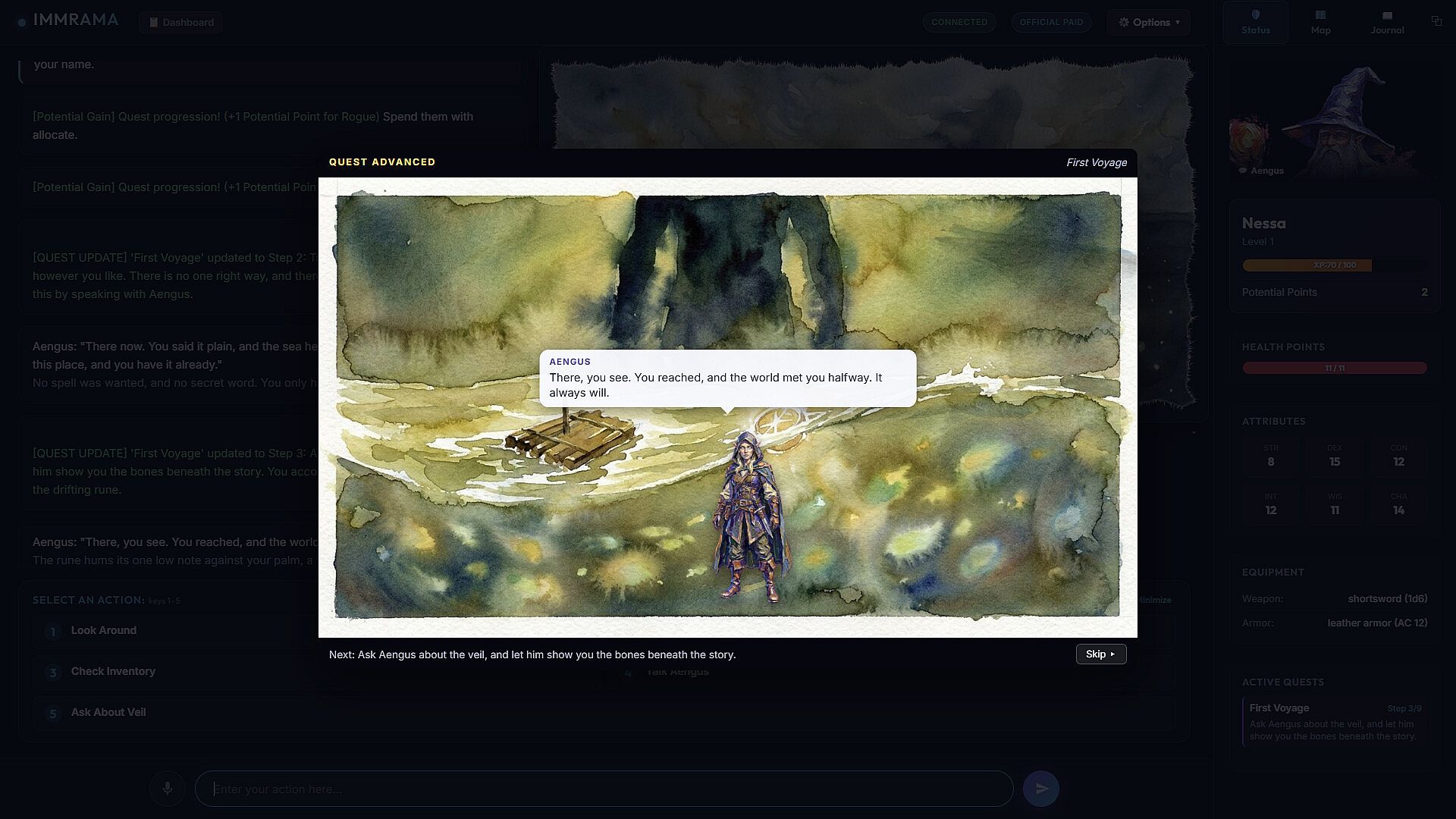
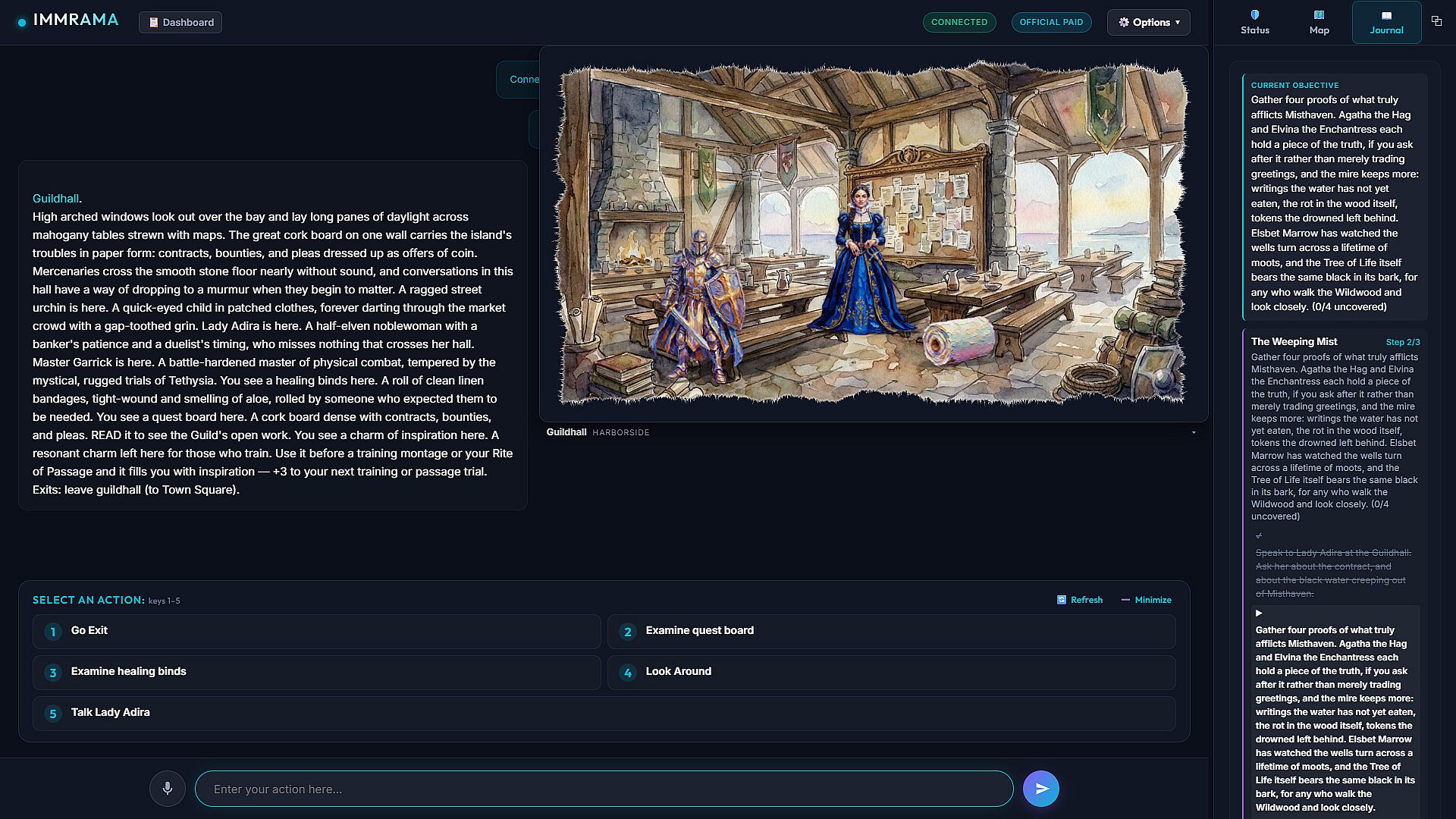
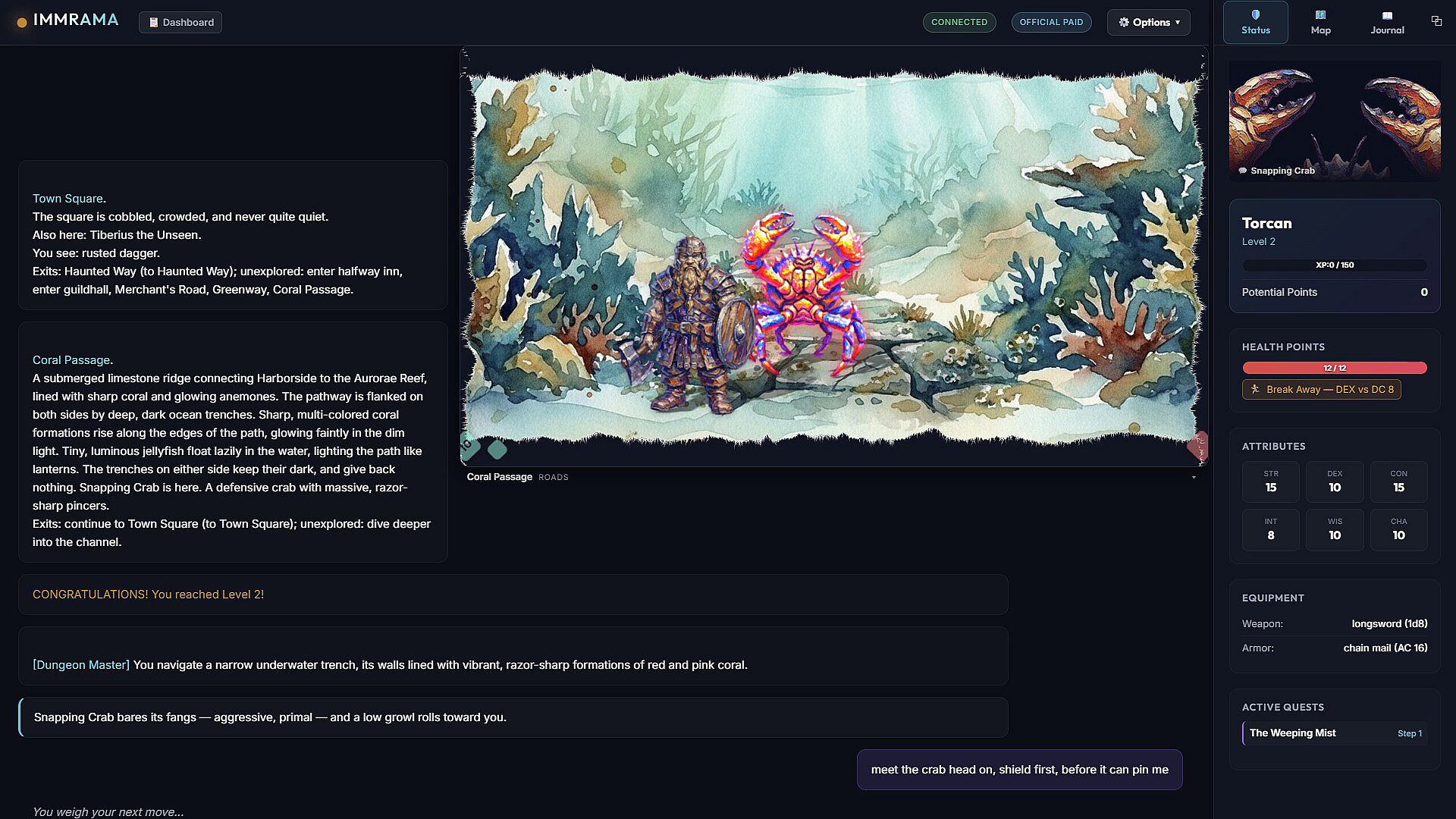
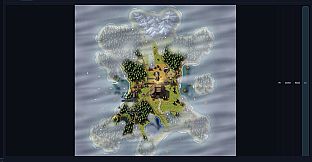
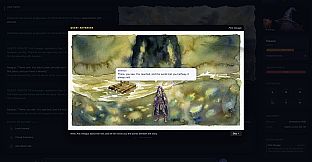
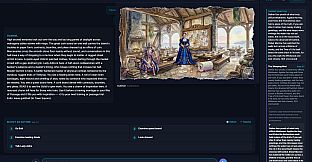
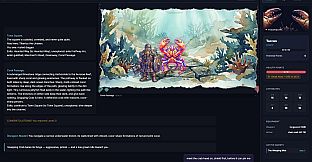
The core loop involves describing actions in natural sentences, such as inquiring about events or examining objects, which the game interprets to advance scenes. Behind this interface, dice rolls determine success for attempts, while tracked stats, gear, and faction standings influence results and future interactions. Choices accumulate consequences that affect later events without requiring players to track them manually. Scenes feature hand-reviewed watercolor illustrations, character portraits, and voiced cutscenes that unfold as the story progresses. A dynamic sea chart fills in as exploration occurs, revealing locations across self-contained islands.
Volume One focuses on Tethysia, the Drowned Realm, which contains 36 authored locations spread across six regions. Nine interlocking quests tie into a central curse that gradually submerges the area. Players arrive as outsiders and can pursue paths that position them as curse-breakers or lead to other resolutions based on accumulated flags from investigations and decisions.
Game Modes
The experience revolves around individual voyages, each structured as a complete tale with a beginning, middle, and ending reachable in one session. These voyages save at any point and emphasize finishing a self-contained story over extended grinding. Multi-device access lets a single PC host the session while phones, tablets, or other screens connect via QR code for input, reading aloud, or display purposes, supporting play from a couch or across household devices without additional accounts or setup.
Story and Systems
Every piece of writing, quest design, and lore originates from human authorship, with the AI component limited to retrieving and adapting pre-written passages to match player details like name, gear, and faction relations. This approach keeps the core narrative deliberate while allowing personalized delivery. Factions maintain loyalties that characters remember across interactions, enabling grudges or alliances to shape available options. An economy and quest structure interlock with these elements to create tangible weight for decisions, such as how thoroughly an area is explored altering finale possibilities.
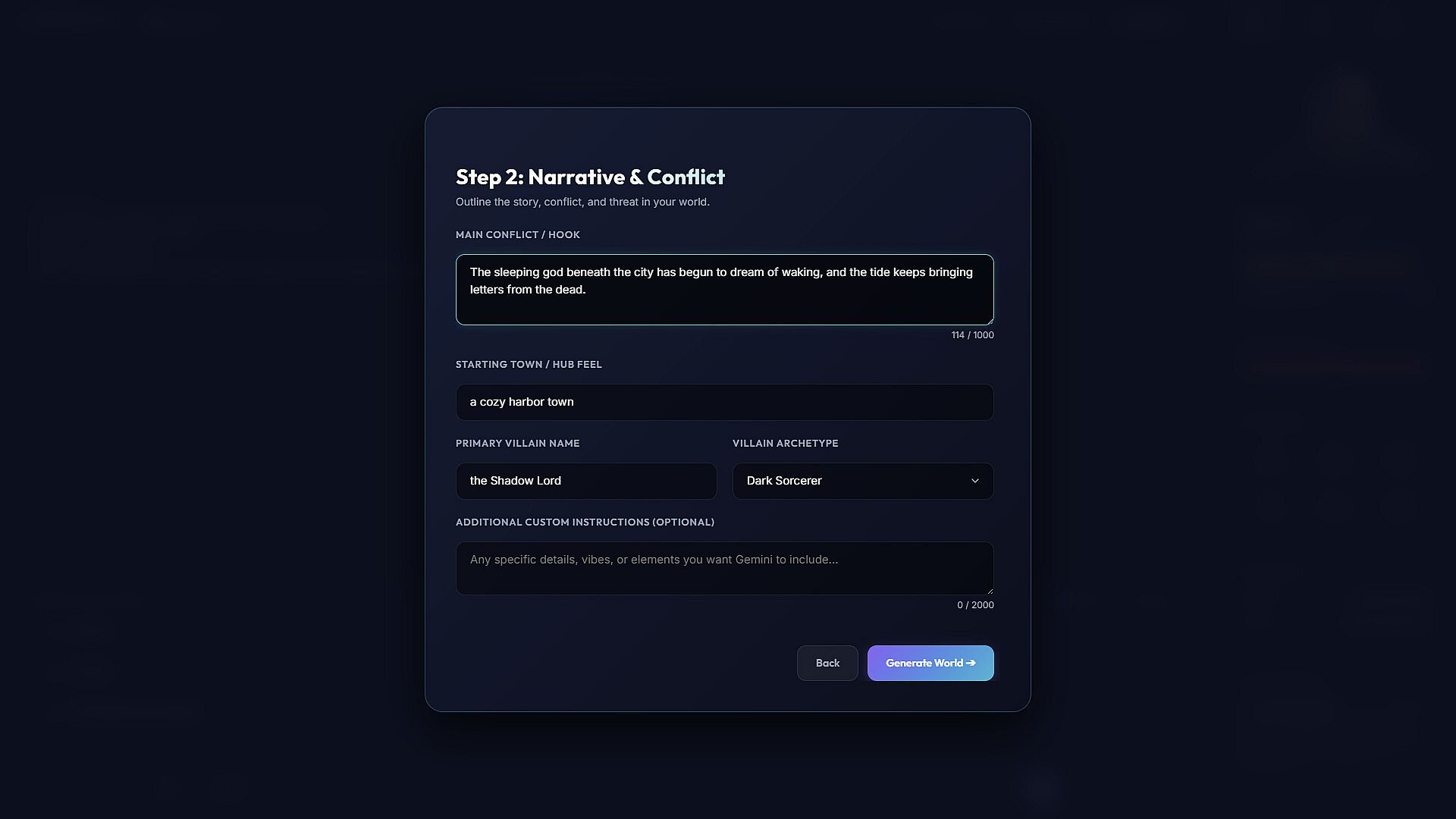
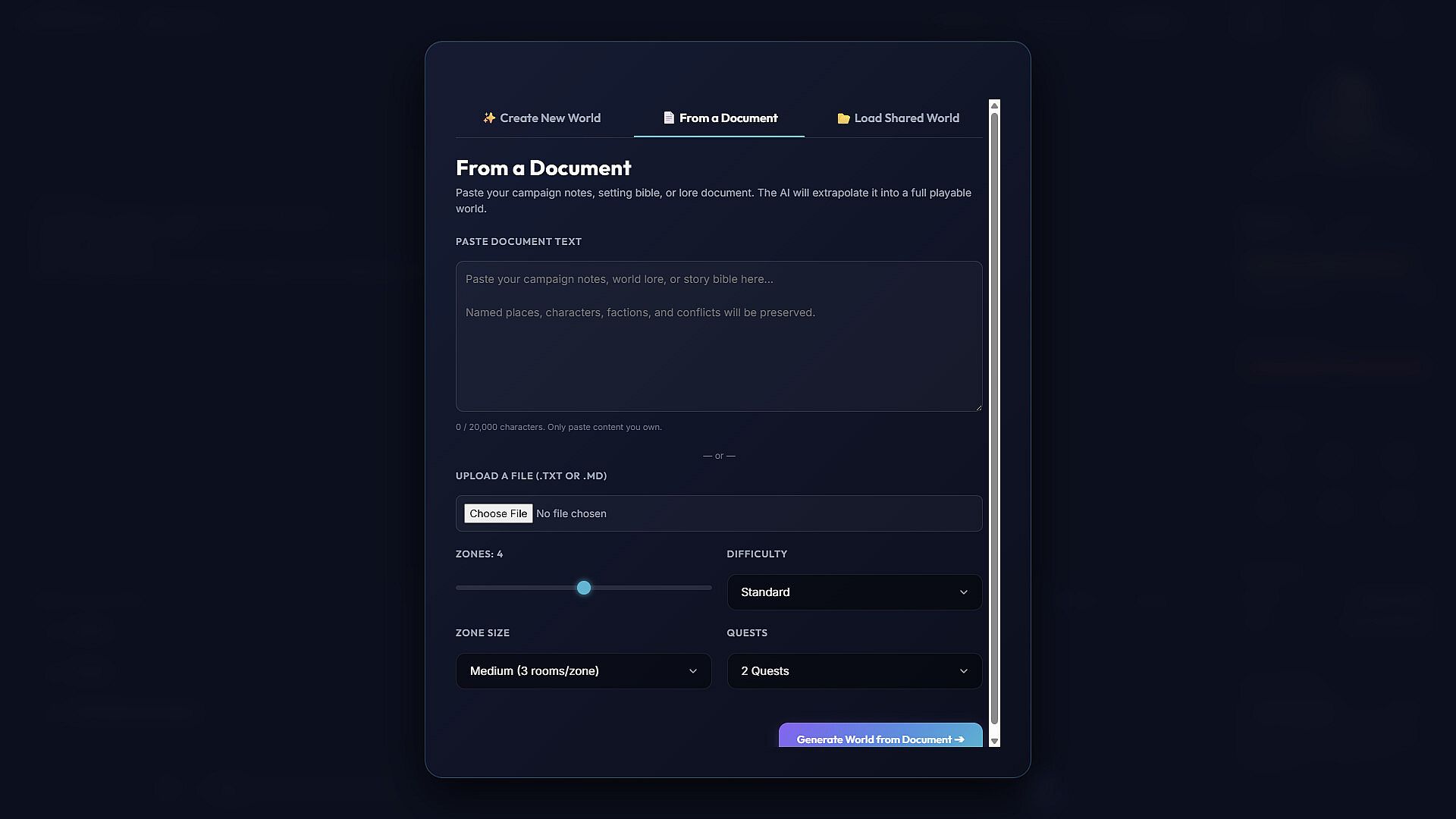
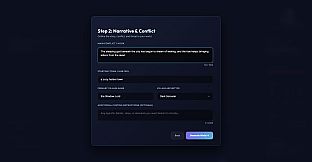
Player-created islands extend the framework, where authors control the balance of human writing and AI assistance. Shared voyages carry labels indicating their construction method, preserving transparency for those entering them.
Accessibility and Presentation
Controls require no memorization beyond describing intent, making the title approachable for those new to games. Sessions accommodate short playtimes, and the full game runs on one PC that streams visuals and audio to connected devices. Early support extends to Android TV and Fire TV, with further streaming options planned. Art production combines artist-led creation in standard tools with AI assistance, followed by individual human review and approval for every image.
Is It Worth Playing?
IMMRAMA suits players who prefer narrative-driven RPGs with flexible input and visible systems operating beneath the surface. The self-contained voyages deliver complete stories without long-term commitments, while the conversational style removes barriers for casual participants. Those who value human-authored content paired with adaptive telling will find the approach distinctive. A free demo allows direct testing of the core interaction before committing further.