

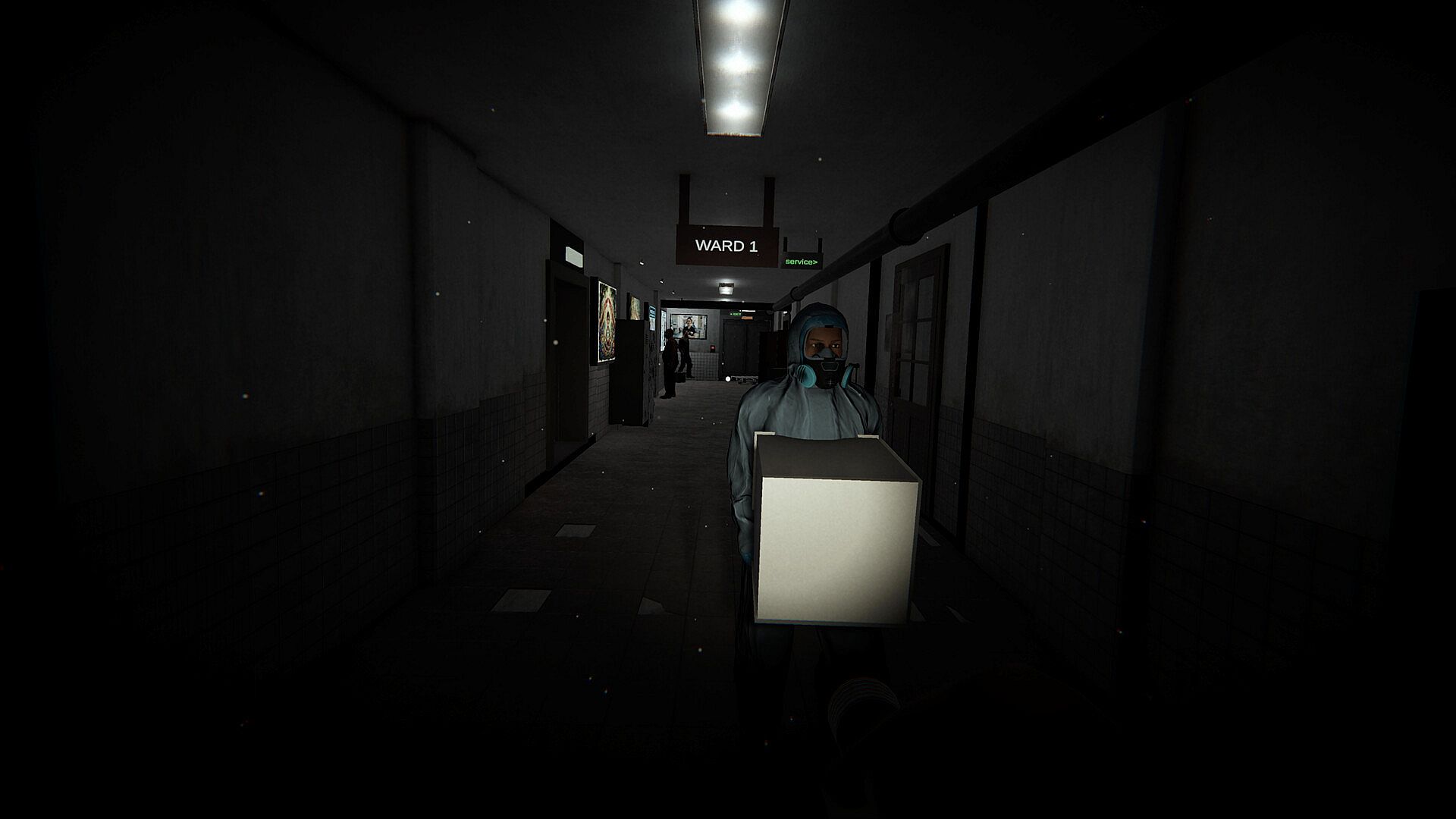
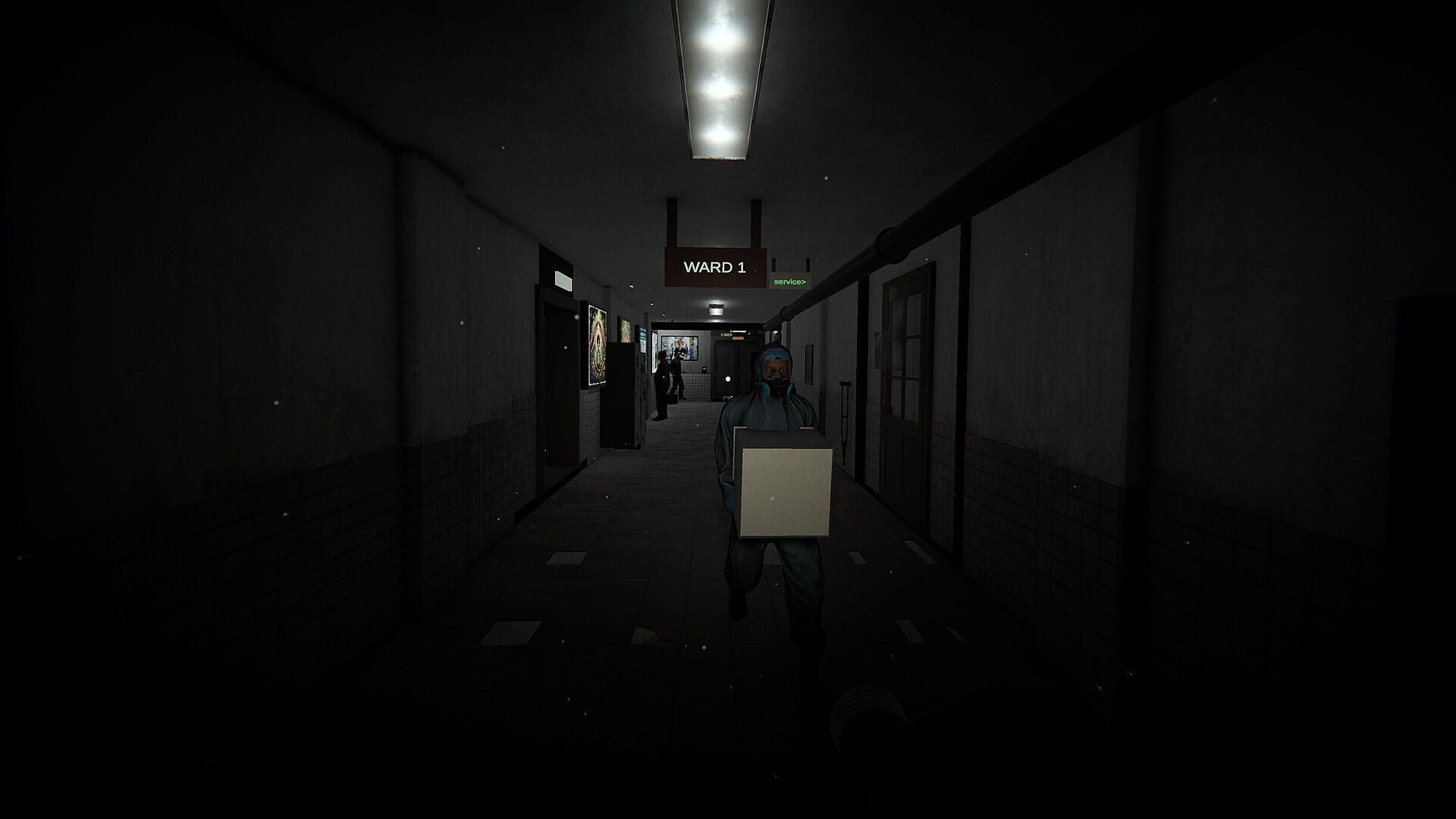
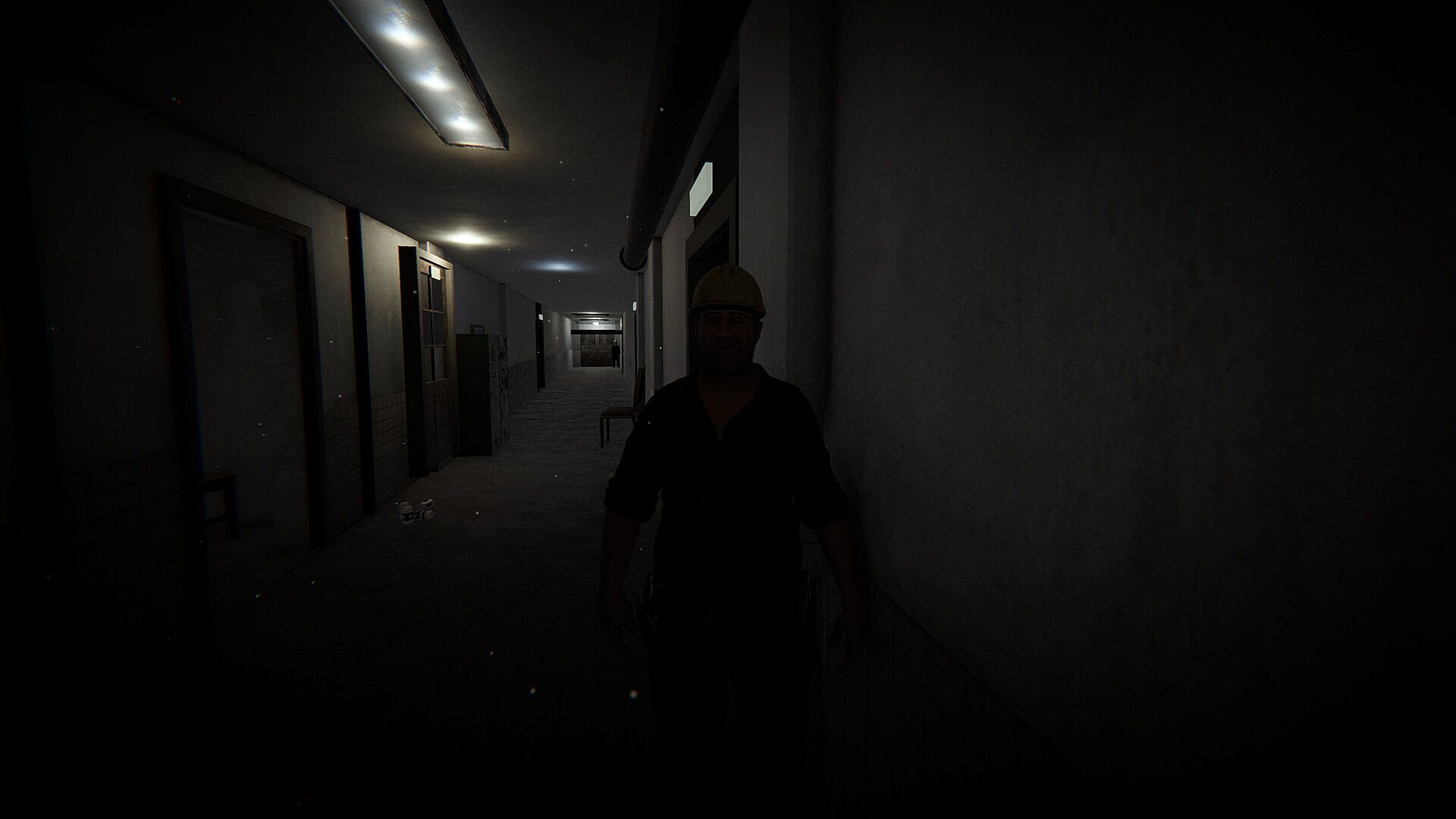
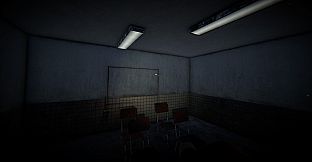
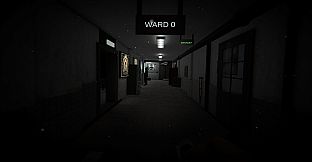
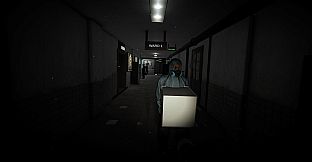
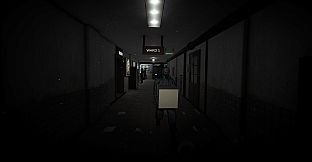
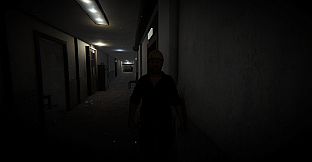
HOSPITAL8 is an indie adventure game that places players in a looping hospital corridor where the challenge comes from careful observation rather than combat or speed. Set on PC, this single-player psychological horror experience requires spotting subtle changes in an otherwise identical environment while managing occasional threats that demand quick decisions about hiding or evasion.
Gameplay
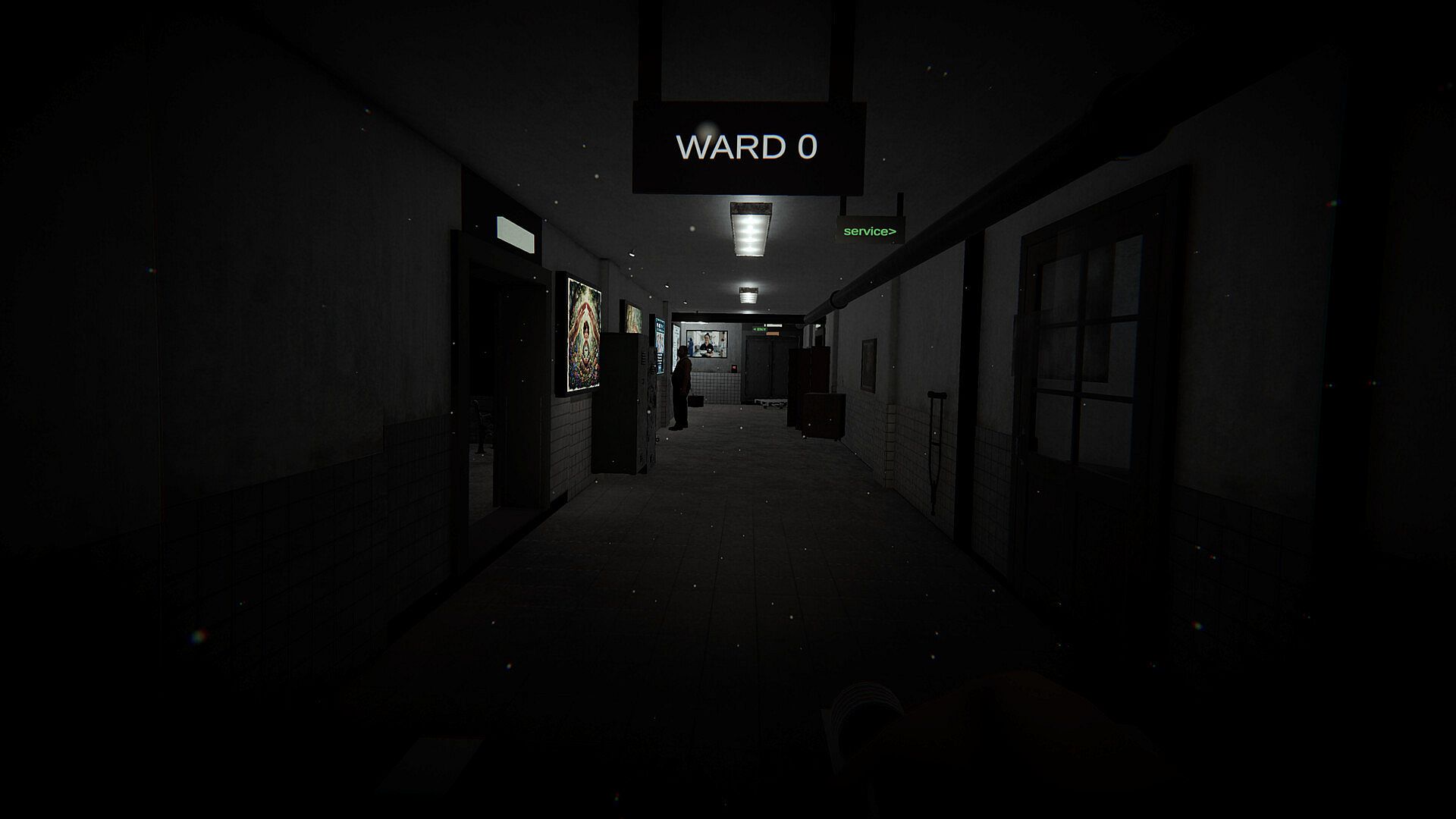
The core loop involves walking the same stretch of corridor repeatedly. Players must decide at the end of each lap whether everything appears unchanged or if an anomaly has appeared. A correct choice advances progress, while an error resets the run to the starting point. The movement uses a body-cam perspective that follows the character's head and footsteps naturally, creating a grounded sense of presence without artificial camera effects.
Sixteen distinct anomaly types appear at random each lap. Some remain passive, such as eyes on a poster that track movement or a second figure standing silently at the far end of the hall. Others become active threats that require immediate response. In those cases, players turn off their flashlight, crouch, and seek cover inside lockers or under beds to avoid detection. The design emphasizes attention over reflexes, with no timers or instant-fail mechanics beyond a single mistaken call.
A companion named Kiki appears near the corridor entrance. Players choose whether to bring her along. When present, she provides occasional observations, hides alongside the player, and reacts audibly during tense moments. Her presence also influences the ending based on whether she reaches the final area.
Game Modes
Three distinct modes alter the length and goals of each run. Normal mode requires eight correct anomaly checks to reach the exit. Hard mode doubles that requirement to sixteen checks while extending the corridor length. Endless mode removes any exit condition entirely, allowing players to continue as far as their focus permits and tracking personal records for furthest ward reached, total escapes, and laps completed.
Each mode maintains separate statistics so players can compare performance across different difficulty levels. A typical lap lasts one or two minutes, though the total time spent depends on how frequently mistakes occur and how many anomalies demand evasion rather than simple spotting.
Atmosphere and Presentation
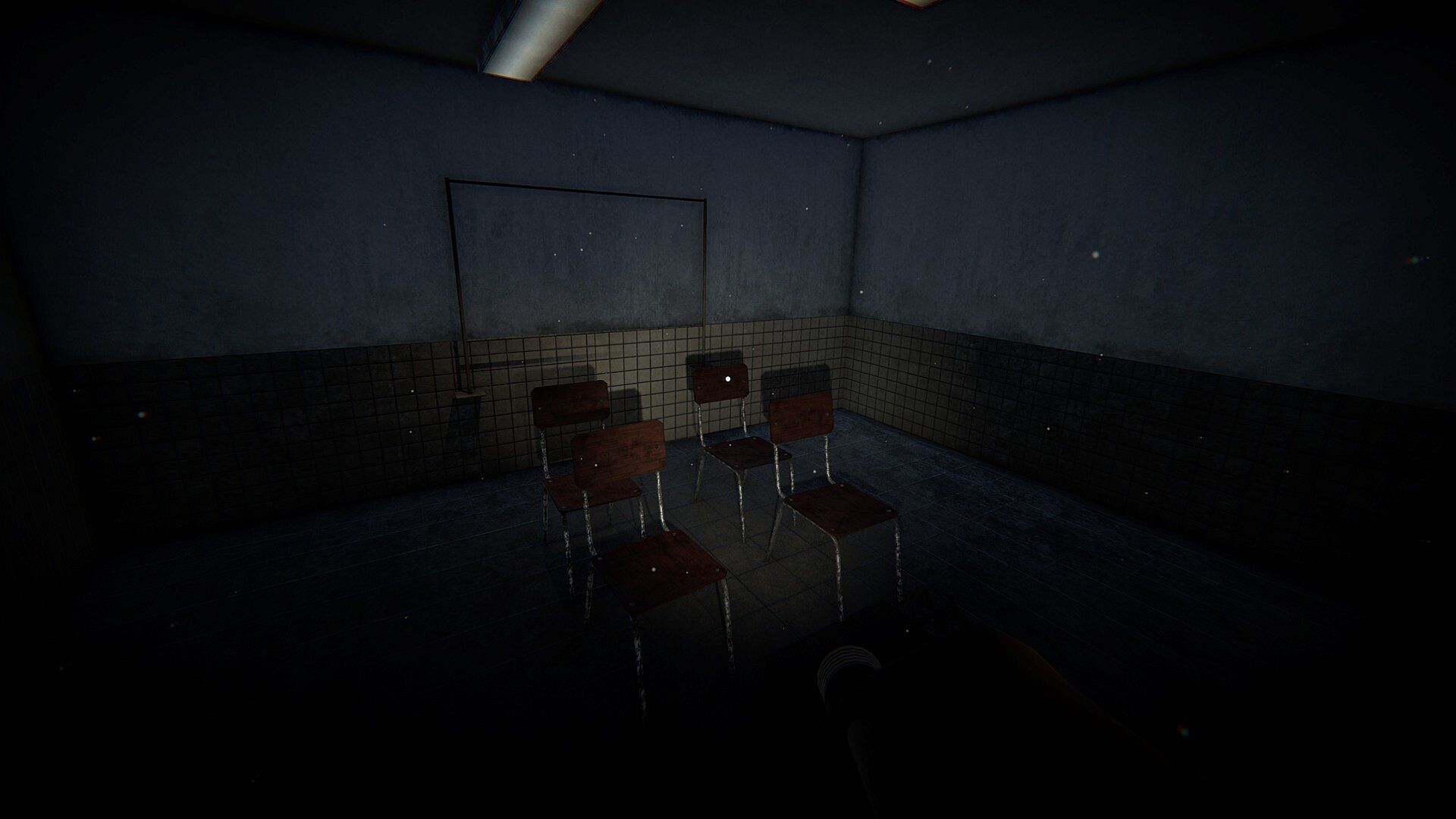
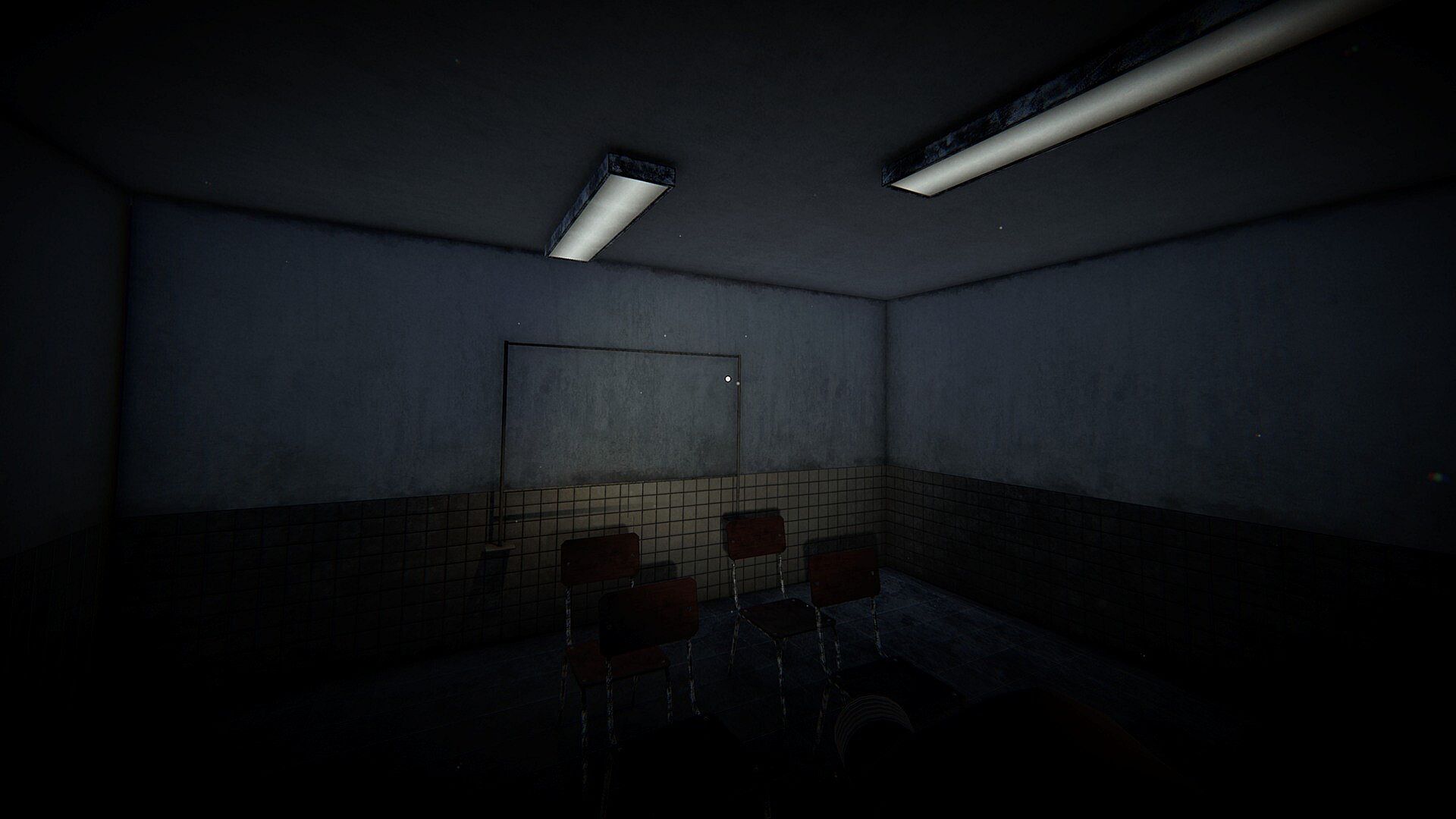
The hospital setting relies on repetition to build tension. Identical fluorescent lights, posters, and stretchers create a baseline that makes any deviation stand out. Sound design includes a fully voiced hospital PA system along with dialogue and subtitles available in both Turkish and English. The localization covers menus, character speech, and environmental audio from the start rather than as an afterthought.
Additional elements include occasional NPCs that can be spoken with and short cutscenes that play between successful wards. The game runs on modest hardware and avoids any reliance on high-end graphics, keeping the focus on the psychological pressure of sustained attention.
Is It Worth Playing?
HOSPITAL8 targets players who enjoy observation-driven horror and short, repeatable sessions built around pattern recognition. The three modes provide clear progression goals and replay value through record tracking, while the companion choice adds a meaningful branching element without complicating the core loop. Because the game is still listed as coming soon on its primary storefront, it currently lacks widespread player feedback, but the verified mechanics match the description of a focused, attention-based experience rather than action-heavy survival horror.
Those who appreciate games that reward noticing small details and managing tension through positioning will find the structure rewarding. Sessions can end quickly on a mistake or stretch longer in Endless mode, making it suitable for focused play periods. The bilingual voice work and consistent localization further distinguish it for players interested in Turkish-developed horror titles.